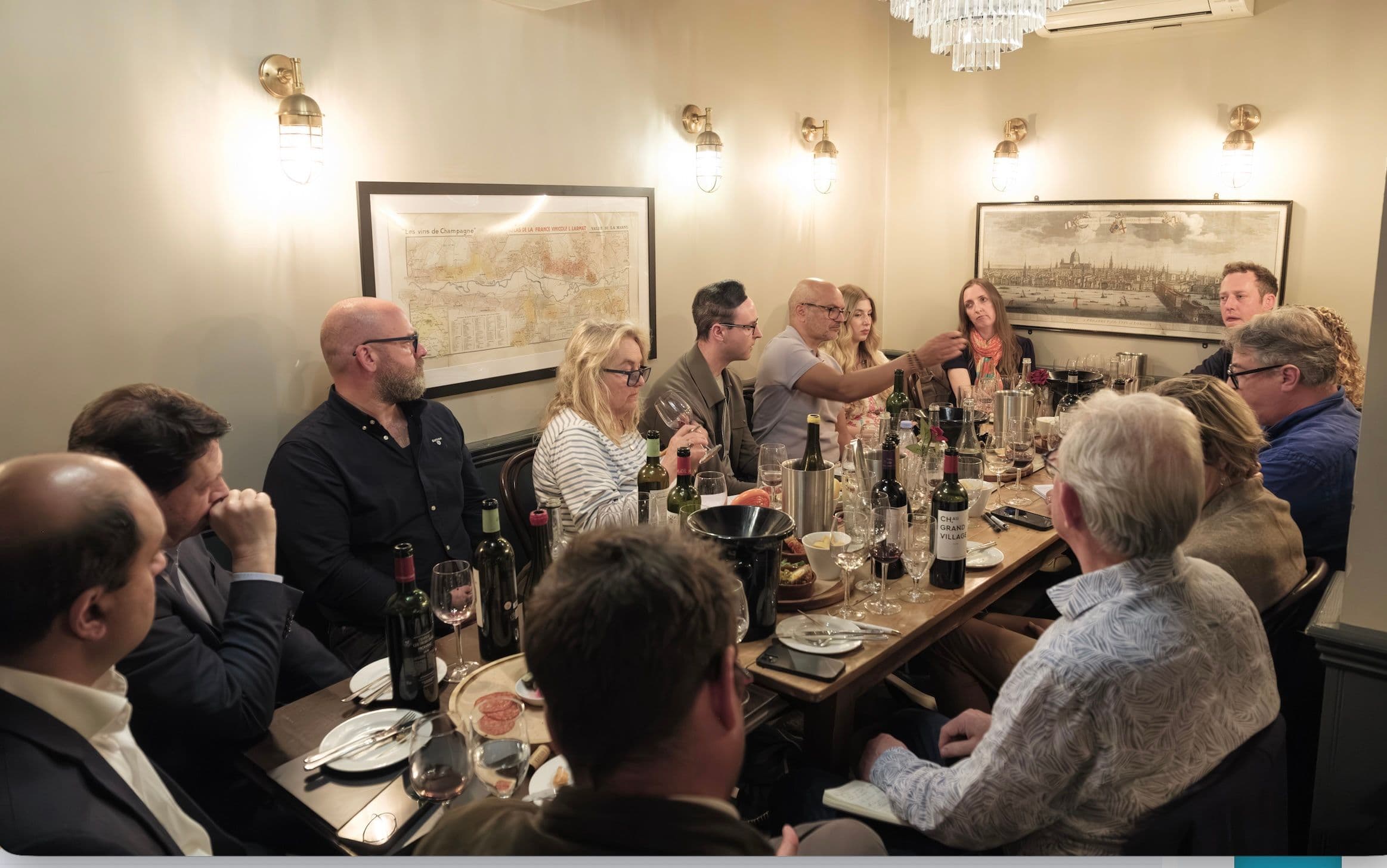

UK buyers panel
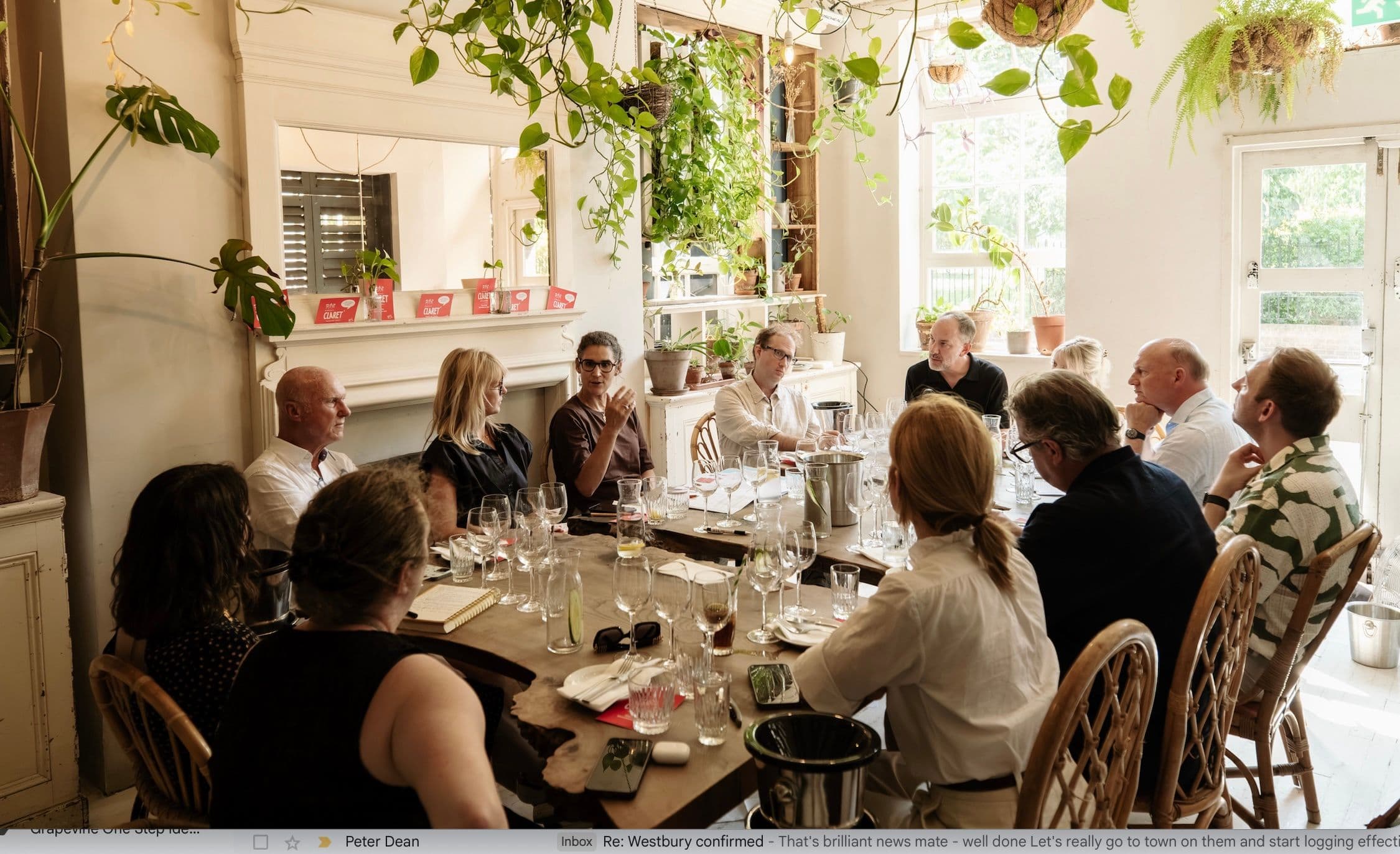
Our thanks go to our leading panel of UK buyers, importers and consultants who took part in the debate held at Davy’s in Holborn London.
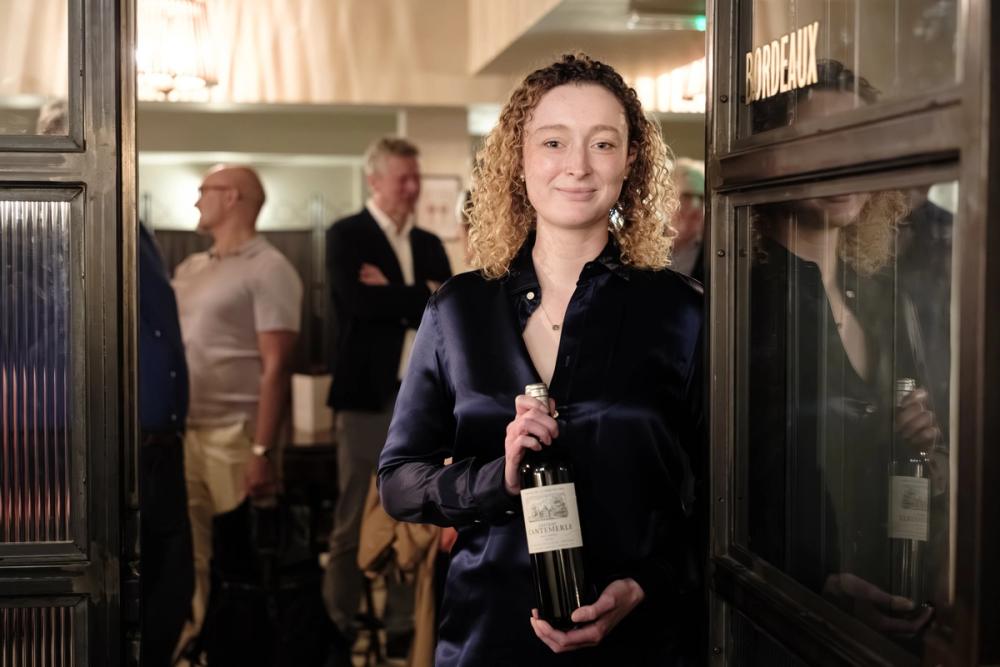
- Maggie Haan, head of analysis at Wine Lister.
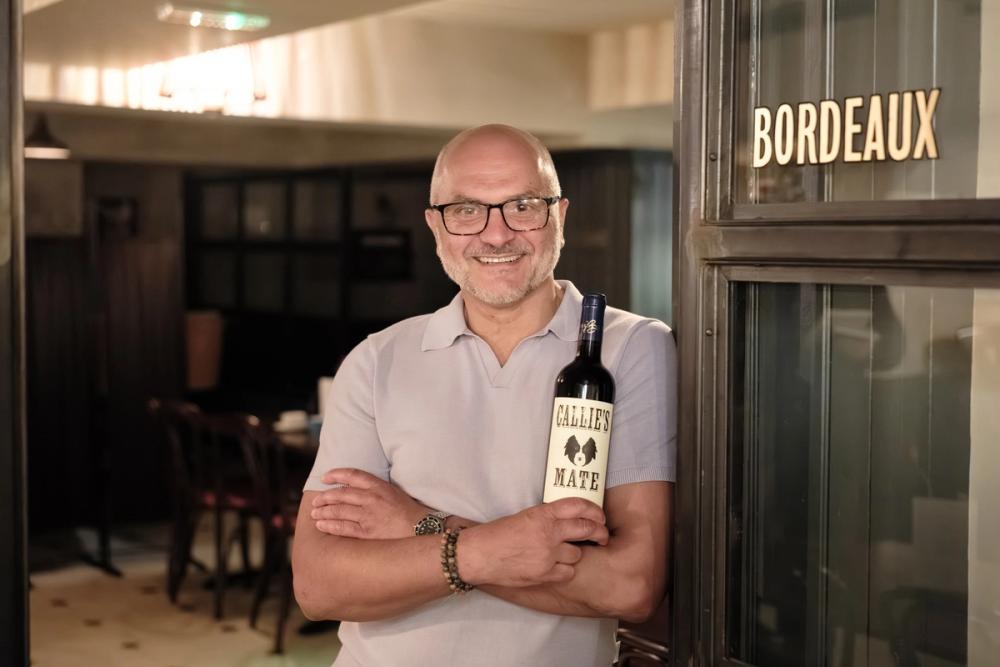
- Giles James, wine consultant.
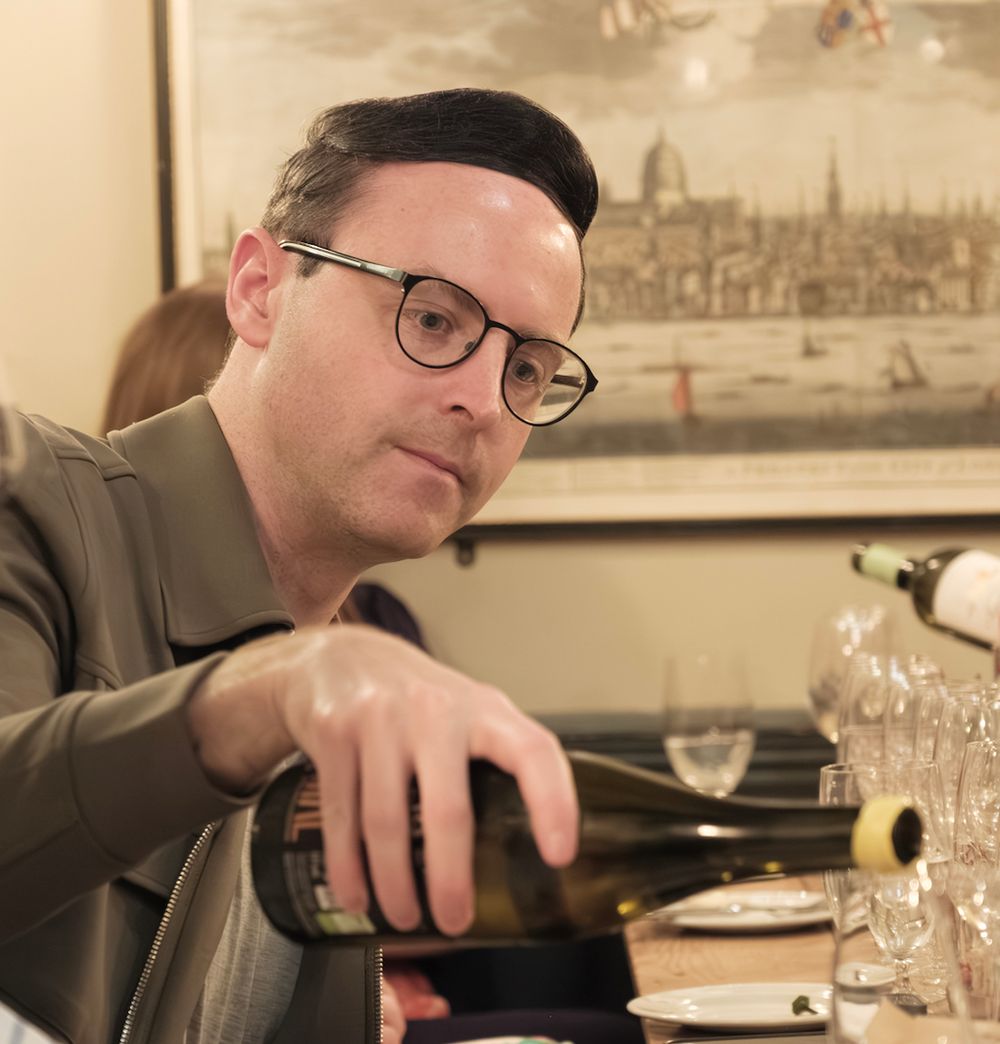
- William Stephens, head of wine, Nectar/Asahi.
- Maisie Turner, assistant buyer, Berkmann Wine Cellars.
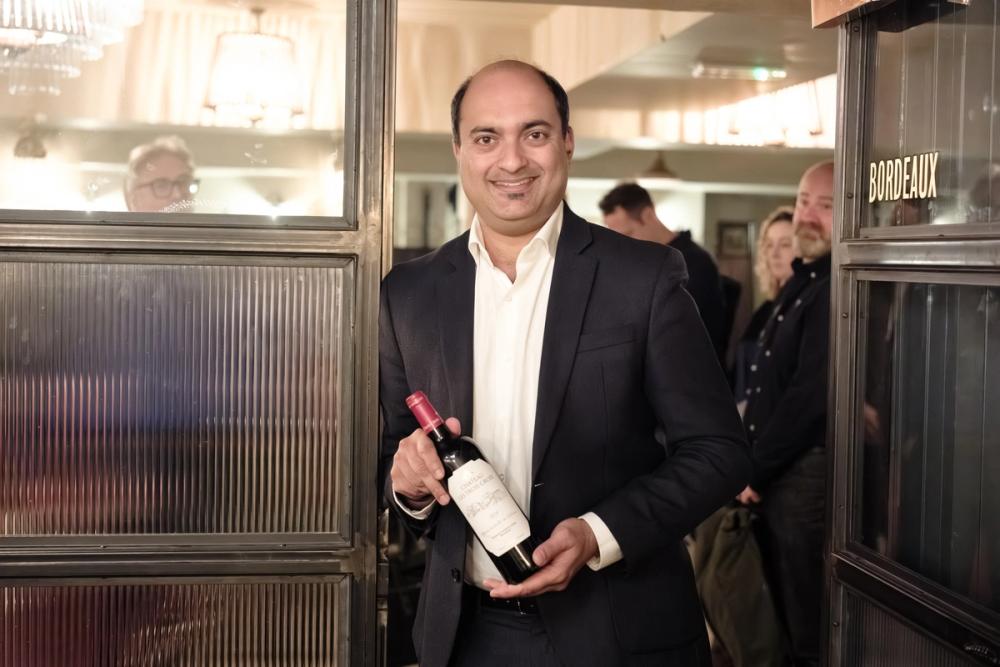
- Harshal Shah, owner, Carrington Wine Merchants.
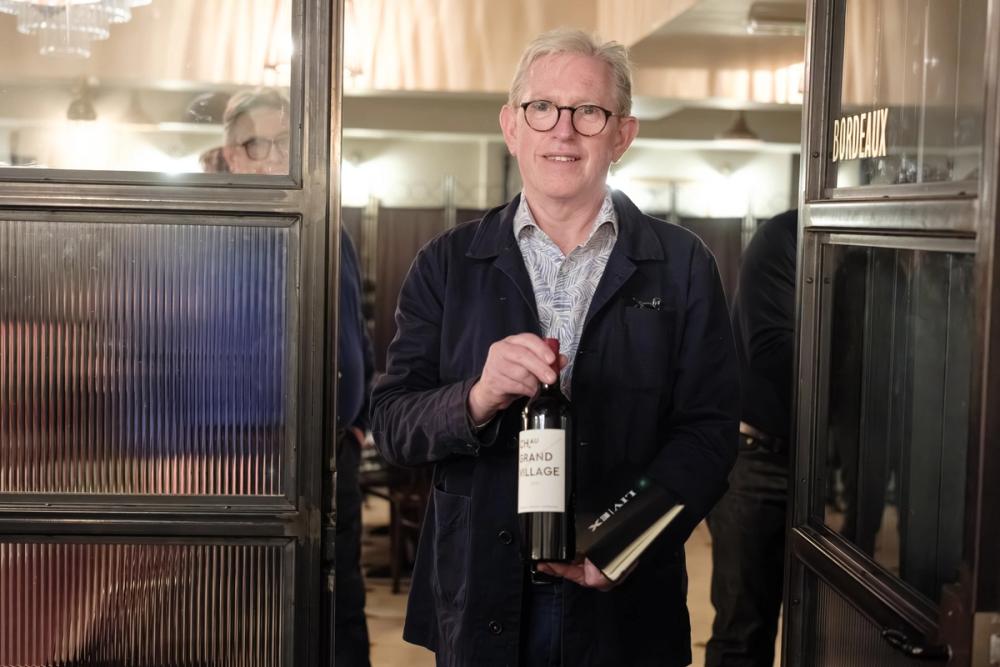
- Miles Davies, fine wine consultant, Vinum Fine Wines.
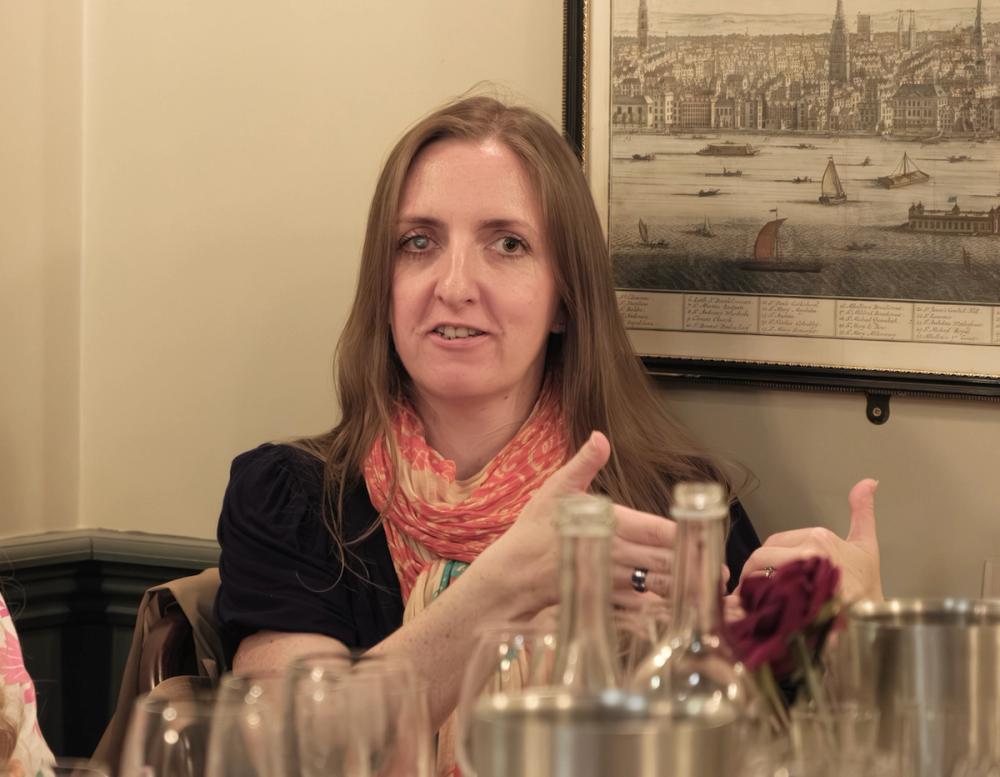
- Cat Lomax, head of buying, Goedhuis Waddesdon.
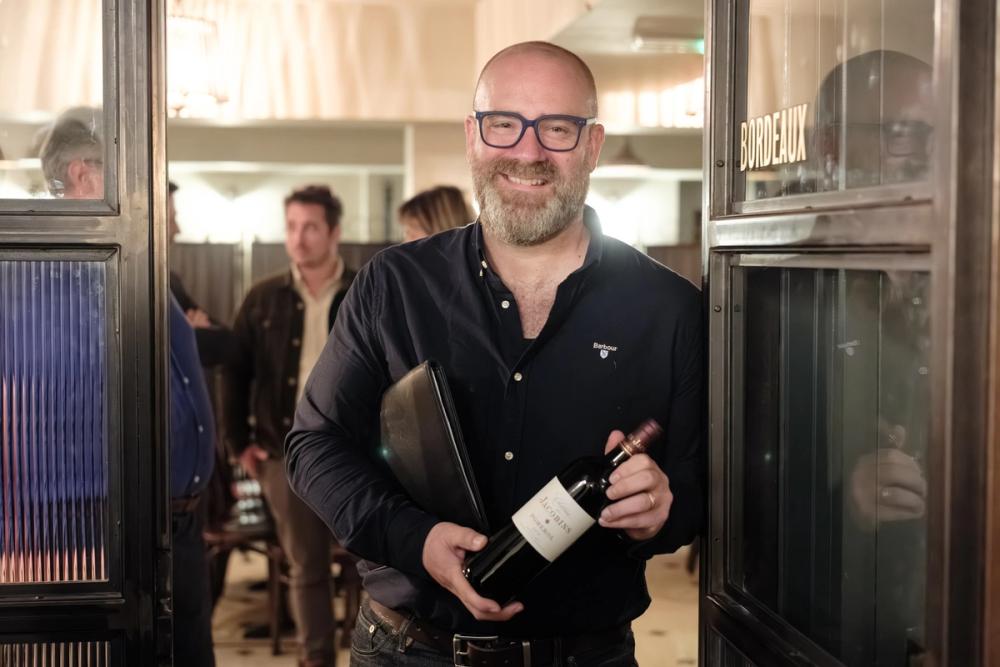
- Christian Robertson, key account manager, fine wines, Enotria.
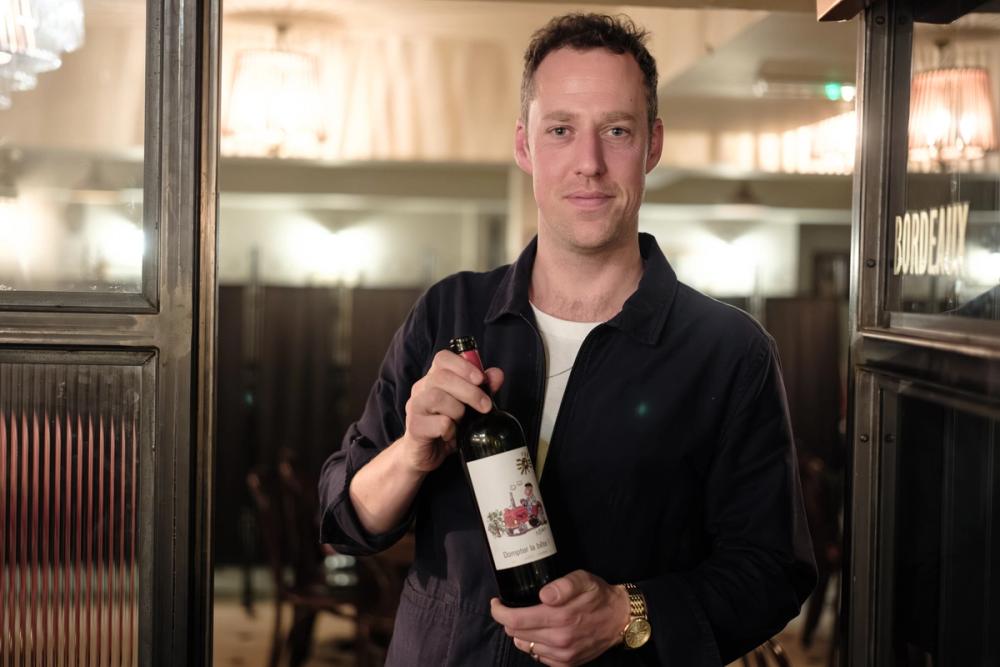
- Alex Percy, founder and buyer, The Modest Merchant.
Representing Bordeaux
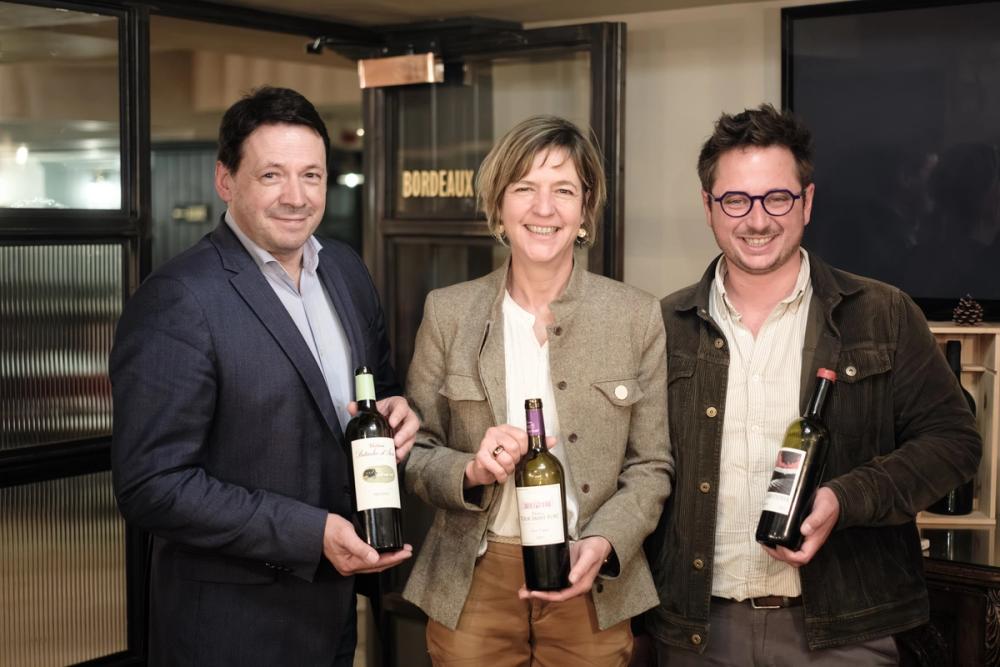
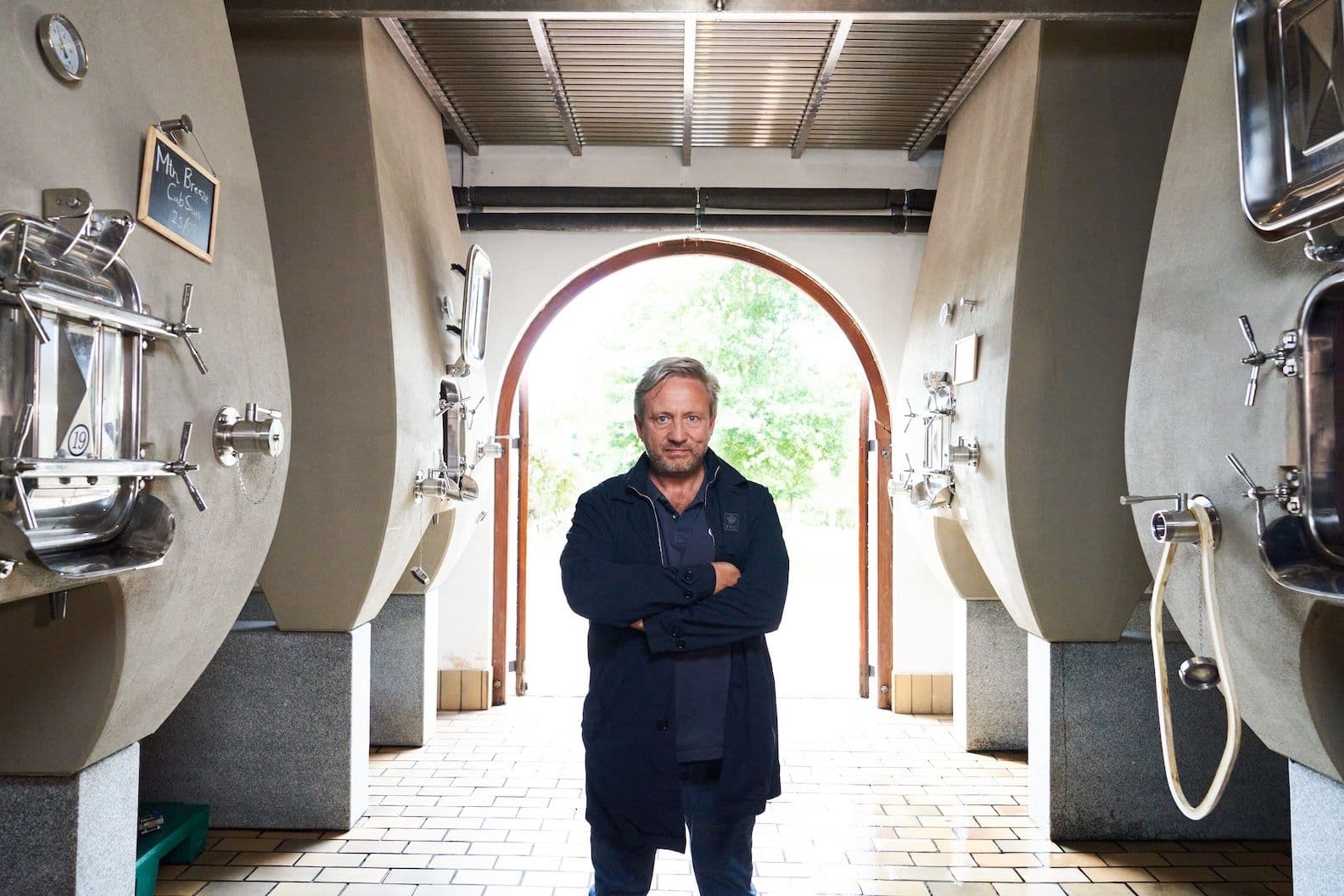
From left to right: Jean-Pierre Durand, co-president of the CIVB promotions committee and president of Bassin Bordeaux Sud Ouest, AdVini Group; Liesel Maurin, winemaker, Château Tour Saint Fort & Château Grand Ormeau ; Hugues Laborde, winemaker, Vignobles Hugues Laborde.
- Jean-Pierre Durand, co-president of the CIVB promotions committee and president of Bassin Bordeaux Sud Ouest, AdVini Group.
- Hugues Laborde, winemaker, Vignobles Hugues Laborde, Bordeaux, Entre-deux-Mers, Fronsac and Saint-Émilion AOPs.
- Liesel Maurin, winemaker, Château Tour Saint Fort (Saint-Estèphe AOP) & Château Grand Ormeau (Lalande-de-Pomerol AOP).
Bordeaux is at a crossroads in its long and rich history. As much as its wines remain respected and revered around the world the region is facing an existential crisis in the face of declining global demand not just for its wines, but across the global wine industry.
An ageing core customer base has forced the Bordeaux wine authorities to reconsider its proposition and put in a place a new strategy that embraces change and will help its producers and winemakers take the steps they need to survive, grow and prosper.
It was an issue that Jean-Pierre Durand, co-president of the CIVB promotions committee and president of Bassin Bordeaux Sud Ouest, AdVini Group wanted to address at the start of the debate. He did not pull his punches, painting a stark picture of an industry in crisis, with global wine consumption plummeting to just over 214m hl last year, its lowest level since 1957, and down from 240mhl only a decade ago (OIV).
In France alone, wine consumption has nosedived, down by a hefty 70% in the 60 years between 1960 and 2020, with consumption dropping off even more rapidly since 2018, mirroring the global trend where wine consumption has dropped by 12% over the same period.
“Whilst Bordeaux continues to lead exports in still AOP wines, we have lost more than 2m hl of sales in the past 10 years, down from 5.5m hl to 3.1m hl last year,” says Durand.
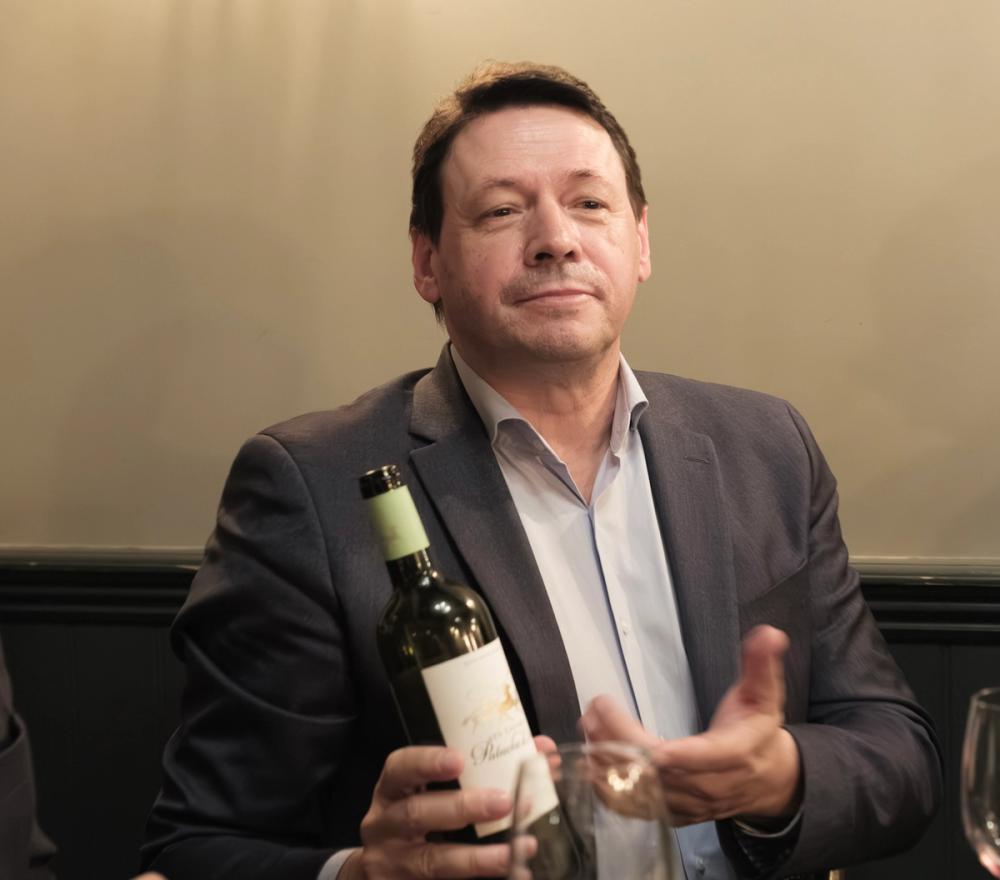
Jean-Pierre Durand was able to set out in frank terms the challenges and issues that Bordeaux and its wine producers and growers are having to tackle and find solutions for
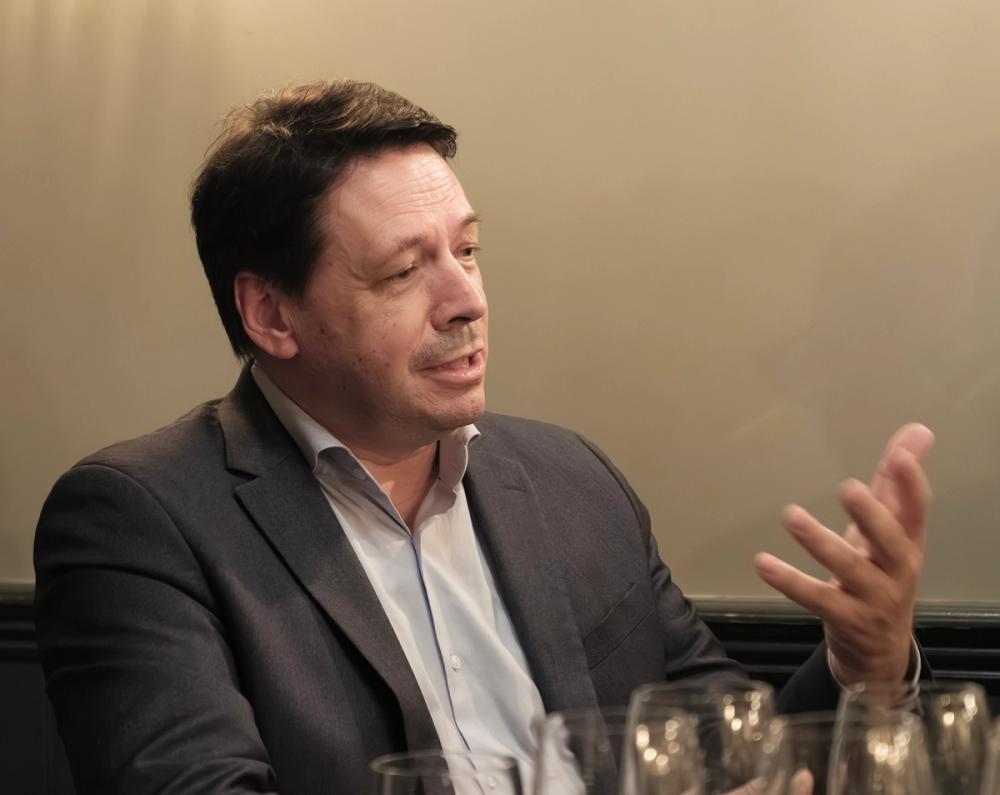
“So the forecast is not good for several reasons. Despite the so-called French paradox which means the French are meant to be good at ageing, the reality is our key customers are dying off. Most of Bordeaux’s wine production is sold domestically in France and to supermarkets, and most of our customers are aged 75 plus. So we need to get new, younger consumers on board.”
Not only is domestic consumption on the wane, but across the globe the same phenomenon is being played out. Durand pointed to China where sales were around the 561,000hl mark 10 years ago (2015 export figures), but are now a mere 158,000hl in 2025.
“In the light of all these difficulties, something had to change.”
Big changes
In an effort to bring Bordeaux’s production more in line with market demands, a grubbing up programme was introduced in 2023, starting in the Gironde. In the three years since, more than 20,000 hectares of vineyards have been lost, with the total vineyard area now standing at 86,000 hectares, down by 9% on 2024. Not only has the area under vine been slashed, but the climate has also impacted on recent harvests, with 2025 production levels hitting a 10-year low.
In response, the CIVB hasn’t wasted any time, launching a host of promotions, tastings and social media marketing activities in an effort to attract a younger demographic to Bordeaux. All of which looks to highlight the newer style of lighter, fresher wines that are increasingly coming to the fore in the region.
“We decided to target the generation aged between 25 – 40, who don’t necessarily have established consumer behaviours. We need them to be a bit younger, but also have some money to spend,” explains Durand.
The budget is being spent on getting to better understand consumer preferences, and in showing winemakers how to get their wines to better match consumers’ changing tastes. The CIVB is also working hard to show producers where they can get pockets of value creation in different markets, and how to run promotions and focus their communications specifically around raising consumer awareness of the Bordeaux brand.
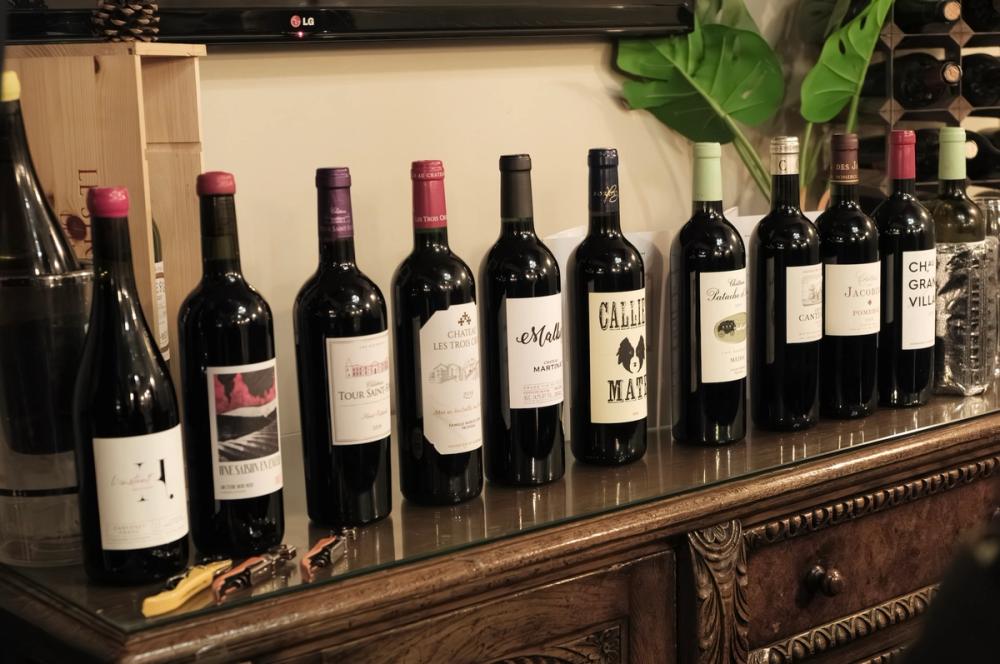
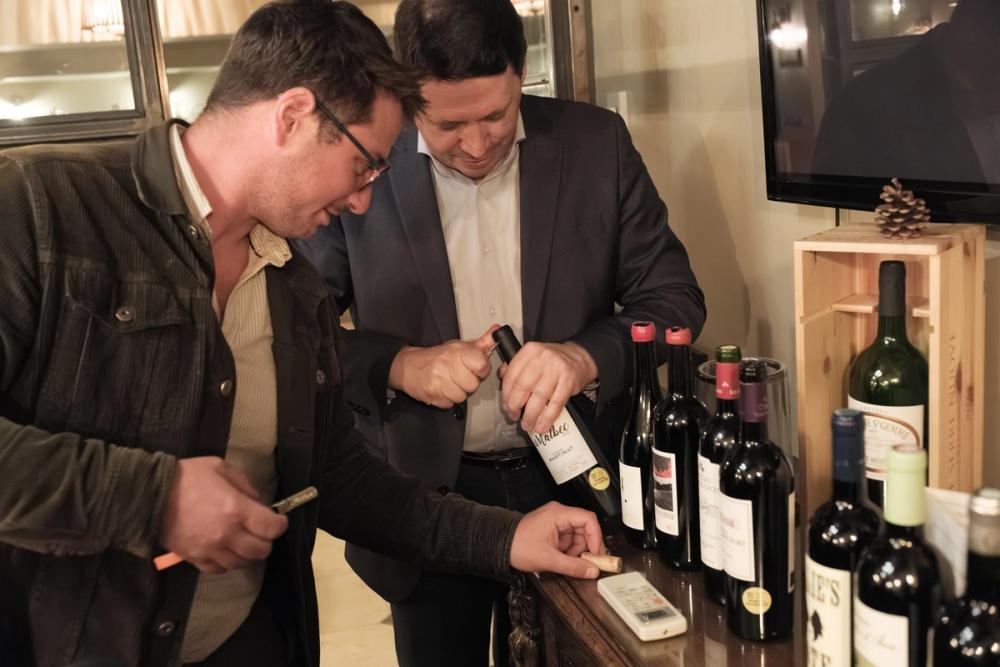
The buyers invited to the debate were asked to bring a bottle of wine that they feel best demonstrates what can be described as the modern style of Bordeaux winemaking
Earlier this year the CIVB launched what it calls “the new face of Bordeaux”, with a particular focus on the new wines now offered under the Bordeaux PDO designation, as well as exciting new innovation like the new Médoc Blanc appellation, created in 2025.
The aim is to get consumers to rethink the old stereotype of Médoc as a region that only produces red wines.
“The work that has been done to be greener with our viticulture, and in making the profile of the wines more friendly to the customers, making them less extracted and less woody, are all steps in the right direction,” says Durand.
“Most of Bordeaux’s wines are reasonable in price and offer excellent value. We are amongst the top AOP wines in France in what we are offering today.”
Adapting for market needs
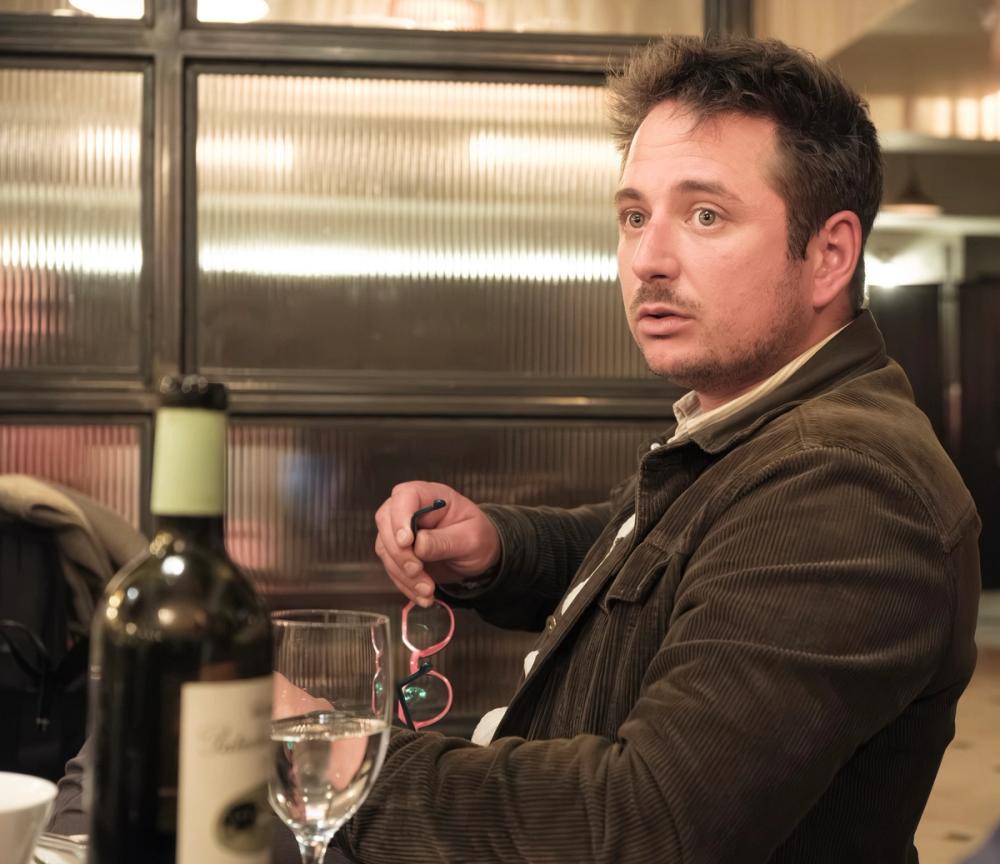
Hugues Laborde says the focus for Bordeaux producers is now very much around promoting their wines as brands and why they should appeal to certain consumers rather than focus purely on their chateau
Hugues Laborde is a Bordeaux producer with vineyards in Entre-deux-Mers, Fronsac and Saint-Émilion who has made great progress in adapting his wines to better suit today’s challenging market conditions.“When I took over the winery, we were losing a lot of customers, and had to look for solutions,” he says.
“I decided we had to change the profile of the wine, as well as the price position. What we are doing now is showing that Bordeaux wines can be much fresher than before, with more fruit and less oak. We are also starting to adapt the way we are growing the vines, and started to plant more Cabernet Franc, for example, on the Right Bank. We have really good terroir – mainly clay, which I think is the key to climate change."
He adds: “We have changed the way we think about wine – it used to all focus around the châteaux, but now we prefer to talk about the brands, and brand identity and are able to adapt the proposition of the wines to suit different customers.”
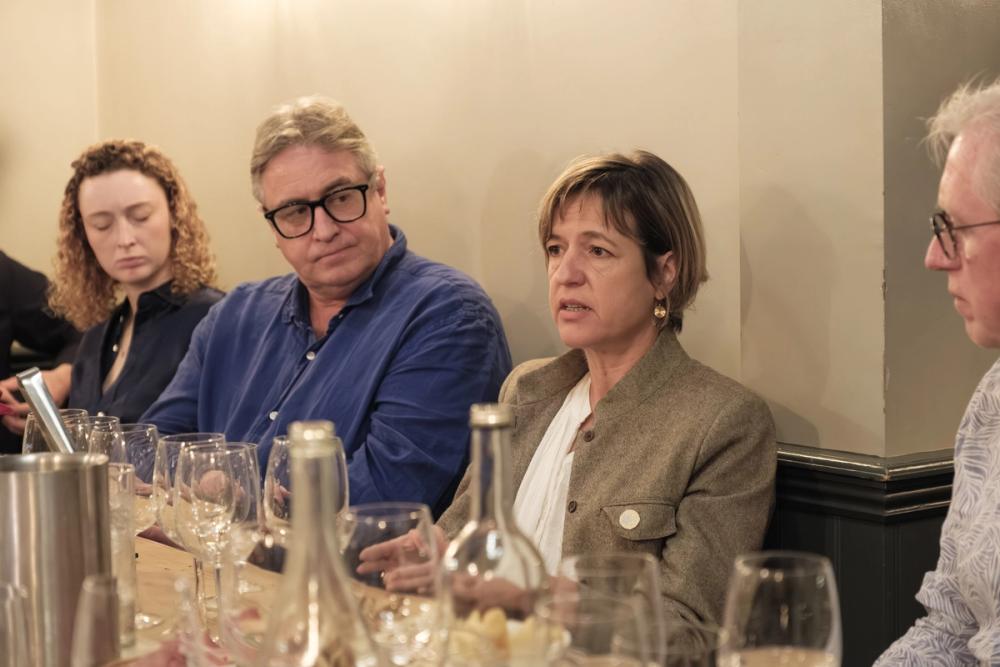
Liesel Maurin says Bordeaux winemakers are looking to focus far more on "terroir expression" to make lighter, fruitier styles of wine
Liesel Maurin, who oversees the portfolios of Château Tour Saint Fort in Saint-Estèphe and Château Grand Ormeau in Lalande-de-Pomerol, says it is working hard to look at the styles of wines it is making with a little less focus on Merlot, for example, in favour of Cabernet Sauvignon. It’s why so many more producers are turning back to Malbec again and we are even seeing Carmenère for the first time, she adds.
It is also having to think far more, says Maurin, about the long-term implications of climate change and what that means for Bordeaux’s vineyards and the styles of wines it can make.
It is already having an impact on the styles of wine it can now make.
As she explains: “We are adapting to our climate. We are picking our grapes earlier. We simply cannot make the wines we were making in 2020 or 2022.”
Ultimately it is about “terroir expression” and focusing far more on producing fruitier styles of wine with less wood, says Maurin.
Giles James agreed and cited an example of sourcing and introducing a new and modern Bordeaux Crémant to the Groucho Club wine list that had no reference to regionality or anything that speaks of sense of place and has been doing well.
“It is more brand-driven than about regionality, and made from Semillon.”
Lighter styles
Bordeaux producers are also experimenting with lighter, lower-alcohol red wines and even alcohol-free versions which are slowly gaining momentum thanks to larger, prestigious producers getting on board.
This consumer shift away from heavy, higher alcohol wines is what the market wants to see, says Wine Lister’s head of analysis Maggie Haan.
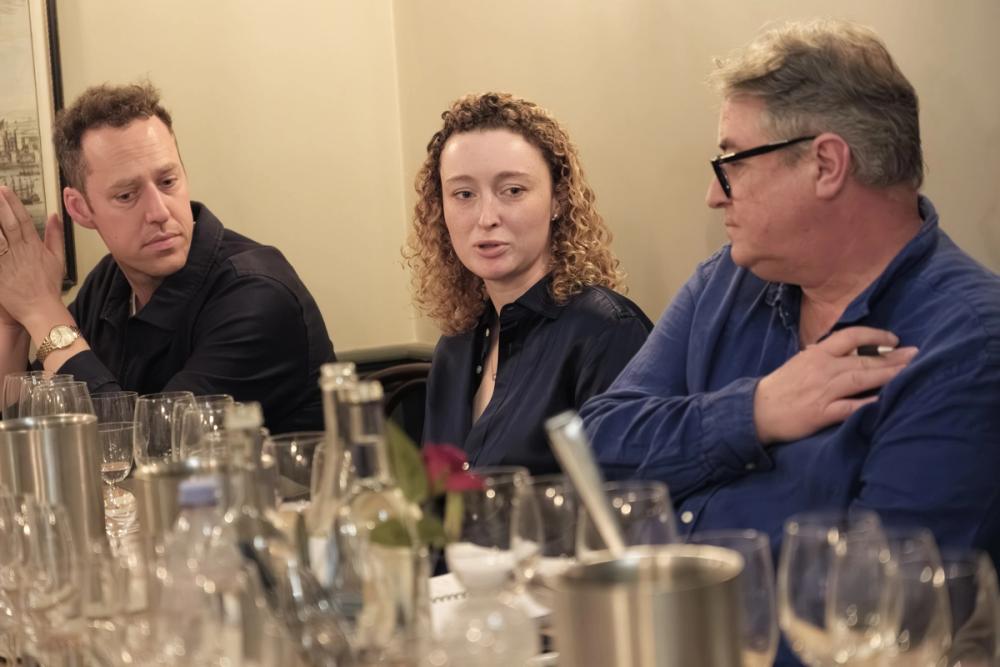
Alex Percy of The Modest Merchant and Wine Lister's Maggie Hearn backed Bordeaux's move to make lighter styles of wines as they were in keeping with what wine drinkers are looking for
“Consumers, particularly younger drinkers, are increasingly seeking lighter, more approachable styles,” she confirms, pointing to Wine Lister’s 2026 Bordeaux study which revealed that nine out of 74 global trade respondents reported customers asking for wines that are drinkable young, with lighter extraction and less oak.
Alex Percy, founder of Modest Merchant, says the move to lighter style wines is also in tune to the styles of food we are now seeing across most cuisines in the on-trade. Gone are the days when everything was covered in big rich sauces and covered in butter, now it is very much about less is more and sommeliers and wine buyers are coming to suppliers like him to find wines that can match and work with lighter touch dishes.
It’s why the natural and lower intervention wines that Modest Merchant specialises in are increasingly in demand as they work so well with a wide range of styles of food, particularly non-meat dishes.
“Does the consumer think that Bordeaux will work the style of food I like?” he asks.
Potential areas of growth
Harshal Shah, owner of Dublin-based Carrington Wine Merchants where Bordeaux wines are a mainstay of his business, was pleased to hear there is now a sustained focus on making and promoting its white wines.
He says the market is very much open for “dry whites at accessible prices points from all areas” such as Fronsac, Moulis, Listrac or Castillon.
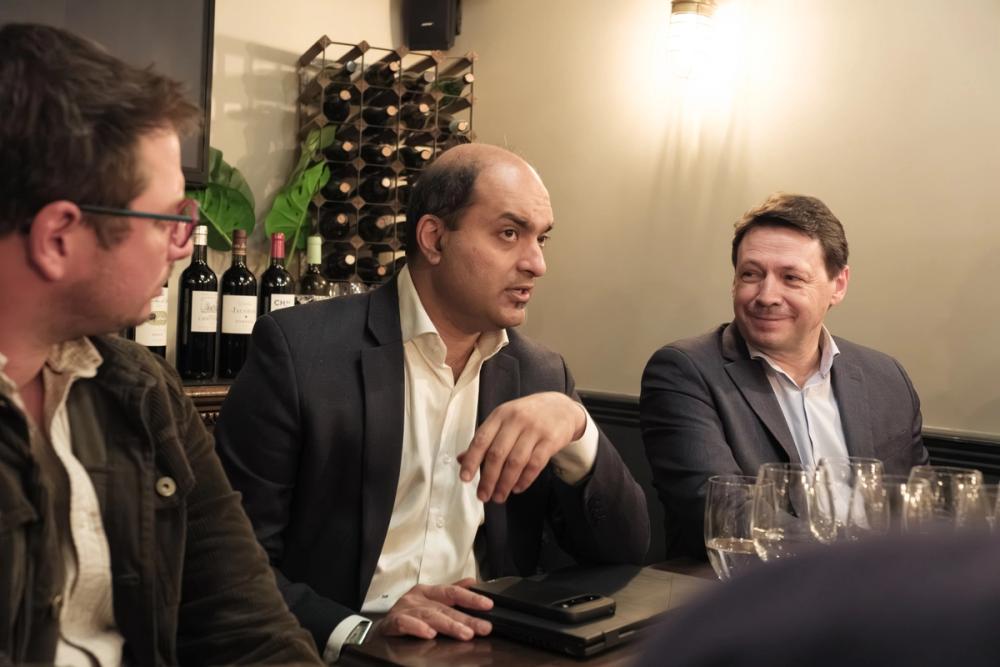
Harshal Shah of Carrington Wines in Ireland says he is encouraged by the Bordeaux wines from the 2025 vintage as showing a clear step in the right direction in terms of style of wine
“These should be the focus of promotions encouraging drinkers into Bordeaux. And then another area of focus should be in gateway wines that will get drinkers to trade up. Second wines of classified growths, and petit chateaux owned by more famous châteaux.”
Shah is confident that what Bordeaux is doing to modernise itself and make itself relevant to the next generation of wine drinkers is working for his business.
“Certainly on the wine front, yes. The 2025s confirm the direction of travel – earlier picking, far better precision in the vineyard, moderate alcohols in the 12.5% - 13.5% band and a return to classical proportion rather than the over extracted, over ripe register of the late 2000’s. The estates that matter have stopped chasing power and started chasing line and freshness, which is exactly what a modern table wants.”
He is less encouraged by what he describes as the “commercial machinery”, where the wines have modernised faster than the system that sells them.
Is the price right?
For all the work going on in the vineyards and wineries Shah believes more still needs to be done to get its pricing levels right.
As he explains: “The campaign still creaks, and price discipline lags the quality. A lot of this is taking the current economic reality into account, but it might actually require one step back in order to move two steps forward. More can be done in the realm of marketing and promotion too.”
Nonetheless Shah remains positive for the future potential and prospects for Bordeaux, pointing out the advantage it has over that other deeply traditional region, Burgundy.
“Other French regions may have scarcity and romance but cannot supply the world; Bordeaux, however, can deliver great wine in volume, with a négociant network, a futures market and verticals stretching back decades,” he says.
“That combination of provenance, a functioning secondary market, and proven ageing, is unmatched. Its real advantage now sits in the middle: the value at the classed-growth shoulder and below is excellent, and that's where you win drinkers for life.”
“Bordeaux's problem was never quality. The challenge is relevance to the next generation, and honesty on price. The châteaux that give merchants a reason to champion them, rather than treating us as an order book, will own the next decade. We're not selling wine; we're selling judgement and access.”
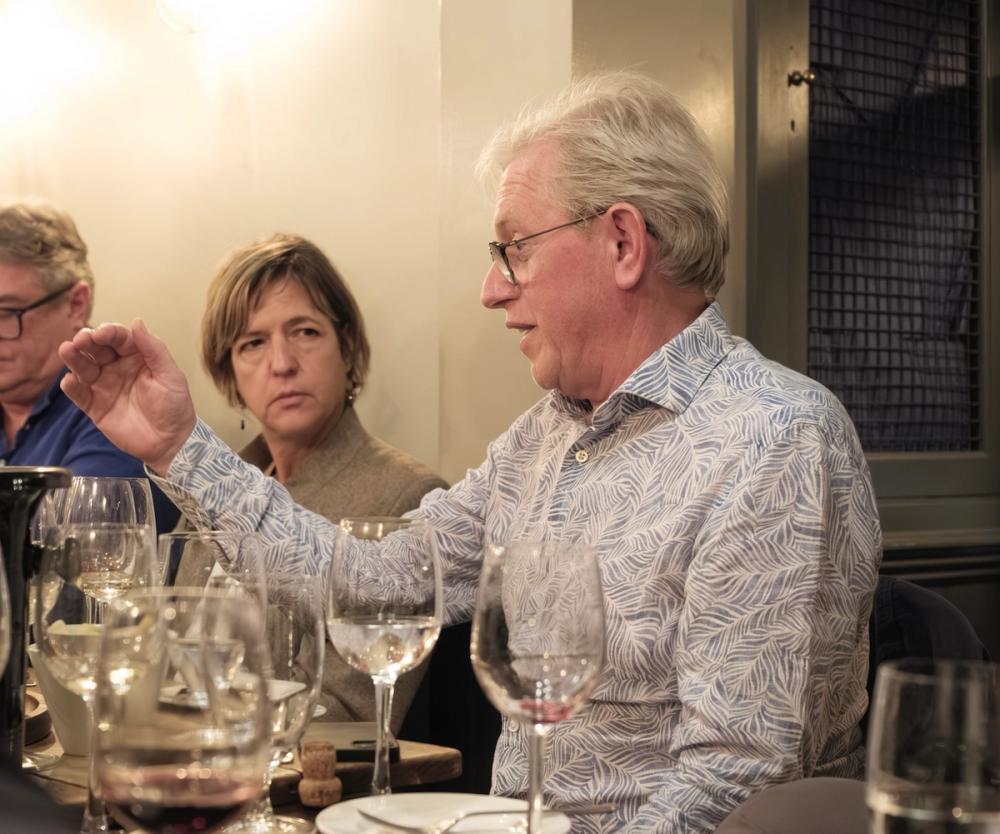
Vinum Wines' Miles Davis: "For us, there’s nothing wrong with the wines or the styles, it’s more about pricing – but more importantly, communications, marketing and training."
Price was also an issue for Miles Davies, fine wine consultant at London-based Vinum Fine Wines, where Bordeaux, selling more at the top end of the pricing ladder, can comprise up to 30% of its business each month.
“For us, there’s nothing wrong with the wines or the styles, it’s more about pricing – but more importantly, communications, marketing and training. We would welcome more open communications."
Durand says there are also efforts being made to ensure pricing at the commercial end of the market is also being carefully managed and that, ideally, all Bordeaux wine in the regional appellation should leave their cellars at a fair price for all stakeholders, particularly in light of production costs.
On the right path
William Stephens, the head of wine at leading wholesale drinks supplier Asahi/Nectar, also came away from the discussion feeling more enthusiastic about Bordeaux’s prospects.
“I came away more encouraged than I expected, because there appeared to be a genuine sense of urgency, and an understanding that structural change is required, rather than simply hoping for a return to market conditions that no longer exist,” he says, adding that one of Bordeaux’s biggest advantages is that it is not defined by a single style, variety or hierarchy.
“Throughout its history, the region has continually adapted to changing markets whilst retaining a clear sense of identity. Many classic regions are constrained by the very traditions that made them successful. Bordeaux, by contrast, has repeatedly demonstrated an ability to evolve without losing credibility. The wines discussed today reinforced that point; they showed that changes in style need not come at the expense of typicity.”
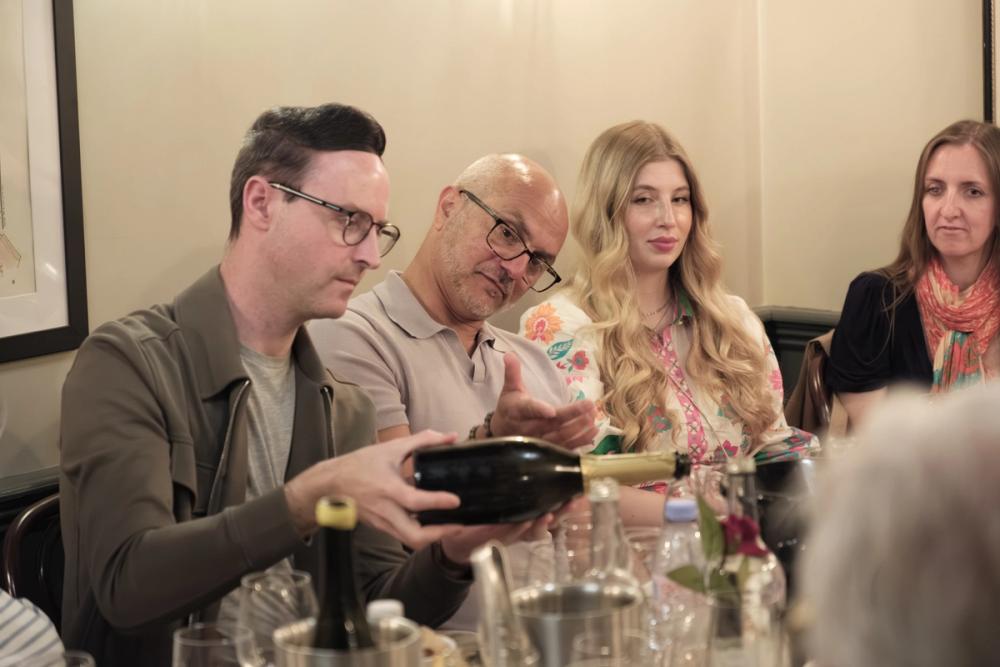
Nectar's William Stephens shares the bottle of wine that he brought to the debate to illustrate what Bordeaux is doing well
He added that many of the wines which are presented as good examples of modern Bordeaux are not actually defined by appellation, but by a broader stylistic shift towards freshness, purity and drinkability.
“Producers appear to have recognised changing customer preferences, resulting in more precise, less extracted wines that remain unmistakably Bordeaux. For me, these wines demonstrated that Bordeaux can evolve stylistically without sacrificing the identity that gives the region its value.”
Fine balancing act
Maisie Turner at Berkmann says it has a particularly delicate balancing act to get right as it has so many of what you might call traditional Bordeaux drinkers as its core customers.
So whilst she welcomes all the changes that are being made in the region, she also cautions the need to “keep that character and tradition” in the wines too.
It is also a challenge that wine merchants like Berkmann need to embrace and work with its producers to find the right wines and stories to tell its customers.
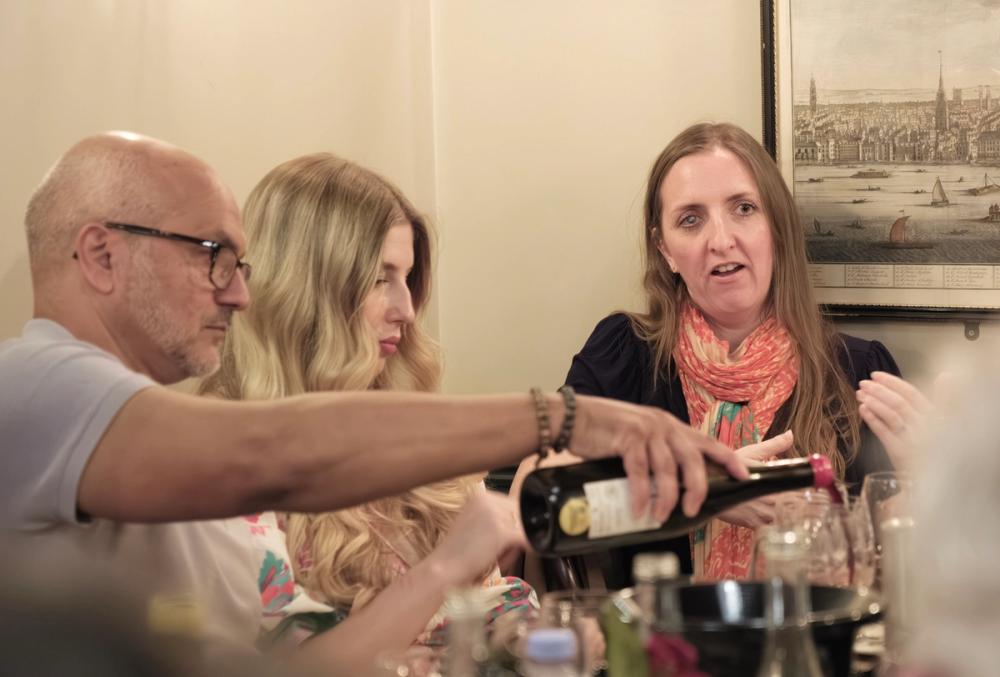
Cat Lomax's was able to share her experience buying Bordeaux for major supermarket chains
Cat Lomax, head of buying at Goedhuis Waddesdon, who has worked extensively in the retail sector buying wine for the likes of Marks & Spencer, Majestic and Waitrose, pointed out it’s a fine line between balancing tradition and innovation, and has noticed a disconnect in consumers’ minds between what they perceive Bordeaux to be about and the reality.
“When I was working for Waitrose and buying Bordeaux, I used to joke that I had to put myself in the shoes of an old man and work out from there what his palate would appreciate. I didn’t really have to consider who I was buying for, certainly a lot less than in other wine categories where there is a greater breadth in the type of consumers buying into it.
“But I think there is definitely a certain amount of disconnect amongst younger consumers when it comes to Bordeaux and other traditional wine regions. Bordeaux still has a certain amount of glamour and prestige attached to it, so when younger consumers want to impress their friends they might buy a bottle of Bordeaux to bring to the dinner table.But the chances are this is a completely different wine to what they are used to drinking, and this became apparent in the online reviews.”
She adds: “Even if I knew I was buying great Bordeaux that was very traditional and met all the quality cues for an individual appellation, there is sometimes that moment of shock when the customer who normally spends £8 on a fruity wine to drink with a pizza on a Wednesday night, spends £25 on a bottle of Bordeaux, then tastes it and they think ugh, what is this – as it’s so different to what they are used to drinking.”
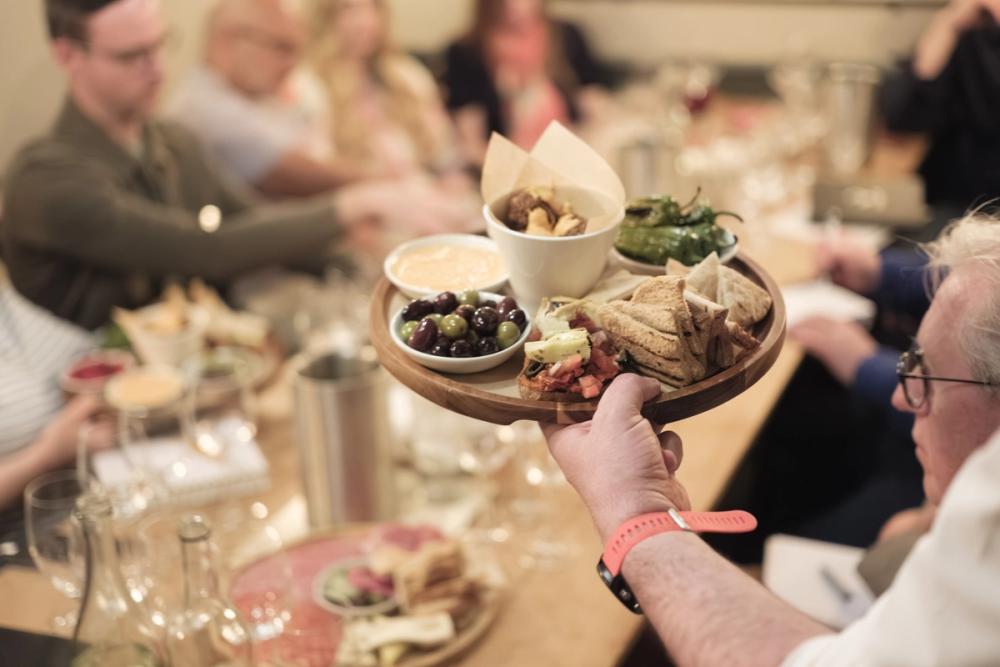
This often results in poor online reviews, which then does nothing to enhance the appeal of Bordeaux to other novice wine drinkers, says Lomax.
“That’s why great wines often get terrible online reviews, which are very difficult to reverse, and to undo those perceptions. There is a lot of desire and appreciation for the prestige of Bordeaux which people do want to buy into on certain occasions but sometimes there’s a reality check which can impede a second purchase.”
Hence the need for better communication, particularly to a younger audience, of what the wine is about, how it should be drunk, and what it should be served with, she stresses.
“Supermarkets have a big role to play here as well,” she adds, as do major retail chains like Majestic that have such enthusiastic staff that could be real ambassadors for the new modern Bordeaux.
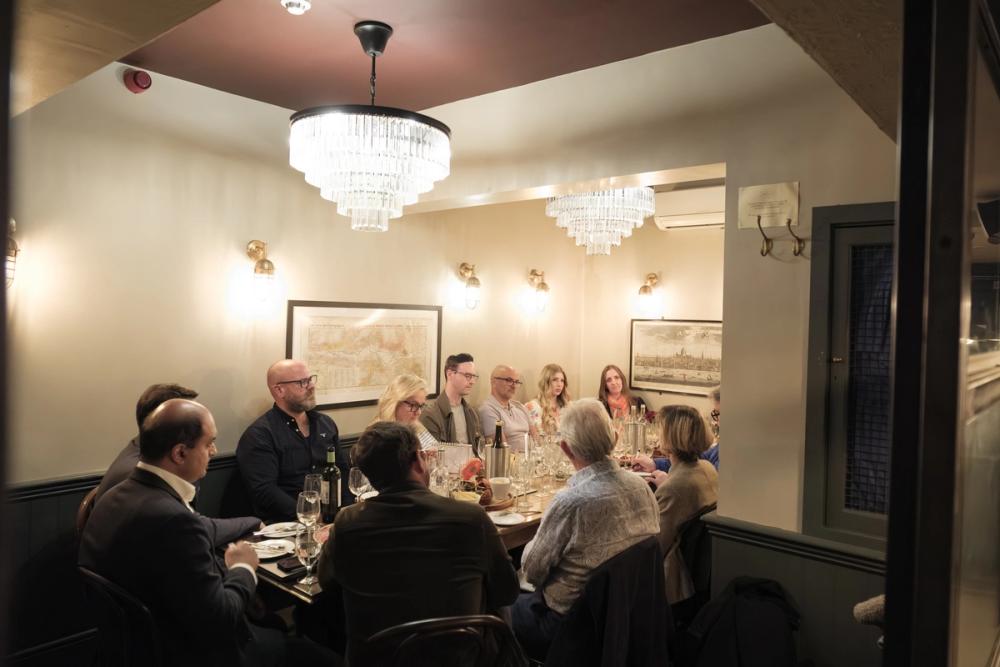
The Modern Bordeaux Debate was an opportunity for leading wine buyers to share their insights on how Bordeaux can best build sales in the UK
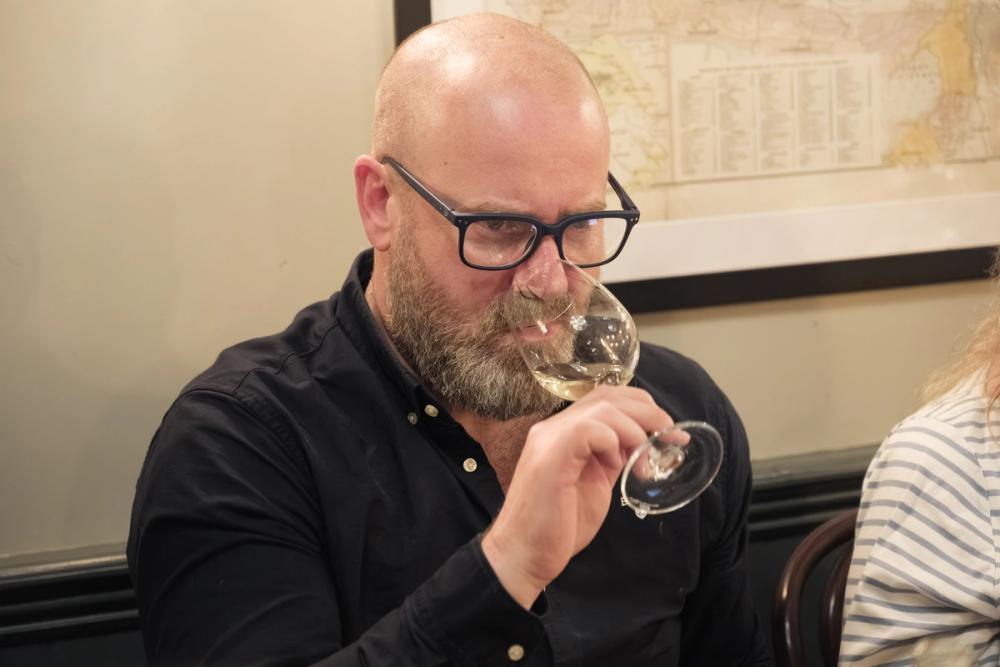
Haan agrees Bordeaux has a delicate balancing act between how far it dares to modernise itself away from the traditional DNA of its wines.
She explains: “Bordeaux has such an established style profile, largely shaped by Parker over the last few decades, consumers have come to expect a certain taste. Any significant deviation risks alienating that loyal base.”
She also points to Wine Lister’s research that found 53 out of 74 respondents said clear expression of terroir and appellation identity was the single quality that should be preserved at all costs - traditional Bordeaux blend varietals featured prominently too.
Enotria's Christian Robertson is pleased to see the steps Bordeaux is taking to focus more on the branding of its wines
Enotria’s Christian Robertson says he was pleased to hear the producers talking about the need to focus more on their wines as brands which consumers can better understand and relate to.
“For us it’s very much an experience that must be conveyed via some sort of an attachment to a château, to a brand," he says.
Adjusting the styles of its wines while still maintaining the "essence" of Bordeaux will, however, be critical, stresses Haan.
“These two things are not mutually exclusive: the goal is Bordeaux that is recognisably itself, just more accessible on release,” she adds.
What was crystal clear from the panel was just how much respect, trust and good will there is in the trade for Bordeaux and the buyers were keen to get behind the changes that are being made.
As Haan says: “The mere fact we were able to take part in discussion itself - with the CIVB actively seeking feedback from the trade - and the investment in education and training shows a genuine openness to change.”
* In part two of our report from the Modern Bordeaux debate the buyers assess how Bordeaux can make the most of its position in the on-trade, and what opportunities there are for its sparkling, rosé wines and the role tourism and storytelling can play in promoting the region.
* You can find out more about the CIVB and how it is working to help support and promote the Bordeaux region and its producers here.