
UK buyers panel
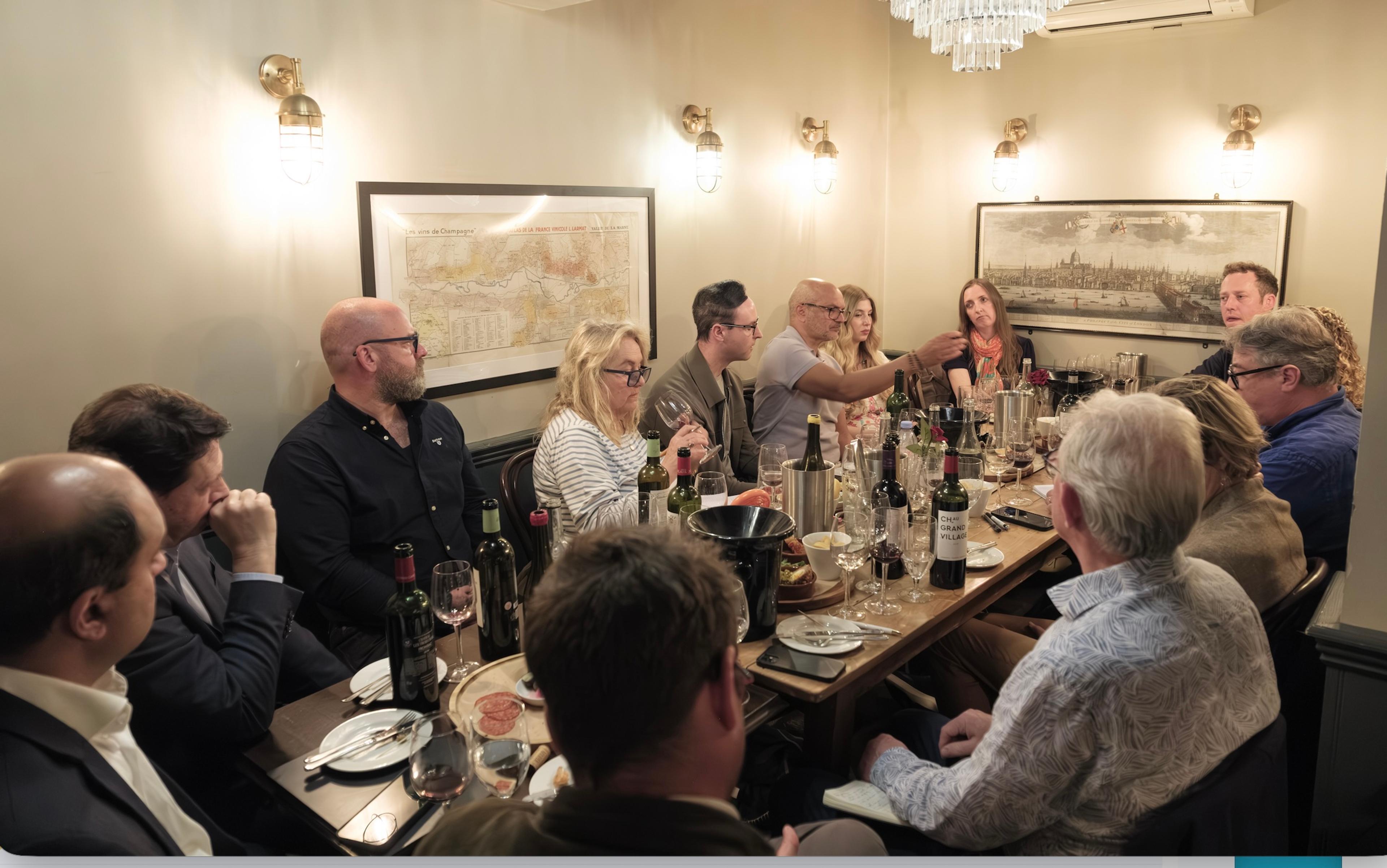
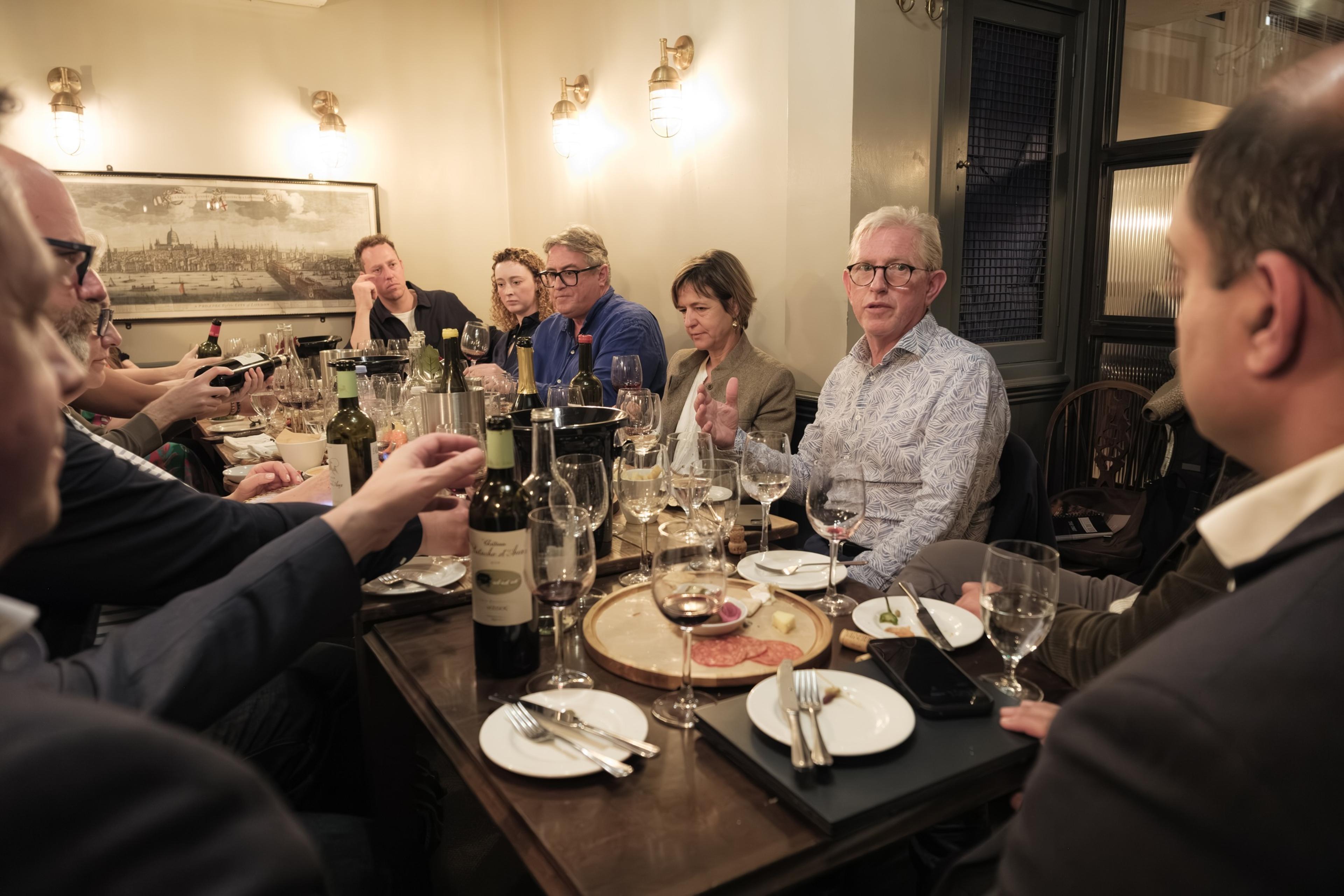
Our thanks go to our leading panel of UK buyers, importers and consultants who took part in the debate held at Davy’s in Holborn London.
- Maggie Haan, head of analysis at Wine Lister.
- Giles James, wine consultant.
- Will Stephens, head of wine, Nectar/Asahi.
- Maisie Turner, assistant buyer, Berkmann Wine Cellars.
- Harshal Shah, owner, Carrington Wine Merchants.
- Miles Davies, fine wine consultant, Vinum Fine Wines.
- Cat Lomax, head of buying, Goedhuis Waddesdon.
- Christian Robertson, key account manager, fine wines, Enotria.
- Alex Percy, founder and buyer, The Modest Merchant.
Representing Bordeaux
- Jean-Pierre Durand, co-president of the CIVB promotions committee and president of Bassin Bordeaux Sud Ouest, AdVini Group.
- Hugues Laborde, winemaker, Vignobles Hugues Laborde, Bordeaux, Entre-deux-Mers, Fronsac and Saint-Émilion AOPs.
- Liesel Maurin, winemaker, Château Tour Saint Fort (Saint-Estèphe AOP) & Château Grand Ormeau (Lalande-de-Pomerol AOP).
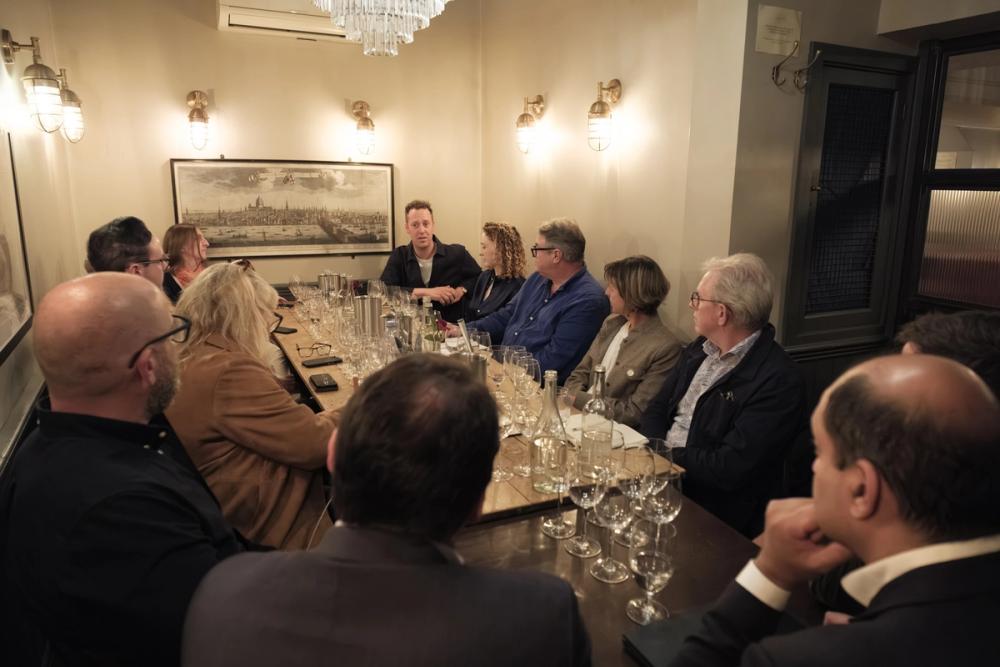
The Modern Bordeaux debate was an opportunity for major UK buyers to hear what steps the CIVB is taking to address the issues in the region and to help modernise and bring more market ready wines to the international stage
If Bordeaux wants to fast track its recovery then it would do well to focus a lot of its attention on re-building its profile and relevance in the mainstream on-trade market was a key theme that emerged from The Buyer and Bordeaux Wines wine suppliers’ debate.
William Stephens head of wine at Nectar Imports is particularly bullish about opportunities for Bordeaux in the wider on-trade pointing out that consumers are increasingly choosing their wine based on quality and style rather than simply its provenance.
“Increasingly, consumers in the on-trade buy quality and style before geography, so I think the opportunity is less about promoting individual AOCs and more about showcasing the extraordinary value that Bordeaux can still offer,” he says.
“Some of the greatest value wines in the world are produced in Bordeaux, yet I am not convinced consumers always perceive the region in that way. Re-establishing Bordeaux's reputation for overdelivering on quality relative to price feels more important than focusing on any one appellation. Ultimately, the wines themselves need to lead the conversation. If consumers rediscover just how good Bordeaux can be at every level, the relevance of individual AOCs will more naturally follow.”
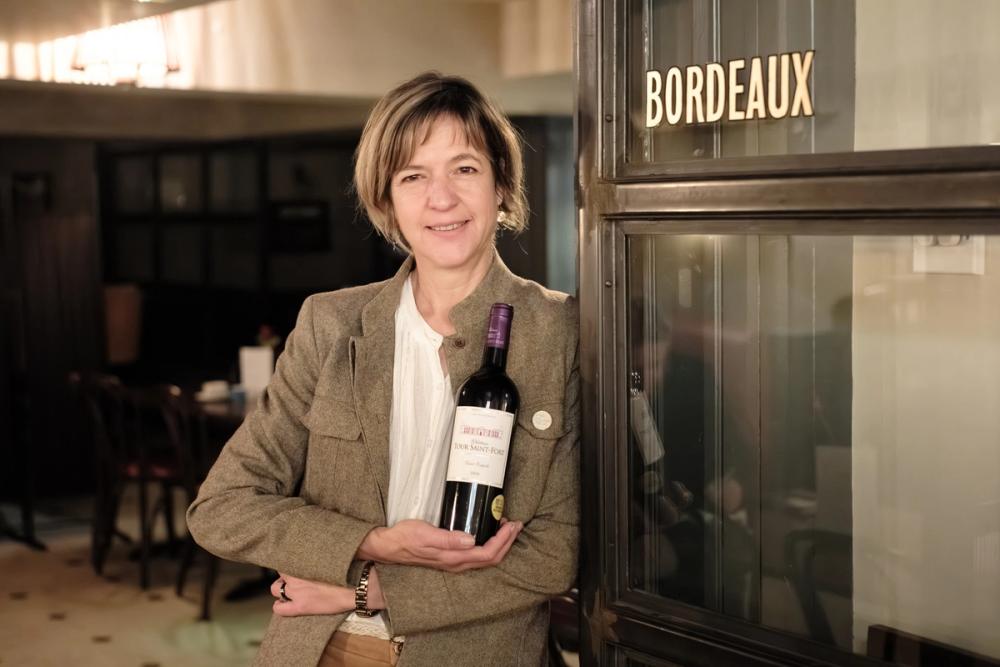
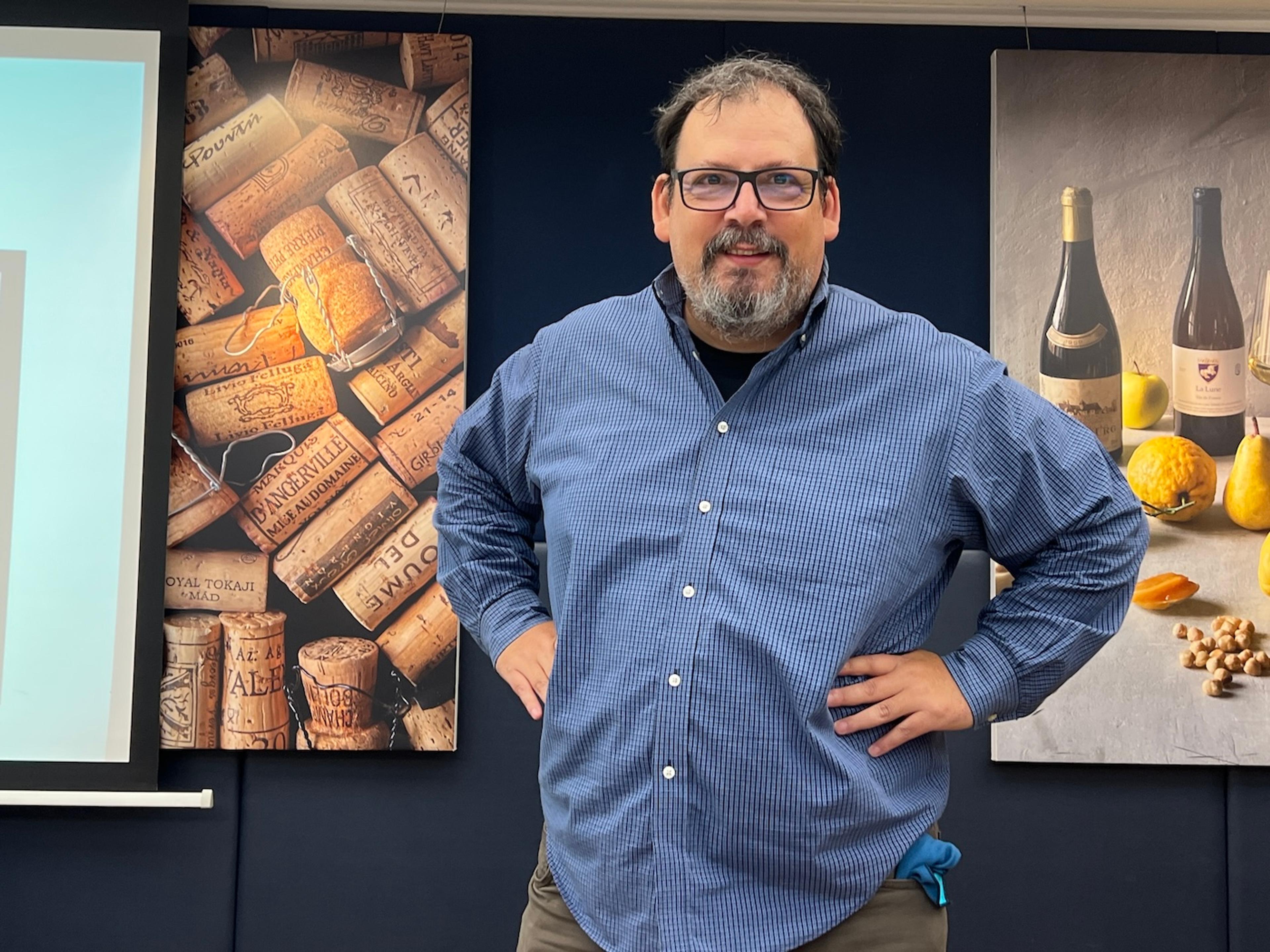
Liesel Maurin says the climate is now dictating the styles of wines that producers can make
Cat Lomax at Goedhuis Waddesdon believes we are seeing a “pre Parker reset” going on in Bordeaux where wines are actually going back to the more accessible, more fruit driven and less oak extracted wines that it used to produce before Robert Parker came in and re-wrote all the rules about what the market wants from Bordeaux.
Liesel Maurin at Château Tour Saint Fort (Saint-Estèphe) & Château Grand Ormeau agrees and says not only has the Parker effect died down, but the climate is now dictating the styles of wines that producers can make and it is not able to make the wines that Parker may have wanted them to.
Big changes
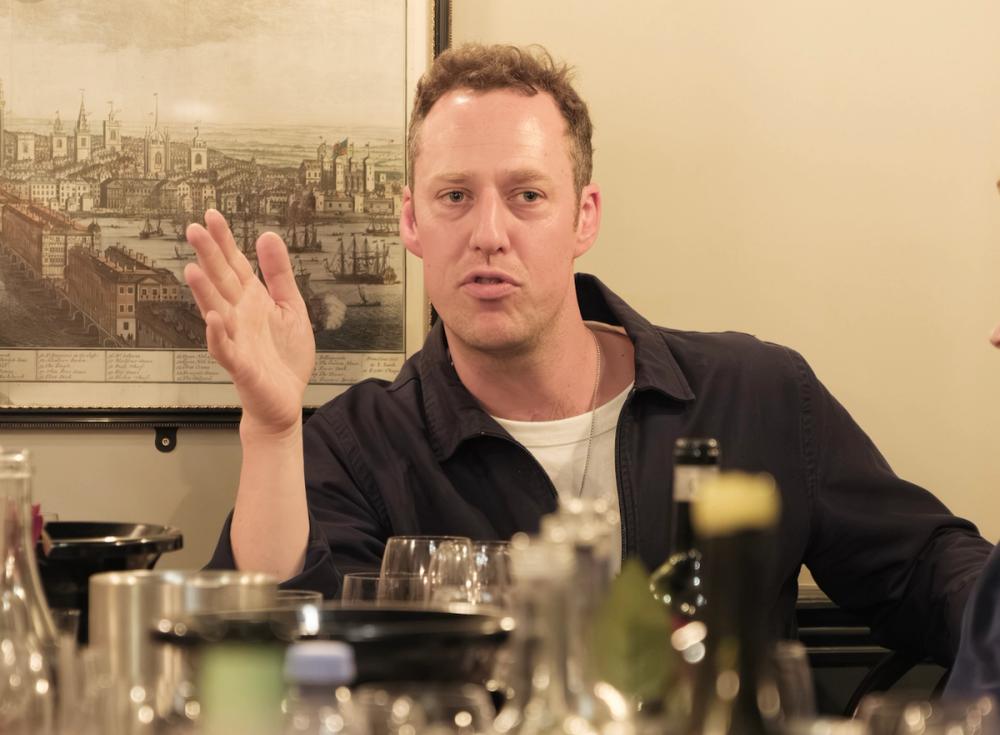
The Wine Merchant's Alex Percy says he would like to see more of Bordeaux's second and third wines in the market
Miles Davis at Vinum Wines believes there is not enough made of second and third wines from key high profile Bordeaux châteaux that could do very well in the UK market if given the right push.
“It would be great to see more of those wines in the market as they are so much more accessible,” he says.
Alex Percy at Modest Merchant believes more could be done in Bordeaux to promote the producer and the winemaker in keeping with what is happening in so many other wine regions around the world.
Whilst he appreciates the importance of the AOC system he would love to see and read about the producer on the label.
Wine buyers are increasingly looking to “get behind the person” who has made the wine and forge a relationship with them, he adds.
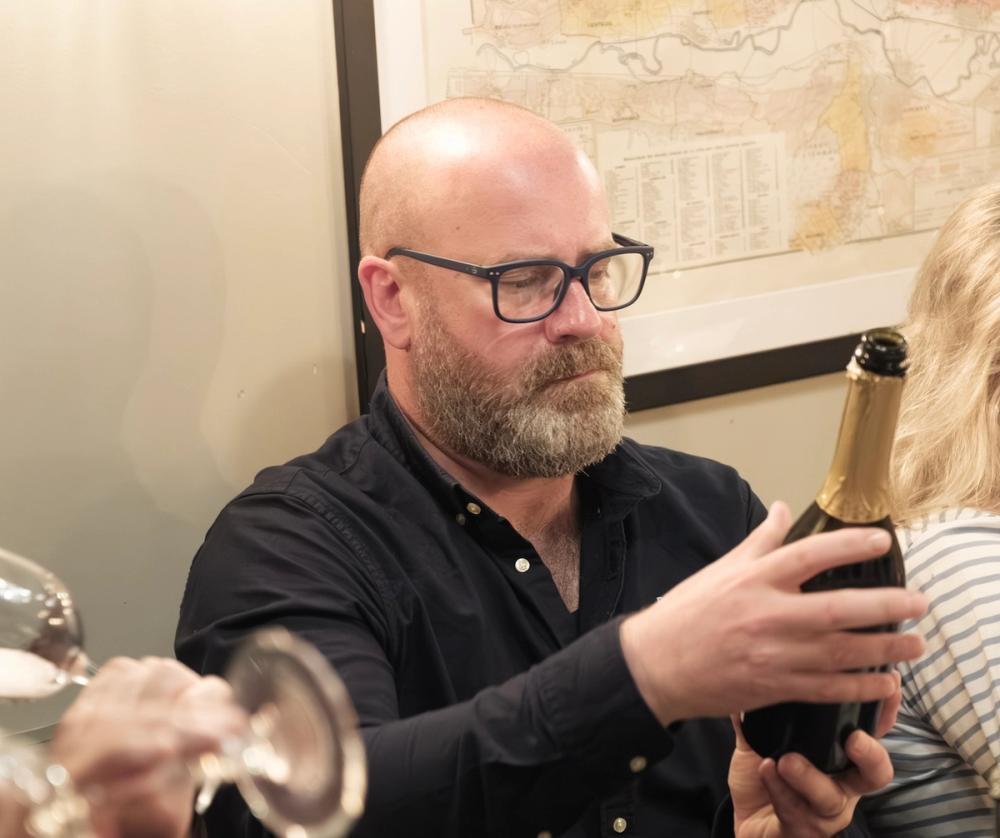
Enotria's Christian Robertson says it is keen to bring more wines from Bordeaux that the market can drink now
Enotria’s key account manager for fine wines, Christian Robertson, welcomes the change of approach from many Bordeaux negociants now that "trading off scores and Parker points" has "really fallen apart".
He says: "Now what we are doing is working with négociants who have figured out what we do, and find us older vintages and build this and engage with sommeliers to tell the stories and build the brands.”
He adds: “For us it’s very much an experience that must be conveyed via some sort of an attachment to a château, to a brand. Sommeliers have this captive audience to tell these stories which is a very valuable tool. They need to talk to their customers about approachability, the ability to drink now – and explain what these things mean. And for Bordeaux that means ageing, so we have been working with negociants to find us the old stuff so we can build some really cool lists.”
Nectar's William Stephens: "Bordeaux’s importance remains unquestioned, but its continued relevance cannot be taken for granted."
However, Stephens cautioned that Bordeaux no longer enjoys the automatic relevance in the on-trade that it once did.
“Customers today have access to a much wider range of regions and styles, many of which are easier to understand and ultimately communicate just as well. Bordeaux’s importance remains unquestioned, but its continued relevance cannot be taken for granted,” he says.
Percy argues suppliers also have a key role to play, particularly in how they sell these new more modern styles of Bordeaux wines into the on-trade.
“I will say to my customers that this wine is a modern Bordeaux. It’s new age Bordeaux that can sit on your list at £40 a bottle, which would be great in a neighbourhood restaurant and appeal to anyone from 18 to 60 years of age.”
Sparkling opportunities
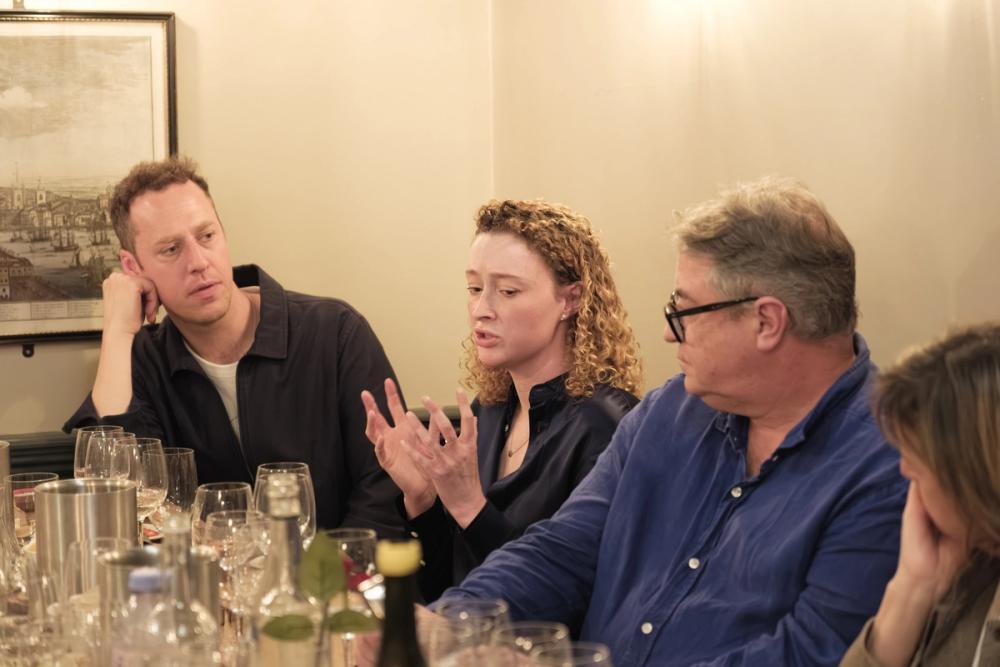
Wine Lister's Maggie Haan believes there is a big market for Crémant from Bordeaux
The buyers were agreed that a key area of growth for Bordeaux rests in its sparkling wines, and Crémant de Bordeaux in particular and were pleased to hear that planting of vines dedicated to its production has soared by 278% in the past 10 years.
“Younger consumers increasingly want sparkling wine,” says Maggie Haan at Wine Lister. “They can't afford Champagne, and are actively looking for alternatives to Prosecco.”
“Crémant is well placed to fill that gap. Critically, Crémant de Bordeaux already has instant name recognition and credibility, as Bordeaux is one of the most recognised wine names in the world. What makes the opportunity so compelling is that because it sits in an entirely different category to Bordeaux's still wines, it can be positioned in a fun, accessible, youth-facing way without any risk to the classic Bordeaux image. I could see it as a genuine route to getting younger consumers drinking Bordeaux, without touching the traditional narrative that the rest of the region depends on,” she adds.
A rosé future
Bordeaux’s rosé wines are another area of untapped potential.
As Robertson explains: “One area that still feels underexploited is Bordeaux rosé. As the category continues to evolve beyond seasonal consumption, Bordeaux has an opportunity to define a more structured and gastronomic style that plays to the region's natural strengths rather than competing directly with Provence.”
Education, education, education
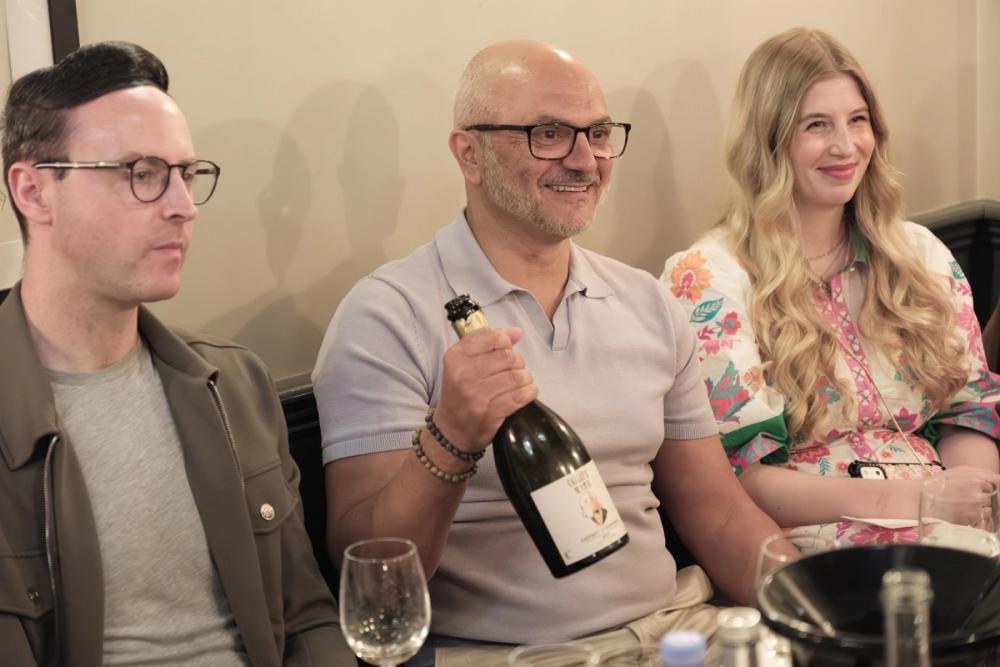
Giles James, centre, with William Stephens and Maisie Turner
The importance of communication and education was something that Giles James was keen to pick up on.
“What strikes me listening to everyone is what a minefield Bordeaux can be, as it exists at the en primeur end, and also at the €7 end, and everything in between, with no cohesive voice that speaks for the entire industry,” he says.
And with over 4,000 Château producers alone – down from a high of around 11,000 – he has a point.
“That in itself can be problematic, certainly for consumers – how do they know who to buy from, where do you go and how do you understand the system? This all ties into consumer education and understanding and whether they have the time to get their head round it all,” he adds.
Stephens adds: “We have just done a big range change at Fullers and can concur with what’s been said so far - consumers are looking for lighter, more fruit forward wines and Crémant is going down well. But communication is so important, for bar staff as well as for customers. Staff need some recent cues they can pass onto consumers to help explain the wines in a simple way. You only really get one chance.”
Tapping into wine tourism
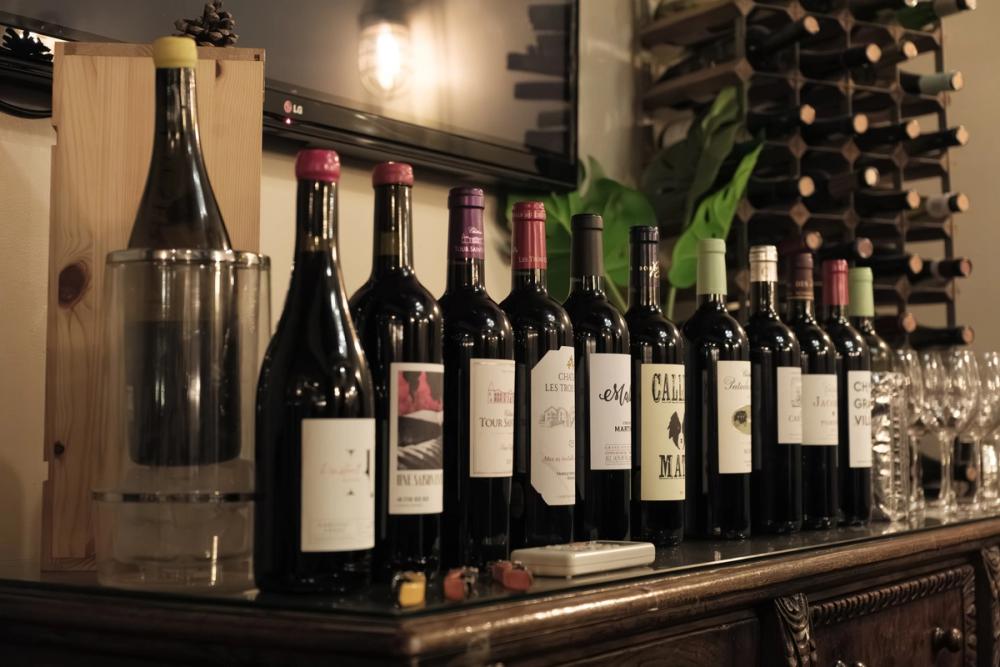
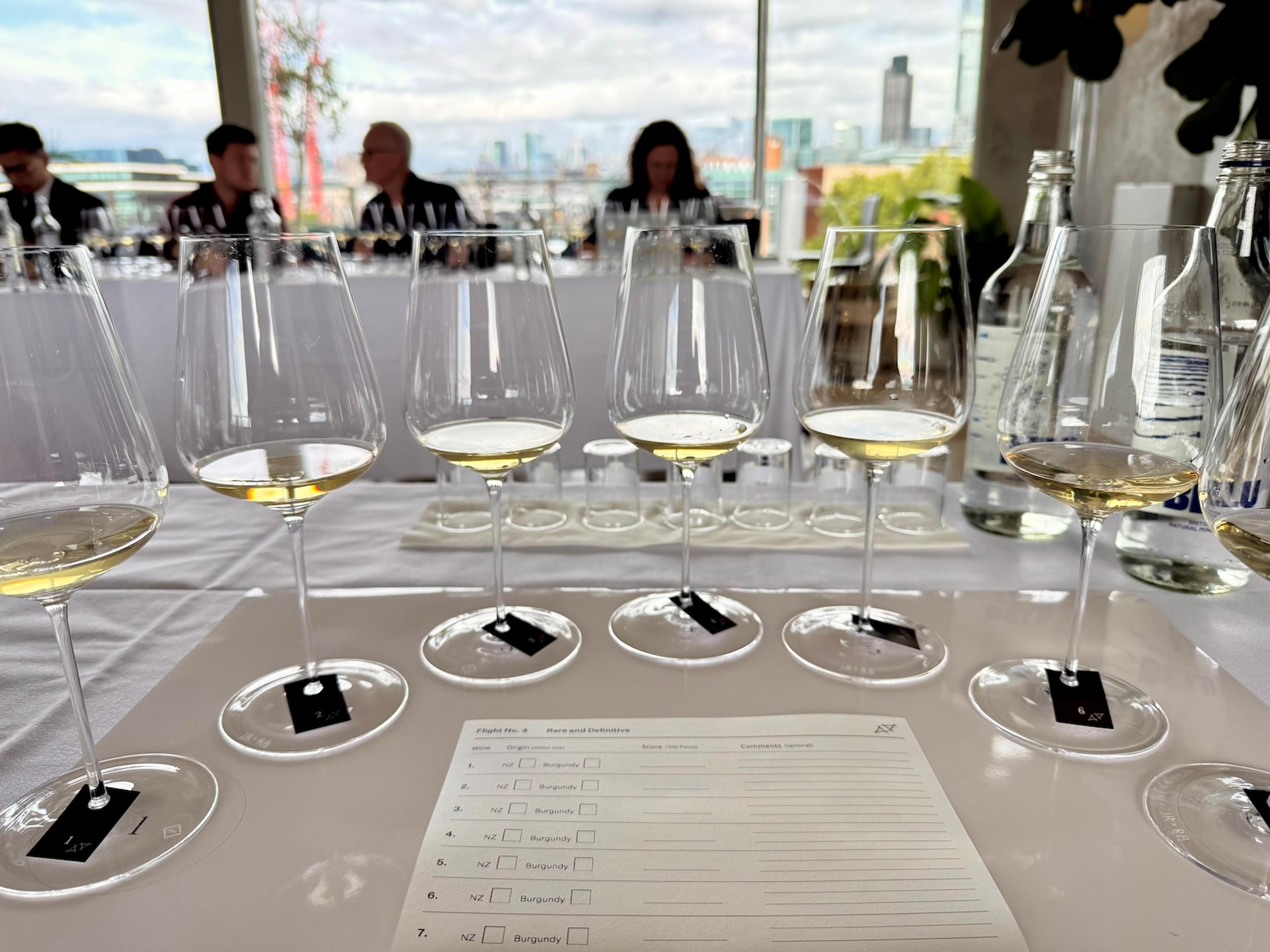
The wines that the panel were able to taste to best demonstrate what modern Bordeaux can do
Wine tourism which has taken off hugely in many other countries, notably the US, South Africa, Portugal and Italy, still lags some way behind in France, and particularly in Bordeaux.
This is a huge missed opportunity, according to Haan, who says in Wine Lister’s recent study of the region, almost half – 33 out of 74 global respondents - ranked it as amongst the most successful strategies that châteaux can pursue.
"One of the things that holds young people back from really getting into wine is the fear of doing or saying something wrong,” she says. “But in a structured tasting environment, you're told this is the time to learn and that it's okay to not already know the answer. Add a beautiful location on top of that and you've got an experience that is both educational and emotional. It's when people form that kind of memory around a place and a wine that converts a one-time visitor into a loyal customer.”
But oenotourism is not just for young people or wine novices, she adds, but works across the consumer spectrum, with affordable introductory tastings that bring in younger visitors, all the way up to multi-day immersive stays. That experiential connection is something no other marketing tool can replicate, and with the classic Bordeaux châteaux already there, the opportunity is just waiting to be taken.”
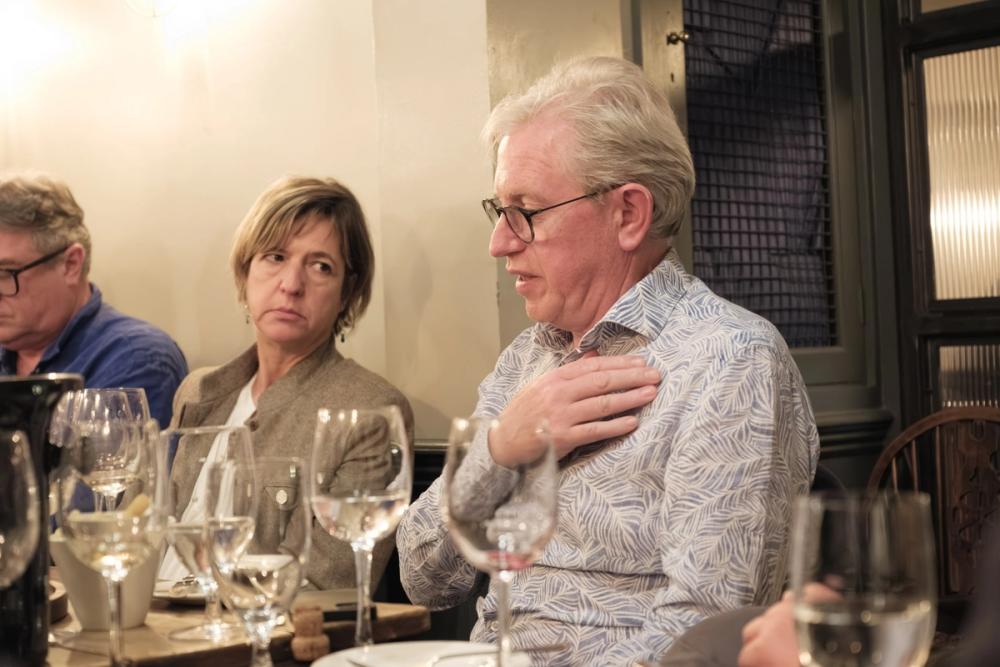
Vinum's Miles Davis says he would love to see Bordeaux open up more to tourism
Miles Davis at Vinum Wines agrees: “I would love to see more tourism to the region and for it be more ‘open’, to have more festivals, make it more fun.”
Cat Lomax at Goedhuis Waddesdon believes there is so much more Bordeaux can do to bring its whole gastronomic story to the fore and to bring its food and wine culture together.
She also stresses how frustrating it is for trade and consumers alike that when you visit the region and are not able to go and visit many of the key châteaux.
She urges more Bordeaux producers to collaborate and and how powerful it can be when “producers get together as a group”.
Telling the right story
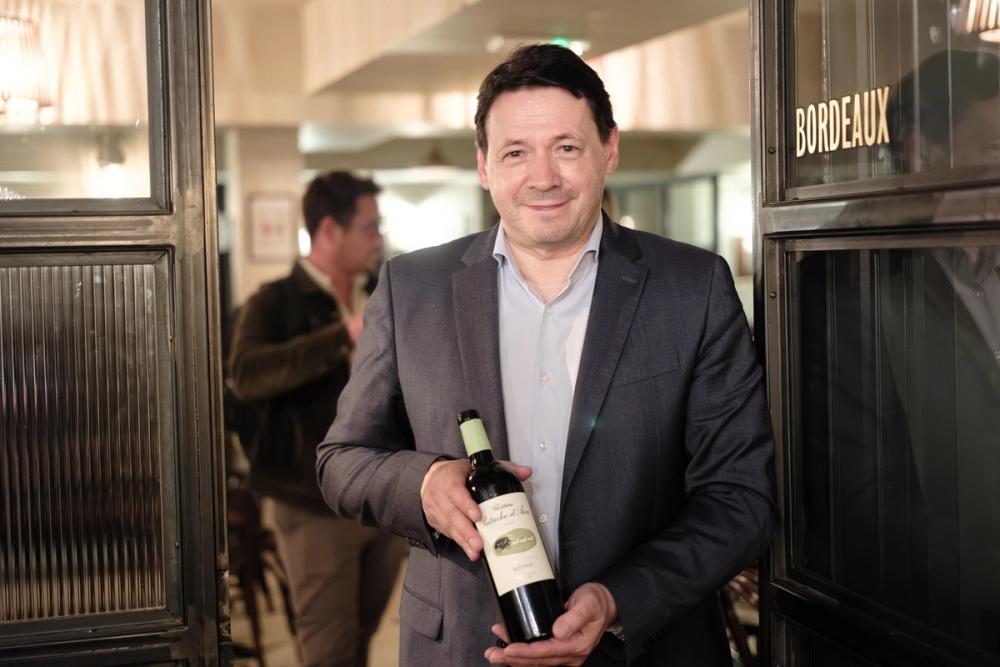
Jean-Pierre Durand: “We are training producers on how to sell Bordeaux. We are training them to be more focused."
Jean Pierre Durand was able to share with the panel the steps the CIVB is taking to work with individual producers to help them tell and sell their story better to the trade and to their consumers.
“We are training producers on how to sell Bordeaux. We are training them to be more focused,” he says.
It is also providing support that enables producers to spend more time in their target markets and build direct relationships by sharing their story in person.
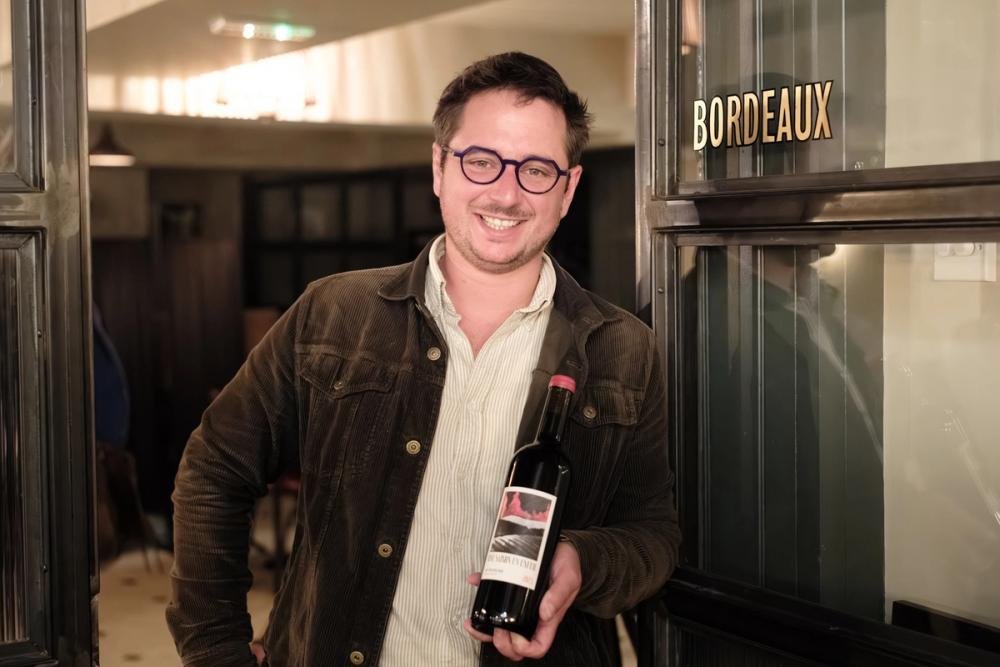
Hugues Laborde: “How we are selling our wines is slowly changing. We want to build the Bordeaux brand.”
Hugues Laborde, winemaker at Vignobles Hugues Laborde says it is very encouraging to see negotiants and individual producers being far “more engaged in the market” and listening to what potential customers might want.
“They want to bring their story to the customer,” he says.
But equally they want support from their suppliers so they know which of their wines are selling, in which channel and at what price.
“How we are selling our wines is slowly changing. We want to build the Bordeaux brand.”
The last word went to Durand who was able to thank the buyers and suppliers for all their advice and insights and how welcome it was to have this opportunity to talk frankly and openly together - and to hear that on so many of the issues and areas of potential growth the buyers and producers were agreed on the right steps to take forward.
* You can read the first part of the report into the debate here.
* You can find out more about the CIVB and how it is working to help support and promote the Bordeaux region and its producers here.