
What’s the most important skill to have to get on in your business? The ability to taste wine? Drive a hard bargain? Increasingly your ability to know your customers and what you can do to make them tick is where the real drinks industry talents lie.
Here’s a challenge for you. Take out your CV and have a look at the last time you updated the “Skills” section. Not what your last position was and all the various responsibilities you had doing it, but an actual new skill that you think makes you more competitive and attractive to a new employer.
We’re not just talking about a new wine or spirits qualification here or the fact you have added a diploma to your already impressive list of distinctions in all your WSET level wine exams. No, to play this game you have to be able to show you have completed a course outside your normal skills set that now makes you a better employee for the changing world of wine you are all now working in.
Don’t worry if the answer is none. You want be alone. It’s not just a shortage of wine that the global wine trade is having to tackle with, ask the average chief executive or managing director and, if pressed, they will increasingly talk about a skills shortage too.
The skills gap
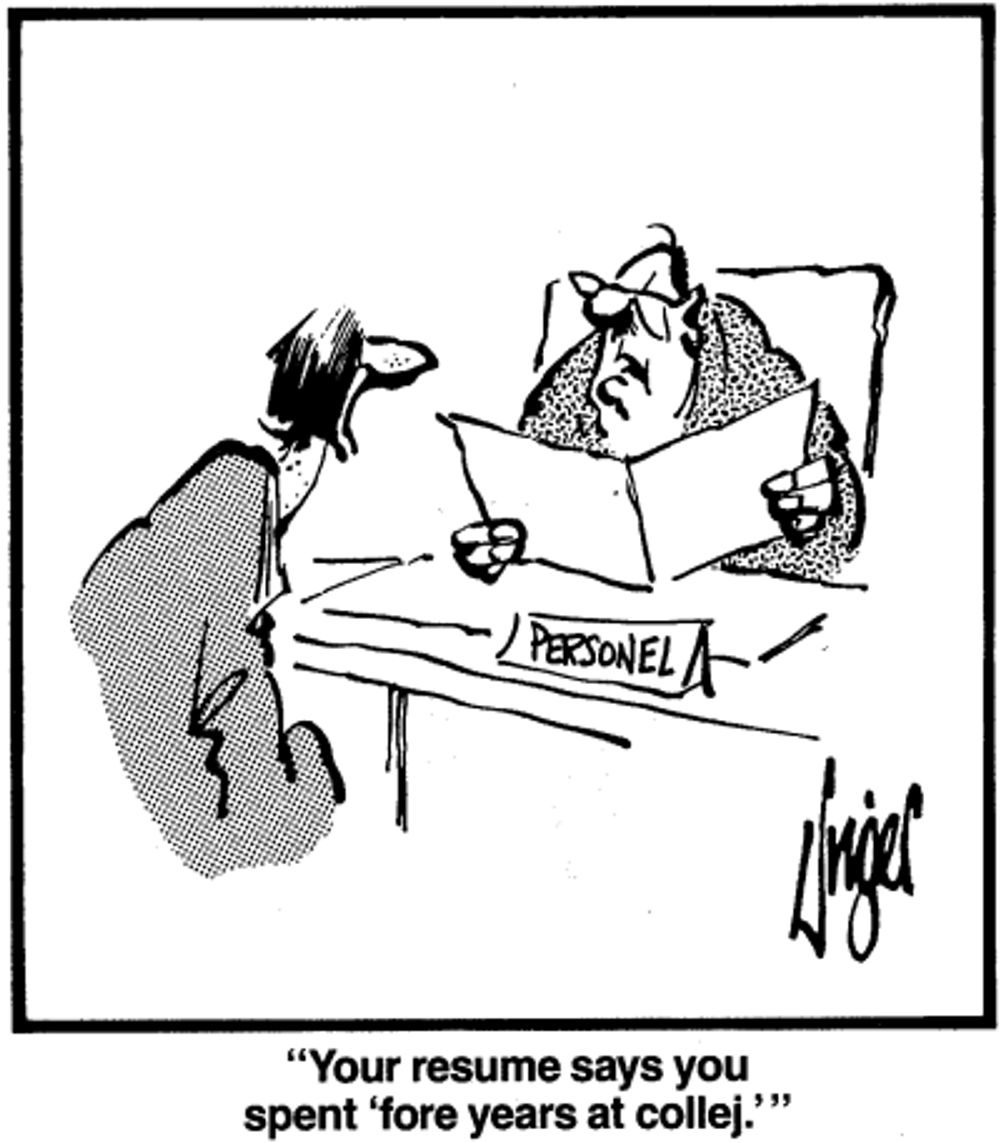
It’s not just in wine. A recent report by Price Waterhouse Cooper that questioned 1,300 CEOS the world over about the challenges they face running their businesses revealed 77% saw the availability of the right skills sets as being the biggest threat to their collective companies. In particular 77% struggle to find the creativity and innovation skills they need to take their business forward. The skills shortage is seen as being a bigger threat to profitability than technological change or changing customer behaviour.
Noticeably, in this world of increased automation and smart technology, it is not the digital skills per se that CEOs worry about it. In fact it is all the skills that machines can’t do. The so called ‘soft sklills’ covering leadership, adaptability, problem-solving, relationship building and collaboration.
Which is very much in keeping with where the modern wine and drinks industry is going. Where the focus is becoming less about how good your sales and negotiations skills are, but how you can see the bigger picture and work on collaborative solutions that are of benefit to both the buyer and seller.
Time and again you will hear producers, suppliers and distributors talk about the need to consolidate and build up existing relationships with their customers rather than go off in search of something better.
Full dance cards
It was noticeable at last month’s ProWein the amount of major importers who spoke quite openly about the frustration they have in opening up new major accounts. Even when they can prove that they can offer them better value wine at a lower price than they are currently getting.
Major retail customer and on-trade operators are simply not looking for new partners to work with. They are being pulled left right and centre to achieve increased targets and objectives from above, particularly around building up their private label and exclusive ranges, that they simply don’t have the time or appetite to be looking to fill their dance card with more suppliers and partners to work with.
The fact you can provide an alternative New Zealand Sauvignon Blanc or Chilean Merlot for 50p a bottle cheaper is not enough to turn their heads any more.
The fact you have cheaper wine to sell is not going to get you a seat at the table any more, said Mark Lansley, managing director of Broadland Wineries. “You can have a really good brand, but you need to have the relationship with the retailer to help get them to take it on,” he explained.
But there’s the rub. Up to now so much of the wine industry, particularly on the volume side of the sector, has been dictated by good old fashioned traders. Hardline negotiators that can drill down a price until every possible bit of margin and value has been squeezed out of it.

Retailers and major on-trade operators are looking to stick with the supply partners they have rather than find someone else to dance with
Account handling
Those skills sets are still important, but they are not the ones that are going to make your company a success in the long term. In many ways the current global shortage of wine has made those kind of negotiations even more out of date. There are not the volumes of wine around to conduct such hard nosed negotiations. The producers that do have the wines are now calling the shots. They have the power to set a price, knowing they will have buyers from all over the world queueing up to try and get their hands on it.
To succeed in this current market place you need to be able to play the long ball game. Where it is the quality account managers, capable of truly understanding yours and your customers’ needs, that are the ones in demand.
Account managers that, on paper, you would not think are too hard to behind, but in practice are few in the ground. Talk to a major supermarket or restaurant or pub group category manager and they will all share their experiences of poor account management from across the wine sector compared to other grocery and product areas.
Lansley told February’s International Bulk Wine & Spirits Show in London that it was a lack of the right kind of skills across the wine industry that was holding the sector as a whole back.
Not enough external skills
For too long the wine industry has looked to recruit from within, and failed to bring in the necessary skills from outside, be it in technology, supply chain management, through to marketing, branding, promotion and consumer communications, stressed Lansley.
It was often, he admitted, hard to find the right people to bring in, but if a business like Broadland Wineries wants to do more business with its target supermarket and multiple operators then it needs new talent to help it.
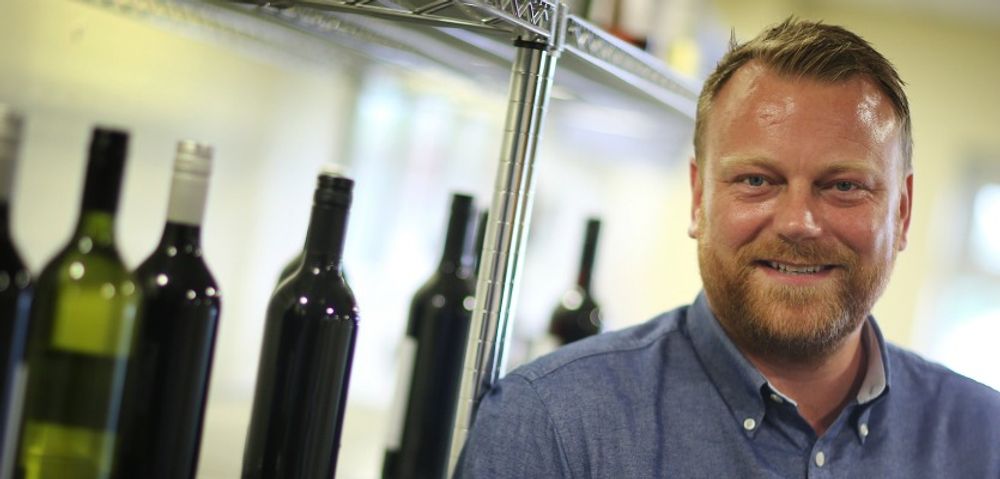
Mark Roberts: we need quality account managers to take our business forward
Other major companies picked up the theme at last week’s Prowein. Mark Roberts, sales director at Lanchester Wines, said it was looking to recruit quality account managers capable of really taking that aspect of their business onto another level.
“You really need to have very good account management skills now. You have to know your customer very well,” explained Roberts. “You have to get all your touch points with them right. Integrity is everything.”
That way you are better placed to develop and deliver the more “channel specific” wines that retailers and operators all now want. “It’s all about a building that reciprocal relationship,” he added.
It is noticeable how the major brand suppliers in the UK market – Accolade Wines, Concha y Toro, Treasury Wine Estates – have deliberately gone out to other sectors, particularly in grocery rbrands and the FMCG world to bring in quality category and account managers.
People who know how their major multiple customers work. The pressures their respective BWS category managers are under, the targets they need to hit, the issues they need to face, and what bits of their tummy they like tickled.
New codes of practice

The Groceries Code Adjudicator has helped raise the bar and a set a new framework in which retailers and suppliers need to operate in
The Groceries Code Adjudicator gets a lot of stick for seemingly lacking the clout to really make a lot of changes to how major retailers, in particular, work with their suppliers. But its very presence has set a new benchmark for how major operators work with their suppliers and producers. Particularly in light of the fallout from Tesco’s profit scandal and subsequent very public dressing down of how it was working with its suppliers and the kind of practises being used.
All of which has had an impact on the way that major retailers and operators now want – and need – to do business. Yes, they still want the best value goods on the market, at the best possible price, but they are now far more willing to sacrifice a little bit of margin to work with a supplier that allows them to get the edge right across the drinks category.
Trend spotters
Boyce Lloyd, the new chief executive at KWV in South Africa, said the challenge for its business was to have the right internal talent that would ensure it has the most “completely relevant” wine offer available to its customers”.
“Ultimately the consumer will choose who is successful. It’s like there is a live scoreboard up there that decides the outcomes. You have to look at the macro trends out there, spot them early and create brands that are relevant, like our new Cuvée rosé sparkling wine,” explained Lloyd.
“Your route to market is very important. Who you have as your partner, your distributor in every key market,” he said. “What added value are you offering to your customer? You have to be constantly having new ideas, you need to be reliable, deliver a consistent service or you will be out.”
To do that means having the right customer facing teams that can go to their partners with genuine solutions, and not just do what they have always done.
Small and flexible
It is why the door to retailers and on-trade operators of all sizes is increasingly open to smaller, more flexible, fully focused wine and drinks companies to exploit. Take Marc Patch and his GM Drinks business, which works with a number of major supermarkets, wholesalers, and cash and carries to ship 1.7million bottles to the UK a year, even though it is all run out the back of his garage.
Patch listens and knows what those major customers want and will only knock on their door when he has what they need. Which increasingly means they also now come to him, confident he can deliver what they need.
“It’s not about how big you are,” he said. “I can go up against all the big boys. It’s about how good your wines are and how good your relationship is with them.”
When, for example, he wrote to Morrisons supermarket in the UK to thank the wine team for working with GM Drinks, he received a reply from Morrisons’ chief executive thanking him for doing so, and crucially said no other supplier had ever done that before.
Which is a nice line for his CV.
- This article is an extended and adapted version of one first published on VINEX, the global online trading site for bulk and bottled wines.