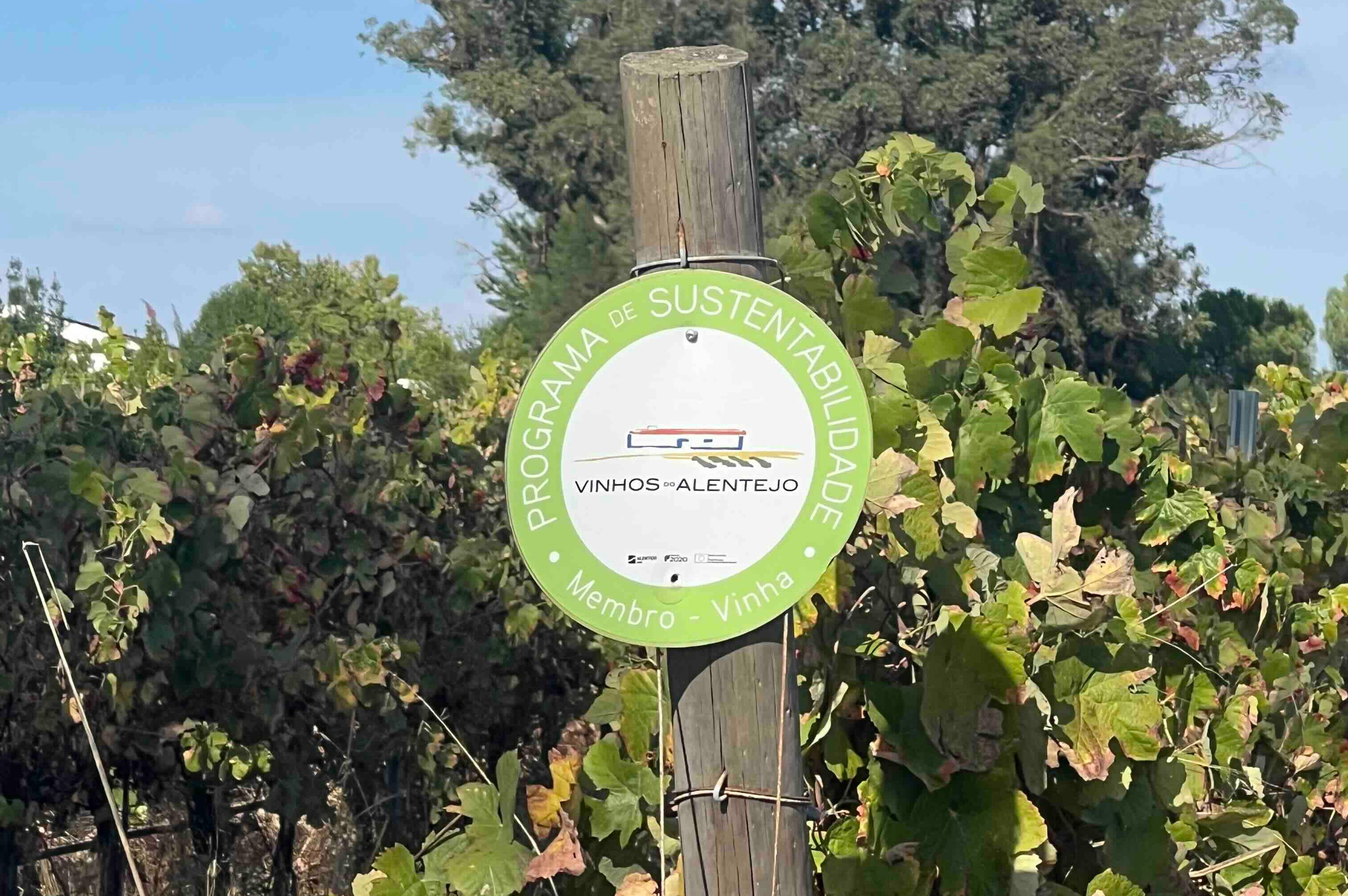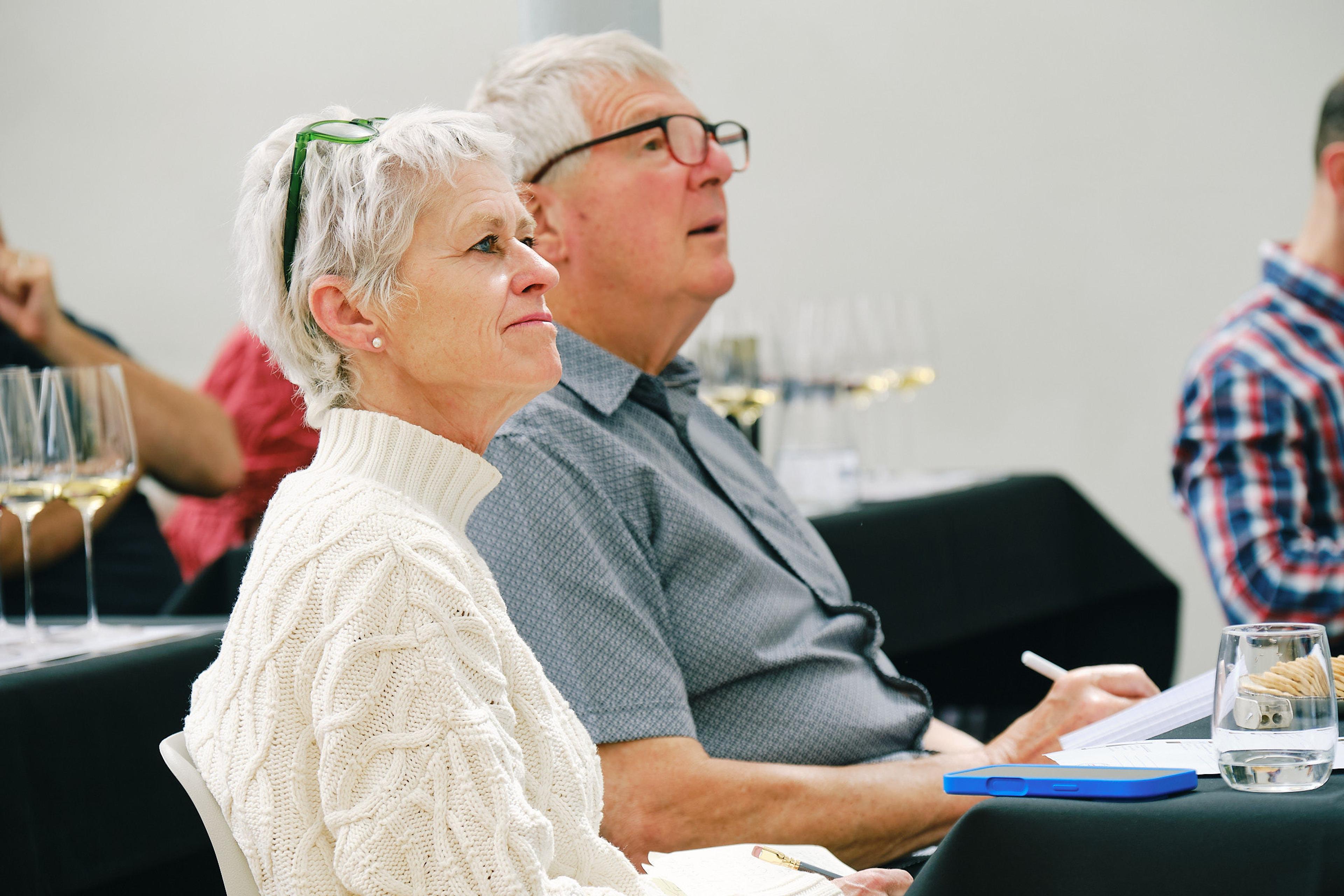

In the immortal words of Brenda from Bristol, “Not another one!” I confess that was my reaction when I was invited to a masterclass on the Wines of Alentejo Sustainability Programme (WASP).
“I’m sick of the word sustainability,” said João Barroso, director for sustainable development and R&D at WASP, who, along with wine writer Jamie Goode, was leading the masterclass in Brenda’s very own Bristol earlier this month. You and me both, João, I thought to myself.
“It’s so often misused,” Barroso went on. “And often becomes a meaningless term for what is blatant greenwashing. This programme is something else.”
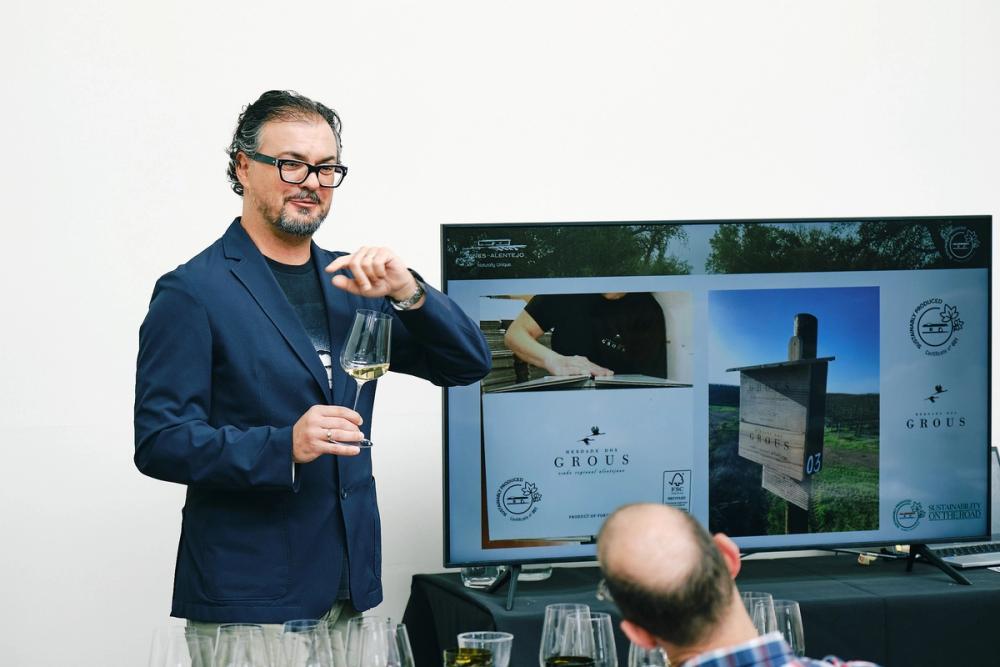
"We must make all aspects of wine production truly sustainable in the long term or it will simply not survive.” João Barroso, director for sustainable development and R&D at WASP
Barroso is an environmental engineer who had no experience of the wine industry until WASP was launched in 2015. Since then,the project has won numerous awards from respected global bodies. Sweden, acting on behalf of all Scandinavian countries and with the most exacting standards for wines in their markets, named the Alentejo behind only Australia, Chile, New Zealand and California in terms of making meaningful changes to the many and complex environmental, economic and social aspects ofits wine industry.
“The whole of the Mediterranean basin is in peril from climate change,” Barroso said bluntly. “This was the main driver of the programme. We must make all aspects of wine production truly sustainable in the long term or it will simply not survive.”
How the Wines of Alentejo Sustainability Programme works
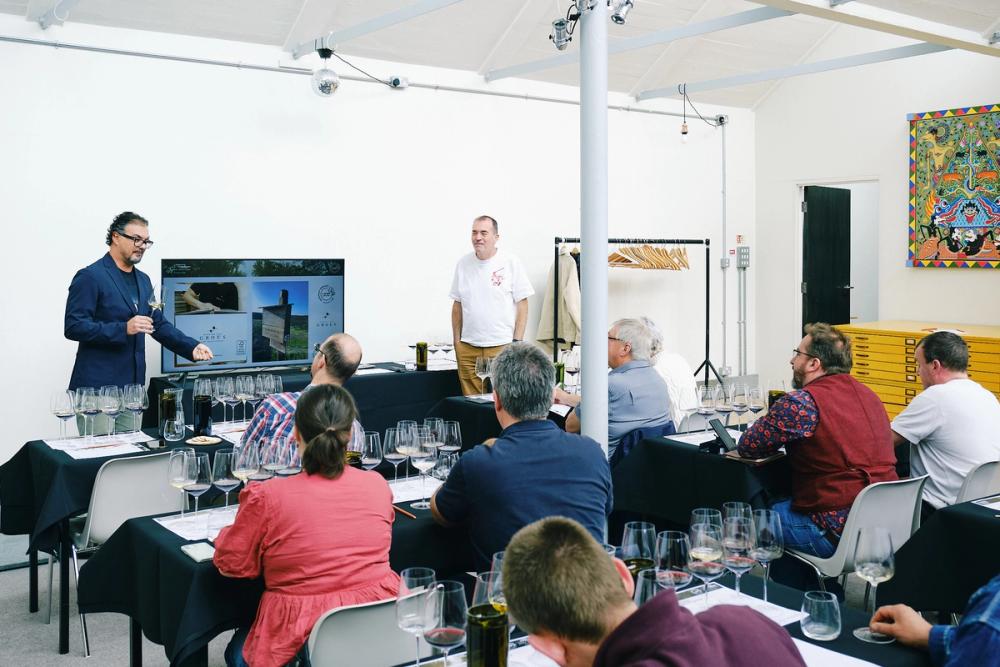
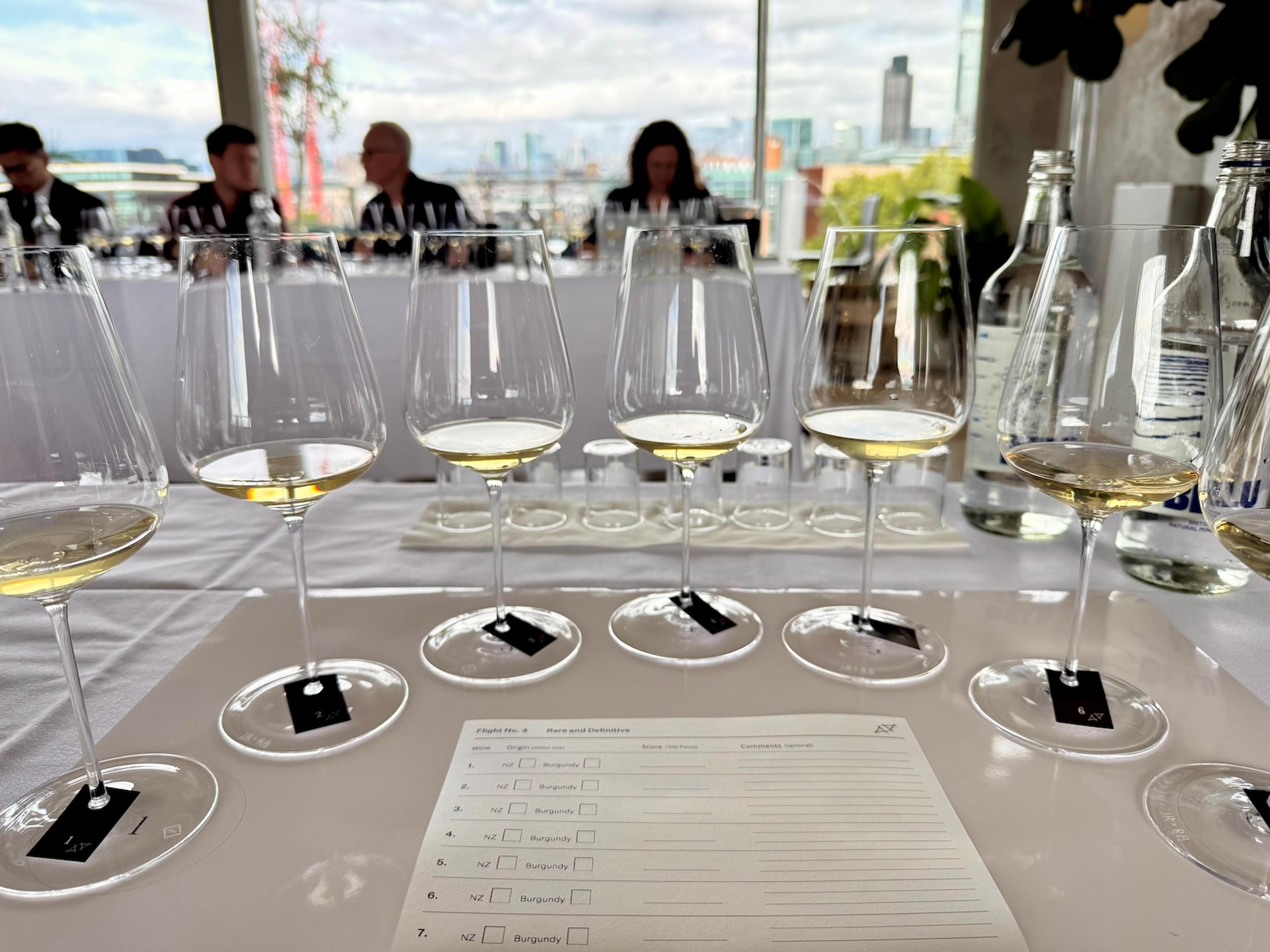
Wines of Alentejo Sustainability Programme seminar, Bristol, UK, June 10, 2026
WASP is free to join and currently has over 725 members of growers and wineries across the region who comply with a required proportion of the 171 stringent criteria. 29 growers are members of the official certification scheme launched in 2021.
Key to its success is the sharing of knowledge between members and their associates, what Goode referred to as the “neighbour effect”.
With 23,000 hectares of vines, 245 wineries and around 1800 growers (against, for example, the Douro’s 40,000 hectares and more than 38,000 growers), Alentejo is unusual in Portugal in that the average landholding in the Alentejo is around 12 hectares, and 80% of the region’s production is in the hands of just 20 large wineries. These provide the critical mass of producers who have the resources to invest in large-scale, effective sustainability projects while smaller growers and producers without such budgets learn from their successes and in turn pass information on.
WASP’s wide-ranging training schemes and study visits (some held in conjunction with other companies, NGOs and R&D agencies who also share their experiences) give members the valuable skills to assess their own activities and implement more sustainable and, crucially, more lucrative practices that will generate a reasonable income for them and their families now and in the future.
“People are thirsty for knowledge,” said Barroso. “Especially when they can see a return in their investments, and that they’re saving money.”
The soil factor
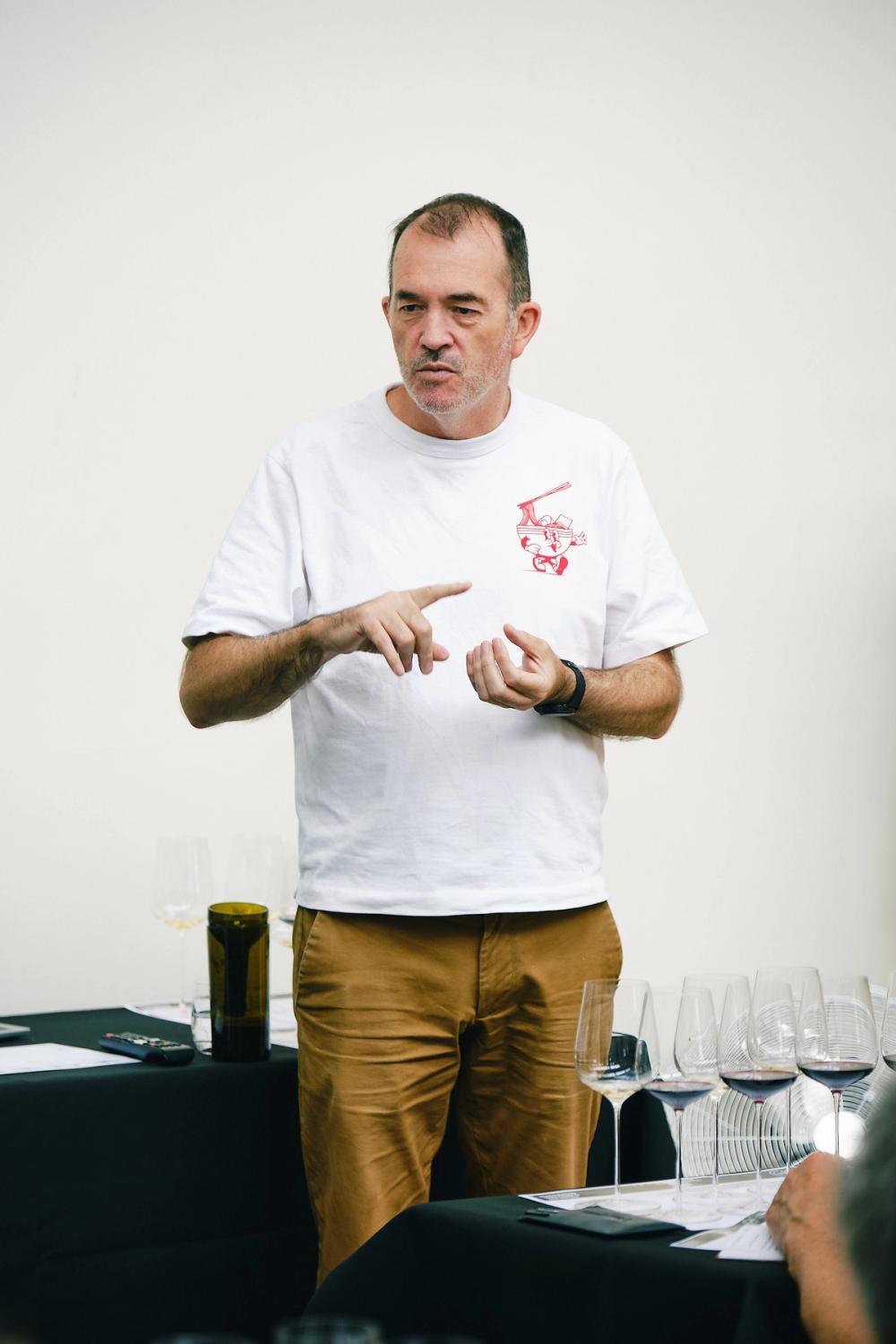
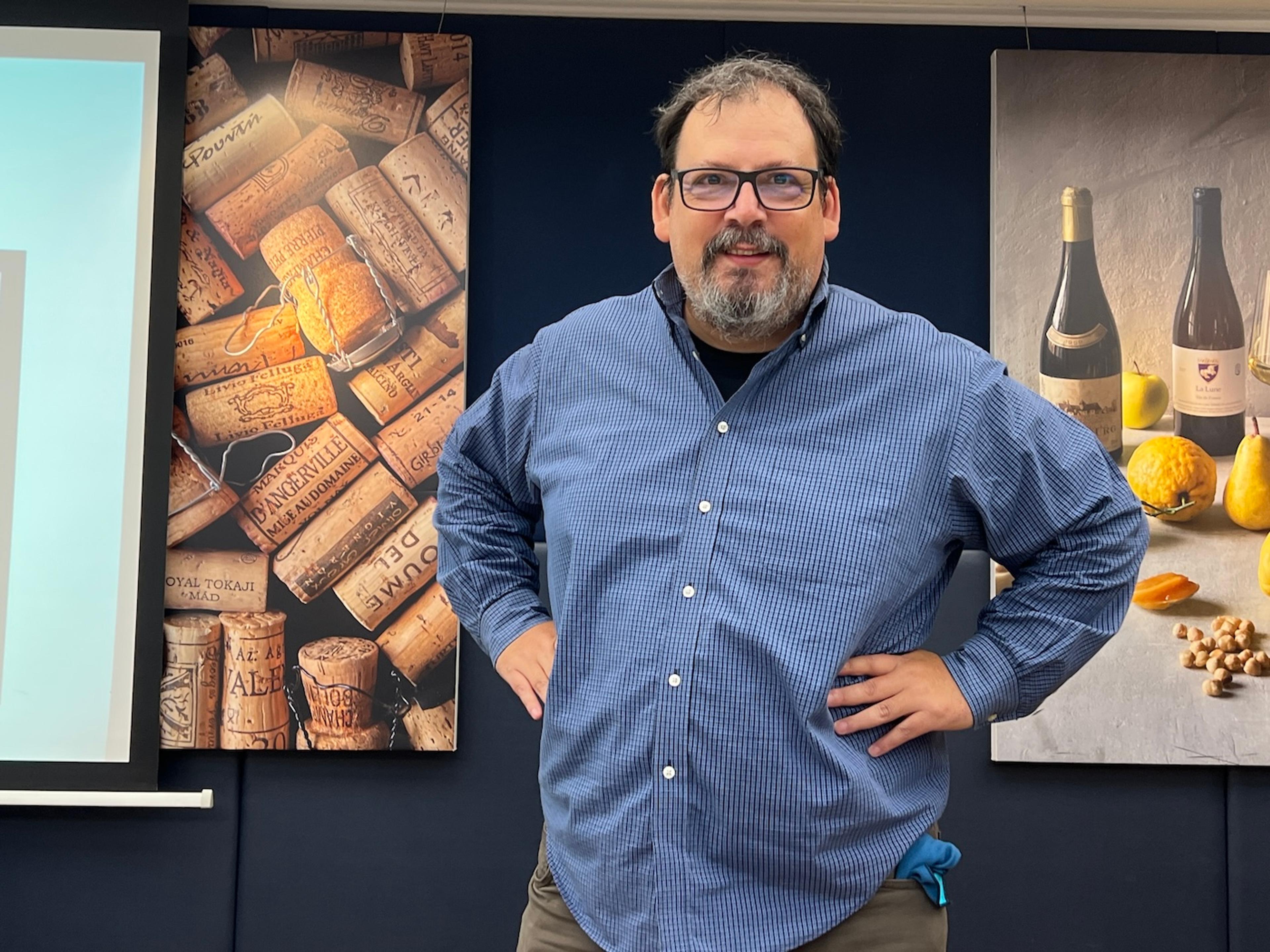
Key to the success of the programme is the 'neighbour effect'. Dr Jamie Goode.
Of course, it all starts with the soil. Ten years ago most vines in the region were surrounded by bare, denuded soil; now cover crops are widely used to encourage biodiversity above and below the surface, to retain moisture and maintain essential soil structure. Natural pest controls are encouraged by installing bat boxes (bats consume around five times their own body weight in insects every night), and erecting owl nesting boxes to mitigate damage from rodents. Consequently, the use of herbicides and pesticides has dropped significantly.
Water management is critical to dealing with the increasingly frequent drought conditions. The 1000-hectare Herdade dos Lagos established a permaculture project in dried-up, degraded cereal plots, creating 600 hectares of biodiverse forest. It also adopted the keyline system whereby vines are planted following the land’s natural topography to create water courses that irrigate the soils and reduce soil erosion. These feed into five big reservoirs that provide wildlife habitats as well as the winery’s water needs all year round.
Casa Relvas, meanwhile, a family-owned company and a pioneer of WASP, invested heavily in its own water plant where wastewater, along with local municipal effluent, is treated and reused for irrigation, one of very few such projects in Europe. Casa Relvas has also installed software that switches off standby lights in the winery to save energy.
“Everything is optimised to be as efficient as possible there,” explained Barroso.
On a more prosaic level, the Adega Cooperativa Vidigueira, one of the region’s smaller co-ops which joined the programme 12 years ago, realised they were using 16 litres of water to make one litre of wine; now it’s down to five litres and still dropping.
How did they do this? By literally switching off taps – workers at the winery would leave water running while they cleaned the equipment because the taps were too far away. Now the hoses have valves that can easily be closed off.
“The human factor is usually the most important thing in making meaningful changes,” said Barroso. “And they often start from the bottom up.”
Other sustainability initiatives
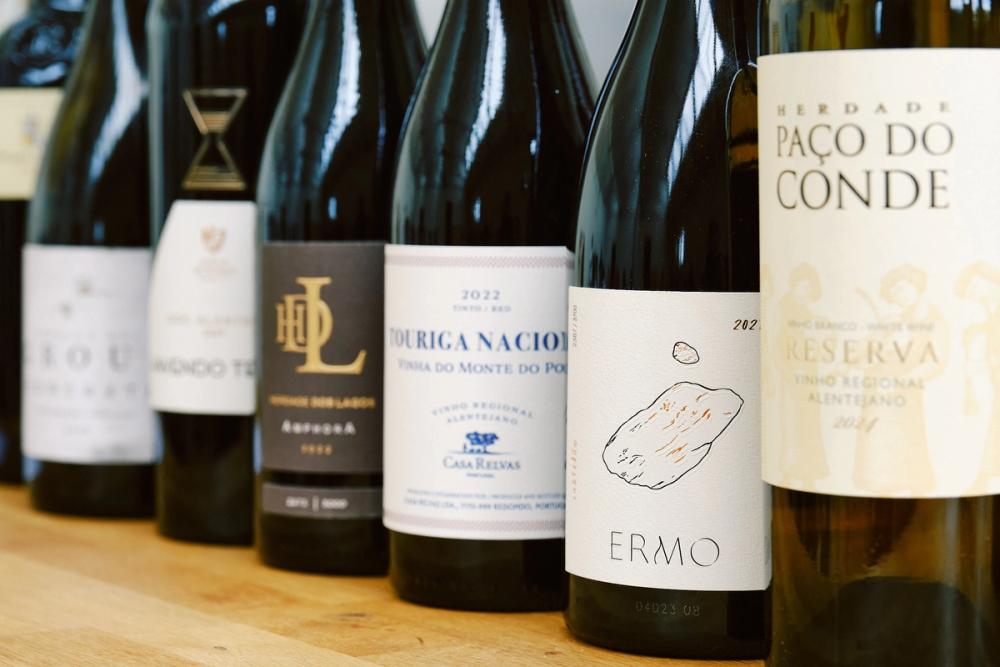
This November Alentejo will be launching a new, lightweight bottle used by producers across the region, at an impressively light 310g.
The Alentejo has the most sunshine in Portugal, so solar power is an obvious way to cut energy costs. Casa Clara, a 57-hectare family estate (with an all-woman winemaking team, by the by) was also an early adopter of the programme. It invested in solar panels and other energy efficiencies leading to a reduction of 52% in energy usage. It was the first producer in the region to be awarded a tender from Sweden, a lucrative contract which immediately repaid the investment.
This November Alentejo will be launching a new, lightweight bottle used by producers across the region, at an impressively light 310g, without any extraneous embossing or other fripperies that add to the weight and production costs of bottles. The bottles will be made in Portugal, thereby minimising transport costs and boosting local employment.
In addition, WASP has recently partnered with Partícula Verde, the only company in Europe to recycle the siliconised backing paper from self-adhesive bottle labels, usually consigned to landfill. Last year it recycled 14 tons of paper into a reusable material moulded into wine package protectors.
Smaller changes can lead to significant savings, too. One winery has scrapped cardboard bottle dividers in their cases, replacing them with indentations in the base of the box that holds the bottles stably. Another has radically simplified its label and case designs, using only black ink and minimal text, which has cut printing costs by €10,000 a year.
There are many, many other examples of how the growers and producers of the Alentejo are making meaningful changes to cut their costs and improve the long-term viability of their businesses. While labour shortages are still a problem, the result of general rural depopulation, the Portuguese government’s generous provisions for immigrants has helped to ease this, while improved working conditions as outlined by WASP have led to better retention of local workers.
Future roll-out
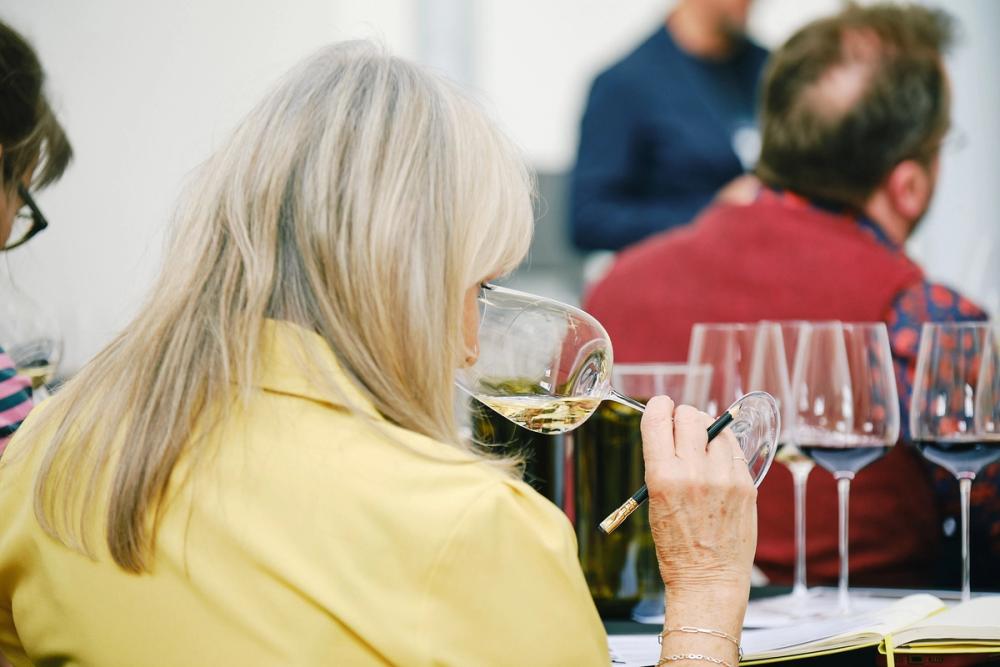
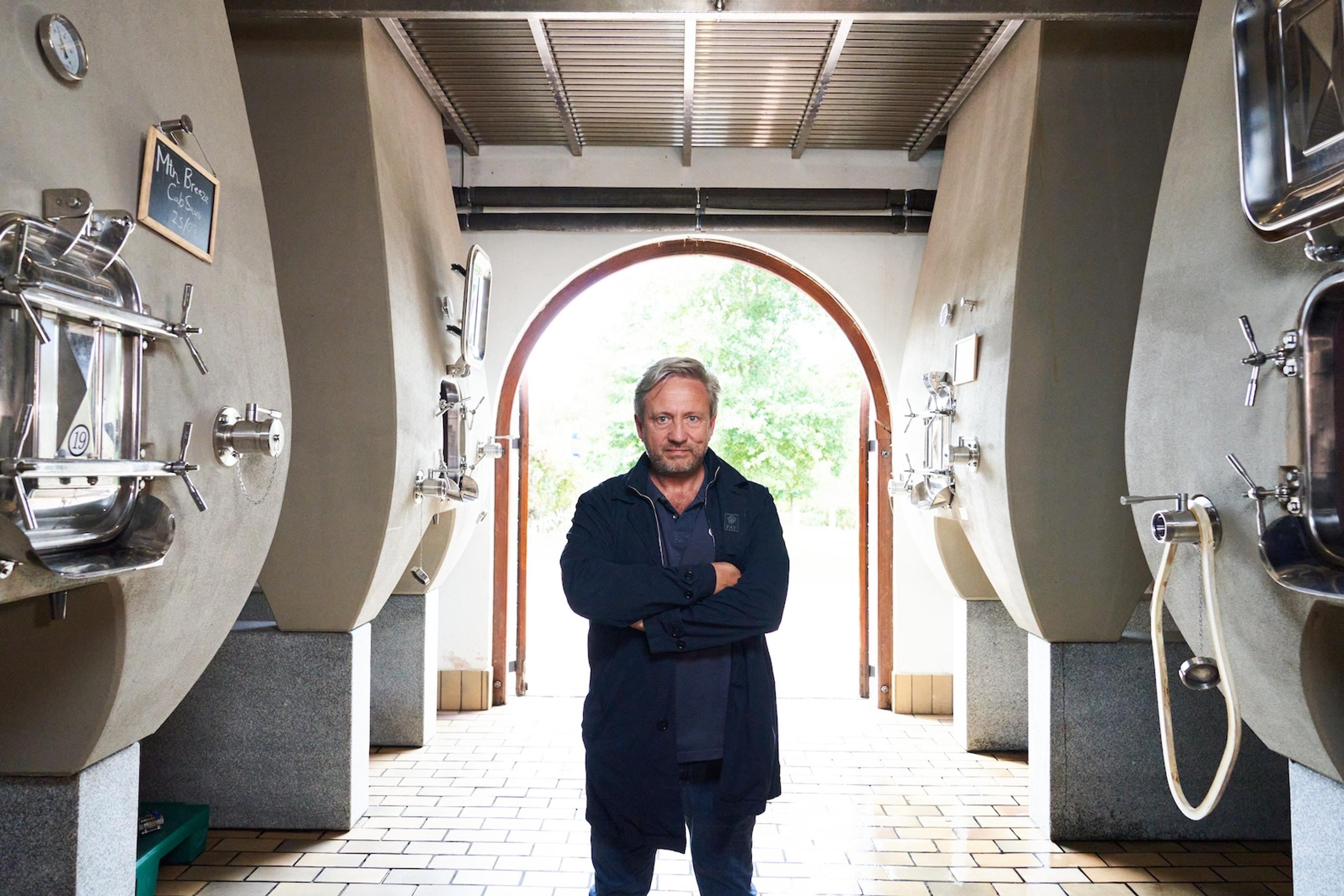
"We hope these programmes also result in tangible improvements in the quality and character of the wines.” Raymond Reynolds.
Barroso is justifiably proud of WASP but still has work to do.
“I would like to see the project going from voluntary to mandatory in the region, as a true commitment of Alentejo for sustainable development,” he said. “And I’d love to roll out a digital traceability and transparency system for the whole supply chain to improve data integrity and stakeholder trust.”
Whether consumers are prepared to pay more for these wines is another matter.
“It helps our narrative with these growers/wineries in that we can truthfully say they care about the environment and are doing positive things to improve the impact they have on precious resources,” said Raymond Reynolds of the specialist UK Portuguese wine importer.
“Does this effort and commitment trickle down to positive engagement at consumer level to add value? At this stage, I would say that such schemes have minimal impact when it comes to customers’ buying decisions," he added. "There is a lot of 'green noise' around which makes it hard for the consumer to know what to trust. In the market we can only try to spread the love, and hope these programmes also result in tangible improvements in the quality and character of the wines.”
Judging by the wines on show at the masterclass, WASP producers certainly deliver in both quality and bang for your buck, as well as their laudable sustainability credentials.
“Everything we do is to ensure these producers will still have wine to sell in the future,” said Barroso. “Although they will be different wines, for sure,”
Bottoms up, Brenda.
* You can find out more about about Wines of Alentejo Sustainability Programme (WASP) here.