
Which countries and regions fared the best in what was one of the most eventful global harvests for some years? The Wine Society’s Tim Sykes has certainly got some of the answers.
FRANCE
Sykes first takes a look at the key points from each of the main French wine regions.
Bordeaux
A “complicated” growing season to manage, though early indications are “promising”. Winter and spring were mild and damp, with mildew a constant threat. Summer was warm and dry, with virtually no rain falling between June and September. Warm days and cool nights before harvest ensured steady ripening and an unhurried harvest.
Dry whites look promising, and despite high yields, particularly in the Entre-Deux-Mers, the wines have balance and good aromatic expression. Sauternes looks like it will have the first decent sized crop for several years, in what promises to be an excellent vintage with plenty of noble rot.
Burgundy
The 2016 Burgundy harvest was down by around 40 – 50% on the previous year, because of a severe frost and hard to control mildew. However, perfect weather in September and October prevented the vintage being a complete wash out with grapes generally ripening well. Quality appears good where mildew was controlled. The early view is that 2016 could be very good for reds and good for whites, although judgement will be reserved till after malolatic fermentations have taken place in the spring.
Rhône
The late August heatwave was the most remarkable feature of the 2016 vintage, changing the style and quality of the vintage at a stroke. The growing season kicked off with a mild winter and warm early spring. However, April saw exceptionally violent storms hitting many areas, with Hermitage being devastated by hail mid month. Poor weather continued into the summer with mildew an ever present threat, even in the Langudeoc where it is rarely an issue.
By July the weather seemed to revert to something approaching normal, with an extended period of hot, dry weather. Some rain in September was followed by more fine weather with cool nights and plenty of sunshire which lasted to the end of the vintage.
Southern France
2016 proved a little patchy for the region, with Pic Saint-Loup, for example, having a disastrous vintage with hail hitting the vines just days before harvest. Drought was more marked in the deep south. At Ollieux-Romanis in Corbieres it rained on July 3 with no further downfalls until October 13. Lack of rain resulted in a serious reduction in the size of the crop, though quality is good.
Champagne
Champagne saw a mix of weather, making it a difficult year for the region, with frost, mildew, rain and then heat at harvest bringing the total damage to crops to 35%. Though Pinot Noir and Meunier yields are low, quality is good. Chardonnay ripened later than usual, and mild weather in September resulted in some excellent Chardonnay, particulaly Grand Cru.
Loire
The Loire had to contend with a wet early season, early spring frosts and cool tempertures at flowering affecting flowering in places. Early tastings have shown good clean fruit in an appealing style.
Alsace
Another region to experience a complicated growing season, Alsace winegrowers had to contend with early heavy rains and mildew. Flowering was cool, damp and protracted, followed by hot, dry even drought conditions in the run up to harvest. The very dry conditions did have an adverse impact on some vineyards, with some losing up to 20% of their production. Early indications are that 2016 will be a good year for the later ripening varieties; Pinot Gris, Gewurztraminer and Riesling, and overall better than 2014. Volumes also look healthy, which is much needed after three consecutive short harvests.
ITALY
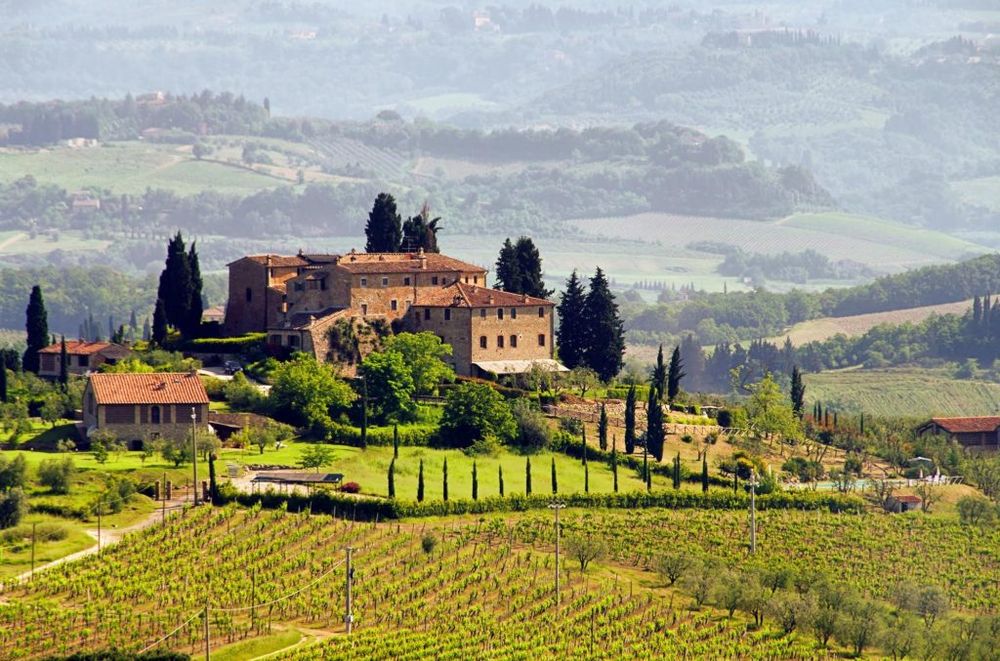
2016 in the main had a very good growing season but with some localised extreme weather conditions. Winter was mild with low rainfall, followed by a wet spring; a warm April encouraged good early growth. It was not, however, until mid to late June that the first warm to hot summer days arrived in the peninsula and lasted through most of July and August. However, hail and storms, with dramatic decreases in temperature, have had their effects locally.
Overall picture for whites is very positive with very good to excellent quality and quantity. Weeks of variable weather in September means the situation has been complicated for the reds.
Precocious red varieties such as Primitivo should be of excellent quality. As for noble native varieties, such as Sangiovese, Nebbiolo and Aglianico, conditions at the end of September and beginning of October were good with warm sunny days and cool fresh nights, providing excellent ripening conditions for later varieties. In the case of Nebbiolo, especially in Barolo, there is great excitement over a potentially outstanding vintage.
Total production in Italy is predicted to be around 49 million hl which is slightly down on the 2015 vintage but generally within the norm, and set to be the world’s largest producer in 2016.
PORTUGAL
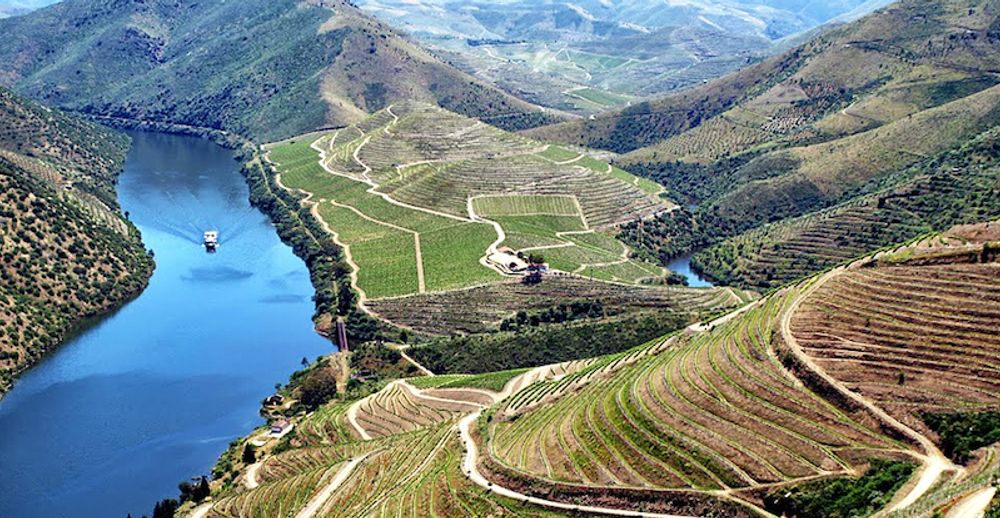
The varied regions of Portugal mean there is no single picture at harvest time. As in other parts of Europe, a damp spring led to widespread mildew, cooler flowering than conditions than normal, reducing yield, and summer drought. This delayed ripening and the start of harvest, meant that September rain was welcomed more warmly than usual. Volumes are down in some cases but not dramatically.
In the Douro the combination of heat and vine stress over the summer meant it was a challenging year for the DOC wines but extremely promising for Ports (see below).
In the Alentejo, harvest started about a fortnight later than usual with the double challenges of uneven ripeness and low acidity (in an area of high summer temperatures where acidity is generally not high anyway).
It will be a while before we can properly assess the reds but early samples of whites look extremely attractive.
PORT:
The 2016 viticultural year in the Douro started well with a wet winter, double the rainfall of the previous year. Unexpectedly wet weather carried on through April/May causing the river to be in full spring flood and unnavigable. June and July were normal summer weather, August unusually hot with rain at the month end. Some picking was delayed until late September and finished in the first week of October. Some very fine quality Ports will be produced.
A decision will be made on any declaration of the 2015 vintage at the end of February 2017 after the wine has spent a second winter in cask; but the jury is still out as to whether it will be a general or a single-quinta declaration. Whatever happens it looks like we’ll have two good years to come for Late Bottle Vintage wines and Vintage Ports.
SPAIN
The season in Rioja was kind to the vines – after many years of drought, 2016 had good rainfall in winter, providing water reserves for vines to grow gradually through the dry and warm summer.
For the first time in years, harvest dates were in line with historical averages and grapes were picked ripe and healthy. Yields are quite high, so to maintain quality the best producers green harvested (thinned the crop by removing some bunches from the vine).
The quality and style of Rioja is reliant on blending the key grapes (Tempranillo, Garnacha, Mazuelo and Graciano) from different regions, so more than any other red wine, it is still too early to declare with confidence a rating on the vintage. A clearer picture will emerge once the wines have completed malolactic fermentation in spring 2017. Across Spain yields are slightly down on the average.
For the first time in years, harvest dates in Rioja were nearer the norm.
GERMANY
As in so many areas, pessimism reigned supreme to the extent that we bought more of the outstanding 2015s to tide us over. Not a bad decision anyway. The summer heatwave certainly changed the look of the vintage from something bordering on the catastrophic to something quite good. The wines will be nothing like 2015, of course, but ripeness did come. The wines are on the light side, more Kabinett in style. Very little of the vintage has been tasted yet, but what we have seen seemed light, fruity and refreshing. Temperatures dropped sufficiently towards the end of the harvest for some Eiswein to have been made.
AUSTRIA
2016 has been a tricky vintage for Austria, following the near perfect 2015. Frosts in April reduced the possible crop size by 20-30%. However Austrian winemakers are used to trickier harvests and the wines tasted so far are looking better than expected.
AUSTRALIA
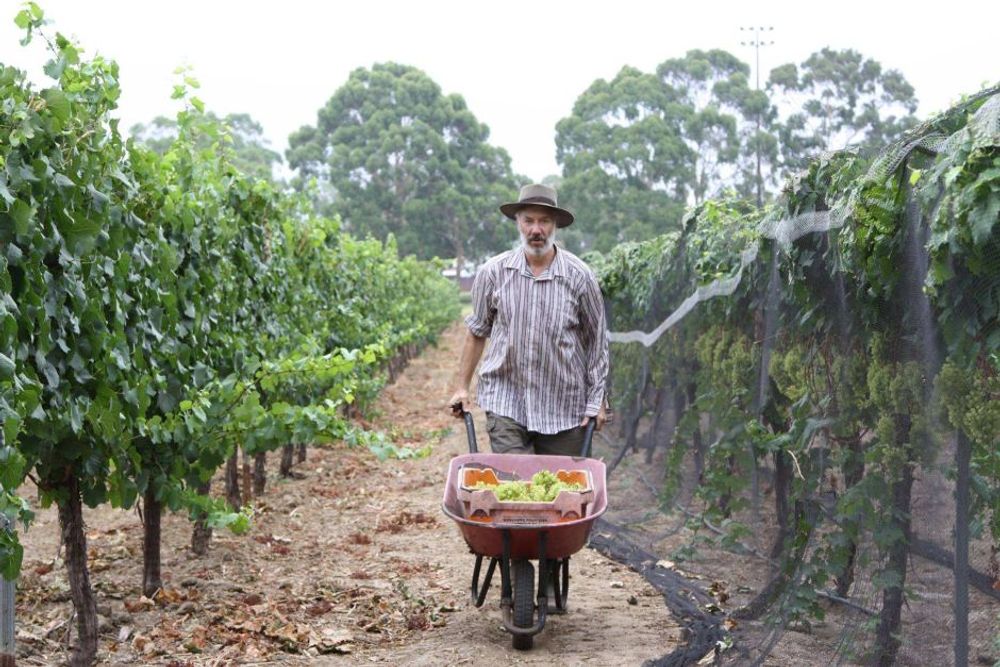
Overall, 2016 was a positive vintage for Australia, with good volumes and generally high quality wines being produced.
In South Australia total yields were up on 2015 and the quality was good too. It was another dry, warm growing season, but with some rain. A strong vintage for Grenache and Shiraz.
An early harvest in Victoria, following on from very early bud break, with even most of the Cabernet picked by mid-March.
New South Wales was a little trickier, with hail reducing crop levels and heavy rain affecting harvest timings. This mainly affected the red varietals, whereas the quality of the Semillon picked was very strong.
Tasmania also had a tough year, with low yields and bush fires causing concern. A cool vintage has allowed for great quality wines being produced in smaller volumes.
In Western Australia winemakers enjoyed a trouble free vintage, though yields continued to decrease slightly.
NEW ZEALAND
Overall, New Zealand’s harvest totals were up 20-30% on the very small 2015 vintage, but did not exceed the record sized 2014. However, the additional yield in 2016 will help towards the shortfall created by a growing global demand and the smaller 2015 harvest.
2016 was a classic Marlborough vintage, perhaps without the intensity of 2015, but the vintage went reasonably well, without any major climatic issues through spring and summer.
Summer was reasonably dry although rain at key times helped maintain vine growth and healthy yields.
In Central Otago the vintage was warm and dry in comparison to 2015 and 2014. This has led to some excellent fully ripe Pinot sites, and expectations are very high for the quality of this vintage.
Hawke’s Bay has had a successive run of very good vintages but 2016 was a little trickier. With slightly cooler than average conditions the best grapes came from the warmer, more protected sites.
SOUTH AFRICA
2016 was one of the earliest harvests on record in South Africa, in a growing season that was marked by drought and heat. Those who were unable to irrigate will have struggled to achieve both ripeness and rewarding yield unless their soils were better able to handle the conditions.
Grapes tended to be smaller, which meant careful, gentler extraction was essential.
On the positive side was the lack of disease, and bush fires limited to the Simonsberg in Stellenbosch.
Cooler climate fruit was in greater demand than ever, and the Cape South Coast regions were far less affected by the drought.
ARGENTINA
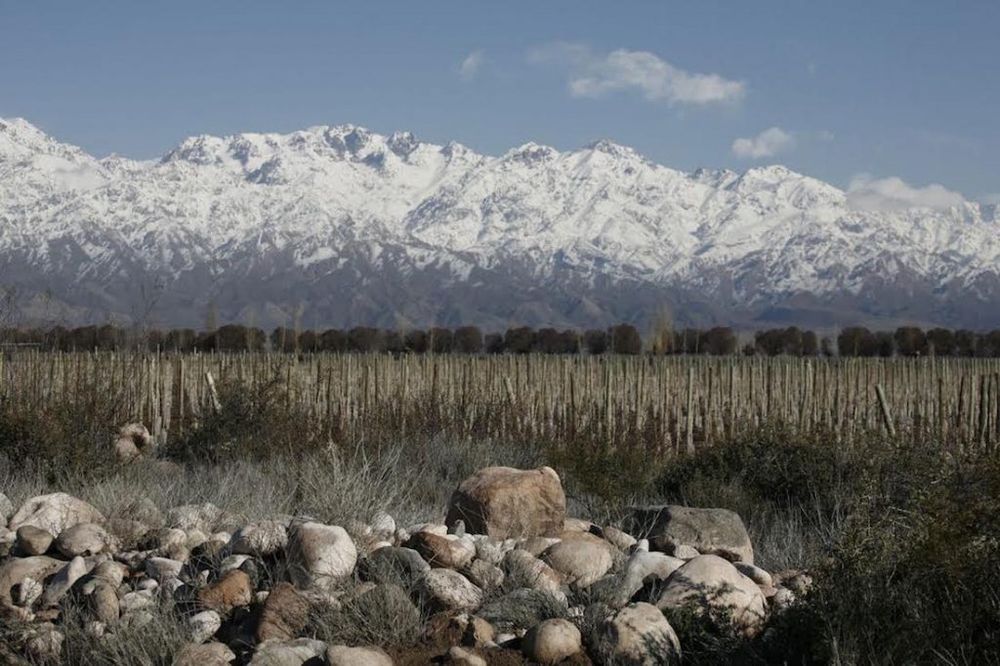
Despite a lot of rain at harvest, cool temperatures meant there was less botrytis in 2016 than in 2015. 2016 is one of the coolest years in recent times.
The wines are very promising, fresh tasting, lower in alcohol and higher in acidity than in usual years.
CHILE
2016 was a cool year in Chile, with quite a lot of cloud. There was significant rain in most of the central areas, Maipo and Colchagua. The north, Limarí and Elqui, and the south, Maule and Itata, were much less affected.
There are really two vintages, one before and one after the rain. Before the rain the cool year saw flavour ripeness develop at low sugar levels with excellent coastal whites and pinots.
After the rain it was the late-ripening varieties Cabernet and Carmenère in Maipo and Colchagua that got hit.
Concha y Toro and Undurraga harvested most of their Maipo Cabernets before the rains and these are fresh and fine.
There are good wines from Maule as only about 50mm wine fell at this time.
UNITED STATES
Following on from a very swift but small 2015 harvest, the 2016 vintage seems to have enjoyed a slower, steadier pattern.
With much needed winter and spring rains aiding vines health yields are up on 2015, although still below the large 2012 and 2013 harvests.