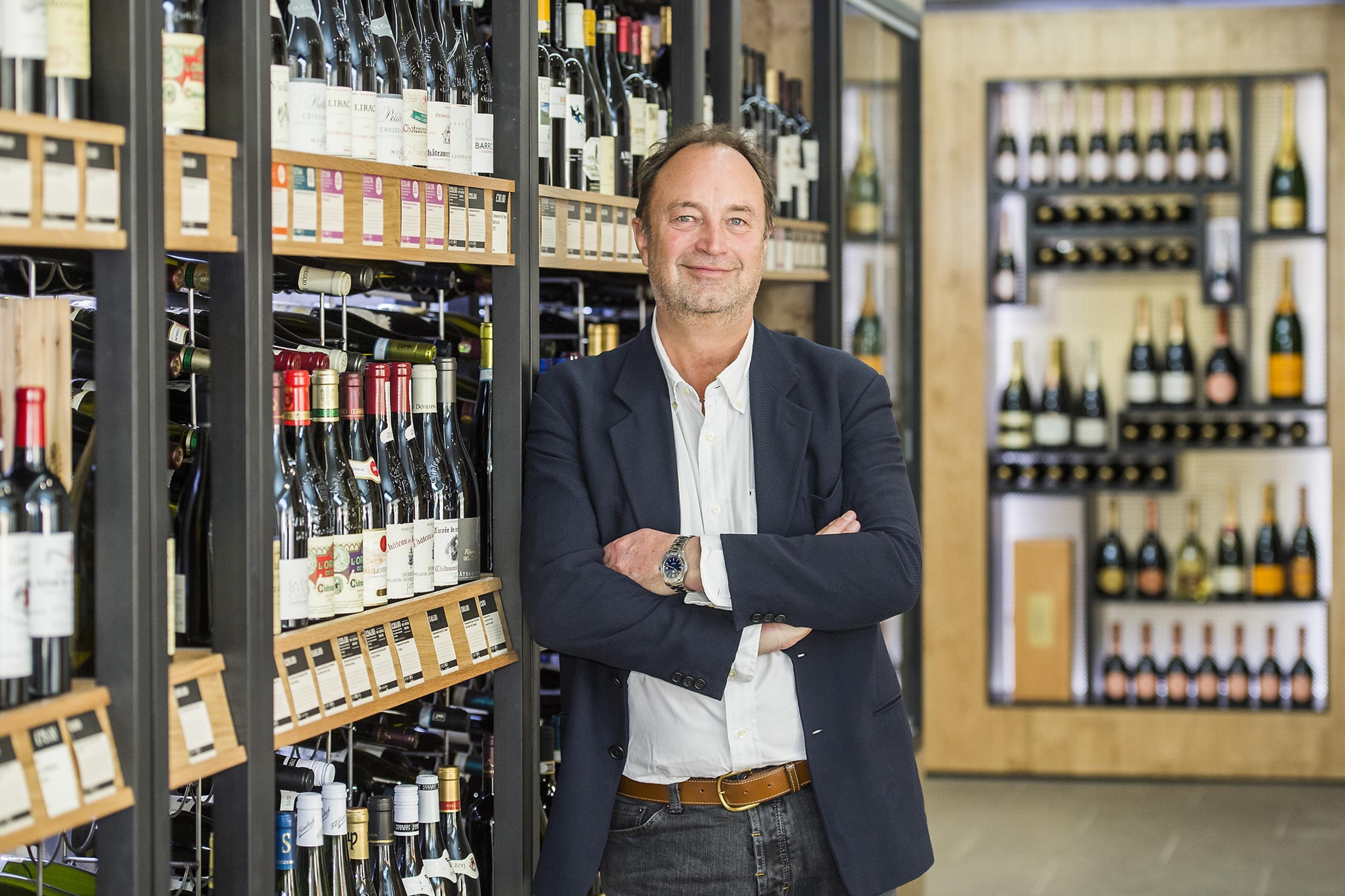

Reports of the demise of traditional retailing are greatly exaggerated believes Majestic Wine’s Rowan Gormley, who is looking to help transform its retail operation by encouraging its staff to build closer relationships with their customers that can mean far more than simply targeting people online.
Traditional retailing in Britain is dying. Or at least – if we listen to industry analysts – it is close enough to the verge of extinction to be on the endangered list.
Take a step back and it’s easy to see why the doom-mongers are feeling confident: rising costs, currency risk and despite the creep up in inflation, real prices remain depressed in a toughening economy.
If you look at the market caps of pure-play internet retailers, the multiples are an order of magnitude above most brick and mortar retailers; even if they have a semi-detached online strategy. Two primary reasons tend to underpin these enviable multiple differences. First, online retailers know all about their customers, who they are, their purchasing patterns and how to target them to re-purchase. Second, thanks to the burgeoning home delivery gig-economy, they are not constrained by bricks, mortar or distribution reach.
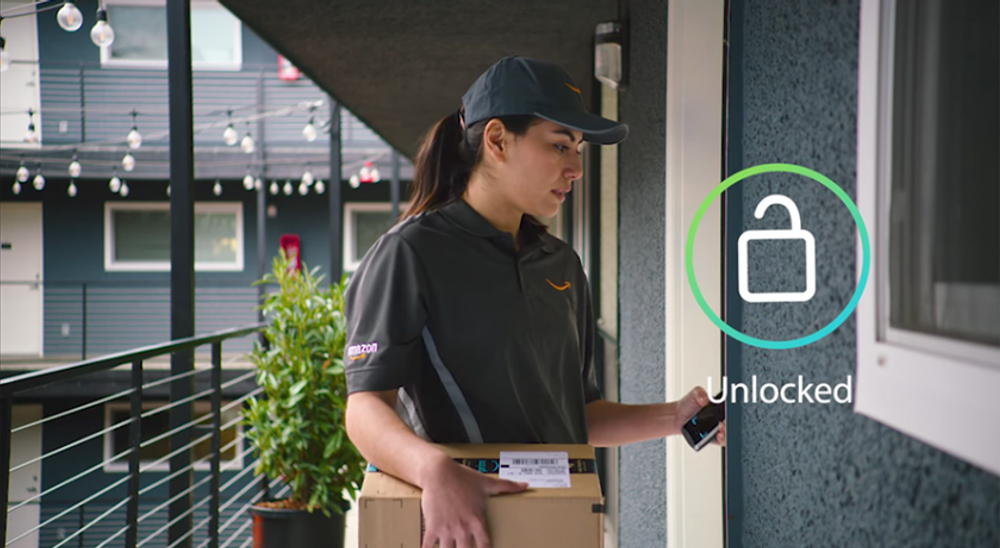
Amazon is now so engrained in our lives that it is trialling a new service whereby we will give permission to its delivery drivers to come in to our homes if we are out.
Fair dos… but let’s look a little closer at reason one. It is clearly true that most retailers know only a tiny subset of their customers – normally the ones who joined their loyalty scheme – but some take this apparent weakness and become specialists by allowing their employees to form high value relationships with their regular customers. These are real relationships founded on warm human values rather than the harsh impersonality of ‘good’ data-mining. And if such relationships are combined with exclusive product offerings, it’s possible (not easy, but possible!) for ‘traditional’ retailers to steal a march on the pure internet players.
I have a useful perspective here. I come from a direct marketing background and have always envied strong retailers of all ilks who manage to actually get in front of their customers. I don’t mean with an email or direct mail that’s opened but actually face-to-face in a social space. If they can do this – and do it well – they can significantly increase lifetime value.
At Naked Wines, for example, we invite 10,000 customers a year to our around-the-country wine tour. We do so because when someone comes along in person, meets winemakers face to face and sees the authenticity of the model for the first time, their lifetime value shoots up. Many retailers have opportunities every day to do something similar but never do. Instead, slashing costs seems their only leaver to drive profits.
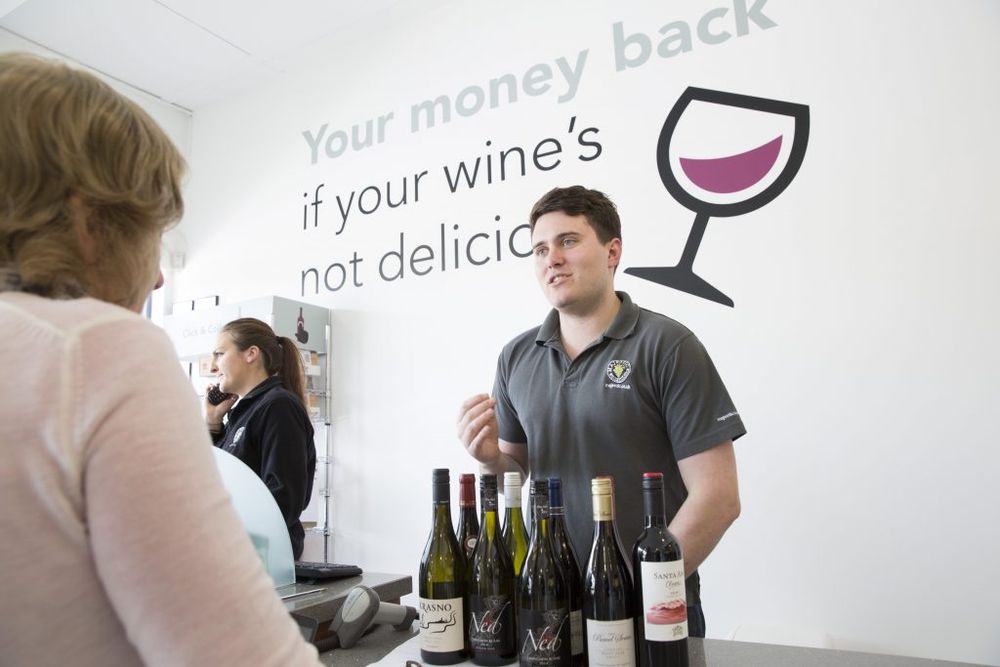
It’s good to talk. It’s good to be able to talk to your customers face to face and understand what they want and learn how to serve them better, says Gormley
So when I was faced with the challenge of transforming Majestic Wine into a growth company, I did the reverse of cost-cutting and went specialist. If we are to succeed as a wine retailer in a highly competitive market, only specialism and high customer loyalty will cut it. Being a specialist requires talent: people who can offer customers advice and insight that our online competitors can’t.
To keep talented people it needs engagement and commitment internally which is certainly not achieved by cutting salaries and investment.
So, are traditional retailers being dragged into a pit of doom where they will never be valued the same as the internet pure plays? Some are, certainly, but those prepared to invest in growth, specialism and rich human customer relationships I believe can unearth rich valuations. An engaged, loyal, committed customer is as valuable as a rare truffle, but unlike what the industry analysts tell us, it can be grown, nurtured and discovered in the traditional retail world too.