
No matter how experienced you are and how many years you have been selling a country’s wines, there is nothing that helps you understand what those wines can offer your potential customers like visiting and exploring that country for yourself.
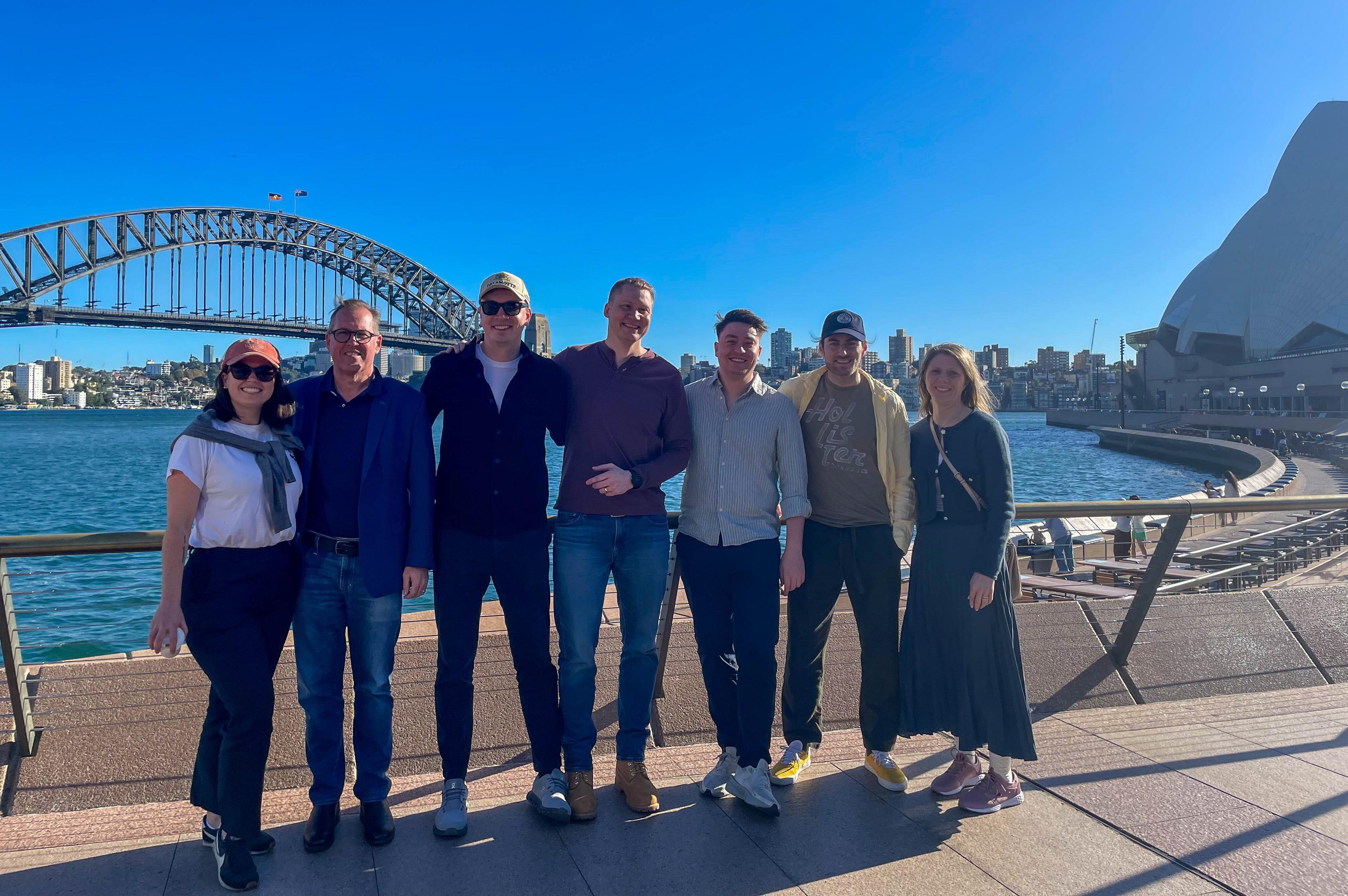
When that country happens to be many thousands of miles away then it is not always easy to get the opportunity to do so. Which is why the team at Fells was so keen to bring together a group of leading sommeliers in the UK to get the chance to visit and explore Australia for the first time.
This was an extensive trip that allowed them to fully experience what Australia and all its varied wine regions has to offer. A study tour that started out in Hunter Valley where they were able to meet the winemaking team at Tyrrell’s, before going on to Adelaide to explore the Barossa and McLaren Vale,taking in the wines and winemakers at Hill-Smith Family Estates, Torbreck and Yangarra, before finishing in Margaret River and a visit to Vasse Felix.
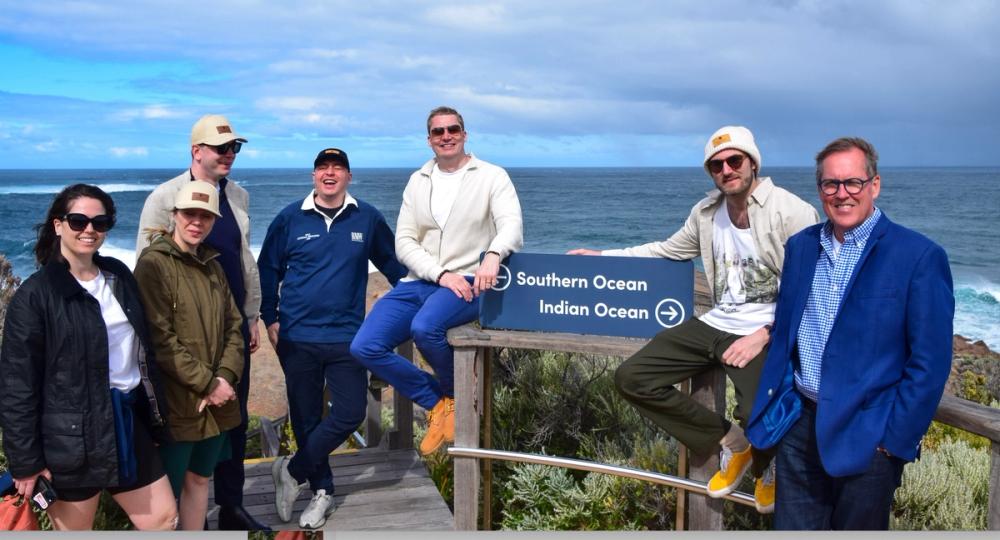
The Fells Australian study tour was a chance for a group of top sommeliers from leading restaurants and hotels to travel the country and meet Fells' Australian wine producers
On the trip were Emma Denney, director of wine at Claridges, Martin Jezek, wine director at Corinthia London, Julien Sarrasin, head sommelier at Hide, Philipp Reinstaller, restaurant manager and head sommelier at Labombe by Trivet and Carolina Seibel, group beverage manager at HiStory Hospitality.
To help guide them along the way was Fells’ wine and portfolio consultant Stefan Neumann MS and head of London sales, Andrew Forbes.
Neumann says the purpose of the trip was to showcase the best of Australia to UK Sommeliers, to show the diversity of styles of wines, raise the profile of Australian wine itself and highlight the exceptional quality of the wines to be found throughout all the regions visited.
Within a week, the guests visited three widely differing states and experienced the diversity between them while also enjoying great Australian hospitality and fantastic food on offer, which transcends the typical Aussie brunch or a barbie.
For Fells, a trip like this underlines the importance of the on-trade to its business. It is indicative of Fells’ great commitment to the UK hospitality sector – an area of huge significance for the wineries visited.
Sommeliers’ views
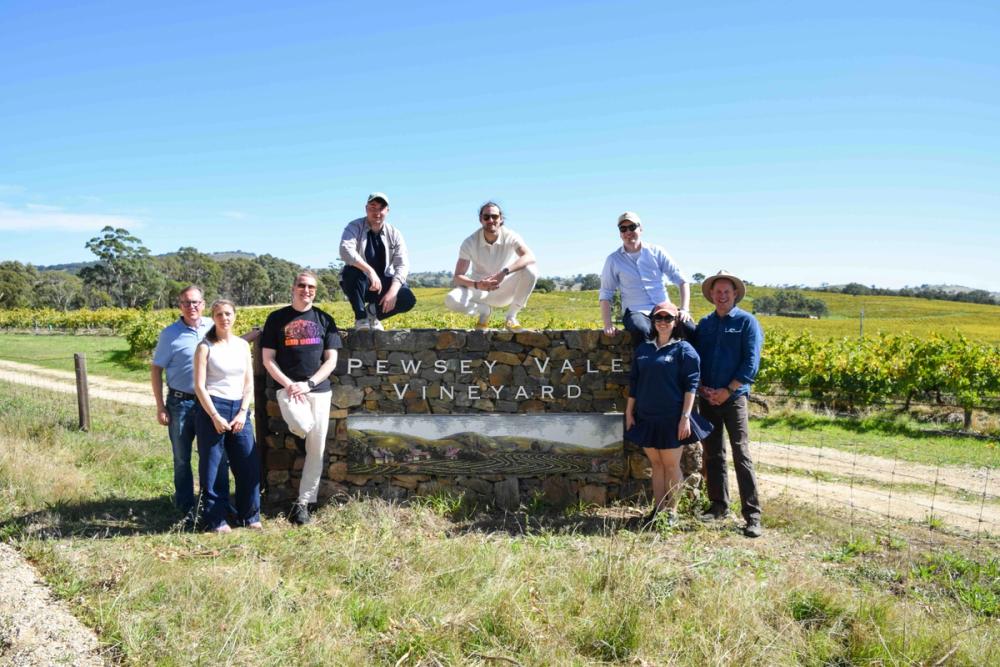
The Fells sommelier trip visited its key Australian producers including Pewsey Vale Vineyards owned by Fells' shareholders Hill-Smith Family Estates
But what did the sommeliers think of the experience and what did they most get out of the opportunity to visit Australia and Fells’ producers for themselves? They share their insights here:
Why did you want to go on the trip to Australia with Fells?
Martin Jezek: I think it was a wonderful opportunity to explore the regions of Australia. Fells has some great agencies like Vasse Felix, Yalumba, Torbreck and many others.
Emma Denney: It was a chance to explore a country that has a wide diversity of wine styles and price points of wine. Australia is so vast - as we found out with the multiple flights we took - and the wines differ so much from region to region.
Julien Sarrasin: I felt very privileged to get the chance to discover a country through their wine regions, from wineries that I represent at the restaurant, a great opportunity to understand from the inside, the philosophy of the people we would meet and the typography of the sites we were going to visit. I have not been to Australia before, so when Stefan approached me with the idea of a Wine Ambassador program with other colleagues and friends from London, I did not hesitate.
What was your perception of Australian wines before the trip and how relevant they were in your business?
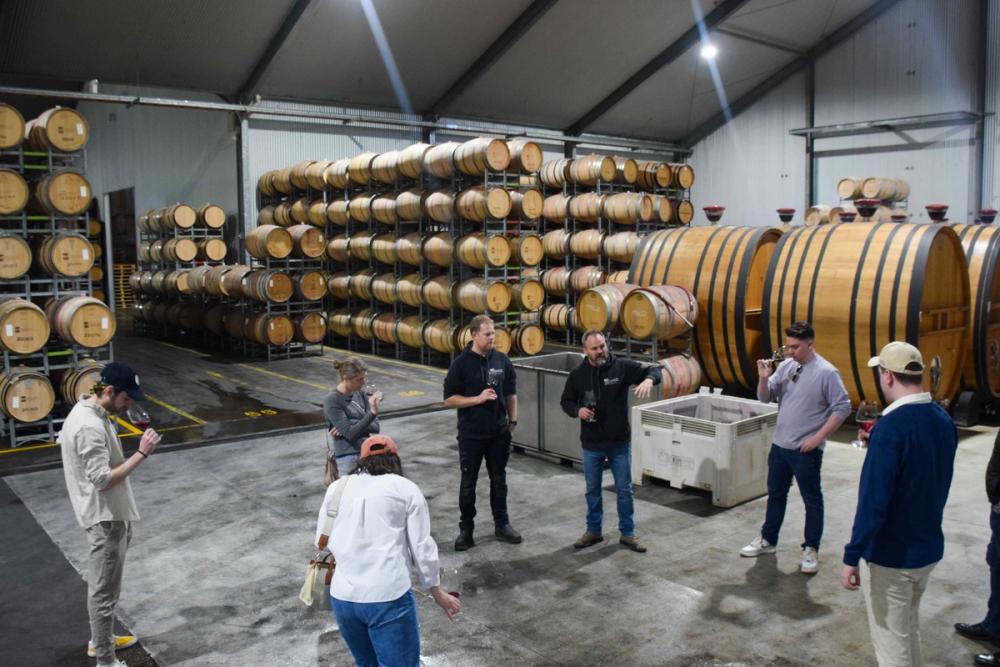
The trip was an opportunity for the sommeliers to meet and talk to the producers behind Fells' Australian wine porfolio - like here with Ian Hongell head winemaker at Torbreck in the Barossa Valley
Sarrasin: I have been an advocate of Australian before this trip, their singularity and different expression of the various styles across regions and grape varieties seduce me. Australian wines have been part of my journey at Hide for a while, but I developed more of an interest in them about four years ago.
Philipp Reinstaller: Australia isn’t really the main focus of our list at Labombe – so apart for some great Pinot Noir, Chardonnay and Shiraz we didn’t really list a lot of Australia.
Denney: We have always had a small selection of Australian wines, with our focus being on iconic and recognisable producers, often with wines that show good value compared to their European counterparts. My perception of Australian wines was that there was a lot of quality, but perhaps a lot of similarity between the wines, making them not the most exciting - which I was very happy to learn I was wrong about!
Jezek: In the past I worked with some great wines from Australia and was definitely aware of the quality.
Carolina Seibel: I love Australian wine, the variety and the history behind so many of the wineries. Australian wine is always relevant, especially as pairing wine options.
What sort of wines were you listing before you went and why?
Denney: A range of white and reds, with the whites focusing on grapes that work well for my guests – Chardonnay, Riesling and the odd Semillon. For reds, it was mostly Pinot Noirs and bigger styles of Shiraz and Cabernet Sauvignon.
Most of the wines I would consider ‘good value’ on my list, with a few premium options there as well.
Jezek: Very classic regions of Australia. Barossa in the forefront with wines from Victoria and Margaret River. We also have a few listings from Tasmania and New South Wales.
Sarrasin: The range of wines Australia offers is wide and that’s the reason why it is good to have them available on the list. From elegant Pinot from Victoria, to the freshness and minerality of Riesling from Eden and Clare Valley and Semillon from NSW, the depth and flesh yet purity of some Shiraz but equally the balance, refinement and finesse of what can give Grenache in Barossa, McLaren Vale and SA more broadly, as well as the top crafted Chardonnay and Bordeaux blend you can find in WA and Margaret River. We have been listing a high number of Australian wines since day one.
Reinstaller: Pinot Noir, Chardonnay and Shiraz – a small selection of some world class producers to have an alternative to Burgundy and Shiraz has its own category and followers.
Seibel: The Vasse Felix Heytesbury Chardonnay as it is a beautiful alternative if someone is looking for a more Burgundian-inspired style.We also have Yangarra Ovitelli Grenache Blanc in the pairing with our current main course, as it complements the dish well and adds some great anecdotes.
How did your thoughts and perception towards Australian wine change during the trip?
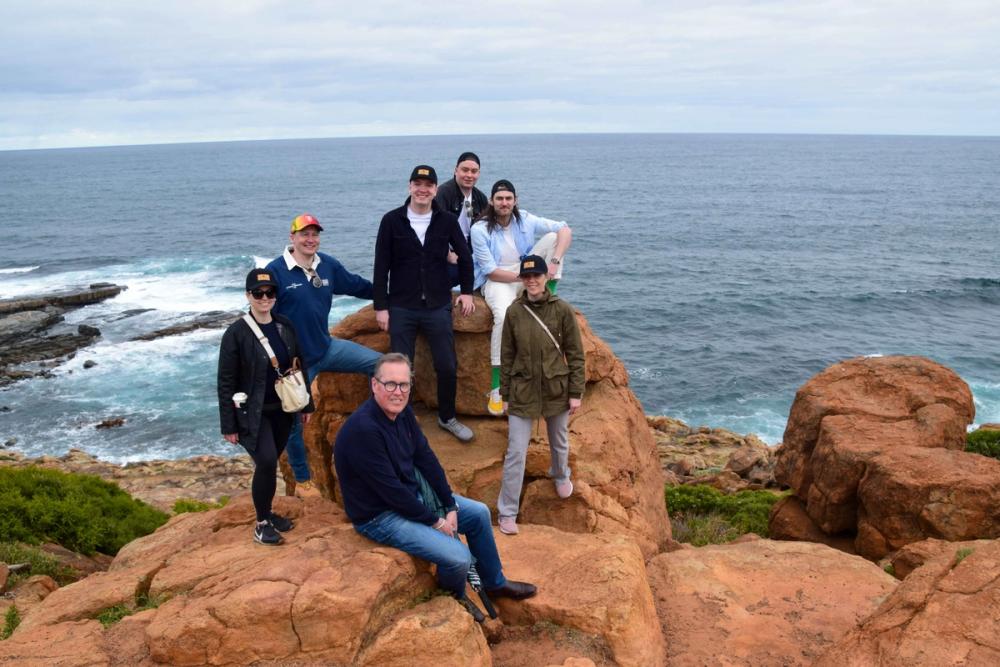
The Fells trip took in most of the major wine producing regions including the stunning coastline in Margeret River
Seibel: It is always great to be able to taste in the vineyards and with the people who make the wine, to get an even better feel for them.
Jezek: The trip has just reaffirmed that Australia can produce world class wine and have some of the most dedicated winemakers in the world.
Sarrasin: It confirmed their quality, but enhanced also dramatically my understanding of the passion, devotion and creativity/development from the people cultivating the vines and making the wine.
Reinstaller: A lot changed to the positive. The fact that majority is phylloxera free, the number of old vines and a lot of different styles and grapes.
Denney: I have come away from the trip as a convert to the world of Australian wine. So much incredible quality, some of the most lovely and passionate winemakers and delicious wines at all price points.
What surprised you most the most / stood out the most?
Seibel: I think what stood out was how connected the wineries and the people who work at them are with each other and how much they have admiration for each other.
Denney: How much quality there is to be had across the regions and price points. I discovered a new love for Australian Grenache on this trip.
Jezek: I would say Margaret River as a region. I could see the region is focusing on a high-quality production and considering it is relatively young region this was amazing to see.
The second thing is just the fact how remote the country and the regions are. You realise this only when you visit.
Sarrasin: The number of well-preserved and healthy centenarian vine material, a true heritage and a beauty to see. However, I must also admit, the kangaroos seeking freshness and the shadow between vine rows at Pewsey Vale was quite something.
Which styles and regions/did you think were the most relevant for you and your business?
Denney: I could see all the wineries we visited being relevant for Claridge’s, due to how well made and ‘classic’ the wines were, and with so much variety to be had. I was extremely impressed with all the wines, but especially the Chardonnays and Grenache-based wines.
Jezek: Barossa will still be at the top due to number of big names and history that represent the region. The style itself is still adored by many consumers and it really is a must on the list.
Margaret River would be the second due to the great Chardonnays they make. In the time when people are seeking alternatives to Burgundy this region is a great go to. Their Cabernet Sauvignon is one to watch as well.
Reinstaller: I was particularly impressed by the wines we tasted in Margaret River – particularly the Chardonnay and Bordeaux blends. I was also impressed by the Barossa and Eden Valley Shiraz wines.
Sarrasin: The Chardonnay made at Vasse Felix in Margaret River and Shiraz at Torbreck, Barossa Valley work well for us and our guests here at Hide. Additionally, Pinot from Victoria and some Tasmanian wines go down well with the crowd.
What price points are you looking at?
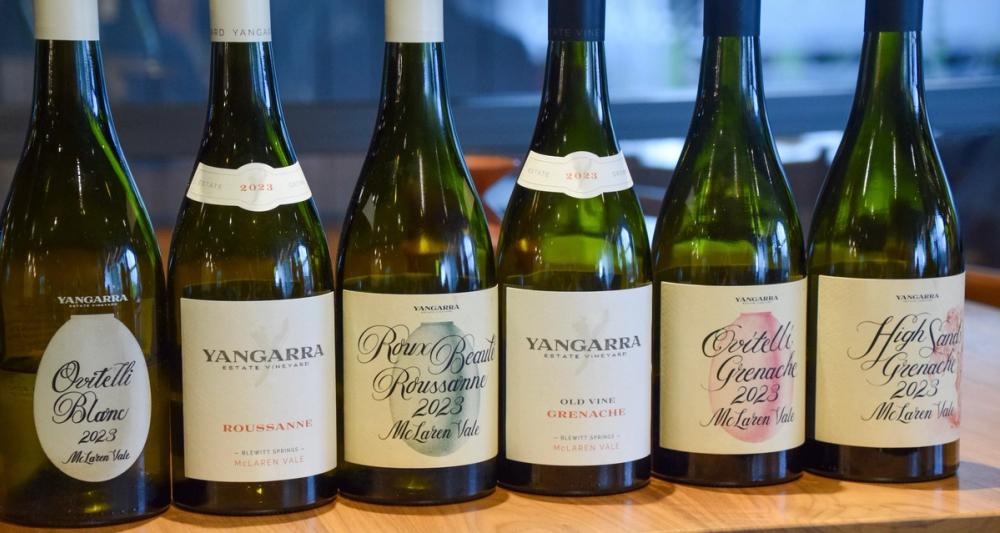
Some of the wines the sommeliers had the chance to taste during their Australian trip
Denney: Bottles that can be listed on a restaurant wine list from £60 up to £180 are most relevant for my business.
Jezek: I think people that are drinking Australian wine are always looking more on the mid to lower end. So, for me up to £50 cost to buy. Anything over that is becoming difficult to sell especially the fine wine part of Australian wine is not moving well.This is sad as the quality is definitely there yet people are reluctant to pay those prices.
Sarrasin: The offer is eclectic and can accommodate any budget, but prices around £150/£200 usually sells well. More, occasionally, for premium cuvées.
How in tune did you find the winemakers and producers were with the needs of UK sommeliers and the dynamics of the UK trade?
Reinstaller: They seemed very aligned to our needs. There is a strong understanding of the dynamics in the UK hospitality scene.
Seibel: They were more curious and interested among the changing times and wanted our honest opinions and feedback
Denney: The winemakers we had the pleasure of visiting seemed aware of the needs of UK sommeliers, particularly the importance of pricing, allocation, by-the-glass potential, and storytelling.
They understood that we are not just looking for prestige; we’re looking for wines that overdeliver on value, work across different styles of service, and resonate with increasingly curious guests.
Any advice you would give to Australian producers about what they could do to make their wines more relevant and attractive?
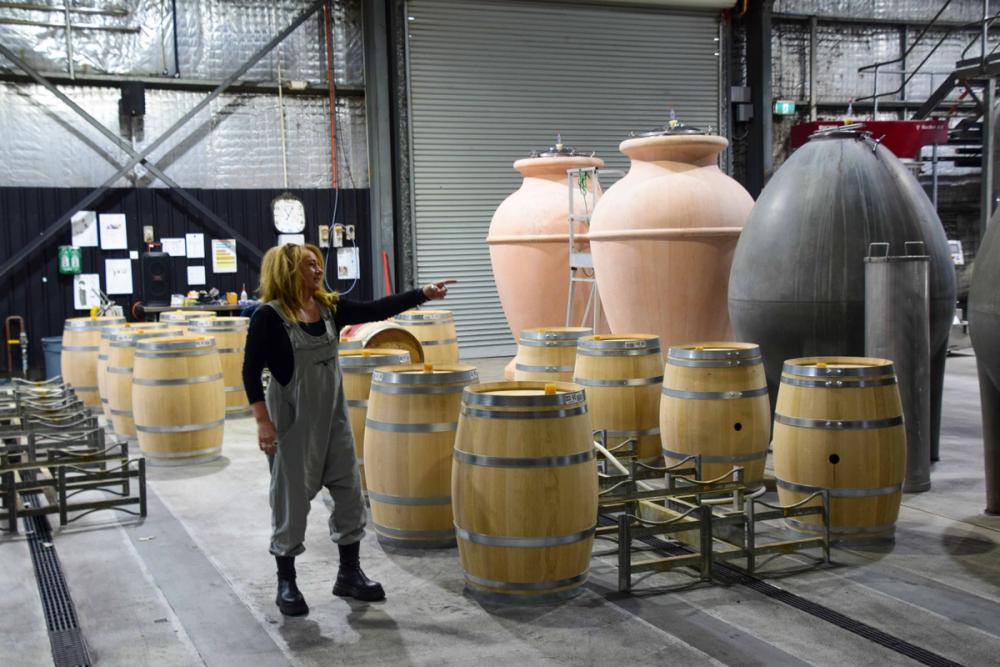
Virginia Willcock the award-winning head winemaker at Vasse Felix in Margaret River
Reinstaller: Wineries should focus on old vines, phylloxera free and specialise in fewer varieties but improve the quality on those. More is less in some portfolios.
Denney: Australian producers already make incredibly high-quality wines, but in the UK market I think the biggest opportunity is around storytelling and a diversity of style.
For a long time, consumers associated Australia with big, powerful reds, but there’s now so much elegance, restraint and site expression coming out of regions across the country.
I would encourage producers to lean into their regional identities and communicate more about terroir, sustainability, old vines and the people behind the wines
Jezek: I would say engagement with the market is a key. The initiative of Fells is a perfect example. Like this they can gather feedback and possibly make adjustments to practices in vineyards and wineries that will matter to the end consumers.
Sarrasin: I think promotion is essential, organising wine tastings and events here in the UK around Australian wines, show their diversity and quality. Some truly remarkable wines out there deserve more attention. Thanks to people who have a true love for Australia wine and are real ambassadors for them, thinking of Matthew Jukes obviously, but also Wilem Powell who is active with Australian wine exposure lately, these people are a key to give credit to the Australian wine world.
How was the overall experience working with Fells on this trip?
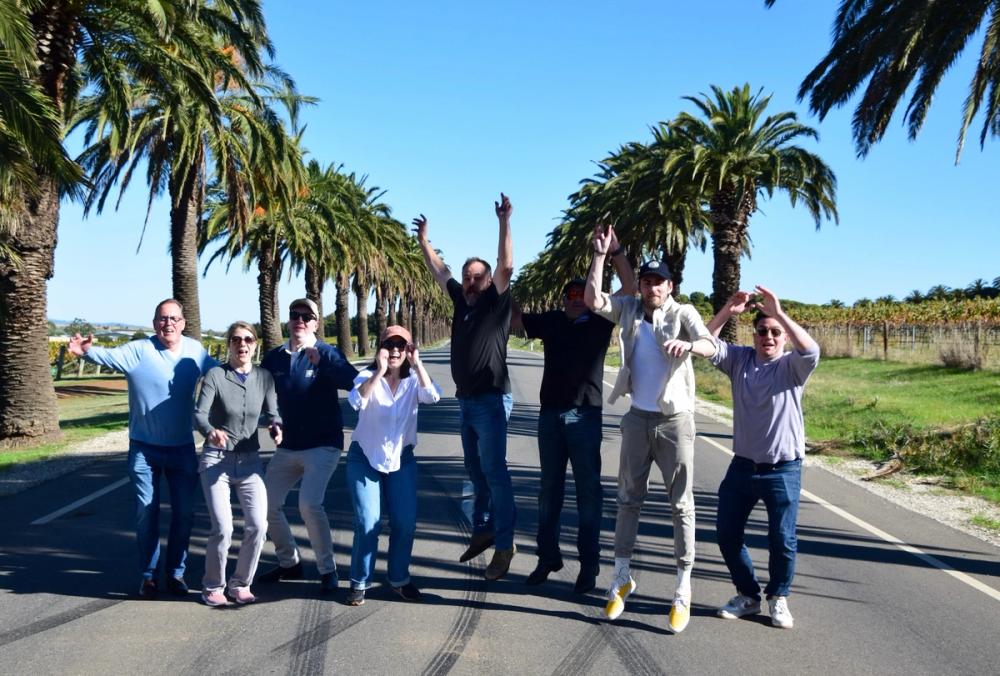
This pretty much sums up the sommeliers' collective experience on going on the Fells Australian study tour
Sarrasin: It was organised and professionally managed, a lot of vineyard visit and tasting, but not only around wine, they had planned other activities to enrich the trip and make it even more fun and special.
Denney: It was such a pleasant experience, and one I will treasure for the rest of my life. Fells is always a joy to work with, and the trip was so well organised.
Jezek: Everyone from Fells was amazing and I think also the fact we were smaller group made difference. It all felt very personal.
Reinstaller: This was a once in a lifetime opportunity. It was a great group, very well organised and was incredibly informative.
Seibel: It was simply outstanding.
Why do you work with Fells and what does it specifically give you that you need to do to your job?
Denney: Fells has an excellent selection of classic styles of wines and work with producers who truly care about their craft. These are all wines that are very easy for me to list.
Aside from the team being incredibly responsive and attentive, they all also have a deep passion for the wines they are selling, which is a pleasure to work with.
Jezek: Fells has always supported our business and that is something that comes first. We have some key listings with Fells due to the price and stock support they offer.
The Fells team has always been professional, bringing great producers to our hotel to do tastings and engage with the team.
Reinstaller: It is mainly the support and the training it can provide, and its portfolio works very well with our wine list
Seibel: Fells is a reliable supplier with very good wines and producers which all have a family connection, which isn’t just interesting curiosity but great to work with.
Any final remarks?
Reinstaller: Just a big thank you to Fells for having me on this trip.
Jezek: I just wanted to say thank you to Fells and everyone in Australia that made this happen. We had a great experience and learnt a lot.
Denney: Australia is an absolute gold mine of well-made and delicious wines, and a country we should all be drinking more of.
Sarrasin: I would like to express my sincere gratitude to Fells and the wine estates who made this possible. We have been welcomed brilliantly in each region with great food, fantastic wine, library vintages, fun stories and good laughs.
To every wine lover and readers, drink more Australian wines!
* To find out more about Fells and its Australian wines and the rest of its portfolio go to its website here. Fells is a commercial partner of The Buyer.