
Despite only opening for business at the start of 2026, DakaDaka is already receiving plaudits for its wines as well as its food, winning the Best Short List award (presented by The Buyer) in the Star Wine List of the Year UK 2026, which was described as a “a true delight” by one of the competition judges Stephen Wong MW.
“This is a very specialised list which definitely tested the judges’ knowledge,” he added. “What made it truly shine for us was how it balanced its area of speciality with a confidently curated foundation of wine from outside those borders. From the touches of maturity to the concise information provided, to the accessible pricing and presentation, no space is wasted, no wines superfluously present.”
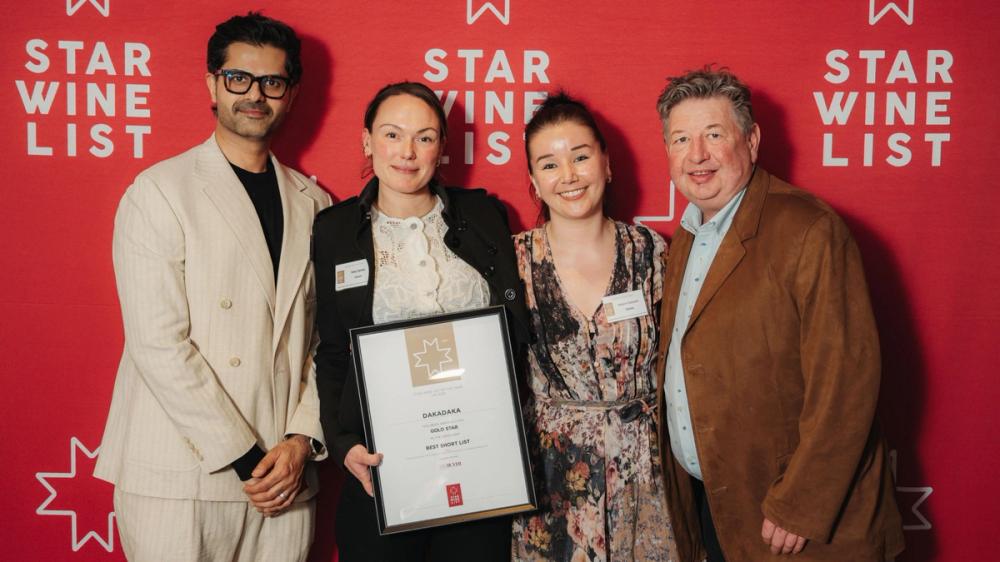
DakaDaka was the winner of the Best Short List of the Year presented by The Buyer in the Star Wine List of the Year UK 2026 awards. The Buyer's Roger Jones, right, presented the award to Honey Spencer, wine director, assistant general manager, Katalin Szegedi and co-founder, Mitz Vora
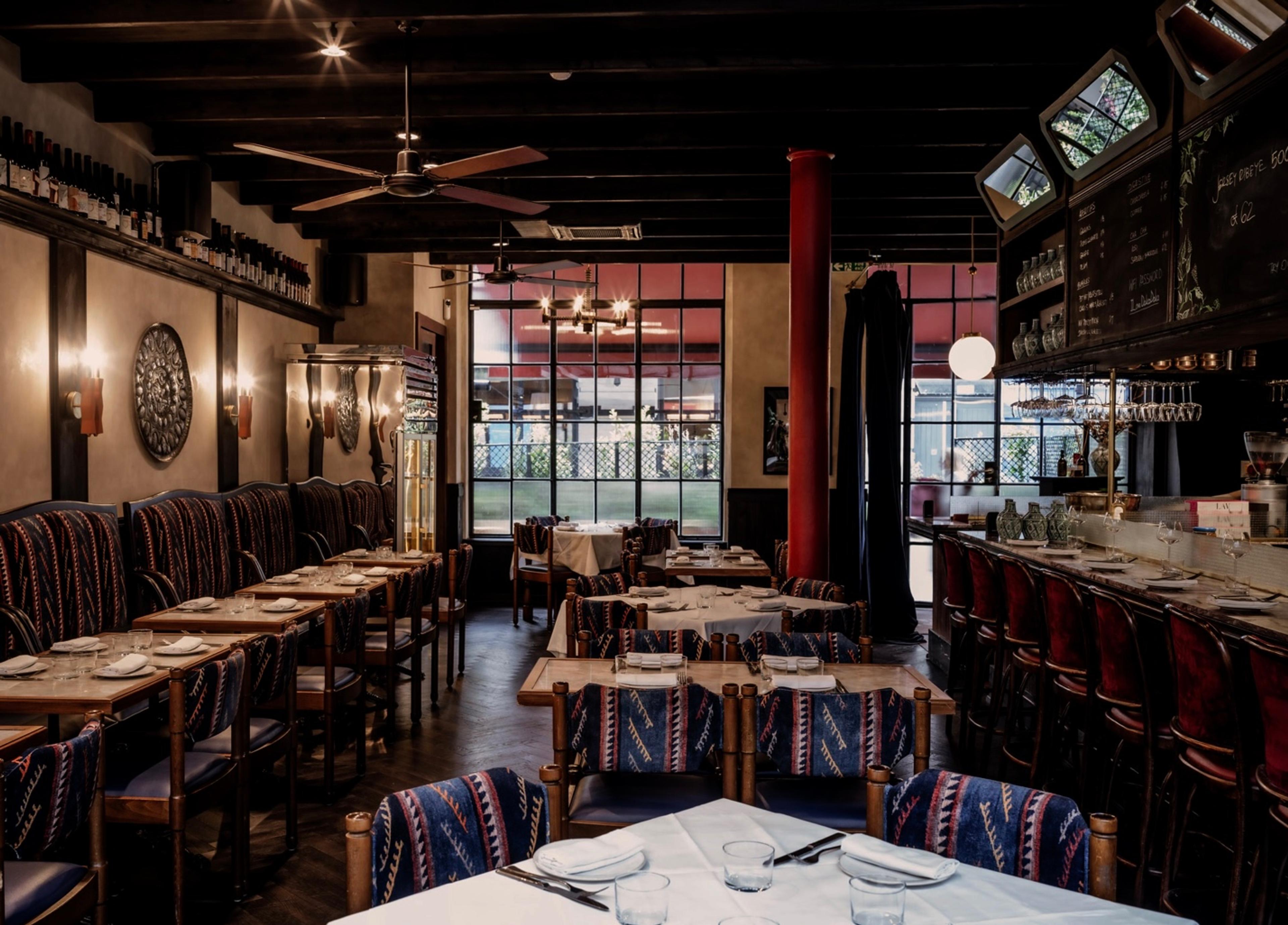
Founded by hospitality veterans Giorgi Mindiashvili and Mitz Vora, DakaDaka takes its inspiration from the old Georgian tradition of supra – the convivial feast where food, wine and hospitality come together.
The list has been curatedand honed by acclaimed sommelier Honey Spencer and centres on Georgia’s ancient winemaking heritage.
DakaDaka opened with around 100 bottles, primarily focused on natural wines and small producers, and offers diners a rare opportunity to explore the extraordinary diversity of Georgian wine regions and indigenous grape varieties.
But rather than treating Georgian wine as a niche curiosity, DakaDaka presents it as a sophisticated and deeply rooted wine culture in its own right.
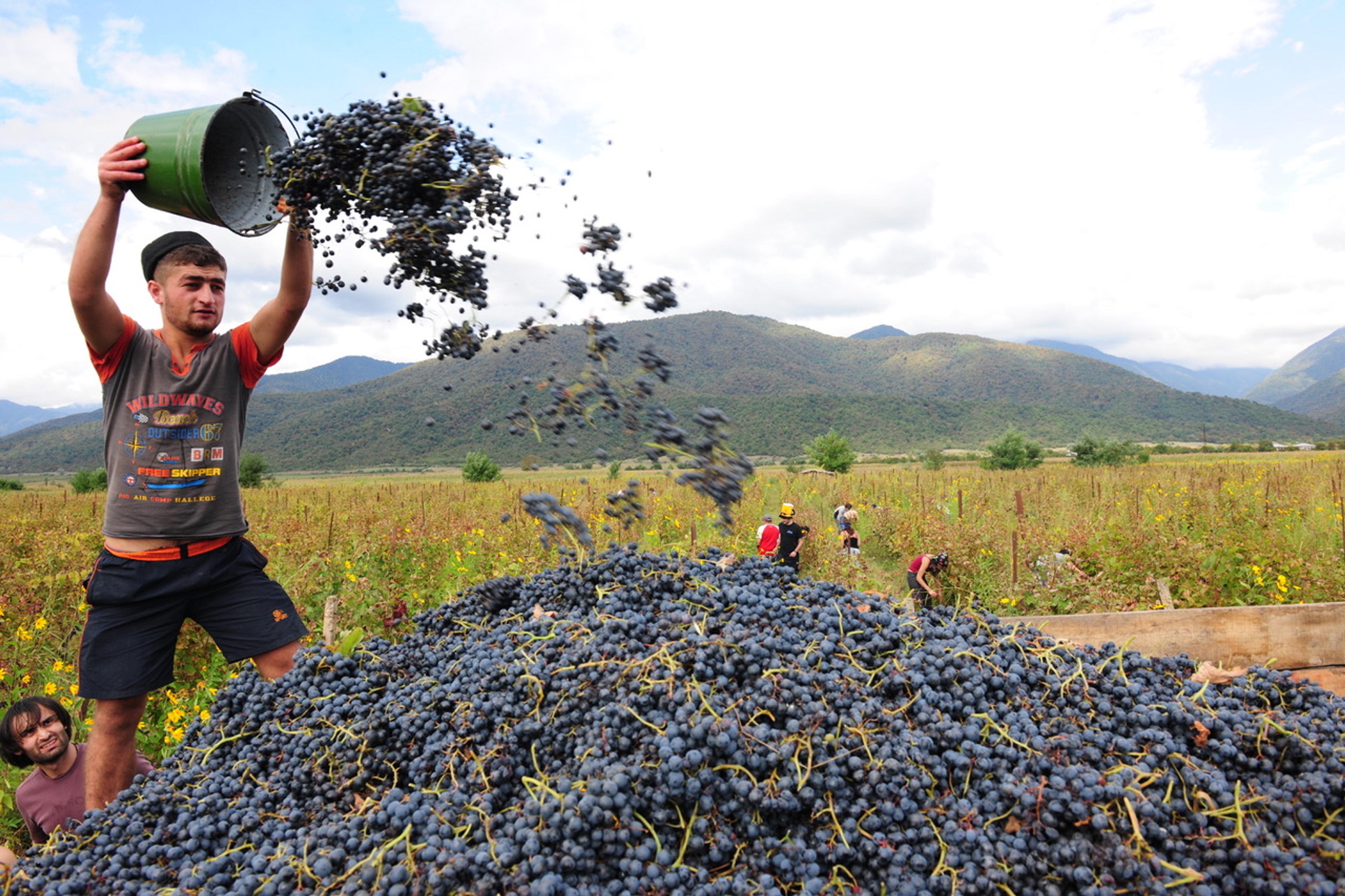
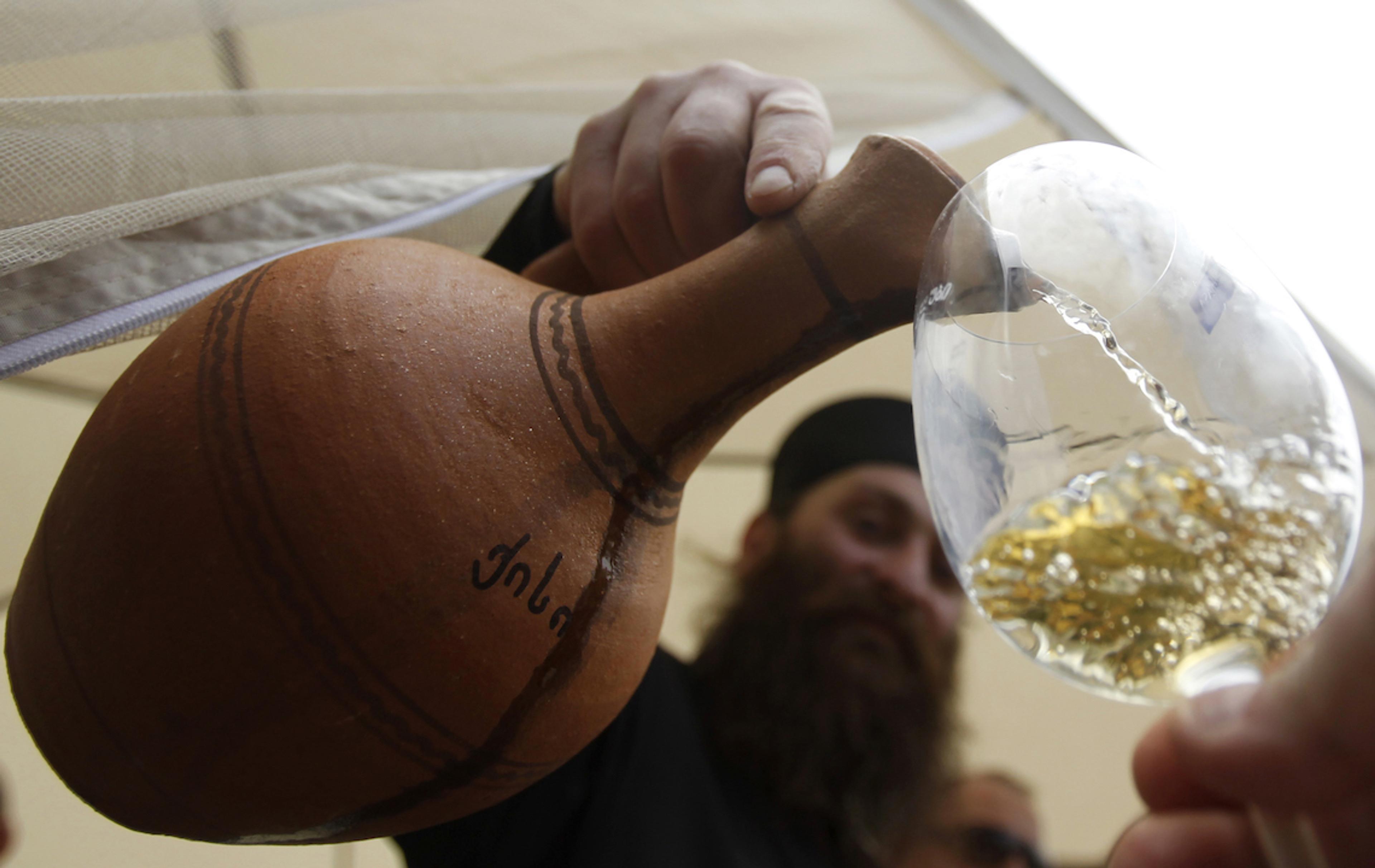
Varieties on offer include Saperavi, Georgia’s celebrated red grape, alongside white grapes including Rkatsiteli, often produced using traditional qvevri methods – fermenting and ageing wine in large clay vessels buried underground.
Assistant general manager, Katalin Szegedi, sets out what DakaDaka is all about.

DakaDaka's Katalin Szegedi
Firstly, tell us about the name - what does Dakadaka mean and what inspired it?
The name DakaDaka means "rhythm" in Georgian, and even the way it is pronounced carries a sense of energy and movement. From the very beginning, we wanted a name that reflected the feeling we hoped guests would experience when they walked through our doors.
For us, DakaDaka represents the rhythm of a busy restaurant—the sounds of conversation, the movement of service, the crackle of the fire, the clinking of glasses, and the sharing of food around the table.
It's a name that captures the vibrant energy and warmth that we wanted the restaurant to embody from day one.
Who is the typical DakaDaka customer?
Our typical guest is in their mid-thirties and enjoys dining experiences that feel immersive, atmospheric, and social. They are looking for more than just a meal; they want to spend an evening somewhere with character, energy, and a genuine sense of hospitality.
They often begin their meal by sharing several plates of khinkali (savoury, meat-filled dumplings),around the table, accompanied by a bottle of wine, before moving on to dishes from the grill, usually paired with a khachapuri (cheese bread), to share.
Food and wine are central to their experience, but so is the occasion itself. They enjoy settling in for the evening, sharing stories with friends, family, or colleagues, and becoming part of the vibrant atmosphere of the restaurant.
How adventurous would you say they are in their wine choices?
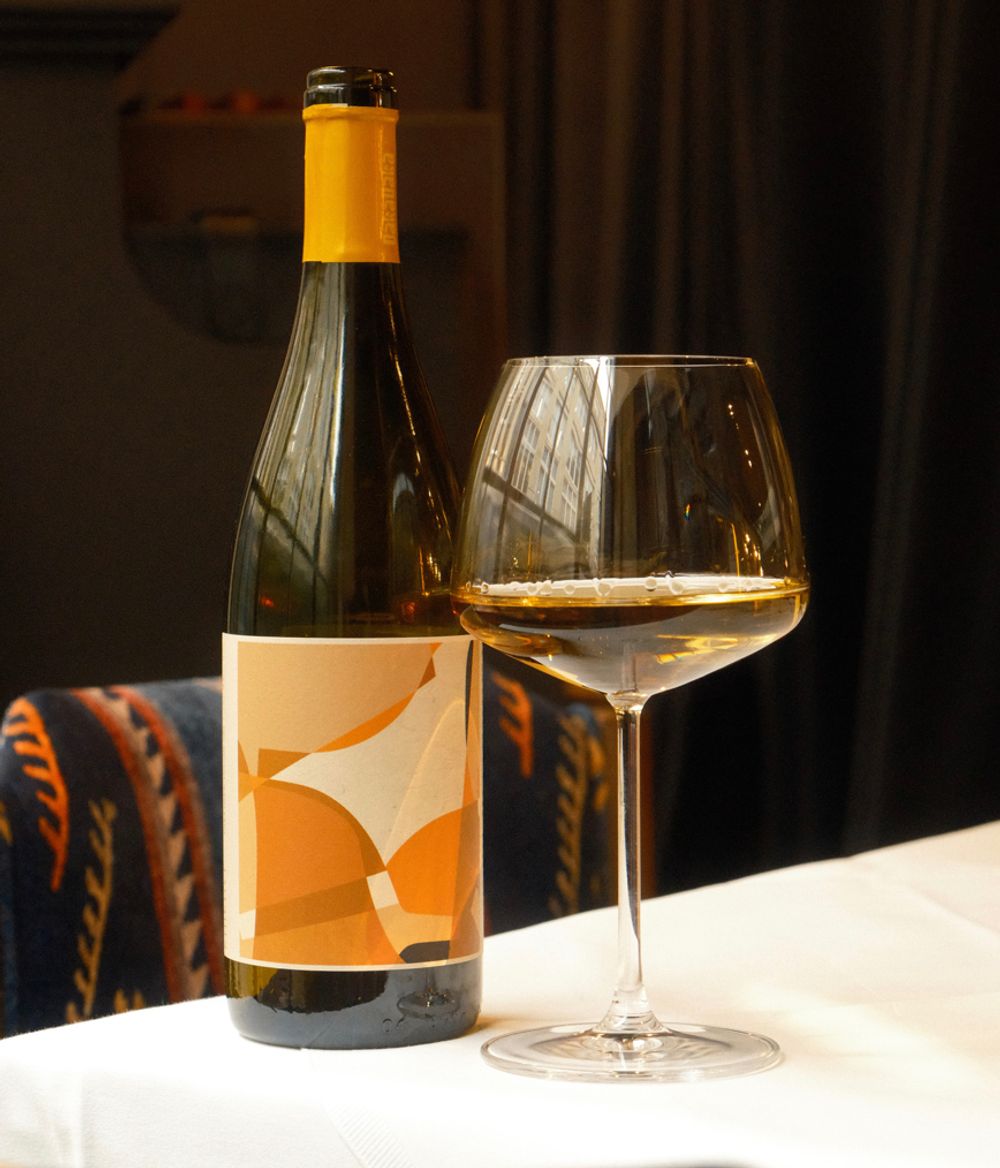
DakaDaka's wine list is 75% Georgian wine with a strong focus on natural and orange wines
While some guests are more adventurous than others, we find that local Londoners - particularly younger diners - are often the most open to exploring new wines. They enjoy discovering unfamiliar grape varieties and regions, making them especially receptive to the unique character and stories behind Georgian wines.
What are they looking for in their wine?
The majority of guests are looking for a bottle that complements their meal. In most cases, they gravitate towards amber or red wines, while fewer guests opt for sparkling wines or the semi-sweet red styles that are traditionally very popular in Georgia.
What is the average spend on a bottle, and what is your best-selling wine?
The average spend is around £70 a bottle on average. One of our house wines, made from 100% Kisi grapes and produced exclusively for DakaDaka by Pirveli Winery in Kakheti is our most popular. Juicy, fresh, and beautifully balanced, it's an easy-drinking wine that offers exceptional value for money.”
What proportion of your list comes from Georgia?
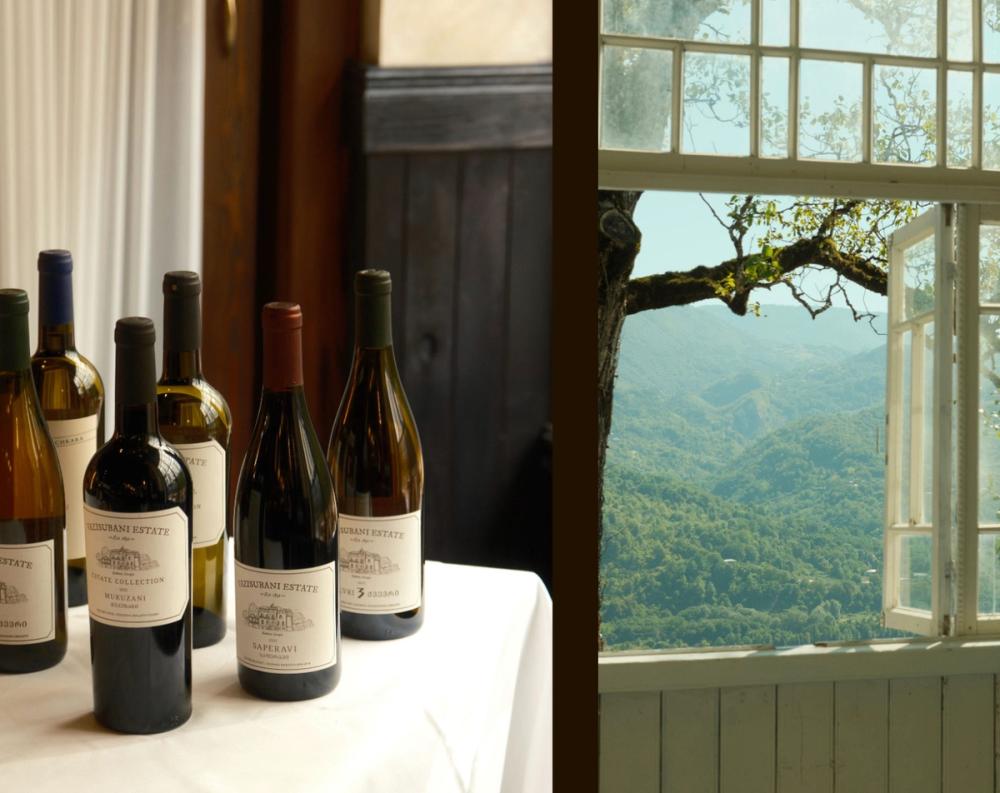
Three-quarters of the wine on DakaDaka's list come from Georgia
Up to 75% is Georgian with the remaining 25% coming from around the world.
What other countries are represented on your list, and why are they included?
Our non-Georgian wine list is centred around the Old World, featuring a small Champagne selection alongside wines from regions such as Spain, Italy, Lebanon, and Slovenia. We also showcase a handful of wines from New World producers, including South Africa and Australia.
However, Georgian wine is what we're most passionate about, but we know that sometimes people simply want to enjoy the wines they know and love. That's why we've included a few familiar classics on the list too - giving guests the freedom to either explore something new or stick with an old favourite.
Across the entire list, we place a strong emphasis on working with producers who practise low-intervention winemaking, allowing their wines to express a genuine sense of place and reflect the unique character of their terroir.”
Do you offer wines by the glass and if so, how many? How often do you change those on offer?
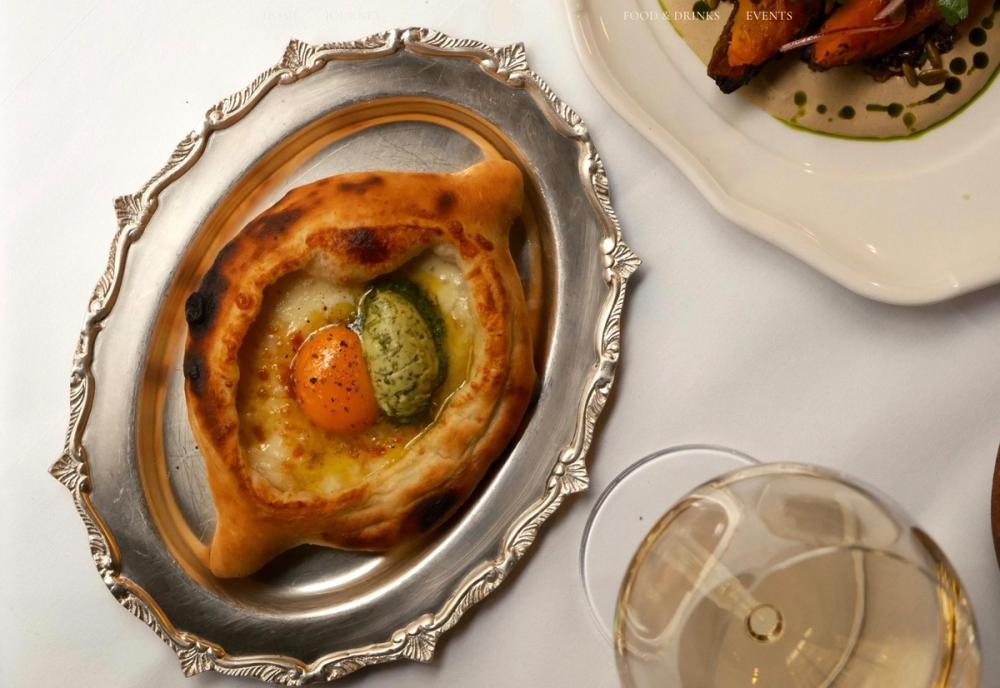
We currently offer 21 wines by the glass, with the selection typically changing every eight to 10 weeks. As the restaurant continues to grow, we'd ideally like to rotate these wines more frequently to keep things exciting for our returning guests and give them something new to discover with each visit.
Our by-the-glass programme is one of the best ways to spark curiosity and encourage exploration. Even when guests aren't quite sure what they're looking for, offering a taste often gives them the confidence to try something they may never have considered before. It's a simple but effective way of introducing people to new grape varieties, styles, and producers while making the experience more engaging and personal.
Who is responsible for wine buying?
Our Co-owner, Giorgi, is based in Tbilisi and maintains close relationships with many of the winemakers we work with. He regularly visits wineries across Georgia, personally sourcing many of the wines that make their way onto our list and into the restaurant.
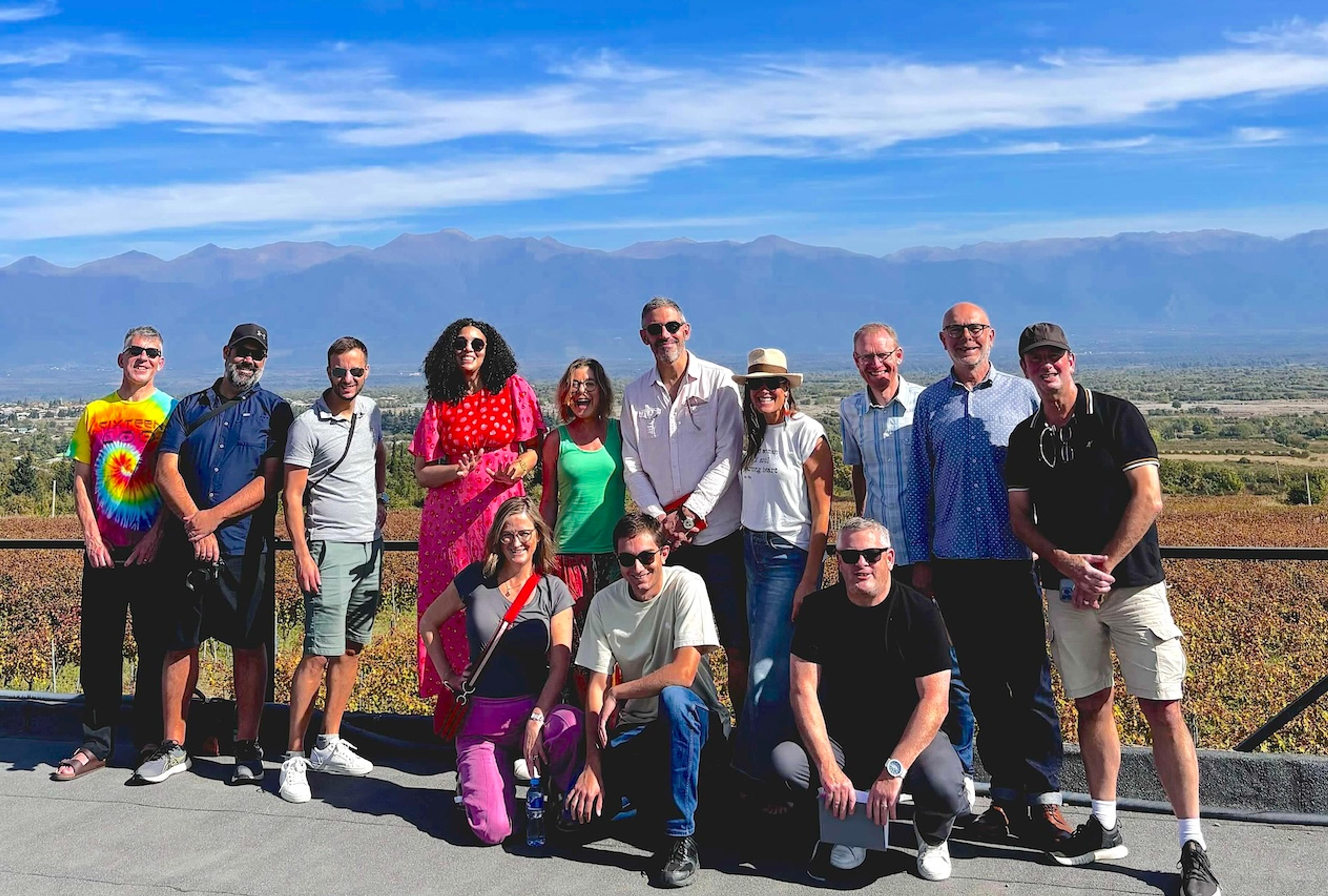
During the early stages of developing DakaDaka's wine programme, Honey Spencer from London also travelled extensively throughout Georgia, visiting wineries and exploring the country's key wine regions. Together, they helped build a balanced and diverse wine list that showcases a variety of styles, producers, and regions, while remaining true to the spirit of Georgian winemaking.
What is DakaDaka’s wine buying philosophy?
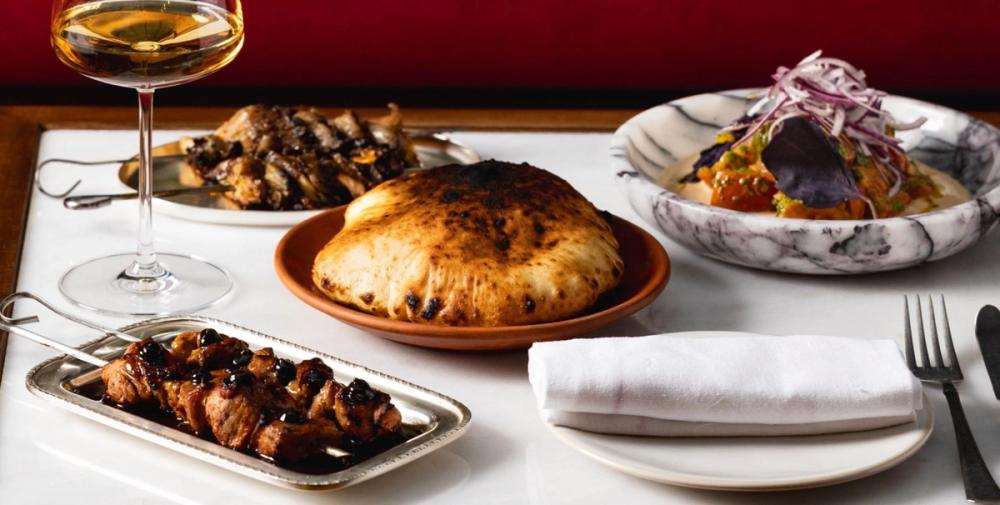
DakaDaka's wine list is designed to complement and work with its food
We love working with winemakers who are just starting their journey, and it's particularly exciting to see a growing number of women stepping into the industry, proudly continuing and evolving the winemaking traditions passed down through previous generations.
We're always drawn to bottles that have a story behind them. Storytelling sits at the heart of every Georgian supra, and we believe wine should carry that same sense of history, personality, and connection.
Beyond the story, we place great value on authenticity. We seek out winemakers who have a deep respect for their land, care for their vineyards thoughtfully, and allow nature to do as much of the work as possible. Many of the producers we work with follow a low-intervention approach, creating wines that genuinely reflect their terroir and the character of where they come from.
How do you price your wines, and what sort of mark-up do you operate on?
Our wines are typically priced to achieve a gross profit margin of approximately 74–78%, depending on the wine and style. While maintaining a healthy margin is important, our pricing philosophy is centred around accessibility and encouraging exploration.
We want guests to feel comfortable trying something new, whether that's an unfamiliar Georgian grape variety or a producer they've never come across before.
Where possible, we aim to offer strong value for money, ensuring that exceptional wines remain approachable and enjoyable for a wide range of guests. The wines range in price from £39 - £289.
Who are your key suppliers? Do you have any exlcusive wines or source any wines directly?
Around 60% of our Georgian wine selection is sourced directly from the winemakers themselves. Thanks to our close relationships with producers across Georgia, we're able to work directly with many of the wineries featured on our list and bring their wines straight to DakaDaka.
For the remainder of our selection, we work with a small number of trusted UK suppliers, including Le Caves de Pyrène and Sager + Wilde, who share our passion for authentic, characterful wines and low-intervention producers.
What are the particular challenges of pairing wine with Georgian cuisines?
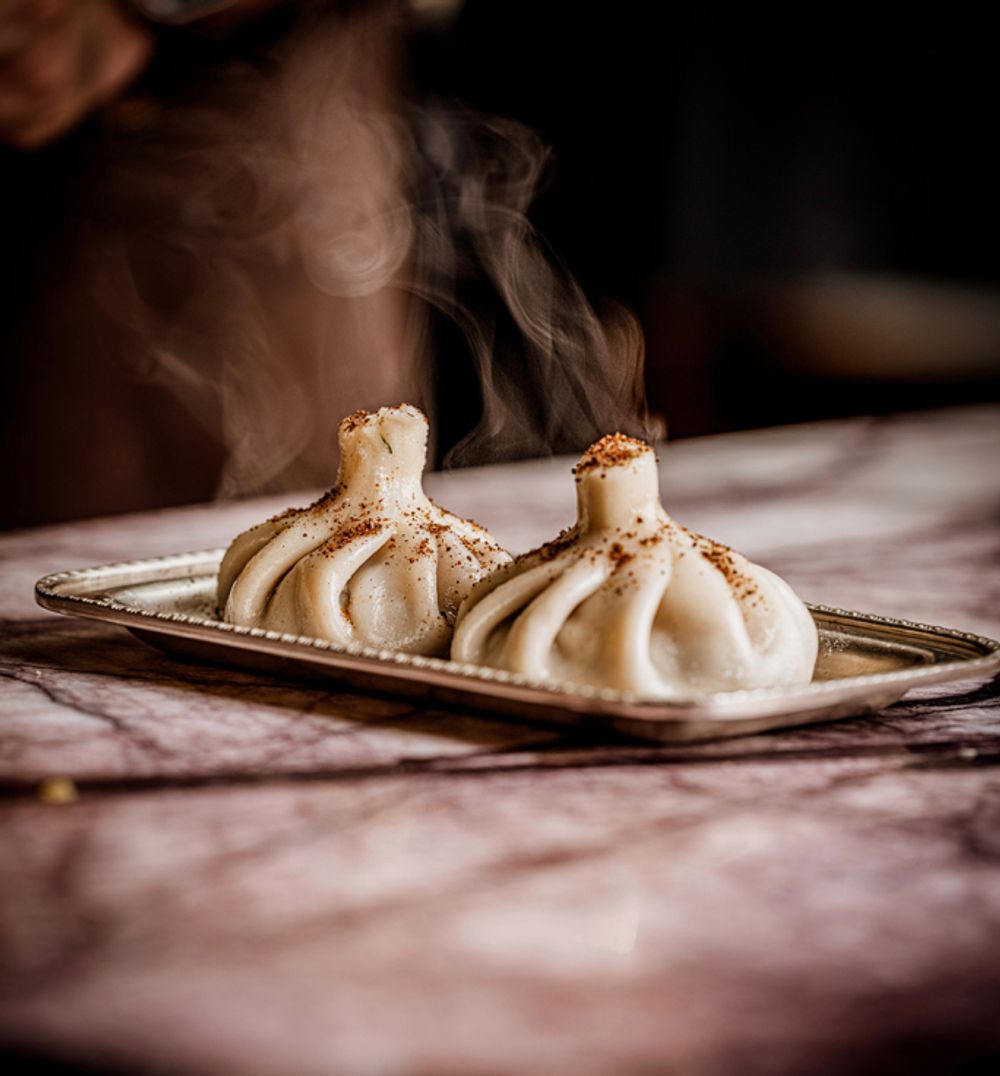
DakaDaka prides itself on its authentic Georgian cuisine
Georgian cuisine is naturally built around bold, generous flavours—from smoky meats cooked over fire to rich breads and cheese-filled dishes. In most cases, these are the kinds of meals that call for wines with enough character and structure to stand alongside them.
This is one of the reasons Georgian amber and red wines pair so beautifully with the food. Their texture, depth, and complexity allow them to complement and enhance these powerful flavours, rather than being overwhelmed by them.
What would you say is unique or different about Georgian wine?
What I genuinely love about Georgian wine is its incredible versatility. Across the country's different regions, you'll find such a wide variety of styles that there's almost always something to suit every palate and occasion.
Georgian wine can accompany an entire meal from start to finish—from vibrant, funky pét-nats and fresh whites, to structured amber wines and a diverse range of reds. Whether you're looking for something light and refreshing or something deeper and more complex, there's a Georgian wine that fits the moment.
You’ve only been open for a short period – how is business, and are you pleased with the way things are going so far?
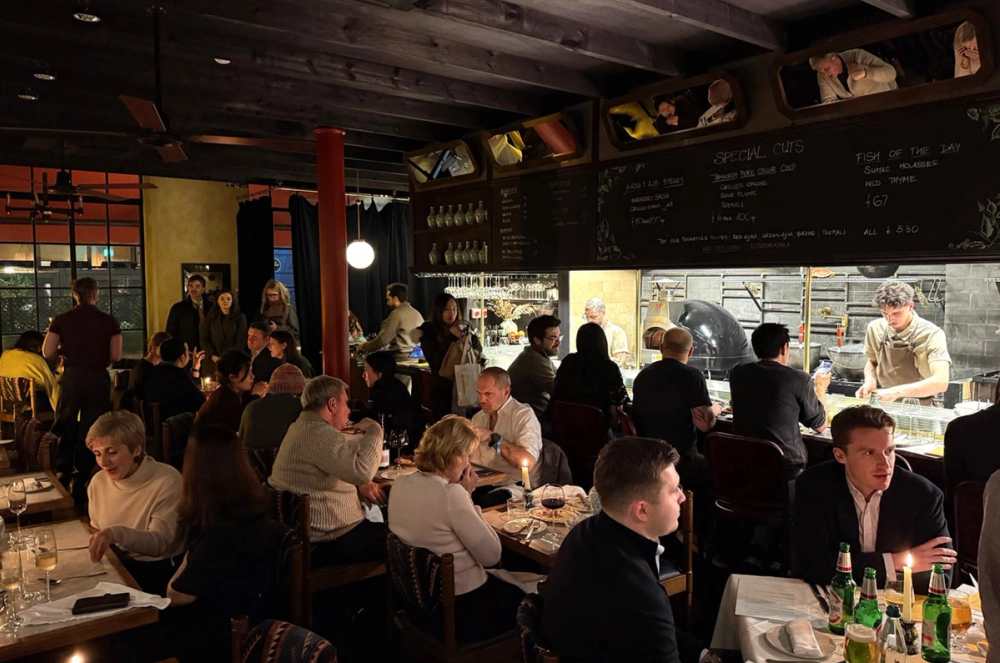
DakaDaka has made a big impact in just the six months it has been over
We've been open for nearly six months now, and we feel incredibly fortunate to have found our home on Heddon Street. The city has been extremely welcoming, and we've been delighted by the enthusiasm and curiosity people have shown towards Georgian cuisine, wine, and hospitality.
Of course, there's always room for improvement, and we're constantly learning and evolving. However, we're proud of what we've built so far and excited to continue sharing a little piece of Georgia with London.”
Any initial teething problems?
There have been plenty of challenges along the way. Opening a new restaurant is never easy, especially when it's a personal business that you've invested so much of yourself into. I'm sure anyone who has worked in hospitality will understand exactly what I mean—every opening comes with its own unique set of hurdles.
That being said, we've genuinely embraced the challenges we've faced. They've taught us invaluable lessons, helped us grow as a team, and ultimately made both us and the restaurant stronger for it.”
What are your plans for the future of the business?
If DakaDaka continues to grow and succeed, we would love to open a second site elsewhere in London in the near future. For now, our focus is on building a strong foundation and making the first restaurant the best it can possibly be.
Looking further ahead, we would love to explore bringing the DakaDaka concept to other cities and perhaps even other capitals around the world. It's an exciting ambition, but one that starts with getting the details right and continuing to grow sustainably, one step at a time.
What did winning the UK Star Wine List Award for the best short list mean to you?
This recognition meant a great deal to us. Not only because of the hard work that went into building relationships with our winemakers and curating the wine list, but also because of the recognition we received following their visit to the restaurant and the awarding of the Red Star.
The awards ceremony was a nerve-racking evening. We were shortlisted alongside many successful businesses and individuals that we greatly admire and look up to, so we genuinely didn't know what to expect. When our name was announced, we were absolutely overjoyed.
Awards and recognition like this are incredibly motivating. They validate the hard work that goes on behind the scenes and inspire us to keep pushing forward, working harder, and striving to achieve even more.
* You can find out more about DakaDaka here.