Talk to any wine importer or wine producer about what why they want to work together and they will invariably give you the same answer - they think they are cut from the same cloth. They share the same business values and beliefs and, ultimately, believe they can both make each other a lot of money. Not that they are always quite so forthcoming about the last bit.
It was crystal clear within minutes of sitting down with North South Wines’ Kim Wilson and DGB’s Tim Hutchinson that this is a working partnership built on the same foundations of how they want to do business.
Hutchinson is quite clear why he wanted to work with Wilson and North South Wines: “They’re hungry and close to the market. Those were the two things that struck us. A business has got to be kept simple and lean.”
A “hunger” that Hutchinson says can be seen in its “street fighter” mentality and a determinationto work harder than its competitors. “I played cricket as a kid and it’s quite simple - you practice harder, you play better,” he adds.
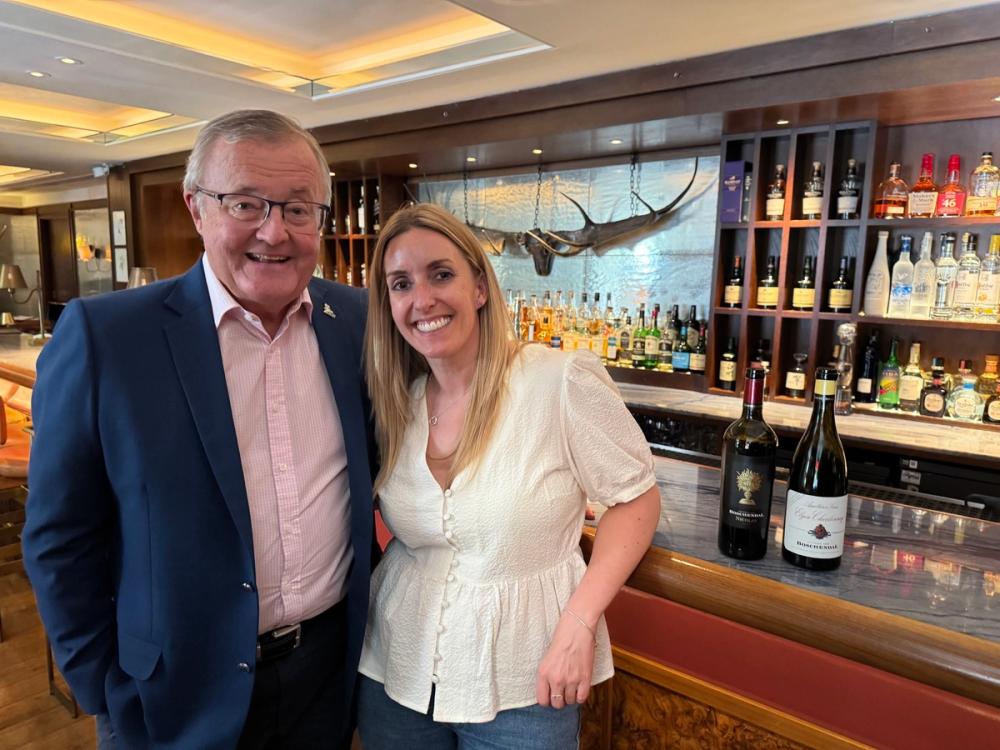
DGB's Tim Hutchinson and North South Wines' Kim Wilson are kindred spirits united by the same business and personal values
As for Wilson it is the level of investment that DGB is making in its brands, its properties and vineyards that was the key reason for North South Wines wanting to represent them in the UK.
“At a time when people are coming out of wine the level of investment that DGB is making was really attractive to us,” she says.
They also refreshingly look for the positives and the possibilities there are in the market and not be dragged down by what Wilson dismisses as the “doom and gloom” that pervades so much of the wine industry.
“In doom and gloom there is always opportunity for those people who are out there getting business and being positive,” she says.
Hutchinson agrees: “When everyone is a prophet of doom, we are investing and got a very positive outlook. Whilst the market in South Africa might be difficult we are taking market share in leaps and bounds.”
He adds: “We have got to be the speedboat among the battle ships. We are not just competing with wine any more, but the whole liquor category.”
DGB has long made a commitment to having its own in-market teams to manage and drive its wines and build its global distribution network. Hence the decision to hand that responsibility over to North South Wines is a major one.
Hutchinson says its international strategy needs to be fully aligned with what it is doing in its vineyards and with its brands. It has to be investing in all areas of the business in order to be able to make the right premium wines, from the best vineyards, that then give it the platform to build sales and drive distribution in each of its target markets around the world.
Right time, right place
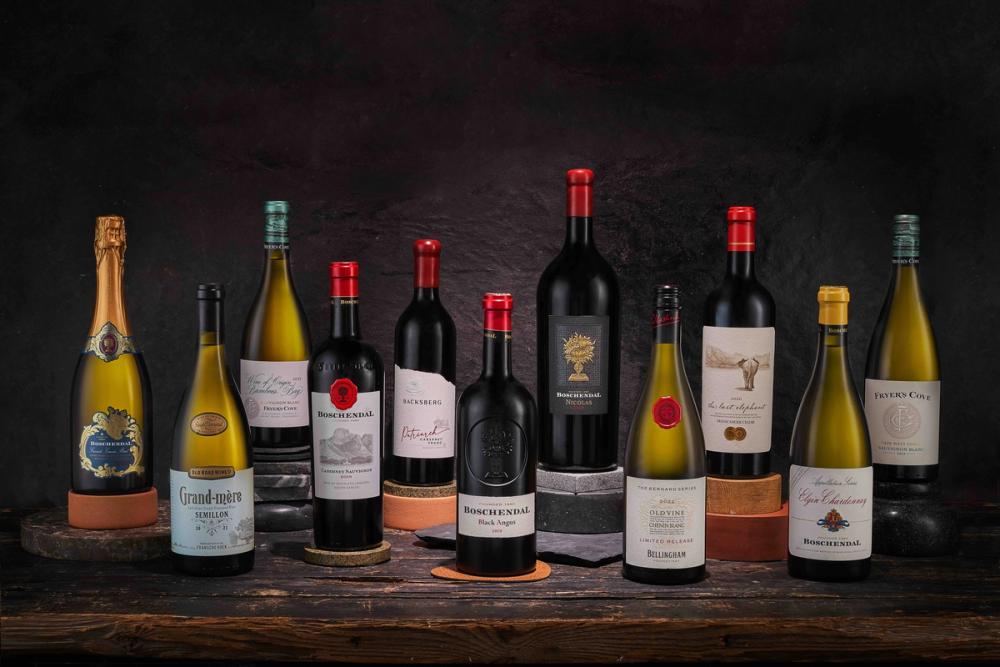
The new partnership will see North South Wines take control of the distribution of all DGB's wines across all channels of the UK wine market
Wilson says she is delighted that North South Wines has been able to forge such an important strategic partnership with a major South African producer.
“South Africa as a category needs help globally, but particularly here in the UK,” she claims. “We feel that with DGB we can help drive the category and help get it back to where it should be. We can safely say South Africa offers probably some of the best value for money sparkling and still wines available.”
The deal has come at a good time for DGB, says Hutchinson, but it is also a good news story for South African wine producers that are understandably “demoralised” by just how tough the international trading conditions have become - particularly on the back of the impact of President Trump’s trade tariffs.
It’s why it is also determined to keep to its “unashamedly premium” strategy for its wines and brands, he says.
Wilson says that part of its challenge and opportunity “is to take consumers on a journey that proves South Africa is a great place to buy from and to give buyers the confidence” to list wines over £10. That’s how the market is going to push South Africa’s average retail price up from £6.10 - which is well below the overall average of £6.95 - and increase its 7% by volume market share.
She admits that prior to the DGB deal South Africa only represented 3% of North South Wines’ business and it needed to find its own South African solution.
That led her and her buying team on a major tour of the country last August to see what opportunities were available.
“It was a real eye opener of what South Africa can do and where it needs to go,” says Wilson.
It was also a trip which quite quickly led them to DGB.
“It was the right timing that our paths collided to come to where we are now,” she adds.
The South African opportunity
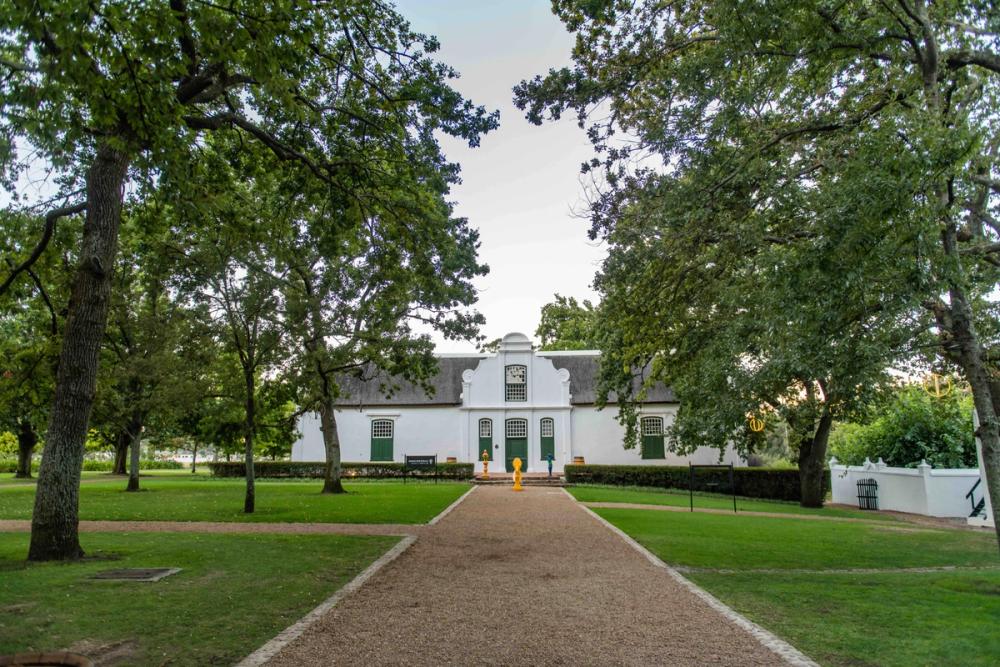
Kim Wilson says she is delighted to be working with Boschendal in the UK - not only for its huge untapped potential but it was also the first producer she ever visited before she was even in the wine industry
Wilson is keen to point out whilst there are some brands and producers that “have done a good job” for South Africa in the UK market, there is a “really big gap” in what you might call the “middle” of the South African wine category for wines that sit around £10 to £15.
“There is nothing in that space at all,” says Wilson and firmly believes DGB can be the producer to fill it. It has a “group of brands that can take you on that journey”.
She understands the current reluctance amongst buyers to back South Africa as the category has been in decline, but it is now North South Wines and DGB’s job to give buyers reasons to do so.
“South Africa offers seriously good value for money and just needs a bit more space,” she adds.
It will initially be focusing those efforts on pushing Boschendal and Bellingham in the multiple off-trade and then in the on-trade and independent merchant sectors there are other wines in DGB’s portfolio - like Fryer’s Cove, Old Road Wine Co and Franschhoek Cellar.
“We have to build brands for the long term. That’s the most important thing that will drive the category forward and that’s definitely where our focus is,” says Wilson.
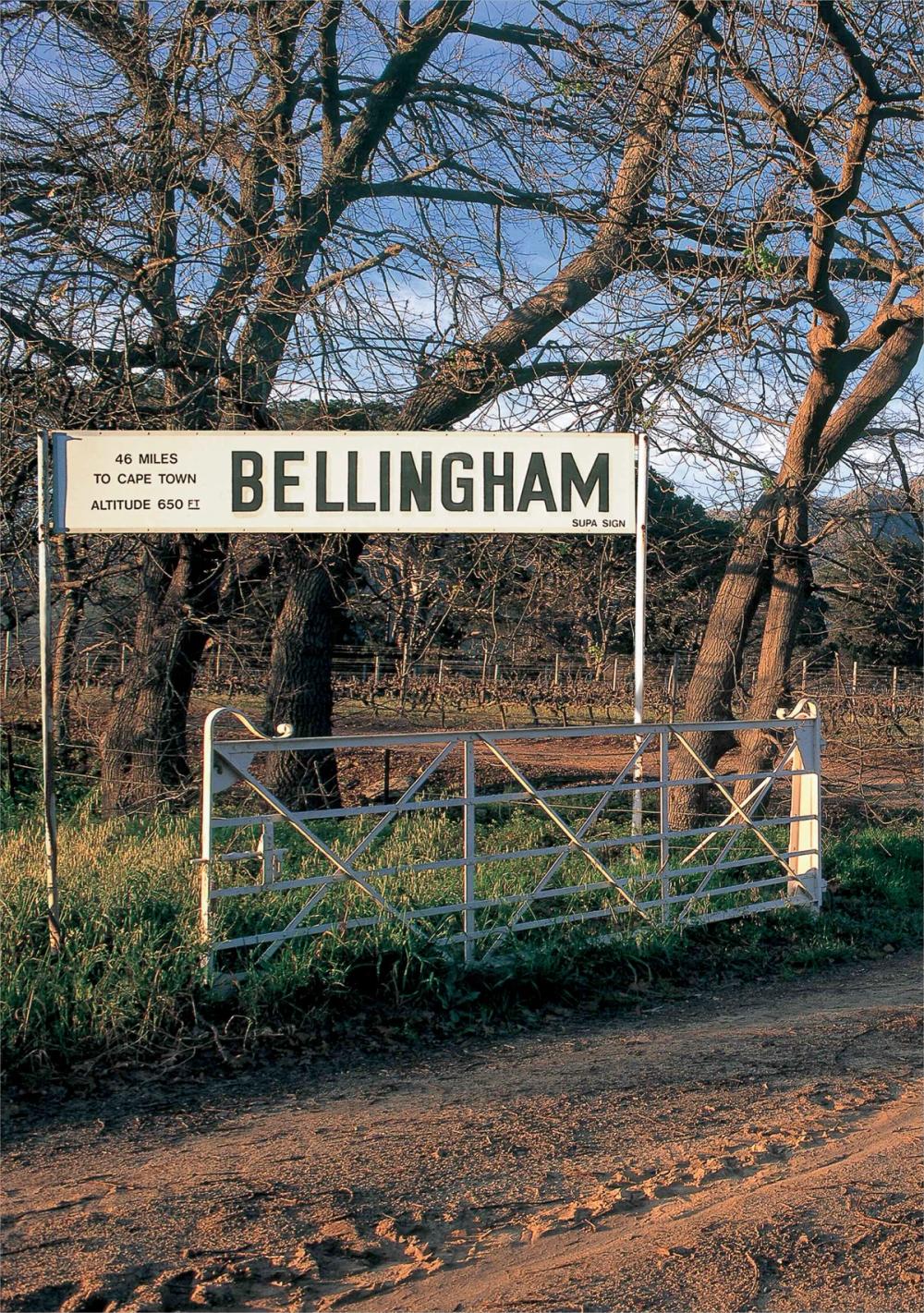
It is also prepared to work with its trade customers to get to a price point that is going to drive volumes for both, which as an importer might mean having to “take it on the chin from a margin point of view”.
That’s also the basis on which North South Wines, with its producer based ownership model, has built its business and been able to manage its costs.
“It’s about having the right team, the right people in place and being lean and agile. That’s the strength of what we do and hopefully what DGB saw in us,” she explains.
“You also have to be able to navigate through some choppy waters and react quickly,” she stresses.
She strongly believes in being as “open, honest and transparent” as it can be with its customers and that it has a reputation as a company that “lives and breathes” what it is doing.
Time to grow
Wilson and Hutchinson also represent companies at similar stages in their business life. DGB might have started out nearly 25 years before North & South (80 years if you go as far back as Douglas Green) but it is currently enjoying arguably the most successful period in its history.
Hutchinson says DGB’s position in the market now is down to two major “step changes” in the company. The first came in 1999 when a management buyout meant he was able to take full control of the business alongside his executive team.
Then in 2020 Capitalworks, a leading South African private equity company, in partnership with Hutchinson, acquired a major shareholding in the company which has allowed the business to pivot away from the mainstream wine market and focus in on premium wines centered around its core premium brands.
A move that now sees DGB as the “probably the leading premium operator in South Africa,” claims Hutchinson and means it can have a true “long term vision” for the company.
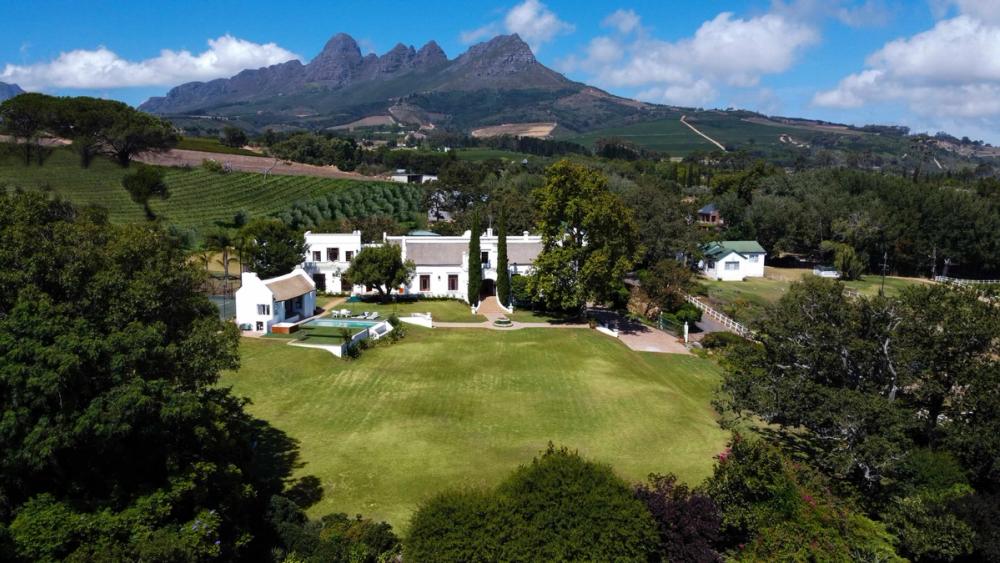
Avontuur was brought into the DGB business in 2025
A growth strategy that has seen it add Fryer’s Cove (in 2020), Backsberg (2021) and Avontuur (2025) to its portfolio of leading South African wine brands, following the acquisition of Boschendal in 2005. They all now sit alongside its Bellingham range that helped found the DGB business when it merged with Douglas Green in 1990.
Viticulture driven
As well as driving a premium branded wine portfolio DGB’s strategy is also centered around building and growing a network of vineyards across South Africa that are totally aligned with making the right quality wines it believes are what consumers are looking for now and in the future.
Hutchinson says its commitment to investing in high levels of viticulture is as important, if not more important than its focus on premium brands.
He says if you go back 20 years it was the winemakers who were the “holy grail” and whilst “they are still crucial, the role of the viticulturist has become the cornerstone of our programme”.
“We’re blessed with Heinie [Nel]. We’re planting in new, undiscovered areas,” he adds, including the new Langdam vineyards in the Koo Plateau past Montague that are higherthan Table Mountain and are covered in snow for months of the year.
“If you look at all the micro climates we have spread around the Cape, that is what the world of wine is going to be attracted to,” he says. “The hidden viticultural gems of South Africa.”
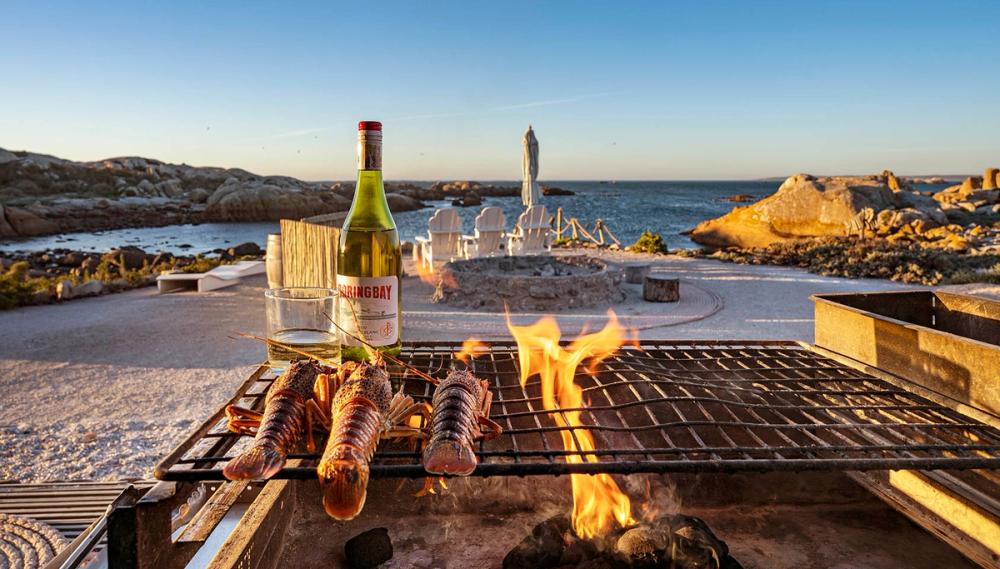
Fryer's Cove is the first producer to make wine in the extreme cool climate conditions of the new Cape West Coast wine region of South Africa
The reason Fryers’s Cove, for example, was brought into the business was that it is capable of making small batch, artisanal Sauvignon Blanc and Pinot Noir wines from extreme cool climate vines in the Cape West Coast wine region that are only 500 metres from the Atlantic Ocean.
DGB is the first producer to recognise the significance and potential of this new wine ward situated near the small fishing village of Doringbaai, says Hutchinson, and is planting a further 20 hectares of vines there.
“It’s a very unique property - we get 50 kilos of salt a year on those vineyards. It’s a tourist gem.”
Wines that are also a stark contrast to what is possible to make in the more traditional Stellenbosch and Franschhoek wine regions.
DGB has also recently planted a further 128 hectares in the Helderberg which Hutchinson describes as the “holy grail” of vineyards in South Africa. “That’s our Napa.”
He says such a big investment might not result in a “proper return” for a good 10 years but it is giving DGB a “a huge advantage” in terms of the awards it is receiving for its wines across the board, both locally and internationally.
Each of thewineries within the DGB portfolio are run as standalone independent businesses, stresses Hutchinson, that ensures they maintain their creative flair and individual “personalities of the brands”. “The consumer must not know we are even involved,” he says.
Premium opportunity
All the investment in its premium wines means there are also great opportunities to get listings in prestigious restaurants and bars for DGB’s ultra premium wines, says Hutchinson, which is very much how it is growing its business in Asia.
Wilson believes there is a big untapped opportunity to grow sales of premium South African sparkling Cap Classique wines that can offer both great quality and value for money.
“That’s the thing that really excites us, for example, about Boschendal is it has the size and the scale to grow its Cap Classique and still sparkling wines,” she says.
Commitment to sustainability
(DGB's Travel Library visits local communities across South Africa to provide books for underprivileged children and give them access to educational aids they would not normally get.)
Wilson says another major factor in wanting to work with DGB is how far it is committed to sustainablity, which she argues is “far above what anyone else” is doing, be it in the vineyards, the cellar, right through to the social responsibility work it does in the local communities.
“We were super impressed. It far out weighed anything we have seen from anyone else,” she says.
It also clearly aligns with North South Wines’ B Corp status and what Wilson calls being part of a “movement” that is all about “being better for the future”.
She says its decision to become a B Corp company was one of the most important “investments in the future” it has made. Not only is it helping to win tenders now, versus other suppliers, but she knows it will put the business in an even stronger position in the future as sustainability becomes even more critical in how major operators across the on and off-trade decide who they want to work with. B Corp businesses are also historically more profitable, she claims.
So when it came to looking at DGB’s sustainability credentials “it was like being a kid in a sweet shop,” she adds.
Hutchinson is quick to stress the steps it has taken around sustainability and social mobility in South Africa is simply “the right thing to do and we are not trying to get commercial gain out of it”.It’s also so important to the team at DGB to see what impact their work and the company’s combined efforts is having on children and families in their local area.
“If you’re living in South Africa - you have got to give back,” says Hutchinson. “There are 300 odd families who depend on us every day. We have got a huge responsibility.”
Future growth
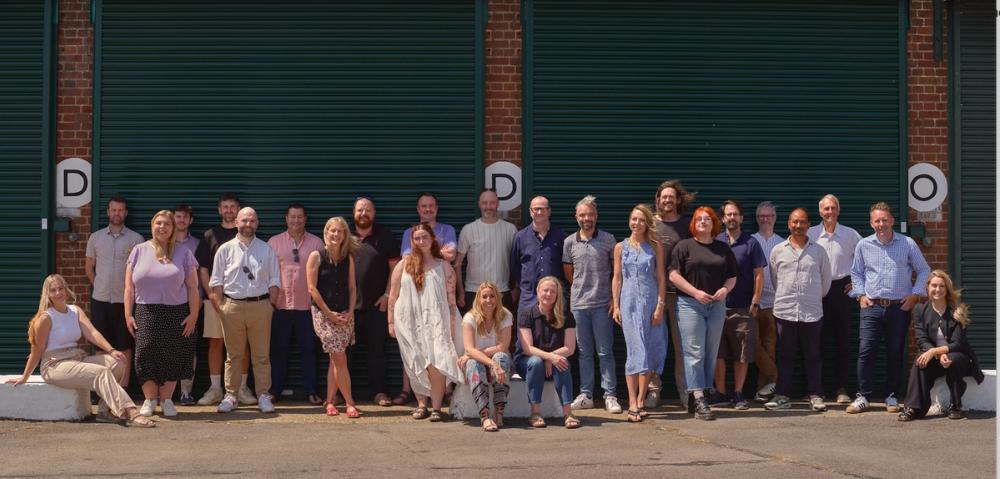
Kim Wilson is very proud of the company culture that the entire North South Wines team has worked so hard to achieve together
DGB is also joining North South Wines at a key stage in its short history as its annual sales turnover has now hit £40m - close to the five year £48m target Wilson set for the business in an interview with The Buyer in 2022.
Whilst clearly delighted to have hit such a landmark figure, Wilson is also realistic about the size of company that North South Wines can be. She does not, for example, want it to become a £100m business and risk losing the focus, speed and flexibility that are currently its major strengths.
What’s most important, regardless of how big it comes, is “making sure that we are still doing what’s right for our producer partners and giving the consumer and our customers what they want”. It needs to “keep its eyes on the prize,” she stresses.
Which takes her back to the significance of being a B Corp business where the focus, she says,is on “building a huge culture” right across its supply base, and who it works with, which has become “the most important thing” to the company’s success. A “culture” that has taken years to build, she says.
“Passion is the number one thing and showing that you actually care. People buy from people,” says Wilson.
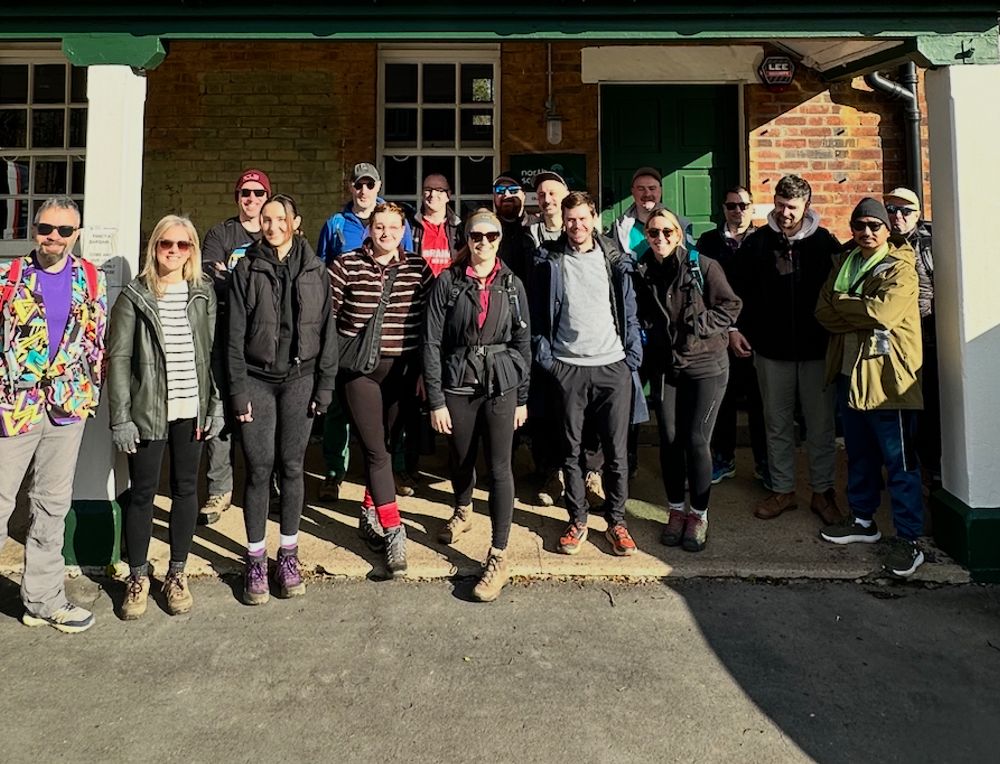
Members of the North South Wines team about to embark on a charity walk
She says she was delighted to see the number one factor in its recent employee survey was “the company culture and the fact the team has got each other’s back”. All of which is illustrated by the high staff retention rates it has and the fact “it is recruiting better” and bringing the right people into that company culture.
Which, in turn, is potentially a big benefit for its producer partners and customers.
It’s the same approach at DGB, says Hutchinson, where he hopes he has helped build a culture where his role is more as a mentor and “he can get out of the way” and allow his team to get on with things.
“You have got to get people to buy into a culture,” he says, which means making sure you recruit right and get the right sort of people into the business you want to run.
Which is also equally as important when deciding which other companies you want to work with. It’s clear just from spending an afternoon with Wilson and Hutchinson that it is as much about how they do business that has brought them together as it is what they can actually do for each other.
* You can find out more about North South Wines here.
* You can find out more about the DGB business here.