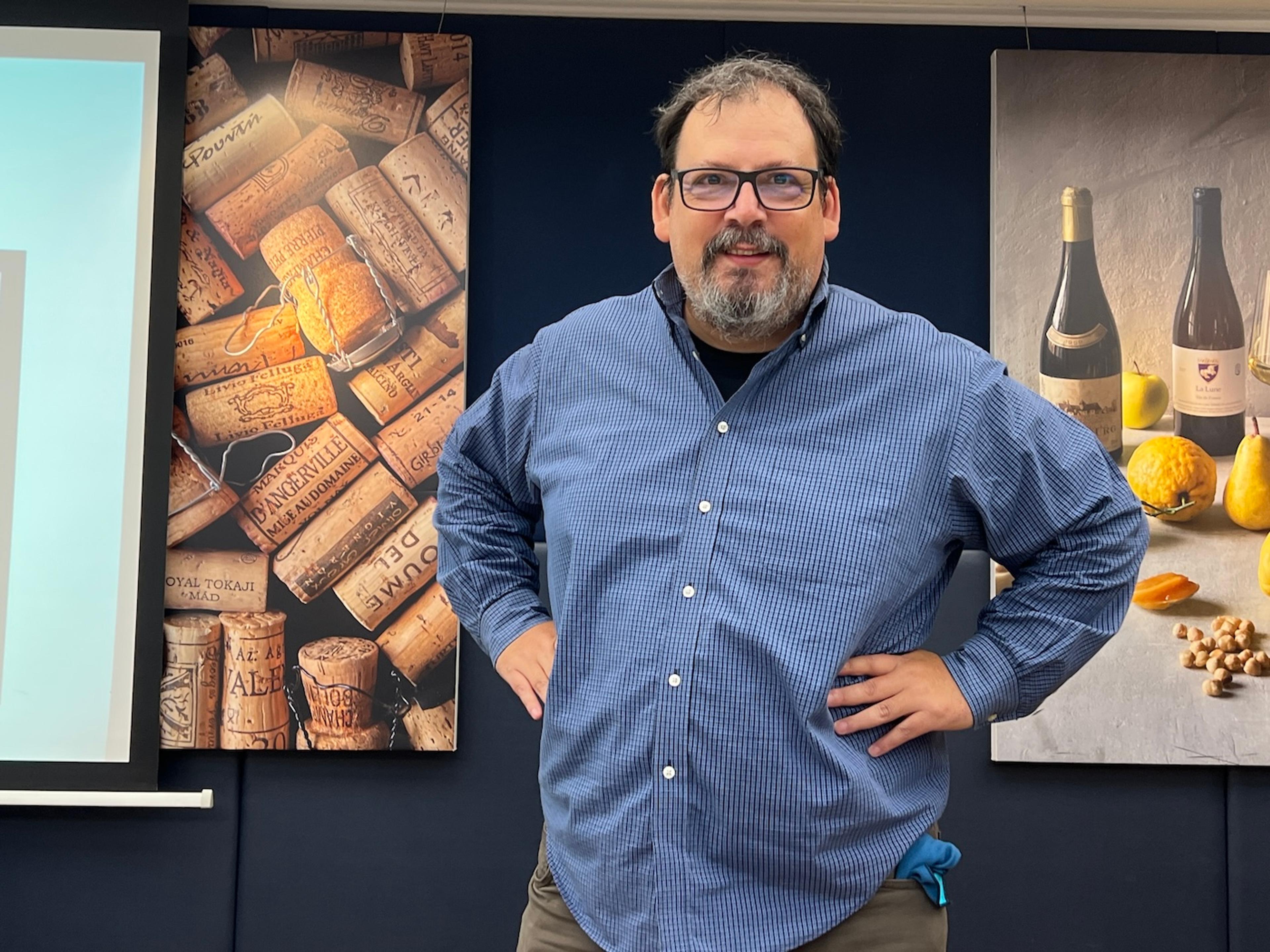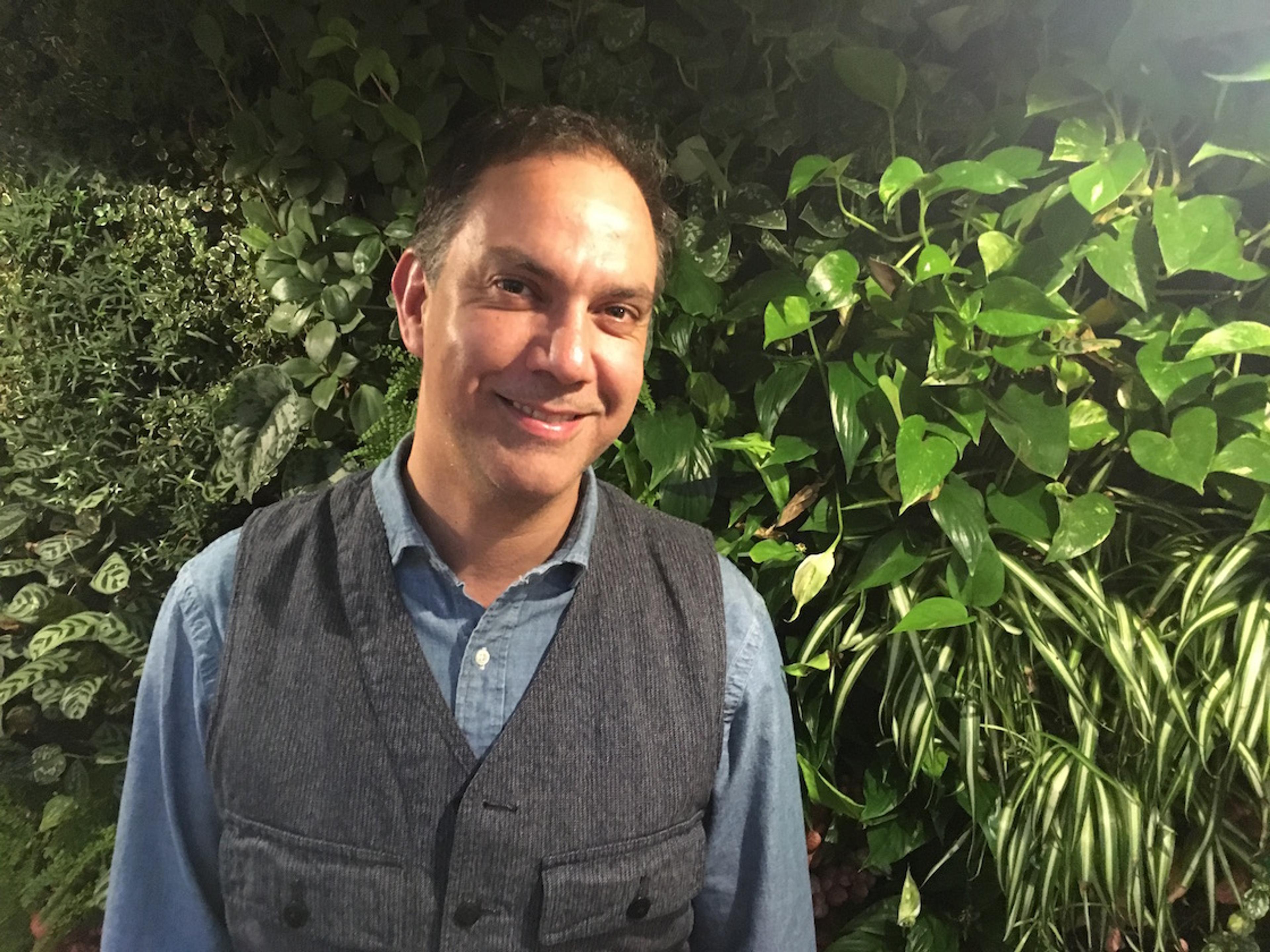

Soil erosion, wine quality, international expansion, takeover by Gonzalez Byass, regionalisation and much more – just an everyday day in the life of Veramonte winemaker, Rodrigo Soto
Rodrigo Soto, winemaker at Veramonte, breezes into the press lunch not looking like a man who has just got off a flight from Chile. This is the first stop in an European tour, the first time he has been to the UK since Veramonte was sold in the summer.
In June 2016 Gonzalez Byass acquired a major stake in Chile’s Veramonte, the first time that its international expansion has seen it buy a winery outside of Spain. The move will see Gonzalez Byass feed its US operation – Veramonte’s wines already sell well in the US – and also its European base, where Veramonte has a firm foothold in the UK but not mainland Europe.
For Veramonte the deal is confirmation of its status and prestige, but also shows a shared belief in the direction the winery is taking.
The big drive to go fully organic
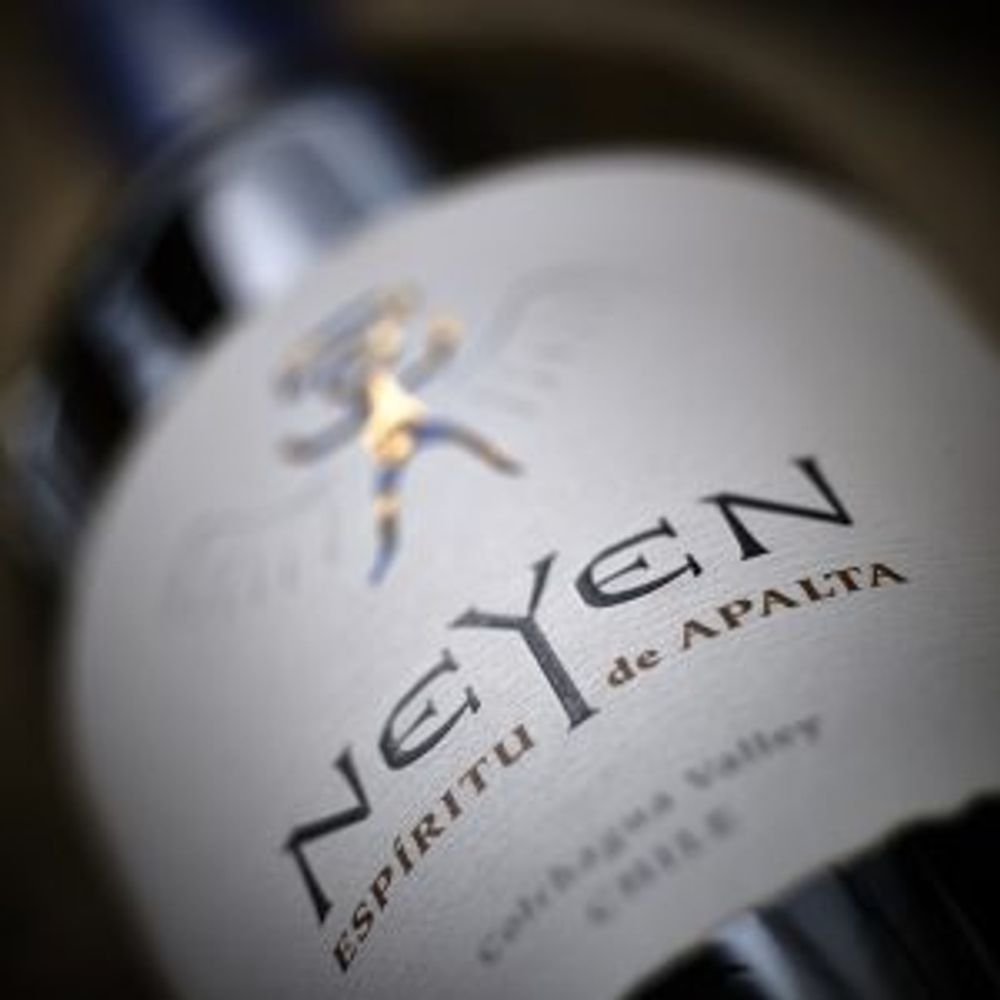
Neyen is Veramonte’s top of the range Carmenere/ Cab Sauv blend, some of the vines dating from 1890
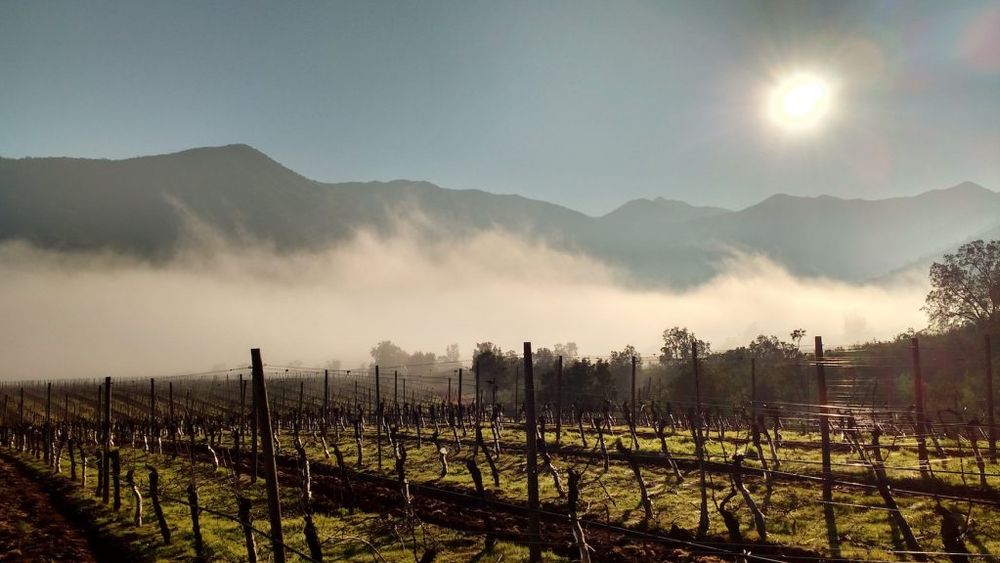
Since 2012 when head winemaker Rodrigo Soto took the helm, Veramonte is undergoing one of the most important and ambitious organic farming projects in Chile’s history – converting 600ha in three locations to be full-certified organic by 2017.
The two reasons for going fully organic are to increase the life expectancy of the vines and also to increase the quality of the wine and make it more terroir-driven.
“The real issue is fertility, the soil is depleted. Modern intensive farming methods, drip-irrigation and so on is leading to quicker depletion of the soil. We are asking too much of the vines,” explains Soto over a tasting lunch.
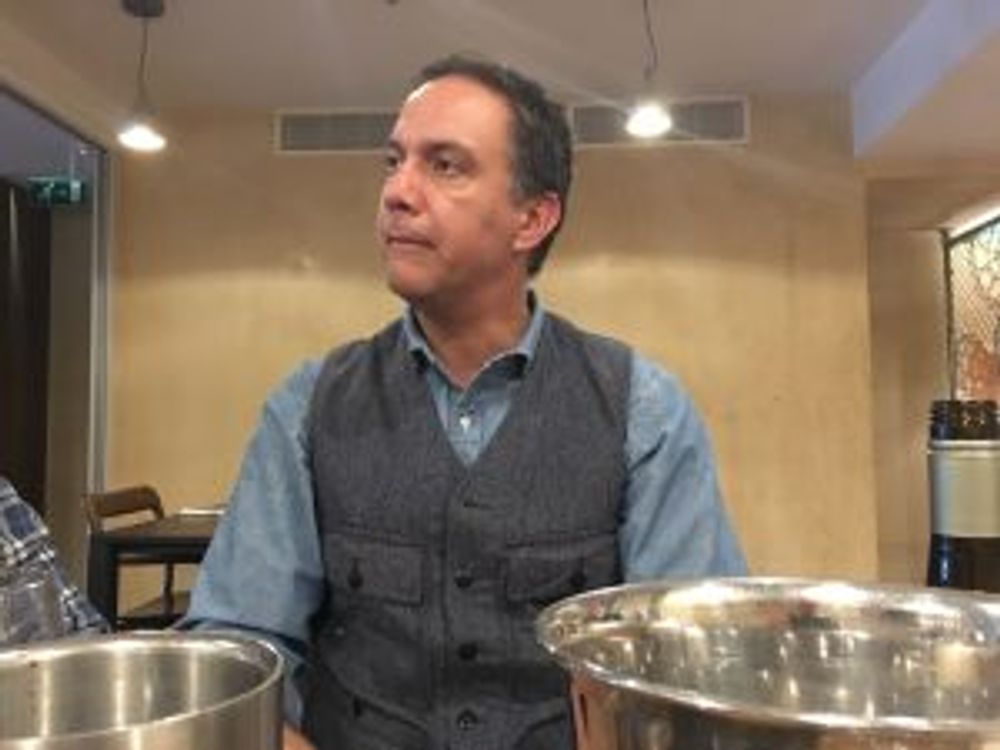
Rodrigo Soto, Veramonte’s winemaker, London
“It becomes even more complicated when you try and manipulate it. Fertilisers, for example, are based on salts which therefore need water and then you get explosive growth which is bringing the ripening curve of the vines forwards. This is confusing the vines, so you get separate curves – the fruit is on a different curve to the tannin.”
“This leads to what has been a criticism of Chilean wine – that the alcohol is on the high side and the tannins are rough.”
The wines have already started responding to the change
Soto says that not needing to replant the vineyards so soon is one of the project’s major aims. Another objective is to ‘premiumise’ the wines as much as he can.
“In 2012 we switched to organic and have seen a tremendous change in the wines, much brighter acidity for example, and already starting to go towards lower abv – the wines are more balanced and have less edges. Another interesting aspect is the improved mouth feel.”
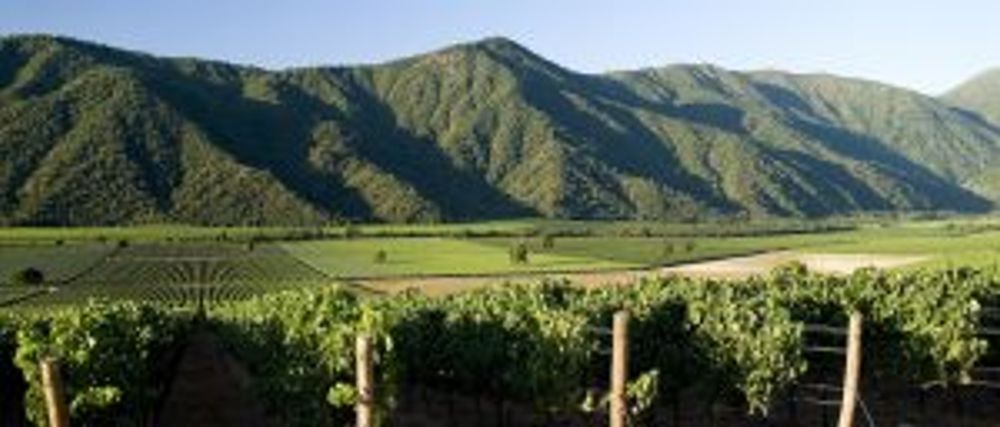
Soto explains that the transformation has been one of trial and error – understanding the local vegetation and knowing how to ‘fix’ nitrogen with the right cover cropping and composting., for example.
“The vineyards have started responding and the curves are coming together in that we are able to pick earlier with ripe fruit and hopefully we will be getting more longevity as a result.”
Transformation in the vineyard is being replicated by changes in the winery looking at changes in the fermentation process – moving away from commercial yeasts, for example.
Climate change, Carmenere and Chile’s sub-appellations
As for climate change, that has seen unpredictable weather patterns in Chile, Soto says:
“It is definitely getting warmer. The big problem for us as a country, though, is that if we have a climate event, a frost event or a rain event we don’t have the capacity to react. We don’t have enough pickers or enough machines. And yet we know we are going to get these events now. And as we get warmer the pressure will be on farming techniques.”
“Big corporates can just go and buy another property but that is not possible with a family-run business.”
As for Carmenere, Soto believes that more effort behind the varietal will eventually pay dividends.
“Carmenere was a bit premature in the market, when we only had a few actors, got breathless and put the story before the wine.”
“The pushback we got was hard to understand – people forgot about the quality of the wine. There were a lot of casualties, with people pulling the vines out. It is where we should put in a bit more effort – both as a singe varietal and as a blending wine. Carmenere brings great spice and smoothness to a wine.”
As for other developments in Chile: Soto questions some wineries’ ‘move to the coast’ (“It’s not just not just about getting cooler you do have to ripen the fruit”); but he is encouraging of the Government’s increased emphasis on regionality and welcoming of sub-appellations where they make sense.
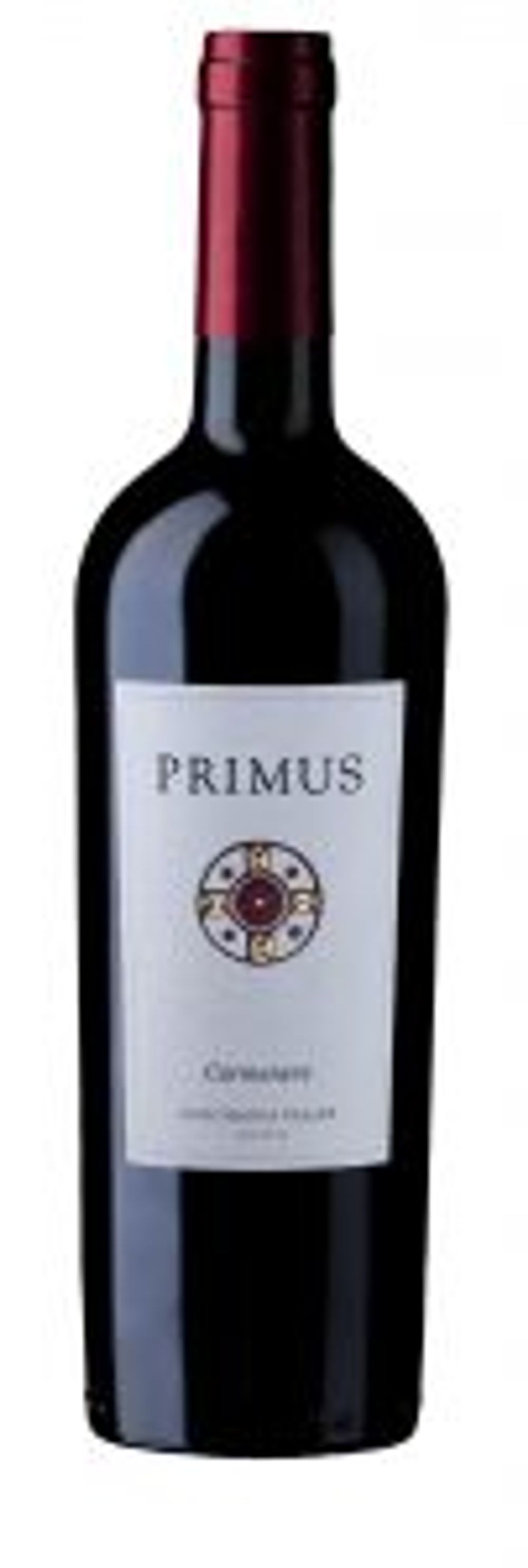
One of three reds in the on-trade Primus range
“Regional ID is going to be the next big thing, but you’ve got to find your regions with a reason – attached to the topography of the region and with that you can develop local gastronomy and food culture. This is already happening with improved regionality from the government, which is encouraging tourism. With sub-appellations, though, I could easily describe four sub-appellations in the Casablanca area alone, but problem is if people see themselves in the less prestigious area.”
How Veramonte is expanding as a premium international brand
Veramonte already produces premium wine from its three sites in Casablanca, Colchagua and the Apalta Valley. There are two wineries dedicated to an annual production of around 200,000 cases and four ranges that include the Veramonte label, Ritual, Primus and Neyen.
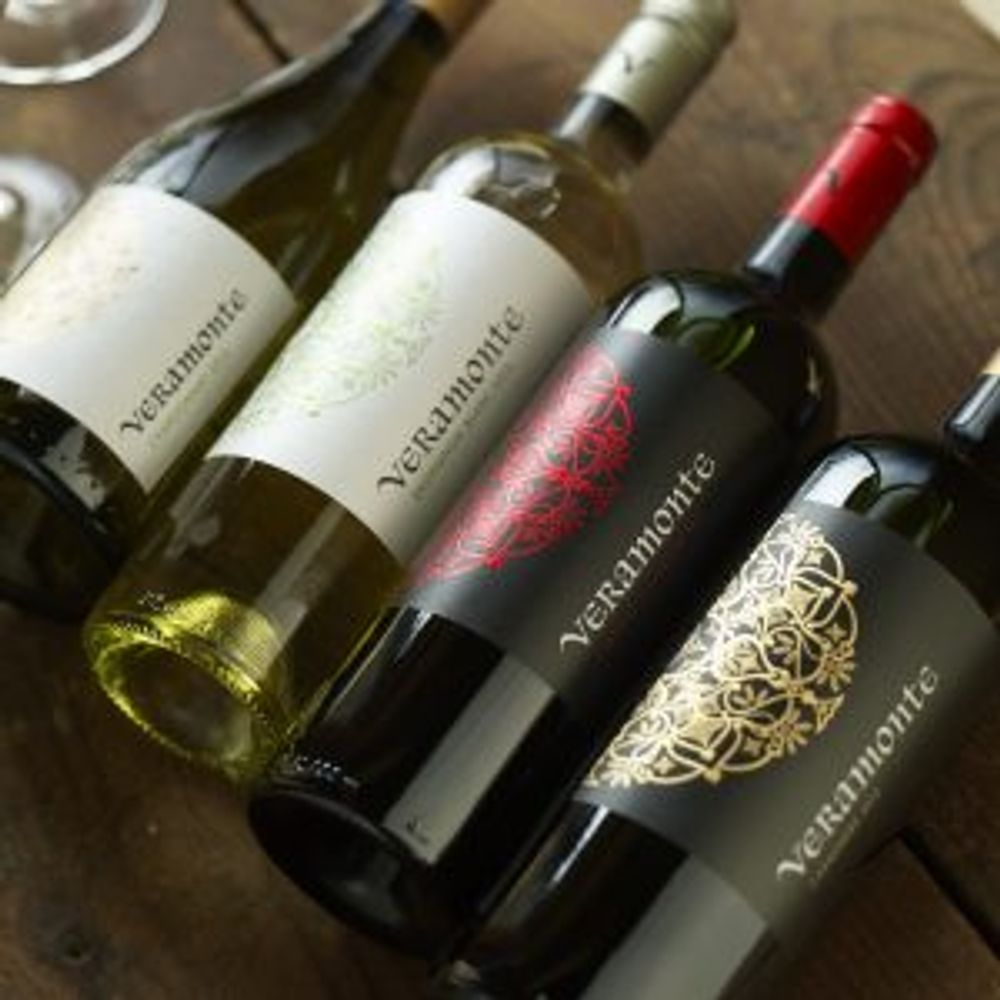
The aim is for there to be greater focus on Ritual and Primus, the latter (along with Veramonte) having exclusive on-trade distribution in the UK through Matthew Clark.
Soto believes that making the lines very clear-cut between off-trade and on-trade is an important distinction for the consumer to have.
“We have had a strong relationship with Matthew Clark and consistency really pays off even though it takes time. Wineries that have a dual personality with on and off trade – where they are trying to be everywhere with lots of different labels – it is very confusing to consumers.”
With a CV that contains a good deal of international experience – spells in Marlborough, Sonoma and Napa – and a brief that sees him in an ambassadorial role, Soto keeps a keen eye on what is happening in international markets. After all, with only 6% of Chilean wine destined for the domestic market it is important to have a firm grasp of other markets and their wine trends.
“Our legacy is very conservative and we are starting to question this, to see what’s happening in other countries. We are looking at countries and regions that are being more adventurous – Galicia, for example, is very refreshing because they are thinking about exports but with limited resources – mixing patrimonial wine-making with innovation. In Italy, it is interesting how they are using clay and amphora.”
For Veramonte the US and UK are the top two export markets. Additional markets the company is looking at are Mexico, Brazil, Holland, Belgium and Germany – Soto’s next stop after his London visit.