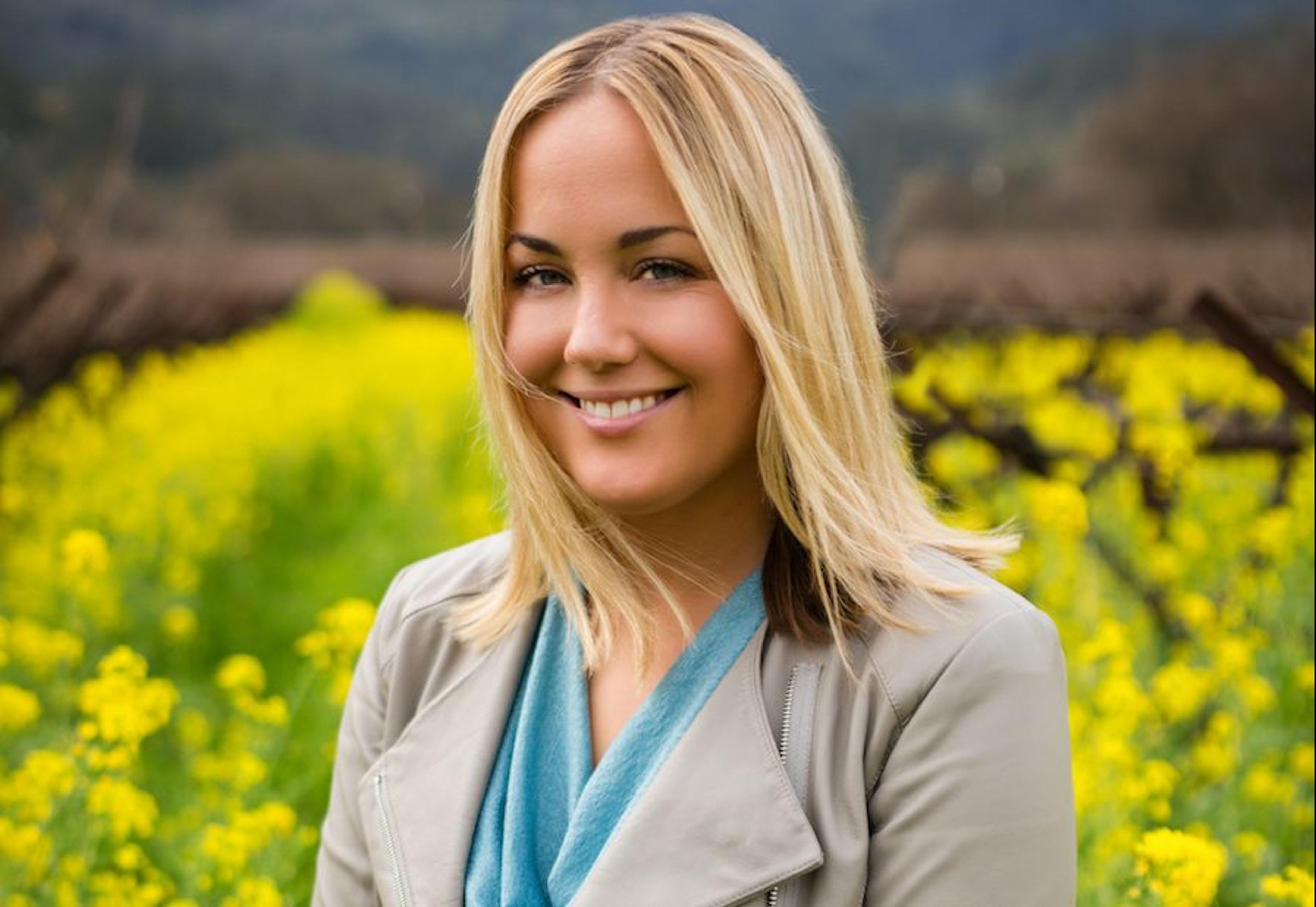

“Because all the wines Grgich produces are estate grown, our quality, consistency, and longevity appeal to the on-trade market.”

Maja Jeramaz, Grgich export sales ambassador
Grgich is a distinctive name – help or hindrance?
To have a distinctive name in the wine industry today is a tremendous help. There are nearly 75,000 different wine brands in the USA and the competition is fierce. Having an established name is essential for maintaining a customer base. With a distinctive family name comes an expectation for excellence and thankfully, as a family run operation, we’ve been able to maintain these standards for the last 40 years.
What is your position at the company and what areas do you oversee?
My title at Grgich Hills Estate is export sales ambassador and tasting room lead. Being a part of the family means one wears many different hats. Currently, I’m learning about export sales and assisting in expanding that area. I also help manage the day to day tasks in the tasting room.
What is the winemaking philosophy at the estate?

Miljenko “Mike” Grgich, original winemaker who co-founded Grgich Hills Estate in 1977 with Austin Hills
Additionally, we want to make authentic wine. What this means is that we don’t expect, or want, the same wine every year. Rather, we want our wines to characterize the uniqueness of every vintage.
What is Cellar Club and how does this operate?
Our Cellar Club is one of our two wine clubs, and consists of automatic quarterly shipments of two, four, or six bottles of wines to people located within the United States. Wine club members have access to small production, non-distributed wines as well as access to wine club-only events that we hold throughout the year.
Does the wine club setup in the US pose unique opportunities and problems for winemakers?
In our view, the wine club setup offers wonderful opportunities for our wine making. One of the ways the wine club is extremely beneficial is because it allows us to create small production wines specifically for our wine clubs. It allows for creativity and flexibility. It also allows our club members to experience our wines from the comfort of their homes across the country.
So many Californian wineries seem to sell most of their wine domestically. Is this also true of Grgich?
Yes, we sell 90% of our wine domestically. However, we are eager to expand our global markets and have been working very hard to make that a reality.
How important is the UK for Grgich? And where does it rank in terms of export markets globally?
The UK is an incredibly important market for Grgich Hills. We feel that the UK is one of our top priorities in terms of prestige and its global standing as a wine market. We’ve been working very closely with Awin Barratt Siegel to increase visibility and look forward to growing our presence within the UK.
If the UK trade was to be made aware of only one wine from Grgich what would it be?
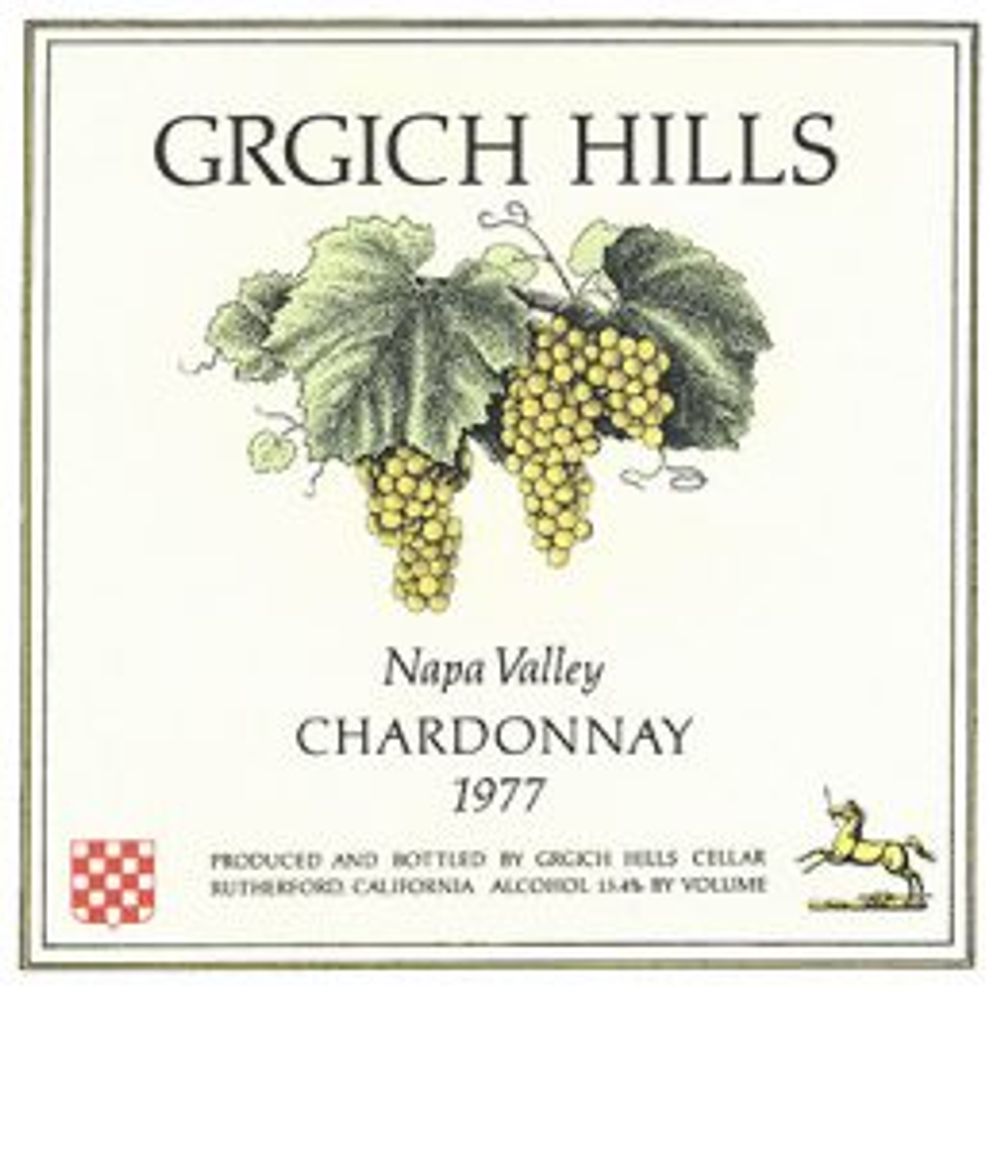
The winery’s logo was going to be the horse with a baton in its mouth until they felt that grapes was more appropriate!
Our flagship wine is our Chardonnay. Mike Grgich was responsible for crafting the 1973 Chateau Montelena Chardonnay that was entered into the 1976 Paris Tasting organised by Steven Spurrier. Mike’s Chardonnay managed to defeat the collection of top French white Burgundies that had been assembled for this blind tasting. Our Chardonnay is made in a French style, with no malolactic fermentation. It is food friendly, crisp, acidic, and not what one would expect of a Californian Chardonnay.
Which on-trade outlets do Grgich have good visibility in? And which wines work particularly well here?
Smith and Wollensky currently lists our Fume Blanc, Chardonnay, Zinfandel, Merlot and Cabernet Sauvignon. Because our wines are so food friendly, all of these wines work well with their menu.
In terms of the UK on-trade market, London is home to a diverse and progressive food scene. Because of this, it seems as if restaurateurs are more open to try different wines from all over the world. Wines like our Napa Valley Zinfandel, which is distinctly American, capture their interest because of its uniqueness.
What are you plans for the premium on-trade in the UK?
Awin Barratt Siegel works with Berkmann Wine Cellars to distribute our products to the premium on-trade in London. We’ve focused a good portion of our attention on growing the UK market and my father, our winemaker, and I have made numerous visits to meet with our accounts. Because all the wines we produce are estate grown, our quality, consistency, and longevity appeal to the on-trade market.
Additionally, we are able to offer a selection of older library wines that appeal to the UK palate.
On your website much is made of Mike’s success at the Judgment of Paris. Do you think there is a danger that his role in making the Chardonnay that won is being overlooked? (I cannot remember him being featured in the film Bottle Shock)
Bottle Shock is a film that is loosely based on the Paris Tasting. A factual recollection of events is the book by George Taber called The Judgement of Paris. George Taber was an attendee of the event who went on to write about his experience.
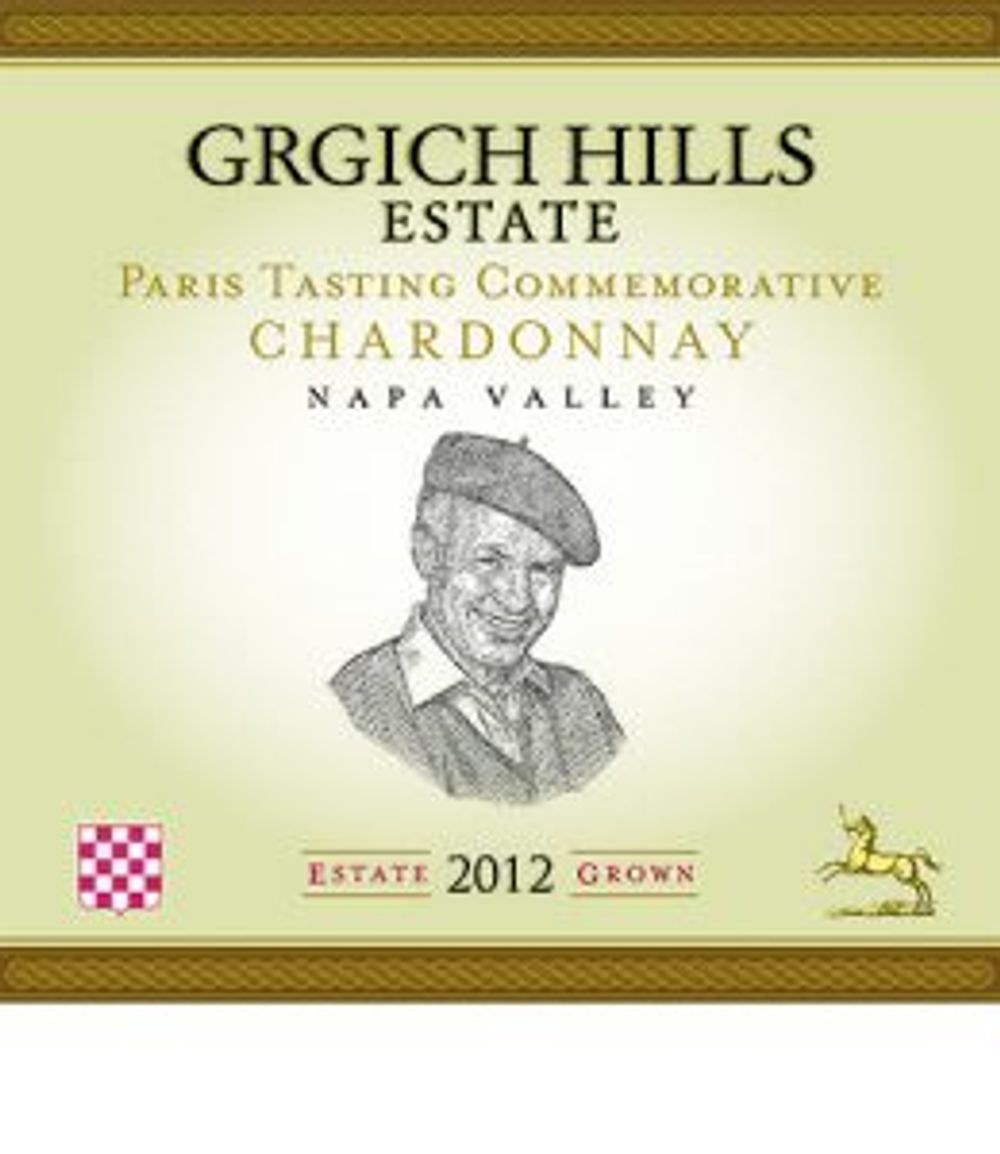
My uncle Mike, and Warren Winiarski, of Stag’s Leap Wine Cellars, brought attention to the Napa Valley after the events of the Paris Tasting. While Mike was omitted from the story in Bottle Shock, he is widely known for his contribution to that monumental event in wine history. In fact, his winning wine, the 1973 Chateau Montelena Chardonnay, is in the Smithsonian Institute in Washington DC and he is acknowledged in the display as the winemaker.