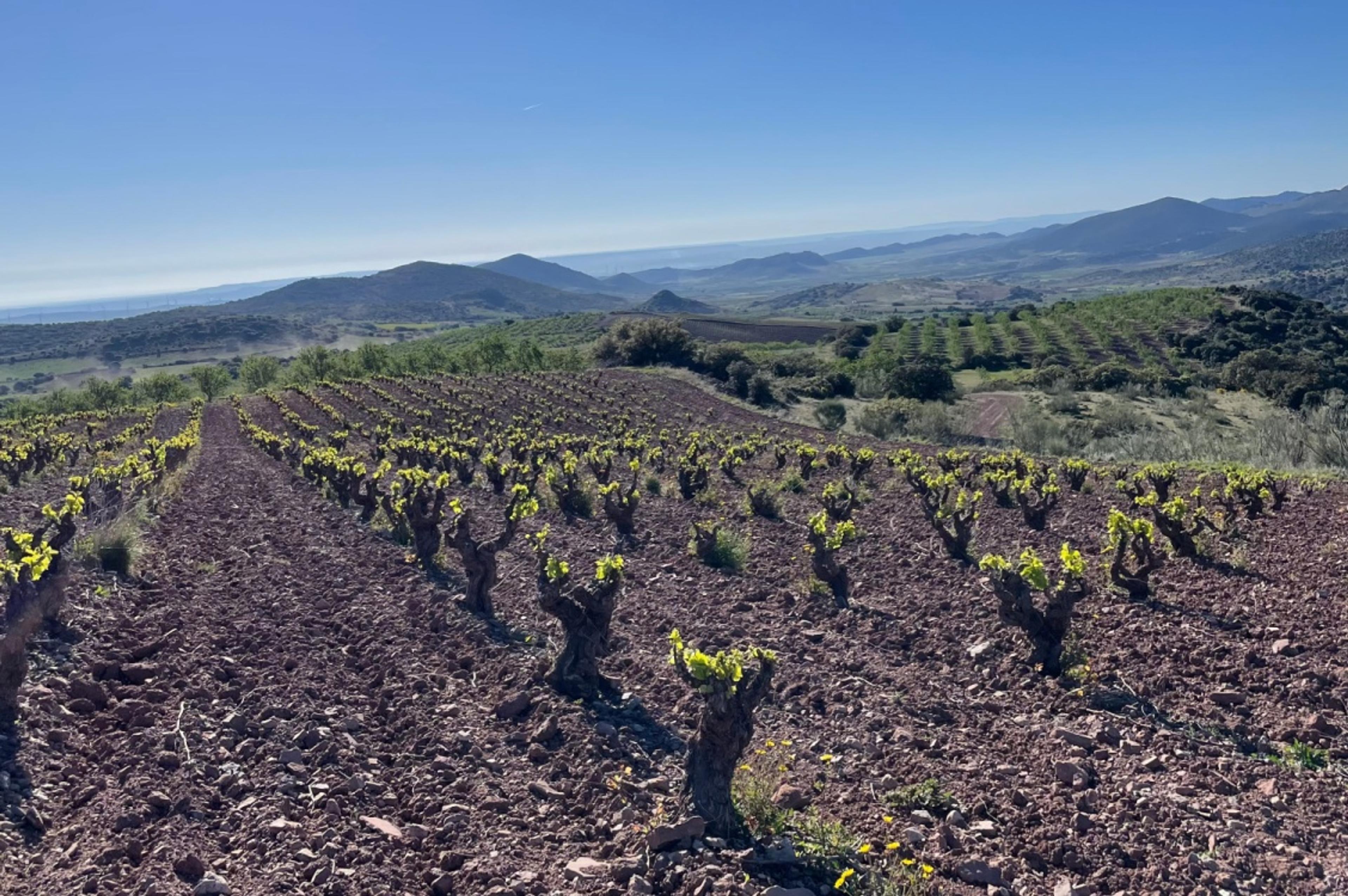

I was invited to attend a trip to Spain to learn about Garnacha and the importance of this variety in the region of Campo de Borja, considered to be the ‘Empire of Garnacha’. The region, situated near the city of Zaragoza, has a climate influenced by the Atlantic with a range of soils and altitudes. Home to 3,283 hectares of Garnacha, this prized grape variety makes up 60% of the total vineyard plantings.
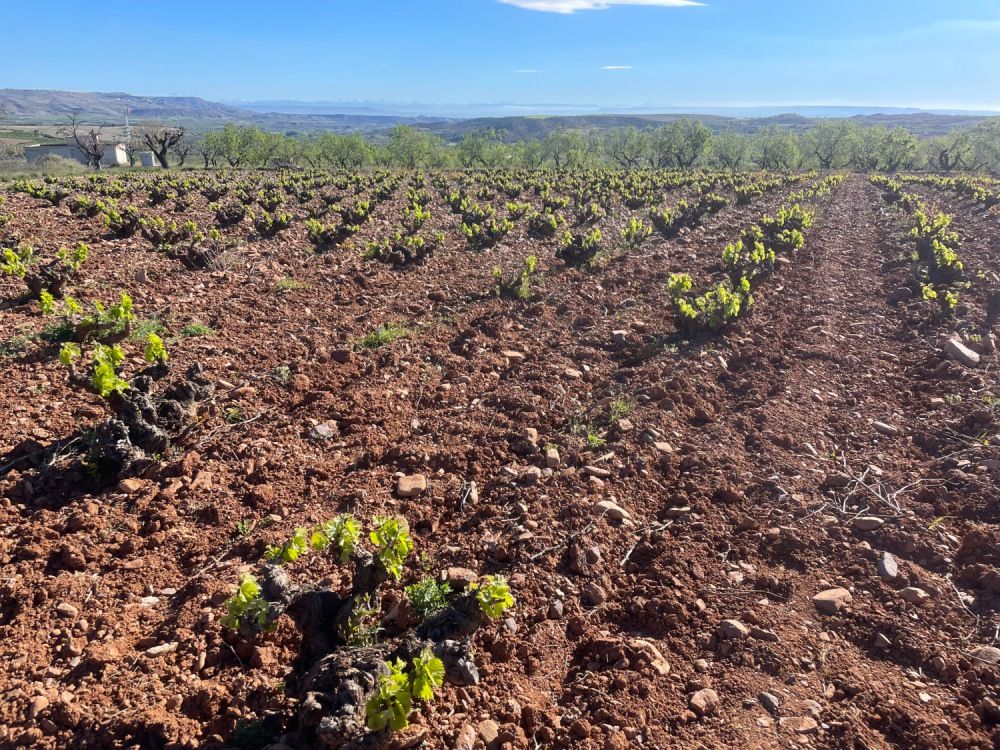
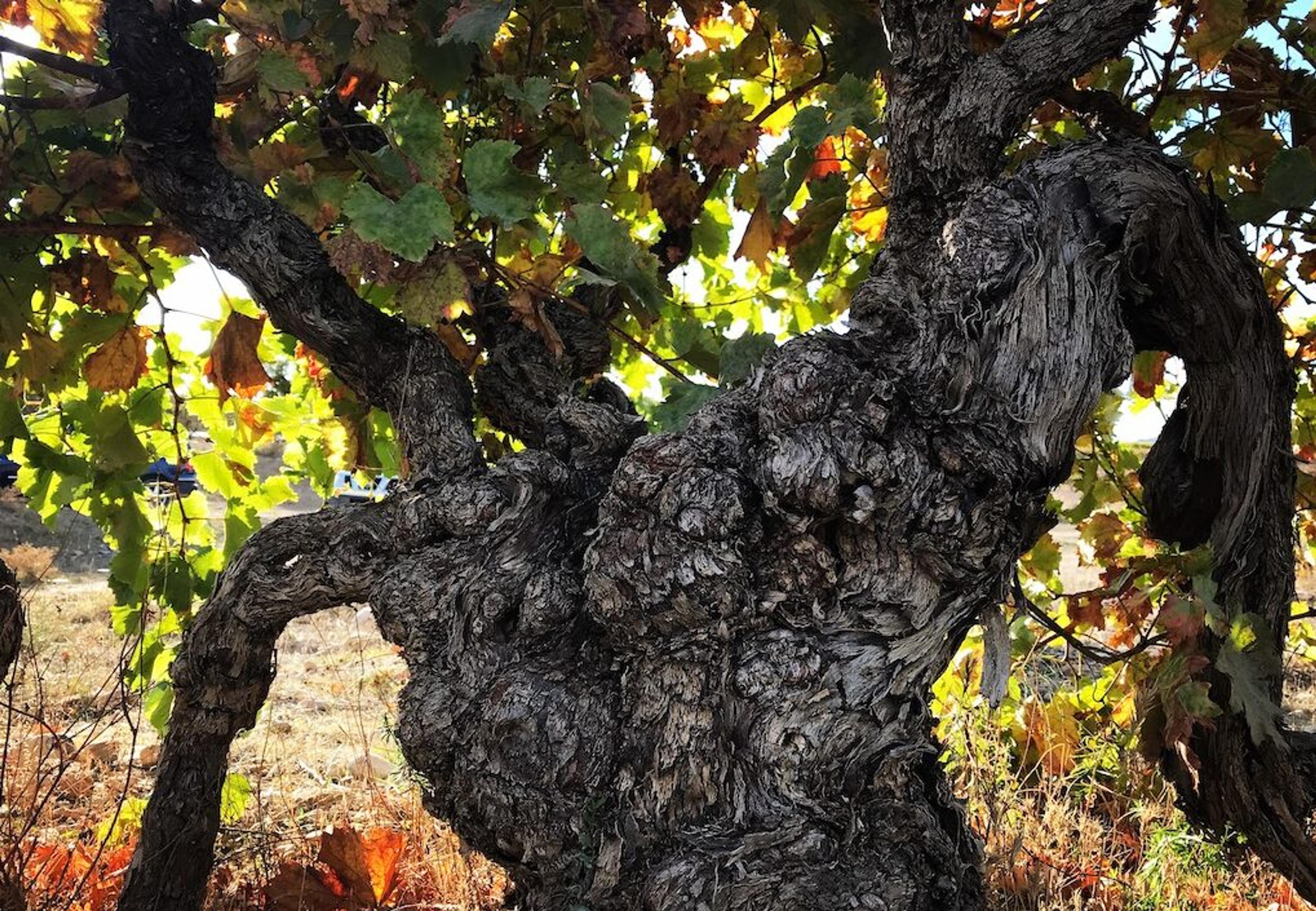
historic vines contain higher levels of aromas from shikimic acid, producing more spicy and black fruit aromas
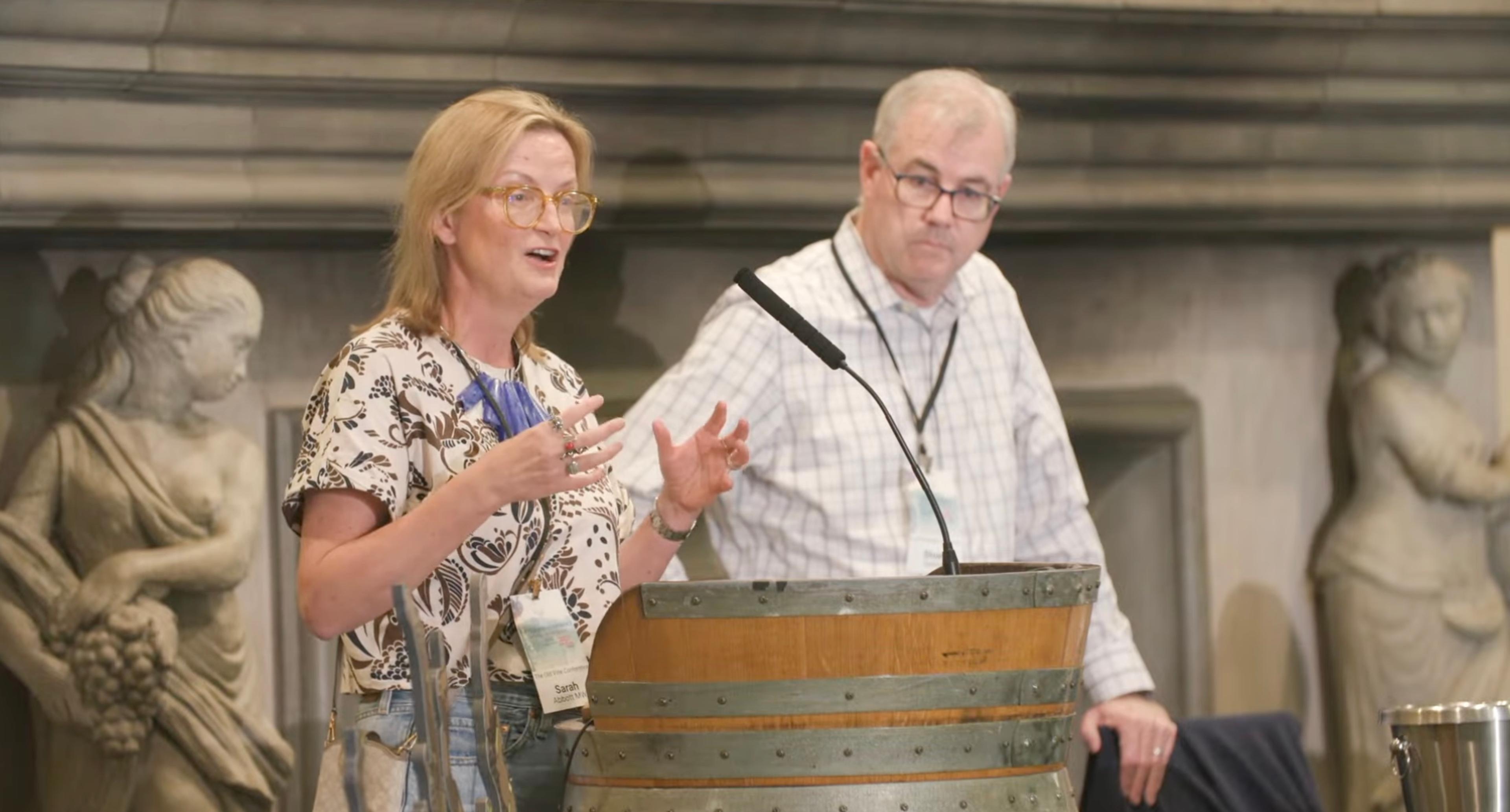
The trip was run by The Old Vine Conference, a non-profit organisation which aims to inspire and educate the wine industry over the safeguarding of old vines of a qualitative, cultural and ecological value. The organisation is pushing to prove that Campo de Borja produces an incredible range of high quality, value-for-money wines made from the Garnacha grape, which is often an overlooked variety.
This quality is emphasised by years of scientific research which has been conducted by the universities of Navarra and Zaragoza into the special properties of old vine Garnacha. The extensive research that has taken place has proven the terroir-driven value of old vine Garnacha, compared to wines from younger vines.
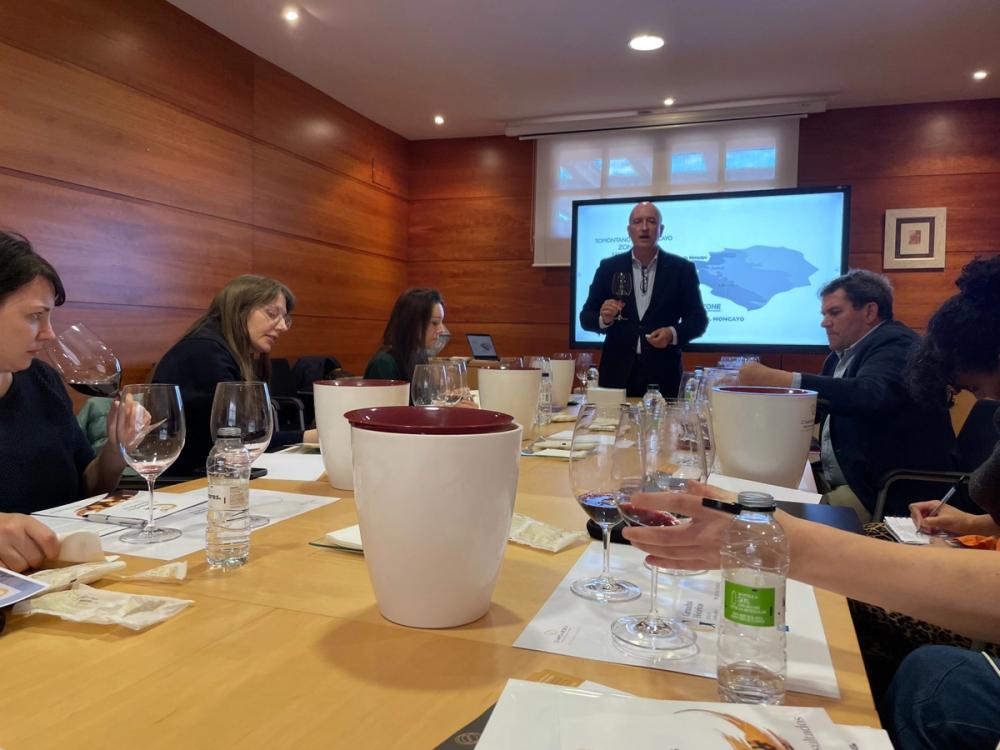
The trip was run by the Old Vine Conference
Campo de Borja’s findings on ‘How Vine Age Affects Ageing Capacity and Flavour Development’ and ‘The Accurate Certification of Old Vine Age’ were presented at the Old Vine Conference in California in November 2025. The results showed that samples from younger vines show similar characteristics irrespective of which sites they are planted in, but older vines showed much more site-specific nuances.
In general, historic vines contain higher levels of aromas from shikimic acid, producing more spicy and black fruit aromas. Within this group, specific vineyards showed different aromas. Grapes from historic vineyards located in Pozuelo, Magallón, and Tabuenca contained greater amounts of molecules which give a fresh and fruity profile. In contrast, grapes from Borja, Ainzón and Fuendejalón had higher levels of molecules which provide a distinct floral profile. This emphasises the importance of older vines in historic Garnacha vineyards in producing more flavourful, age-worthy and terroir specific wines.
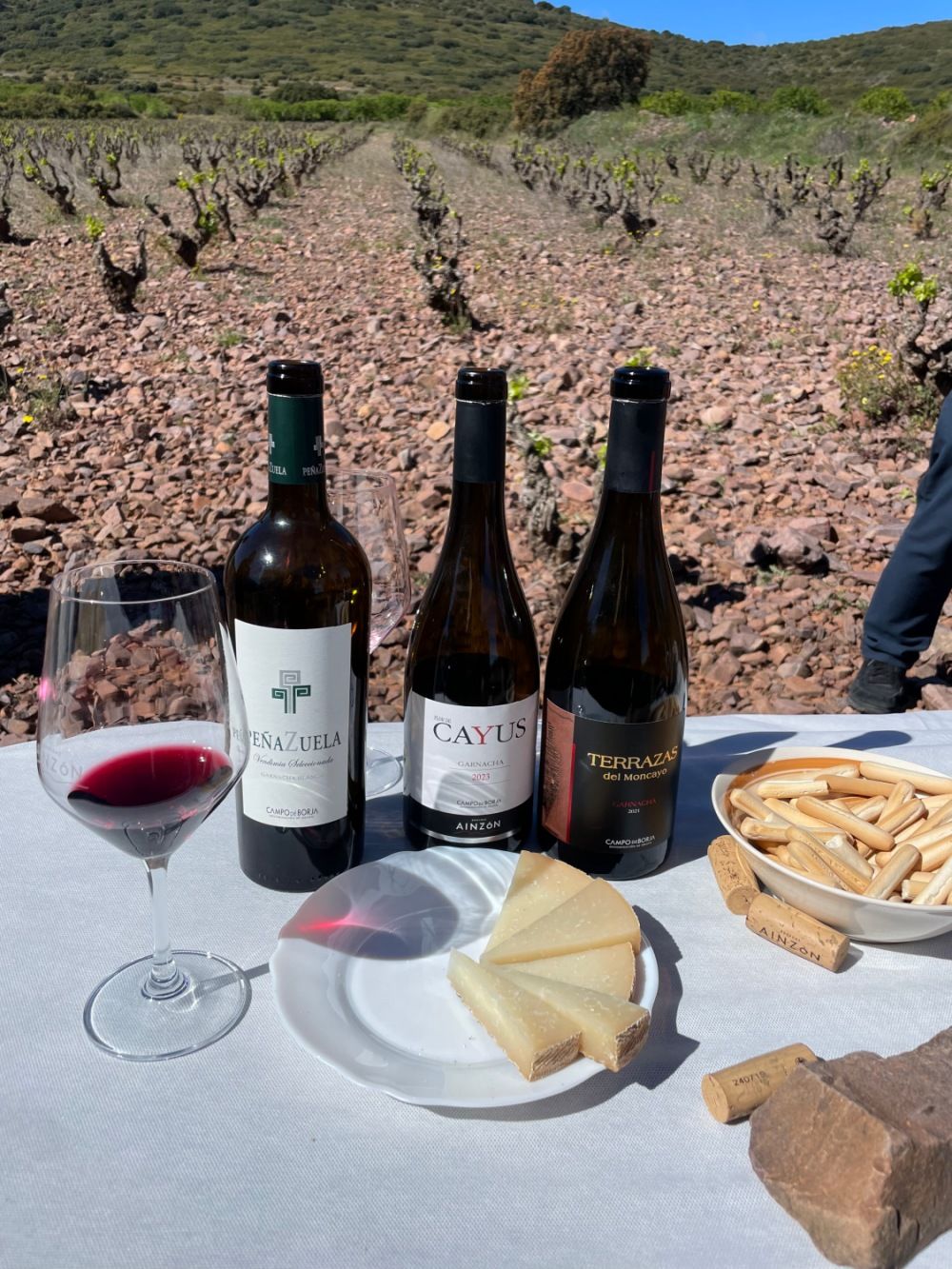
Visiting the historic vineyards
The trip was centred on visiting these historic vineyards, learning about the research process and tasting a range of Garnacha wines, from vines of a range of ages. Our first stop was a visit to the Bodegas Ainzón vineyard, a winery which specialises in Garnacha of vines aged 30 to 50 years old. Set on stony slate soils at 650m altitude, we enjoyed a tasting of three wines from its portfolio. The wine of the vineyard we were situated in, the ‘Terrazas del Moncayo’ Garnacha 2021, was particularly lovely and elegant, showing pronounced dark fruit aromas characteristic of the old vines with some raisin on the nose.
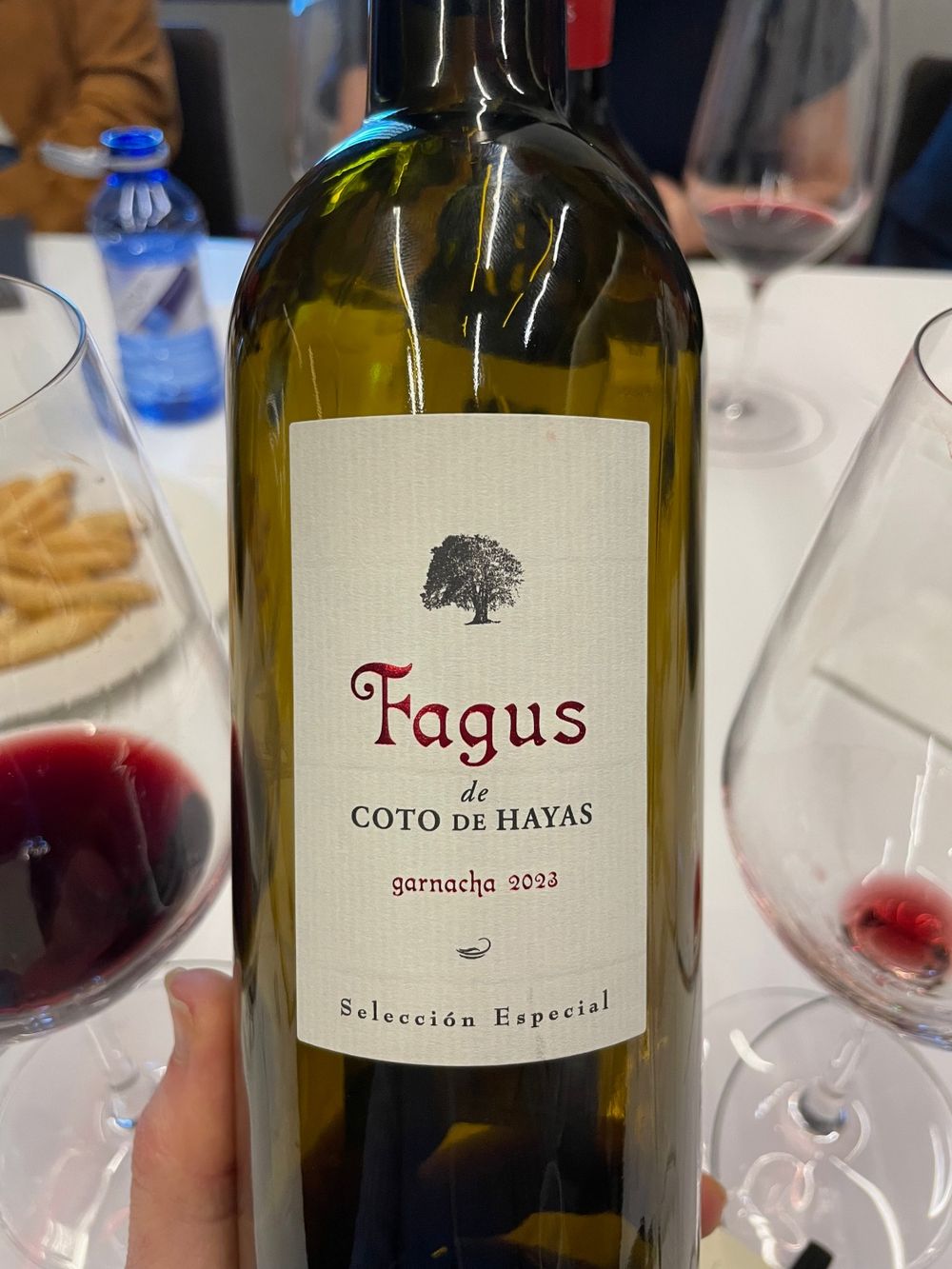
Next stop was Bodegas Aragonesas and a tasting of its wines. My top pick of this selection was the Fagus 2023, which showed lots of blackcurrant and blackberry on the nose with notes of coffee and chocolate. It had been aged nine months in French oak with a range of toast levels. It has some fine-grained tannins alongside a silky richness and volume from the glycerine which, coupled together, gave the wine a sweet and smooth character. It is an age-worthy wine retailing for around £30 in the UK market.
Our final winery visit was Bodegas Borsao, where we watched the mechanised bottling taking place before tasting a selection of the wines. As a cooperative, the bodega has extensive Garnacha plantings and produces a wide range of wines, from value-for-money to more specialised vintages. We tasted the wines produced from a range of different grape varieties available on the UK market, beginning with a great value white, the Borsao Selection Blanco 2024, a blend of Chardonnay and Macabeo, aged briefly in French oak barrels which had notes of peach, pineapple and white blossom alongside some spice.
Borsao winery’s top Garnacha was the Tres Picos, aged for five months in French oak barrels. The grapes are picked from vineyards of 35 to 60 years of age that are planted on clay-limestone stony and loamy soils. The wine has fruit complexity, with blackberry and black plum alongside clove and vanilla.
It was fascinating to see the results of the research conducted in person and experience the passion those working in the region have for the old vine Garnacha. This wonderful region is often undermined but can produce fabulous wines at great value.
A very special thank you to our hosts, general secretary José Ignacio Gracia and agricultural engineer David Martín for their amazing hospitality and even taking us to see the extremely exciting ‘Ecce Homo’ painting, a restoration of a painting of Jesus Christ to something resembling a monkey... an international sensation which itself has placed the region on the map!