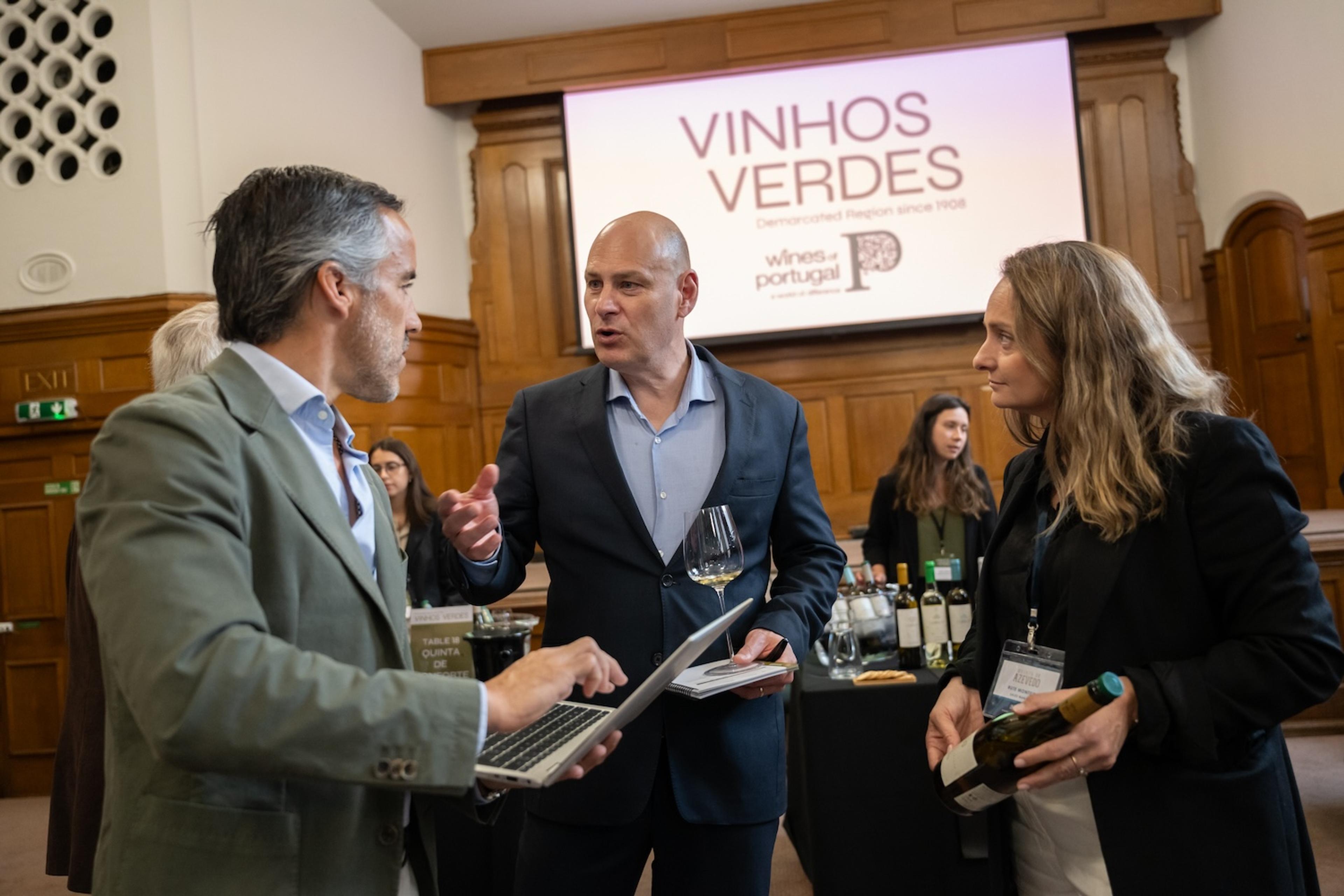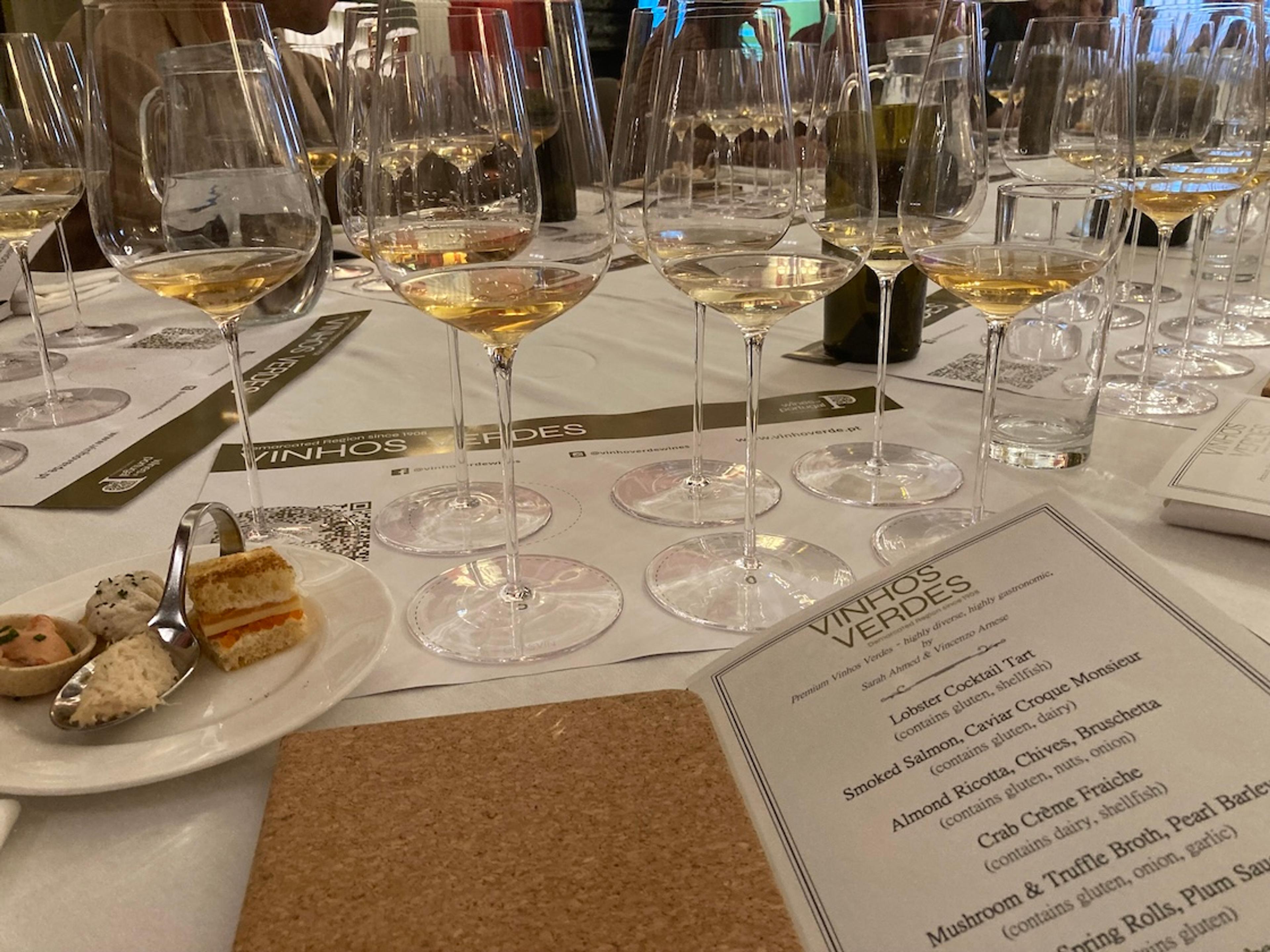
At the recent Vinhos Verdes walkaround tasting and masterclass held at the Portuguese Ambassador's residence in London, the key message was clear: Vinhos Verdes is no longer a single style of wine as the trade has known it for decades.
"Vinhos Verdes is plural," says Carla Cunha, marketing director of the region's wine commission. "It is a demarcated region since 1908 and not a single style of wine." In other words, "Verdes" (meaning "green") should now be understood as the region's last name rather than a stylistic descriptor. The fresh, spritzy whites that most consumers associate with Vinhos Verdes today, in fact, represent only a recent chapter in the region's long history.

Carla Cunha, marketing director of the region's wine commission.
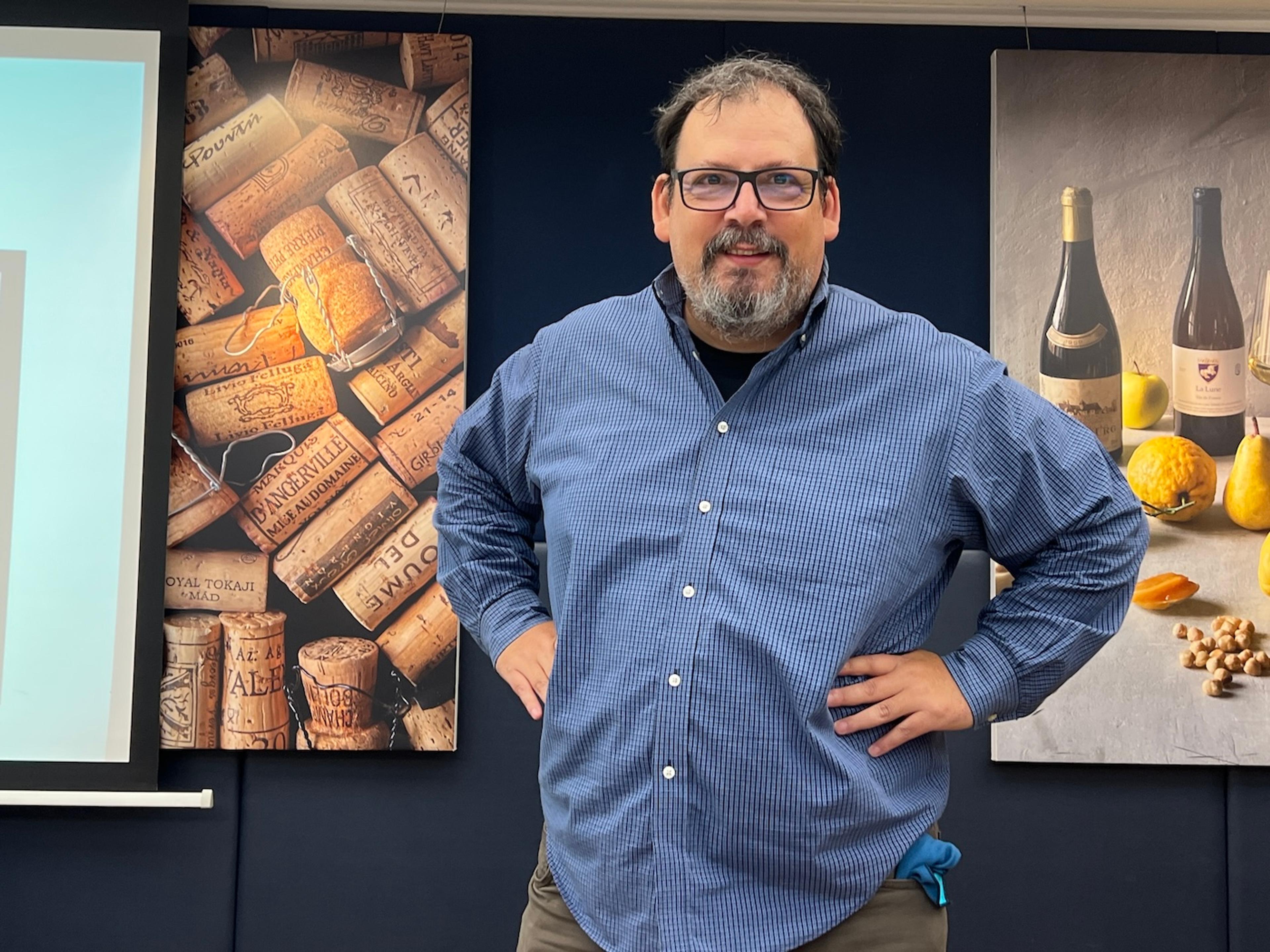
Vinhos Verdes was a red wine region for centuries. Tiago Macena, the Portuguese wine expert who co-hosted the masterclass with award-winning sommelier Maria Boumpa, explained: "Back in the 12th century, there was already a written document mentioning the production of red wines in this area."
All that changed following Portugal's entry into the European Union in 1986. Investment transformed both vineyards and wineries. With the arrival of temperature control equipment, what had historically been a predominantly red wine region rapidly shifted towards white wine production, eventually building an international reputation around fresh, aromatic and approachable styles. Today, white wines account for more than 90% of production and dominate export markets.
For almost three decades, the formula seemed to work. Then the climate began to change.

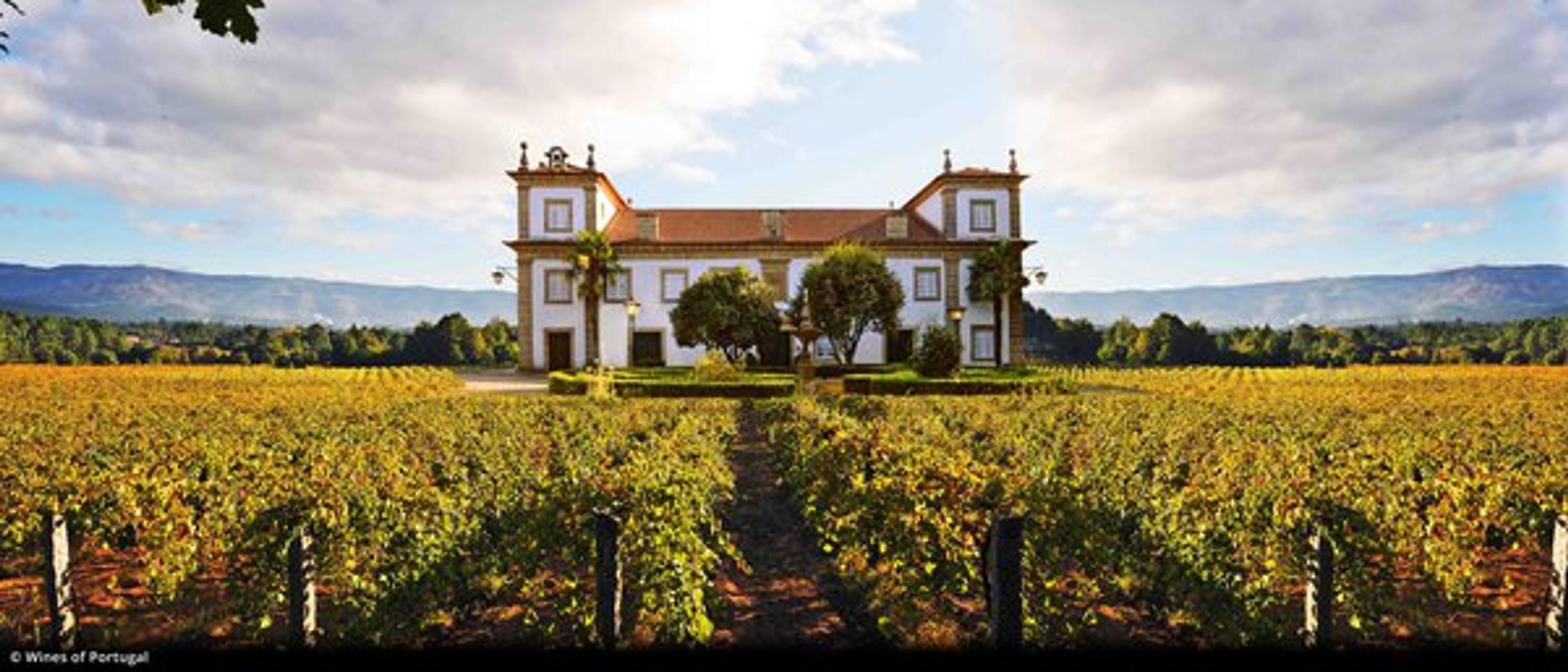
Paulo Ramos of Quinta de Paços
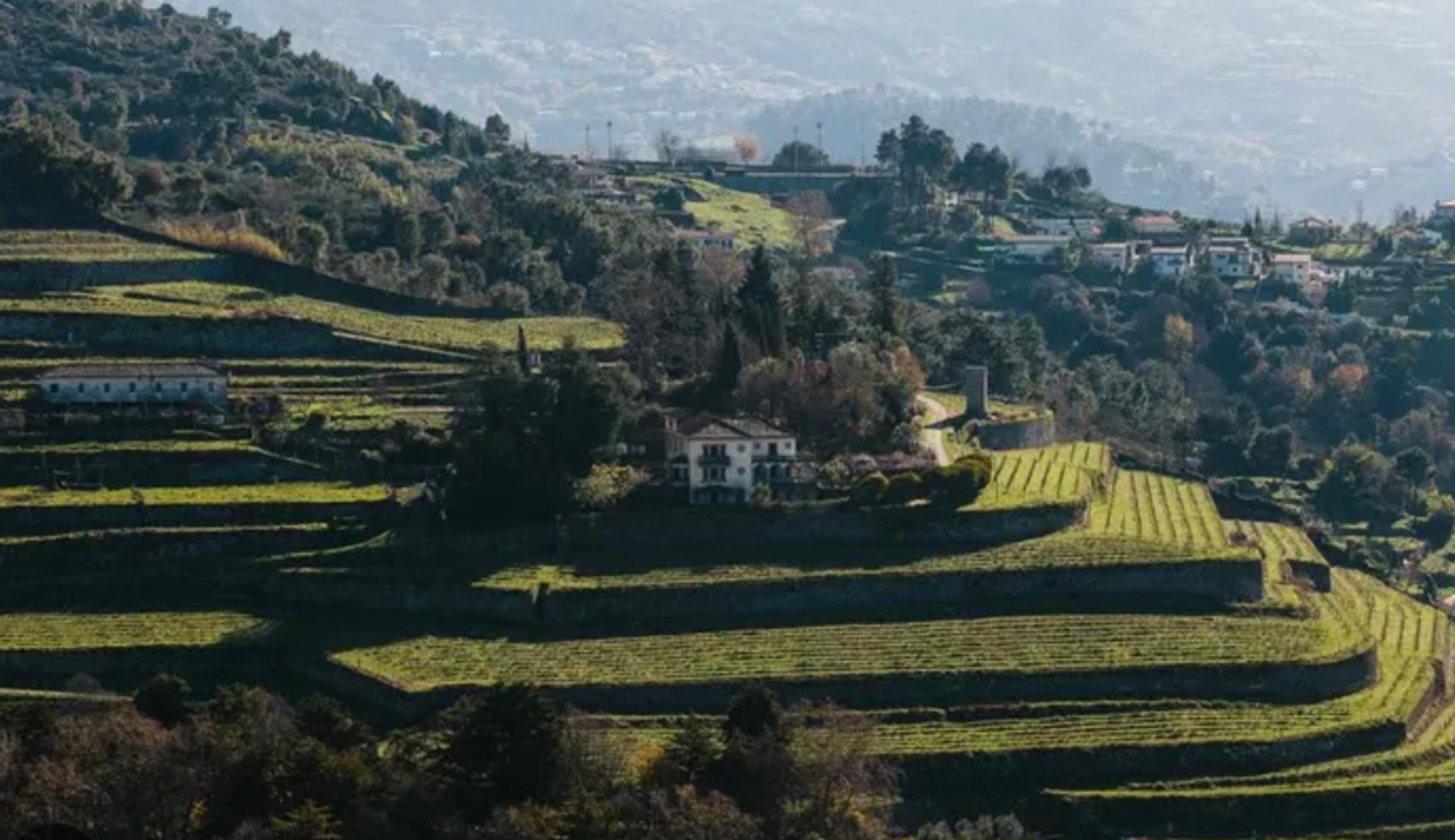
Paulo Ramos of Quinta de Paços comes from a family that has been making wine in the region for 16 generations, spanning over 500 years. He has seen the shift firsthand. "I started harvesting when I was 12 and I'm 59 now. It was always late September, early October. It's now in August, so that's a big change."
Like many wine regions, Vinhos Verdes is experiencing rising alcohol levels, falling acidity, sunburn and increased irrigation needs. The consequences are particularly significant for a region whose reputation rests on freshness, moderate alcohol and vibrant acidity.
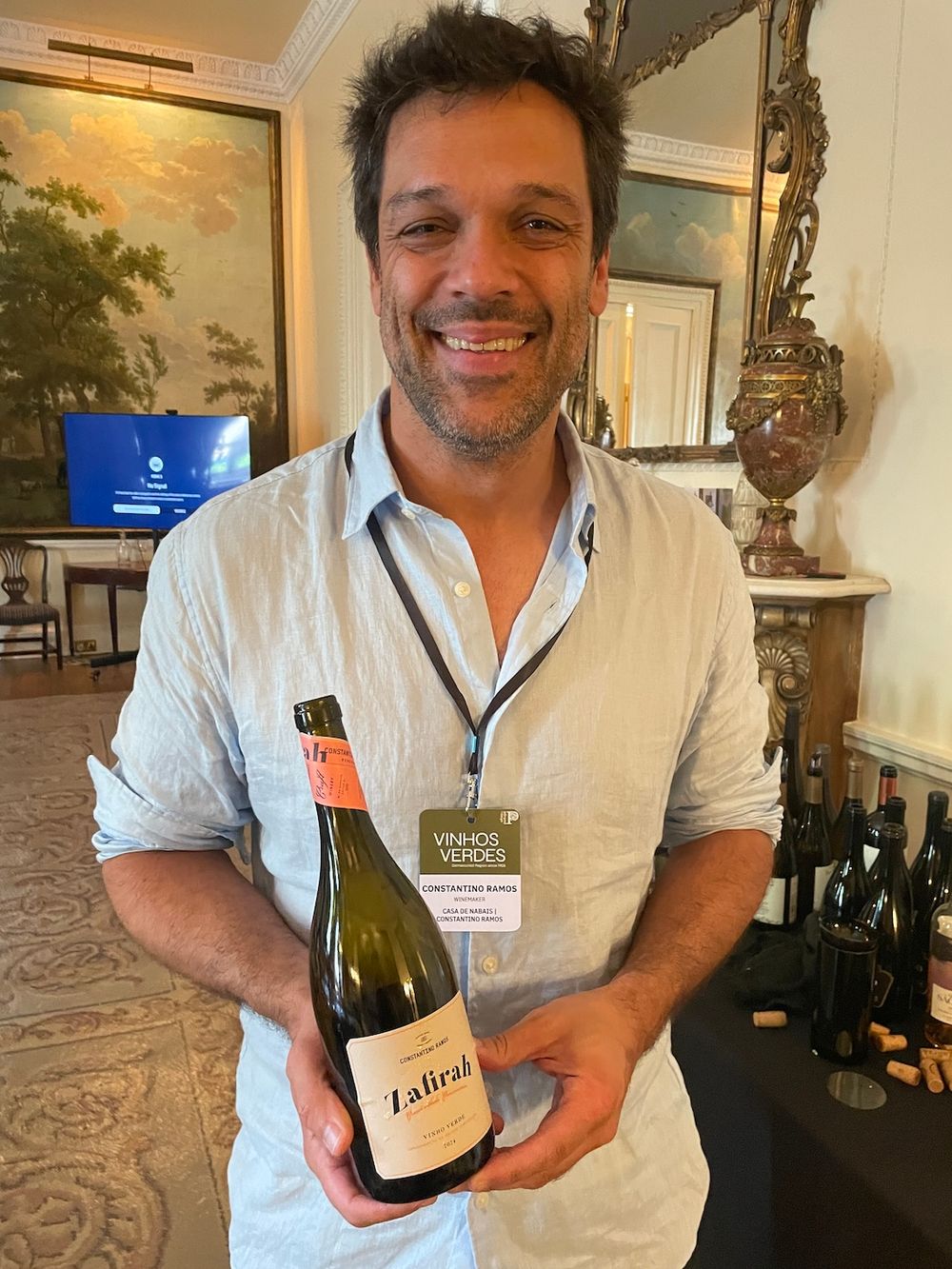
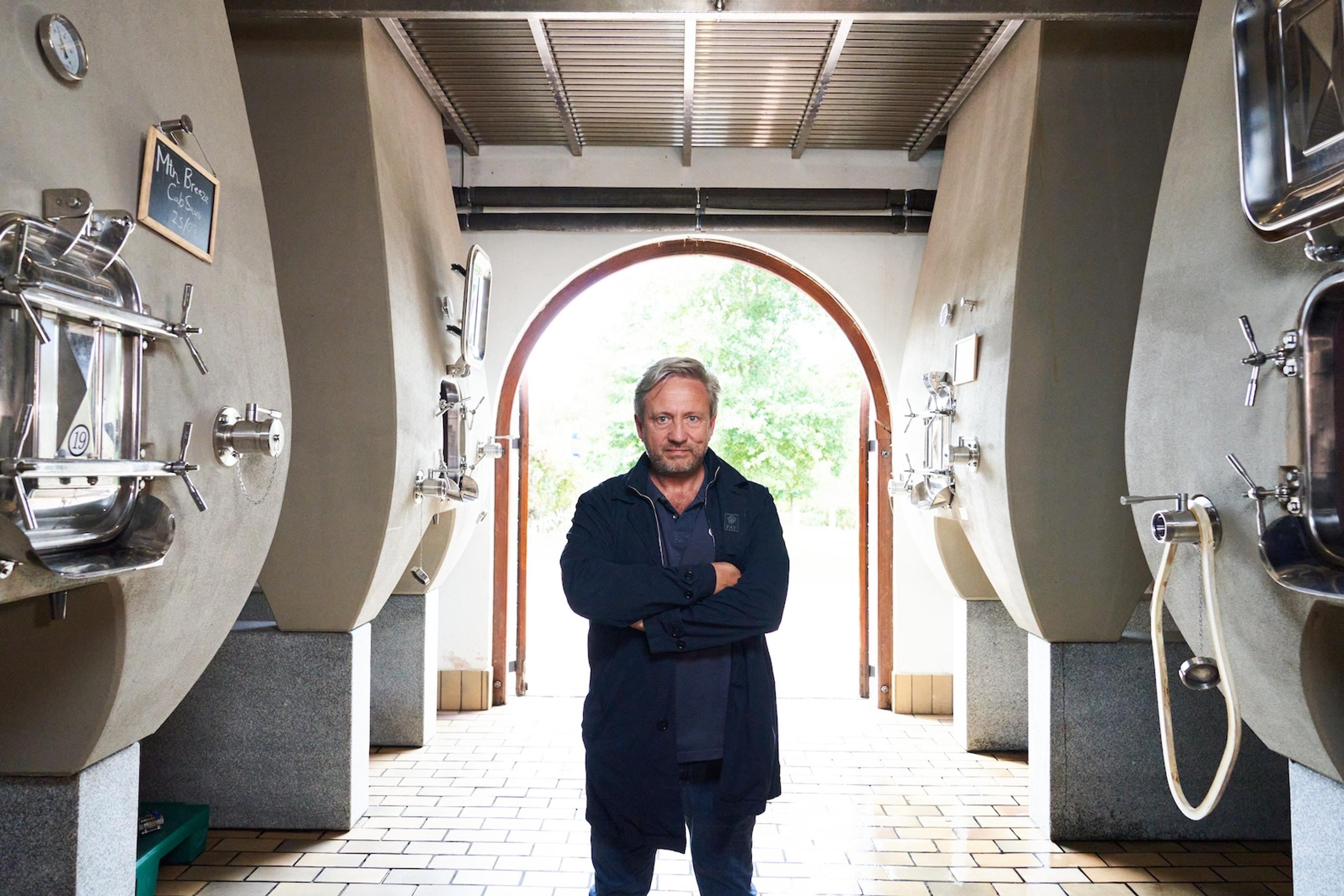
Winemaker Constantino Ramos' - his Zafirah 2024 was one of the highlights of the tasting.
There is another layer to the problem: labour and logistics. As winemaker Constantino Ramos observed, "In August, especially in the first half of August, the mindset of people is much more towards parties and parades. People don't want to go and look for work. They want to party a little bit." This creates serious challenges for harvest workforce availability.
Nonetheless, climate change is forcing producers to rethink what Vinhos Verdes is and can become. Forgotten grape varieties, abandoned vineyards and traditional field blends are gradually returning, a response to necessity rather than nostalgia. As temperatures rise and harvest dates move dramatically earlier, growers are rediscovering the very varieties and practices once considered commercially obsolete. The region boasts 45 authorised grape varieties across nine sub-regions, placing it in a strong position to adapt.
While international attention has centred on Alvarinho and Loureiro, producers are increasingly looking beyond their flagship varieties. Old vineyards, many planted 50 to 100 years ago, survived the region's modernisation and now provide valuable resources for the future.
Despite the dominance of white wines, more than half of red plantings remain the traditional, inky Vinhão grape, a legacy of the region's red wine history.
The renewed interest in Vinhão illustrates how dramatically perceptions are shifting. Historically associated with deeply coloured, tannic red wines, the variety is being reimagined by a new generation of winemakers. Lighter extraction and gentler winemaking produce vibrant, lower-alcohol reds served chilled at 10–12°C. In the age of chillable reds, Vinhão has found its moment.
Other once-overlooked varieties are also finding new relevance. As producers adapt to warmer growing conditions, blending is increasingly used to balance riper, higher-alcohol wines with traditionally unfashionable grapes valued for their naturally high acidity and lower potential alcohol.
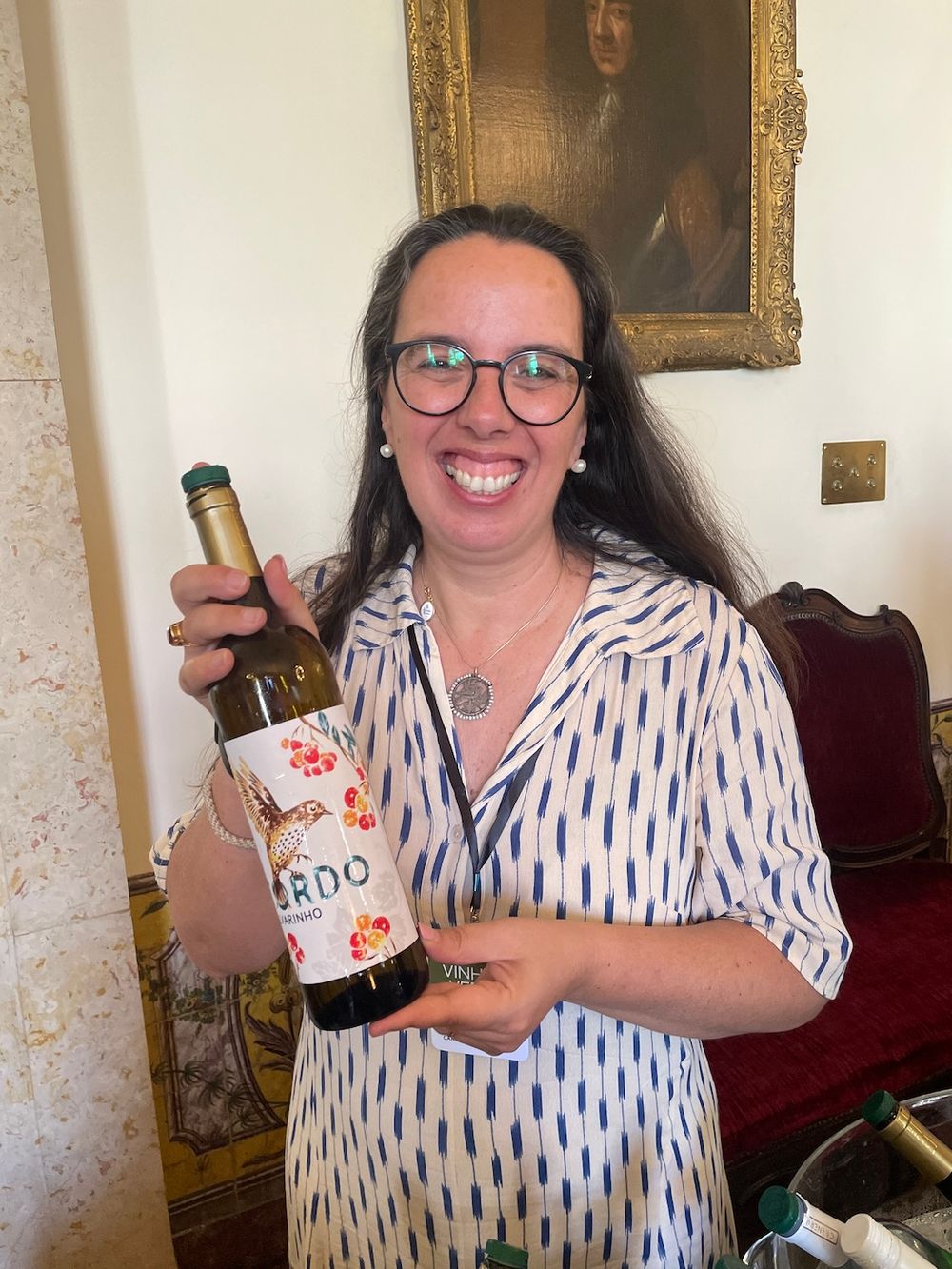
Winemaker Cristiana Carneiro of Carneiro Family Wines.
As winemaker Cristiana Carneiro of Carneiro Family Wines noted, Tália (Ugni Blanc), long dismissed for these characteristics, is now being welcomed back into blends precisely because it can bring freshness, balance and restraint to modern wines.
This shift is also reshaping attitudes towards blending, a longstanding tradition in the region. The international success of varietal wines encouraged many producers to focus on single-grape expressions over the last few decades. Today, however, many winemakers view blending as one of their most effective tools for climate adaptation.
By combining varieties with complementary characteristics, they can preserve freshness, structure and balance despite increasingly challenging growing conditions. Constantino Ramos compares the process to cooking: achieving harmony requires the right mix of ingredients – the "salt", "pepper" and "cumin" of different grape varieties – to create the best possible balance.
Several white grapes are emerging as particularly important for the future. As Tiago Macena noted in the masterclass, Arinto, prized for its naturally high acidity, is proving especially valuable as temperatures rise, particularly for sparkling wine production. Avesso, with its greater body and texture, performs well in warmer inland areas and offers opportunities for more structured styles. Meanwhile, Alvarinho and Loureiro continue to provide the aromatic and structural backbone that has made the region famous.
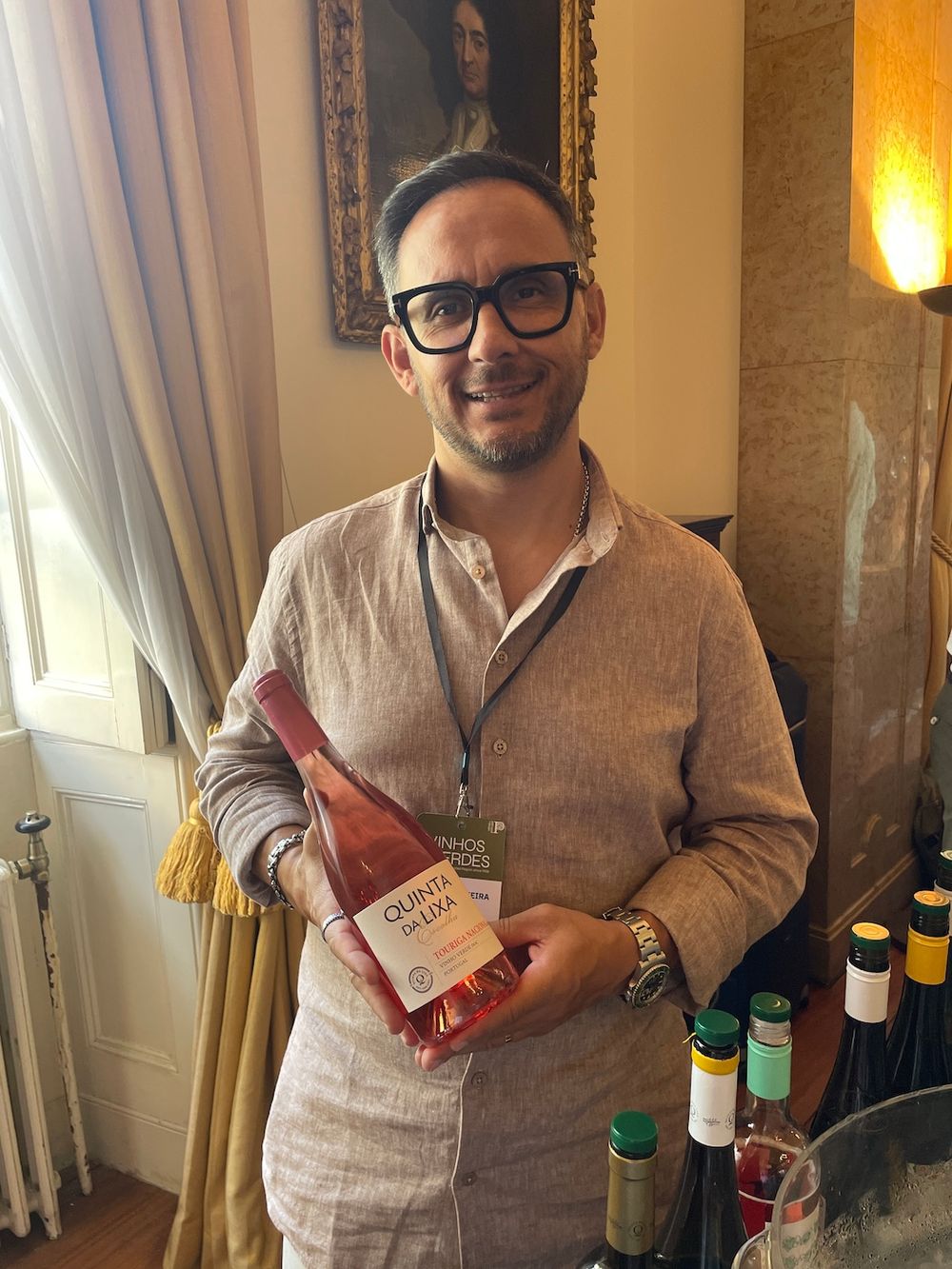
Winemaker Carlos Teixeira of Quinta da Lixa.
The result is a growing diversity of wine styles that extends far beyond consumer perceptions of Vinhos Verdes, including wines with significant ageing potential. A striking example was Quinta da Lixa's 2018 Único 306, presented as a current release rather than a library stock.
Winemaker Carlos Teixeira believes the wine could continue to develop for another 10 to 15 years, crediting its longevity to high natural acidity preserved through careful site and harvest selection during the hot 2018 vintage. Sommelier Maria Boumpa said such wines allow restaurants to showcase a more ambitious side of Vinhos Verdes while highlighting the region's ageing potential. Together, they challenge the idea that Vinhos Verdes is defined solely by youthful freshness. They also show that the region can produce complex, ageworthy wines with excellent concentration and character.
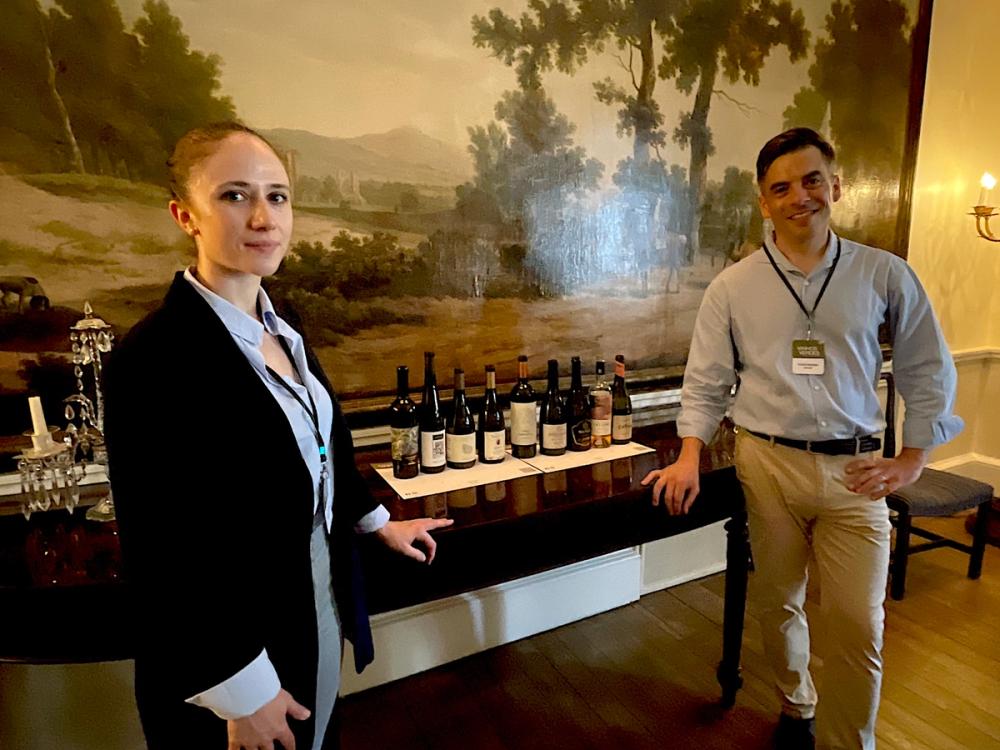
"Vinhos Verdes was a red wine region for centuries." Tiago Macena (R), the Portuguese wine expert who co-hosted the masterclass with award-winning sommelier Maria Boumpa.
The growth in sparkling and rosé
Rosé is becoming increasingly important in Vinhos Verdes, accounting for around 7% of sales and continuing to grow as consumer preferences shift away from red wines. Producing naturally pale rosés, however, requires considerable precision. At Quinta da Lixa, HPLC analysis is used to monitor pigment development in grape skins and identify the optimal window for skin contact, often just a few hours, particularly in warmer vintages.
As Carlos Teixeira puts it, the goal is to use advanced technology to avoid making "technological wine". This precision reduces the need for later corrective measures, such as using fining agents to remove excess colour, which can also strip away desirable flavours. The resulting wines are typically fresh, fruity but food-friendly, with grape varieties such as Espadeiro especially prized for their naturally pale colour and elegant profile.
Sparkling wine is also attracting growing attention. While many traditional sparkling wine regions are struggling to retain acidity as temperatures rise, Vinhos Verdes' naturally fresh varieties continue to provide the balance required for high-quality sparkling production. Three of the ten producers attending the tasting are already making sparkling wines, while two others indicated plans to enter the category, underscoring what many see as one of the region's most significant long-term opportunities.
By rediscovering old vineyards, reviving neglected grape varieties and embracing a broader range of wine styles, Vinhos Verdes is becoming more diverse, not less. Its future may look different from the image that first made it famous, but its evolution is making the region more resilient. As the wines at this tasting showed, Vinhos Verdes is not simply moving beyond expectations. It is redefining them.
Leona De Pasquale’s Top 10 wines from the tasting
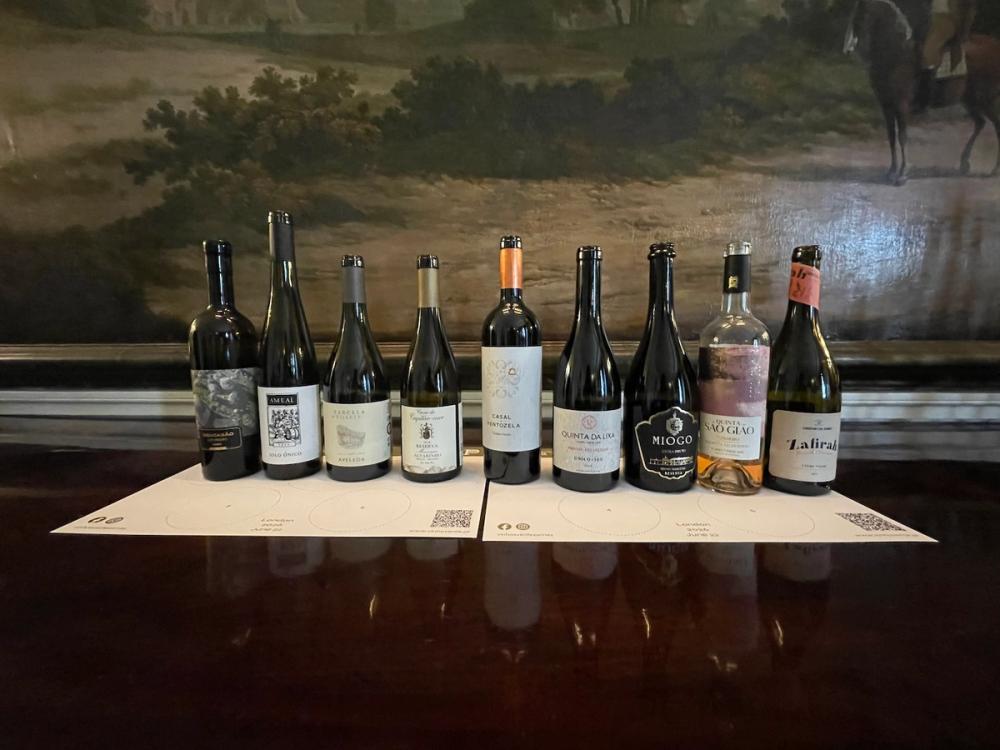
Wines shown at the masterclass
Red Wine
Constantino Ramos Zafirah 2024
Alvarelhão, Borraçal, Pedral, Espadeiro, Vinhão/ 11.5% abv
One of my favourite wines of the tasting. Sourced from vines more than 50 years old, it combines wild red berry fruit, savoury complexity and impressive structure with real energy and character.
Quinta do Espigueiro Grande Cisacão Vinhão 2022
Vinhão/ 10% abv
A lighter expression of Vinhão, showing sour cherry and savoury notes, fine tannins and a juicy finish. Best served lightly chilled.
Quinta do Ameal Bico Amarelo Tinto 2025
Padeiro, Espadeiro, Borraçal/ 11.5% abv
A delightful chillable red with vibrant red berry fruit, a soft texture and refreshing acidity.
Rosé
Casal de Ventozela Espadeiro Rosé 2025
Espadeiro/ 11.5% abv
Packed with ripe strawberry and juicy red cherry fruit. Fresh, vibrant and dangerously easy to drink.
Quinta de São Gião Colheita Seleccionada 2024
Espadeiro/ 12% abv
Vibrant strawberry and red cherry flavours combine with zesty acidity in a juicy, energetic style.
Carneiro Family Wines Tordo Rosé 2024
Padeiro Basto, Touriga Nacional/ 11% abv
Bright and easy-drinking, with crunchy red berry fruit, lively freshness and an appealingly light touch.
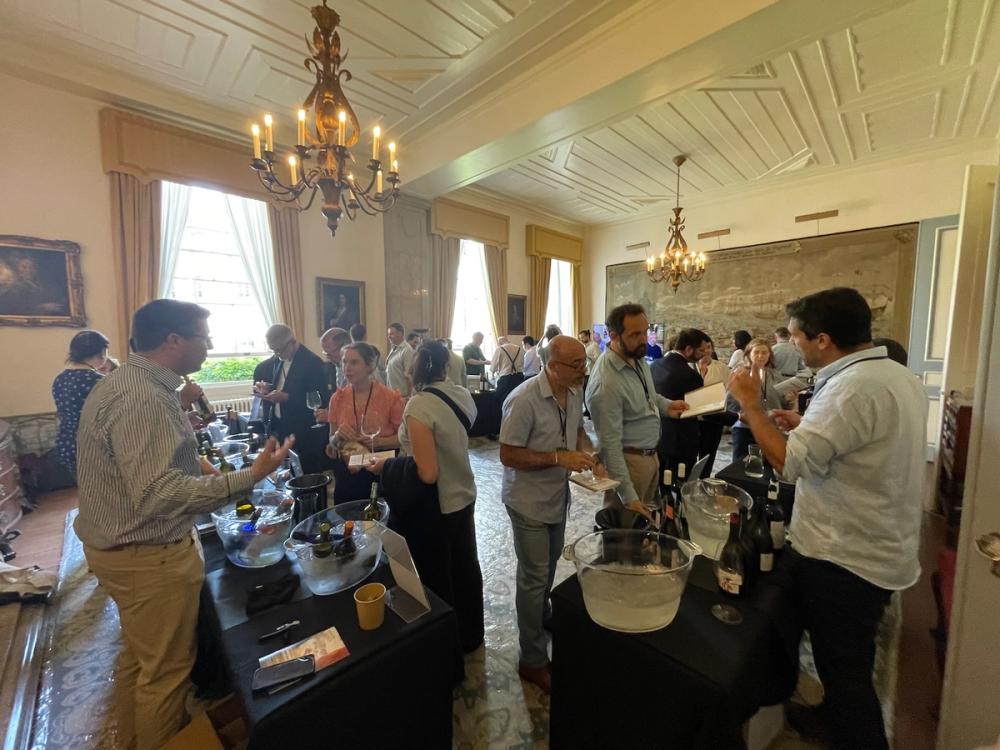
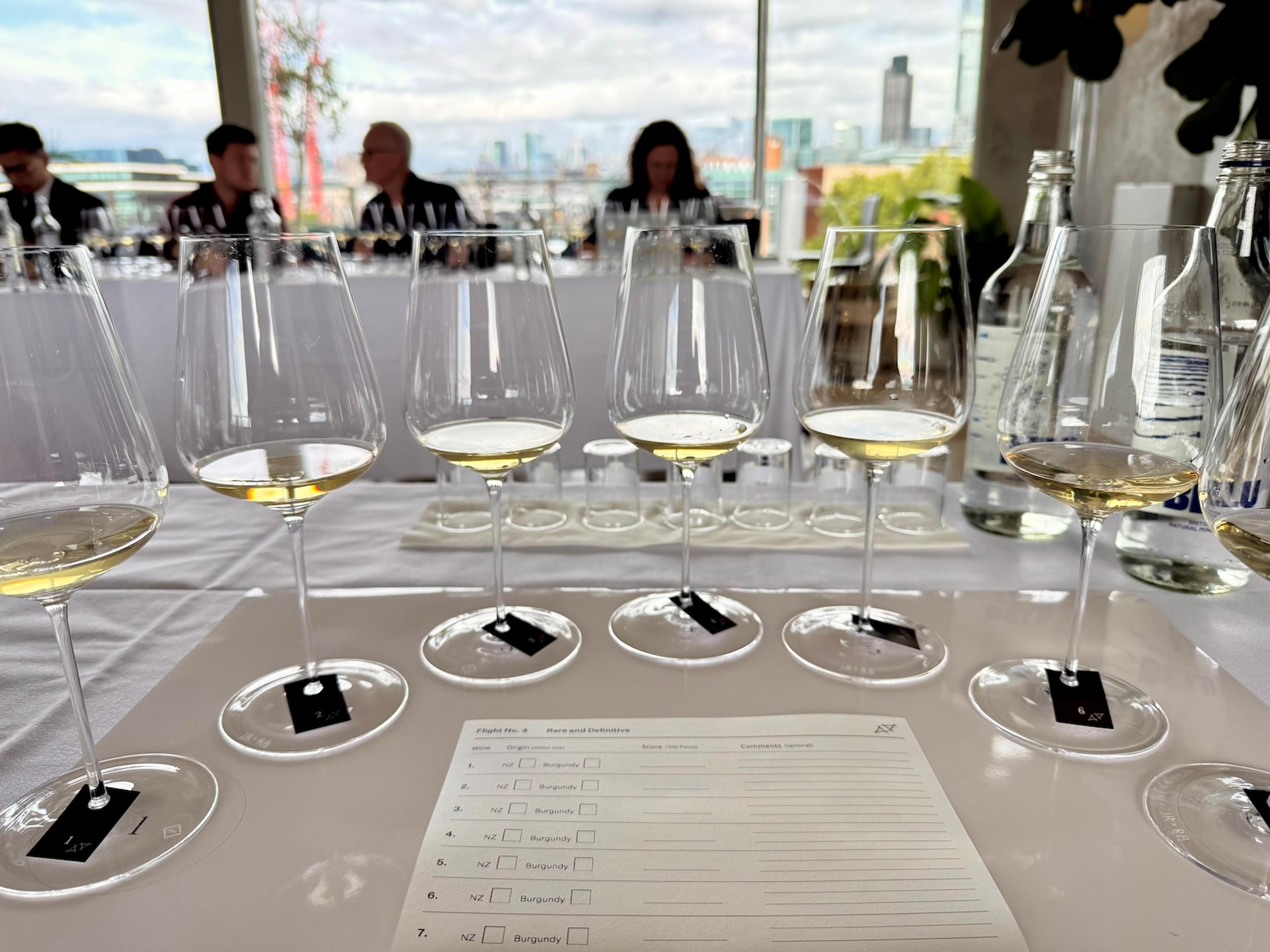
Walkaround tasting of Vinhos Verdes, Portuguese Embassy, London, June 22, 2026
White
Quinta da Aveleda Parcela do Roseiral 2024
Alvarinho/ 12% abv
Green apple, lemon and pear aromas are joined by notes of juicy apricot and a subtle hint of vanilla. Textured and concentrated, with a saline finish.
Quinta de Paços Casado Capitão Mor Reserva 2024
Alvarinho/ 12.7% abv
Fresh and focused, offering notes of apple skin, lemon and yellow plum, underpinned by bright acidity.
Quinta da Lixa Único 306 2018
Avesso 50%, Alvarinho 50%/ 13% abv
Complex and age-worthy, with notes of yellow plum, baked apple, ripe pear and subtle honeyed toast. Concentrated yet balanced, with refreshing acidity and a distinctive saline finish.
Sparkling
Vinhos Norte Miogo Extra Brut Sparkling 2020
Loureiro 60%, Arinto 40%/ 12% abv
Fine bubbles frame notes of lemon, apple and citrus, complemented by a gentle honeyed character from 18 months on the lees. Great mouthfeel and persistent.