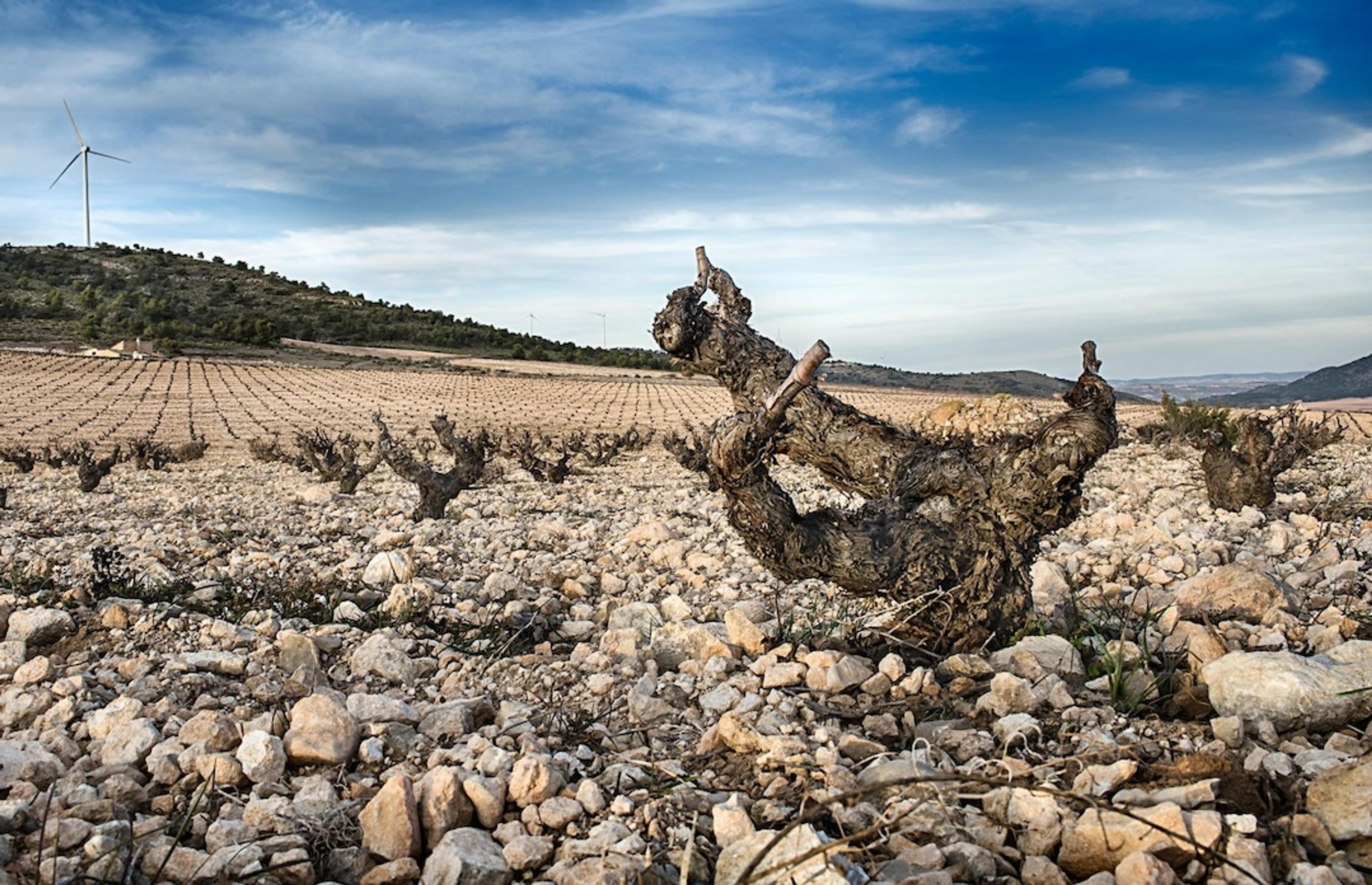
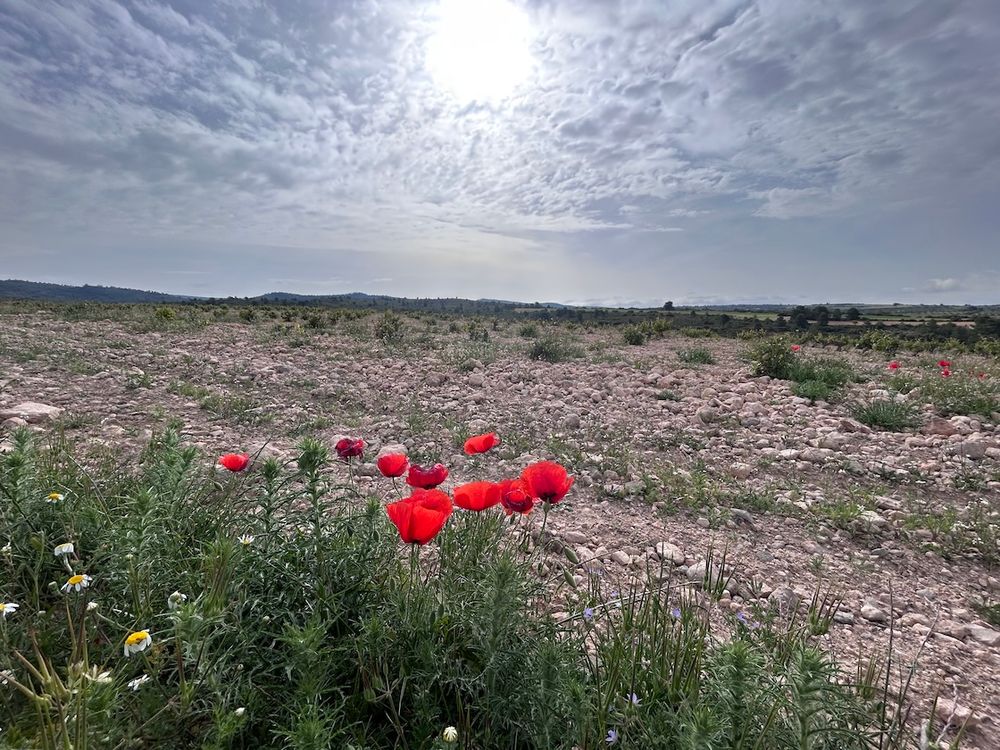
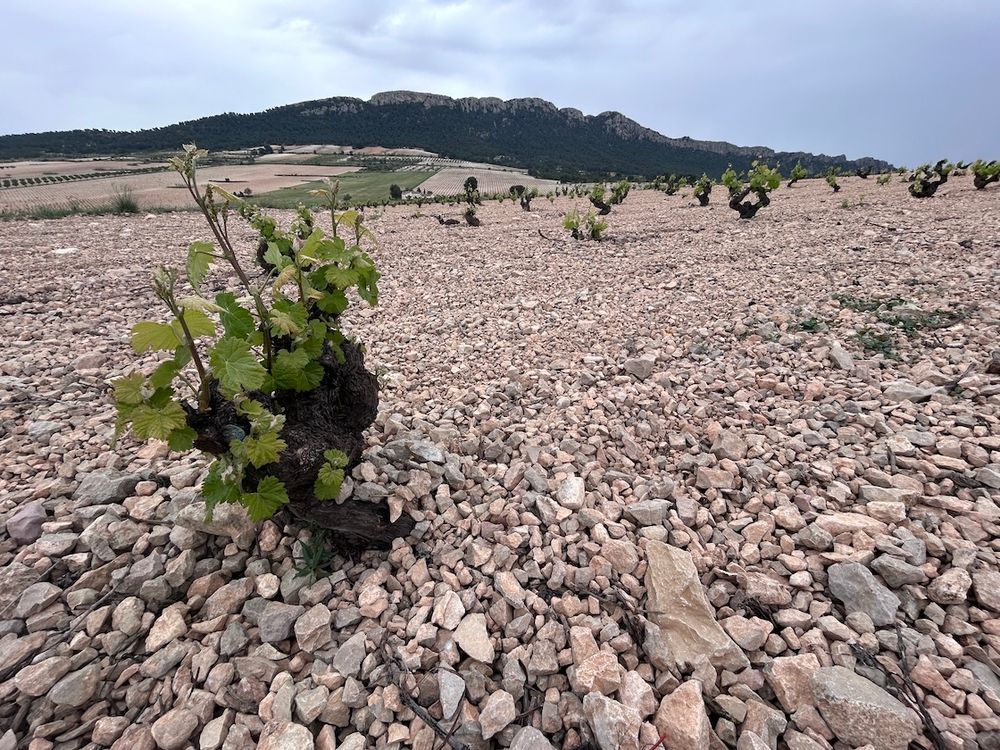
Standing in a windswept vineyard some 800 metres above sea level, in every direction twisted bush wines poke their trunks through the rubble which passes as soil here, stretching their limbs skywards as tender buds, bright green, push the first leaves of the season into the thin, cold air.
Otherworldly doesn’t cut it, put a red filter on the lens and this looks like one of the images beamed back to earth from the Mars rover. It’s an extraordinary place, yet for Jumilla in southern Spain this is the vine-growing landscape; gnarly, unforgiving, oddly beautiful.
We are looking at Monastrell bush vines; old plantings, dry farmed. The native Monastrell thrives here producing intense, concentrated red wines from small, thick-skinned berries, but it’s just part of the story of the region.
We are here in Jumilla for a whistle stop tour of two of the Spanish DO areas of the Gil Family Estates portfolio, visiting and tasting on the ground where the family’s Jumilla DO and Almansa DO wines are made, but also diving into the 10 other DOs - situated across the length and breadth of Spain - in which the estate operates.
From Rías Baixas in the north-west to Rioja, Priorat and Campo de Borja in the north, and Castilla y Leon, Rueda, Calatayud and Montstant, Gil Family Estates owns or controls more than 1,750 hectares of vineyards across the 10 different DOs. They’ve certainly got Spain covered.
Family history
Gil Family Estates is 110 years old; founded in 1916, the whole operation remains family owned and run with 11 wineries (bodegas) under the direct control of fourth generation brothers, Miguel and Ángel Gil. The focus right across the portfolio is on indigenous terroir-driven wines from old-vine vineyards.
“We have expanded into different appellations with a genuine ambition to do what we love most: showcase the true character and potential of Spain’s old indigenous grape varieties,” says fifth generation family member Paco Gil. “Working across different DOs allows us to continue growing while always maintaining strict control over quality. At the same time, each region brings something unique and complementary to the portfolio.”
The breadth of offering is impressive, and across the two-and- a-bit days on the ground in Jumilla we taste flights of wines from each of the bodegas, offering a glimpse into each estate through the wines and stories told.
Old vines
Two threads link each individual estate to another; old vines and sustainable viticulture. “You can have the best facilities and the best winemakers but without old vines it is very difficult to make truly great wine,” says Paco Gil. “Old vineyards naturally bring balance, elegance, complexity and a strong sense of place to the wines.”
In the rocky vineyards of Jumilla, where Syrah, Petit Verdot, Cabernet Sauvignon, Tempranillo and Muscat vines grow alongside the Monastrell, the average age of the vines is 70 years old. These are deep-rooted systems, it’s common for vines to have roots eight metres down, through the heavy rock, which itself is one metre deep.
Each vine produces around one bottle per wine per year, and the region is currently in the third year of a drought with production in 2025 down 50%. It’s a tough place to farm, and a real labour of love for the Gil Family, which is reflected in the passion for these vineyards and Spain’s indigenous grape varieties.
Generational shift
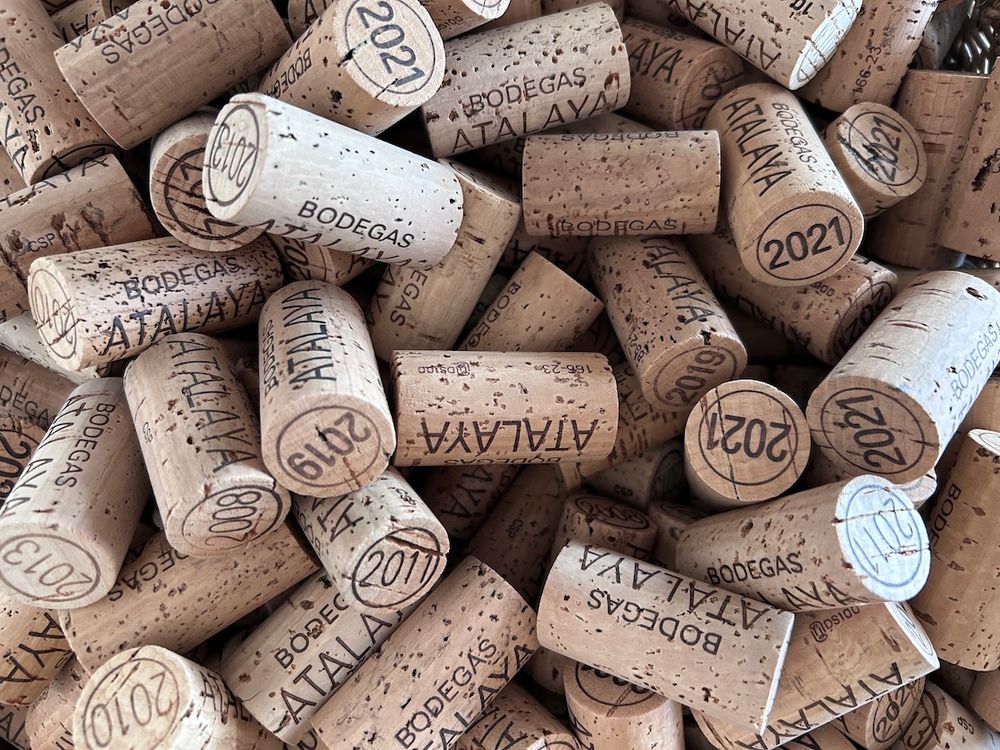
The estates’ vineyard area and reach across Spain has grown in the past 20 years with each winery having its own winemakers and teams of vineyard workers and cellar staff. Altogether, during peak periods such as harvest, they employ around 200 people.
It can be tough finding employees though. “It is becoming less common for younger generations to want to work in vineyards. Agriculture is very demanding work. Many parents who have spent their lives working the land naturally hope for an easier future for their children,” says Paco Gil.
It’s a comment mirrored by Gil’s export manager Maria Dugnol, who says that the estate is regularly offered land and established vineyards to work as the generational shift means fewer young people want this kind of work. “We don’t have any other choice but to work the land,” she says. “It’s what we do, and it’s all done by hand.”
Black gold
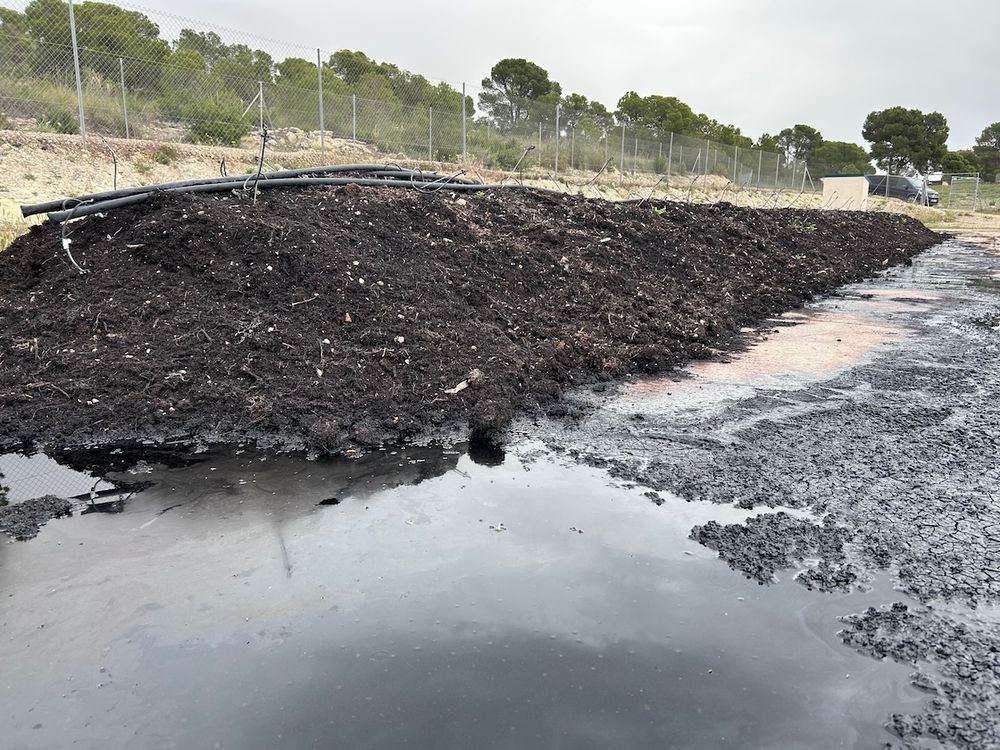
Sustainability in the vineyard is increasingly becoming a focus for the group, and during the visit we take in a ‘humus farm’, where this ‘black gold’ is produced using an army of Californian red worms then used to fertilise each vine. One kilogram of humus fertilises each vine for a year.
Gil Family Estates is also running trials with hybrid grape varieties in an attempt to discover which varieties best suit the climate and terroir across the estates, and in the warmer areas such as Jumilla and Almasa, there are experiments which involve spraying white clay onto ripening bunches of grapes to mitigate against heat accumulation during the heat of the summer.
In the winery change is afoot too. There has been an investment in technology to reduce each winery's impact on the environment and to increase quality across the board. AI-powered optical sorting machines, for example, are now in use.
From a market point-of-view and, given the changing wine-consumption habits in Spain and beyond, the no and low categories are being explored and we tasted a flight of 0.0% abv wines made from the estate's de-alcoholised fruit.
The UK market
Of the 11 estates in the portfolio, currently four have UK representation; Juan Gil and El Nido in Jumilla, and Atalaya from Almansa are coming in via Boutinot, and Bancroft works with Lagar da Condesa from Rías Baixas.
Ateca (Calatayud) and Shaya (Rueda) are hopefully the next taxis off the rank for the group and, given their style and price points both should be good fits for the UK. “The UK is a very important market for us, with consumers who often have a remarkable understanding of Spanish wine, sometimes even more than the average consumer in Spain,” says Paco Gil.
“One of our strengths is that we are able to offer wines across different levels: high-end wines for restaurants, single-vineyard wines for specialised wine shops and entry-level wines that still deliver excellent quality and value. In every case, our philosophy is to produce wines that taste like they should cost twice the price. If we achieve that then we know we are doing things properly,” he adds.
The wines: a dozen highlights
Across three days of intense visits and tastings we tasted around 60 wines from across the 11 wineries; this is a snapshot of some of the highlights.
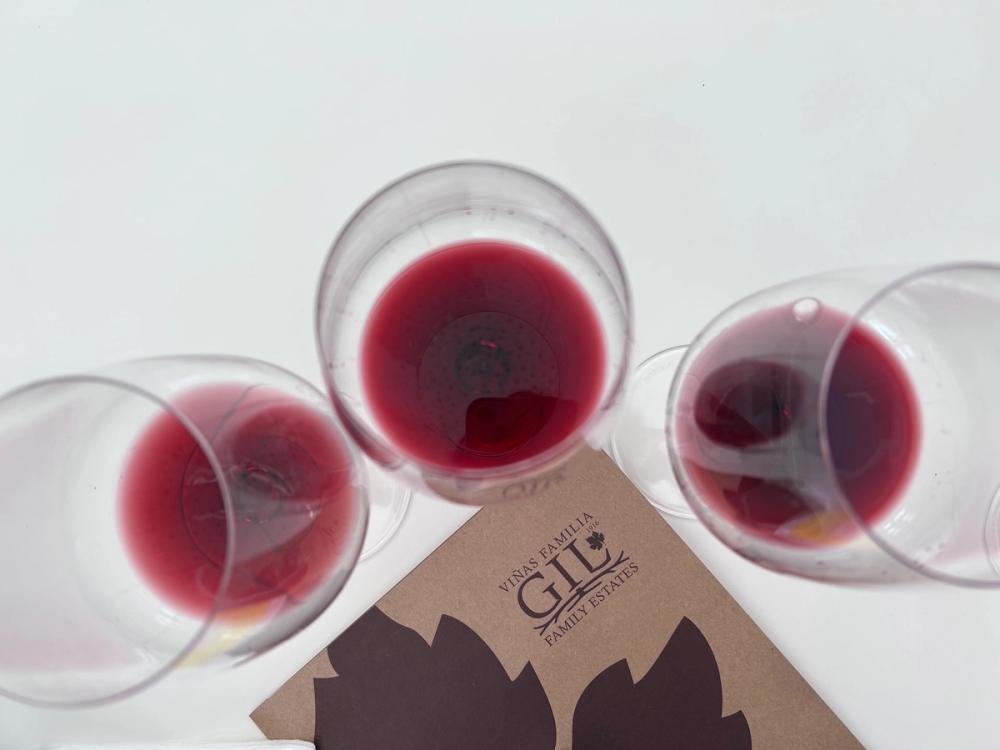
Bodegas Lagar da Condesa, O Fillo da Condesa, Rías Baixas, 2025
100% Albariño and newly released, this is svelte and elegant with some appealing richness. There’s lime cordial concentration and more body than many Albariños. Tree fruit in abundance, and a crisp salty finish.
Bodegas Shaya, Shaya Habis, Rueda, 2023
An organic Verdejo made from very old vines, many ungrafted. Fermented and aged in large format French oak barrels for eight months on the lees, offering intensity and complexity. This is a layered wine; cox apple, tinned pear and honey all jump from the glass, there’s a welcome creeping note of oxidised apple too. Lovely balanced acidity and poise. Such a clean wine.
Bodegas Rosario Vera, Rosario Ai Ama, Rioja, 2024
Bright and full of fun, this is a really interesting style of Rioja. Predominantly aged in small steel tanks, with just 10% seeing any oak at all, it has a carbonic backbone which pushes the raspberry, cherryade and bubblegum notes to the fore. Smooth, silky and vibrant. A real crowd-pleaser.
Bodegas Tridente, Doña Blanca, Castilla y Leon, 2022
Doña Blanca, aka Malvasia, vines from 1920 provide the fruit for this bold and rich, long-aged white. 50% steel, 50% French oak. Weighty in the mouth with vanilla pod, quince and green apple notes, the aromatics are subtle but on-point. A real gastronomic wine with just 6,000 bottles produced, much of it destined for the Spanish on-trade.
Bodegas Juan Gil, Blanco, Jumilla, 2025
Small berry Muscat grown at 700 metres above sea level is cold macerated before fermentation in steel, barrel and concrete egg then aged in French oak. Floral, fresh and punchy with lovely jasmine, lemon pith and peach tea notes. Good acid cuts through any hint of excessive perfume.
Bodegas Juan Gil, Silver Label, Jumilla, 2023
Low-yielding old bush vine Monastrell is aged in first and second fill French oak for 12 months. Classic Monastrell with lovely depth, cedar, vanilla and cherry notes, with just a hint of black fruit and tomato stem on the finish. Balanced, powerful and concentrated.
Bodegas El Nido, Clió, Jumilla, 2023
Monastrell and Cabernet Sauvignon, aged for 24 months in new French and American oak. A powerful expression with cassis and smoke atop layers of interesting and intriguing notes; dried herbs, roasted coffee, black forest gateau. Such intensity here, the ripe tannins crying out for some hard cheese or bloody red meat.
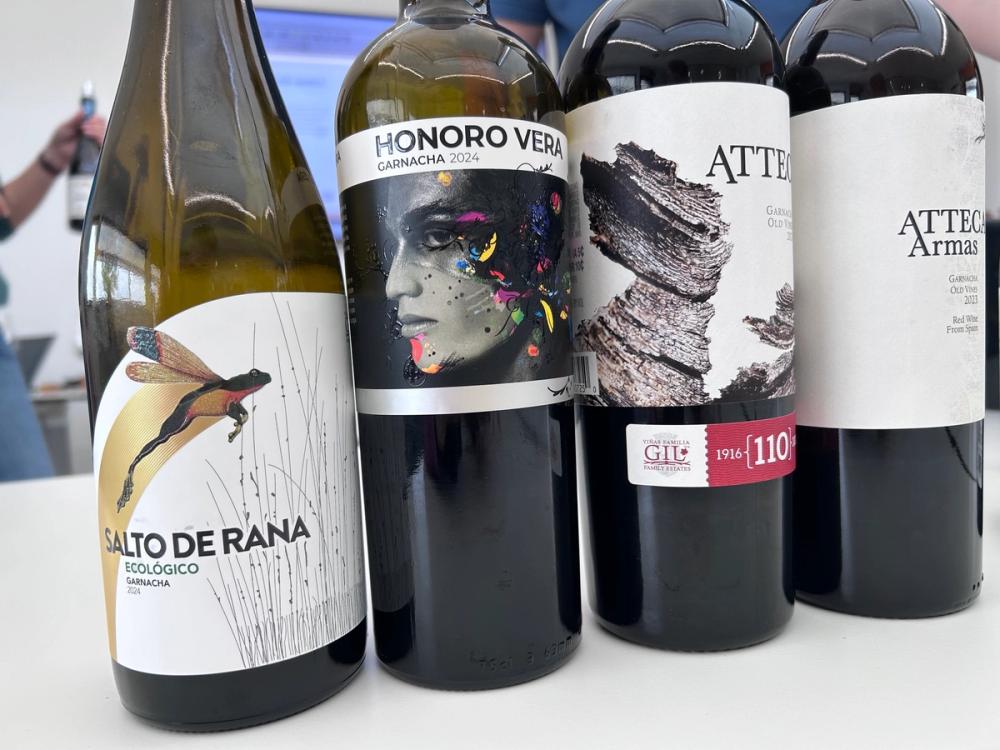
Bodegas Ateca, Salto de Rana, Calatayud, 2024
This Grenache from Calatayud offers a nod to the crunchy Western Cape offerings with Southern Hemisphere ripeness and lovely balance. The tannins are fresh and mineral notes accompany the ripe red fruit. A pure expression of the grape.
Bodegas Morca, Morca, Campo de Borja, 2023
A serious – and seriously ripe – Grenache, aged for 22 months in barrel. It hits like a velvet glove, smooth but powerful with red plum and vanilla notes at the fore. The tannins are soft but punchy. A dreamy and long finish.
Bodegas Can Blau, Nan del Celler, Montsant, 2023
A blend of Grenache, Carignan, Tempranillo and Syrah. Long and juicy with red liquorice, raspberry and pencil shaving characters. You can feel the Mediterranean influence here; this would be perfect chilled for the summer. Good acid makes this utterly more-ish.
Bodegas Llicorella Vins, Clar del Bosc, Priorat, 2023
Very approachable for a young Priorat, this is made up of Grenache, Carignan, Syrah and Cabernet Sauvignon. Each variety is aged for 12 months in large-format oak before blending. There’s real power here; it’s a heady and ethereal wine with overriding notes of cherries, berries and leather. Plush.
Bodegas Atalaya, El Vigía de la Atalaya, Almansa, 2024
Garnacha Tintorera, aka Alicante Bouchet, grown at 700 metres above sea level then fermented and aged in stainless steel. It’s smoky and bright with ripe blackcurrant/Ribena fruit, keen tannins and a deep, brooding feel to it. Such good value too; will age for many years to come.