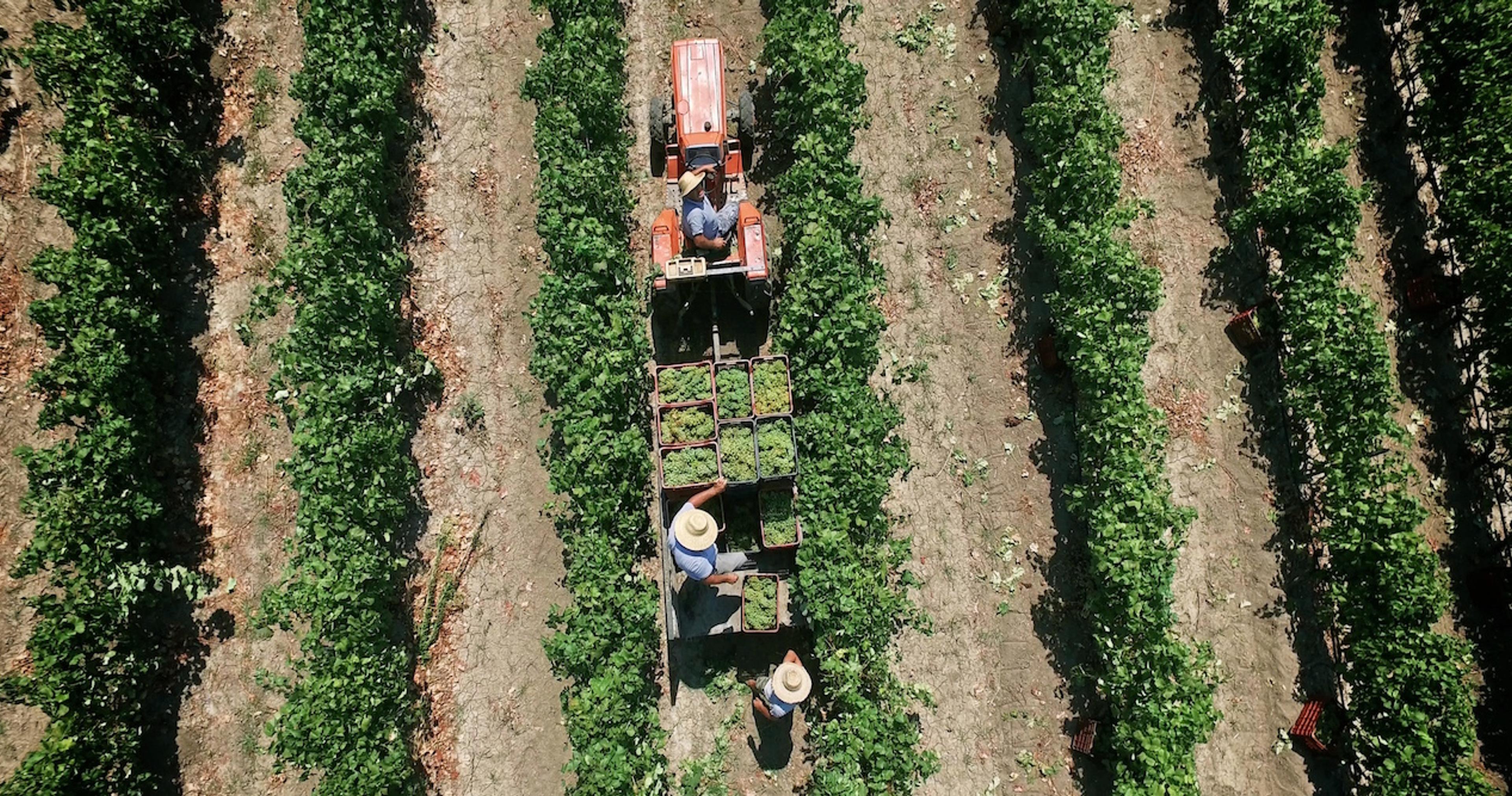

Greece is awash with interesting local varieties such as Assyrtiko, Malagousia, Kydonitsa, Vidiano, Xinomavro Agiorgitko and Mavrotragano – grapes that even knowledgeable drinkers will be unfamiliar with.

Crisis? What economic crisis? Thessaloniki on a Tuesday evening
There are few signs of Greece’s economic crisis at the trendy Olympion restaurant in Thessaloniki’s buzzy Aristotoeus square. It is full – like other nearby restaurants and bars – even though it is Tuesday evening, whilst locals wander along the nearby waterfront to the landmark White Tower, chatting and laughing, apparently unconcerned about the government’s latest refinancing of the country’s vast external debt.
A glance at Olympion’s wine list suggests things are also not what you might assume – especially if your initial impressions of Greek wine were formed before the late 1990s.
In place of that old stand-by Demestica (“kills all known germs dead”, we would joke) there are pages of varietal wines including Assyrtiko from Santorini, Malagousia from nearby, Moschofilero from the Peloponnese (skin and non-skin contact) and unexpected local takes on such varieties as Gewürtztraminer and Tempranillo. Old favourites have had a makeover too – in place of the Retsina we loved to hate, there is a delicious, spritzy Pet Nat Retsina produced by Kechris.

Hallgarten and Novum’s Steve Daniel
“The modern Greek wine story is a very new one, starting in the mid 1990s and reflecting mainly advances in technology, but also older vine age and better knowhow. This has enabled winemakers – many of whom learned their craft abroad – to come back and make the best of Greece’s local varieties,” says Steve Daniel, senior wine buyer at Hallgarten & Novum Wines.
It isn’t just the on-trade who are waking up to Greece’s potential. Just about every quality newspaper with a wine column has highlighted Greek wines over the past few weeks, whilst the off-trade is also waking up to the potential. Specialist importers like Southern Wine Roads have carved out a niche specialising in boutique producers often from some of the lesser known Greek islands and regions. And the Wine Society now imports some 13 wines and maintains that the quality of Greek wines generally has never been higher.
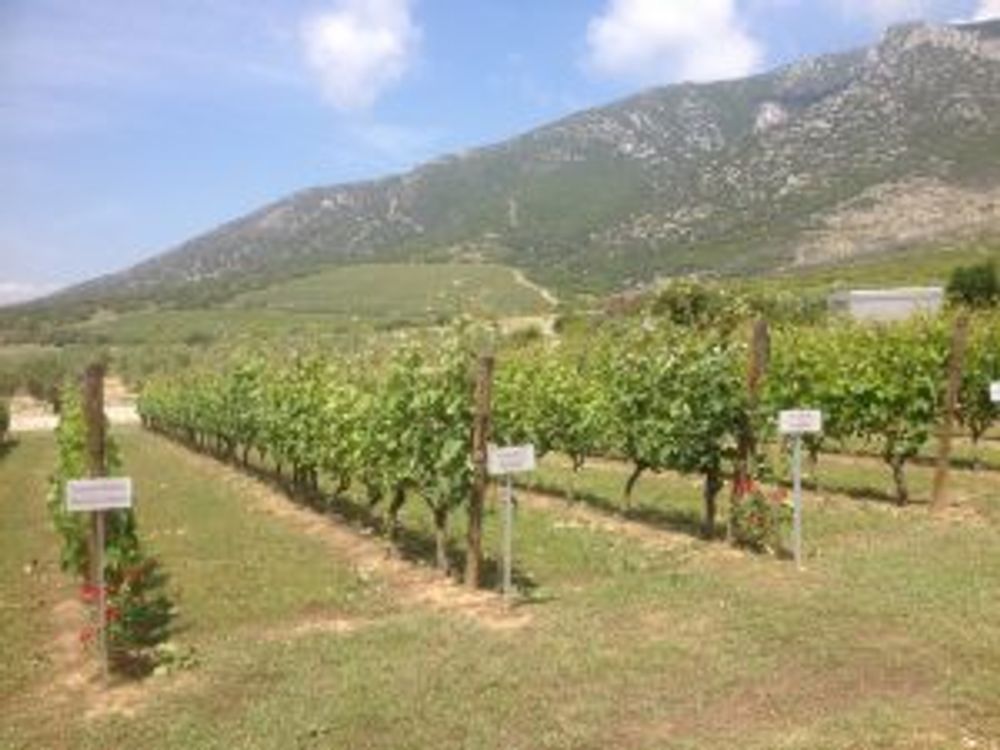
Indigenous varietals planted out at Ktima Gerovassiliou
“Quality is being driven by independent producers with limited production who export successfully most of what they produce…Most indigenous grape varieties are made extremely well by a handful of growers who show the way to others,” says Sebastian Payne, senior buyer for the Wine Society.
The transformation has so far been mainly a ‘whites’ story, led by mainly small and medium sized producers – typically making between 500,000-800,000 bottles – although ‘reds’ are getting better with winemakers getting a better grip on what works and what doesn’t.
Saved from near extinction, Malagousia is getting to be the next big thing in Greece
I started my odyssey in Macedonia in Halkidiki, with a visit to one of the countries’ most respected producers, Ktima Gerovassiliou. This winery was first established by Evangelos Gerovassiliou just over 20 years ago and is today around 72 hectares, making around 450,000 bottles and ten commercial labels.
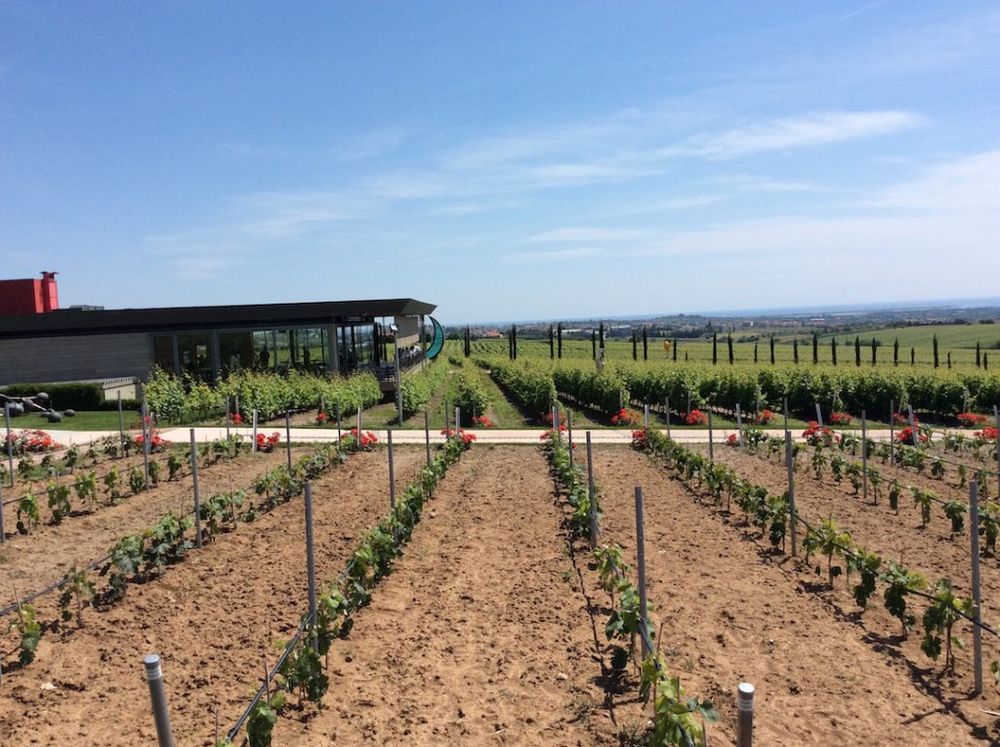
Ktima Gerovassiliou
The soil here is mainly sandy with some clay, with the grapes helped by a delicious sea breeze and some elevation. Evangelos’ son Argi is now senior winemaker and he has focused on indigenous varieties – which make up some 70% of what is planted. Some Assytriko is produced, along with red Limnio – maybe the oldest Greek grape variety – Mavrudi and Mavrotragano (which means black and crunchy). However the big focus here is on Malagousia, which Evangelos Gerovassiliou revived from near extinction: this variety is well-positioned to become the next big thing in Greek wine.
“Malagousia has a really good future ahead of it. I’ve never met anyone who doesn’t like this low acid variety whereas quite a few find Assyrtiko too austere,” says Daniel.
At Gerovassiliou, Malagousia now accounts for some 45% of plantings, appearing in the flagship single variety wine and a blend, the Malagousia/Assyrtiko Estate White 2017. Both are delicious, with the single variety offering a full palate of peach, pear and grapefruit flavours, with 25% oak ageing allowing the full breadth of the wine to come across.
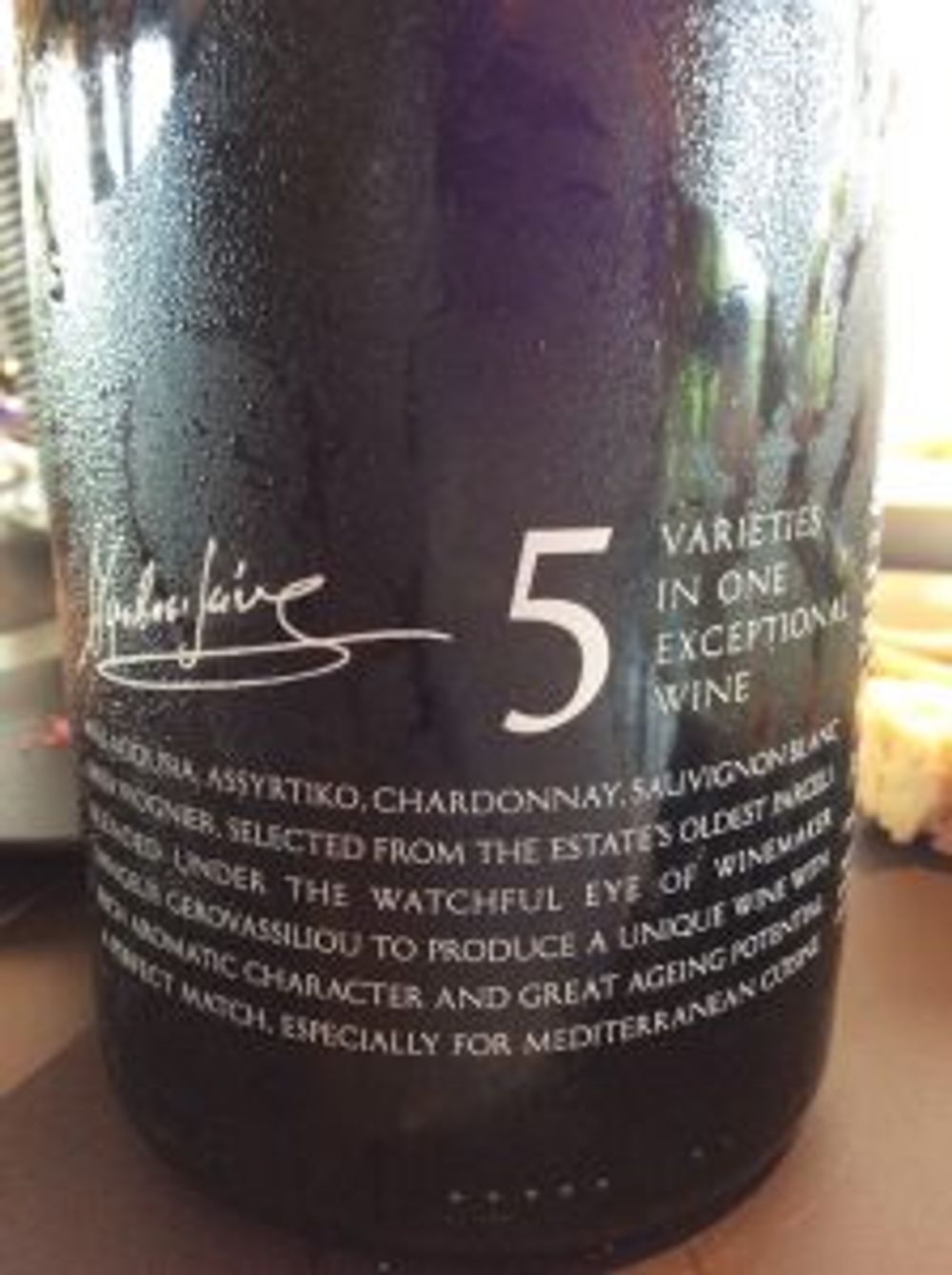
Gerovassiliou also produces two other full-on white wines, a delicious oaked Viognier and a lightly oaked, age-worthy Chardonnay, as well as a wine available only at the winery: Museum, a complex, busy blend of five different local and international varieties. The other wine to try is the red blend Avalon, which successfully marries Limnio, Mavrudi and Mavrotragano although the 2013 vintage I tasted could do with more time.
Wineries are investing in quality and innovation
My next stop was at Ktima Biblia Chora, some 100 kilometers east of Thessaloniki towards Thrace. This modern winery was established in the shadow of Mount Pangeon in 2001 and now makes 650,000 bottles of 13 different wines, on 48 hectares with another 30 rented.
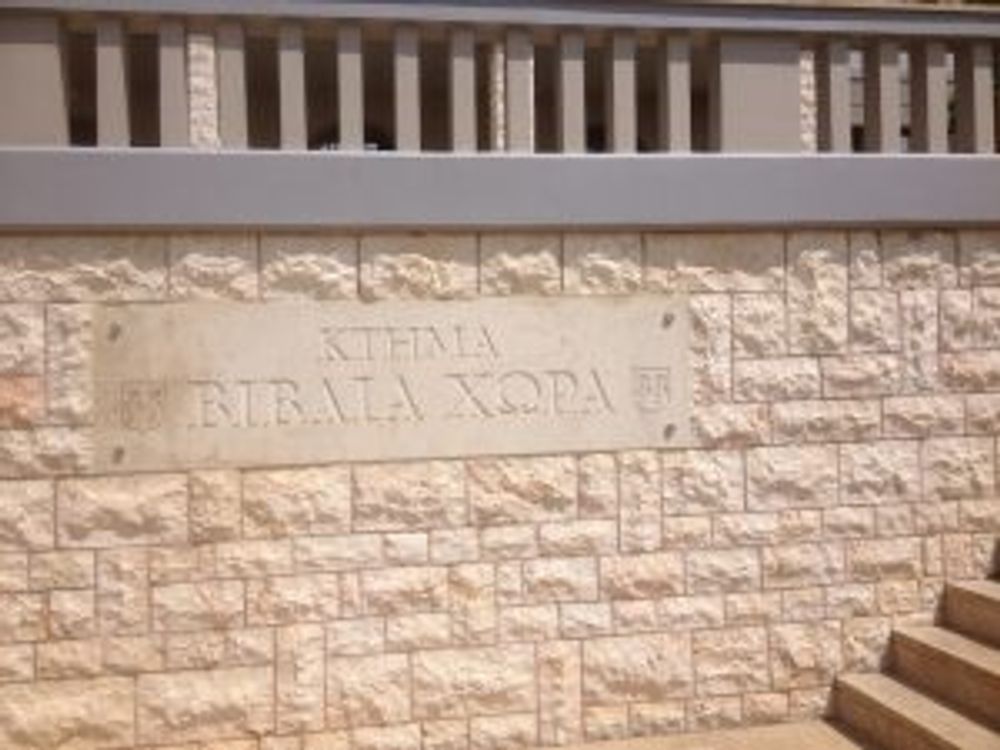
“We’ve been experimenting with dozens of varieties both Greek and international, the plan is to see which ones perform best in the clay and loam soil. Those that do, have to prove themselves as wines for several years as IGT wines before getting official PGI status which allows them to be sold as estate wines,” says Biblia Chora’s German export manager Annegret Stamos. Fully organic, the winery benefits from nearby sea breezes and, at night, the winds from nearby Mt Pangeon the second highest mountain in Greece after Mt Olympus.
Ktima Biblia Chora, like so many other wineries in Greece, has seen lots of investment in tanks, barrels and a modern bottling line. The wines are very modern with one of the flagships the Ktima Biblia Chora white, a 60/40 Sauvignon Blanc/ Assyrtiko blend, becoming one of the best selling wines in Greece – hardly surprising given this is a good marriage of varieties with plenty of backbone and acidity.
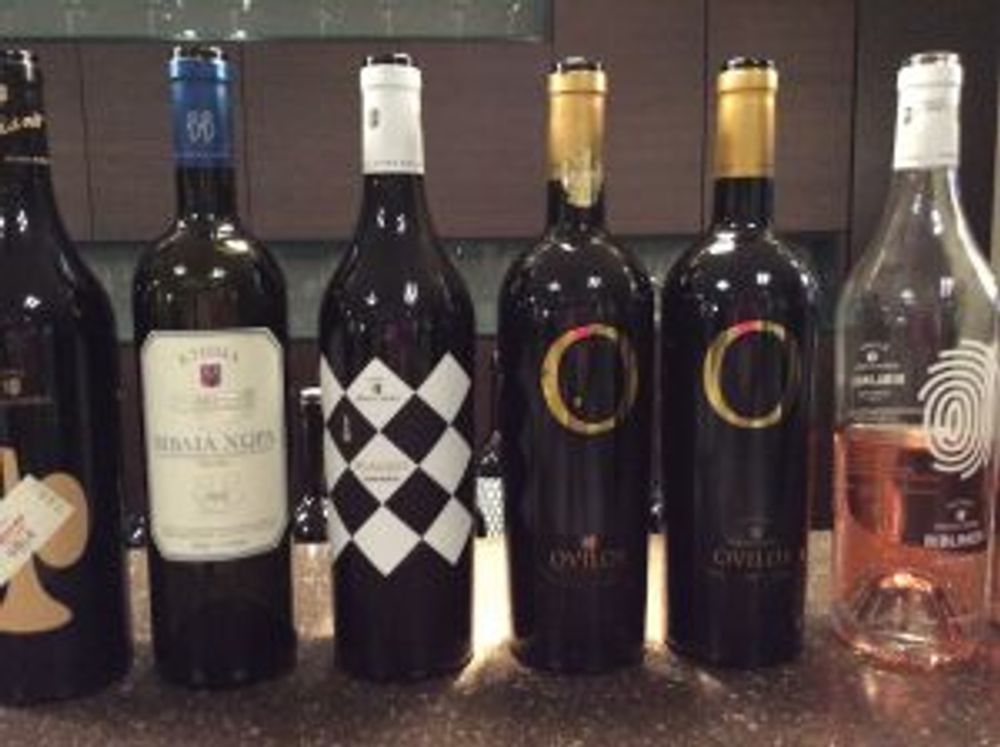
More to my taste is the Ovilos White, an equal blend of Semillon and Assyrtiko. 2017 very fresh and accessible whilst 2012 very much settled down, both good. For me the real star here was the Areti white 2012 Assyrtiko which has allowed the harsh acidity to soften and mature. A delicious take on this sometimes difficult variety and one that allows its full potential to become clear.
The last few years have seen an up-tick in the fortunes of premium wine producers in Greece ironically largely prompted by the economic crisis which made finding export markets vital, as Greeks curbed their consumption. Despite this, Stamos admits that she worries for the future.
“Things really have gotten tougher since the economic crisis hit. Life before was good but now all the young qualified people have gone. That can make it difficult to plan for the long term here,” she says.
Hopefully things will improve as Greece’s economy slowly starts to recover after nine years of contraction – last year saw positive GDP growth of 1.4% with another small up-tick expected this year. If so, winemakers are well placed to build on the modest revival in confidence by further prioritising quality and innovation.
More evidence why Greek wine is at a crossroads
Steve Daniel of Hallgarten & Novum, which imports the above two producers and many others, believes the industry is at a crossroads, as more consumers become aware of the quality and diversity of Greek wine. He says that most of Hallgarten’s customers for Greek wines tend not to be just Greek restaurants but high end restaurants with sommeliers.
You can see why. The two wines that Hallgarten imports from the Monemvasia Winery in the Peloponnese – especially the Monemvasios 2008, a blend of 90% Agiorgitko and 10% Mavrudi and the Sauvignon Blanc-like Kydonitsa 2106 – are, in a good way, like wines you might have tasted 30 years ago in that they have full-on fruit intensity but pay close attention to the variety’s flavour characteristics.
Even more appealing for its sheer freshness is Ocean, a delicious, light (just 12.5% alcohol) but full flavoured wine made by the Idaia Winery from 100% Thrapsathiri (no, me neither, but this delicate lightly perfumed variety made in mountainous lime-clay terrain is well worth trying).
“There are lots of interesting varieties which even relatively knowledgeable drinkers will be unfamiliar with,” says Daniel. “Aside, of course, from Assyrtiko and Malagousia, these include Kydonitsa from the Peloponnese and Vidiano from Crete; amongst red varieties, Xinomavro in the north, Agiorgitko from the Peloponnese are the obvious varieties although producers are increasingly working with lesser known ones including Mavrotragano which is doing very well outside its native Santorini.”
“Many of these are increasingly well-positioned to become better known outside Greece’s borders.”
Details of the wines from Ktima Gerovassiliou and Ktima Biblia Chora, and other wines, can be found at www.hdnwines.co.uk