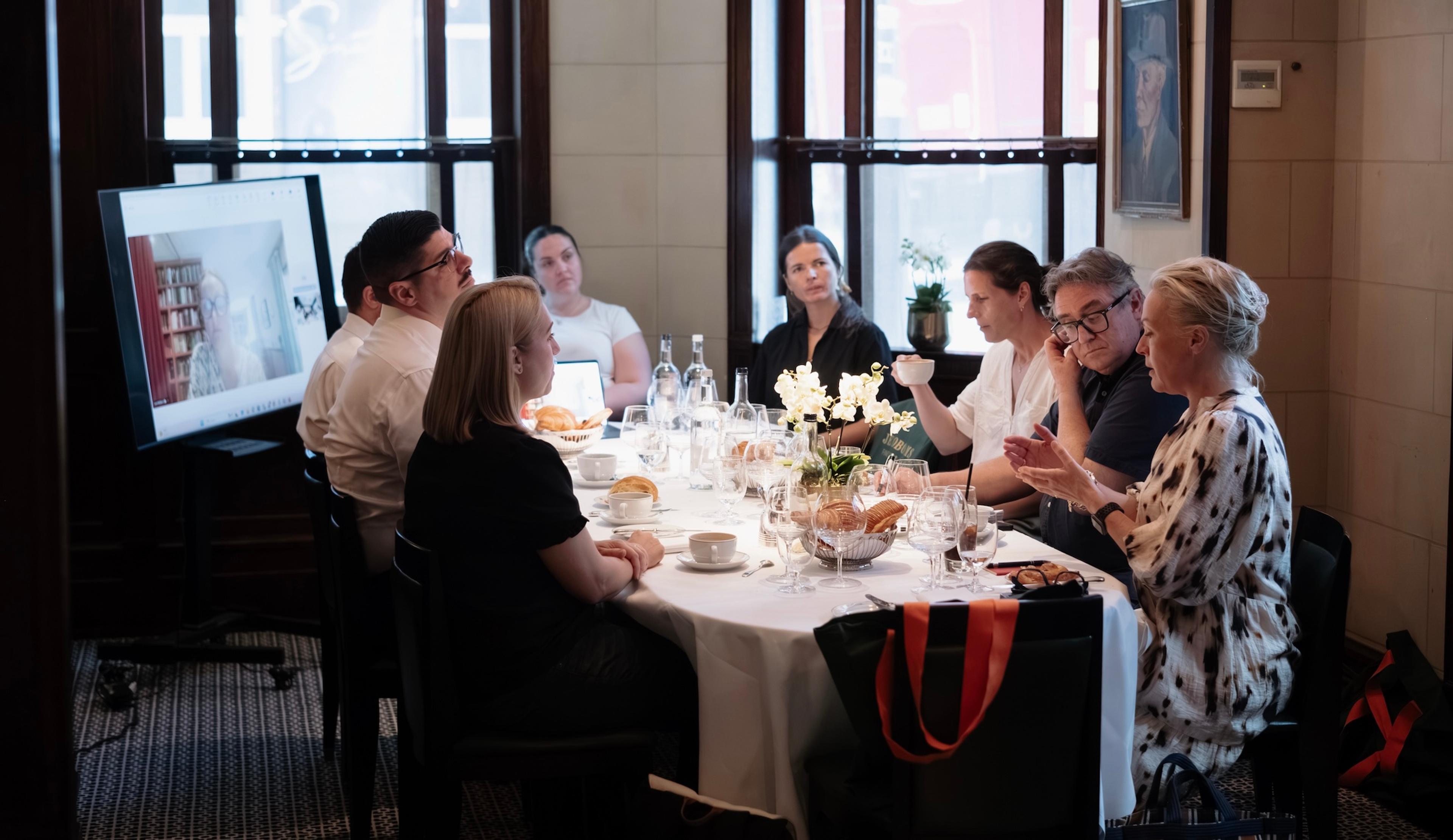

How does the old saying go? A problem shared is a problem halved. Well, that is what came to mind whilst hosting the recent Jeroboams on-trade debate with leading hospitality figures, head sommeliers and wine buyers.
Lucie Parker, sales director for Jeroboams, helped set the scene by saying this was an opportunity to have a “candid conversation” about the collective panel’s understanding of the key challenges and opportunities they face in their respective roles.
A chance to explore the real pressures they are facing on the restaurant floor and in pubs and bars across the country. But also a platform to share the positives too when it comes to driving wine sales across the premium on-trade.
To help do so Jeroboams Trade was able to bring together a number of its key customers alongside other key voices within the trade.
The panel
Victoria Sharples, restaurant wine buyer,Victoria’s Wine Secrets.

Luigi Conca, head of wine, Corrigan Collection.

Fabio Monteiro, head sommelier, Restaurant 1890 Gordon Ramsay.

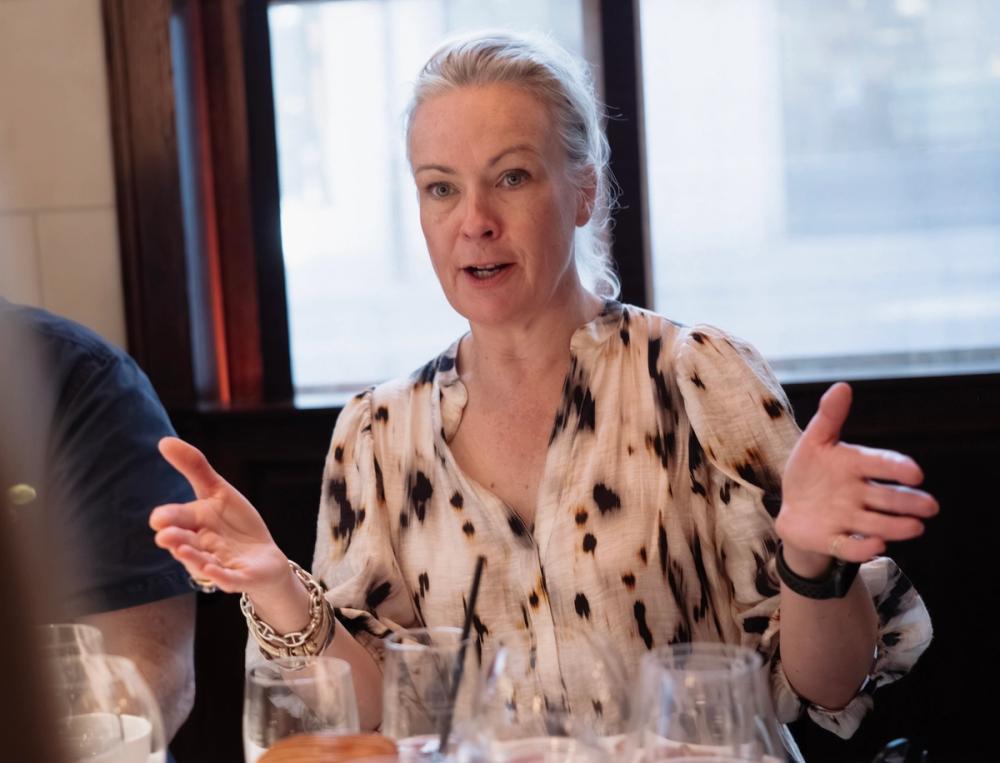
Lisa McBain, head of wine,Fuller, Smith & Turner.
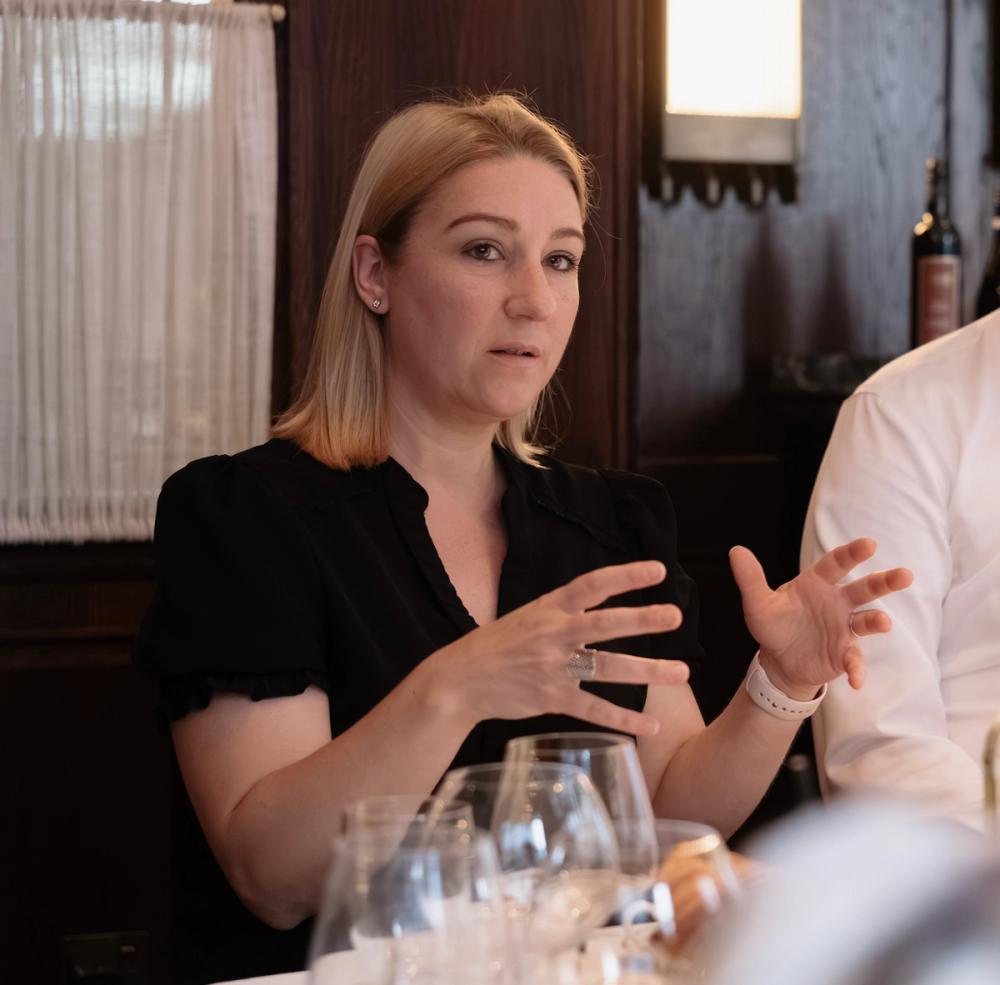
Anne Roque, commercial manager,Coravin.

Lucie Parker, sales director Jeroboams Trade
A polarised market
The first issue the panel was keen to discuss was just how bad - or even good - the situation is across the premium on-trade, particularly in the face of so much news of restaurant and pub failures and operators having to deal with increased costs across the board.
Fabio Monteiro says the market is definitely a lot tougher, even for Restaurant 1890 - a Gordon Ramsay Michelin-starred restaurant - the venue is still recovering from what was an unexpected “ drop off in covers” - at the start of the year.
The rest of the year, he adds, has been like a “rollercoaster” with big changes in bookings from one week to the next which makes it hard to plan.
“Last week we were full every day, this week we are very quiet,” he says.
Luigi Conca says it is fortunate that across the Corrigan Collection’s group of restaurants 70% of guests are regular returning customers. But even with a loyal client base he has noticed a decline in how much people want to spend compared to a couple of years ago. So rather than a group of people buying four or five bottles they are now sticking to two.
Lisa McBain says Fullers is more fortunate than others as it has up to 350 mostly premium venues across its estate that are designed to appeal to as wide a range of customers as possible - be it its London, City and urban sites versus its destination and suburban outlets. Hence it is better placed to ride out big swings in demand and sales.
The good news, she says, is “our pubs are full” and where Fullers is able to focus in on what she calls the “quality up-serve” the team is able to encourage guests to not just order their default option, but trade up to other styles of wine that are seen as a “low risk” option to take.
“That is where we are really focusing our hearts and minds on and move them up the scale,” she adds.
Wines in demand
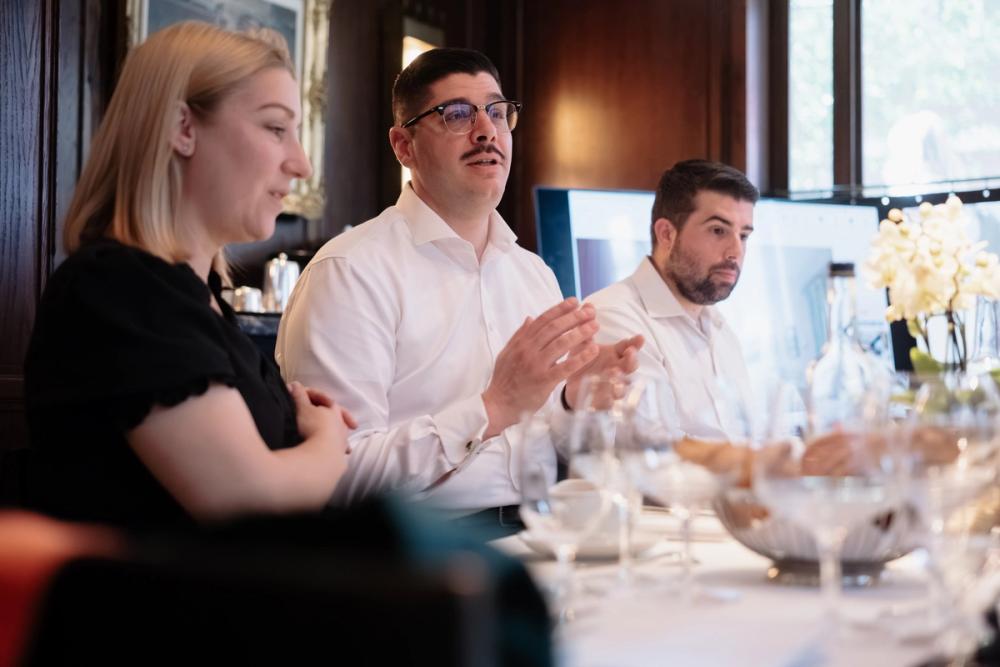
Luigi Conte says sommelier teams are having to work harder with their customers to find the wines they want
What guests are choosing to buy has also changed this year, says Conca. Even amongst those guests he knows have fine wine collections at home, they are not interested in ordering and drinking those styles of wines when they are out.
Instead the trend is very much towards choosing “easier to drink, approachable wines” - particularly amongst its younger customers.
“It is very difficult now to find someone who is looking to order an older wine,” says Conca.
Monteiro says Restaurant 1890 attracts a lot of Asian and younger customers who are looking for an experience and “a good time” from their visit. So when they are confronted with a 700 plus bin wine list it can be a bit overwhelming.
It is, therefore, up to him and the two other sommeliers in his team to work hard, where appropriate, to suggest braver and perhaps more interesting choices for them.

Fabio Monteiro: "We try and understand the guest and bring them something different"
“The sommelier’s job is to work with the guest and make them feel comfortable. We try and understand the guest and bring them something different and help them taste things they would not usually taste and open up the world for them. Otherwise people will order the same Provence rosés, Gavis, Vermentinos, and Chablis,” he explains.
The team will also always promise to replace and take away the bottle if they don’t like what has been recommended, he stresses.
White vs red wine debate
The demand for easier-to-drink, more approachable wines has also resulted in more white wines being sold than red, says Conca. Even when eating some of Corrigan’s classic meat and game dishes, some guests will prefer to order a white wine, he adds.
Victoria Sharples, who has also seen the switch to more white wine sales, argues it might also be down to the fact that too many red wines on restaurant wine lists have been “old fashioned and heavy” to drink, full of tannin and just not that accessible. When people are ordering red wines they are turning more to lighter Pinot Noir styles, which has helped drive the demand for chillable reds, she adds.
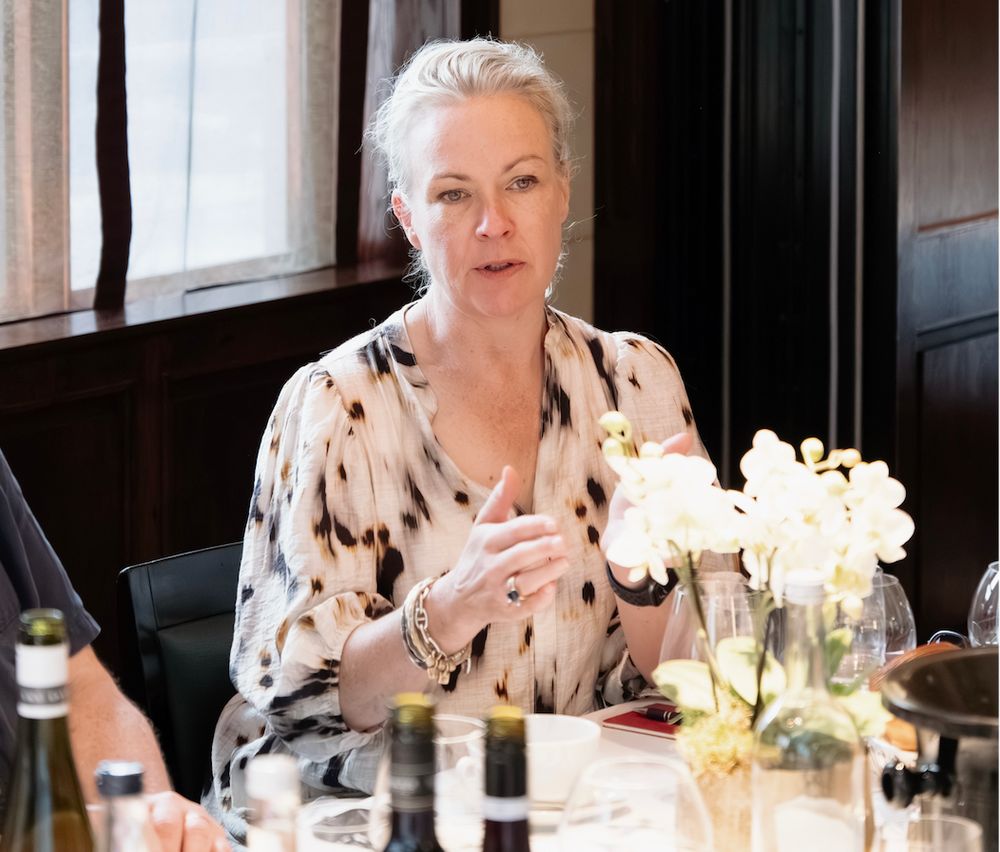
Victoria Sharples says too many wine lists are stuck in the 1990s
“There are so many restaurant lists that are still stuck in the 1990s with big red wines. The heavier the red, the less you drink,” says Sharples.
“There is a massive trend towards white wines,” agrees Lucie Parker. “We’re seeing consumers increasingly favour fresher, more approachable styles, particularly in the on trade. Alongside established favourites, there is also growing interest in emerging and and less familiar varietals. For example, we’ve seen increasing demand for Assyrtiko and Malagousia from Greece, which offer something distinctive while still being highly accessible.”
Parker adds: “At the same time, when consumers do choose red wine, many are gravitating towards lighter styles. Our ‘Chilly Red’ is a great example of this trend, offering an approachable, made-to-chill red wine that appeals to red wine drinkers looking for something fresher and more versatile.”
Winning hearts and minds
McBain is less influenced by whether the trend is towards white or red, or by how accessible a wine is, and more by what it actually tastes like.
“Every mouthful has to taste really yum and it has to be flavoursome and lovely and delicious and people want to have another glass,” she says.
It’s why she thinks there is so much opportunity for the on-trade to be selling ever more interesting and exciting wines by-the-glass at more premium price points
“Wine really overdelivers when you start moving towards that £10 to £13 a glass and it is those wines you know you are going to delight [our guests with]. That’s what we have got to do. We need to capture that audience of potential wine lovers. We just need to win hearts and minds again with really banging wine and a really good price point.”
Fuller’s even has around 10 premium sites that is now able to sell ultra-fine wines with bottles of Opus One and Petrus on the list, she says. “Those are the customers who will come in and say they have £500 and ask what we have got.”
Parker says it plays into the idea of people wanting to have “an amazing experience” when they do decide to go out - which might be less compared to a few years ago, but might count for more when they do.
“They want to try new things, so they can tell their friends that they did this or that. It just feels more special than saying ‘I went to the pub and drank the same things I always do’. That’s not good enough any more,” she adds.
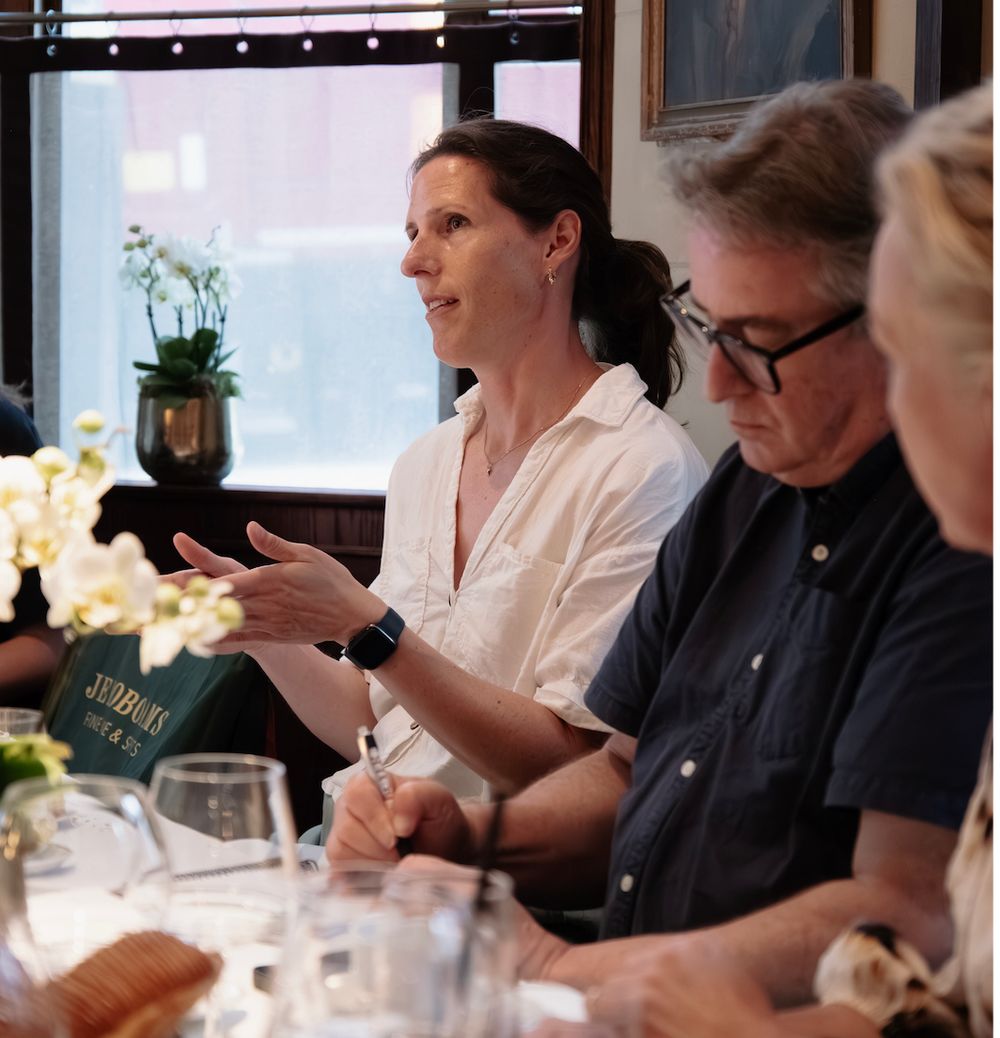
Lucie Parker says it is imporant for a wine merchants and supplier like Jeroboams to be constantly refreshing its range and surprising its customers
Which is why it’s vital for a supplier like Jeroboams Trade to be constantly trying new wines in the market.
As she explains: “I think there is definitely that experimentation piece where you bring something in, you trial it and if it works then great, and if it doesn’t, you take the learning from it, understand why it didn’t resonate and move on to something else.”
Parker adds: “We also respond to customer demand, so if people ask us for particular wines, we’ll go out and source them. Those requests often give us a good indication of where tastes and market interest are heading, helping to shape what we look at next. It means our portfolio is constantly evolving and allows us to be as responsive as possible to what customers are looking for.”
Sharples says the issue is making sure “the gatekeepers” on the restaurant or pub floor are up for the challenge and want to make the most of the premium wine opportunity.
“I hear from sommeliers they just want easy wines on the list so they don’t have to spend time with guests,” she says. “But that’s your job. If you can’t spend time with your guests then it has to be by a by-the-glass programme.”
Conca says he does not understand sommeliers who “want to make their life easy” and “just sell Gavi di Gavi by the glass”.
How to make a good wine list
When it comes to designing an overall restaurant wine list Sharples says it is vital you understand the needs of the venue, what its commercial targets are, the style food and what sort of service it offers and, of course, the target customer base.
Then it is about sourcing “interesting wines that are not everywhere else” and, for her, not including wines that you can also find in retail - even though that is a growing trend in itself.
“For me it is always about what is in the glass and the flavours. It has to be interesting and delicious and you want another glass of it.”
McBain says she followed similar principles when she first came into Fullers and had the chance to review the range and quality benchmark it against the competition in the market.
She started by assessing the portfolio's highest-volume wines and, in some cases, changing their source to ensure she was securing the best expression of each grape variety, while maintaining strong value for money for customers.
It meant, for example, switching the supply of its Merlot from France to Portugal in order to get the “juiciness I was looking for”.
“It’s not about mitigating costs, it has to come from quality and style,” she adds.
Flexible lists
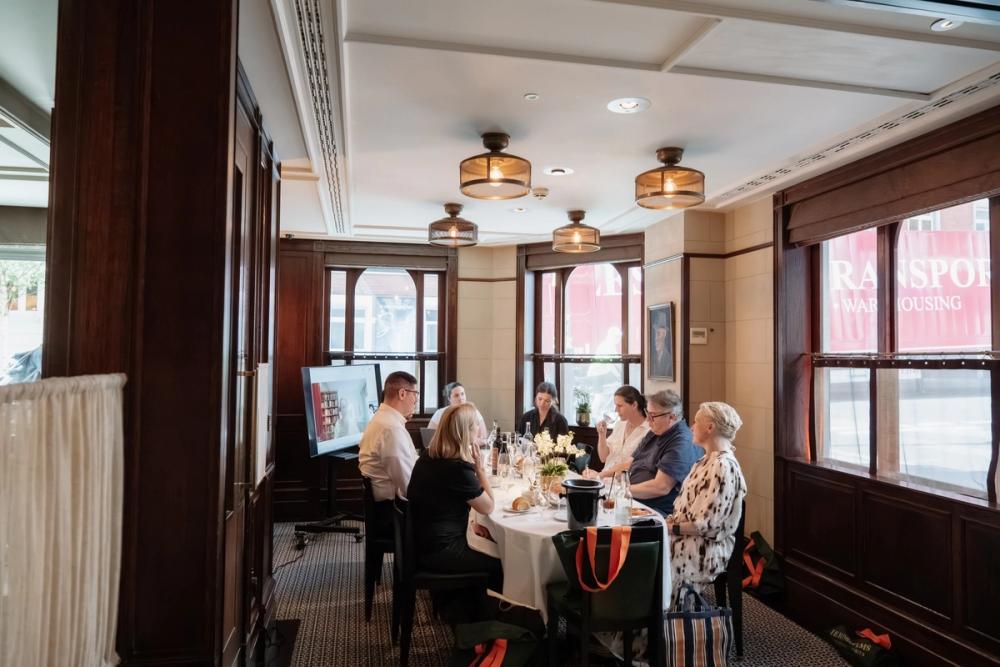
The Jeroboams Trade debate was a chance to get insights from buyers and consultants working on the front line of the premium on-trade
Conca looks to design his lists by the season and will choose wines he can remember drinking at a particular time of the year.
“That’s how you make your wine list interesting. Every season you change. Wine is all about memories,” he says.
Parker adds" “Across Jeroboams Trade and Retail, we often have customers asking for wines they’ve discovered on holiday, looking for ways to recreate those experiences. So, adapting a wine list to reflect the season and changes to food menus is a really good way of keeping things fresh and relevant.”
McBain says that is a lot harder to do for an estate like Fuller’s where you are having to plan changes to your big volume wines by at least a year in advance.
“I love the idea of being really agile, but in reality you have got pubs with stocks they need to sell through and you need to manage that with that. So it takes a least a year.”
Which, in turn, makes it hard when introducing new products and testing tank samples a year in advance, she adds.
There is, though, more flexibility at the high end of the wine list where McBain can be more reactive and can go out and source wines that “keep those customers engaged as well”.
But her day job is very much about “getting the every day pours right and then sprinkling in some really interesting wonderful wines alongside”.
That said all of Fuller’s pubs will have their “wines of the season” or “wines of the month” which allows them to shine the light on particular “discovery wines” throughout the year. It also gives every pub a clear focus on what wines their team needs to concentrate on.
“Then we have got a really nice campaign to actually track and see how successful it is,” she adds.
Making the business case for wine
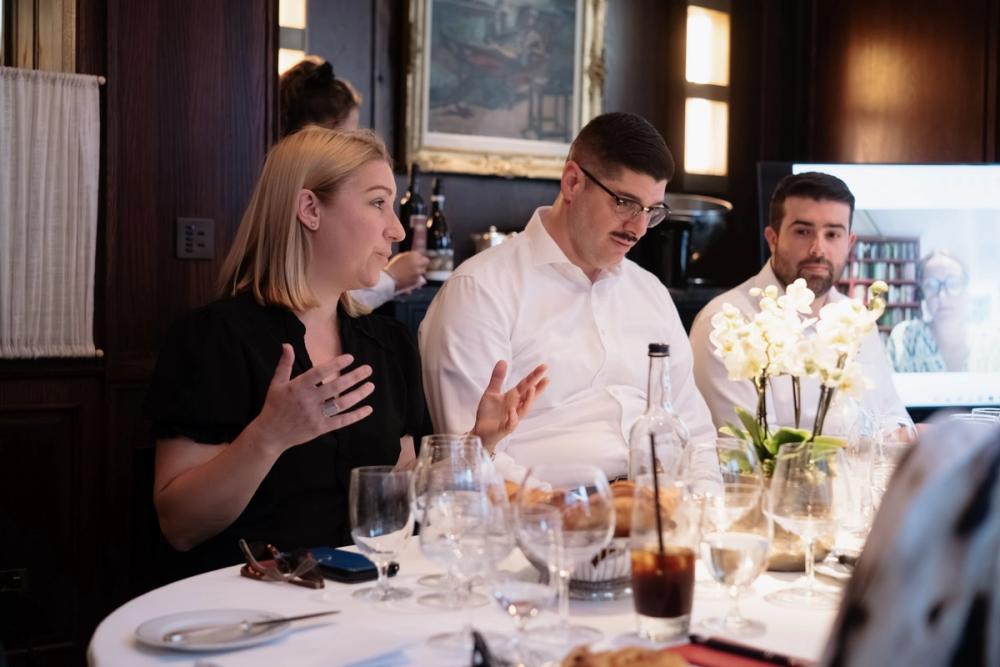
Anne Roque was able to explain how Coravin works closely with on-trade customers right across the hospitality sector to provide the right by-the-glass solution for their business
It’s great to have such a wide-ranging debate on all the positive aspects of wine in the on-trade, but there are too many venues that don’t put quality first and are driven more by managing costs and pushing volumes and there simply is not the opportunity, or even willingness, to engage with customers about wine, claims Sharples.
The challenge is “to convert the people holding the purse strings,” and to give their staff “the freedom” to explore and share their wines with their customers, she adds.
Anne Roque at Coravin says it is both a challenge, but also an opportunity for those working in wine in the on-trade to show to their managers and the teams selling the list just how valuable wine, can be to their bottom line.
It’s clear some business owners have forgotten, or don’t appreciate “the massive value you can add to their business by selling better wines and offering a better experience to their customer,” which has a direct impact on their bottom line, she says. Which is even more pertinent when there is so much pressure across the on-trade with increased trading costs.
That’s why, adds Sharples, it’s vital that sommeliers and those working in wine in the on-trade work harder to “really understand the numbers” so that they can make the business case for what they do.
You need be on top of the data so that you know “you have got good wastage numbers, you know your turnover and how long you are holding stock for,” she adds. “All of that information is so critical.”
It also makes the argument for investing in staff training “so that all management know about the wines”.
McBain says it would be great to get more data and insights from its suppliers who are best placed to be able to tell her what is going on in other channels of the trade, what are the trends in multiple or independent retailing that she can learn from.
Parker agrees that suppliers are uniquely placed to provide a broader view of the market: “Because we [Jeroboams Trade] works across so many different channels, we can often spot shifts in consumer behaviour before they become obvious in any one sector. Bringing those insights to customers isn't just about identifying trends, it's about helping operators make informed decisions on range, pricing and how they engage with their guests.”
“What are wine bars doing? What is it they are doing that we can learn from?” McBain asks.
That is far more effective and valuable knowledge, she argues, than using data that tells you what the other national pub groups are doing “as we are all doing similar things”.
Driving sales
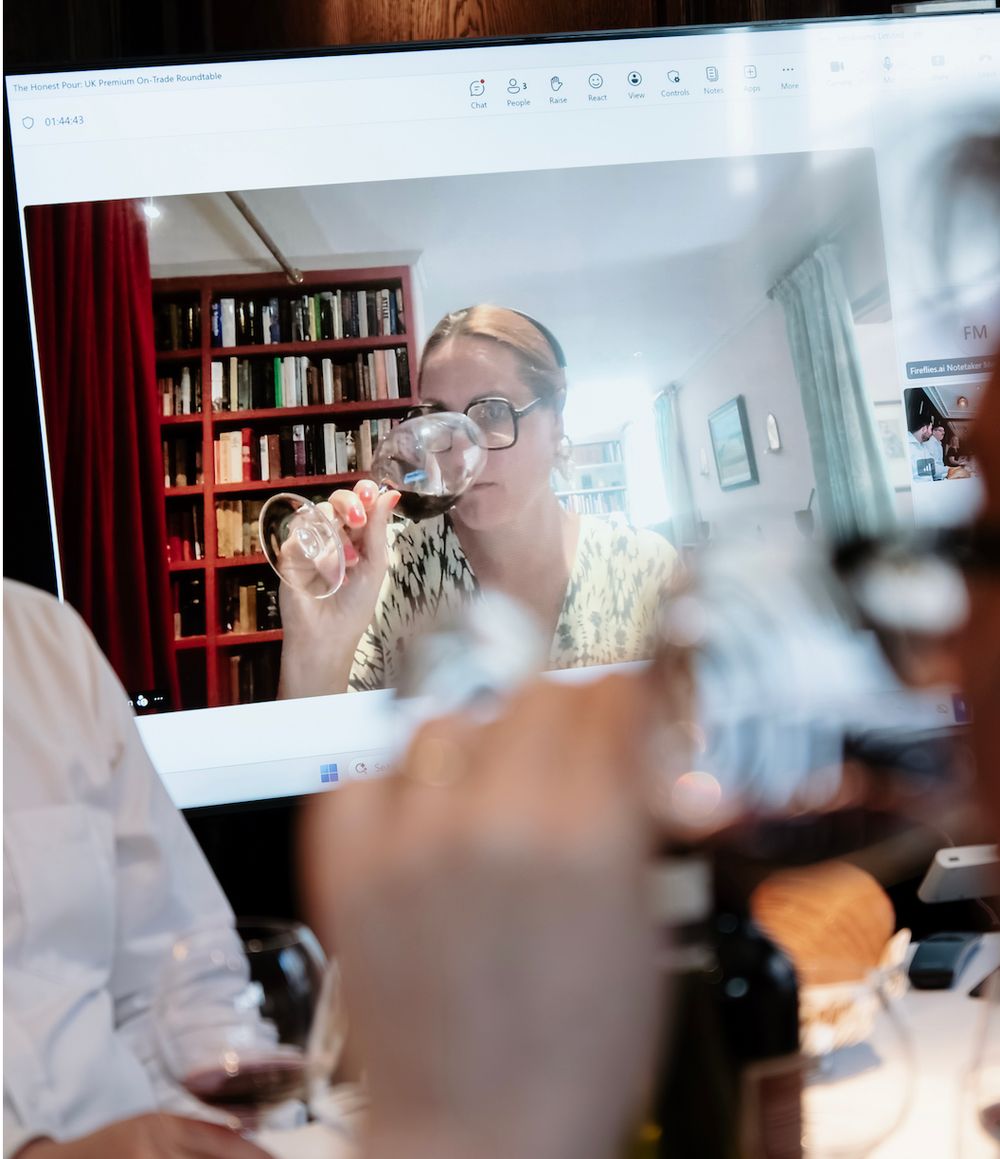
Fuller's Lisa McBain say incentive trips from suppliers and producers can really help build morale across its wine teams
For McBain it is all about how its suppliers can help drive sales in its business and any investment it gets all goes into the sales operation.
What works particularly well within Fullers are the incentive trips, funded by suppliers, that both help increase sales of new wines in the range, but also give its teams the focus to effectively compete with each other to go on a nice educational trip to an exciting wine region.
She would also like to see suppliers come to her with “more fun and exciting” ideas on what they can do together.
“These educational visits to wineries can really inspire team members, giving them stories and experiences they can share with consumers and helping to create a little more theatre on the restaurant floor.”
It’s about how can we create more ‘wow’ moments in our pubs. Like every Thursday only pouring from a magnum or jeroboam for two hours. We need moments in our pubs that are innovative, fun and really easy to execute,” she says.
“We need some ideas and we are really open to trialling them in 10 or 20 pubs and see how they land. We just need to bring a bit more excitement.”
McBain is also a big fan of sampling and running brand partnerships in its pubs that not only go down well with its customers, but can really help fast track a product into the market.
“Brand partnerships have been really critical and brilliant at driving growth,” she adds.
“They are easy to execute and we are working with people who are really easy to work with - that’s what it comes down to. They are your extended family at the end of the day. They are in and out of your pubs, they are training your team, and they are liked minded and understand where the pinch points are and are up giving stuff a go.”
Fuller’s has also been able to work with some English wine producers that has seen members of its team to go out and visit wineries, and enjoy “harvest experiences” and spend a day in the vineyards and see the whole production of wine for themselves.
“That’s been exciting and allowed our team to get really hands on with the products we are selling,” says McBain.
Do you understand me?
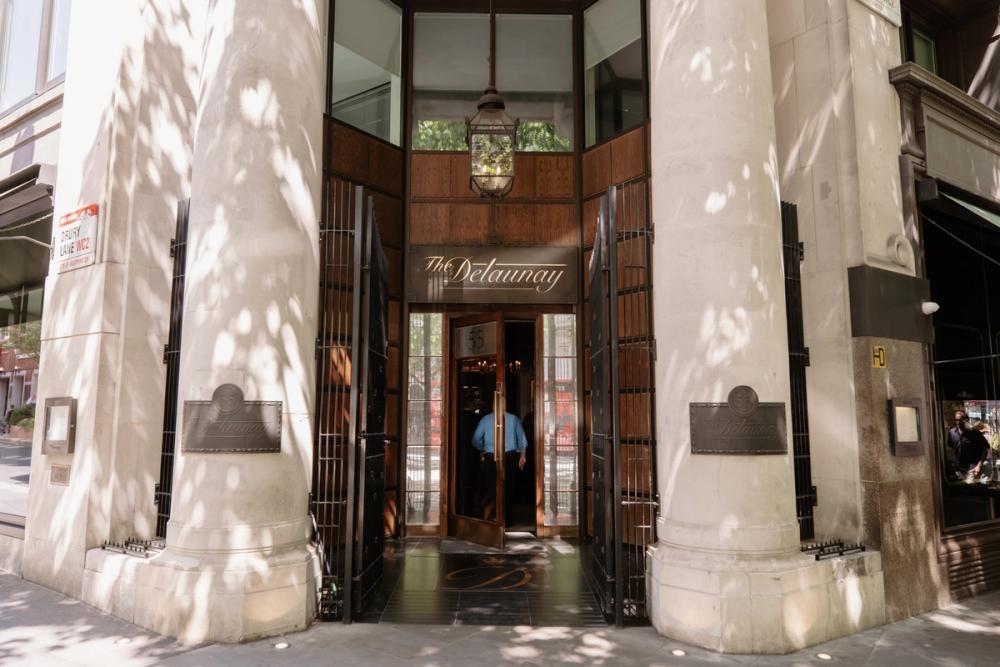
The Delaunay was the host for the Jeroboams Trade debate
Sharples says the key thing any supplier needs to get right is understanding what a business needs from them, as well as its tastes, customer base and commercial objectives. “
“They need to know what works for us and what doesn’t,” she says. “Don’t bring us an orange wine if our customers are never going to buy it.”
“There is nothing more frustrating than a supplier cold calling and not knowing who you are and what you need - or even if you have made an appointment,” she says. “There is a tendency to want to meet without having had a conversation first. It is really important to be clear to the supplier what your brief is and what you need. That way it is much easier to navigate, followed up by regular ‘don’t forget me type’ calls. Having that contact is important.”
She also says she works with a lot of suppliers because “they are critical and without them we don’t have wine lists”. They are also the people who are the closest to the producer, so should have the most technical knowledge about the wines as well.
The best supplier is the one that comes to her and says “Vic, you are not going to like this, but I think it will work with your clientele. That’s great”.
The big no, no is bringing her a wine that is on sale in an independent wine merchant around the corner that is getting a different pricing structure to her.
What sommeliers and buyers want
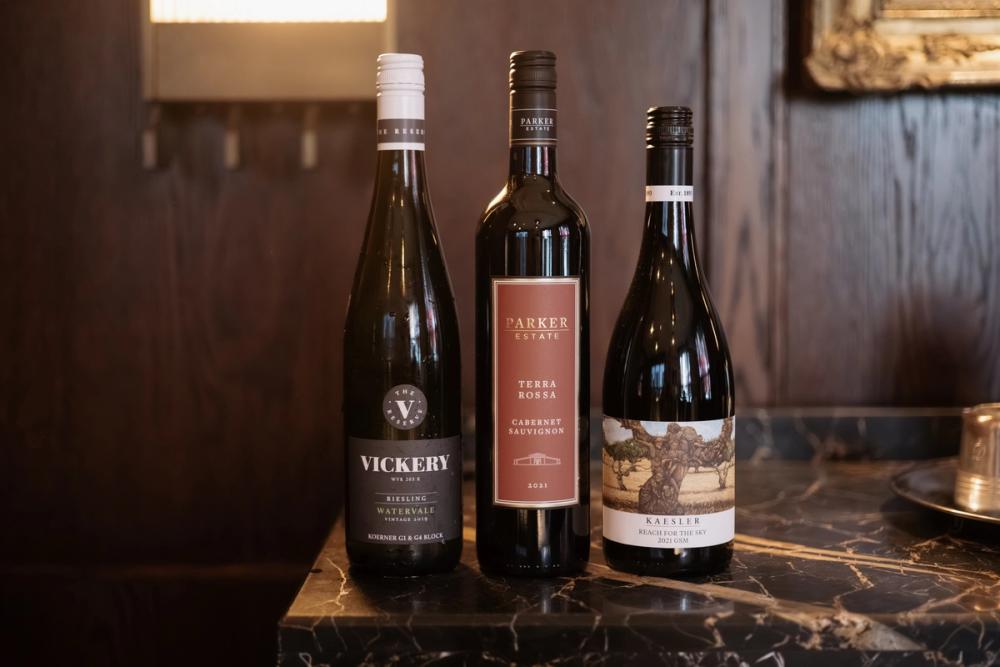
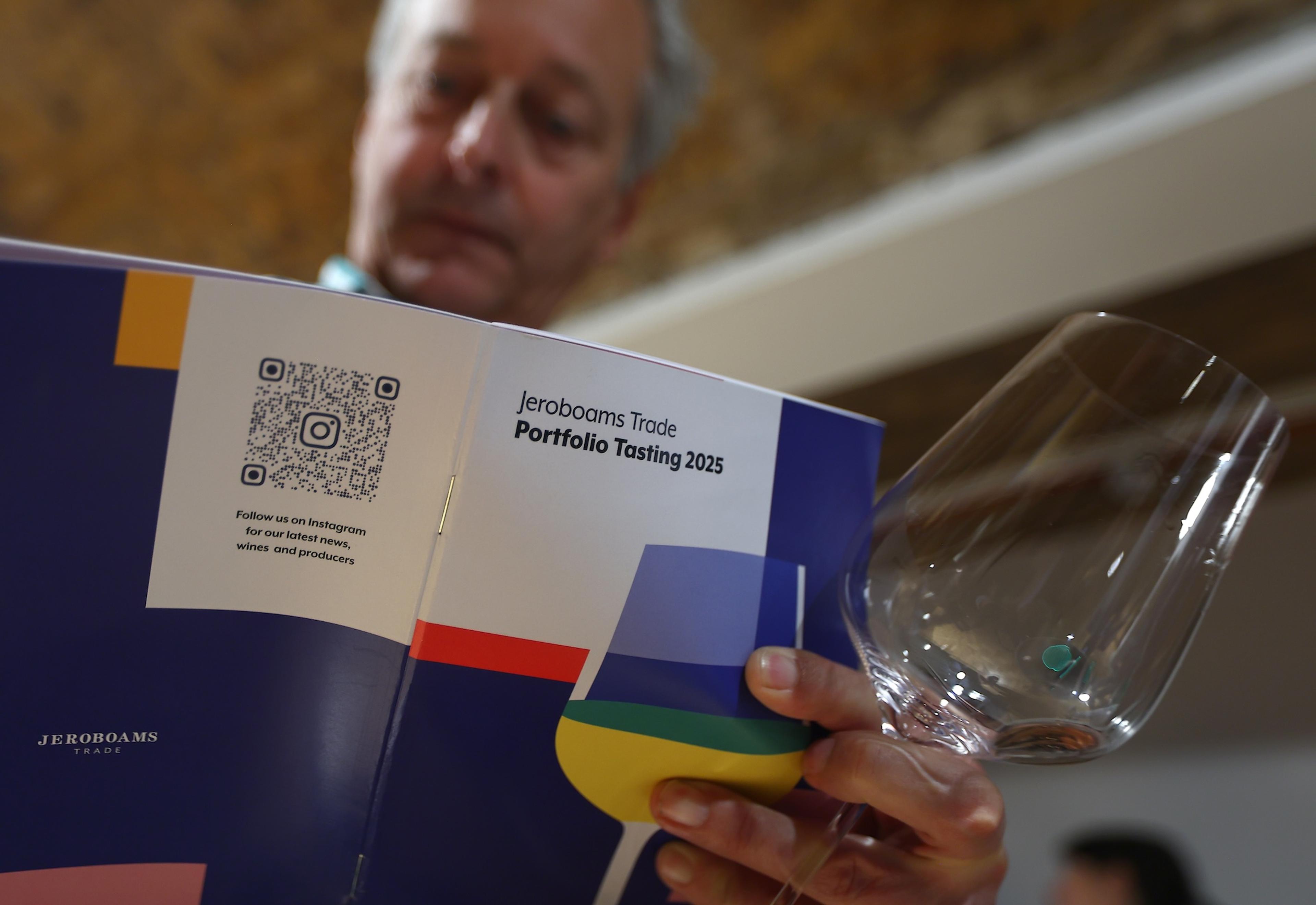
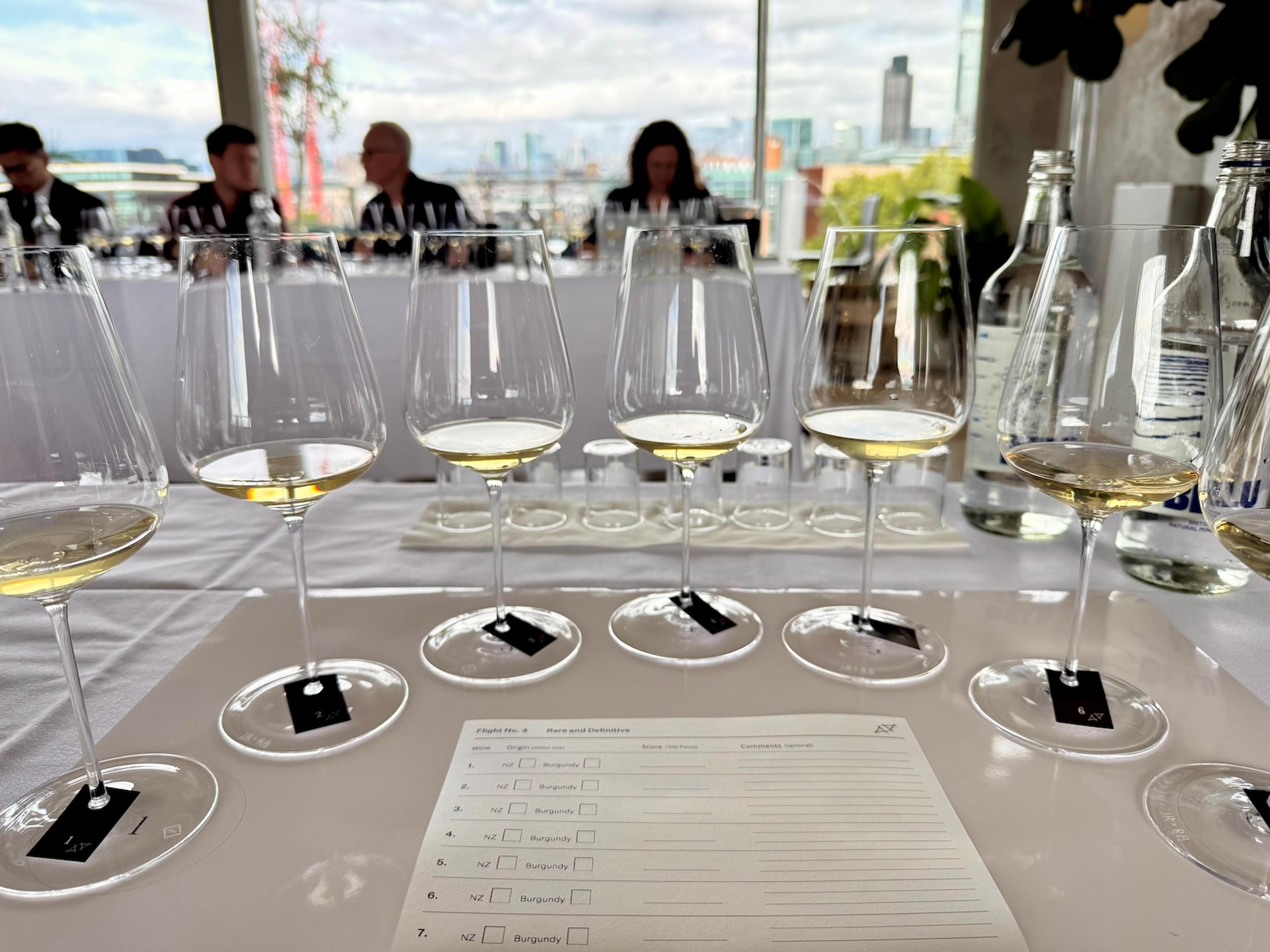
The buyers had a chance to taste some examples from Jeroboams Trade's range of wines
It’s why it is “so appreciated,” adds Sharples, when suppliers and their producers actually come to the restaurant to eat rather than turn up expecting to take you away from the restaurant floor to talk about their wines.
“I love it, 100%. If they support me, I will support them. If they want to organise a wine dinner I will make sure I am there to do it,” says Conca. “It’s become a much more important part of the relationship.”
It’s also why so many sommeliers and restaurants want to build long term relationships with their suppliers so that they know what it is you want and need. For example, he would much rather a supplier came to see him with just two wines to taste. Two wines the supplier thinks will work with his list as they know the restaurant and the business so well.
Both Conca and Monteiro agree it is the suppliers and producers that also offer staff training that really stand out. “It is extremely important,” says Conca.
Monteiro says the training always pays back in terms of extra sales as the team is able to “share the knowledge they get from the supplier or winemaker”.
It also helps them determine “which type of wines to buy” and “which type of producer is worth” working with or not.
Which in a sentence ultimately sums up the whole restaurant buyer, sommelier, wine importer and producer relationship.
* In part two of our report from the Jeroboams Trade debate the buyers analyse the ins and outs of running a good by-the-glass programme, the demand for different sized formats, the opportunity for wines on tap, the future of classic wines and what they see are the wine trends that are going to grow their sales in the year ahead.
* You can find out more about Jeroboams Trade here.