
When was the last time you drank an Italian wine made by a co-op? The truth is, you may not even have known it. Many co-op wines reach UK consumers through supermarket own-labels, leaving the producer invisible to buyers, while others don't usually use the word “cooperative” on the label.
Co-ops, at their simplest, are a wine-producing model in which growers, big and small, pool their resources and collectively own a winemaking facility. They usually hire winemakers and viticultural consultants, with profits shared among grower members. As they typically cover a larger vineyard area than an estate producer, they also operate at a very different scale.
With that scale often comes a prejudice about co-op wines being cheap and mass-produced. In Italy, as Vincenzo Aleterna, export manager of Cantine Birgi in Sicily, points out, trade professionals in the domestic market are even more biased towards co-op wines than those in the UK market.
Regine Lee MW, managing director at Indigo Wine, agrees, to an extent. Lee says co-ops are recognised in the UK for offering “great value for money”, particularly at entry level, but can suffer from a “gap in their storytelling” compared with family-owned estates. Above £12 to £15 trade price, she says, buyers want differentiation and a good reason for the wine to be on the list.
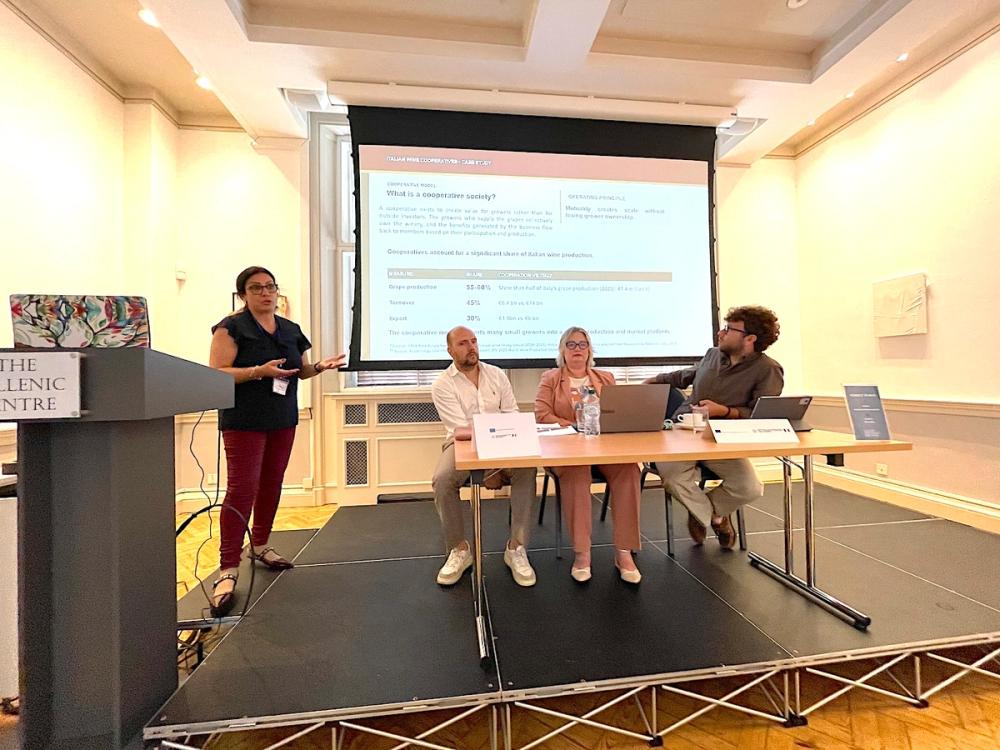
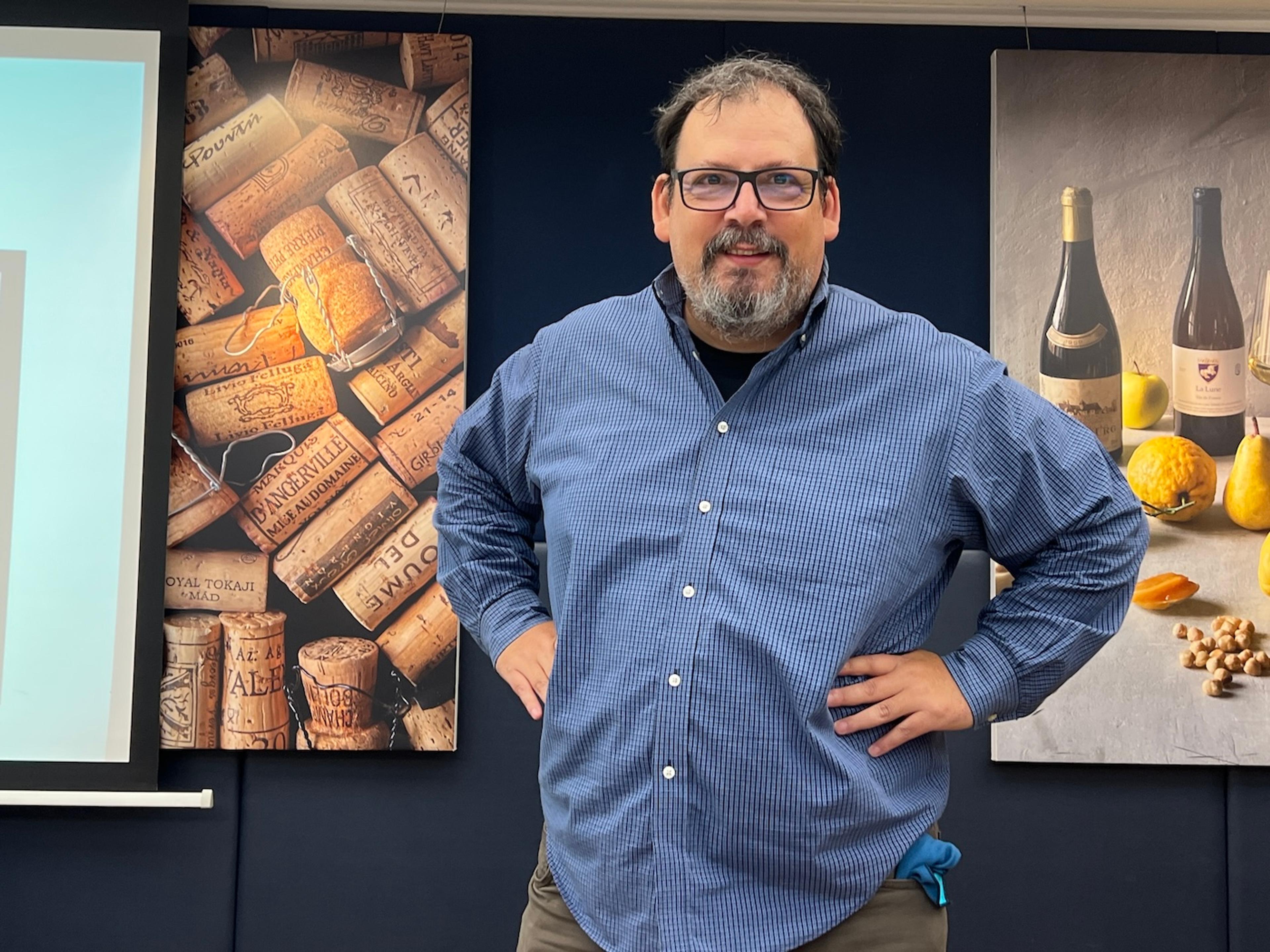
Giusy Andreacchio (l), a wine educator who organised and presented the Italian co-op-focused masterclass in London.
Sheer scale of Italian co-ops
Yet co-ops account for a significant share of Italian wine in the UK. Giusy Andreacchio, a wine educator who organised and presented the Italian co-op-focused masterclass in London in June, estimates that around £300 million of the £860 million worth of Italian wine sold in the UK last year can be traced back to co-ops. Italian co-ops now process around 60% of the country's grapes, with 459 co-ops representing some 136,000 grower-members and generating approximately €6.4 billion in turnover.
But scale does not automatically translate into commercial success. As Robert Joseph points out in his Substack article, many European co-ops are in financial crisis. While some dynamic co-ops are doing very well, he argues that the sector needs to become more commercially competitive.
Look beyond the anonymous labels, however, and the strongest case for co-ops' differentiation may in fact come from sustainability in its full sense: climate resilience, economic viability for growers and social stability in rural communities. Crucially, the three reinforce each other.
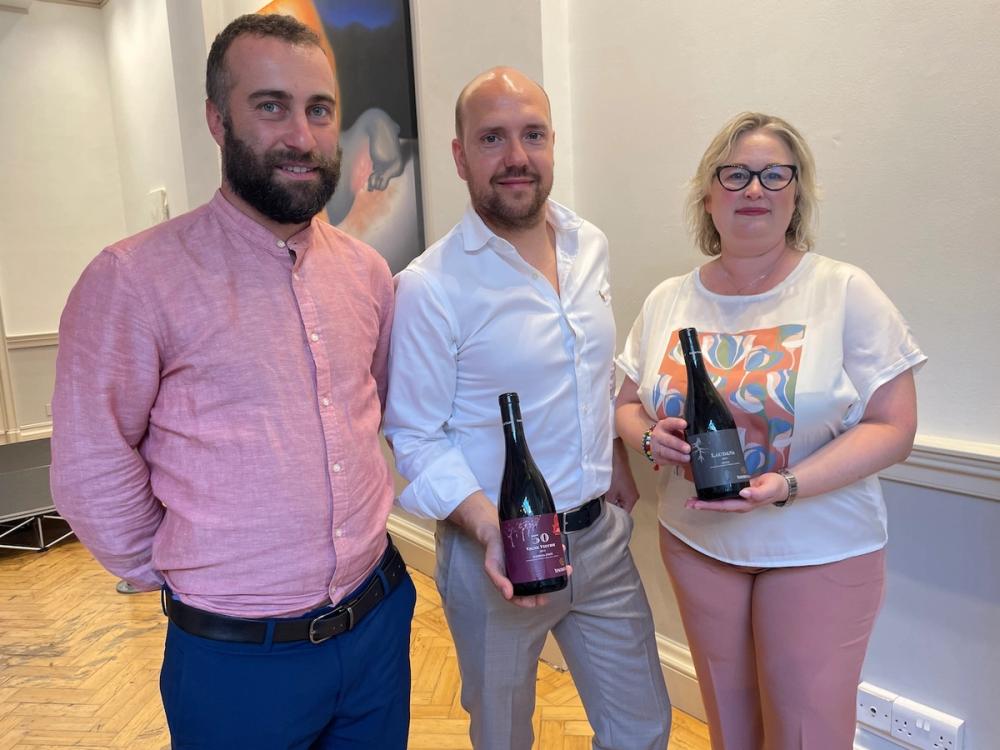
Marco Giordano (c), managing director of Vinchio Vaglio in Piedmont with the core team.
Bigger the better?
At Vinchio Vaglio in Piedmont, managing director Marco Giordano argues that large scale is in fact an advantage. Vinchio Vaglio farms more than 600 hectares across multiple sites, giving it a diversity of exposures, elevations, soils and microclimates. As Giordano puts it: “We are bigger, but this is also our strength.”
That diversity becomes increasingly valuable as climate change makes vintages more unpredictable. A vineyard position that is “wonderful” one year can suffer from too much sun the next, Giordano explains. With hundreds of hectares to draw from, the co-op can choose different plots each year according to the conditions. In this sense, scale becomes a form of climate insurance.
But the advantage is not simply having more grapes to choose from. Vinchio Vaglio has also moved away from the more uniform production model associated with co-ops in the 1980s, when grapes were often processed together into a small number of wines. Today, incoming grapes are separated into four different lines according to quality, allowing the co-op to direct the best fruit towards its premium wines while channelling other grapes into different products.
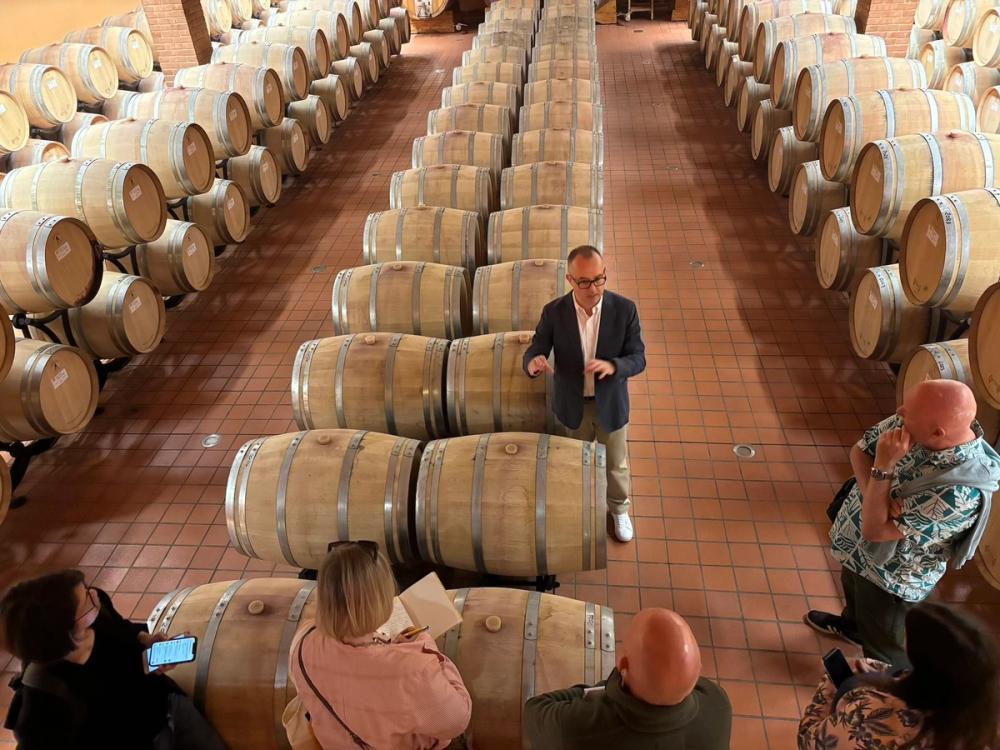
Sergio Bucci, general manager of Cantina Vignaioli del Morellino di Scansano
Investment in infrastructure
At Cantina Vignaioli del Morellino di Scansano in Maremma, resilience comes from decades of collective investment in technology and agronomy. In the early 1980s, the co-op's growers chose to reinvest in modern facilities with smaller tanks, laying the foundations for the technical capabilities it has today.
Vignaioli del Morellino di Scansano has developed an “Internet of Things” project in partnership with universities in Pisa and Siena. Weather stations and sensors across the territory collect data that is processed into predictive models. The system sends “prescriptive advice” to growers via their smartphones, including warnings about disease pressure and treatment timing.
During the exceptionally wet 2024 season, general manager Sergio Bucci says growers who followed the co-op's recommendations sprayed six times at the optimal moment and “lost less production” – those who did not lost at least half their crop.
The significance isn't simply that better technology improves vineyard management. It is that 170 individual growers can collectively access infrastructure, data and expertise that would be difficult for any one of them to finance alone. Two staff agronomists also work directly with members from pruning through to harvest, helping ensure that the co-op's vineyard practices are applied consistently across the territory.
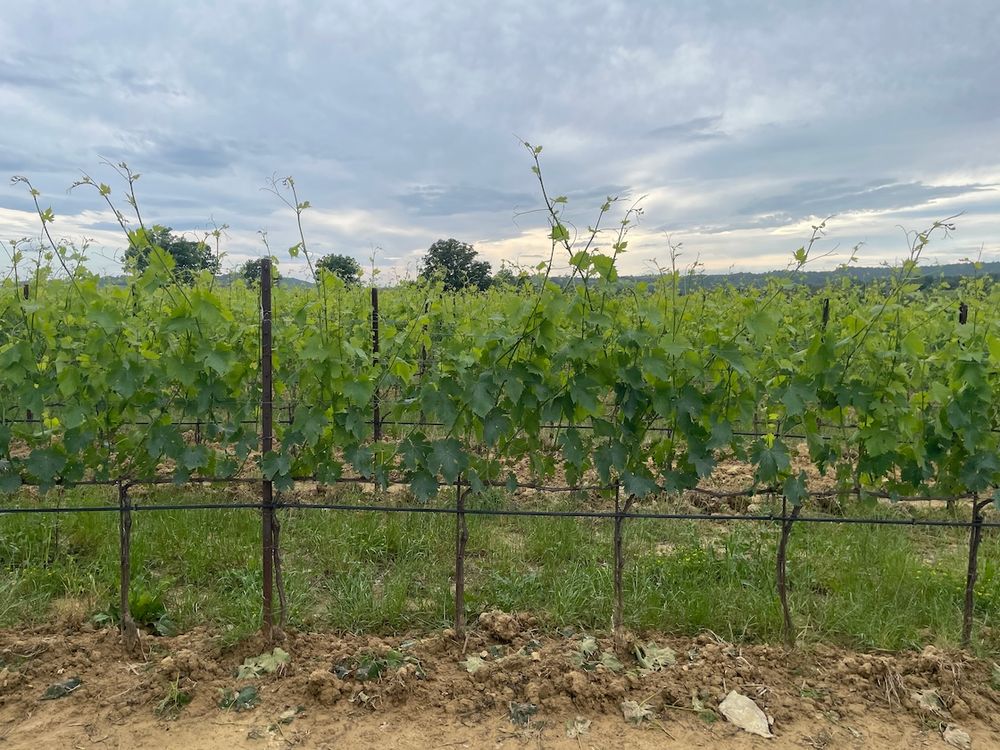
Cantina Vignaioli del Morellino di Scansano works with 170 grower members in Maremma
The same collective approach extends to adapting the vines themselves. Vignaioli del Morellino di Scansano uses a Sangiovese clone with smaller berries and looser bunches, better suited to the warm, dry and windy conditions of Maremma. Growers also use grass cover between the rows to retain soil moisture, while early leaf-stripping helps berries adapt to sunlight, reducing sunburn risk and encouraging thicker skins.
In a region where harvest dates have shifted from late October to as early as mid-August, this ability to pool knowledge, technology and investment is becoming increasingly important.
Environmental resilience only matters if growers can afford to stay on their land.
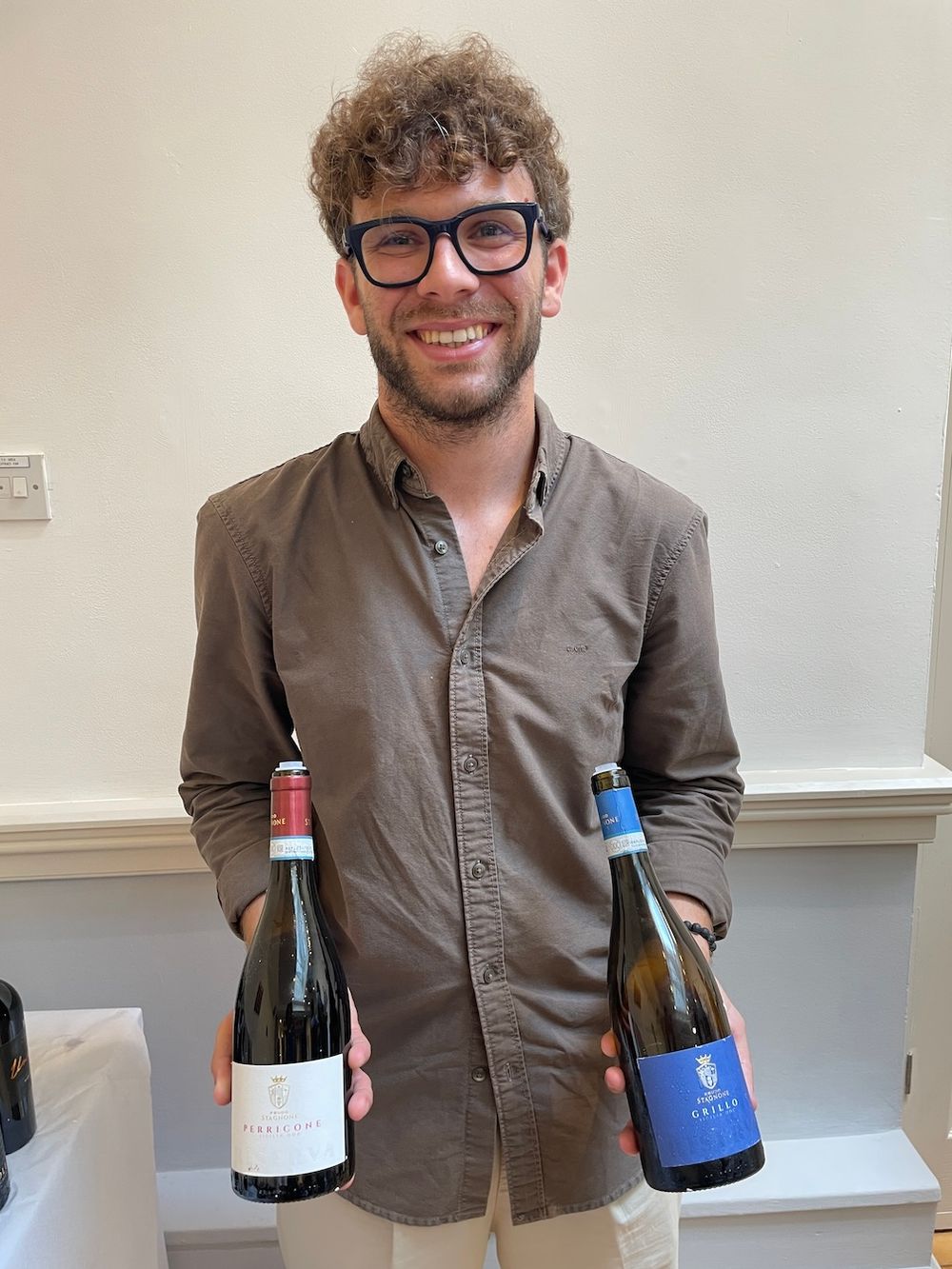
Vincenzo Aleterna, export manager of Cantine Birgi in Sicily
Keeping communities financially viable
At Cantine Birgi in Sicily, Aleterna describes the co-op explicitly as a “social project”, involving “everybody who is living in the area” in its activities. Its role extends beyond the growers who supply its grapes: people living across the northern Marsala area are also employed within the winery itself.
The current president is the grandson of one of the co-op's ten original founders from 1960, while its younger generation uses modern marketing and social media to carry its values of sharing and staying together to international markets.
For Vinchio Vaglio, Giordano sees the co-op as essential to keeping its villages alive. “If tomorrow the co-op closes, you will see nothing, no jobs. The land will be only woods, no more,” he says. “So, we have a very, very important social responsibility.”
At Vignaioli del Morellino di Scansano, the 170 members are, in reality, “170 families”, says Bucci. Wine has become one of the few agricultural activities capable of providing a viable income in the area. The co-op therefore does more than process grapes: it gives small growers access to infrastructure, technology and markets while helping keep vineyards and communities economically viable.
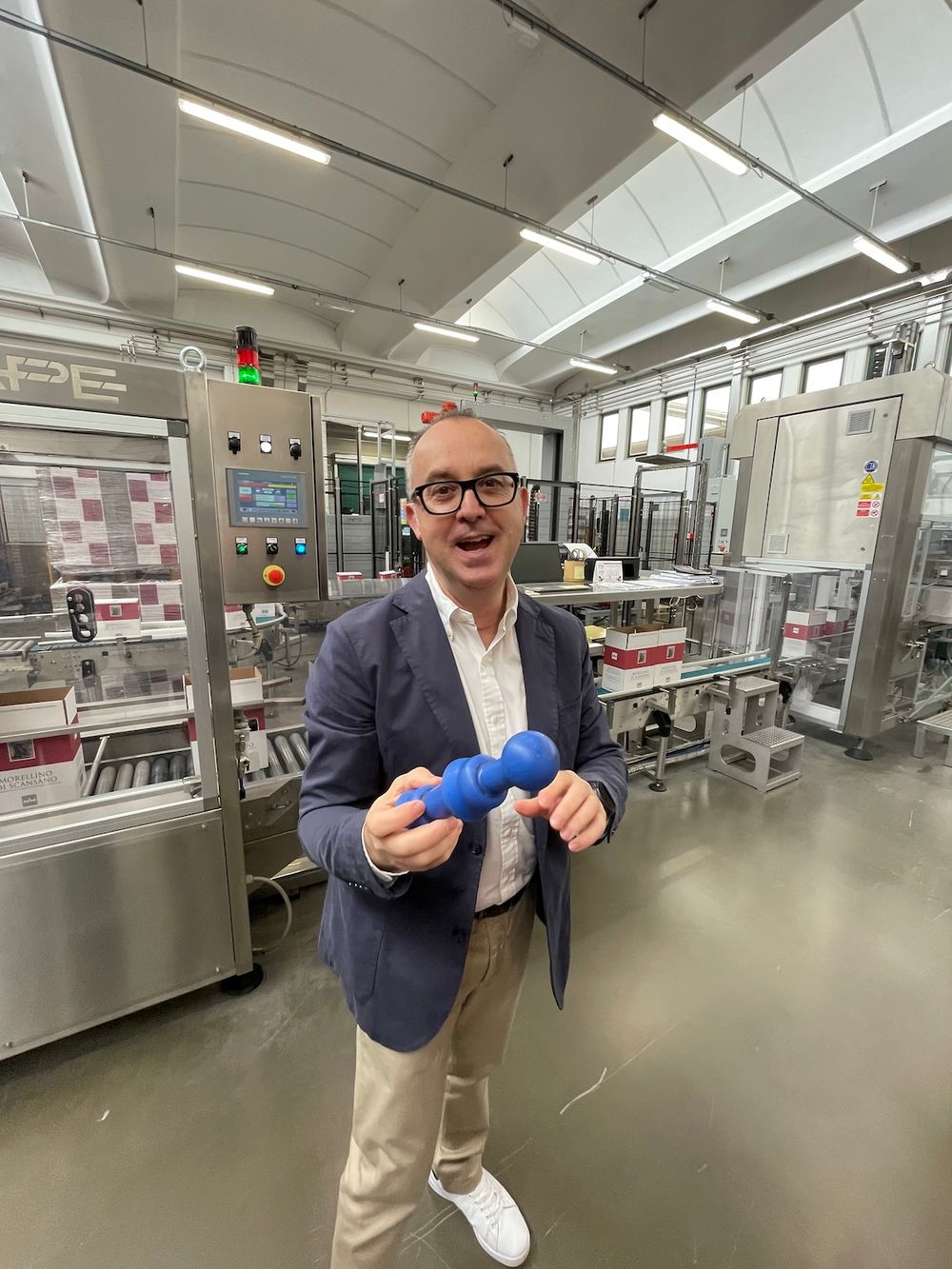
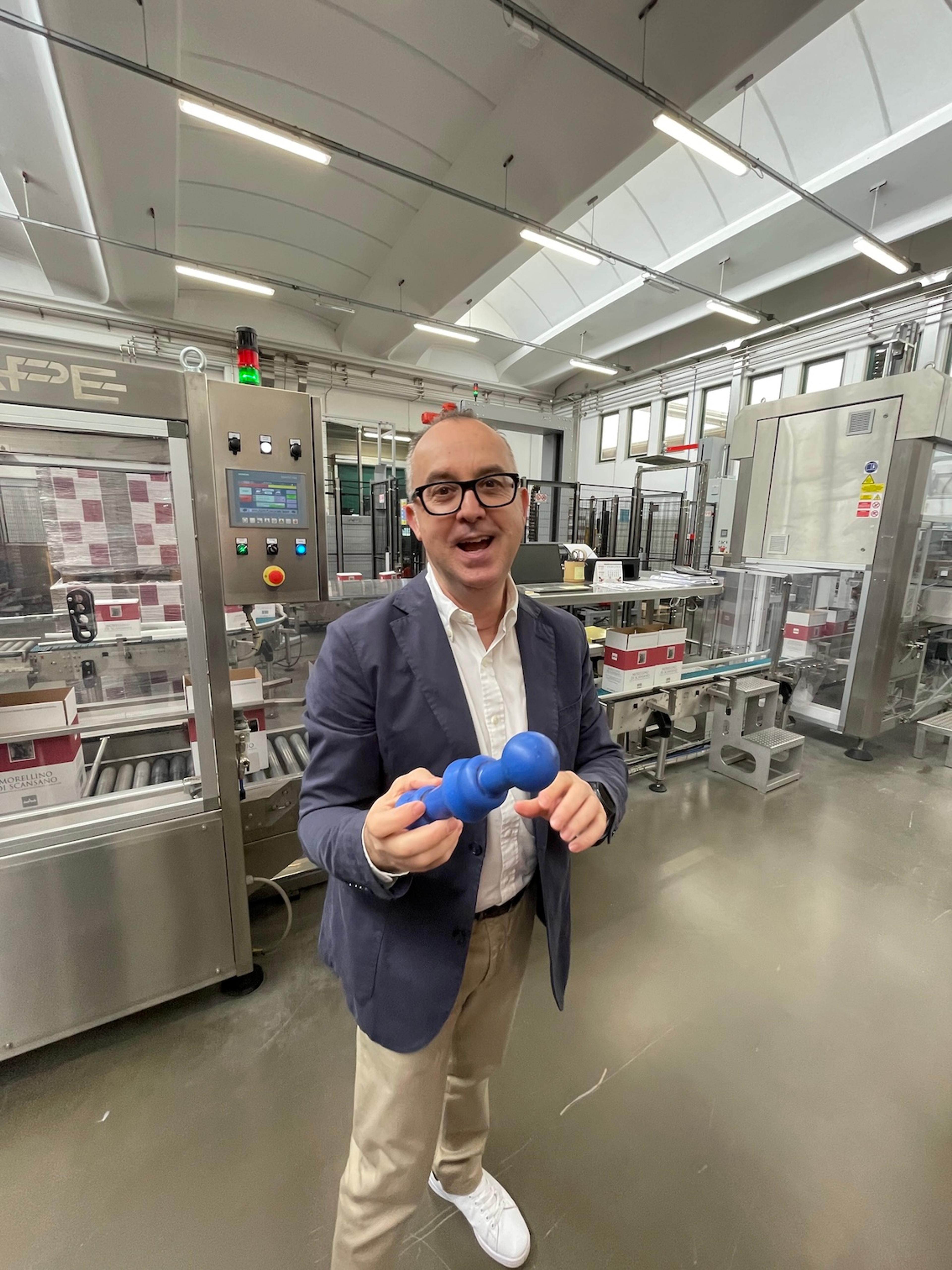
Sergio Bucci, in front of Cantina Vignaioli del Morellino di Scansano's sophisticated bottling line
Controlling quality through bottling
But sustainability alone won't solve the co-ops' image problem. The other part of the equation is quality. Interestingly, all three producers pointed to the same quality cue: owning a bottling line.
“When you make the step to have your own bottling line, you control the full process,” says Giordano.
Vinchio Vaglio invested in its own bottling line in 2009. In Giordano's words, it “changed totally” the co-op's position in the Piedmont market. Cantine Birgi has also invested around €1 million in a high-speed bottling system, while Vignaioli del Morellino di Scansano has invested about €3 million in a sophisticated bottling line five years ago.
Not all co-ops are the same, and the assumption that co-op wine means anonymous, high-volume production is increasingly difficult to sustain, at least for some quality-focused producers.
As climate change makes each vintage increasingly unpredictable, these three producers suggest that the co-op model could become Italian wine's sustainability superpower: more vineyards to draw from, more data to share, more resources to invest and more growers able to survive a difficult year.
Leona’s favourite wines from the three co-ops:
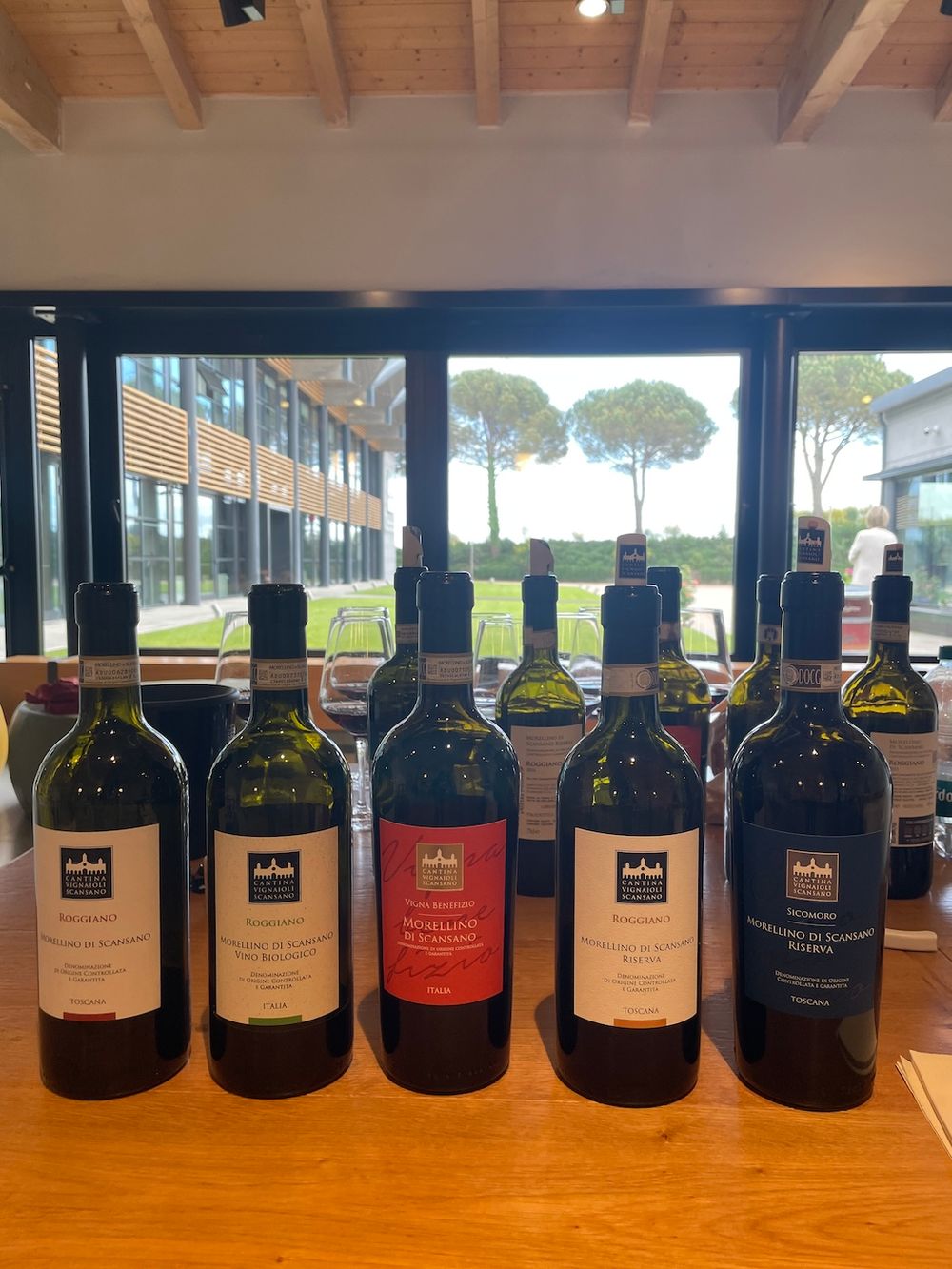
Cantina Vignaioli del Morellino di Scansano
Vigna Benefizio, Morellino di Scansano DOCG 2024
100% single-vineyard Sangiovese. Richly perfumed and vivid, with violet, lifted red fruit and a gentle touch of spice. Silky tannins and bright acidity give the palate an elegant, delicate frame, closing on a polished finish.
Roggiano BIO, Morellino di Scansano DOCG 2024
Mostly Sangiovese. Aromatic and expressive, layered with violet, red berries and warm spice. Supple, refined tannins and a zesty acidity bring lift and precision, finishing with a savoury edge and real persistence.
Sicomoro, Morellino di Scansano DOCG Riserva 2016
100% Sangiovese. Ripe and fruit-forward, carried by vibrant acidity that keeps the wine feeling energetic. Concentrated yet well balanced, with earthy spice emerging beneath the fruit; the firm structure points to further ageing potential.
Roggiano, Morellino di Scansano Riserva DOCG 2016
Mostly Sangiovese. Earthy and savoury, showing game, brine and olive. A lively acidity keeps it vivid, while grainy tannins give shape. Warm and spiced, with a mature Mediterranean character and real complexity.
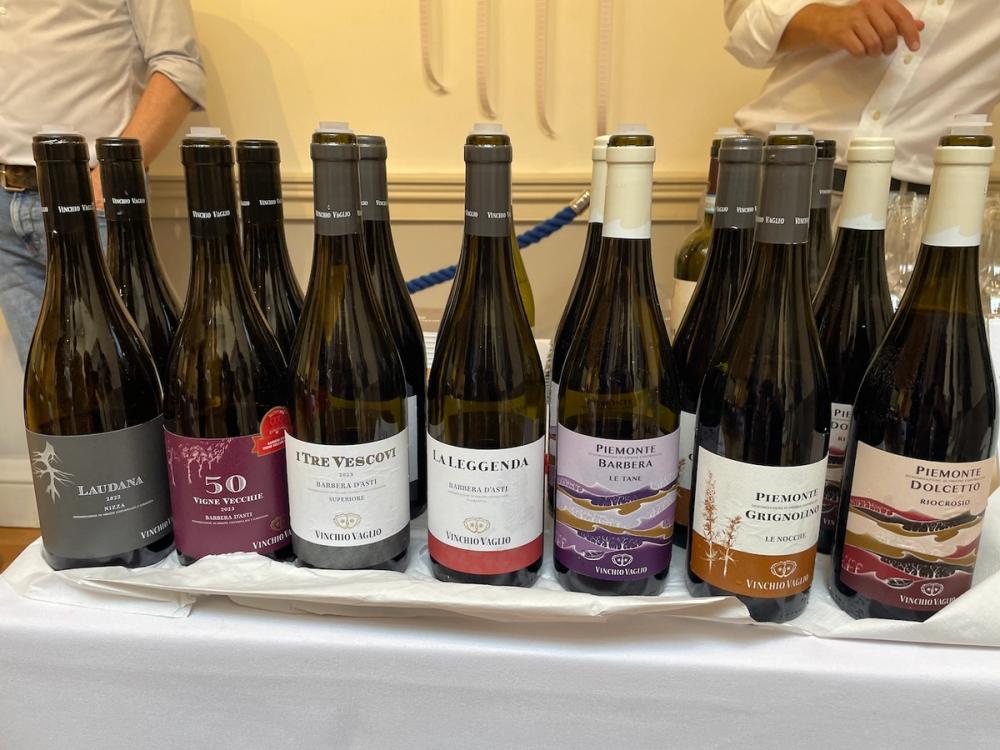
Vigne Vecchie 50°, Barbera d’Asti DOCG 2023
Refined and precise, built around juicy red and morello cherries. Round and supple on the palate, with lovely purity and freshness, finishing long and graceful.
Laudana, Nizza DOCG 2022
Cedar, cherries and balsamic notes, with a serious, brooding character and real depth. Taut acidity and sleek, polished tannins give striking structure and poise, while fruit, spice and oak sit seamlessly together. Long and complex.
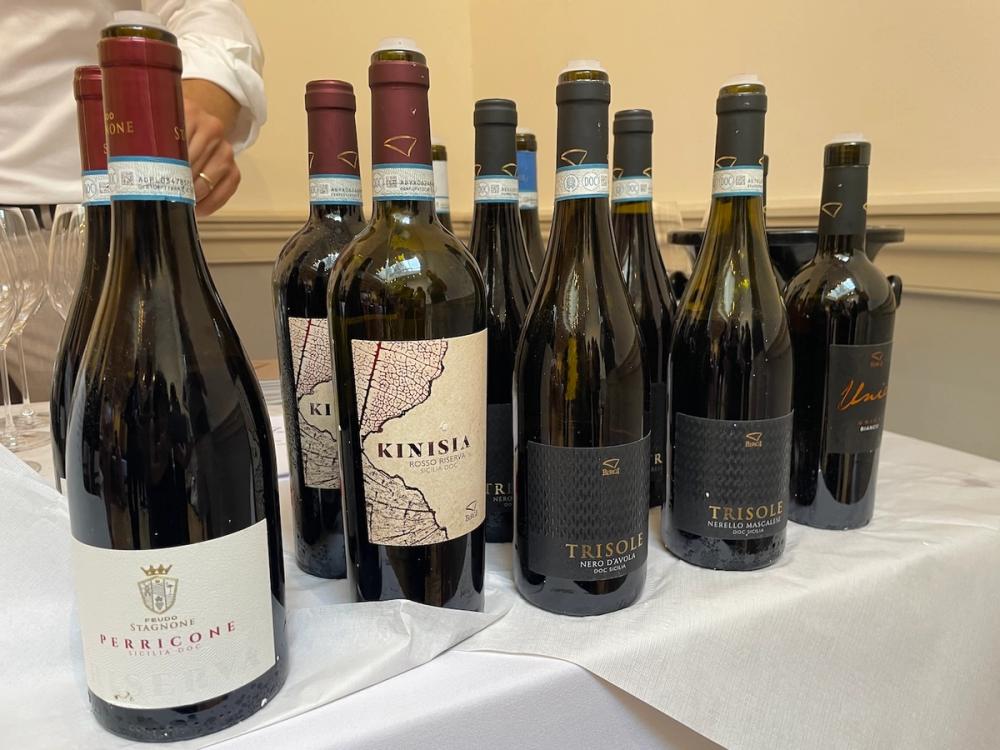
Feudo Stagnone, Grillo Riserva, Sicilia DOC 2023
100% Grillo. Lemon peel, grapefruit and fresh Mediterranean herbs, with a wonderfully textured palate. Bright and vibrant yet substantial, finishing with a subtle saline note reminiscent of the sea.
Kinisia Rosso Riserva, Sicilia DOC 2020
Nero d’Avola, Perricone and Cabernet Sauvignon. Black cherry skin and ripe dark fruit, layered with wild herbs and a gamey undertone. Generous and rounded, with fine, velvety tannins and a fresh, harmonious finish.