
You might have the knowledge, the qualifications, and be able to identity any wine blind on a wine list, but to succeed as a sommelier in the increasingly competitive premium on-trade you will need to show you have the business skills and commercial knowhow to get the best jobs in the sector.
That was the context in which the first Coravin Symposium was held at London’s Savoy Hotel last week. It truly was a breakthrough event and arguably the first opportunity of its type for sommeliers to come together for a day of talks and panel sessions focused on the commercial demands that are now such an integral part of a sommelier’s job.
The fact over 100 of the country’s top sommeliers came to take part demonstrated just how important the business side of wine now is for sommeliers to succeed in leading restaurants and hospitality operators.
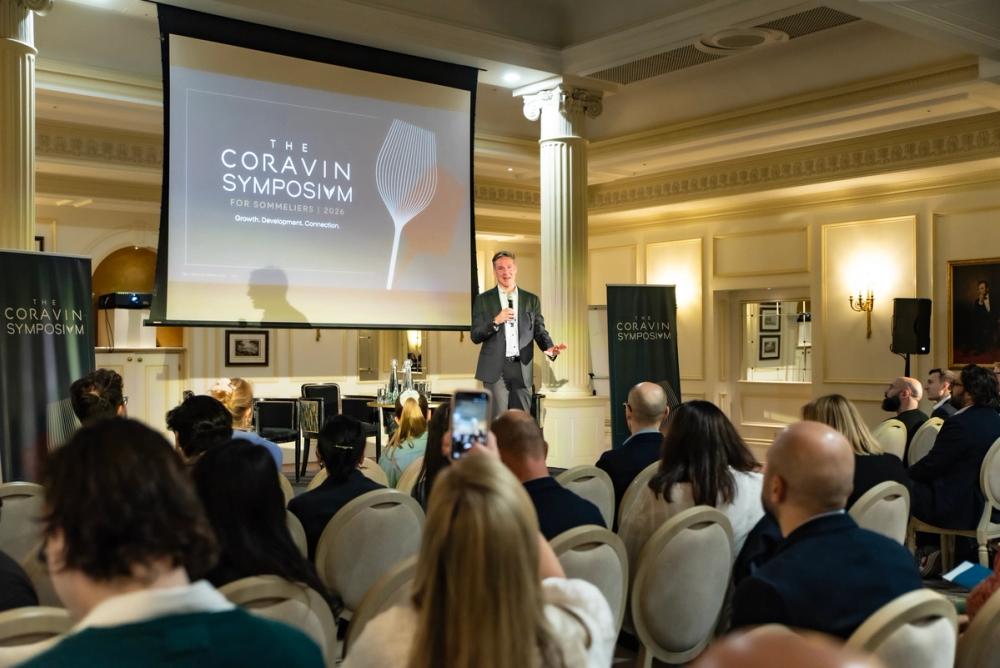
Coravin founder Greg Lambrecht opening the inaugural Coravin Symposium
Coravin is also ideally placed as a business to devise, steer and host such an event and its founder, Greg Lambrecht and his team deserve great credit for having the foresight to do so. It was appropriate that Lambrecht was there to introduce and close the day and give his personal appreciation and respect for the hard work, dedication and expertise there is within the sommelier community.
As he said in his introduction to the day: “Opening up more possibilities through wine is at the very heart of the Coravin proposition. The Symposium grew from that same aspiration: we want to support sommeliers who are creating extraordinary wine experiences for their guests, helping them to develop their skills, advance their careers and connect with their community.”
Noticeably the content for the day, and the issues covered, were brought together by Coravin with the help of the widely experienced and respected sommelier and former head of wine at Hawksmoor, Clara Rubin - now a wine buyer for Ocado.
She has both the front line experience of knowing what life is like for busy sommeliers on the restaurant floor, but also the commercial pressures there are on those that go on to become wine directors, and heads of wine in major restaurant, bar and hospitality groups.
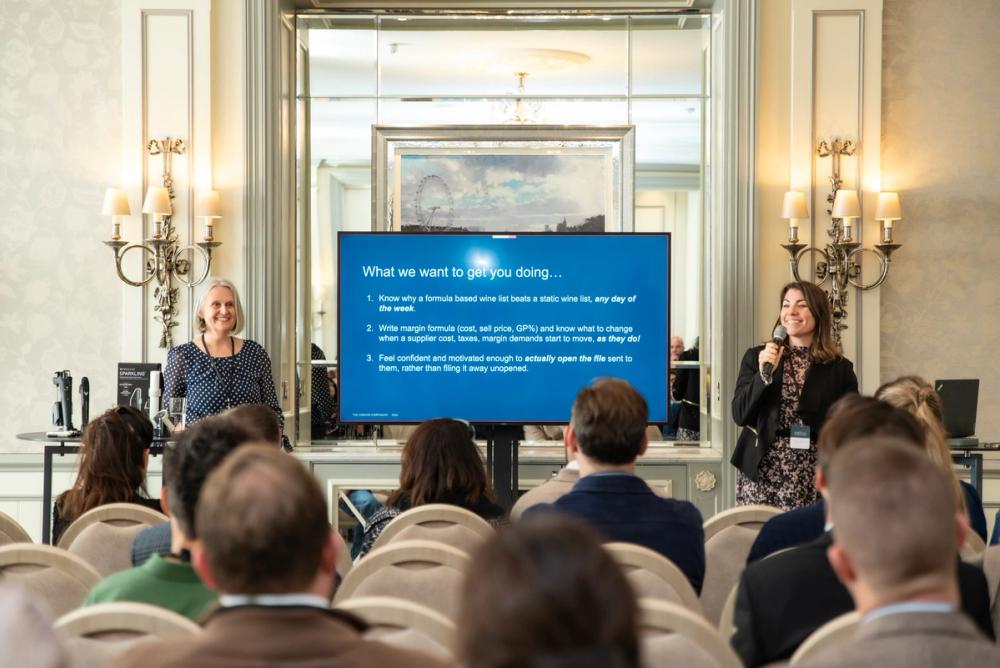
Clara Rubin shares her on-trade management experience at a session focused on how best to use Excel to manage wine lists and stock control
Rubin was able to share some of that knowhow in a session focused purely on knowing how to maximise the use of Excel in managing wine lists, stock control, and how integral it should be as a professional tool in a sommelier’s life.
It was probably the first time there was a session dedicated to just Excel at a major on-trade conference. But that’s what the Coravin Symposium was all about. Credible, highly relevant, business advice to help sommeliers not just in their current roles, but to give them insights and inspiration for their next steps in their career from some of the leading lights in their field.
Key takeaways
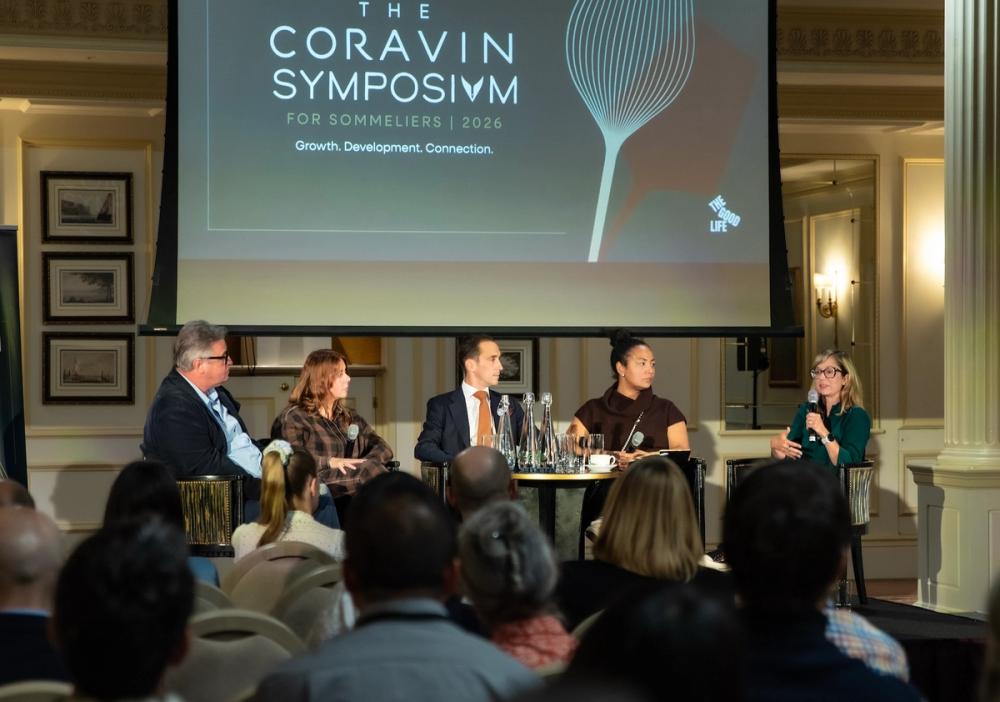
The Coravin Symposium opened with a debate focused on how leading operators are using data and insights in planning their wine lists
The opening session analysing the role of data and insights in managing and getting the most out of wine lists and a restaurant’s wine service brought together a diverse panel of talents including:
Davina Kortright, head of research and insight at the Wine & Spirit Trade Association; Nicolas Schell, food and beverage director at The Savoy; Hannah Russo, head of operations and brand at Camino; and Luma Monteiro, head of marketing, Davy's of London.
Kortright was able to set the scene with some high level data and insights from WSTA’s own analysis of the on-trade market. She was able to set out how difficult the current trading picture is for much of the on-trade, on the back of falling consumption - with 44% of consumers drinking less over the last 12 months - and higher supply chain and administrative costs that are biting into operators’ margins.
But there are also areas for optimism too particularly for those venues that can tap into the growing demand for low and no drinks - up 28.5% in value in the last years to a £325m on-trade market - and can offer relevant, authentic premium wine experiences. For whilst overall on-trade volumes are down 3.1%, the value share is up 3.3%.
Wine and Champagne still account for around 10% of all on-trade sales, which is, though, a long way away from beer’s 45%.
The panel was able to share their different experiences of using data and insights. Schell admits he is in a good position to be able to take advantage of the wealth of consumer knowledge there is within The Savoy hotel and the wider Fairmont Hotels & Resorts that can offer comprehensive analysis of consumer behaviour. But he likes to combine that with his own personal experiences at the hotel, and apply “gut” knowledge based on listening and talking to his own customers.
Russo said Camino had invested a lot over the last couple of years in upgrading its systems to give it clearer more connected view of its own customer data which has had a big impact on both the wines it is buying, but also its pricing and margin strategy.
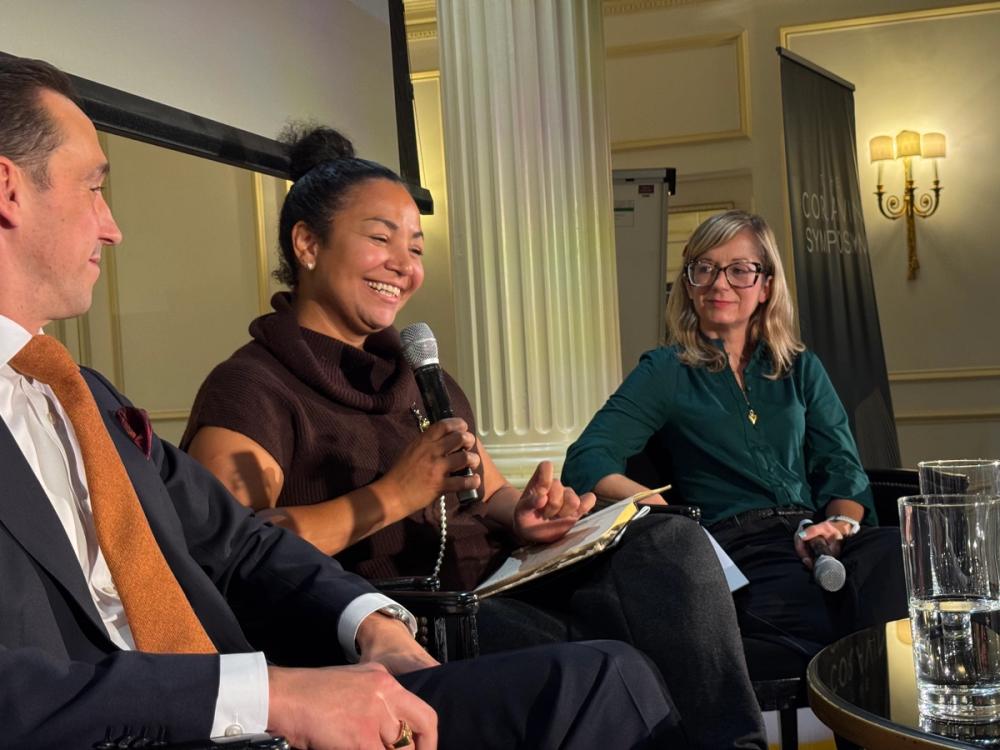
Luma Monteiro was able to explain how Davy's is using a wide range of consumer trends behaviour in shaping its wine offer
Monteiro says it is looking far more at overall consumer data so that it can get a better understanding of consumer behaviour and spending trends across all lifestyle sectors and not just the on-trade, or its own data. The increase in gaming has been particularly interesting and Davy’s has looked to introduce elements of “gamification” to its offer - like inviting customers to play a game around picking the right by-the-glass from its range.
Management and people skills
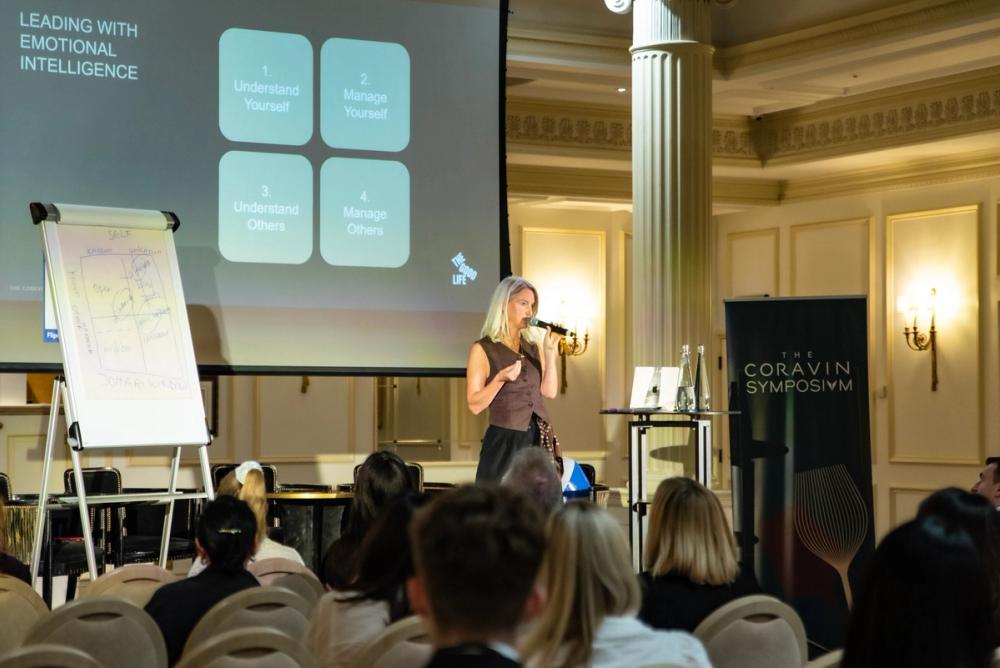
Madeleine Geach, former head of people at Hawksmoor, gave an engaging and interactive session on management skills
Madeleine Geach, hospitality leadership consultant and former head of people at Hawksmoor, hosted a fascinating session into how sommeliers can hone and improve their personal management and leadership skills in order to bring the best out of themselves and their teams.
She said it was important that sommeliers recognised the need to equip themselves the right people skills needed to lead a hospitality team and not just rely on their wine knowledge and expertise to inspire individuals who don’t share their passion and interest in wine.
She stressed there can never be a one size fits all strategy to management and training and you need to be able to adapt the training you offer to be relevant to each individual in your team.
In order to do that you have to understand yourself and what it is that motivates you and how you need to apply that to motivate and manage others.
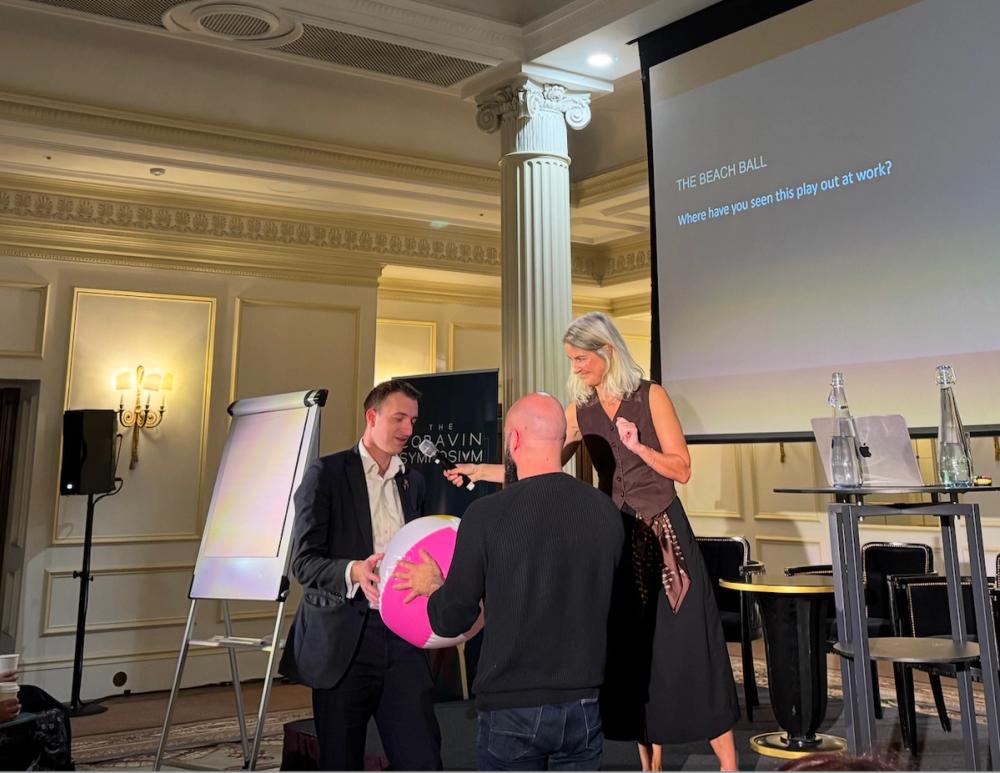
What colour do you see? Madeleine Geach on the skill of being able to put yourselves in a colleague's shoes to best understand how to manage them
Armed with a coloured beach ball she asked members of the audience to describe what they see when they look at it. Whilst one person picked out the colour of the panel closest to it, another audience member picked out a number of coloured panels - illustrating the fact that we all look at issues in a different way and don’t all share the same point of view.
The best leaders are the ones that can see the world through the eyes of their team members and understand what it is that will get them to put in the extra effort to maximise the potential of all the team.
Wine list as a business tool
Ultimately any successful sommelier will need to know how best to put together a wine list that matches the needs of the business in terms of hitting profit targets, whilst giving its customers the wines they want to buy. Which was the topic of a wide ranging session hosted by Regine Lee MW, managing director of Indigo Wines along with; Fred Brugues, wine director, at Sketch; Lisa McBain, wine buyer at Fuller’s; and Cameron Foster, owner of Portfolio MCR, a specialist Champagne bar in Manchester.
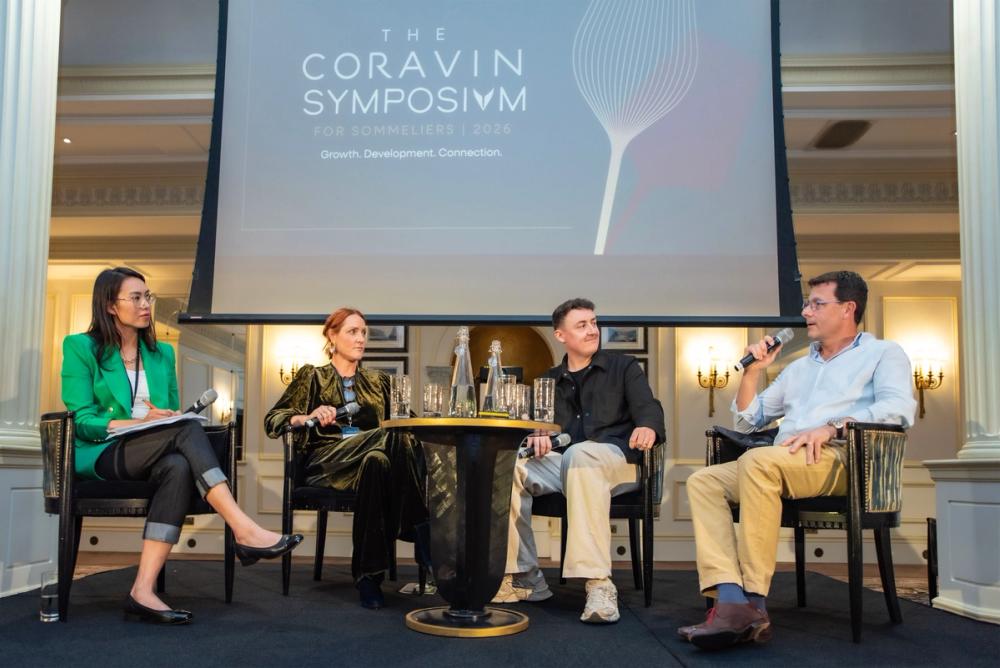
Delegates also heard from different on-trade buyers and leaders on how best to make the most of your wine list
Lisa McBain said it’s vital for a group like Fuller’s which does not have dedicated sommeliers to create a wine list that all its front line team can buy into and understand. The bar team in any of its pubs “are our wine ambassadors”.
Fred Burgues agreed: “Your wine list has to engage your clients but also your staff - they are the ones who are going to be selling the wines”.
He also said it is important for sommeliers and wine teams to understand your guests are coming to your venue first for food, and wine second. “Wine is part of the meal experience,” he said.
He added: “A wine list will reflect the personality of the person behind it. In the same way a chef’s personality is in the dishes they make.”
Cameron Foster said his principle goal is to have a wine list that is “exciting and makes people want to have another glass” - particularly in a bar where there is such a focus on by-the-glass.
As 80% of its sales comes from Champagne it needs to be constantly surprising and exciting its guests to offer “unique” Champagnes they can’t find anywhere else, he said. It means it is at any one time working with up to 50 Champagne producers and can have 10 Champagnes by-the glass ranging from £10 to £50.
“I have a regular who has been a boxing coach for 40 years who orders £80 Champagne by-the-glass,” he claimed. “If you give people access to try things in a fun and exciting way then it works.”
McBain said she works a lot with the trade in order to build strong partnerships both with the producers it works with and the importers that are supplying its wines to maximise sales and margins.
Managing margins
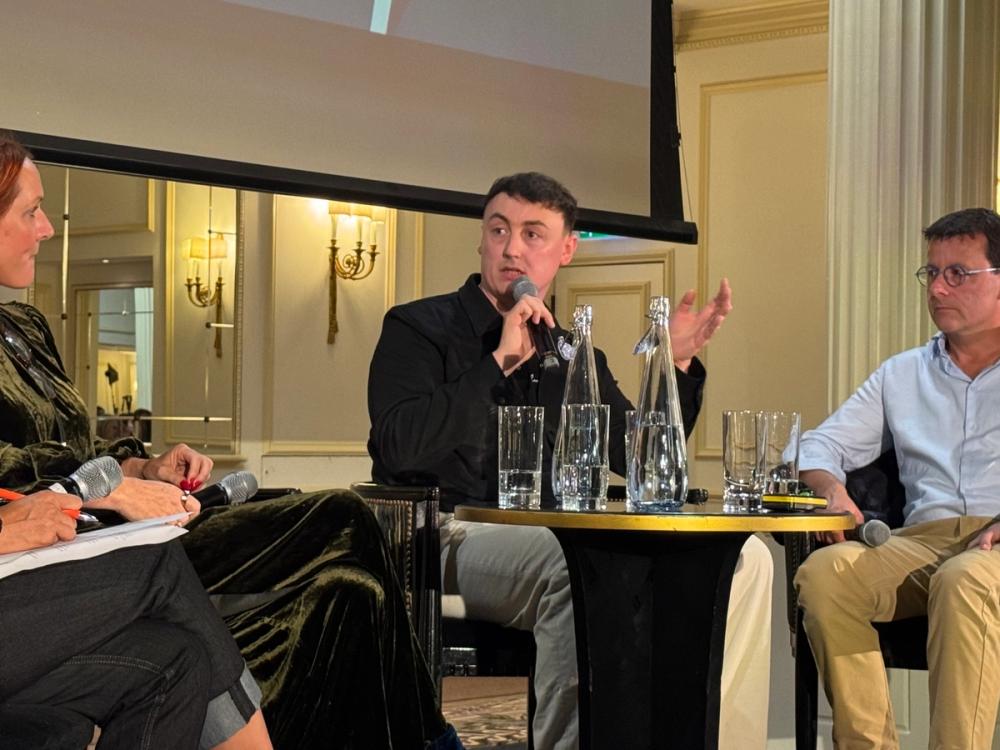
Cameron Foster was able to share his experiences of running an ambitious specialist Champagne bar in Manchester
It means there can’t be “a one size fits all” when it comes to what margins she can get from each of the 350 wines in its range. It’s where Coravin can have a big role to play in allowing it to stock more expensive wines.
Burgues said the key to working with higher priced wines is when you use cash margins to give your customers the value they are looking for - again that is when you need the knowhow and flexibility of your suppliers as it is no-one’s interests to be listing “wine that will not sell”.
“Suppliers carry a responsibility that their wine is well priced that allows us all to make a margin,” he stressed and works on the same margin principles for its Michelin dining offer as it does for its casual dining menu.
Foster said he will look to work to 65% margin vs a standard 72% on some Champagnes in order to “get people in” and needs suppliers that can be “flexible” and willing to work with him on that.
“We want to give our guests access to wines at different price points. People trust us that what is on by-the-glass will be good value for money,” he added. “That means we will change the bottle price to reflect what it is on by-the glass.”
This panel was less convinced by the opportunity for no and low alcohol in premium wine. Burgues said some operators are “trying too hard” to find a quality no and low alcohol option when there is not one there.
“I am struggling to find a no and low wine that delivers the experience I want. I am failing to do that,” he explained.
Foster agreed and said he had looked closely at no and low sparkling wine offers and not been able to find any that “worked” for him.
Get the service right
McBain said the biggest test for how well managed your wine list is to look at “spend per serve” as that shows how loyal and interested your customers are in what you are offering.
“We want to have wines that give you a great experience,” she said, which means putting even more focus on listing wines that can play their part on different occasions, or times of the day.
There is simply no excuse for not having the perfect serve for wine available at all times and “quality has to lead” the way, she argued. Which is why she does take on wines that have been bottled in the UK.
“We have to over deliver on every glass,” she added and said surprising guests by using different types of glassware for certain styles of wine can also have a big impact.
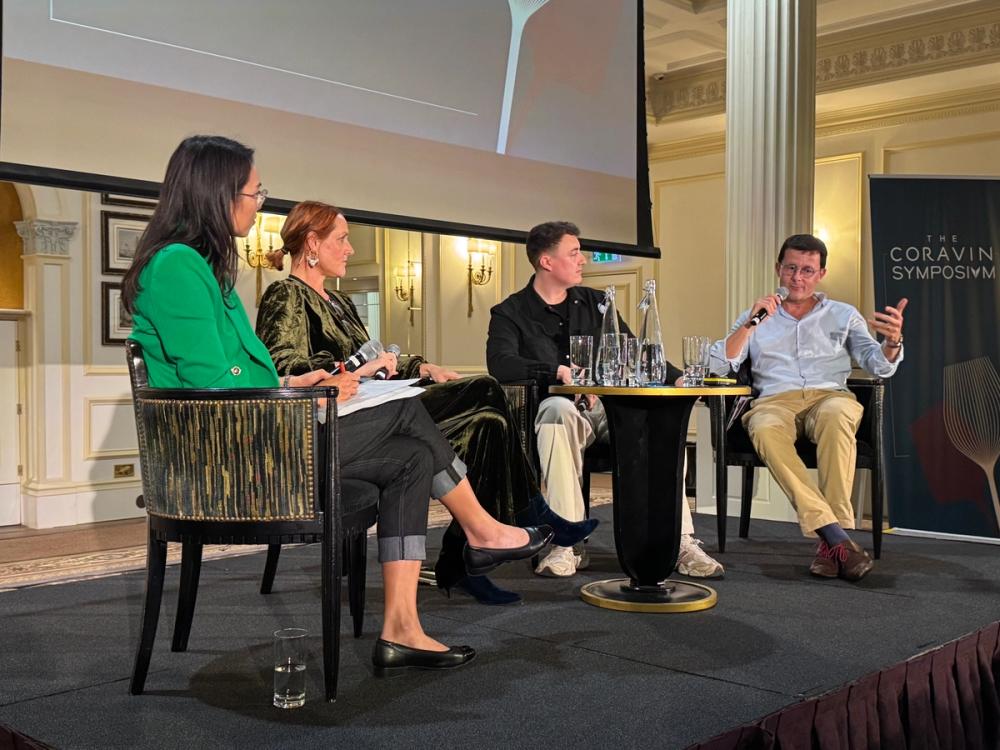
There is no excuse not to have fresh wines in perfect condition to serve to your guests says Sketch's Fred Brugues
Burgues agreed that taking steps to elevate your wine service can have an immediate impact. Simply moving its glassware over to Zalto saw it double its sales.
“The quality of wine has to be fresh. Coravin has changed our lives in terms of selling fresh wine,” he said.
In such difficult times you are better as an operator to “nuture and protect your loyal customers” than spend too much time trying to attract new drinkers who might not be there.
Keeping things simple is the name of the game, said Foster, who believes it has benefited hugely by specialising in Champagne.
“People want niche, they want speciality. Strip it all back. That is what we have done from day one. We just have one Champagne as a food pairing and 82% of people pick up on it,” he said.
He added: “Invest in experience and really focus in on it and then your customers will buy anything on your list.”
Superhero sommeliers
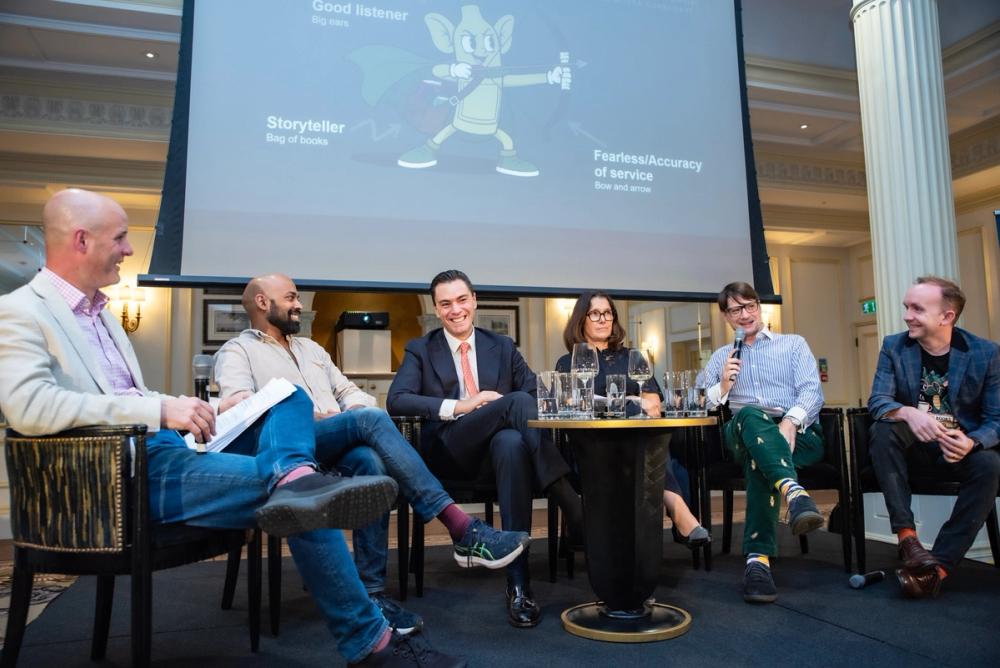
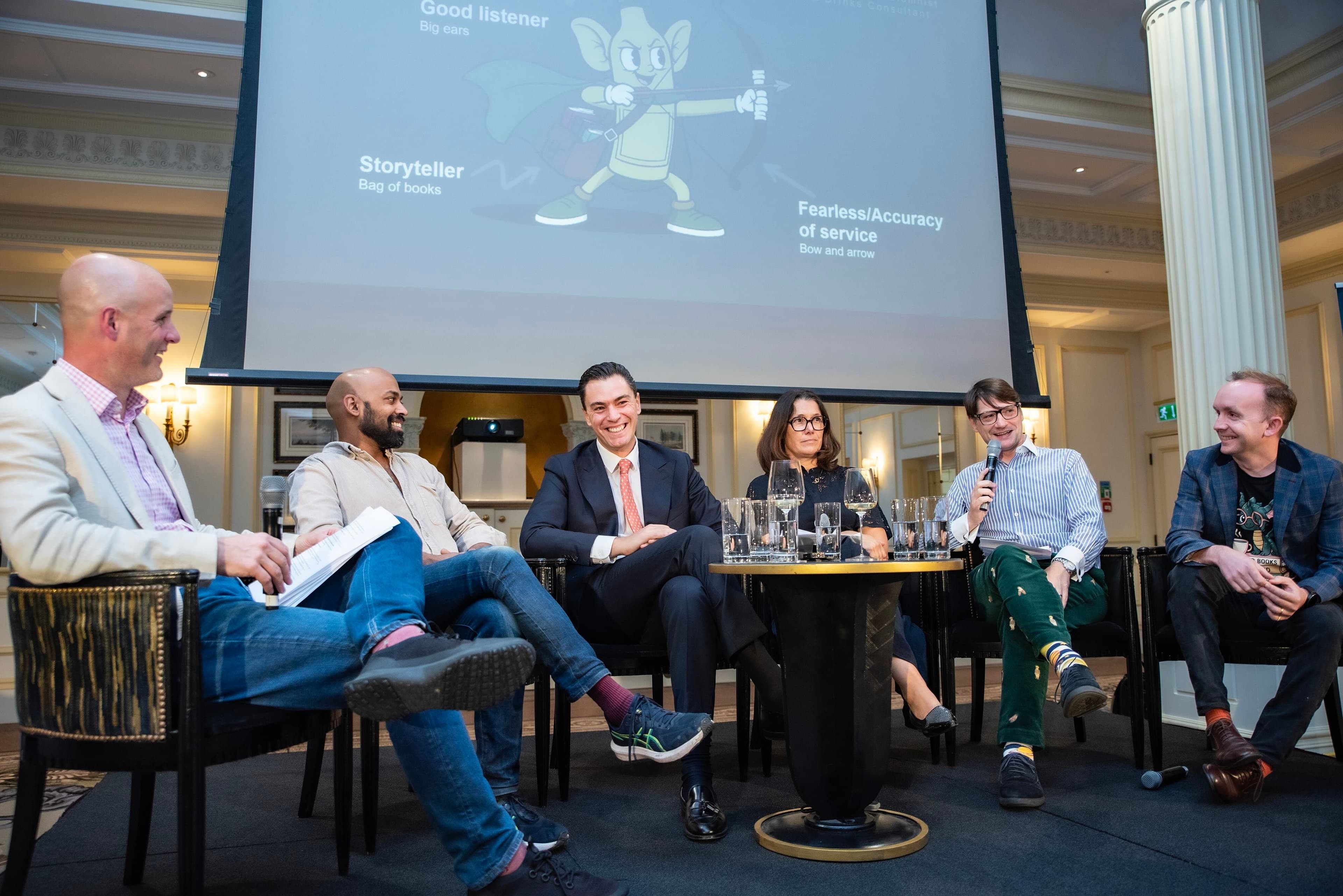
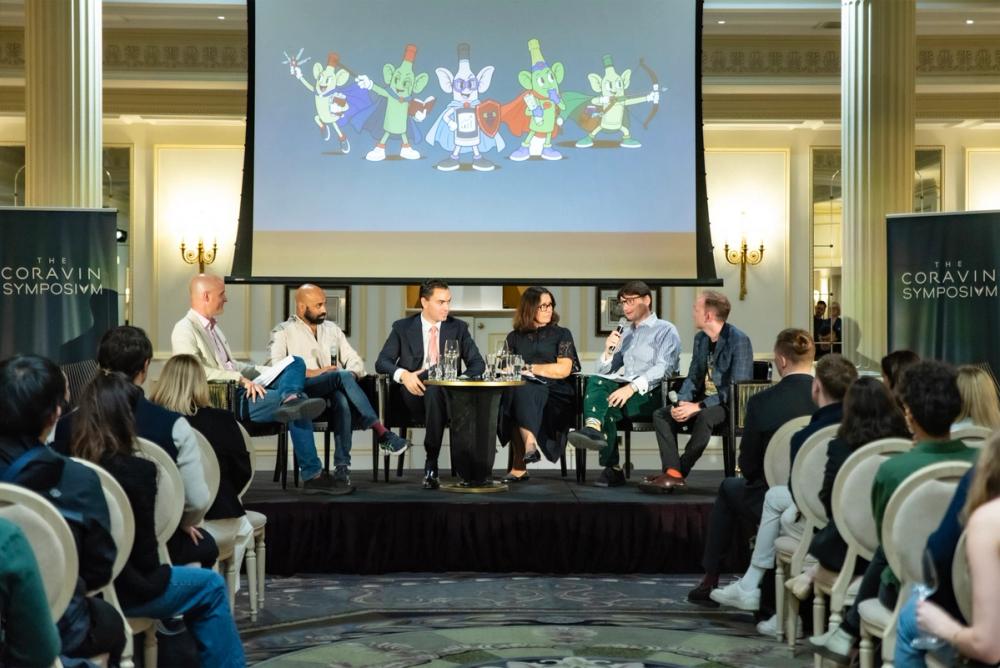
The final session of the day looked at what makes a "Super Sommelier"
The final session of the day focused on what it takes for sommeliers to grow and what steps do they need to take to get the next job they are looking for. It was a chance to hear from five leaders in the field of hospitality, but again covering very different areas of the sector.
In a panel hosted by Coravin’s Richard Yeomans it included: They included: Christelle Guibert, former managing director of IWSC who now heads up Trade and the UK Sommelier of the Year competition; Sunny Hodge, owner, Diogenes the Dog; Charles Carron Brown, head sommelier and restaurant manager, Aulis; Douglas Blyde, restaurant columnist and drinks consultant; and Giuseppe D’Aniello, group head of wine, Gordon Ramsay restaurants.
Sunny Hodge said quite simply a good sommelier has to be someone who is “inquisitive and wants to learn”. Yes, they will be interested in wine, but at interviews he will also ask them about their hobbies and then expect them to have a deep knowledge of whatever interest they might have be it films, cooking, or their favourite football team or band.
“Then you need to be good listener and have the ability to tell a story and share that knowledge you have,” he said.
It’s why he is less interested in a sommelier’s qualifications, but more their knowledge and passion for the things they truly care about.
Giuseppe D’Aniello said the Gordon Ramsay Group is looking for individuals that can connect easily both with the guests but also the team and how much of a team player you are.
Once you can demonstrate that it is then about your “attention to detail” and understanding that “small things can mean a lot” in a premium dining environment.
“Guest and hospitality comes first and first and you need to have the ability to take controlin order to give the customer the best possible service,” he explained.
Multi-taskers
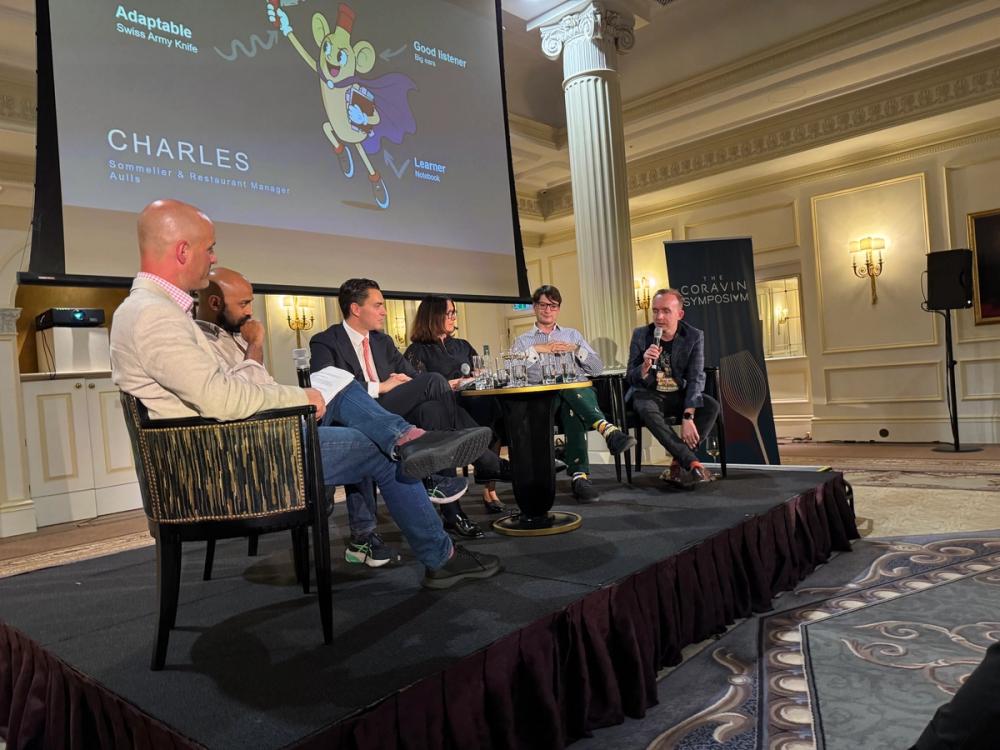
The best sommeliers are "multi-taskers" says Charles Carran Brown
It’s why good sommeliers are “multi taskers” and are willing to help out in all aspects of restaurant life, said Charles Carron Brown. That is one of the biggest changes he has noticed during his career. A sommelier now needs to be prepared to be on the restaurant floor, cleaning and polishing glasses, serving customers and then back looking at spread sheets and keeping on top of stock controls.
“Every day is a school day, and every day you are a little bit better at what you do,” he said.
Which is why he is quick to assess a potential sommelier’s “attitude” and ability to be a team player when doing interviews. “You can teach information, but you can’t teach attitude.”
He also sees good sommeliers as being like top detectives as they only have a few seconds to “read a guest and understand what they want”.
D’Aniello said a good sommelier will also be able to “look ahead” and anticipate what needs to be done, or identify potential problems long before they become one.
It’s why emotional intelligence has such an important role to play, said Christelle Guibert. “How you read the room and being able to determine what sort of service a customer wants,” she added.
Douglas Blyde said he would like to more senior sommeliers become experts in the place they work, to become an integral part of a venue’s success and not to be constantly looking for the next job opportunity.
“A sommelier that stays in the same place would be super hero sommelier,” he stressed. “You can be an expert in wine and you can also be an expert in your restaurant.”
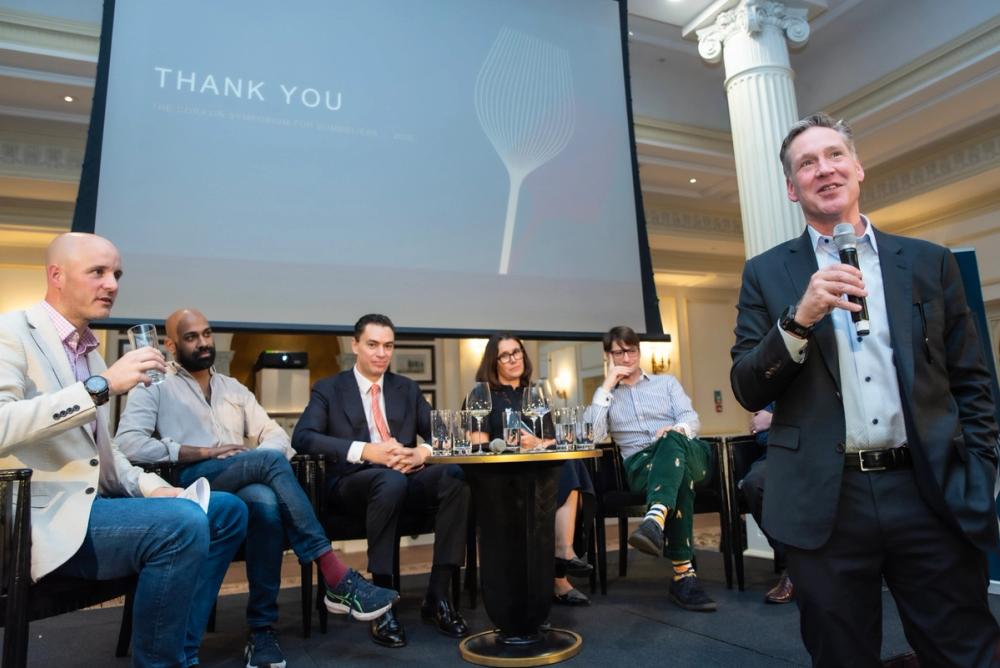
Greg Lambrecht brought the first highly sucessful Coravin Symposium to an end
As for the business skills needed D’Aniello said he wants sommeliers that are firmly focused on revenues and sales, and stockholding - that’s what your owner wants you to be on top of, he added.
Sommeliers who can put in a place a new team training programme or find new revenue streams by hosting wine dinners and wine events are also highly sought after, said D’Aniello.
Carron Brown agreed: “Do what you can to make sure your business is making money, then everything follows on from there.”
Which as closing statements go very much sums up what the first Coravin Symposium was all about and what it was able to deliver.
* You can find our more about Coravin here.