
Tell us about your 2026 harvest - which you say has broken records - what records are they?
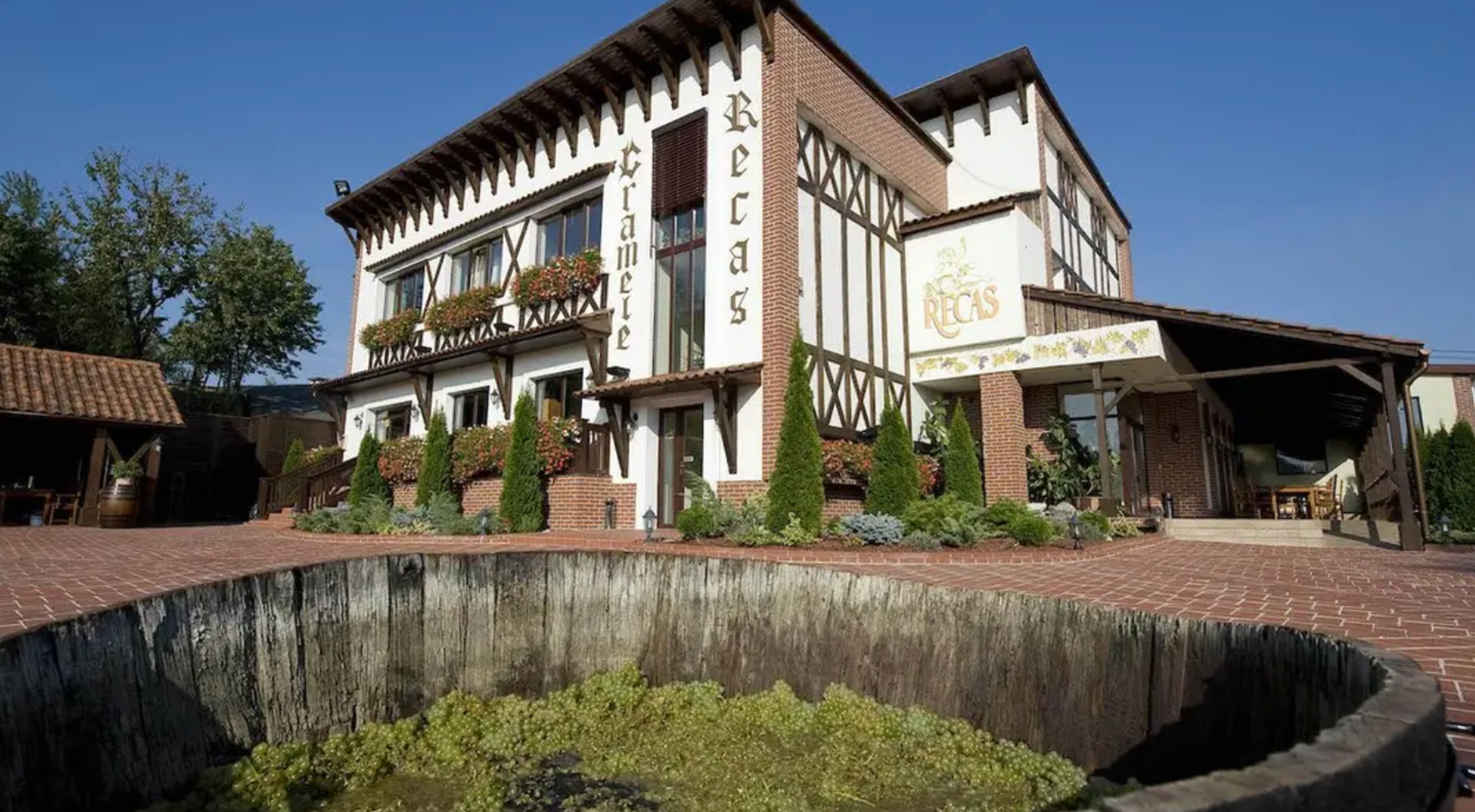
2026 was our earliest harvest in history at Recas, starting a full month earlier than normal, on August 11 and finishing also the earliest in history around September 12. The 2026 summer was the warmest on record in Recas, with the hottest and driest August on history with no rain at alland almost none in July.
There there were 35 days over 35°C and eight days over 40°C with a record of 43°C in the vineyard.
Will finishing the harvest so early have an impact on the quality and style of wines you are able to make?
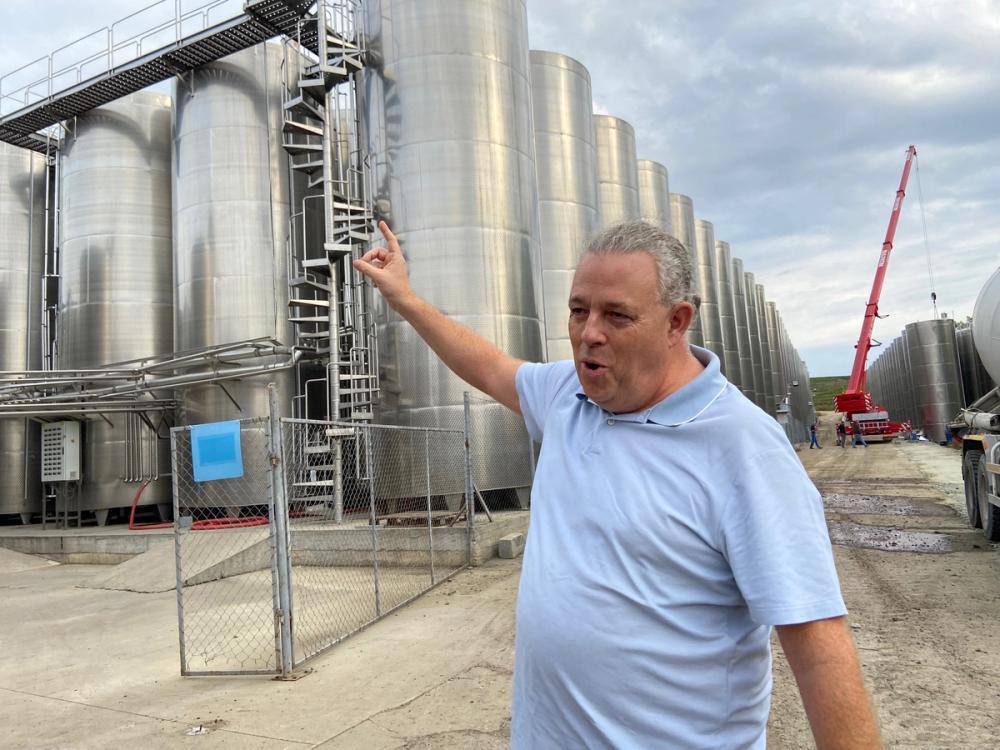
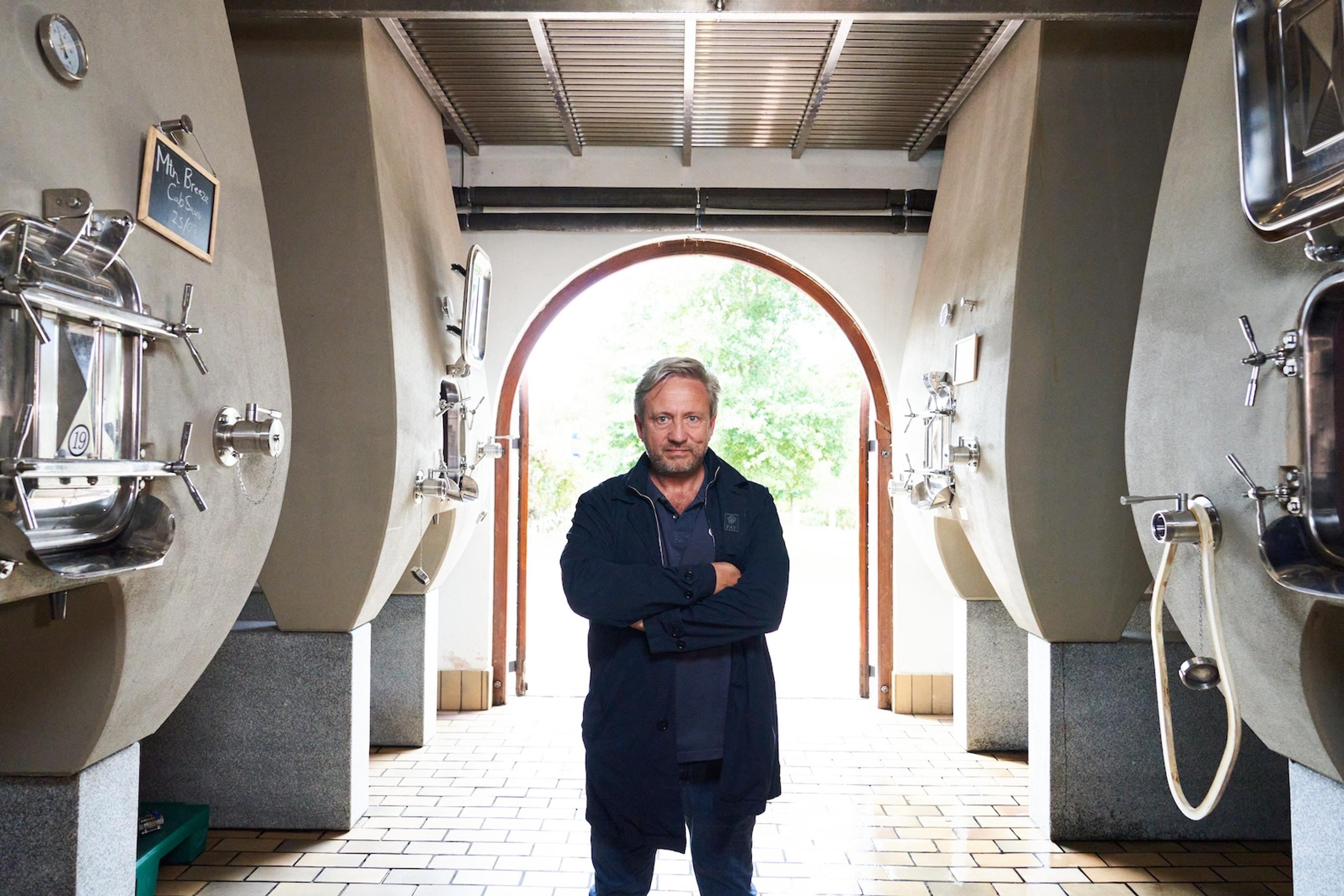
Philip Cox says the extreme 2026 havest might have been the most difficult yet to process at Cramele Recas but he fears it is part of the new normal for winemaking because of extreme climate change
The weather conditions and the extreme heat are having a huge effect on the vineyards both short term with yields down around 20% on 2025 - which was now the second warmest year in history - and also long term with the vines suffering cumulative damage from multiple years with low rainfall and repeated extreme heatwaves.
The heat affects different varieties and parcels very differently. Certain varieties like Feteasca Regala, but also certain parcels of vineyard where the soil is thinner and rocky tend to shut down when faced with extreme heat and drought and it makes the ripening slow down or even stop.
Other varieties, for example, Merlot or Pinot Noir have seen the ripening speed up - and both situations make it very difficult to catch the grapes at exactly the right moment.
It’s certainly a difficult year to make low alcohol lighter styles of wine as many markets are requesting - particularly the UK and Norway.
What impact has the harsh summer had on the grapes and on the styles of wine you can make?
It means the berries of the grapes are smaller with less juice, so it helps with the quality, concentration but at the expense of lower volumes and lower conversion yields from grapes to juice.
Have you had to change the way you vinify and handle the grapes to cope with such an early harvest?
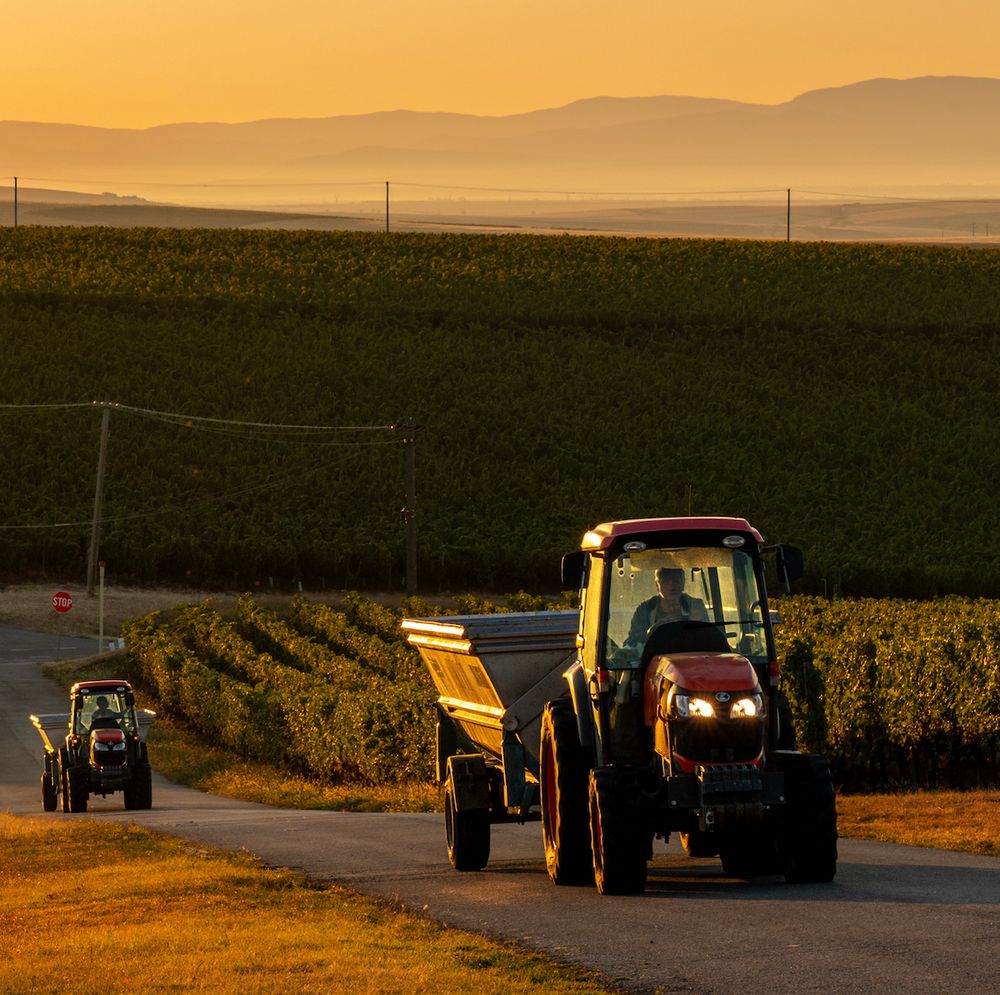
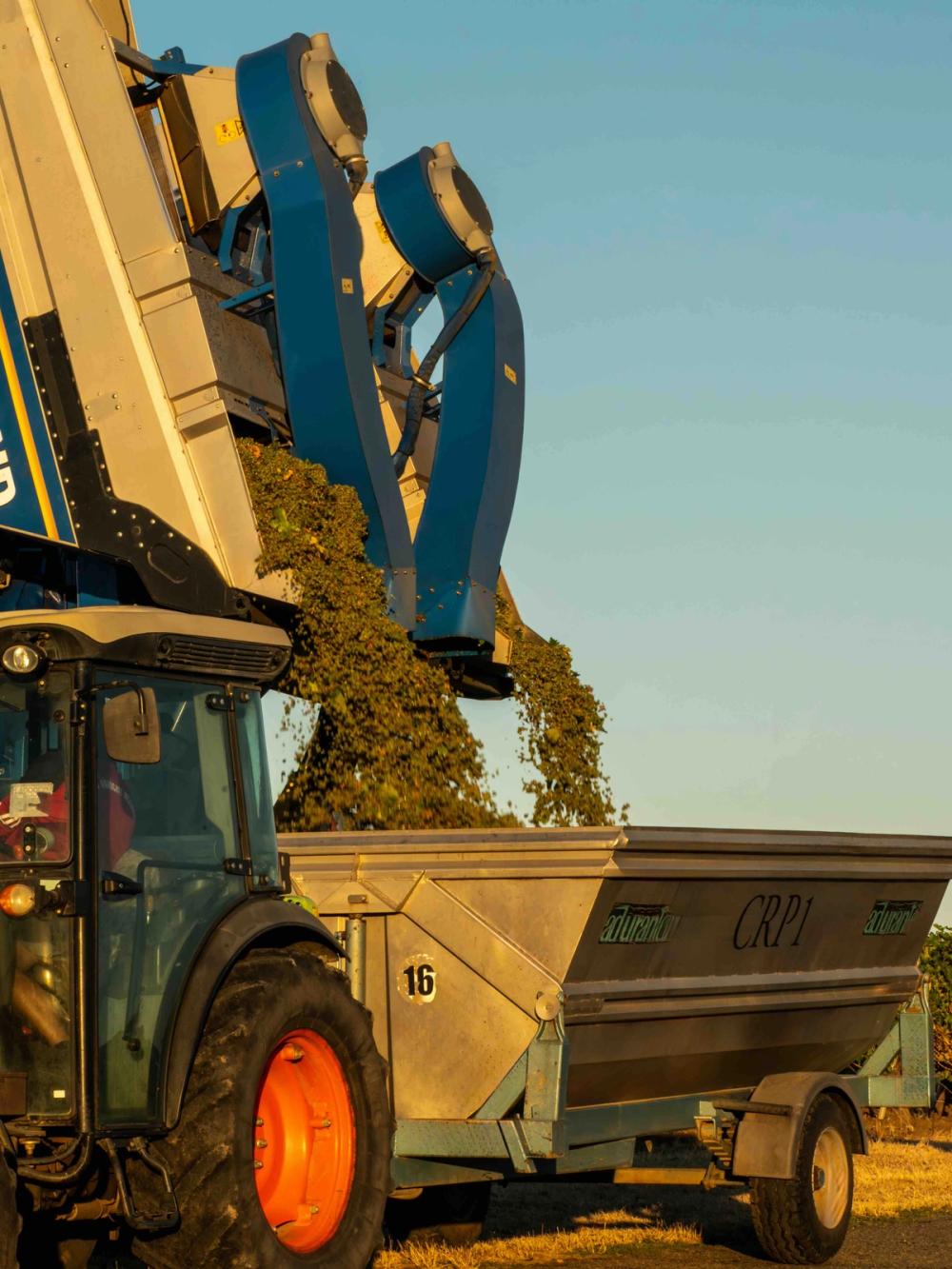
The extreme heat meant Cramele Recas could only pick its grapes at night and has meant its harvest and winemaking teams working 24/7 to get the grapes into the winery
We had to be very well prepared to pick each parcel of wine at high speed as they got to the perfect ripeness levels we were looking for. Luckily we invested heavily and we have 10 harvesters which can pick 60 -70 hectares in one night.
It was also only possible to harvest at night time during this heatwave - it was simply too hot in the day.
Also in the winery we invested again this year another €150,000 in improved juice chilling systems in order to deal with super warm grapes and to get them chilled as fast as possible at high capacity.
That’s the critical thing picking at night and cooling the grapes quickly before processing. It also means, on a human level, we needed to cancel all our holidays this summer and get all hands on deck for a very intense and fast period of harvesting.
Talk us through the growing season and the summer leading up to harvest and why the conditions have been so severe?
The 2026 season has seen unprecedented violently volatile weather conditions which are polar opposites in different parts of the country. The spring was difficult with late frosts in early May which damaged budding in the west of the country whilst we had heavy rains in the east.
During the summer the rains in the east continued and grew to record levels, particularly in the south east Black Sea regions where they have over 700 liters per second per metre of rain in July and August alone. Here in the west we had record drought and virtually no rain since late June until September 10.
So this has created a very different season in various parts of Romania - with the east having a much larger harvest than normal, but with considerable mildew and other disease problems due to heavy rains, and slower ripening of the grapes.
Here in the west the super dry and sunburn conditions brought drought damage to the vines, even killing some young plantations.
It looks like we will finish the harvest in the west before some of the regions in the east even begin harvest - which has never happened before.
What impact did completing a harvest so early have on the overall running of the winery and the team?
Romania saw extremes in weather from huge rains in the east to near drought-like conditiions in the west
Fortunately this is not the first year we have had to cope with such dramatic weather. We have been preparing for this as it is now the fourth year in the last five where we have had to cope withincreasingly volatile and intense drought and weather conditions.
We had to invest heavily in extra harvesting and processing capacity to allow for precision picking at exactly the right moment when the optimal period for the grape is getting shorter and shorter.
It’s not been easy for the team in the winery giving up their summer holidays and working full capacity 24/7 for over a month with a prospect of at least another full month of the same now that we are starting to harvest in the east of the country.
Everyone is exhausted and a bit cranky right now.
Do you see this as being the start of the new normal for wine harvests in Romania?
It’s clearly a pattern and what you call the new normal. We have had a string of excessive weather events including torrential rain in 2022, then intense heat and drought in 2021, 2024,2025, and now 2026. There is no doubt the weather is getting more extreme.
Will it have an impact on the contracts and orders you have with your customers if the harvest conditions become harder to predict and plan for?
It makes it difficult to do low alcohol products that many markets are requesting - particularly the Uk. It’s not impossible but its a tough task to get it exactly right without being able to use methods our competitors do. We can’t, for example, just add water to the wine to reduce alcohol like they do in Australia - that’s illegal in the EU.
Longer term it’s making it difficult to get big enough volumes of grapes to be able to expand. After three dry small vintages in a row we are having to limit what volumes of wine our customers can buy, which evidently is not a good thing and makes it difficult with our relationships with larger customers.
What steps are you taking and will increasingly have to take to manage your vines and grapes in face of such dramatic climate change?
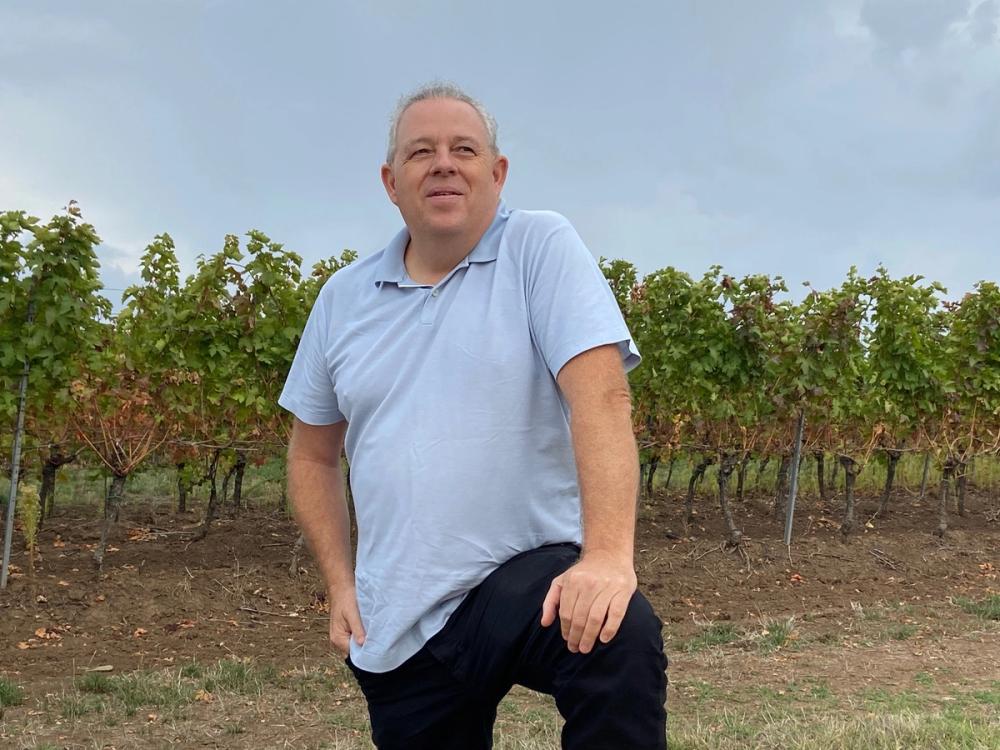
Philip Cox says the big changes in climate change means it will have to look at irrigating more and planting vines at higher, cooler altitudes
As well as improving our capacity to pick fast and at the perfect time, the only long term solution is to look at irrigation and where we can plant vines at higher altitudes and in cooler parts of the country - like the Transylvanian plateau.
Irrigation is difficult here because we have some very restrictive laws for drilling deep boreholes and the wells which are needed for large scale volume irrigation. So at the moment the government rules are blocking us from getting enough water.
But given the situation seems to be with us now on a permanent basis we will push for changes to the rules. Also we are planning to use treated and clarified waste water from the winery and from the nearby town of Recas for our irrigation plans.
Does it increase the need for producers across many wine growing areas to change how they work and look at more sustainabile measures to remain viable?
It makes it very difficult if not impossible to do dry farming which is what we have always wanted to do until now. The sustainability of irrigation depends largely on the water source and the source of energy, so I think our plan to use waste water and our own photovoltaic power that we already have at the winery is pretty sound.
Another important sustainability issue is to prevent doing things that make the situation worse.
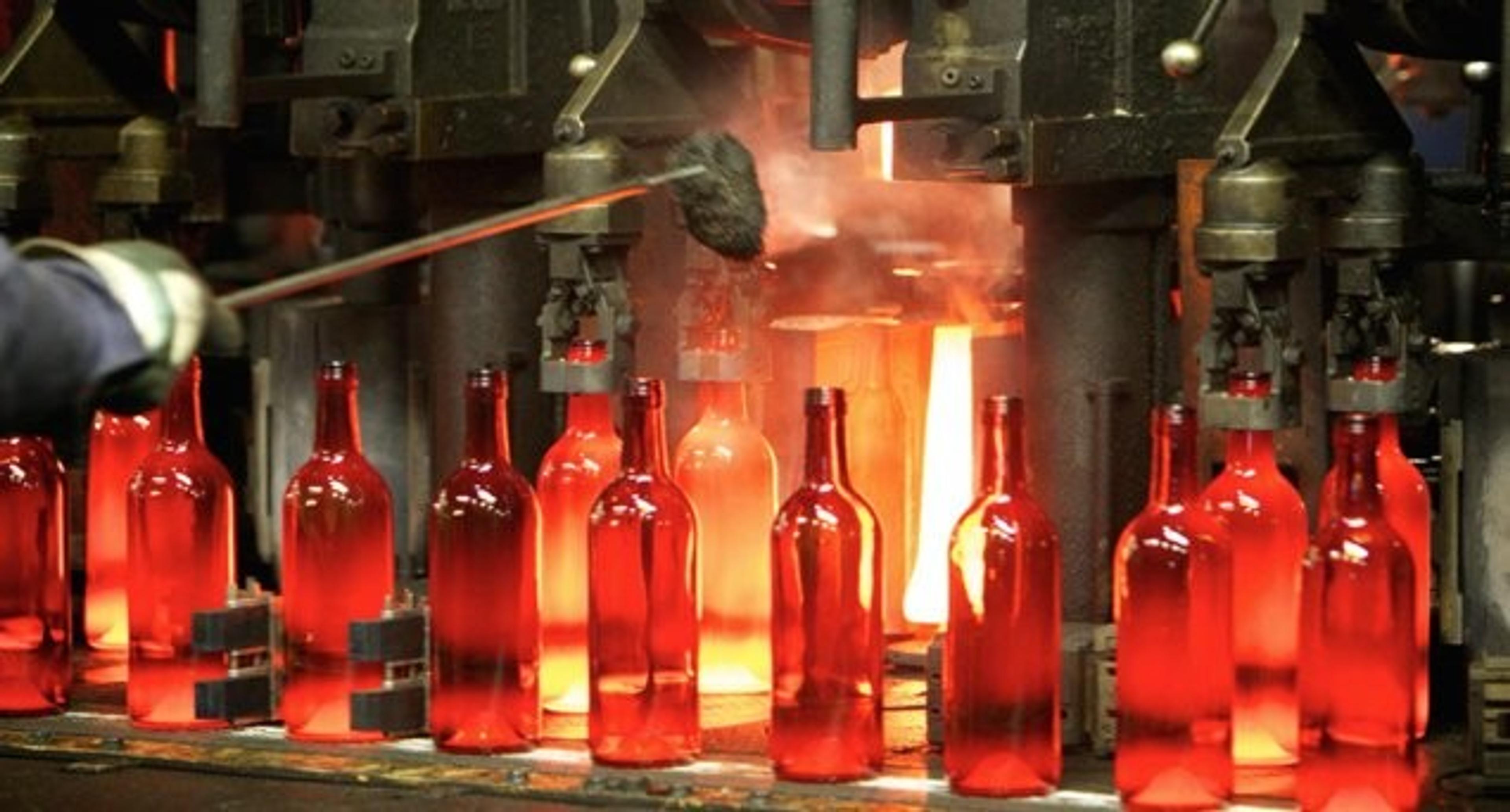
The most important issue in the whole wine industry is glass, which is by far the biggest source of CO2 emissions in the wine industry (over 50%), so getting that solved is way way more important than anything we do in the vineyard. It really disturbs me to see such a lot of debate about doing minor tweaks to things like organic spraying etc, and then putting the products in super heavy bottles.
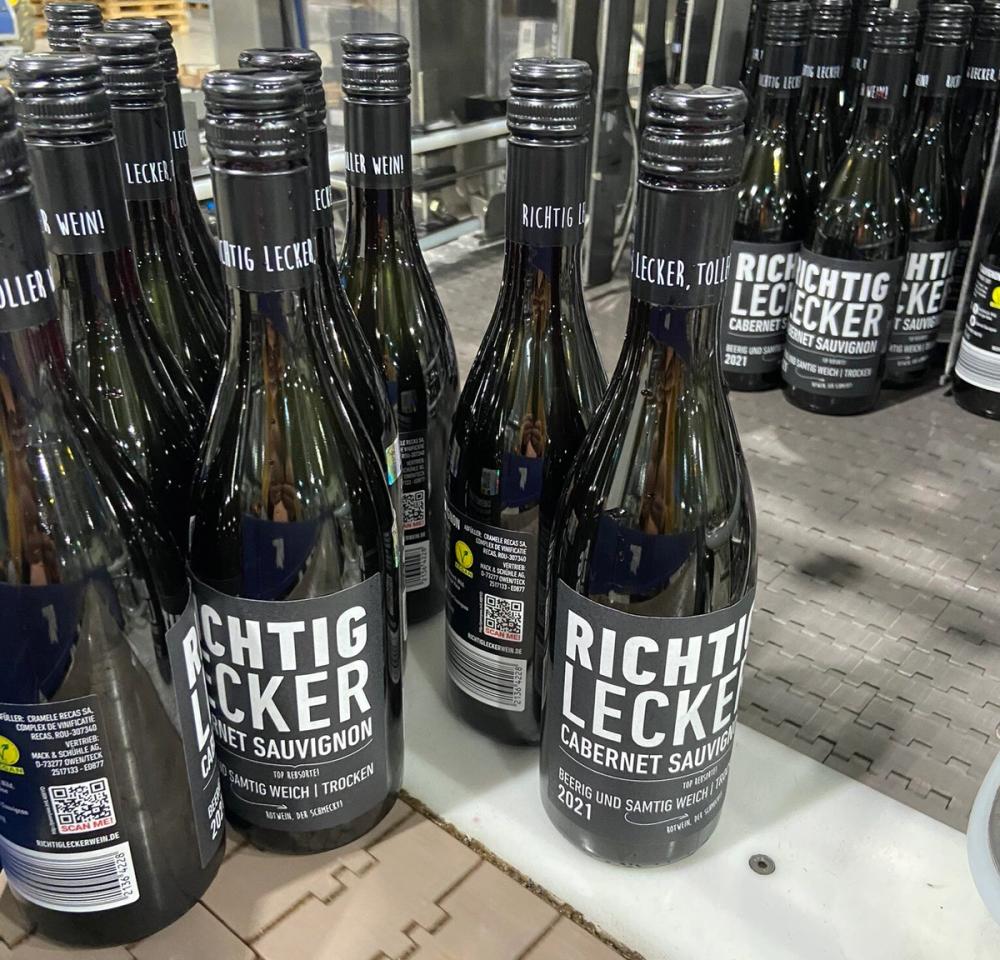
Cramele Recas is leading the way by reducing the weight of its bottles and introuding new recyled PET bottles
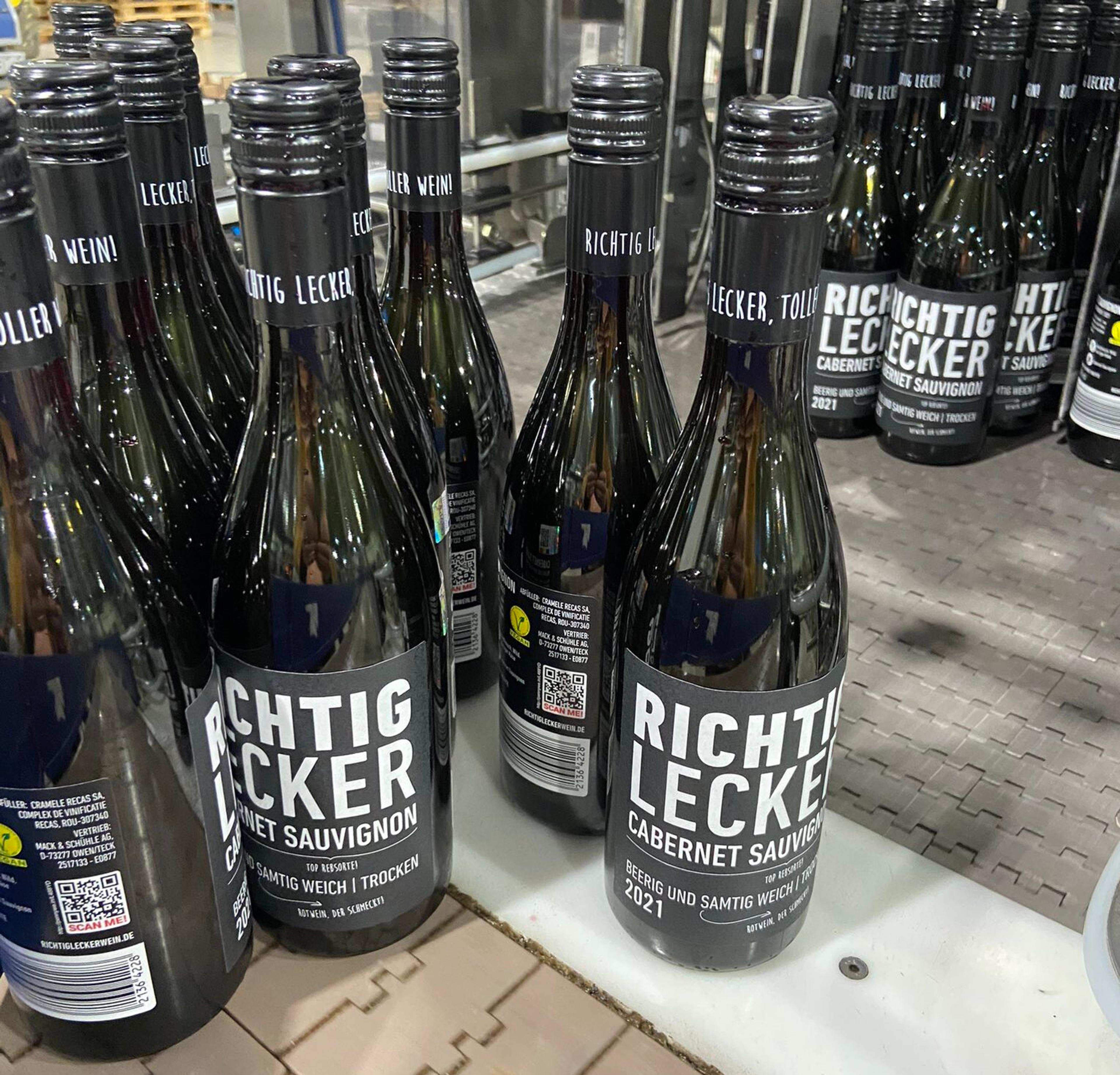
We have taken measures this year to move 90% of our production to the lightest glass bottles currently available - 300g empty weight compared to industry average of over 500g - and we not only pushed several factories to produce these bottles for us, we also pushed our customers to accept them, which in one year will reduce emissions by 27%.
We also launched RPET (recycled PET) bottles which are even lighter (50g empty weight ) and create up to seven times less emissions than glass - during fabrication, transport and delivery to final consumers.
We have been selling these in Scandinavia and to companies specialised in catering for big events and festivals etc.
To me that is one of the most important things wineries can do directly to combat changes in the climate that we all complain about.
What are your overall thoughts and concerns about how quickly climate change is affecting how you operate and fellow produces across Europe and in key parts of the world?
It’s making our lives very difficult. Whole regions across southern Europe, like the Black Sea region of Romania, are turning into desert and will be unsuitable for vineyards in the next 20 maybe even 10 years.
Vines are very sensitive to weather and have a narrow range of conditions where they operate well - which is getting increasingly rare.
I think using irrigation is a short term step that is now critical, but in the long term doing plantations in cooler higher regions will become the norm.
Some people say using more drought resistant varieties is a solution but my experience is that the markets around the world are getting less open to new varieties rather than more - particularly in large scale retail it’s extremely extremely difficult to introduce lesser known or new varieties and takes many many years to do.
The current economic downturn is making that worse with retailers trying to limit ranges rather than expand them.
Anything else to say?
Yes. Use more lightweight bottles. Wineries, retailers, on-trade buyers, sommeliers that hesitate on this issue and insist on heavy bottles are literally contributing to climate change which will drive many of us out of business.
* You can find out more about Cramele Recas at is website here.