
Portugal has never been short of reasons for the UK wine trade to take a closer look at its wine, particularly with so many wine styles and regions to choose from. Its wines are also naturally suited to food, with freshness, balanced alcohol and plenty of regional character.
Despite these advantages, Portuguese wine still has some way to go before it achieves the recognition enjoyed by more established European wine-producing countries among the UK’s restaurant customers.
For many, Portugal remains a country most readily associated with Port, while its still wines – from the whites of Vinho Verde to the increasingly recognised reds of the Douro, Dão and Alentejo – remain relatively undiscovered.
That is the challenge Wines of Portugal sought to address via its programme of activity targeting the UK's premium on-trade. The focus was firmly on raising awareness and visibility of Portuguese wines in leading London restaurants and bars, with the aim of engaging both sommeliers and their customers and ultimately moving Portuguese wine beyond the occasional listing to a more visible and accessible part of the restaurant experience.
Activities amongst the participating restaurants included introducing Portuguese wines by the glass, expanding bottle selections, organising tastings and wine dinners, or providing additional education for restaurant teams. A wider education programme reached a further number of leading London restaurants and clubs, and their experiences offer a useful insight into the opportunities – and challenges – facing Portuguese wine in the premium on-trade.
Muse by Tom Aikens: making unfamiliar wines accessible
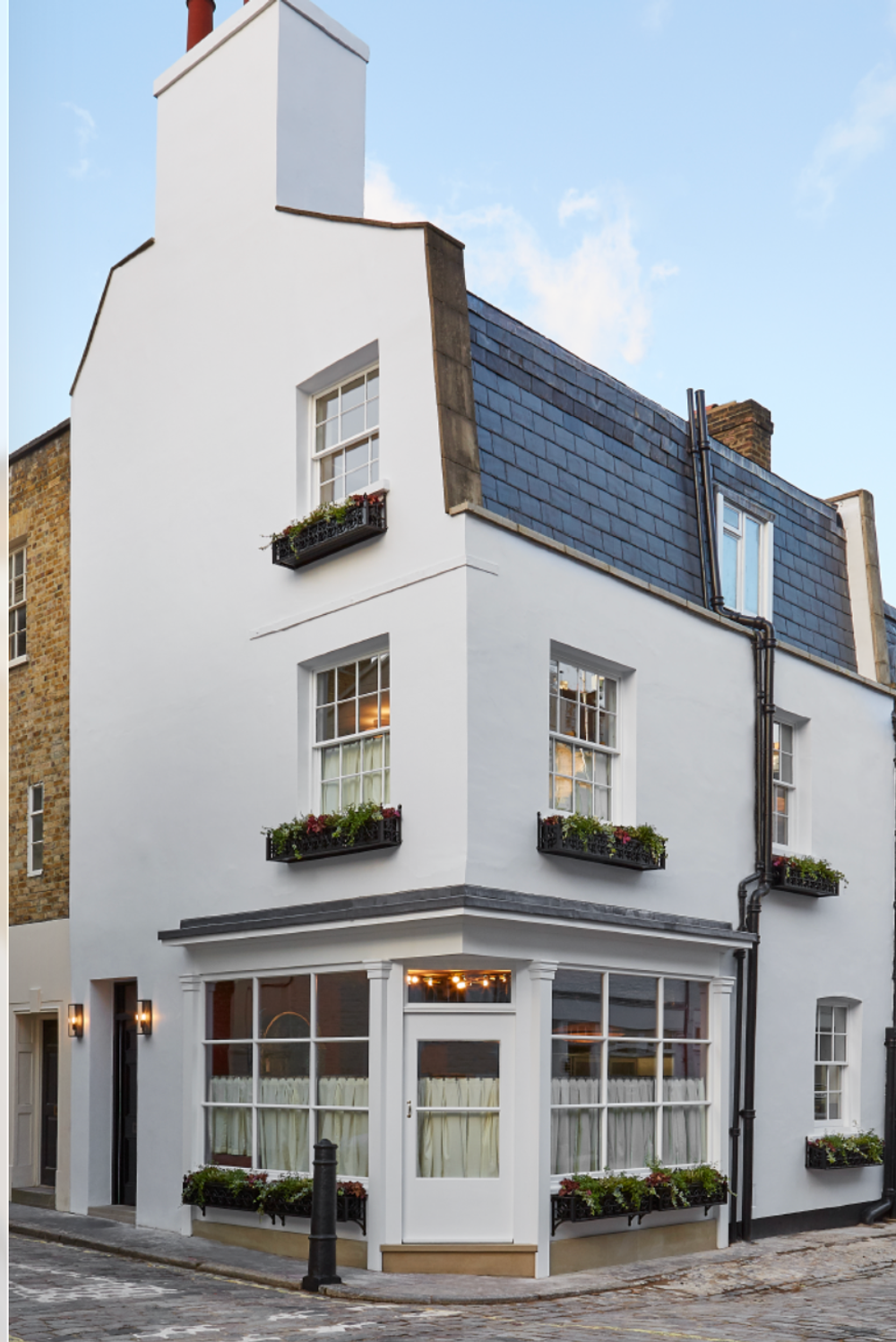
Muse by Tom Aikens
At Michelin-starred Muse, from chef Tom Aikens, restaurant manager and head sommelier Elisa Marchini saw the initiative as an opportunity to explore a country whose wines had previously enjoyed only limited representation on her list.
With around 200 labels, the Belgravia restaurant operates a relatively concise selection in which every wine needs to justify its place.
Before the Wines of Portugal partnership, the list already included a couple of Portuguese whites - a Loureiro from Pequenos Rebentos and Chocapalha Branco, though Marchini admits that the country's range had been limited.
"Portuguese wines offer an incredible diversity of styles, but their regions and indigenous grape varieties can sometimes be less familiar compared to other European wine regions," she says. "The initiative definitely gave me the opportunity to explore Portugal's regions, grape varieties and styles in greater depth."
She expanded the range of Portuguese wines on offer, introducing a white, rosé and red by the glass, alongside additional white and red wines by the bottle.
For Marchini, the by-the-glass offer was particularly important, giving guests the opportunity to try wines they might not otherwise have considered, without committing to a full bottle, while allowing the sommelier team to introduce different regions and styles in a more accessible way.
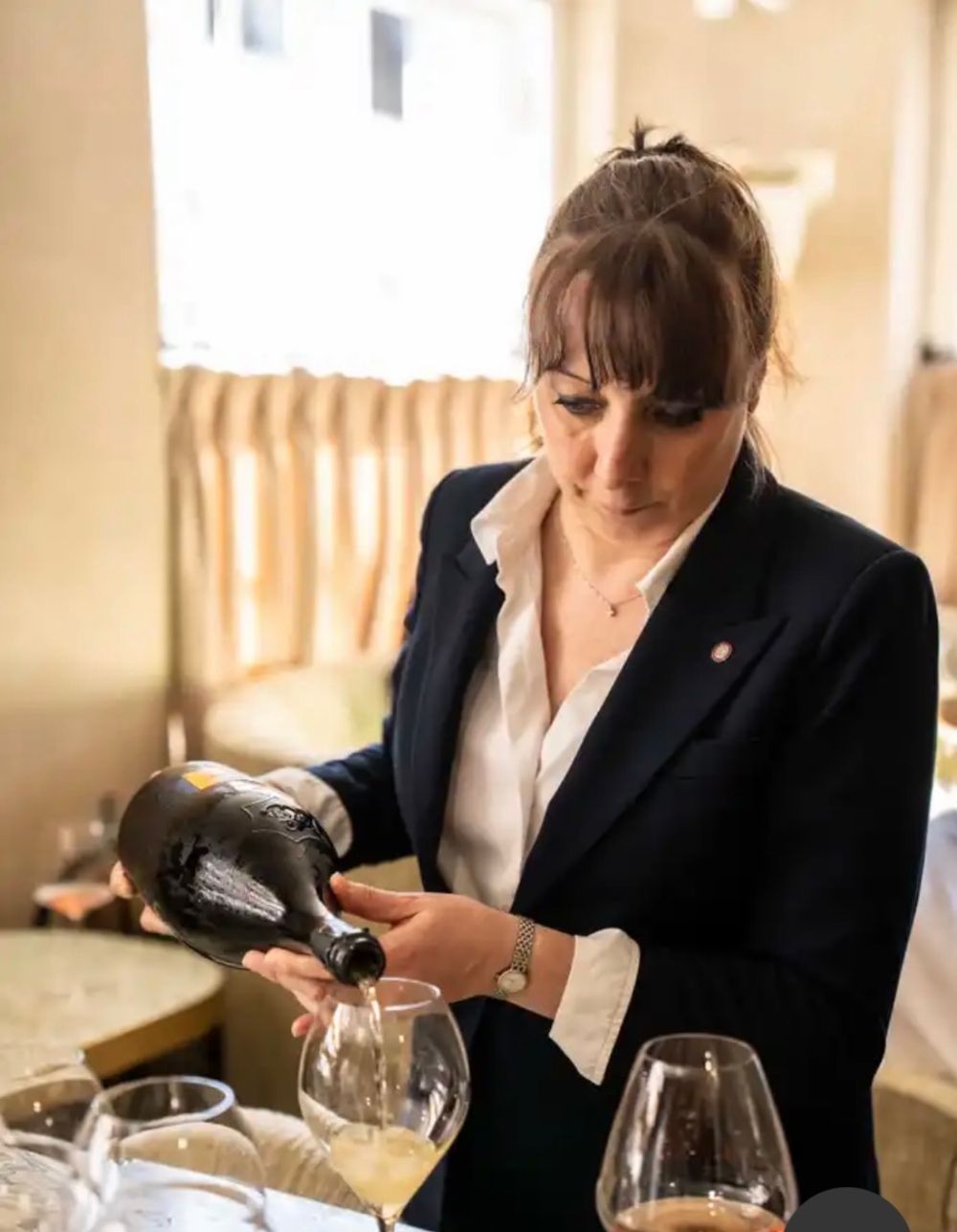
"Many guests have been genuinely surprised by the quality of the wines," says Muse's head sommelier, Elisa Marchini
"It's been wonderful to see how positively people have responded," she says. "Many guests have been genuinely surprised by the quality of the wines, which I think is a great achievement and shows how important it is to give people the opportunity to discover something they might not otherwise choose."
That element of discovery is central to the wider challenge facing Portuguese wine. While the country has plenty of distinctive wines to offer, unfamiliarity can be a barrier to both listing decisions and consumer purchases.
Marchini believes the problem is not necessarily a lack of interest in the wines themselves, but rather a lack of exposure to them.
"I think Portuguese wines are still not fully understood in the UK, beyond the familiarity of Port," she says. "I also think the country's food culture plays a role. People don't always have many opportunities to experience Portuguese cuisine, and consequently, they may have fewer opportunities to discover how Portuguese wines work with food."
It is a point that resonates particularly strongly in restaurants, where the relationship between food and wine can provide a natural route into less familiar regions and grape varieties.
The importance of the pairing
At Muse, where the restaurant offers a tasting menu, food and wine matching is an integral part of the experience. It also gives Marchini an opportunity to demonstrate the versatility of Portuguese wines to customers who may have little previous experience of them.
It also reinforces the argument that Portugal's wines have a natural advantage in the on-trade. The country's gastronomic traditions have helped shape styles that work particularly well at the table, with freshness and acidity providing versatility across a wide range of dishes.
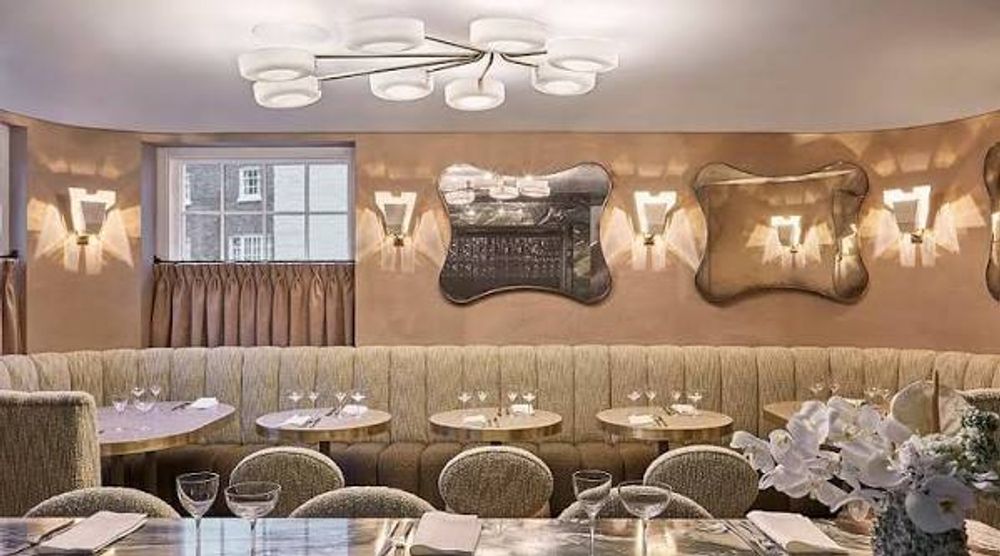
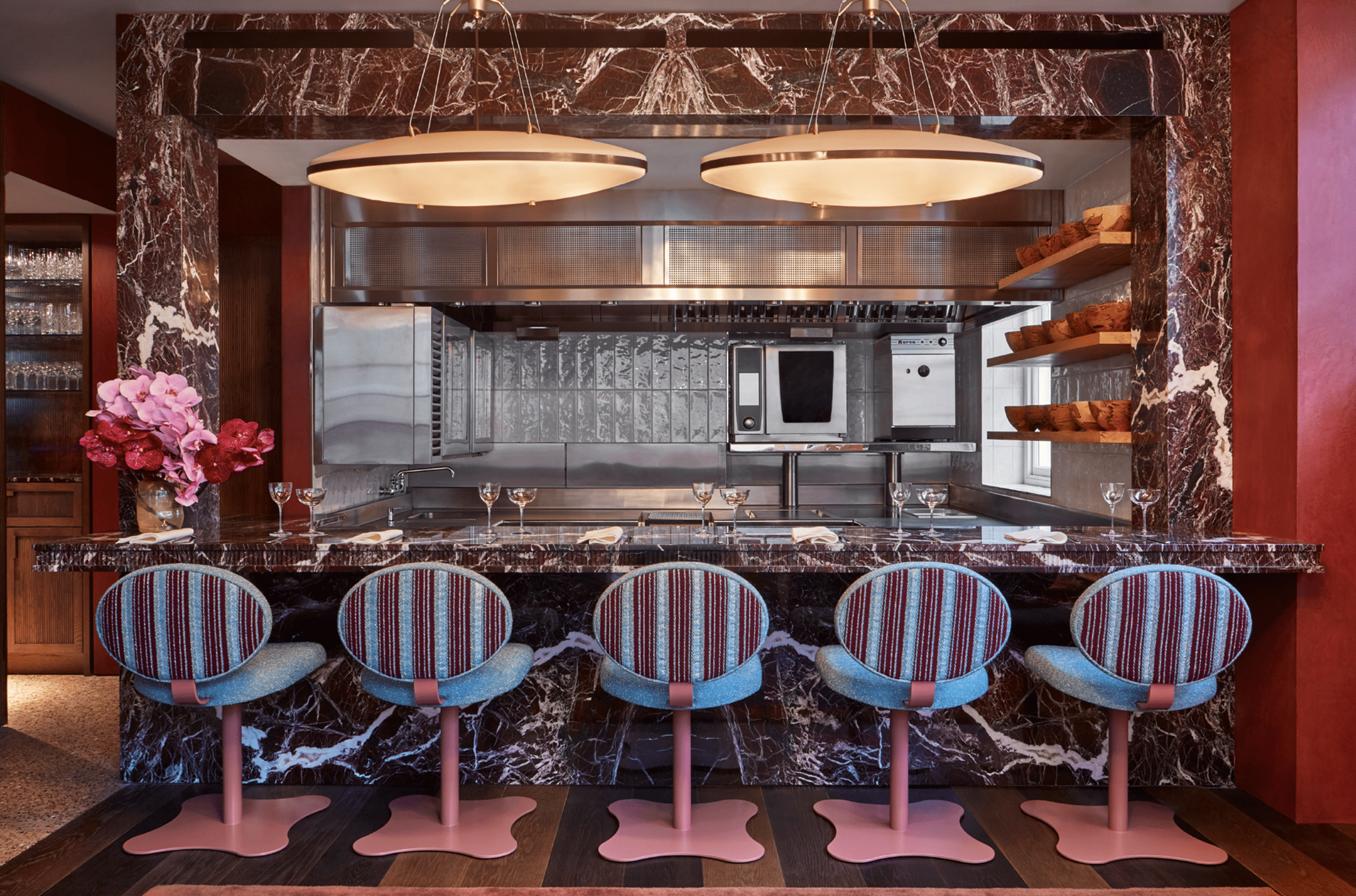
Michelin-dining at Muse
Vinho Verde whites, for example, can work particularly well with seafood, salads and lighter dishes, while whites from Dão offer a little more texture and complexity for poultry, grilled fish and Mediterranean-inspired cooking. Baga-based reds from Bairrada have the structure to complement roasted meats and game, while Douro reds can work particularly well with richer dishes and traditional British roasts.
The opportunity, therefore, is not simply to persuade restaurants to list more Portuguese wines, but to help sommeliers understand where they can add value to the dining experience.
Wines featured at Muse in the Wines of Portugal campaign were:
Mendes & Symington Contacto Loureiro, Vinho Verde, 2024
Bal da Madre Red
Rose’ Bal da Madre
Chocapalha Branco Reserva
Quinta de Chocapalha Cabernet Sauvignon
Clarette: building on an existing relationship
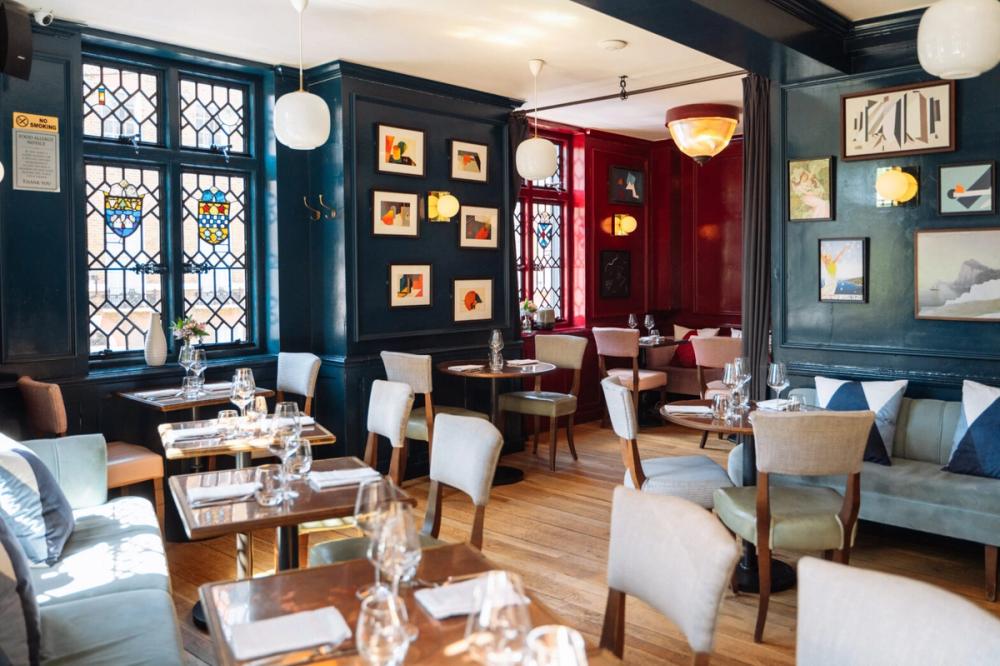
Clarette in Marylebone, London, has been a strong supporter of Portuguese wines
At Clarette, in Marylebone, London where the wine list focuses heavily on French wines and Bordeaux in particular, general manager and head sommelier Riccardo Del Nocce approached the initiative from a slightly different starting point.
Unlike restaurants that had yet to establish a meaningful Portuguese presence, Clarette already had a selection of wines from the country, including bottles from Filipa Pato and Anselmo Mendes, alongside Port from Quinta do Noval and Taylor's, reflecting his own longstanding interest and connection with Portugal.
"I always had Portuguese wines on the list. I have a special connection with the country, and I love how their wines are developing over the years," he says.
His involvement with Wines of Portugal had developed through attending its masterclasses and taking its Portugal Ambassador examinations, and it was during one of these events that he was approached about participating in the restaurant campaign.
"I did add a few more Portuguese wines, but also used what was already present,” he says. “My list is very dynamic."
That flexibility was important. Rather than treating the initiative as a short-term promotional exercise or simply adding a fixed number of bottles, Del Nocce was able to use the campaign to give greater prominence to wines already on the list while exploring additional options. He believes that Portuguese wines have made considerable progress in the eyes of consumers, although there is still work to do in communicating the country's diversity.
"Portuguese wines entered the consumer selection as everyday affordable wines. Being an amazing holiday destination, many people have discovered that there is a lot more than house wines, and today the perception is much higher. They are getting the respect they deserve, thanks also to activities such as this.”
One of the most valuable aspects of the initiative according to Del Nocce was the opportunity to explore just how versatile Portuguese wines can be, including styles that might be unexpected for customers more familiar with the country's traditional offerings.
He was particularly surprised by the discovery of the long-established tradition of orange wines in Alentejo, an example of the country's capacity to offer something beyond the styles that have become most familiar in export markets. He is also increasingly enthusiastic about the wines of the central regions, singling out Baga from Bairrada and Encruzado from Dão, as well as Bical, as varieties deserving greater attention.
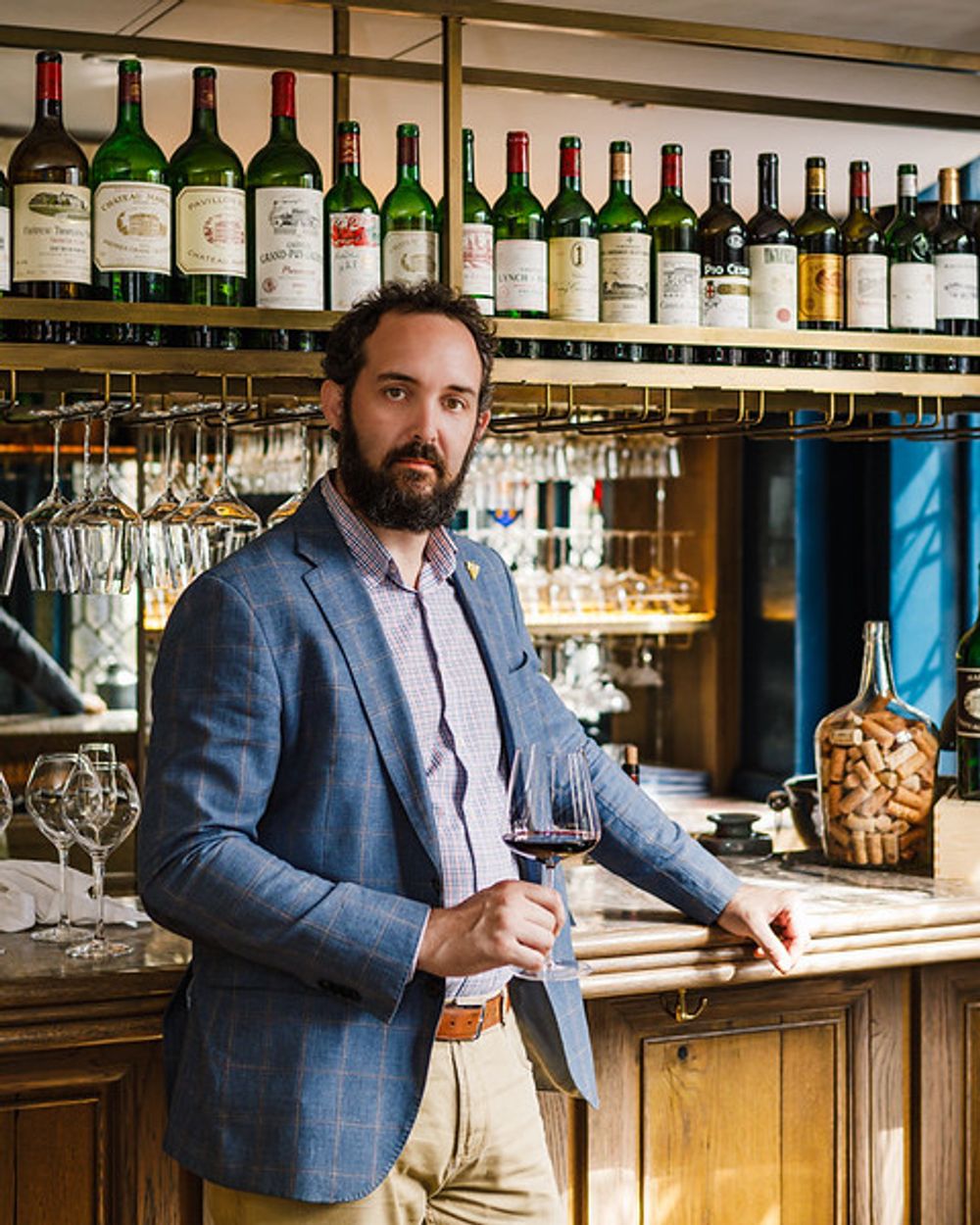
Clarette's Riccardo del Nocce: "I will always have Portuguese wines, and my relationship with Wines of Portugal and the country will only grow with time"
While Alvarinho is already relatively well known among wine professionals, he believes these other varieties have plenty of potential to attract interest from sommeliers looking to offer customers something different.
The wines also have a natural affinity with food, as the Clarette menu demonstrates. Among his recommended matches are Duas Quintas Branco from Ramos Pinto with the restaurant's seabass ceviche, cucumber, jalapeño and coriander.
Another particularly successful combination is Post Scriptum de Chryseia with Clarette's Barnsley lamb chop, served with yoghurt, maple, sage, courgette salad and pomegranate molasses.
On price, Del Nocce believes Portugal generally offers good value compared with wines from other countries, although he acknowledges that some premium bottles are beginning to push the boundaries. "Today you can start finding some amazing wines with a more premium price, and sometimes they push it a bit too far. But overall they are great value."
Crucially, his commitment to the country extends beyond the duration of the campaign.
"I will always have Portuguese wines, and my relationship with Wines of Portugal and the country will only grow with time," he says.
For a restaurant with a tasting-menu format, food pairing can be a particularly effective way of introducing unfamiliar wines. Elsewhere, a carefully chosen selection by the glass or a more prominent position on the bottle list may be the better route. But what really matters is giving the wines visibility and making sure that the people presenting them have the knowledge and confidence to communicate their appeal.
Education is key
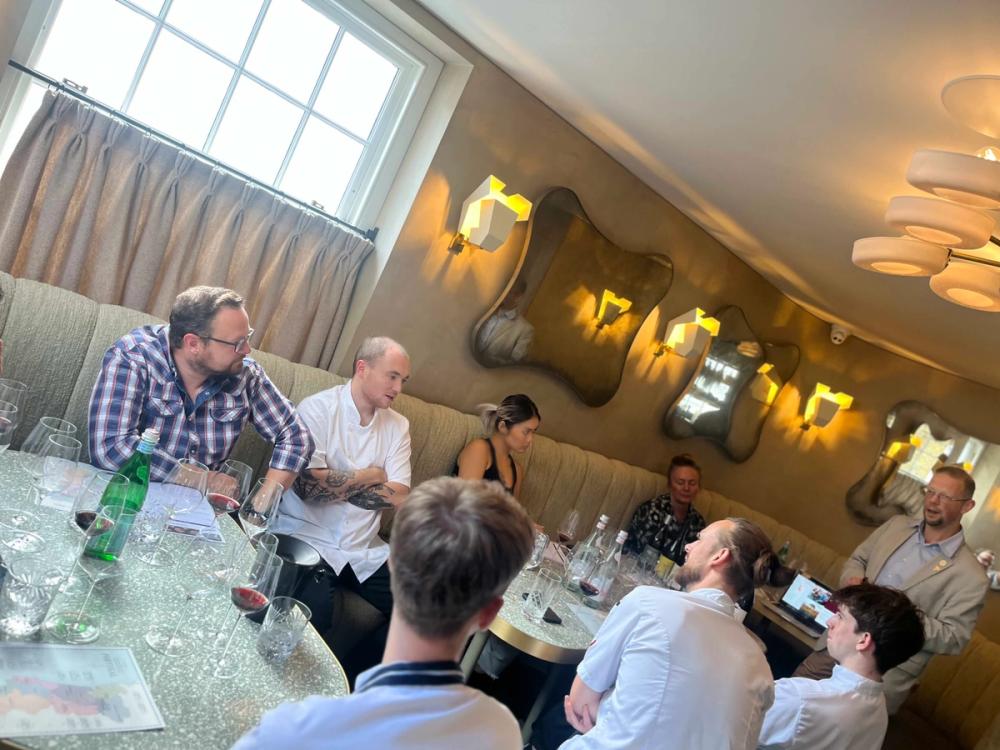
The Muse team was able to take part in a masterclass to explain and promote Portuguese wines as part of the Wines of Porgu
This is where the educational element of the Wines of Portugal programme comes into play. Alongside the restaurant campaign, the organisation delivered training sessions across 10 leading London restaurants and clubs. Each session was led by a specialist Portuguese wine educator and designed to deepen the knowledge and understanding of the country's regions, grape varieties and styles among sommelier teams.
For Marchini, the session at Muse was particularly valuable because it involved the whole team, rather than being restricted to the wine department. As a chef's-counter restaurant, Muse encourages its chefs to engage directly with guests, explaining the dishes and the thinking behind them. Giving the kitchen team a better understanding of the wines therefore offered an additional opportunity to connect food and wine.
"The session introduced a few different Portuguese wines and gave the team useful knowledge to share with guests," she says. "It also gave our chefs another topic to talk about, helping them connect the food with the wines and enriching the overall dining experience."
She believes this wider involvement is important when trying to introduce less familiar wines. "When the whole team understands the wines being served, it becomes easier to communicate their character and story to guests and encourage them to try something new."
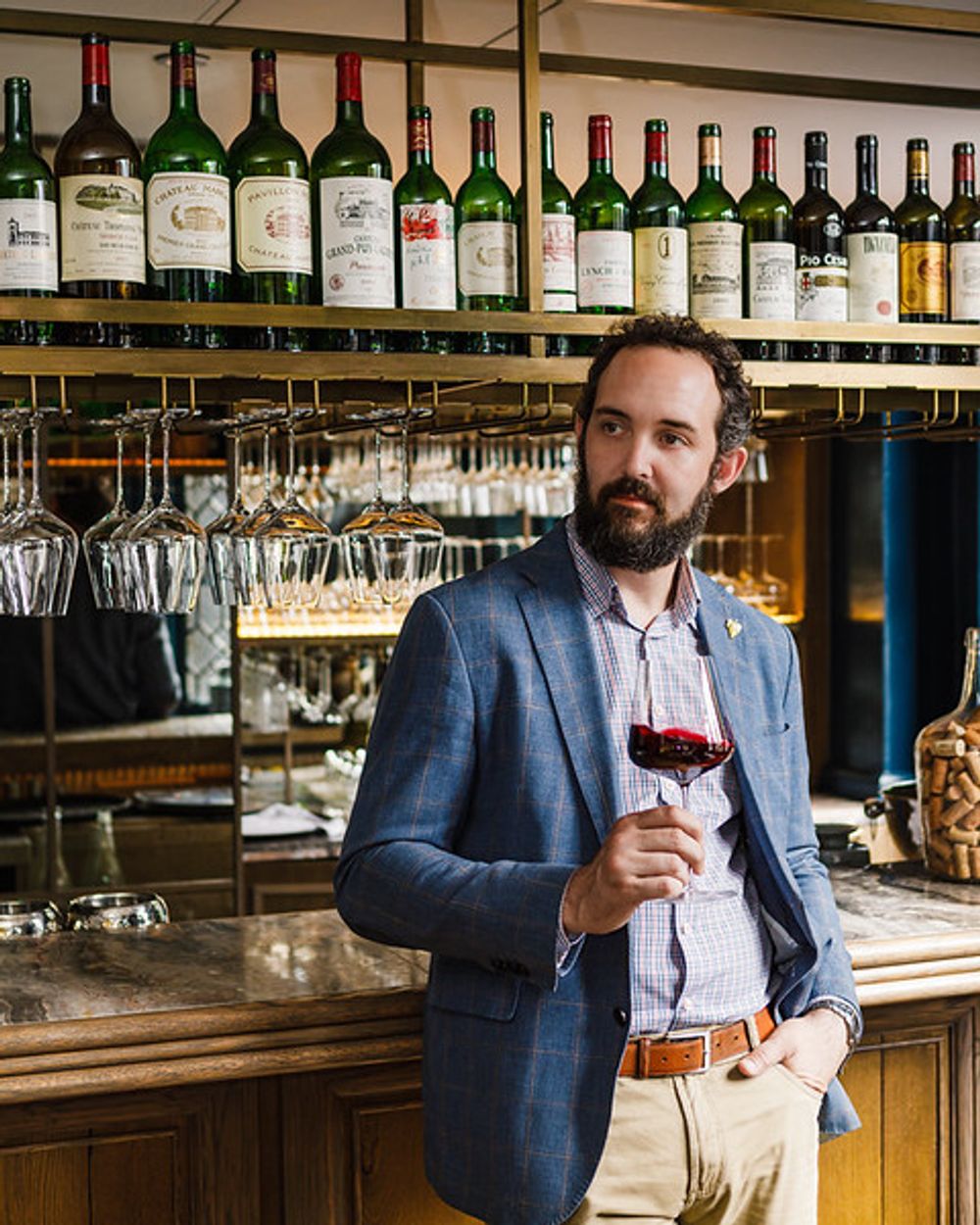
Riccardo Del Nocce says the training opportunities to find out more about Portuguese wines were invaluable for his team
Del Nocce also found the training useful, although for him it was particularly valuable as a way of bringing his wider team up to speed. Having already attended Wines of Portugal masterclasses and completed the Portugal Ambassador examinations, the session was largely a refresher on the country's regions.
However, he believes it offered considerable value to his staff and sommelier team, who enjoyed learning more about a country whose wines they do not necessarily encounter every day. For Portuguese wine, where unfamiliar grape names and regional identities can sometimes appear daunting to consumers, that ability to tell a story and explain what makes a wine distinctive is especially valuable.
A wealth of indigenous varieties
One of Portugal's greatest assets is the sheer diversity of its indigenous grape varieties which offer something a little different: wines with a strong sense of place and varieties that are not readily replicated elsewhere. According to Marchini, Alvarinho and the wines of Vinho Verde are particularly exciting, with considerable potential to gain greater recognition in the UK.
"I love the freshness, vibrancy and versatility of these wines, which make them particularly interesting from a food-pairing perspective," she says. "They can offer so much more than people might expect."
She believes that the UK restaurant sector offers an ideal platform for showcasing these wines, particularly in establishments where food and wine pairing is central to the experience.
Her own exploration of Portugal has also helped shape her approach. Having visited several of the country's wine regions, she has developed a greater understanding of their individual characteristics and the differences between their indigenous varieties.
The value proposition
Price is another important part of Portugal's appeal, particularly at a time when restaurant operators and their customers are increasingly being forced to tighten their belts.
"One of their strengths is the variety of styles and price points available, which gives us flexibility at Muse to offer different options to our guests," says Marchini.
She also sees potential beyond the restaurant environment, with Portuguese wines offering quality, character and variety for consumers looking to buy bottles to enjoy at home.
For the on-trade, however, value is about more than simply finding an inexpensive bottle. Wines need to deliver quality, a compelling story and a clear reason for being on the list. Portugal's combination of indigenous varieties, distinctive regional styles and established blending expertise gives sommeliers plenty of material with which to work.
Frederico Falcão, chairman of the ViniPortugal Board, claims that the country's authenticity, diversity and expertise in blending are among its greatest strengths.
"With more than 250 indigenous grape varieties, the country offers one of the world's richest viticultural heritages and a wealth of wine styles that cannot be found anywhere else," he says.
Falcão also believes that awareness of Portuguese wine among UK consumers has improved significantly in recent years, driven by greater recognition of its indigenous grapes and wine regions, increasing demand for diversity and authenticity, and the continued support of the UK trade, media, sommeliers and specialist retailers.
A market with room to grow
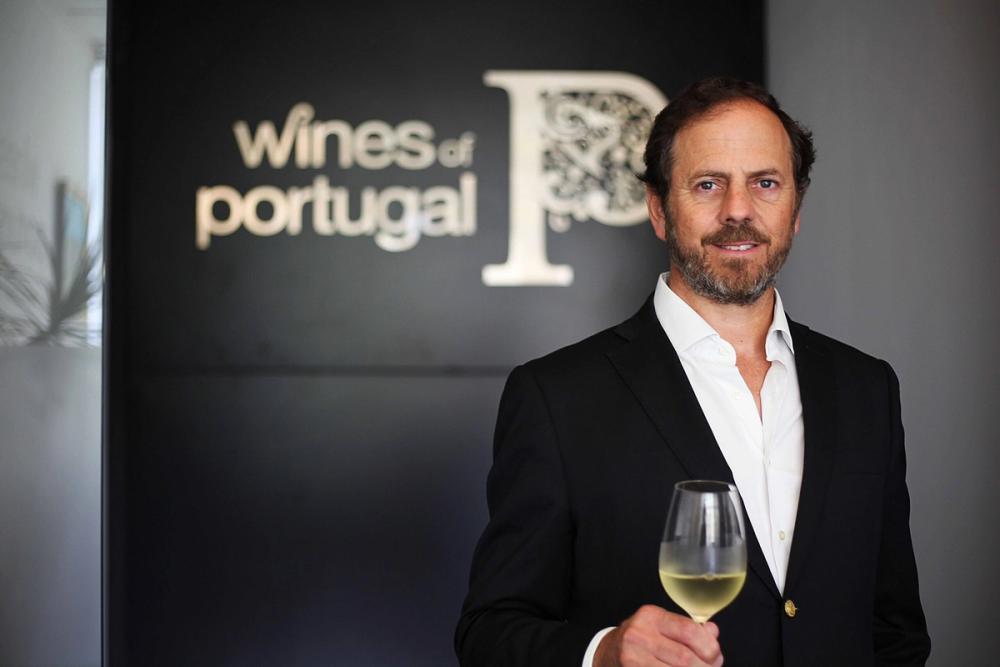
Wines of Portgual's president Frederico Falcão is commtted to helping its producers find more listings in premium restaurants in key citities and markets
Wines of Portugal has invested in awareness-building and trade engagement in the UK for many years, through trade tastings, educational programmes, sommelier engagement, consumer events, media partnerships and promotional activity.
Falcão claims these initiatives have helped improve the visibility and reputation of Portuguese wines, particularly among high-end restaurants, leading sommeliers and influential wine buyers.
However, there is clearly still work to do in translating that growing trade recognition into wider consumer familiarity.
Beyond the campaign
For both Muse and Clarette, the initiative appears to have achieved one of its most important objectives: giving Portuguese wines a more prominent and lasting place on their respective restaurant lists.
Marchini for one is clear that she intends to continue listing wines from Portugal after the partnership with Wines of Portugal comes to an end.
"This initiative has given me the opportunity to explore some fantastic wines from Portugal, but I feel there is still so much more to discover," she says.
The positive response from guests has encouraged her to continue exploring the country's regions and varieties, both to develop her own knowledge and to share more discoveries with customers.
She is realistic, however, about the time it takes to build consumer awareness. While guests have responded positively to the wines they have tasted, it is too early to say whether they will begin specifically requesting Portuguese wines.
"I believe that creating these experiences is an important first step," she says. "By giving guests the opportunity to taste the wines, understand their origins and discover the different indigenous grape varieties, we can help build their curiosity and confidence."
Del Nocce's commitment is equally clear, saying the initiative has given him the opportunity to extend an already established selection, introduce his team to a broader range of wines and reinforce the country's place on the Clarette list.
That is perhaps the most important lesson from the campaign. Getting Portuguese wines onto a restaurant list is only the beginning. The real opportunity comes when sommeliers are confident enough to recommend them, chefs understand how they work with the food, and customers are encouraged to try something they might not otherwise have considered.
Portugal has the wines, the heritage and the diversity. The task now is to make sure more people get the chance to discover them.
- As part of this exclusive campaign, focused on the premium on-trade sector, Seabra Xisto Cru, Quinta da Romaneira Três Parcelas, Quinta do Noval Reserva Branco and Parcela Única were exclusively featured at Maison Estelle, one of London's leading private members' clubs.