
I have written a couple of times recently about the short-sightedness of anyone who sees 'sustainability' as a cuddly 'nice to do'. I have argued that this is something which needs to be central to any strategy for a wine business to build resilience both now and in the future. It is not a fad, perhaps to appeal to apparent consumer preferences, but something that needs to be central to a rational commercial strategy.
As I am research director for the Sustainable Wine Roundtable, some might say 'you would say that wouldn't you; you work in sustainability.' However, it is not just me. The same argument is also being made by people running large wine companies, articulating how sustainability is central to how they run those businesses.
For example, in a recent post, one of SWR’s members, Anne Bousquet arguedthat her business had adopted sustainability practices not as a “trend decision”, but because “we believe it is the best way to care for our vineyards, enhance the quality of our wines, and create a business that will endure for generations.”
The closer you look, the more evidence there is that what Anne says is quite correct.
Cost savings
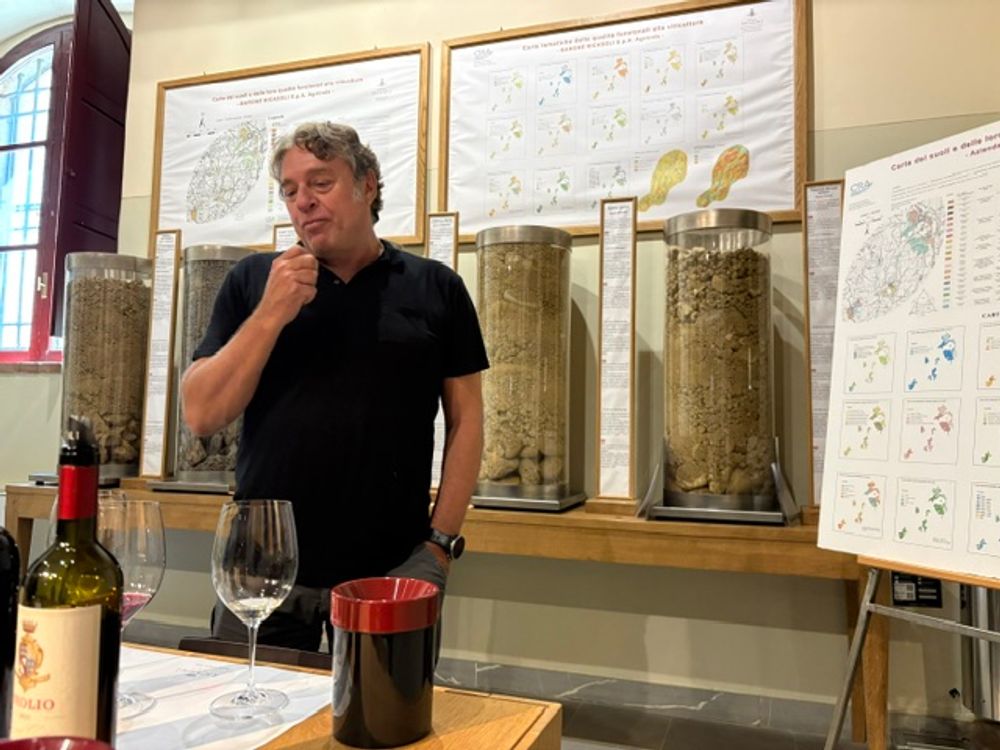
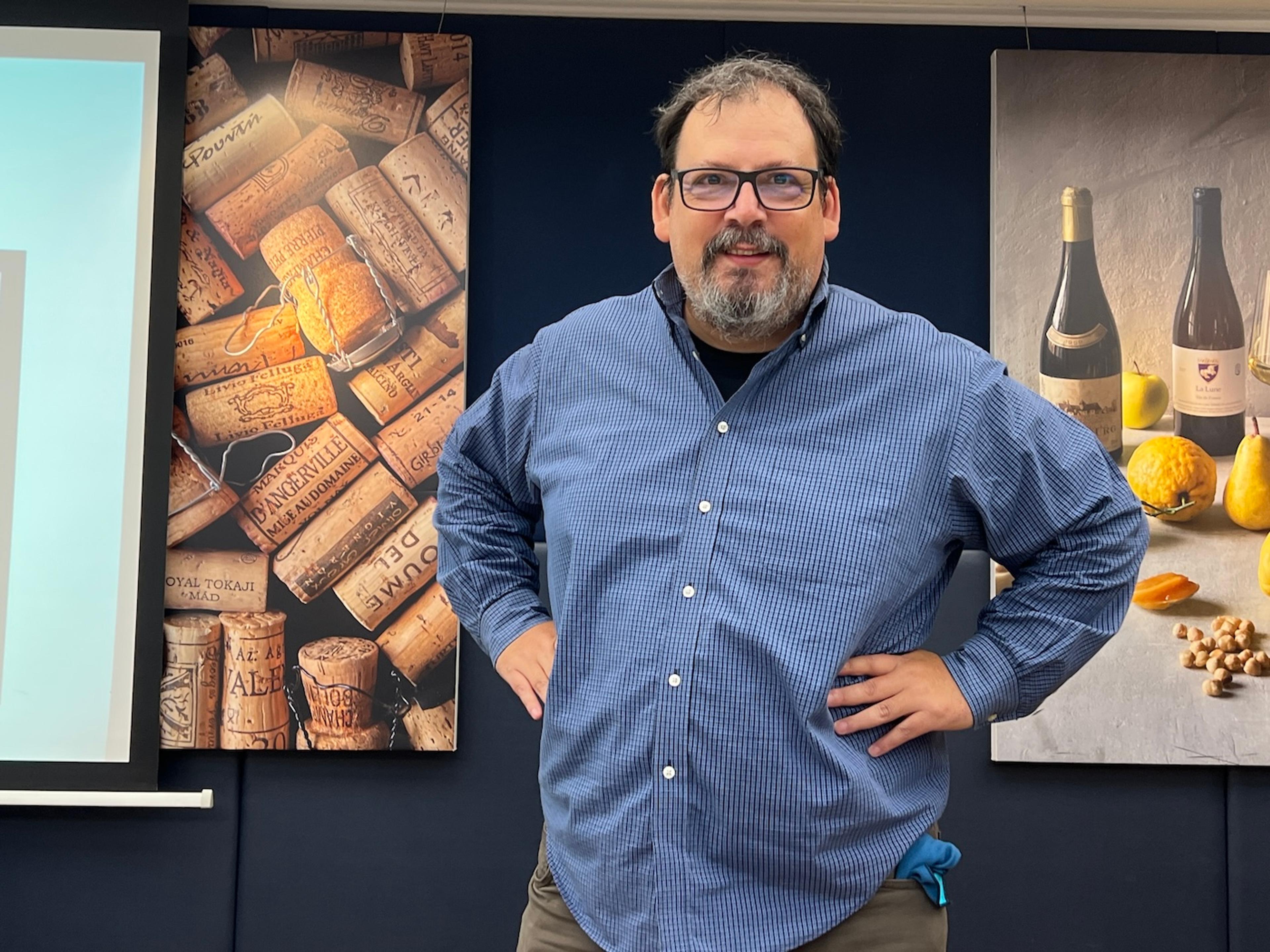
Massimiliano Biagi is helping drive sustainability practices at Barone Ricasoli
Let’s start with cost savings from using sustainability practices in the vineyard. Earlier this summer, I had the great pleasure of visiting the Barone Ricasoli estate in Tuscany where I was hosted by technical director, Massimiliano Biagi. What I saw there echoed the same logic, that sustainable practices are central both to current profitability and to long-term resilience.
An example is the estate’s minimisation in use of chemical fertilisers. Yes, part of the rationale is that excessive chemical use damages soils over time. But there is also a much more pragmatic reason: cost savings. By using satellites and drones to map his vineyards, Massimiliano has a clear plan about what areas need fertilisation, and which do not.
The estate began variable-rate fertilisation in 2022 and expanded the acreage until the technique was applied to 100% of the vineyards today. Initially, they saved 15% on fertiliser, and have now reached savings of approximately 27%. In financial terms, the savings amount to a significant €17,000.
The same logic was applied to pesticide use at Ricasoli, which started with the understanding that pest risk differs across the estate, and therefore the response needs to be focused not generalised. Ricasoli use sexual confusion techniques as the primary means of parasite control. Chemical interventions are used sparingly, and only when needed. Again, we see the use of precision viticulture as a means both to enhance the long-term health of the vineyard, but also manage costs and profitability.
There are plenty of other examples of this sort of initiative. A study published this year in the journal Precision Agriculture confirmed the benefits that Massimiliano talks of. This study followed an estate in Chianti across three seasons, comparing conventional management against two levels of precision technology. The results are attention grabbing. The blocs managed with variable-rate fertilisation saw gross returns more than 50% higher than those managed conventionally. As the study concluded, “Putting less on, in the right places, produced more.”

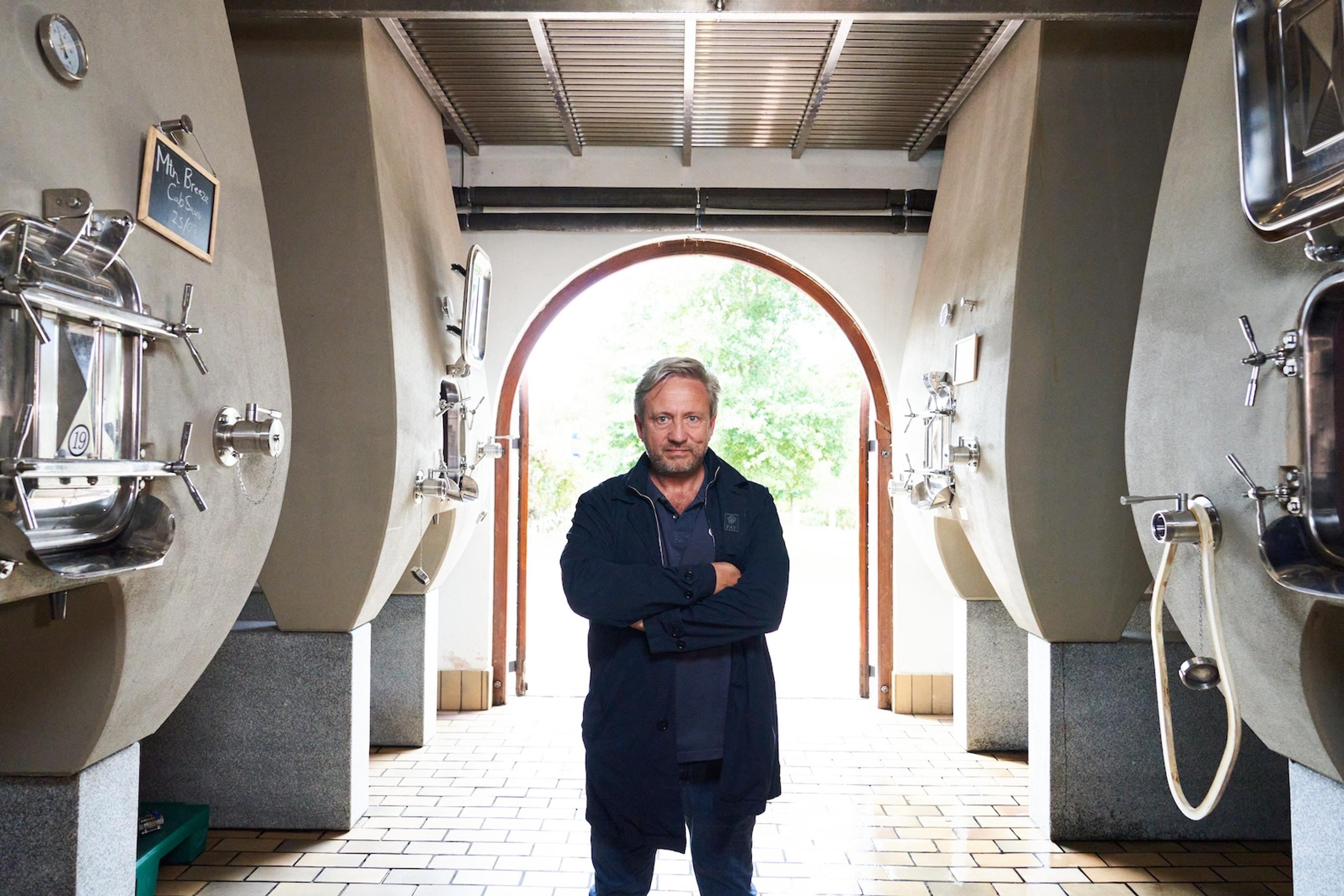
Peter Stanbury and David Landini at Villa Saletta
It’s not just in the vineyard where sustainability initiatives can yield valuable savings: there are opportunities too in the winery. During my Italian trip I also visited the amazing Villa Saletta, where I met chief executive David Landini.
Its new winery has been constructed using recycled cork as an insulating material to keep out heat and so reduce the need for cooling. David estimates that this has led to an average 30-35% saving on energy costs.
Sustainable packaging
Packaging too is an area where initiatives that sit under the ‘sustainability’ umbrella can provide significant financial benefits. In 2023, SWR launched its Bottle Weight Accord to reduce the weight of wine bottles from an average then of about 550g to 420g.
The initial goal was to reduce the carbon footprint of wine, and indeed the Accord has done that. In it’s first two years it saved nearly half a million tonnes of carbon. That’s the equivalent to the emissions of a city the size of Cambridge. However, had all those savings been subject to UK EPR rates (and bear in mind that similar regimes are being introduced in the EU, some US states and other key markets), BWA members would have saved nearly £60m in taxes.
However, it is also becoming clear that good sustainability practices will increasingly have a fundamental impact on a company’s core financial functions: insurance and financing.
It has not escaped the notice of insurance companies that climate change has a fundamental impact on the risk profile of companies in the agriculture sector. As a 2024 report by consultants PwC concluded, increasingly “agricultural insurance will be much more responsive to impacts from extreme weather events”, adding that “practices of sustainable agriculture that can mitigate the impact of climate change will thus play a key role for insurance”, and pointing explicitly to “incentives in insurance premiums for sustainable agriculture as a preventive mechanism.”
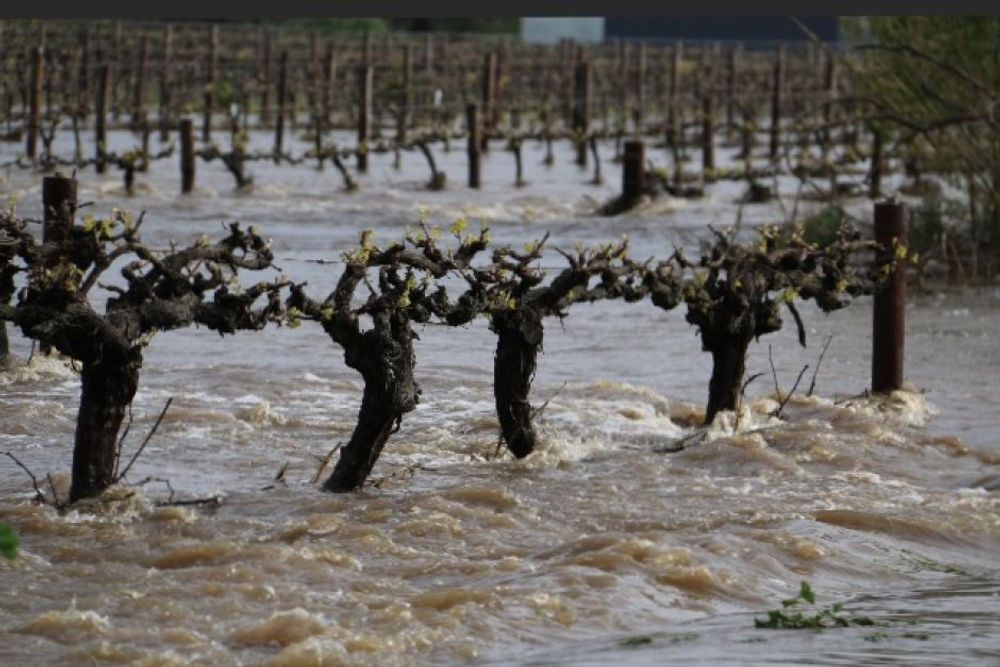
The increase in floods, fires and frosts across the world has alerted the banking and insurance sectors looking to support wine producers
Insurers are right to be concerned. A review of insurance risks in the wine sector found that the global frequency of wildfires, floods and hailstorms has risen 400 -500% over five decades. French spring frosts in 2017 and 2021 caused losses exceeding 50% in key regions and the 2024 hailstorms destroyed up to 80% of the harvest in parts of Pomerol and Chablis.
Given these risks, demonstrable risk mitigation – for example changing pruning techniques or use of netting to protect grapes -stops being a virtue and becomes key factor in minimising insurance costs.
Good sustainability practices look likely, over time, also to affect the interest rate and fees associated with bank funding.
In the UK, for example, Barclays’ Farm Transition Finance offers a 0.3% interest rate reduction to farms holding SFI, LEAF Marque, Soil Association organic or Regenified certification. HSBC’s Sustainable Farming Pathway, launched in September 2024, discounts loan fees on term lending from £25,001 to £25 million for LEAF-certified businesses.
A similar approach was announced in New Zealand in 2023 by Westpac, whose Sustainable Farm Loan gives a 0.20 per cent discount off the loan margin across all farm term debt, with two years allowed to meet the standard.
It is clear therefore that ‘doing sustainability’ is not a fluffy add-on to be discarded if budgets get a bit tight. Increasingly it is something that saves money today, and ensures the durability and resilience of a wine business for the future.
* You can find out more of the work of the Sustainable Wine Roundtable here.
* Sustainablity in Drinks event takes place in London on October 21. More details on how to attend and who is taking part here.
* You can see the full programme here and to buy tickets click here.
* SID takes place on October 20, 10.30am to 8.30pm at Christ Church Spitalfields, Commercial Street, London, E1 6LY.