What have you changed or developed for Series Two?
The first series proved the idea worked, wine creates a very different political conversation. For Series Two, we’ve become even more ambitious with the guests, wines and production. We’ve brought in partners who help us tell the wine stories more fully, alongside a new website and members’ club.
Being shortlisted for Best Video Podcast at the Independent Podcast Awards has been a wonderful boost too.
(You can watch the first episode in Series Two of Vintage Politics with guest Jeremy Bowen, BBC News' Middle East correspondent here)
Series Two features guests including Jeremy Bowen, George Osborne, Cathy Newman and Anthony Scaramucci. How has the guest list evolved?The ambition has definitely grown, we still want guests with fascinating stories, but we interpret “politics” quite broadly. The series includes politicians, journalists and international figures who’ve witnessed or influenced major events.
Anthony Scaramucci takes us into American politics, while Jeremy Bowen brings decades of extraordinary foreign-affairs reporting. Each guest needs a compelling story and a willingness to embrace something rather different.
What does sharing wine reveal about somebody that a conventional political interview might not?
Wine can be wonderfully disarming. Asking what somebody drinks at home, who they shared a memorable bottle with or what a flavour reminds them of takes them somewhere more personal. You see the individual behind the public persona. It doesn’t mean avoiding serious questions, but it creates a warmer conversation and often leads to stories that wouldn’t emerge in a conventional political interview.
How do you choose wines that connect with significant moments in each guest’s life?
I begin with the person and the pivotal moments in their life or career, rather than the wine. The connection might be a year, country, political event, personal memory or aspect of their character. I then find a wine that opens up that story naturally.
The final bottle comes from the guest’s birth year, and they have to guess the value of their own vintage and opening those this season has been a real treat.
Have any of the guests or their wine choices particularly surprised you?
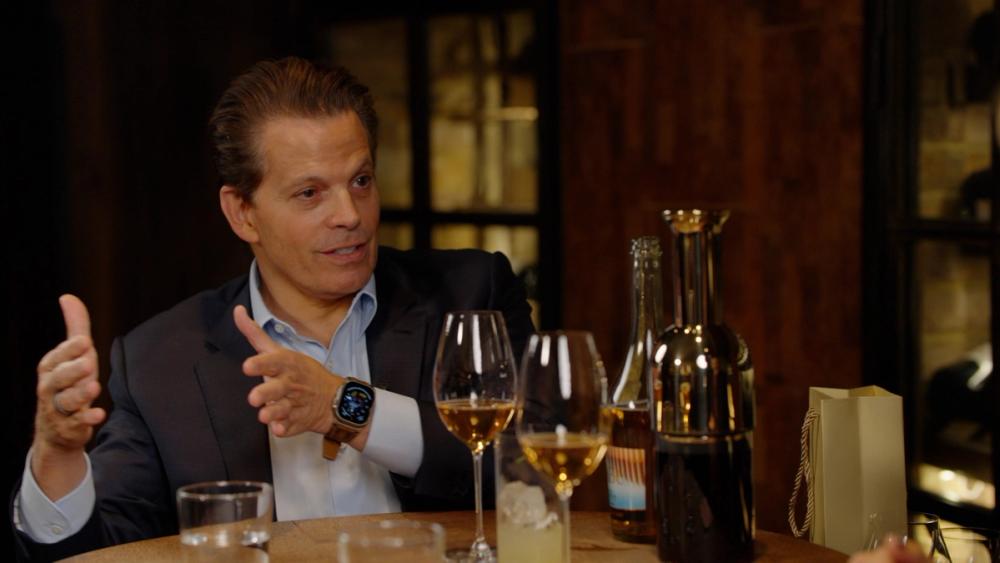
Series Two of Vintage Politics has raised the stakes with its guests including former White House communications director, turned US political commentator Anthony Scaramucci
Anthony Scaramucci was our first hybrid guest, both wine and non-alcoholic options were served to him as he rarely drinks. This initially seemed challenging but in fact it let us explore the rapidly developing no-and-low category.
Anthony also brought great American humour to what’s a very serious moment in US politics. A personal highlight was being told by him that I had “wine rizz”. That absolutely made my day.
What are the challenges of producing such a high-quality filmed series independently?
Every element is managed within a very small operation: booking major guests, researching interviews, sourcing wines, securing locations, filming, editing, social content and promotion.
A filmed podcast needs proper lighting, sound and multiple cameras, so the costs and logistics build quickly. Independence gives us tremendous freedom, but it also means being resourceful about everything.
The Independent Podcast Awards shortlist feels like a real endorsement of that work.
What can listeners and viewers gain from the new website and club?
The website gives Vintage Politics a proper home, bringing together the episodes, guest stories and wines featured. The club lets people become more involved through extra content, partner offers and online tastings featuring wines connected to the programme.
It’s about creating a community around the conversations, rather than simply releasing an episode and moving straight on to the next one.
What lessons did you learn from Series One that have helped you hone the next series?
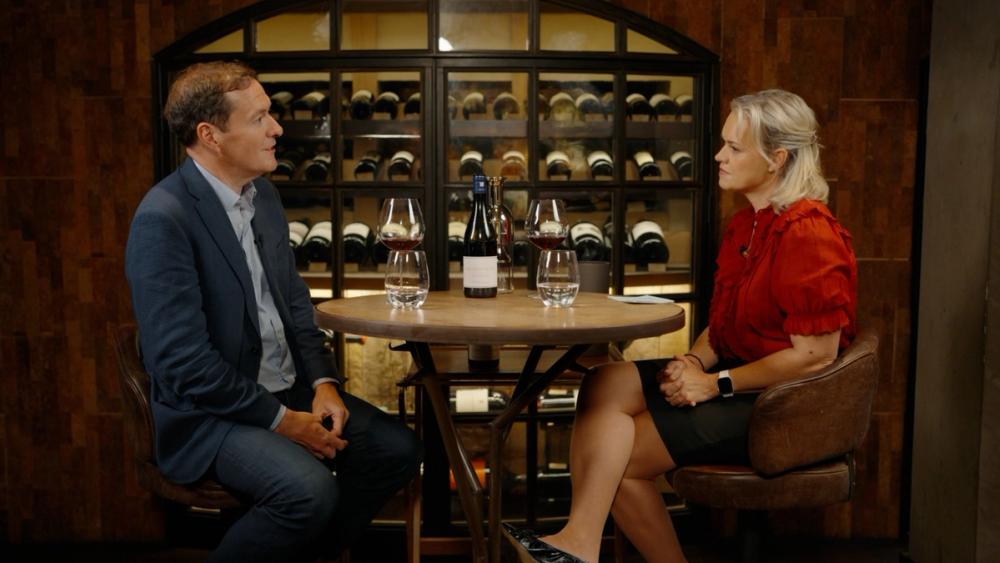
Former Conservative Chancellor and fellow podcast host George Osborne is a guest on series two of Vintage Politics
The first series taught us the importance of pace and allowing the conversation to breathe without losing momentum. For this next series we’ve sharpened the production further and made the links between wine and the stories even more purposeful.
Where would you like Vintage Politics to be by the end of Series Two - and who remains your dream guest?
I would like Vintage Politics to be established as a distinctive, sustainable format with a growing audience and a genuine community around it. I want it to become known as a place where serious political stories can be told differently, without losing their substance.
The dream guest list is long from Barack Obama to Keir Starmer. Choosing the wines for those conversations would be fascinating.
I would love to also do some special episodes of Vintage Politics US.
What skills are needed for a successful podcast that’s also filmed and can be watched like a television programme?
You need editorial judgement, rigorous research and the ability to listen properly, alongside an understanding of pictures, pace, lighting and sound.
Joe Murphy, the director, is invaluable in ensuring all of this happens. It can’t simply be an audio podcast with a camera pointed at it.
My BBC television background and later wine career come together in Vintage Politics, but you also need warmth on camera and sound commercial awareness.
What proportion of people prefer to listen to the podcast rather than watch it?
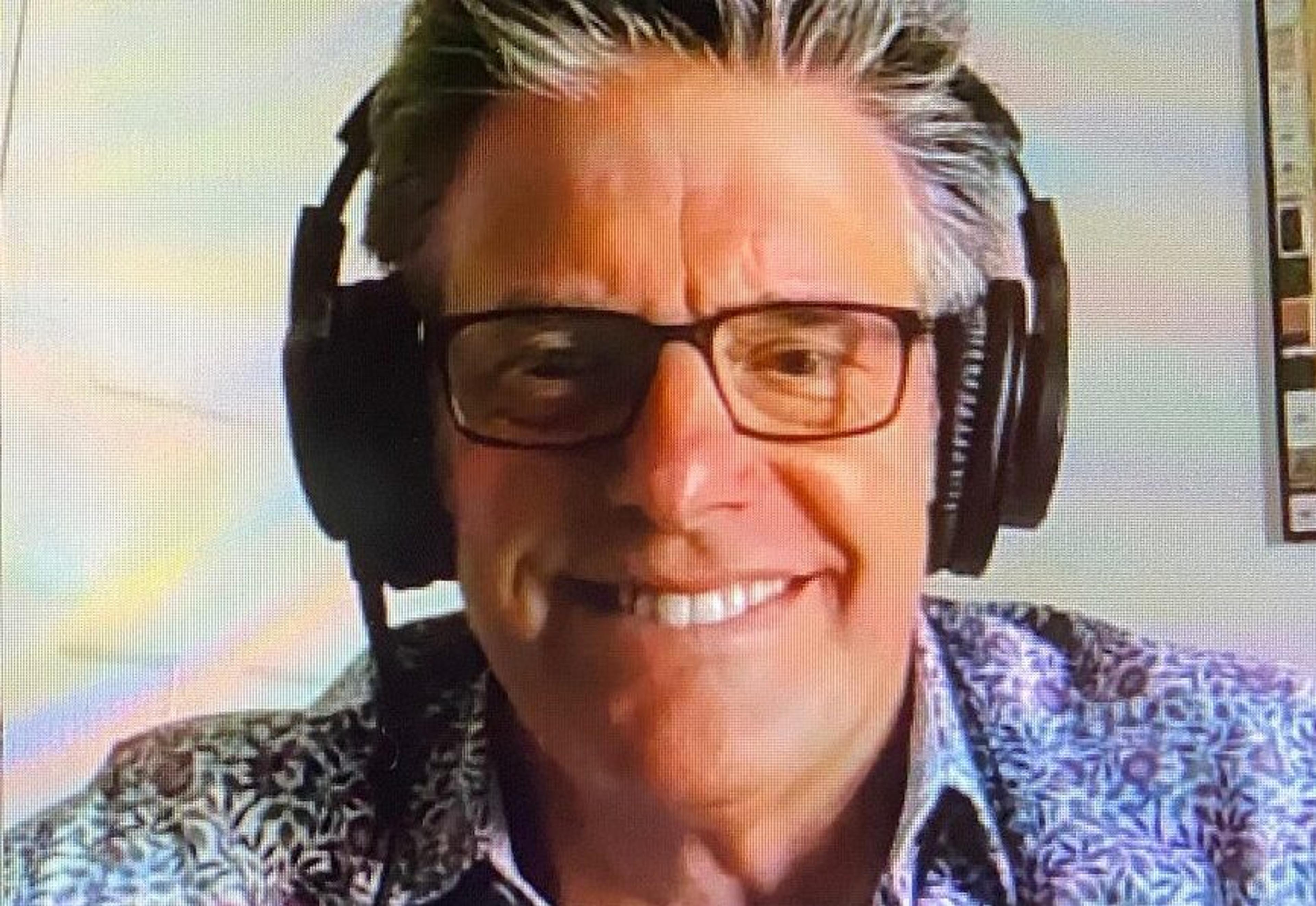
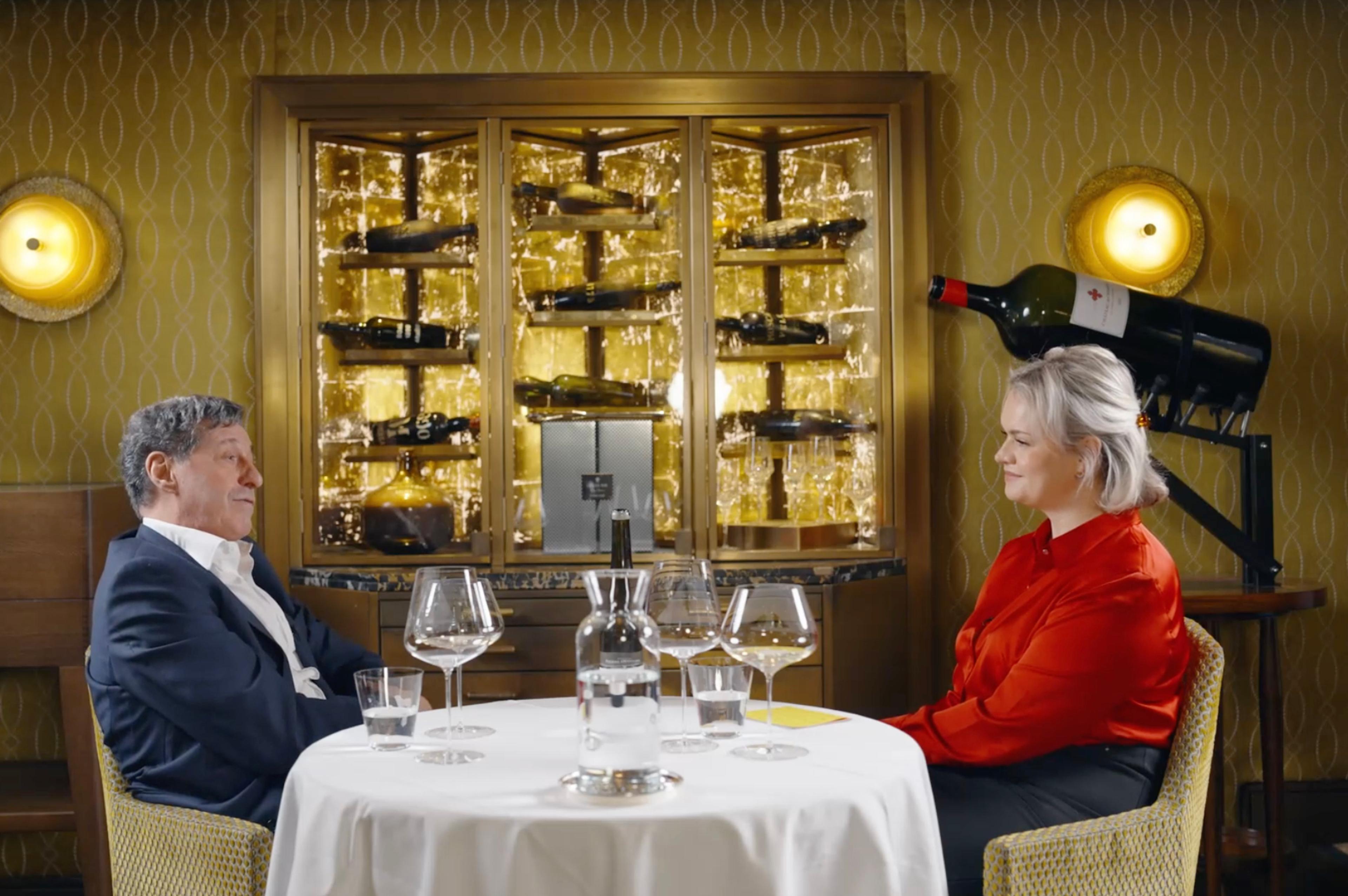
(BBC Today presenter Nick Robinson was one of Abbie Bennington's guests for series one)
Our Series One analytics seem to suggest approximately 55% are watching and 45% listening. It’s an indicative split because YouTube and the audio platforms measure activity differently, and it doesn’t include the reach of our social clips.
Nevertheless, Vintage Politics is clearly a strongly visual proposition, which makes the Best Video Podcast shortlisting particularly meaningful.
How do you choose the guests and get them to appear?
I look for people with substantial stories, strong opinions and defining moments that can be explored through wine. I also want a genuine range of political perspectives and personalities. I approach people personally and knowing that someone is going to curate wines just for you that reflect your life and career is often a very enticing offer.
Years at the BBC have given me a useful contacts book, but trust, persistence and the growing reputation of the programme are just as important.
You clearly need commercial partnerships to help make the podcast. How do you ensure commercial partnerships feel natural while protecting the programme’s editorial independence?
We work with partners that genuinely fit the programme. Their involvement should enhance what viewers are watching, not interrupt it. We’re transparent about every commercial relationship, but the guests, questions and editorial direction remain entirely ours.
Partners don’t approve interviews or influence the political conversation. Maintaining that separation is fundamental to the programme’s credibility.
ETO is supporting the new series and providing its wine preservation decanters. Why is preserving an opened bottle particularly relevant?
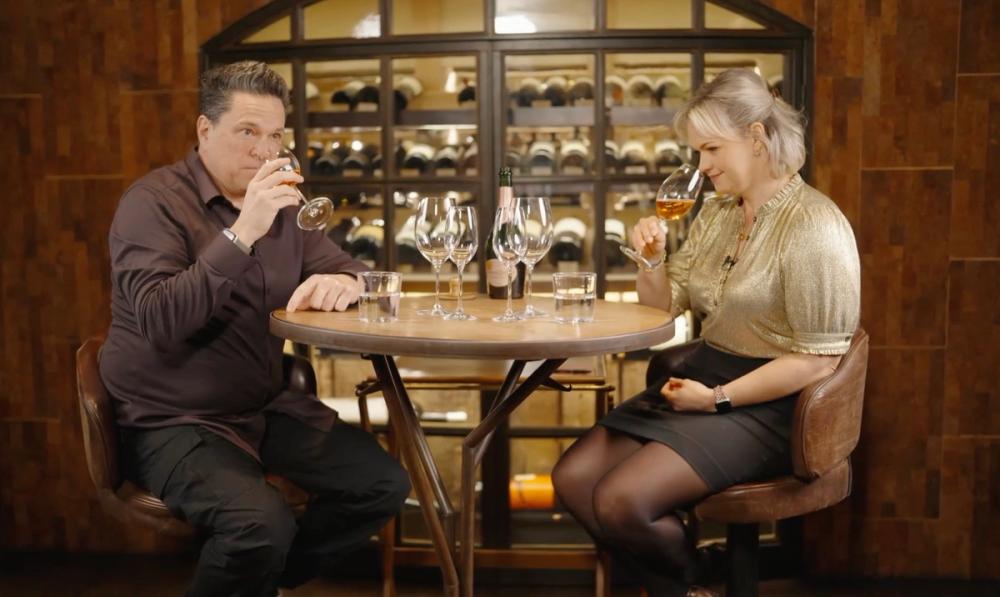
Abbie Bennington with comedian and political commentator Dom Joly from series one of Vintage Politics
We often open rare or valuable wines and pour only a small amount during filming, so preserving what remains is vital. It also reflects how many people now drink: enjoying a glass without feeling they must finish the bottle.
ETO fits naturally with the programme, particularly when we’re handling such great wines that can’t be drunk all at once.
The best thing of all is that every guest gets to take an ETO back with them. Plus our competition this series means viewers and listeners can have the chance to win an ETO too.
Corney & Barrow is the wine partner for Series Two. What has its support and expertise brought to the programme?
Corney & Barrow brings enormous wine knowledge, access and credibility. Its team understands that every bottle must do more than taste good it needs to connect meaningfully with a guest or a moment in their story.
That expertise has helped us find wines with genuine narrative value, while its support has enabled us to make Series Two much more ambitious.
Vintage Wine & Port helps source the birth-year bottles. How challenging is that?
It can be incredibly difficult, some birth years produced wonderful, long-lived wines others less so. Provenance, condition and availability all matter and Vintage Wine & Port has helped us showcase some extraordinary bottles.
From a 1960 Château d’Yquem and some 60 plus year old Barolos to some of the finest vintage Ports of the twentieth century. There’s always jeopardy when you open an old bottle and that’s part of the fun.
* You can download Vintage Politics on any of the main podcast platforms - including Spotify - and keep up with the lastest episodes and join the Vintage Politics community on its website here.