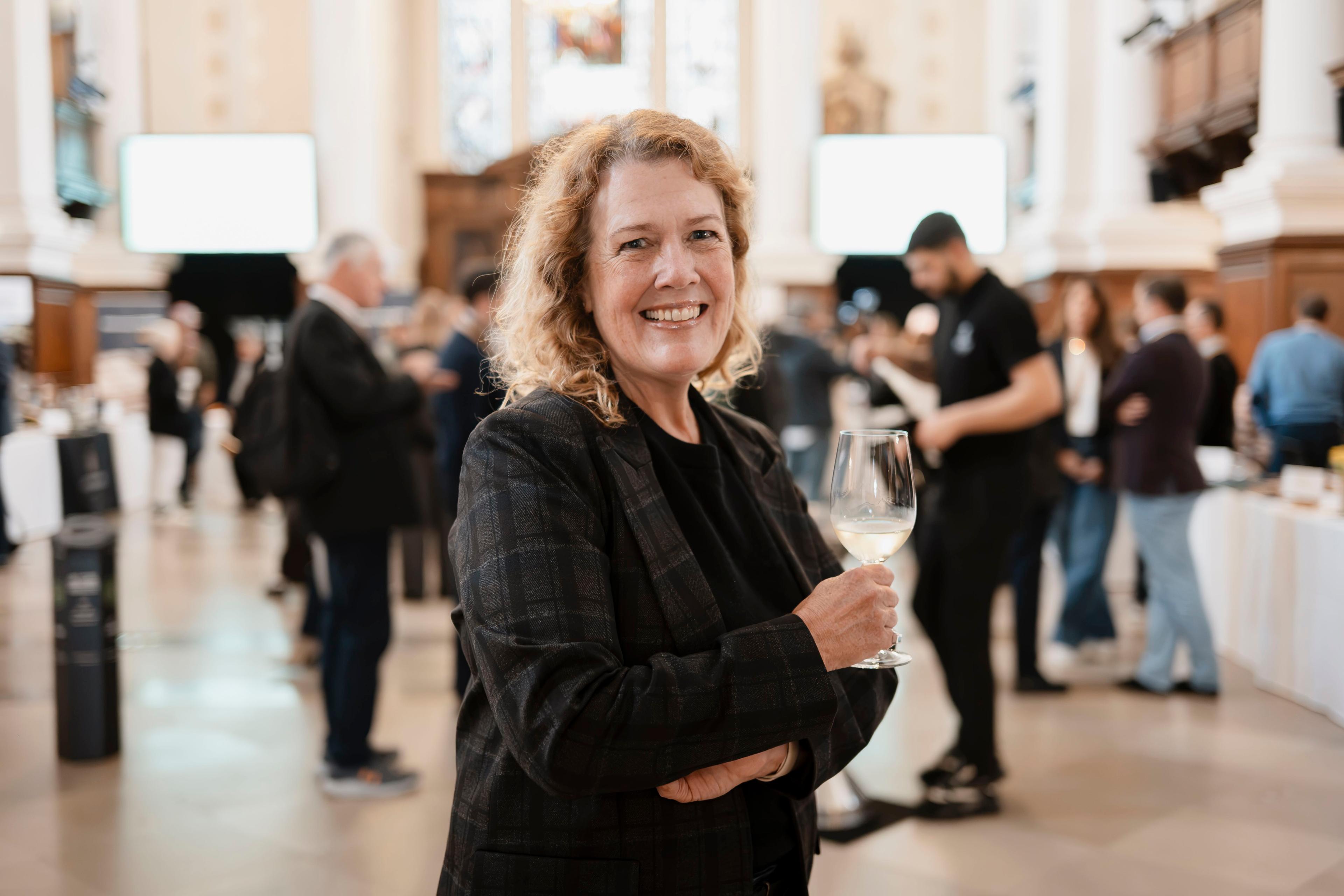

California’s influence on how wine producers and winemakers are tackling sustainability in the global wine industry is so vast that it feels appropriate that The Buyer’s opportunity to sit down with Allison Jordan, one of the state’s key sustainability players, should not be in downtown Napa Valley, but in a cafe in a church a few 100m from London’s Liverpool Street Station.
The meeting place was not as random as it might sound, as we were sitting down ahead of what was the third Sustainability in Drinks conference, which has fast become one of the world’s most important and influential events to address the key environmental issues facing the wine sector and wider drinks industry.
It was also the second time that Jordan had made the trip from California to take part and make sure its voice and its influence was heard at such a breakthrough event.
She says not only is she pleased to be able to share at SID some of the work that the California Wine Institute and California Sustainable Winegrowing Alliance are doing, but the event has become a key networking opportunity for the main sustainability bodies and organisations around the world to come together and help take the sustainability agenda on to another level.
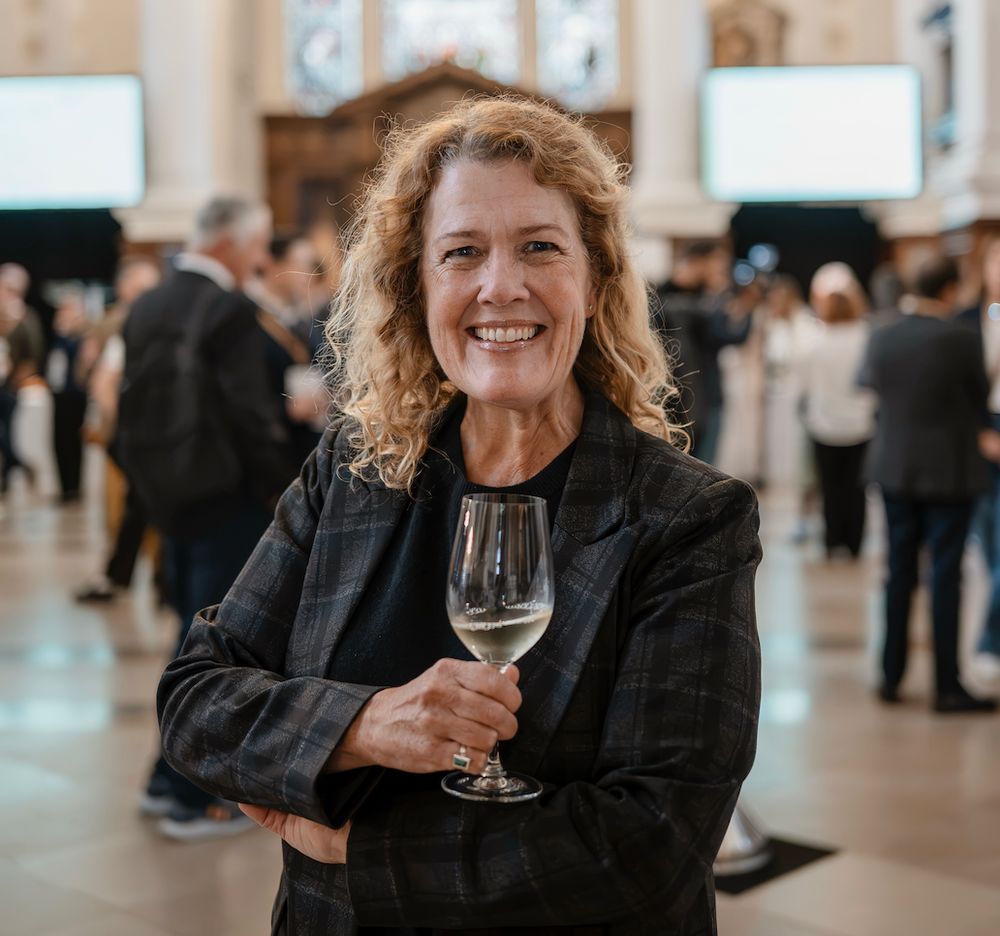
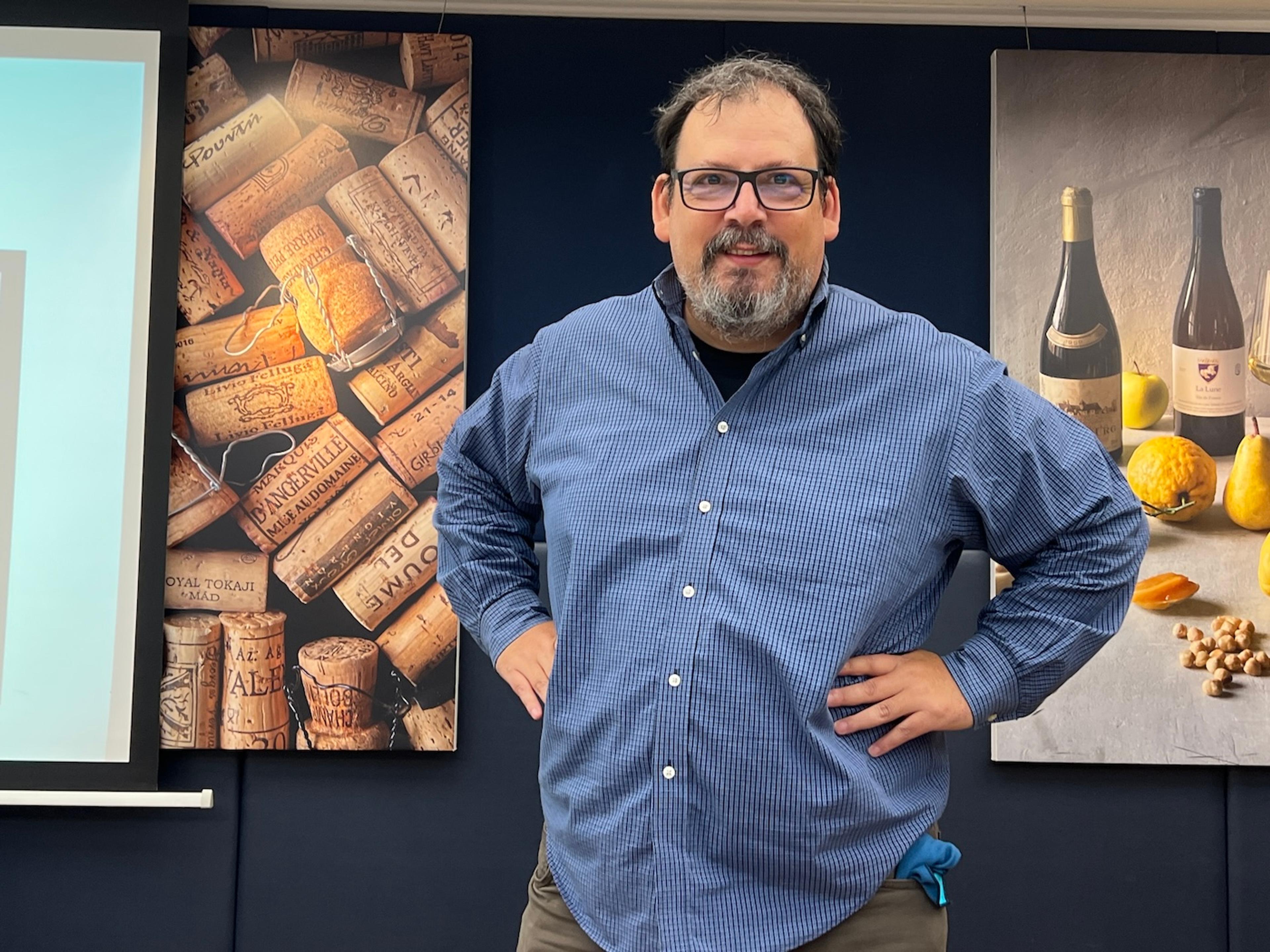
Allison Jordan at last month's Sustainability in Drinks event in London.
Jordan said events like this are essential in creating a “halo effect of good will that can help us all”.
It’s a chance to see “what’s working, what are the market needs and how can we collaborate,” she says. “They are best for relationship building, cementing your relationship with people that you have known for a long time and hearing what’s new. But also meeting new people too.”
“It’s finding points of inspiration like an idea I can take back and see if it makes sense for us to implement in California?”
Whilst also, she stresses, looking to ensure whatever requirements are being put in place around the world, particularly for producers, there is enough commonality between them all, and that the reporting and measuring are as similar as possible.
“The more we figure out what those needs are and if there is a way for us to have a common language to share that information, or with common metrics,” she says. “I think it would be very helpful in both advancing the cause but also addressing the challenge for wine growers and winemakers. And getting recognition of existing programmes that meet those needs.”
She is also keen to play her part in making sure the whole global sustainability agenda does not become too “competitive” and that people start to say “this approach is better than that approach”.
“Especially now the wine sector is facing so many headwinds. I think wehave to figure out how do we best leverage resources and our time and energy, so that we get credit for this sector’s amazing work in sustainability and private action.”
Representing and collaborating
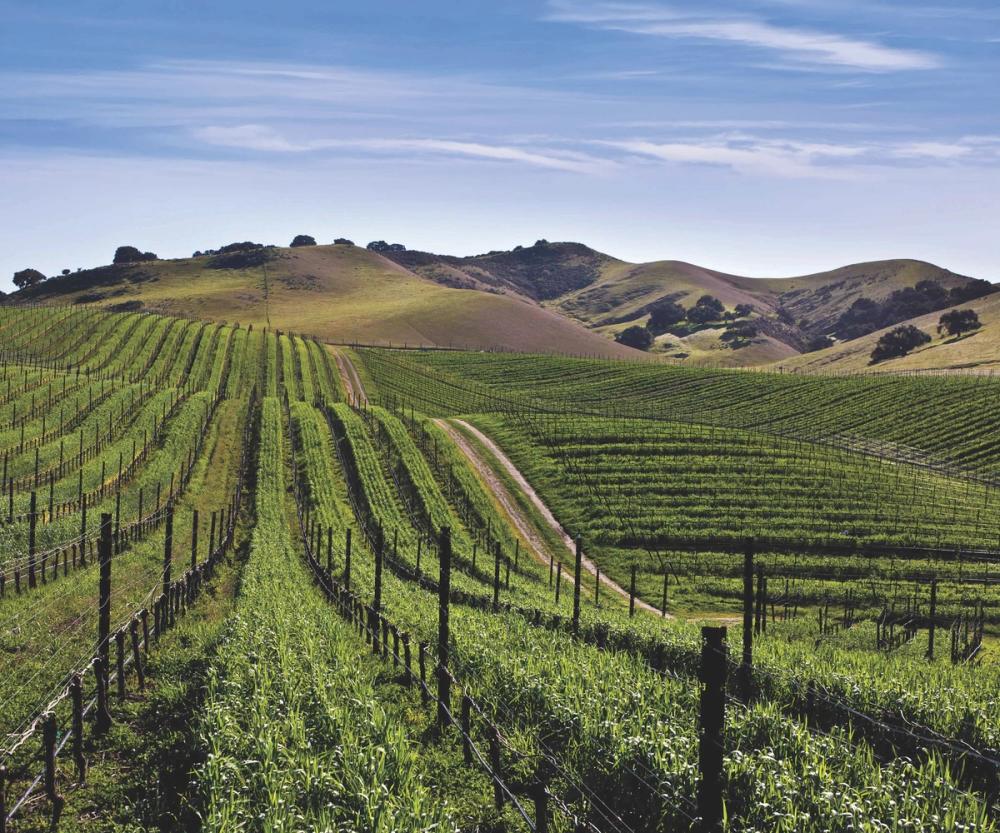
California is running a number of state wide and local sustainabililty initiatives that are proving to be ground breaking for other wine regions to follow
It is also very much part of her day job representing these two key Californian wine bodies and the work they do not only in the wine industry, but in representing the Californian wine sector with policy makers both at state and federal level in the US.
“We demonstrate we are committed to environmental stewardship and social responsibility but are also helping policymakers and regulators understand the impact of what they are planning. So, it ends up being a positive relationship. People really establish that trust with us,” she explains.
It’s an increasingly important part of her role as there are so many ways in which the US government is now having a direct influence on its members, particularly around the roll out of a growing number of environmental regulations.
“We end up getting involved in a lot of different issues. We also look for ways we can utilise our sustainability efforts to get compliance recognition. We are basically looking for those win-wins,” she adds.
“We’re always trying to make sure they understand the potential impacts if they are going to put in a new regulation and make sure it is implemented in a way that’s best for the industry. It’s similar at locallevel as well,” she explains, which can be far more around packaging, bottling and water regulations that can go down to local district level which will
Domestic and international support
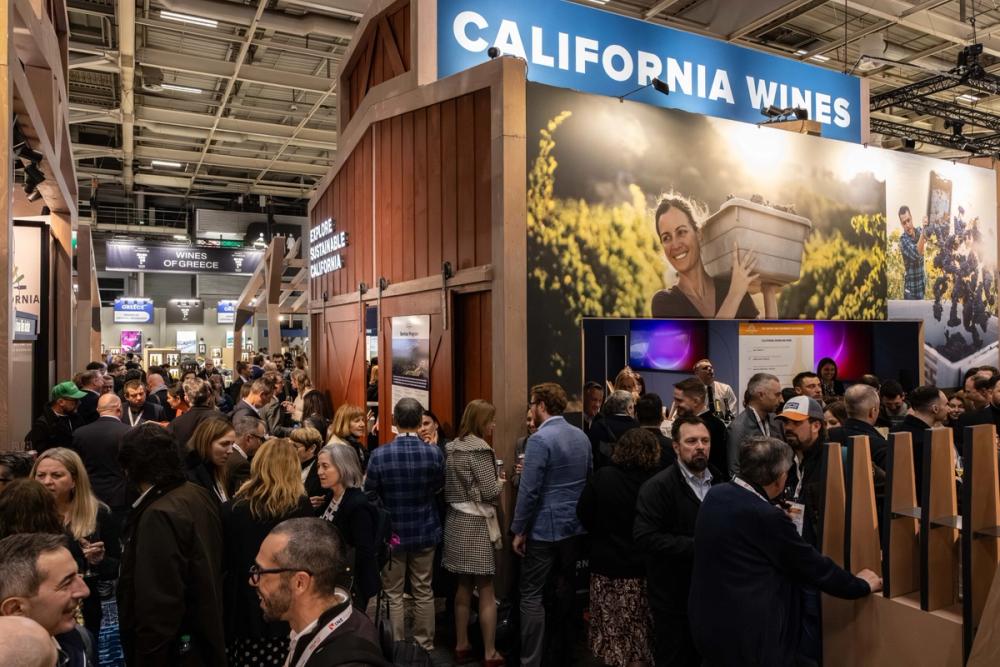
The California Wine Institute is able to demonstrate what it is doing to tackle sustianability at key industry events such as Wine Paris
The California Wine Institute is also becoming more involved in international trade as there are now so many more “different requirements in different markets for wineries and it can be very complex” to make sure they are following the right rules and regulations in different overseas markets. That’s where it is able to work closely with bodies such as the World Wine Trade Group so that it can “stay on top of things and keep our members informed”.
“If you are exporting to many markets it can be really challenging to navigate,” she stresses.
Domestically,the Wine Institute is looking to see how it can work with other related agricultural bodies on common issues. It is for example a member of the National Grape Research Alliance that also includes table, raisin and juice grape members toidentify common research needs, such as water management ,and how to best combine research efforts to solve similar problems.
It is also working with the Department of Food and Agriculture to look at ways its members can be supported for the steps they are taking, for example, to improve healthy soil practices.
“There’s a lot that California, as a state, is already leading on climate change-related policy and environmental and labourregulations ,” she adds. “We end up being the leader within the agricultural sector and we share a lot of our work.”
Regenerative push
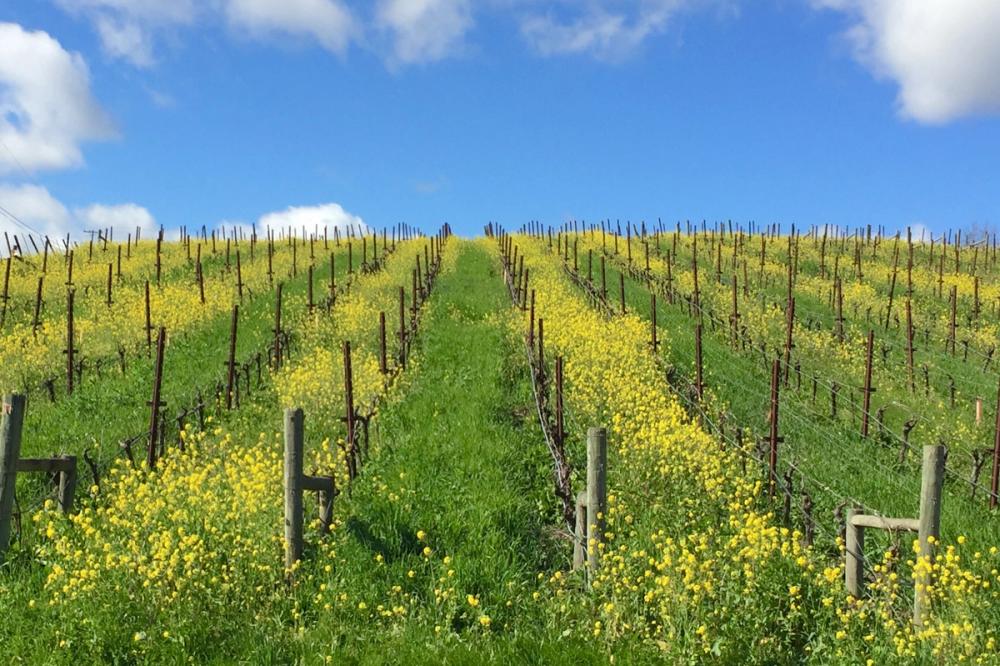
How producers are managing their vineyards and farming using regenerative practices has really taken hold in California
Part of that leadership story is the rise of regenerative viticulture in California over the last three years in particular. Jordan says it has been the breakthrough movement in sustainability over that time frame.
“It has really taken hold. I think it’s an interesting way for people that have already been engaged with sustainability to really go deep in an area of soil health and other regenerative approaches,” she says.
The one block challenge that the Regenerative Viticulture Foundation has introduced to get producers to trial regenerative practices has had a big impact and really helped turn the dial on what regenerative farming can achieve, she adds.
It has also helped put the spotlight on one aspect of sustainability that producers and consumers can really understand.
Wines on a mission
Which fits nicely into the promotional work the Institute and the CSWA is doing to raise the profile of sustainability and what is being done.
“In the international marketing world we are talking about ‘wines on a mission’ and how with all these approaches we are trying to make planet better than we found it.”
She adds: “That way we can be that big tent when talking about sustainability. It doesn’t necessarily matter which certification you choose,it’s really about the practices you are implementing on the ground. Those collectively, when you are the scale of California, can really make a big difference and help connect to emerging consumers of legal drinking age where we know they do care about how products are grown and made.”
It is currently working with research body, IWSR, to conduct some consumer research to see how best to take that promotional strategy forward.
“What are the messaging points? How do we help wineries tell their stories in a way that connects with consumers? How do we talk about alternative packaging, lighter weight bottles and other types of packaging that have a lower carbon footprint? Connecting the dots for some of these wider trends and interests,” she explains.
Practical steps
In terms of the practical steps that the California Wine Institute and California Sustainable Winegrowing Alliance are doing that the whole wine and drinks industry can learn from, Jordan points to their shared main goals: namely “to encourage the adoption of sustainable winegrowing practices through education, outreach, certification and partnerships”.
Here are some of the measures and initiatives that anyone involved in sustainability can learn from and use.
California Vineyard & Winery Climate Action Toolkit
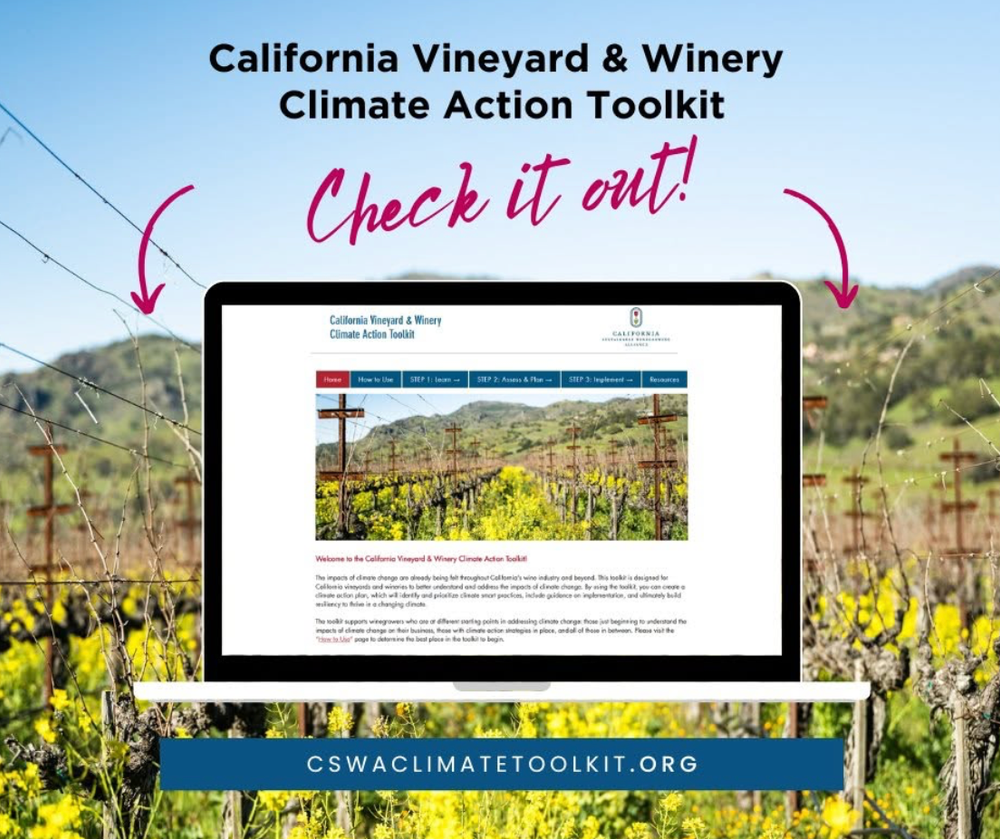
One of the central activities over the last few years of the CSWA has been the launch, in 2025, of a “Climate Action Toolkit” that brings together all the latest best practices and research on how to tackle sustainability in the vineyard and the cellar, combined with the tools and resources to make it happen.
It has been pulled together with the help of a 38-member advisory group comprised of wine grape growers, producers, scientists and sustainability professionals, says Jordan.
The toolkit has been designed to help both producers at the start of their sustainability journey and those who might already have a well-developed climate action plan in place.
“We are trying to help our members with the new reporting requirements there are around climate change. We are trying to help them with compliance, and even more with climate action,” she explains.
“The toolkit provides actionable step-by-step guidance and information on a range of topics, including the necessity of climate action, practice prioritisation, implementation across operations, stakeholder engagement and continuous improvement.”
She adds: “This year, we added a tool to help winegrowers estimate their carbon footprint hotspots, undertake a risk assessment to identify and prioritise climate actions and develop a financial case for the top priorities. As a next step, we’re forming cohorts to give them direct expert support and a structured process to get the most out of our climate action resources.”
The CSWA and its Climate Action Toolkit received a considerable boost at the start of the year when it was awarded a business prize for sustainability at Vinexposium’s V d’Or Awards ahead of Wine Paris. To date, the Climate Action Toolkit has 615 users, with 472 downloads of the climate action planning template.
Dry Farming & Water Conservation Initiative
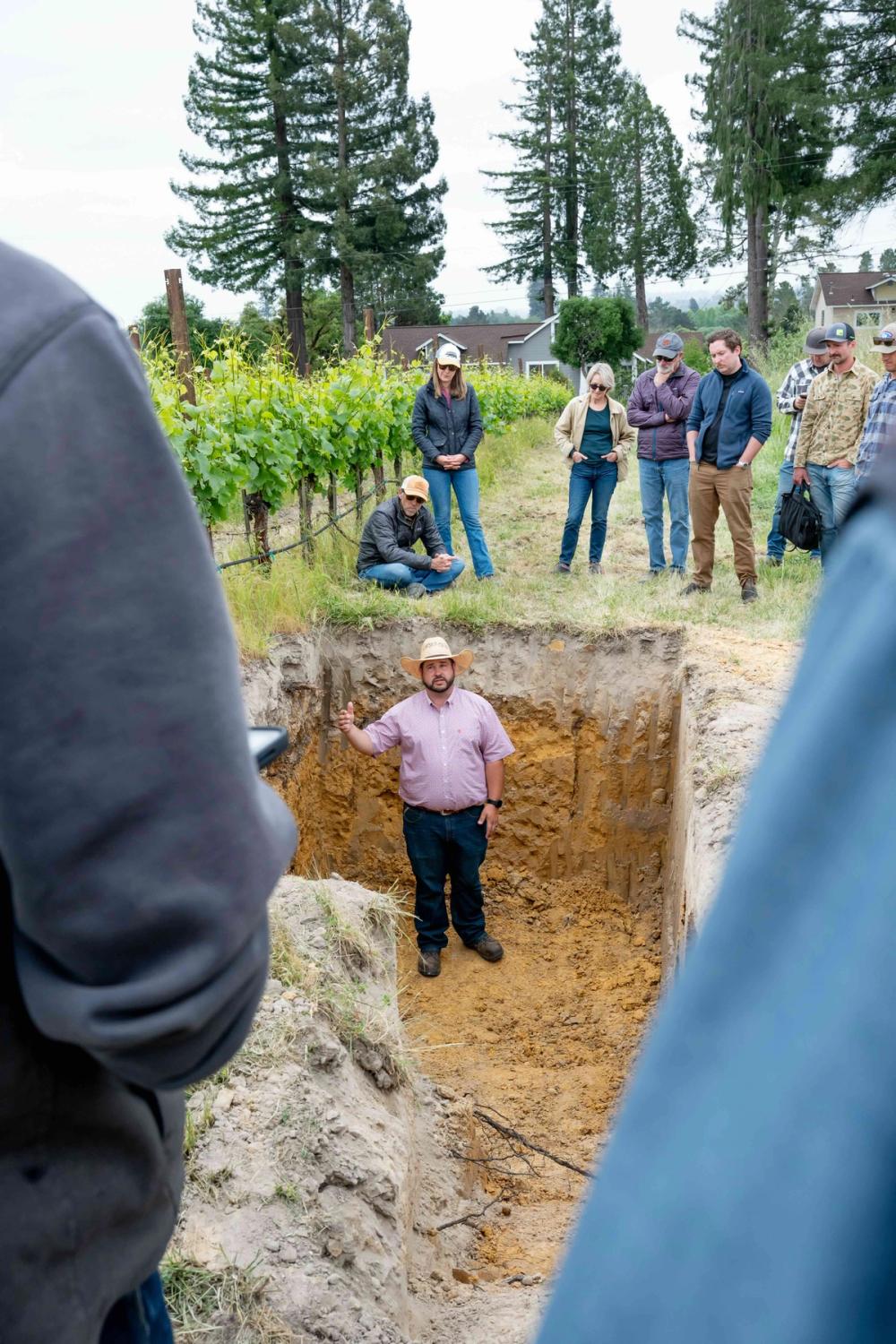
Dry farming at Emeritus Vineyards
The CSWA has also teamed up with California’s Community Alliance with Family Farmers along with wine growers, universities and other partners on a three-year project (2023-2026) to better understand dry farming in California vineyards. An initiative designed to provide better information to help wine grape growers and producers on dry farming and water conservation.
It has been able to bring together a network of dry farmers in the state and provide them with practical tools on how to manage their vineyards. This includes a new guide on dry farming best practices and grower case studies to learn from.
The initiative has also conducted studies into soil carbon sequestration and soil health research, and provided economic assessments on the value of dry farming and the cost-benefits it can bring in order to best determine the plots and sites across the site where dry farming is likely to be the most effective.
2025 California Wine Community Sustainability Report
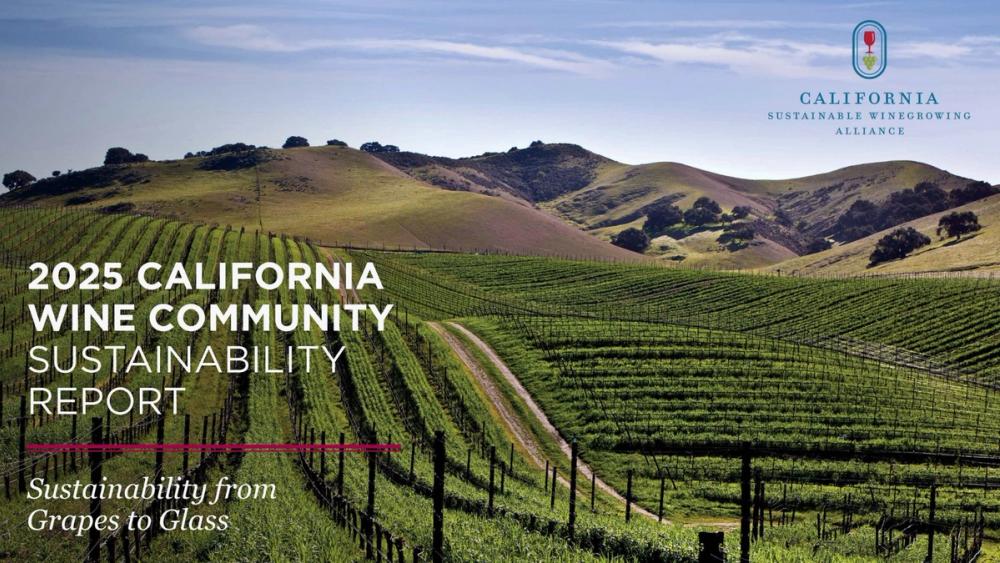
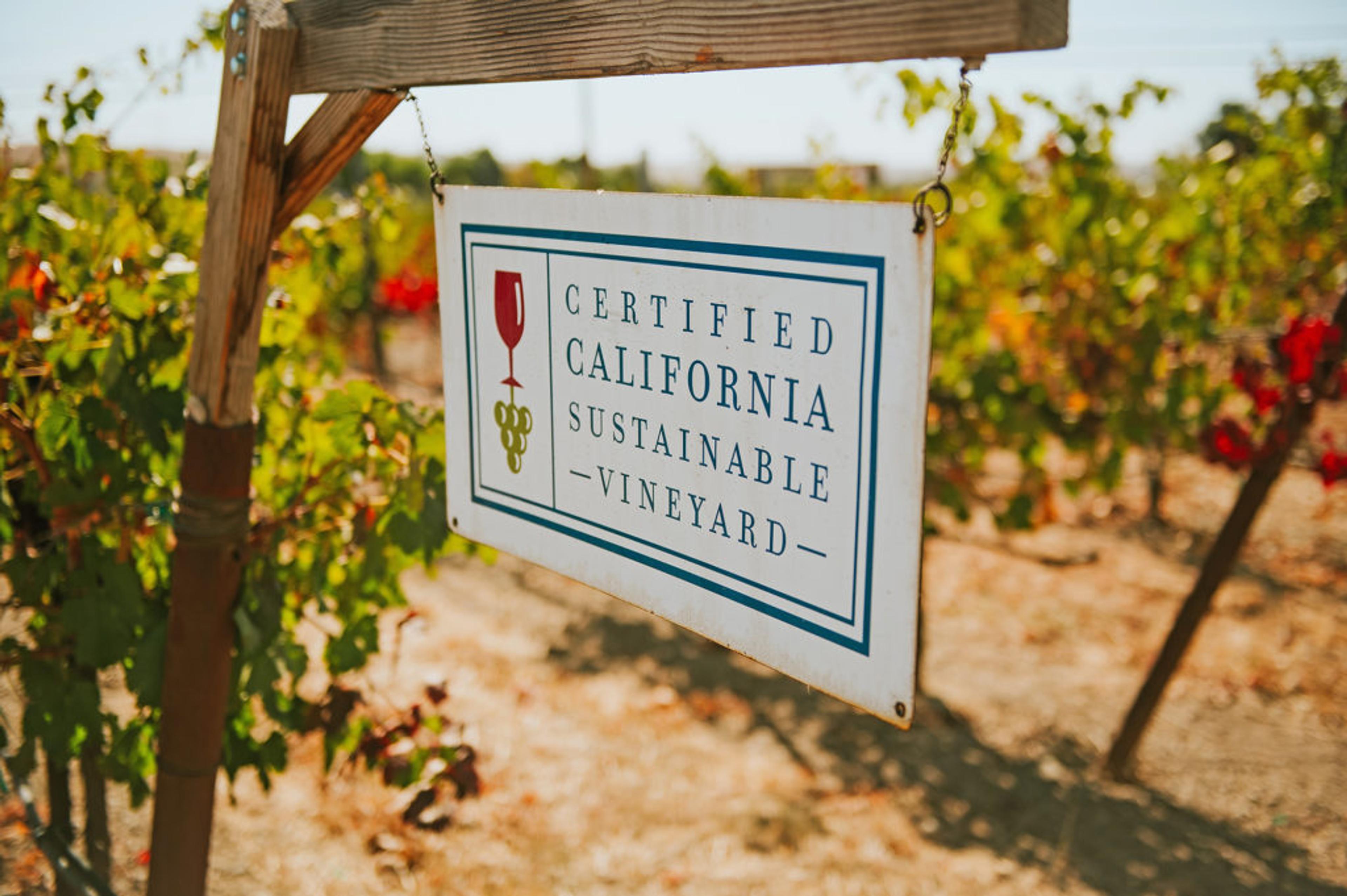
In August the CSWA published the 2025 California Wine Community Sustainability Report, which sets out the scale of California’s sustainability efforts, that now sees 70% of all wine grape acreage certified to a sustainability program and more than 90% of California wine is now made in a certified California sustainable winery.
In the five years since the last report was published there have been documented improvements in more than half of the state’s vineyard and wineries, says Jordan.
The CSWA has also crossed several milestones in that time including: the 20th anniversary of CSWA; the 15th anniversary of Certified California Sustainable Winegrowing; and the 10th anniversary of the California Green Medal Sustainable Winegrowing Leadership Awards.
US Sustainable Winegrowing Summit
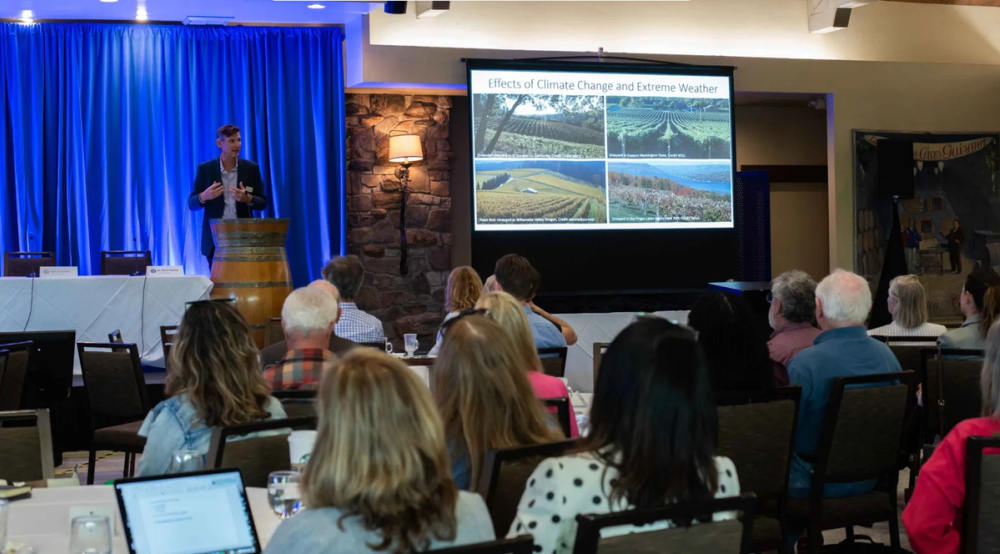
Jordan was able to look back on what was the fourth US Sustainable Winegrowing Summit that was held in Walla Walla in Washington that brought together sustainability organisations across 10 US states including New York, Oregon and Washington - that together with California represent 95% of all US wine production.
Another key opportunity to bring sustainability stakeholders together to share learnings and see what steps are being taken across the US. It is also an opportunity for California to show its “leadership,” says Jordan as every state is looking at its own sustainability strategy and there is “a lot we can all learn from each other”.
Key issues covered included: measures being taken to develop sustainable wine packaging and certification; effectively communicating sustainability stories; climate action strategy and implementation; dry farming techniques for climate resilience; attracting and retaining the next generation of wine professionals; and technology solutions for sustainable, climate-resilient grape growing and winemaking.
It’s quite the list. But it also illustrates the breadth and depth of work that the California Wine Institute and California Sustainable Winegrowing Alliance are doing daily to help drive the sustainability agenda forward of which Allison Jordan continues to play a leading role.
* You can find out more about the California Sustainable Winegrowing Alliance here.
* You can find out here more about the California Wine Institute here, which is a commercial partner to The Buyer.