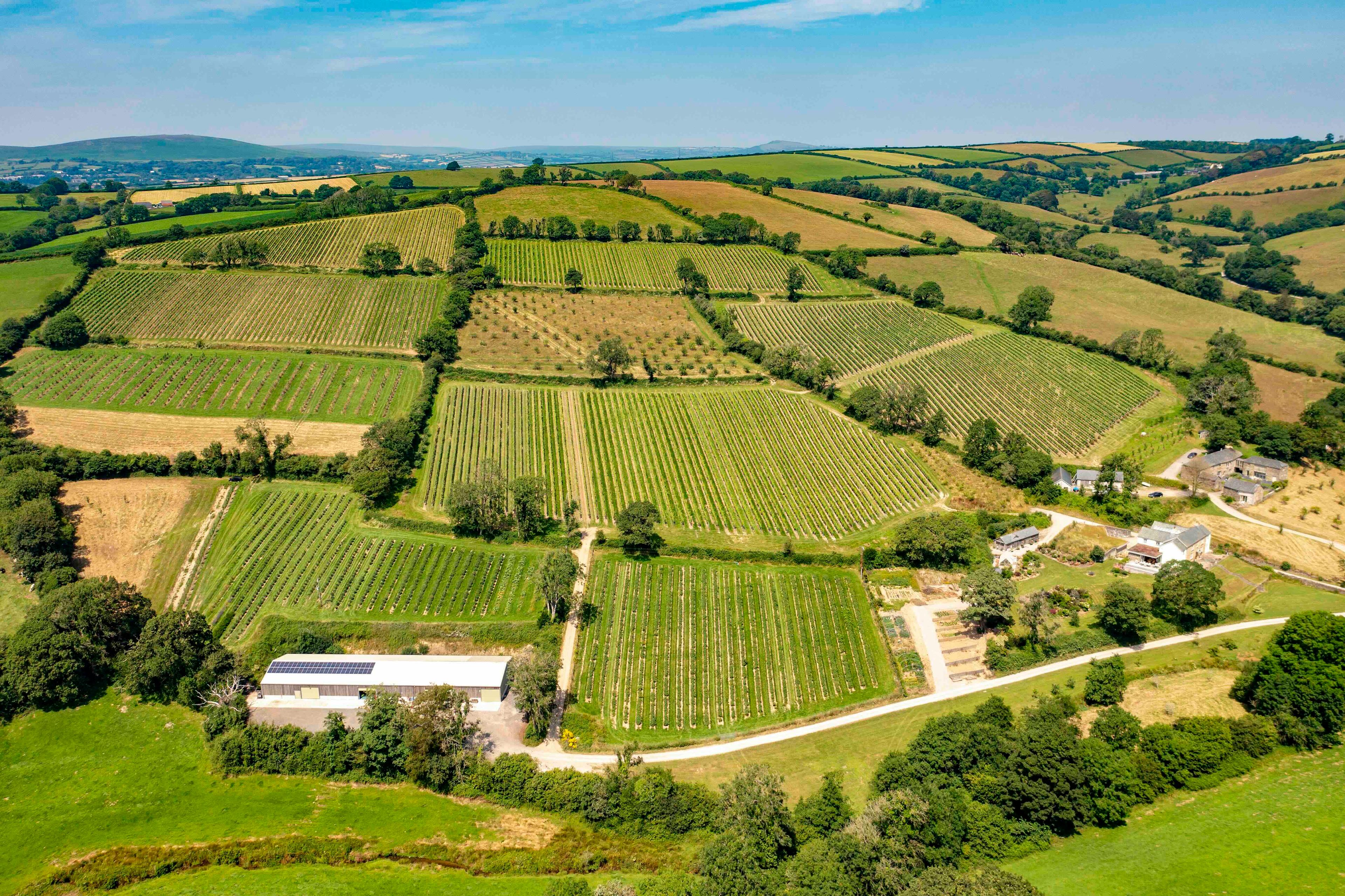

I have to admit that setting up a vineyard in South Devon was never part of some grand strategic plan. It really happened rather by accident.
At the time, Caroline and I were living near Dunsfold in Surrey. It was a lovely place to be, but the area was becoming increasingly busy, and we began looking for somewhere in the West Country where we could have a holiday cottage initially, but perhaps eventually settle as our working lives drew to a close.
I'm a keen sailor, so naturally we started by looking close to the coast. But we soon discovered that some of the most beautiful coastal locations involved a surprisingly long journey down narrow lanes from the main road and rail networks. So, we started looking a little further inland, somewhere that still gave us relatively easy access to the sea but was reasonably close to the A38 and the rest of the country.
We had seen one particular property advertised several times. Strangely, whenever we mentioned it to estate agents, they weren't especially enthusiastic, so we never actually arranged a viewing. Then one day, while we were in Modbury, we saw it advertised again and decided simply to drive over and look at it from a distance.
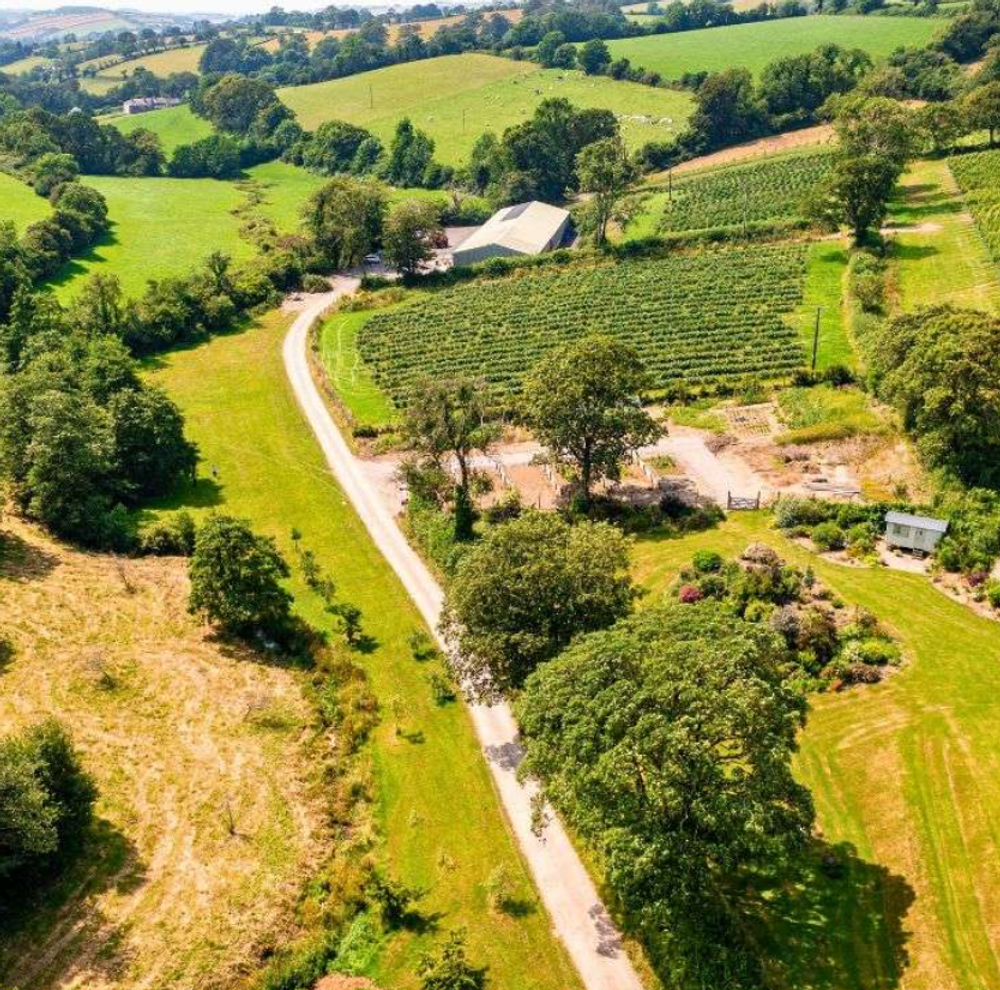
The Whiteheads first fell in love with the location and then saw the potential to turn it into what has become the Calancombe Estate
I can still remember arriving. After winding our way through the lanes, we suddenly found ourselves in this extraordinarily beautiful, peaceful valley. We were immediately captivated by it.
The property had almost exactly what we had been looking for: a tiny old stone cottage for us, and three beautifully restored barns which had been converted into a six-bedroom holiday property. We realised that we could use the cottage as an escape from our working lives near London while continuing to operate the holiday business to help pay the mortgage on property. The longer-term idea was that we might eventually move here permanently. So, we bought it.
How it all started
It was Caroline who first saw the potential for something much more ambitious. She is a passionate wine enthusiast, with a collection of over 2,000 bottles from around the world, an encyclopedic knowledge of wine and an extraordinary sense of taste and smell, and she began wondering whether we could plant a vineyard.
By then we had got to know Duncan Schwab, who ran Sharpham Winery near Totnes. Our original idea was very simple: we would grow grapes and Sharpham would make the wine. Duncan came to look at the land, liked what he saw and told us that if we planted grapes, he would be interested in buying them. That was really the beginning of everything.
We planted our first two vineyards and established the first cider-apple orchard. At that stage, however, we owned only half of the original farm. About two years after we arrived, the owners of the other half approached us privately and offered to sell it to us.
That became one of those now-or-never moments.
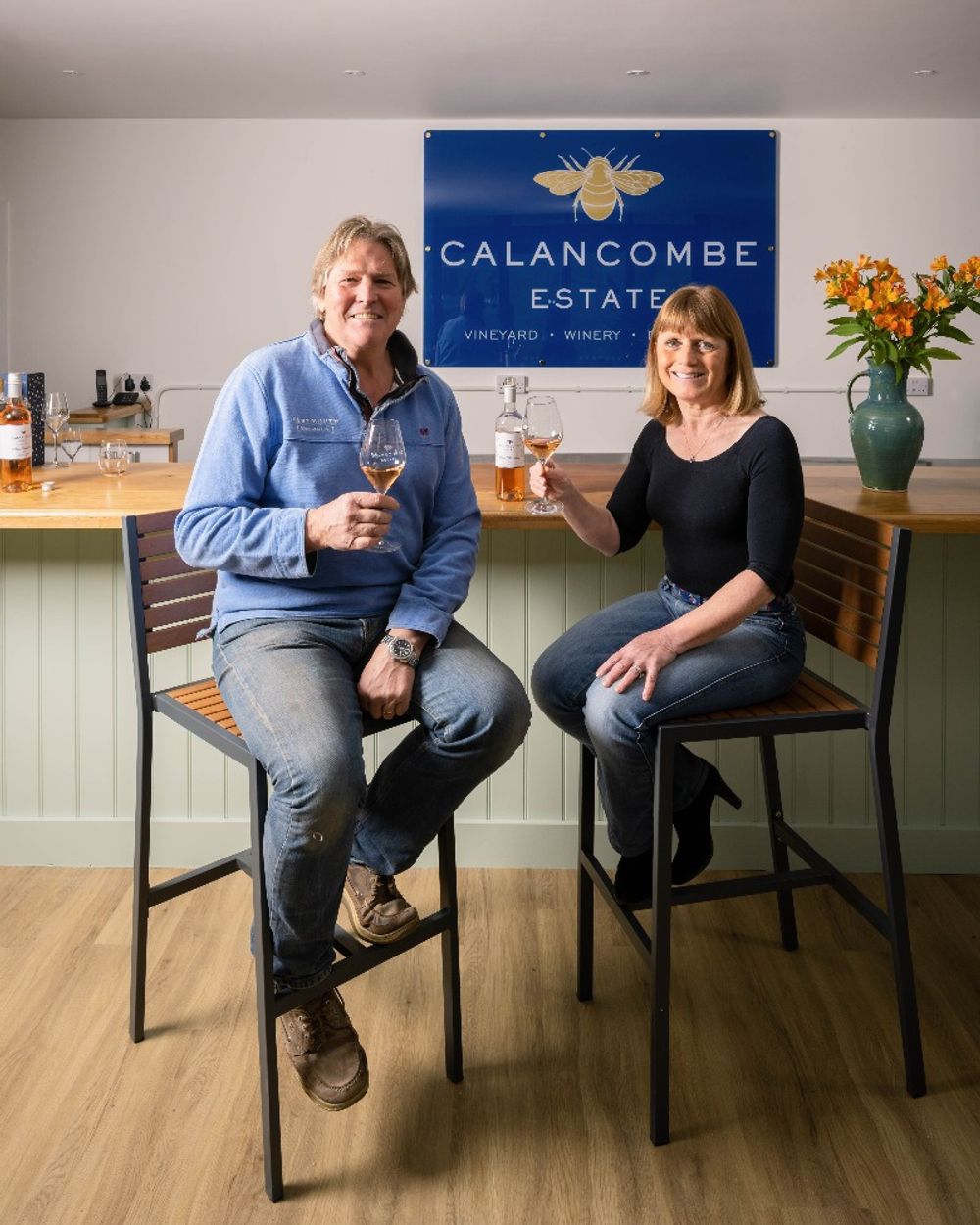
Lance and Caroline Whitehead have created their own version of Clarkson's Farm at Calancombe Estate
We decided to sell our house in Surrey and move to Devon permanently, considerably earlier than we had originally intended. Buying the second half doubled the estate from roughly 30 acres to 60 acres and completely changed what was possible. We planted another three vineyards, eventually taking us to around 23,000 vines, as well as expanding the orchards to around 1,600 traditional cider-apple trees and planting other fruit.
Looking back, what makes me smile is how incremental it all was. There was never a moment when we sat down and said, “Let's build a vineyard, winery, distillery and visitor destination in South Devon.”
One decision simply led to another. We fell in love with the place, planted some vines, discovered that we loved growing grapes and making wine, acquired the rest of the farm and gradually found ourselves creating what Calancombe has become today.
Step by step
The first few years were really rather idyllic. Before we had planted all the vineyards, we built up a small herd of Red Devon and Belted Galloway cattle and eventually a flock of around 50 Greyface Dartmoor sheep. For several years they had calves and lambs, born on the farm, and it was wonderful.
At the same time, we were planting roughly a field of vines each year. Eventually we had planted so much of the available land that, although we could still graze the animals, we could no longer produce enough winter feed. Buying it in had become prohibitively expensive, so rather reluctantly we sold the cattle and sheep and concentrated on grapes, apples, and other fruit.
As the vineyards expanded, we started thinking about whether we had enough potential grape production to justify building our own winery. We concluded that we did.
We obtained permission for an agricultural building which, throughout the process with the local authority, was openly described as “The Winery Building”. We submitted plans showing the winery layout, tanks and equipment, constructed it and began equipping it.
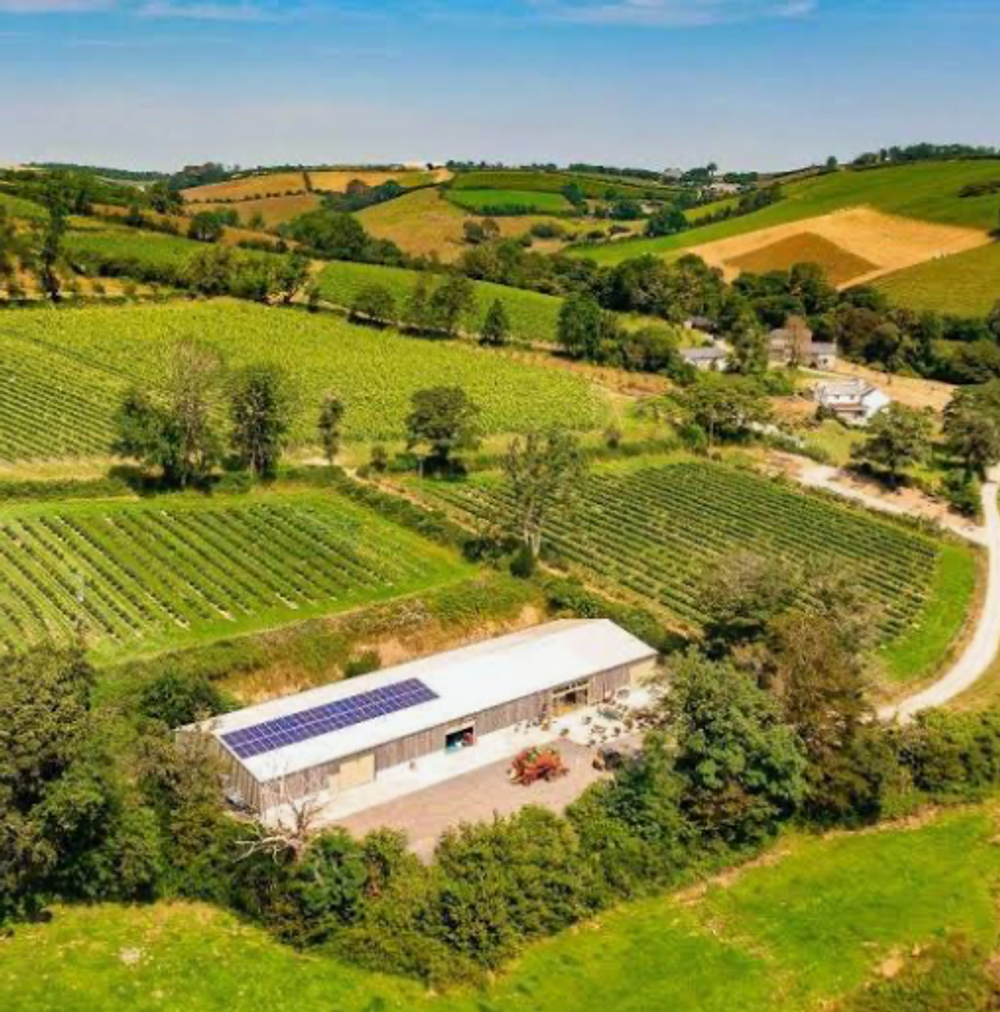
It took help from WineGB and top lawyers to allow a winery to be built at Calancombe Estate
When we applied for the premises licence necessary to produce and sell alcohol, all of our neighboring farm owners and their friends and families objected and complained to the local council that our business threatened their lifestyle and agricultural activities. This occurred during lockdown, and we found ourselves in an online licensing hearing.
Fortunately, the objections were deemed not relevant under the terms of the Licencing Act, so at the end of the meeting, we did receive a premises licence to make and sell alcohol. Two weeks later, however, the council asked whether we intended to make wine in the agricultural building. We said, of course: it had always been called the Winery, and they had seen the detailed plans.
Their response was that winemaking was not an agricultural process and therefore could not take place in the building. Rather bizarrely, they said cider production would be acceptable.
That began a stressful four-month battle. WineGB was enormously helpful and they sent us details of a previous case where a vineyard had successfully challenged essentially the same argument.
Through Caroline's contacts, the owner of one of the largest vineyards in Sussex also sent us a Queen's Counsel's opinion dealing with a similar situation. Armed with those two pieces of legal ammunition, we went back to the council and eventually received confirmation that they no longer objected to us making wine there.
It taught us something about farming. We had perhaps imagined ourselves living in an episode of Countryfile. We gradually realised that our experience was going to be rather more like Clarkson's Farm but with less swearing. But the challenges of being a small farmer trying to create a viable business are very real.
Move into distilling
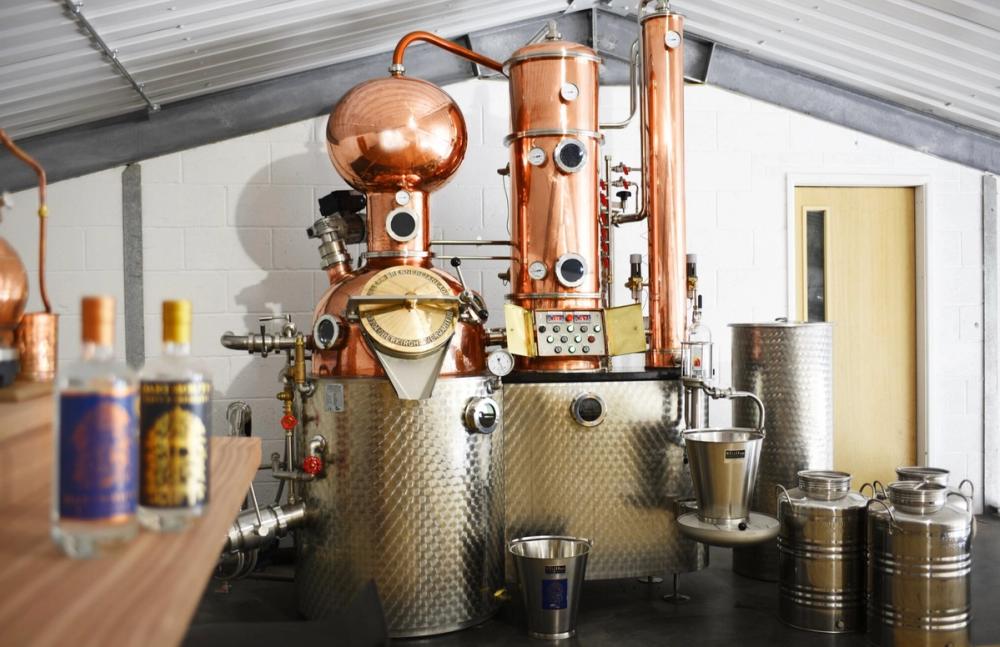
The award-winning but boutique Dartmouth Distillery
At about the same time, the distillery was beginning to take shape. We had planted 1,600 cider-apple trees, partly for cider but principally because our longer-term ambition was to make an apple brandy. We bought an excellent still from Müller, a fifth-generation family still-maker in Germany's Black Forest.
This was around 2017, at the height of the gin boom. We were fortunate to have Olivier Ward of Gin Foundry as a mentor. He did not formulate the recipe for us but gave us useful parameters within which to work. Development of the botanical mix in successive small-scale batches. Batch 8 resulted in something close to what we wanted; Batch 9 was our first a full-scale production.
Olivier encouraged us to enter it into the Craft Distilling Expo Gin of the Year competition, not because he expected us to win, but because the feedback from leading gin experts would be invaluable to product development. A couple of months later the Expo organisers started to encourage us to come to London in September to attend their event.
After a couple of non-committal responses from me, they told us they really wanted us to attend the awards because we had won (out of 120 entries). I was utterly speechless - almost in tears. That recognition gave us enormous confidence and helped establish Dartmouth English Gin commercially.
Solid investment
The financing of all this has been remarkably straightforward: Caroline and I have funded Calancombe ourselves. We have both continued working throughout the Estate's development. Caroline is a lawyer and I work principally in private equity and capital raising. Caroline has funded the great majority of the wine-side investment, while I have concentrated particularly on the orchards and distillery.
We've also tried to do things ourselves wherever sensible. During lockdown, for example, I built most of the visitor centre in the winery myself. I'm something of a frustrated engineer and boatbuilder and enjoy working with timber, so lockdown unexpectedly provided both the time and opportunity to get this work completed.
Altogether, we have now invested around £3 million establishing the vineyards and orchards and building and equipping the winery and distillery. We have not borrowed money to do it and, until now, we have not brought in outside equity investors either.
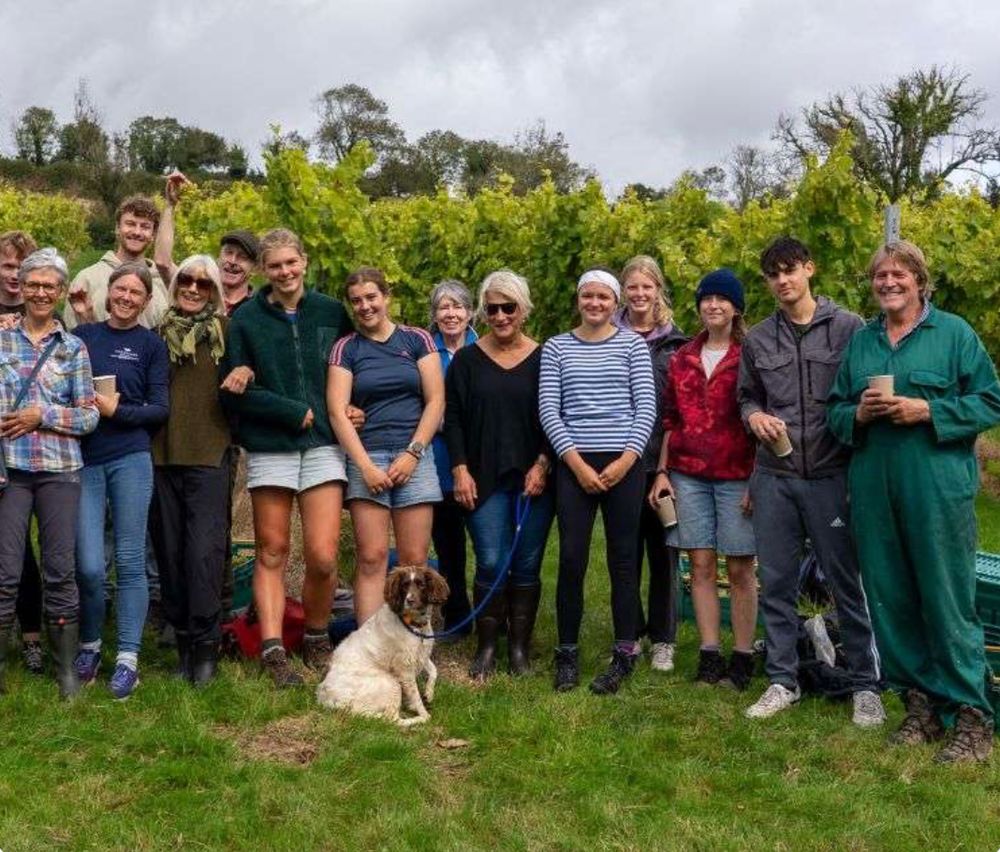
The Calancombe Estate has quickly become embedded into the local commuty many of whom come out to help with the grape harvest
We have now reached an inflection point. The capital-intensive establishment phase is largely behind us. The challenge is to make the assets we have already created work much harder commercially. Our winery has substantially more capacity than our own vineyards require, creating an opportunity for third-party winemaking. We also see opportunities in events, hospitality and sales. After 14 years of funding everything ourselves, we are now considering outside equity investment for the first time.
The next stage isn't really about building Calancombe anymore. It's about unlocking the commercial potential of what we've already built.
The big breakthroughs
The first major breakthrough was winning the Craft Distilling Expo Gin of the Year award in 2018 with one of the very first batches of Dartmouth English Gin we'd ever made. It gave us confidence that we'd created something genuinely good.
The next breakthrough also came through gin. In 2019 I attended a spirits exhibition in London at the old agricultural market building in the Angel, Islington. There were perhaps 60 British spirits producers exhibiting, but almost nobody came. It looked like a rather unsuccessful event.
Towards the end of the second day, a young woman tasted Dartmouth Gin, liked it and asked whether she could take a bottle back to her office for colleagues to try. I happily gave her one and thought nothing more about it.

Being made Gin of the Month by the Craft Gin Club - now Curious Drinker - was a massive breakthrough for Calancombe's spirits business
About a week later she telephoned. What she hadn't told me was that she worked for the Craft Gin Club. She said they were completely blown away by the gin, that it was their favourite of all the gins that they had tasted over the previous 12 months, and that they wanted us to produce one of their Gins of the Month in 2020.
They needed something approaching 60,000 bottles. For a tiny craft distillery, that was enormous. For roughly two months my life became Groundhog Day: every day I produced enough spirit for about another thousand bottles. We didn't have the bottling capacity to package that quantity ourselves, so final bottling was undertaken by a third party.
I insisted, however, that the gin be diluted using water from Calancombe Estate, because our water is an important part of the finished product. We therefore sent the gin together with something like 24,000 litres of Calancombe water.
In June 2020 Dartmouth English Gin became the Craft Gin Club's Gin of the Month and went out to nearly 60,000 members. The response was phenomenal, and many became continuing mail-order customers. The money we made from that production run helped fund the construction of our visitor centre. So, a trade exhibition which at the time seemed almost a complete waste of three days ultimately helped us create one of the most important parts of the Estate.
Wine successes
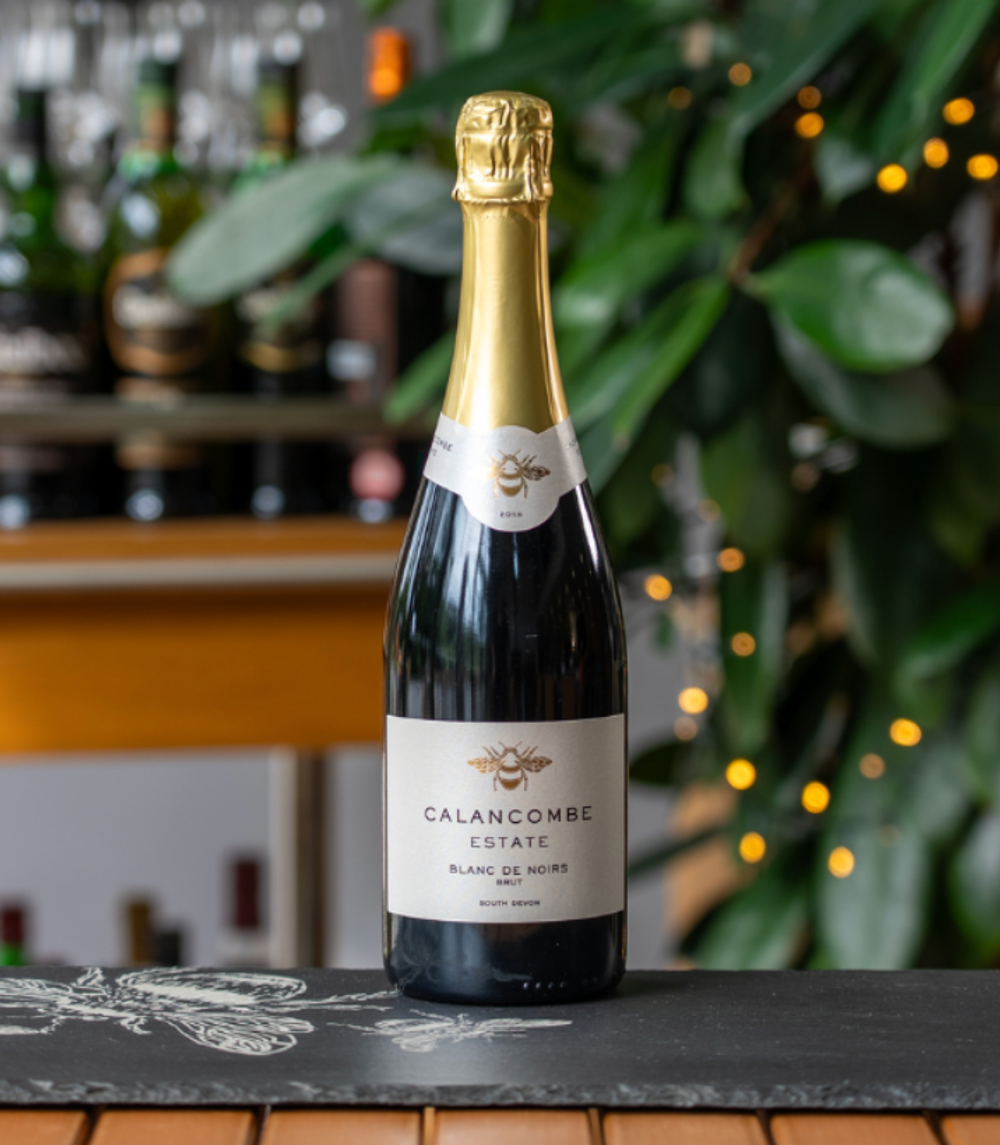
The breakthroughs on the wine side have been different and more gradual. What encouraged us enormously when we first released the Calancombe wines was the reaction from people who genuinely understood wine. Knowledgeable people tasted what we were producing and told us the quality was extremely good.
Quality has always been non-negotiable. We don't try to extract the maximum possible quantity from every harvest. We won't put rotten grapes into the press, despite the apparent ‘industry standards’ that do apparently allow this. Calancombe Estate wines are made from Calancombe-grown grapes; we don't buy grapes from elsewhere simply to increase production.
Then, in 2023, something happened which validated another part of what we had been building. Calancombe had apparently been visited anonymously through the regional tourism awards process. Assessors had visited the visitor centre, tasted the wines and had lunch without us knowing who they were.
We were invited to an awards ceremony at Plymouth Argyle Football Club and went along assuming we were essentially there to make up the numbers. Then Calancombe was announced as Small Visitor Attraction of the Year for Devon. We were astonished and delighted.
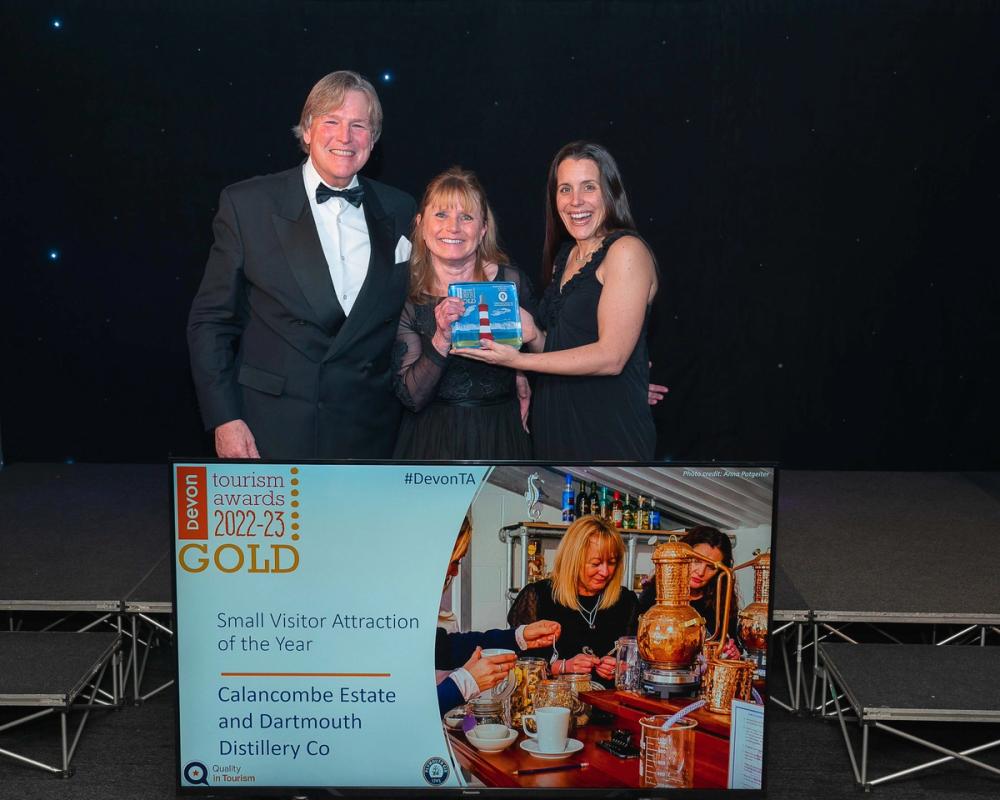
Calancombe Estate has won a number of awards for its tourism and visitor centre
That success took us into the wider Southwest tourism awards, covering Gloucestershire, Somerset, Cornwall, Devon, and Dorset. At the awards evening at the Eden Project, we finished third across the Southwest. The visitor attractions that were chosen ahead of us were substantial, established and extremely impressive, so we couldn't have been happier.
Looking back, the common thread through these breakthroughs isn't really the awards themselves. They gave us confidence. Winning Gin of the Year told us our instinct about Dartmouth Gin was right. Craft Gin Club demonstrated that something created in a tiny South Devon distillery could appeal to tens of thousands of consumers nationally. The reception to our wines reassured us that our uncompromising approach to quality was producing something worthwhile. And the tourism awards showed us that Calancombe itself had become something people valued.
When you're building and financing something yourself, you inevitably spend quite a lot of time wondering whether you're doing the right thing. Those moments were important because somebody completely independent effectively came along and said: “Yes. This is good. Keep going.”
Wine and spirits together
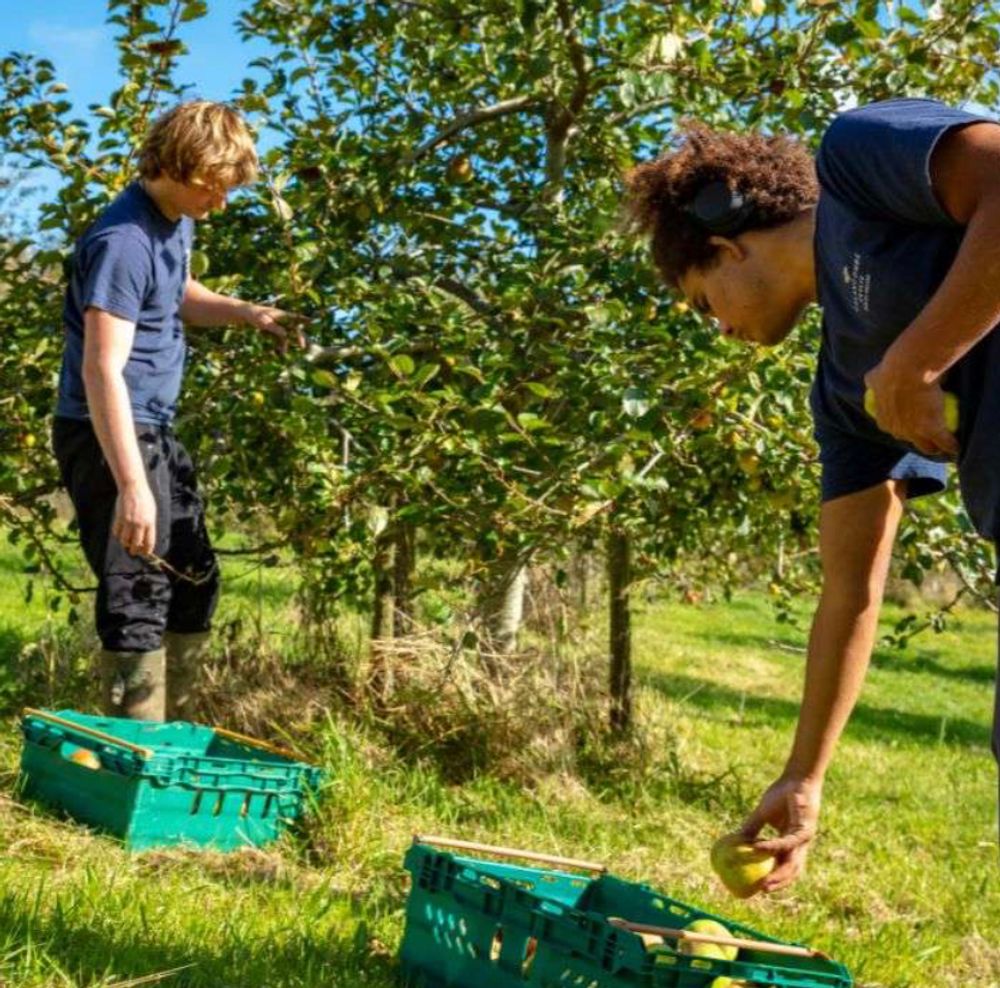
Running a multi-faceted business across wine, spirits and cider has been key to Calancombe's success
One of the most important lessons we've learned is that the different parts of the business have very different economic characteristics - and that's precisely why they work so well together. Wine and gin are perhaps the clearest examples. A vineyard requires extraordinary patience.
After planting our first vineyard, it was about five years before we harvested our first meaningful crop. During those years you're spending money on vines, people, machinery, and crop protection, but there is effectively no income coming back from that investment.
Gin is almost the complete opposite. Once you have the equipment and licences, you can experiment, develop a recipe, and potentially have a commercial product within months rather than years. Dartmouth Gin therefore gave us a product we could sell while the vineyards were still maturing, and the Craft Gin Club income helped to fund the visitor centre.
The risks are different too. With wine, you can manage the vineyard carefully, but you cannot control the weather. You are dependent upon nature giving you grapes of sufficient quality. We've had years when that hasn't happened and, on one or two occasions, we've made wine and concluded that it wasn't good enough to carry the Calancombe name, so we've thrown it away.
Gin production is much more controllable, although the market itself has changed. When we launched Dartmouth Gin, Britain was in the middle of an extraordinary gin boom. That market has matured, and unfortunately some small distilleries have closed. We're fortunate because Dartmouth Gin does not have to carry the whole business. At the same time as the gin market has matured, our vineyards have come into meaningful production, and the wine side has been growing.
So, the relationship works both ways: gin supported us while the vineyards matured; increasingly, wine provides growth as the gin market settles into a more mature phase.
The same principle extends beyond drinks. Once you've invested in vineyards, a winery, a distillery and beautiful buildings, the question becomes: how many different ways can those assets sensibly generate revenue without compromising what makes the place special?
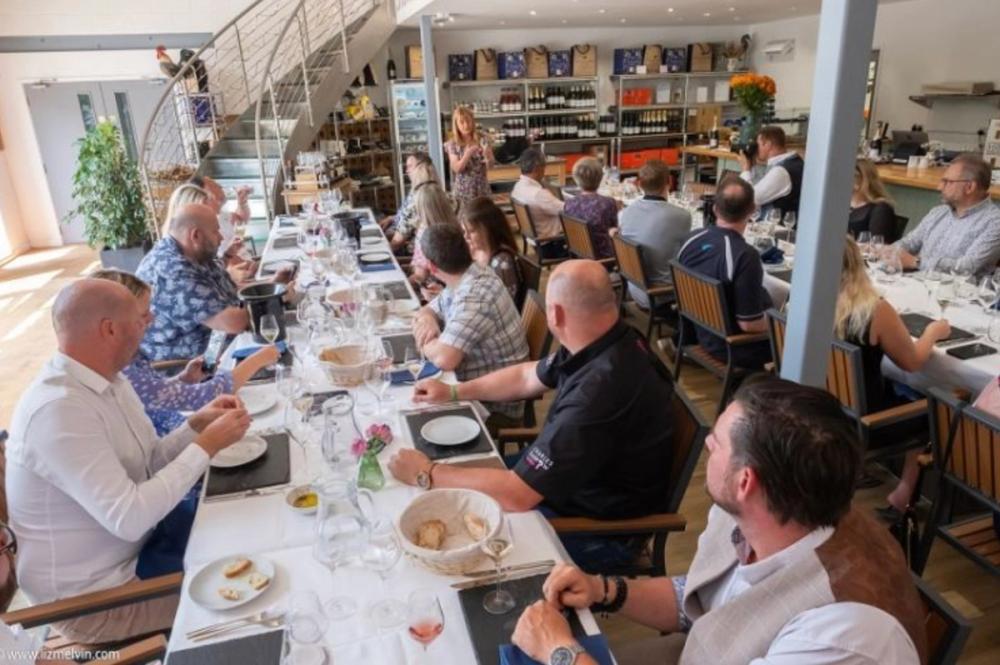
Calancombe's visitor centre has been an award-winning success
Our visitor centre and restaurant bring people to Calancombe who might otherwise never discover our wines or spirits. Someone may come for lunch and leave with a case of wine. A vineyard tour introduces people to the story behind the products and creates a much stronger relationship than simply seeing a bottle on a shelf.
Our winery has considerably more capacity than we require for our own vines, so third-party winemaking can generate additional revenue from equipment and expertise we've already paid for. Similarly, several beautiful locations around the Estate could be used for weddings and events, ideally with experienced external operators bringing clients and managing events while we provide the setting and infrastructure.
If there is one lesson that might be useful to other small and medium-sized producers, it is that it's very difficult to justify this level of investment if every asset only does one job.
Initially we thought we were creating a vineyard. Then we thought we were creating a vineyard and distillery. What we've gradually realised is that we're actually creating an integrated wine, spirits and hospitality business - and the more intelligently the different parts support each other, the stronger and more resilient the whole business becomes.
Marketing and distribution
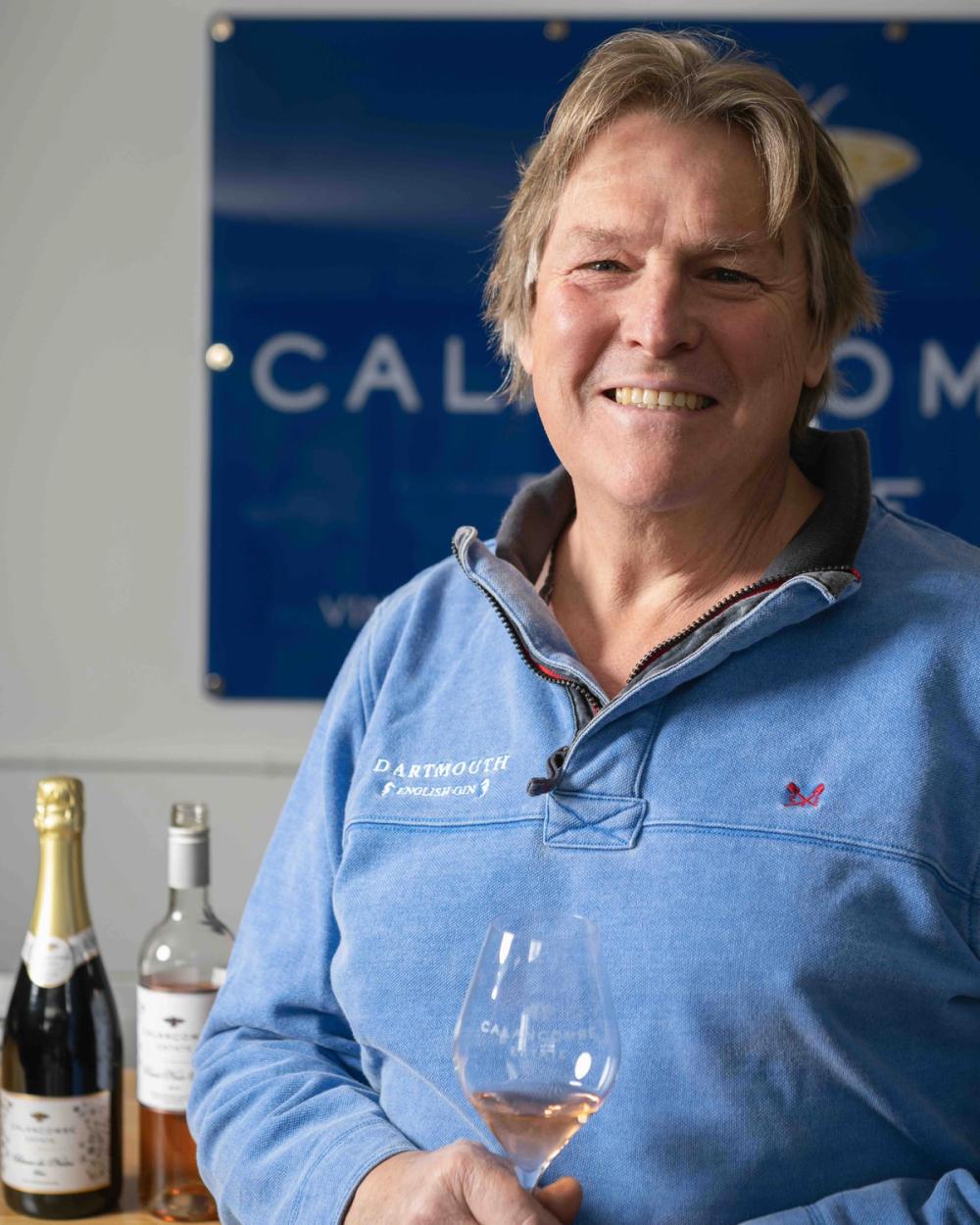
Lance and Caroline Whitehead are looking to build up its sales and distribution team
Marketing and distribution remain, quite frankly, one of our biggest challenges - and probably one of our biggest opportunities. It's an area where we know that, with greater focus and more drinks-industry expertise, we could do considerably better.
When we launched Dartmouth English Gin, I effectively became the sales force. I went around wine merchants, independent off-licences, restaurants, pubs and hotels with a bottle under my arm, asking people to taste it. We attended drinks-industry events and gin festivals, including Junipalooza in London, as well as the Devon County Show and other agricultural shows.
Those agricultural shows were surprisingly effective. Over a couple of days, we could sometimes sell £4,000 worth of gin directly to consumers. But arguably the greater benefit was getting the product into people's hands.
Gin is particularly suited to that sort of selling: “Would you like to try it?” If people taste it and love it, quite often they'll buy a bottle.
As the gin business developed, we built relationships with local and regional drinks distributors and particularly independent wine merchants. Those relationships became extremely valuable when our wines started coming through. We weren't approaching the trade completely cold; there were already businesses across the Southwest that knew us and knew our commitment to quality.
Independent endorsement has also been enormously powerful. When Decanter rated our Pinot Gris very highly, for example, we suddenly started receiving enquiries from places we hadn't approached ourselves, including restaurants wanting to stock it. The same thing happened earlier with Dartmouth Gin through awards and the Craft Gin Club.
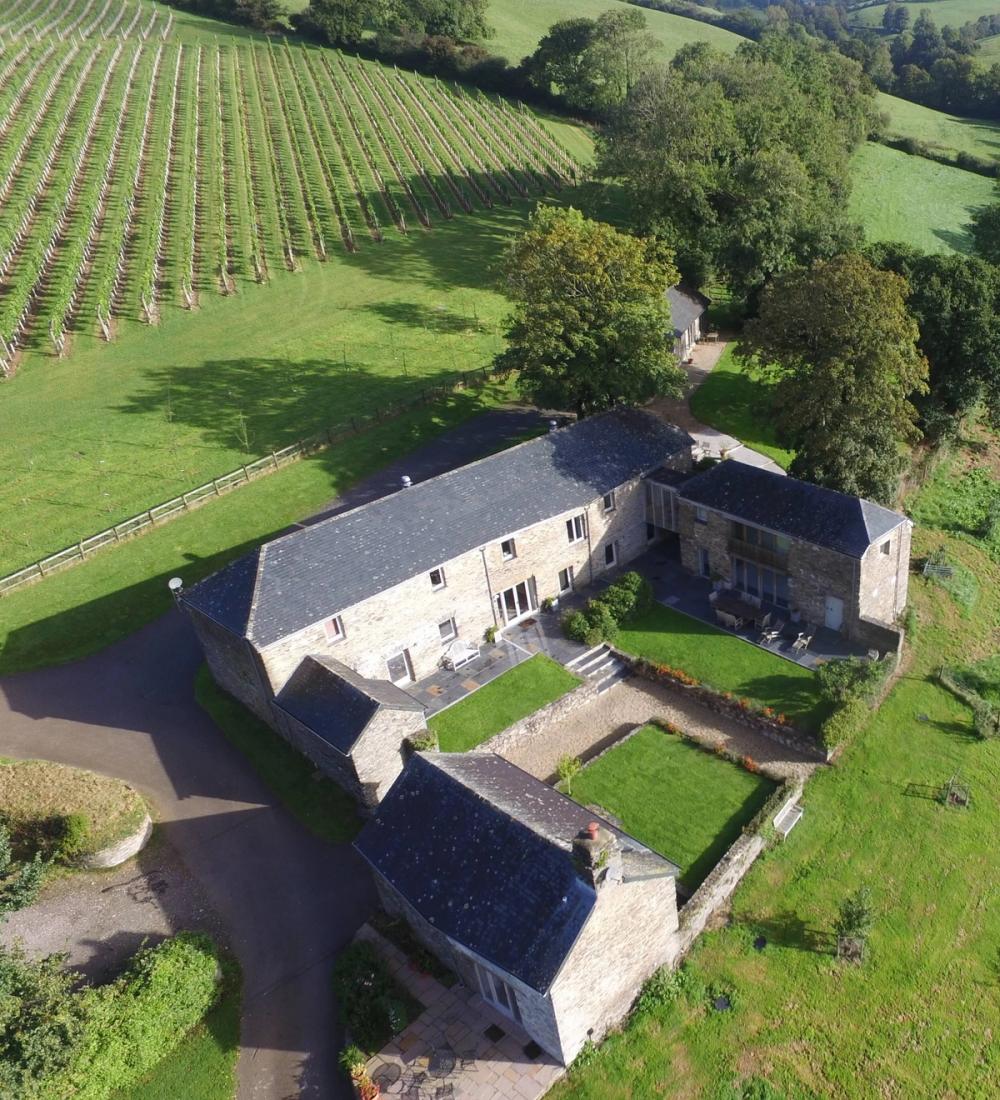
Calancombe Estate also has its own holiday cottages situated amongst the vines
The visitor centre has added another important route to market. People can walk through the vineyards, see where the wine is made, taste the wines and spirits, have lunch and understand the story behind what they're drinking. Visitors buy bottles and cases while they're here and many continue buying from us afterwards. The Estate itself has therefore become part of our marketing.
But I wouldn't pretend that we've cracked distribution, because we haven't. Caroline and I have spent most of our time building and financing the business rather than selling it. We've never had a properly resourced commercial team.
That's now one of the most important things we want to change. For much of the past 14 years our challenge was whether we could create the vineyards, build the winery and distillery, develop the products and prove that they were good enough. I think we've answered those questions.
The question now is: how do we get those products in front of many more people?
We don't necessarily need to reinvent what we're producing. We need to become considerably better at selling what we've already created.
Growth strategy
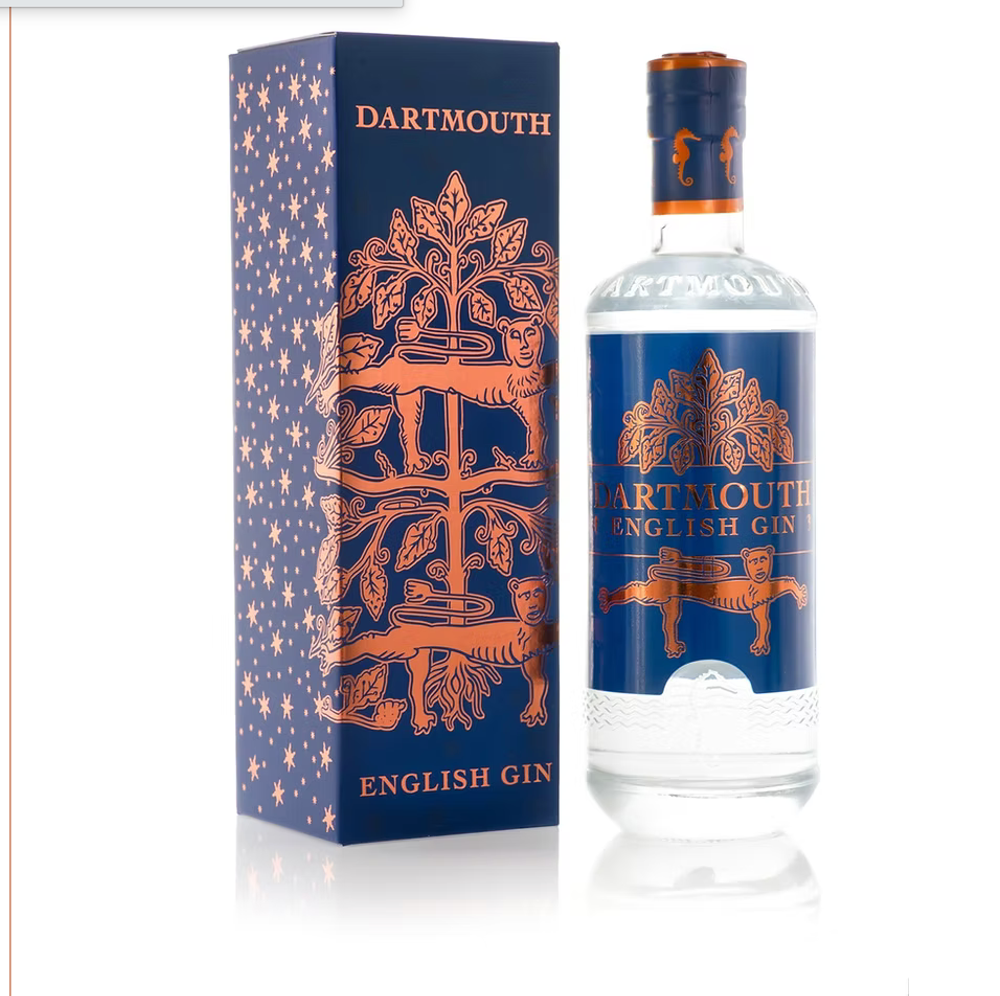
Both Lance and Caroline Whitehead have strong family connections with Dartmouth
Looking forward three to five years, our growth strategy is really about making much better commercial use of the assets we've already created. Probably the most important opportunity within the core wine business is making wine for other vineyards across the Southwest. There is a growing number of smaller vineyards producing good-quality grapes, but which simply don't have sufficient scale to justify building their own winery. A winery is expensive, and then you need the expertise and people to operate it.
Calancombe already has an extremely well-equipped winery with considerably more capacity than we require for our own 23,000 vines. We would need some additional fermentation and storage tanks as volumes increase, but most of the expensive infrastructure is already here.
We want to approach contract winemaking flexibly. If an owner wants to come to Calancombe and participate in making their wine alongside our winemaker, we'd welcome that. If another vineyard simply wants to deliver its grapes and receive finished bottled wine back, we can do that too. We also want to be price-sensitive, because the point is to provide smaller vineyards with a commercially sensible alternative to building their own winery.
Calancombe Estate wines, however, will continue to be made exclusively from grapes grown in our own vineyards.
The second opportunity is to capitalise on how beautiful Calancombe is. We think there are probably two locations on the Estate that could make exceptional wedding venues. We don't intend initially to build an entire wedding operation ourselves. Our preferred model is to work with one or two established wedding operators who could use Calancombe as a long-term venue. We provide the setting and appropriate infrastructure; they bring the clients and operational expertise.
That produces site income, opportunities to supply Calancombe wines and Dartmouth spirits, and - importantly - introduces perhaps a hundred or more people to the Estate at each event.
We're also interested in developing courses, workshops and experiences at Calancombe. To support weddings and those activities, we're considering a small number of high-quality, discreetly positioned glamping pods around the Estate. They could provide accommodation for wedding guests, workshop participants and visitors wanting to spend a weekend at the vineyard. Again, one relatively modest investment could support several revenue streams.
Export plans
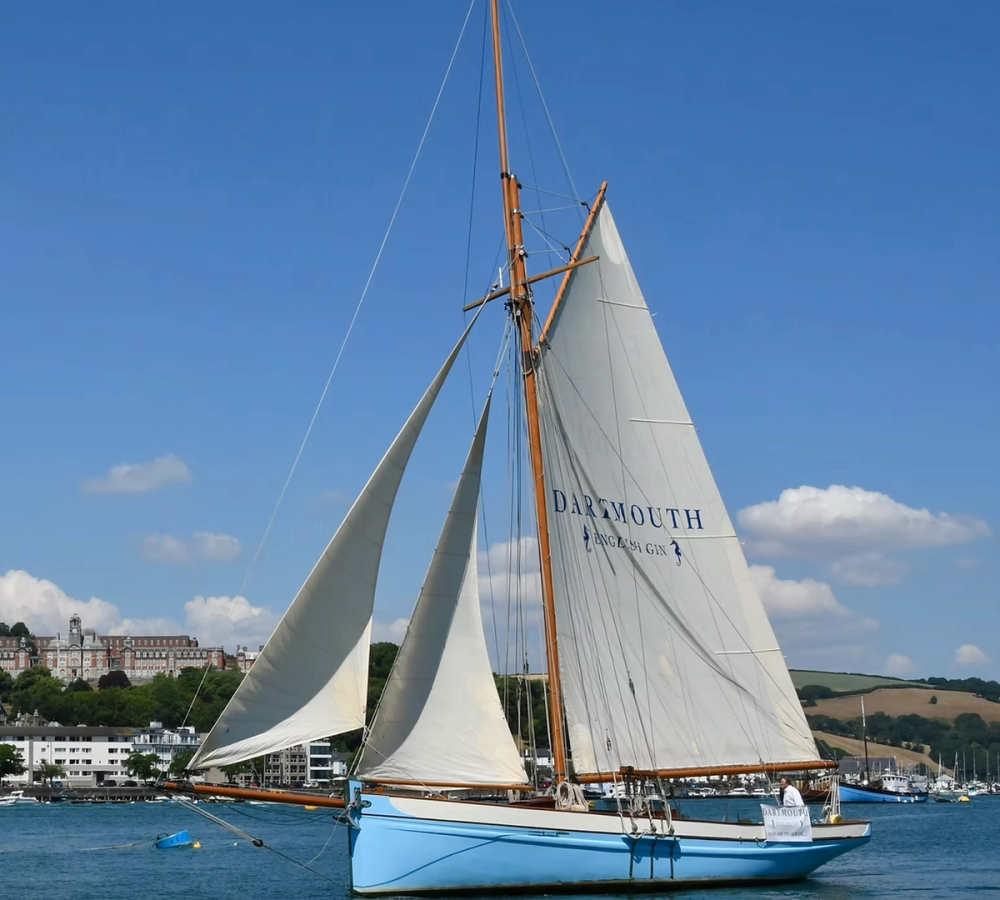
The next step for Calancombe Estate and its Dartmouth Distillery is how it builds on its domestic success by building export sales
On exports, we've had some experience, but it has taught us to be cautious. Before Brexit, we sold gin into Europe relatively easily. Afterwards, customs and taxation became unpredictable enough that we eventually stopped actively pursuing those sales. We also developed a small business in the US, often with Americans who had discovered Dartmouth Gin while visiting Dartmouth and subsequently wanted to reorder. For a period, we sent a reasonable number of bottles, but air freight and courier restrictions on spirits eventually made the economics unattractive.
We've watched other British spirits businesses commit substantial amounts of money to international expansion. Some have succeeded, but it can absorb enormous amounts of capital before generating a meaningful return. At our scale, we have a substantial opportunity sitting on our doorstep in the UK which we haven't yet fully exploited. Before spending heavily trying to establish ourselves in New York or continental Europe, I'd rather become considerably better at selling our products in London, Bristol, Exeter, Bath and the rest of Britain.
That doesn't mean we're opposed to exporting. If the right distributor approached us with an established route to market and a commercially sensible proposition, we'd certainly listen. But we're not going to pursue exports simply so that we can say we're an international brand.
So, our three-to-five-year strategy is straightforward: move from building assets to exploiting them commercially. Make more wine, including for other Southwest vineyards; professionalise sales; use the Estate for weddings, events, courses and experiences; add modest accommodation that supports those activities; and ensure each part of the business reinforces the others.
If we can achieve that, Calancombe should become a considerably larger, more profitable, and more resilient business without losing the quality, provenance and character that made us want to create it in the first place.
* You can find out more about the Calancombe Estate here.
* You can find out more about the Dartmouth Distillery here.