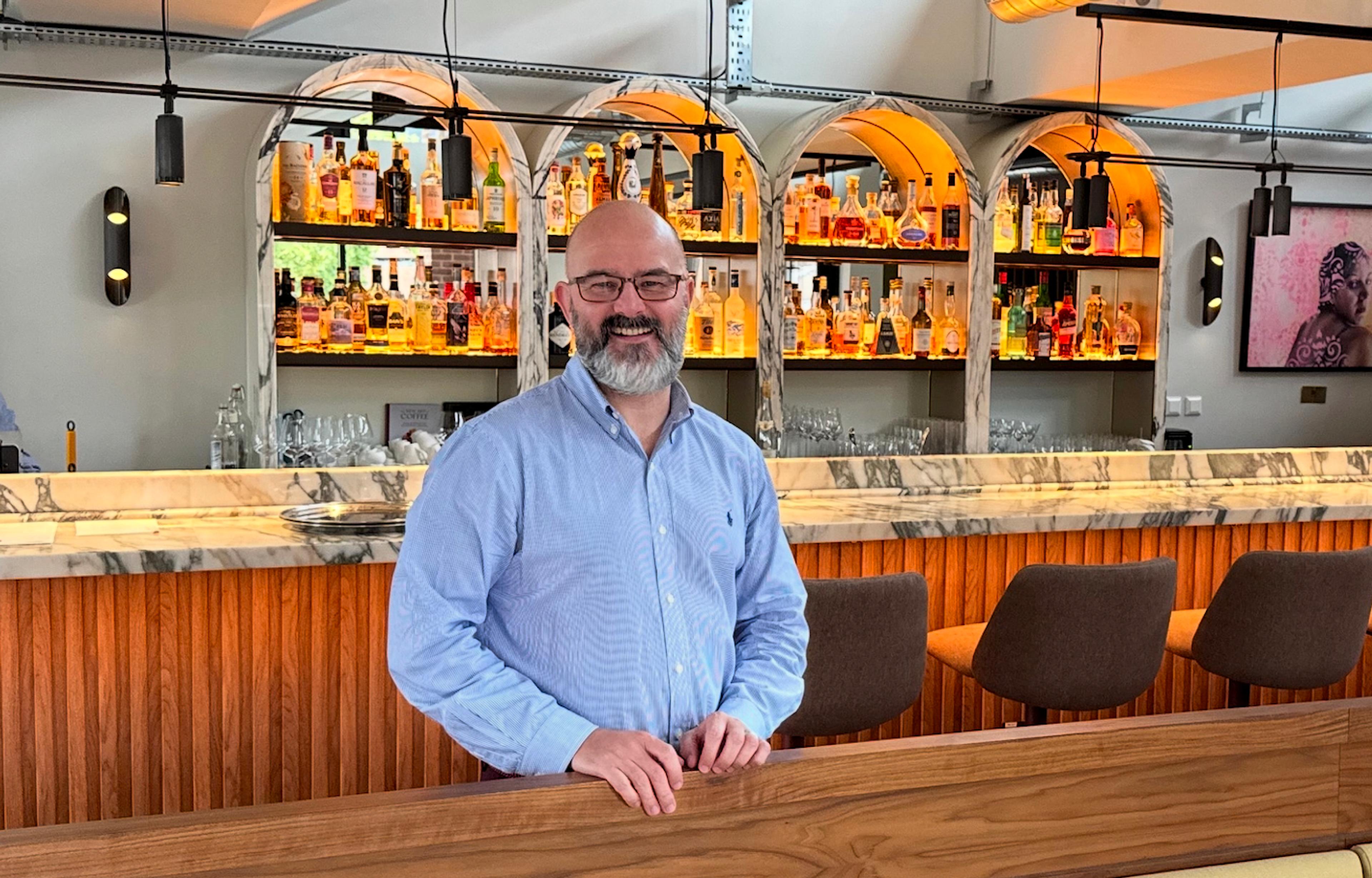

It’s not often in an interview that the more questions you ask, the more you realise you have been living parallel lives with your interviewee. But that was very much the case sitting down with David O'Connor to talk through his life as a restaurateur.
But the more we chatted, the more our lives started to entwine. We both grew up on the Wirral, one town away from each other, we went to schools two miles apart, and when we both moved to London we ended up living for years only a few streets apart off Wandsworth Common.
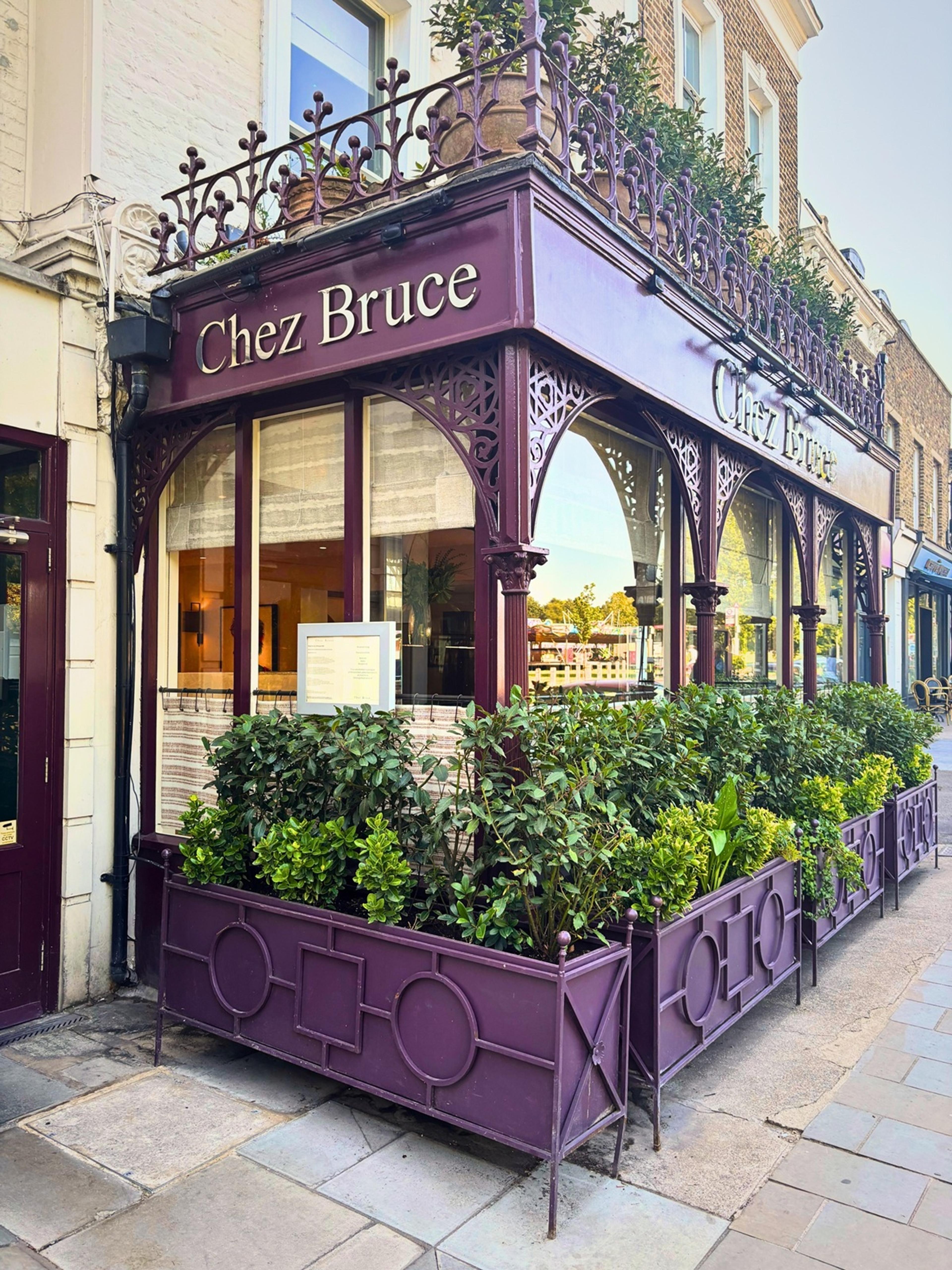
We both came to London to forge our careers where the world of hospitality drew O’Connor in, and he ended up being the manager of my favourite local restaurant - Chez Bruce.
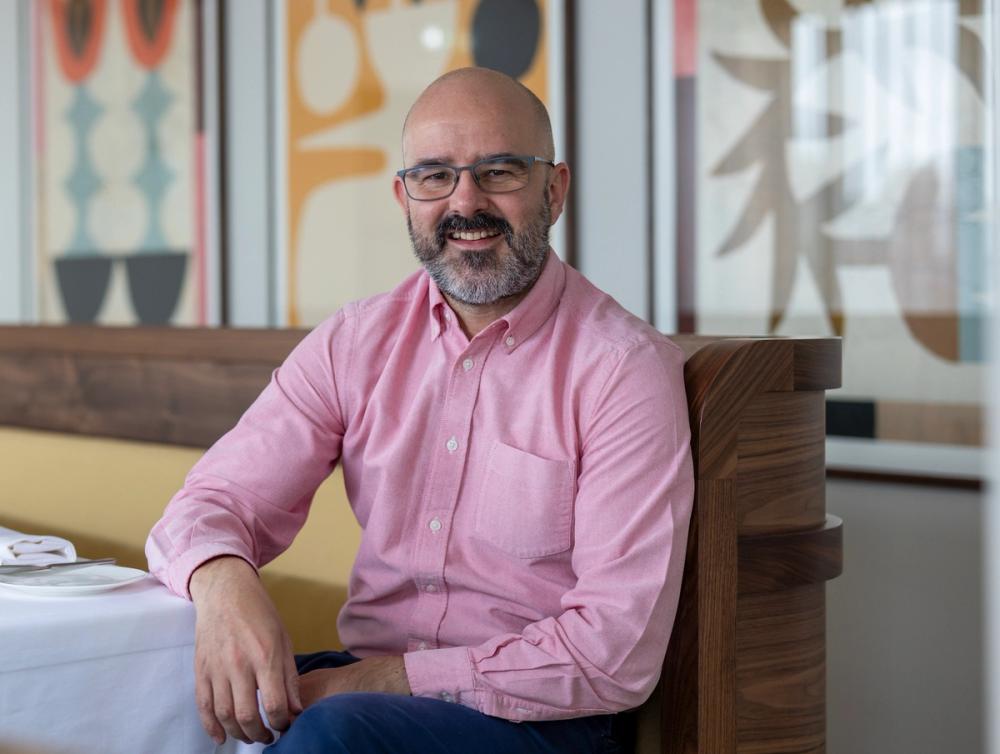
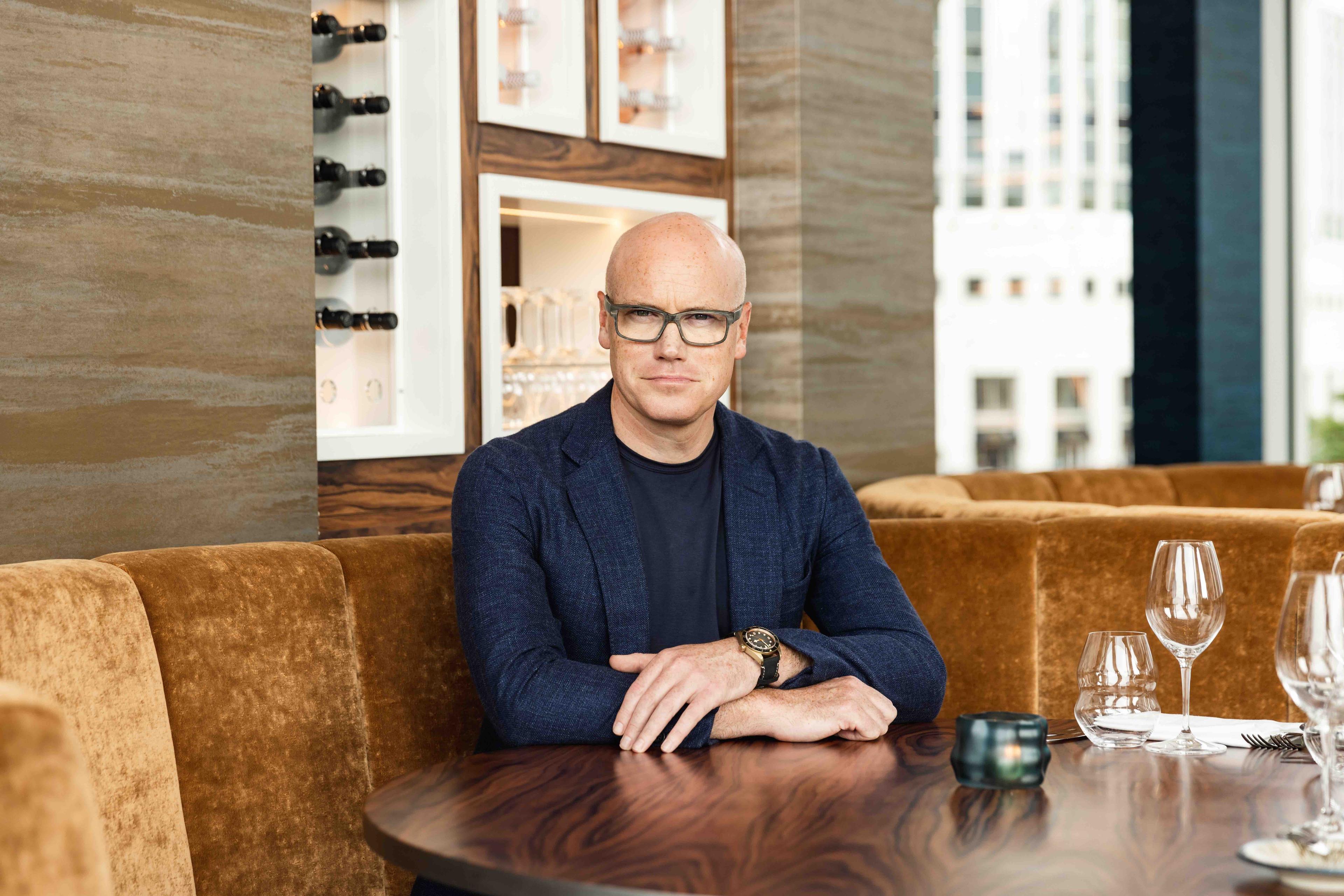
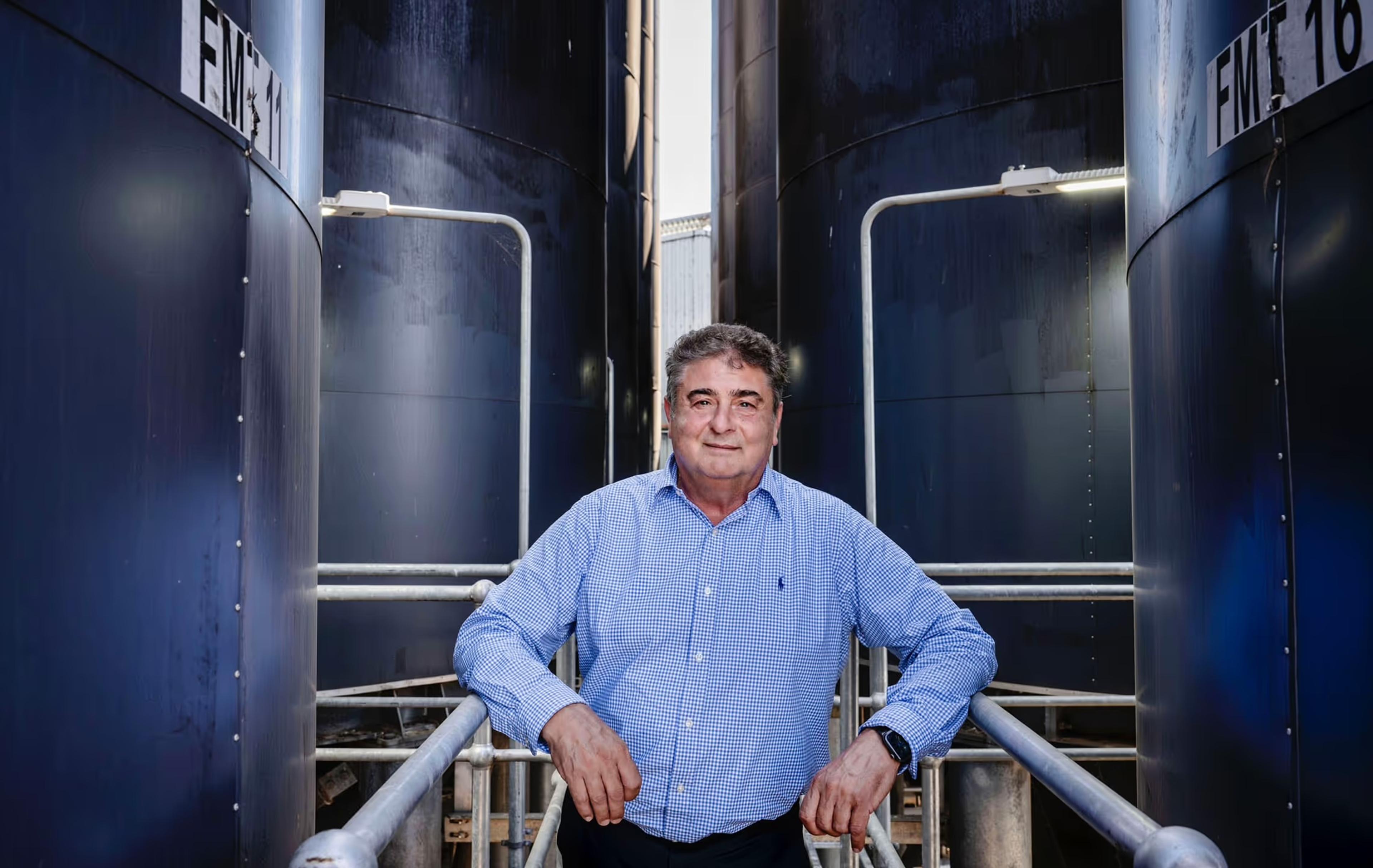
David O'Connor is bringing all his years of experience running Michelin fine dining restaurants to Cornus in Belgravia in London. Picture Ian Walton
We also worked out we had stood on the Kop, only a few metres apart, on numerous big nights at Anfield whilst supporting our football team Liverpool. Then if that wasn’t enough I have ended up living just a few streets away from Medlar, his award-winning restaurant in the heart of Chelsea.
So not surprisingly what started out as an hour interview ended up being a long afternoon enjoying a long, wonderful lunch at his stunning new restaurant, Cornus, just over the road from Victoria Station.
Well, when I say new, Cornus has actually been with us for two years, even though it only took six months for it notch up a Michelin star.
Cornus is very much the sum of all the parts of O’Connor’s wide-ranging career that has stretched from old school hotels neighbourhood favourites restaurants.
Cornus concept
The concept for Cornus, though, goes back to his days of fine dining managing both The Square and The Ledbury.
As he explains: “We wanted to re-create something here that is similar to what The Square was. A high end, two star restaurant, in a great space with a great team, a great pastry chef and a great chef in Gary (Foulkes - who also worked with O’Connor at The Square), and a strong wine programme”.
He adds: “I think there is space in London for this sort of restaurant, with classic food, high quality ingredients and that is what we are trying to do here.”
He understands why many people would associate Cornus as being a similar restaurant to Medlar, the other restaurant he co-owns with chef Joe Mercer Nairne, when “it has evolved into a completely different restaurant” looking to offer a very different type and style of menu.
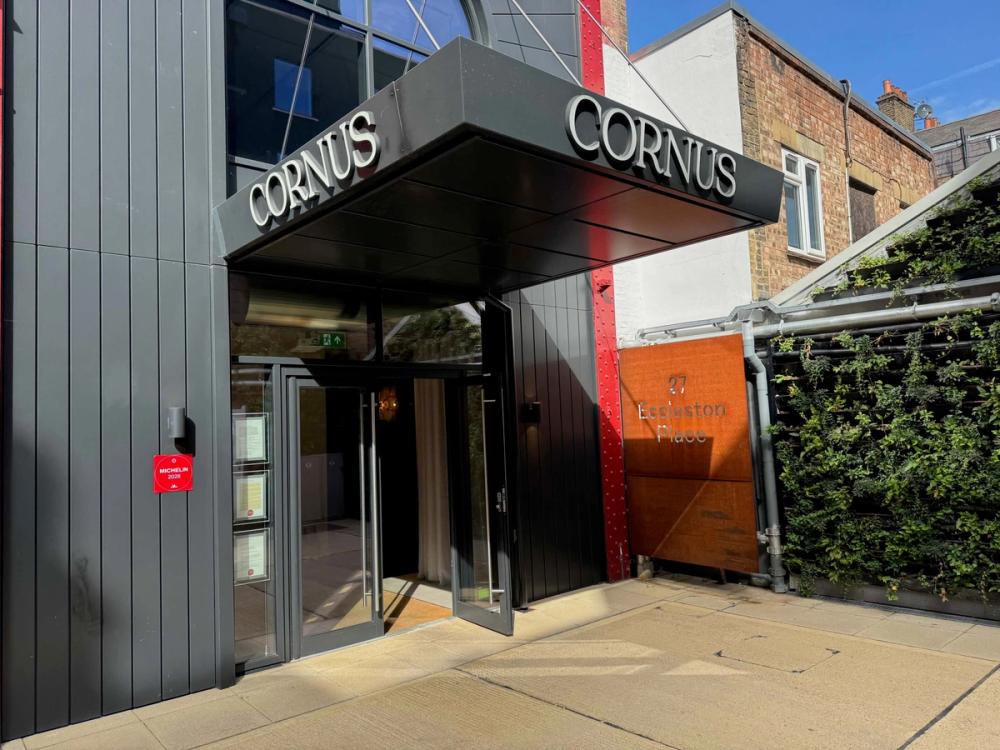
Cornus has already been awarded one Michelin star
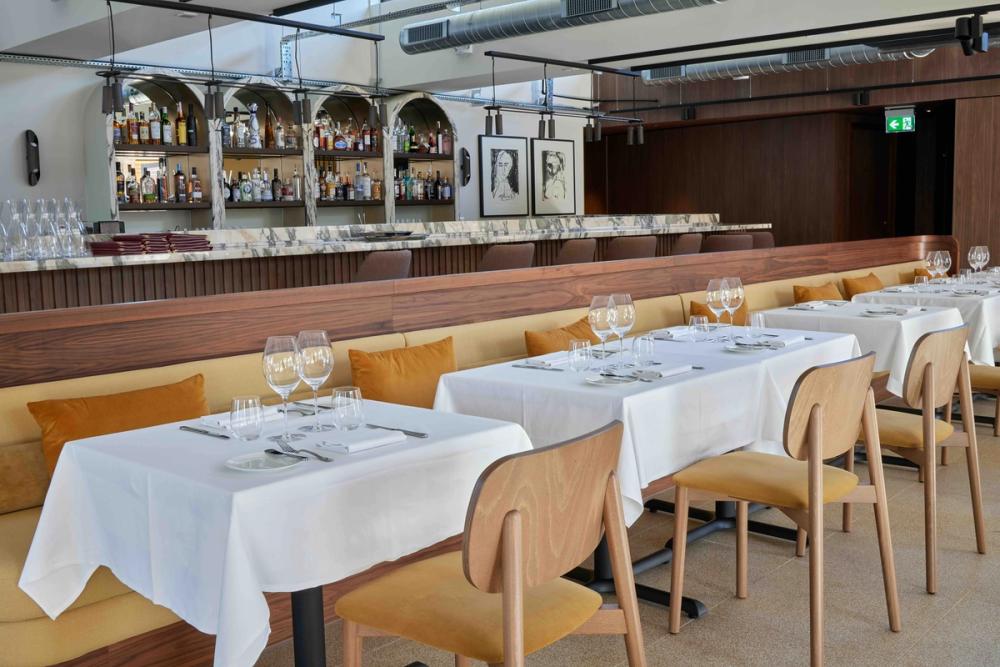
Whist Medlar is more of a neighbourhood restaurant that works to a “certain price point and sources ingredients that fits into that business model” at Cornus “there is no compromise on the highest quality that we can buy - and we charge accordingly”.
But equally O'Connor is quick to add that it has to work within a budget even at the highest end of fine dining and that the menu will change depending on what ingredients it is able to source.
“It is tricky because there are some things we want to put on the menu, but we can’t because the price would be too high,” he says.
O'Connor admits it is “taking time to build” Cornus to a level he would ideally like it to be, particularly in the current downturn in consumer spending in fine dining, but getting the Michelin star so early on has been a great platform on which to build and hopefully get to its goal, in due course, of achieving two stars.
“There are some people who only eat in Michelin star restaurants,” he stresses. “It has certainly put us on the map.”
He sees Cornus as currently being a “strong one star” restaurant and the challenge for him and the team is to continue to make the improvements in quality and offer to take it to the next level.
“I have eaten in most of the two star restaurants in London and do I think they are serving better food than us - then not really,” he adds.
He also appreciates “you need to have a good few years of showing your consistency” and delivering a “world class experience” for that to happen. But part of the beauty and mystique about the whole Michelin star system is that no-one really knows “what their criteria are” about awarding stars, he says.
O’Connor also says the trading conditions are harder than they have ever been and the economic climate means no matter how good a job you are doing “that’s not even enough any more” to guarantee success.
Which is why “gastro tourism” is becoming so much more important in fine dining where there is increased demand for high end tasting menus, where “everyone wants to photograph a dish” and you need to be in the right guides and “Top” restaurant charts.
Whilst he could envisage Cornus evolving that way he is not sure “he would enjoy it as much” as he loves building relationships with regular customers.
Sommelier focus
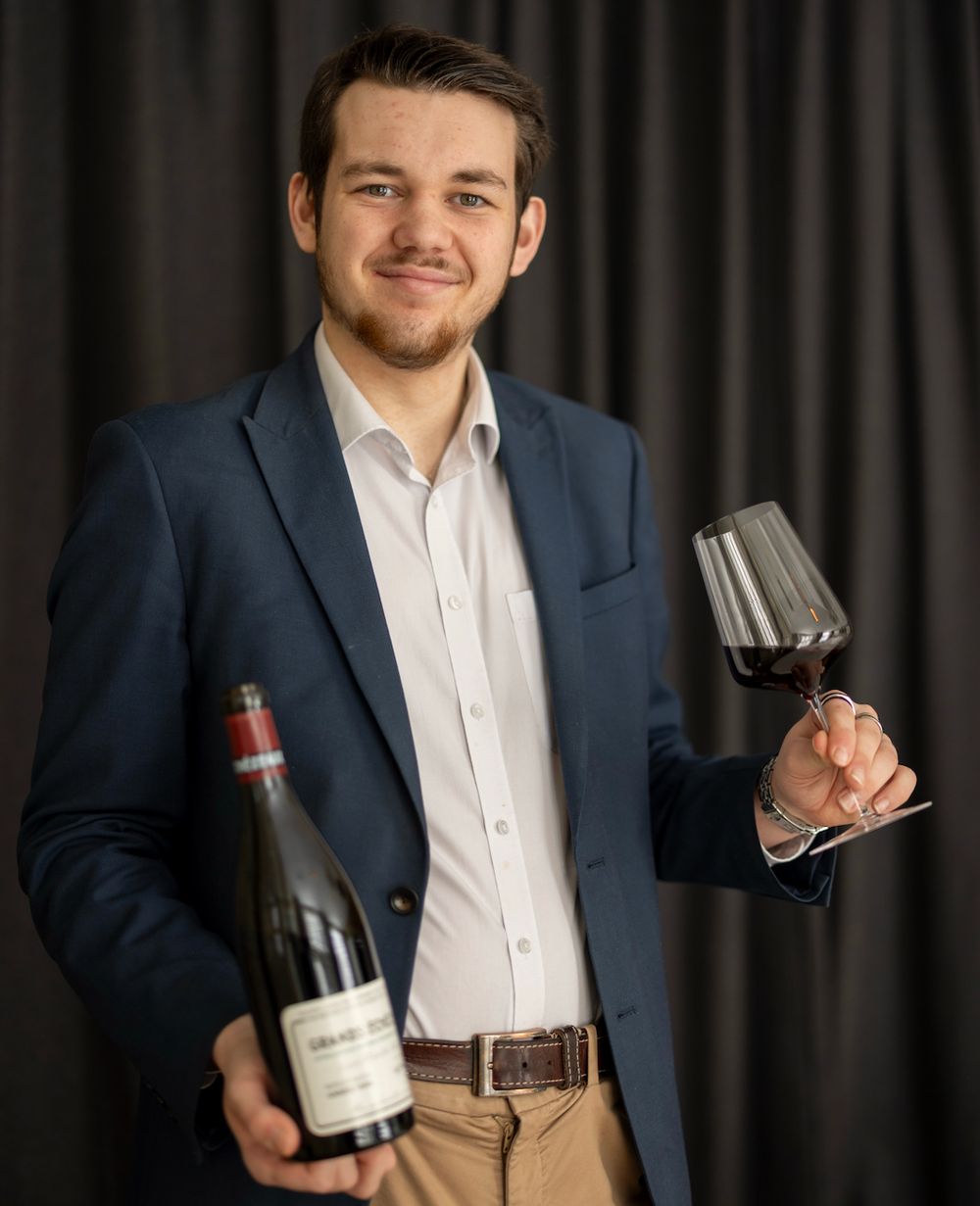
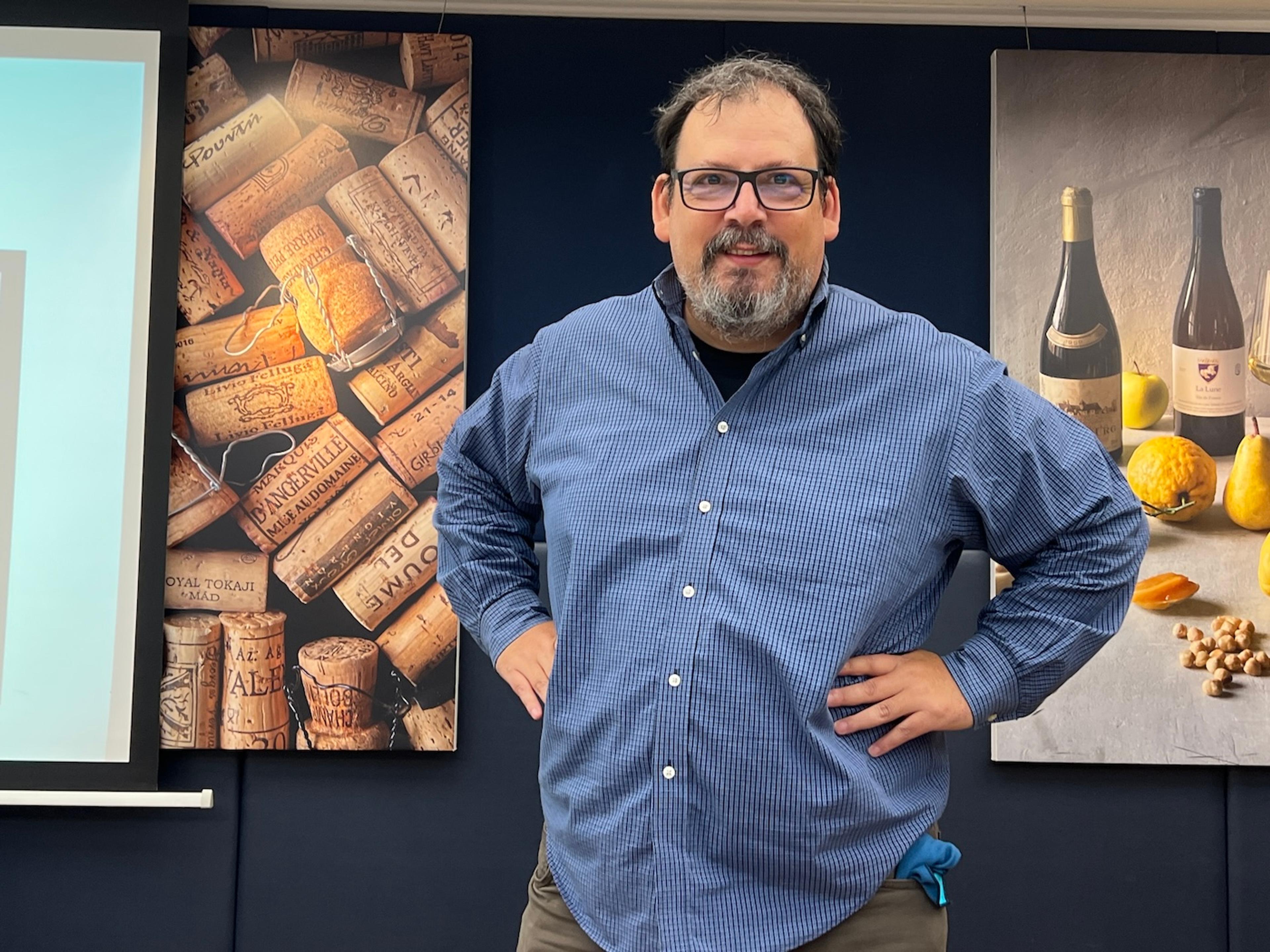
Barnaby Lewis heads up the wine operation at Cornus
O’Connor’s focus is not only on delivering the highest possible quality for food at Cornus - and Medlar - but both restaurants have also built their reputation on the back of their wine offer and the focus they have on excellent wine service.
“We have always had a very strong sommelier team. The wine programme should be equally as good as the food and the service. If one falls down, then something is wrong,” he explains.
The wine part of Medlar was initially in the hands of Clement Robert and his assistant Mathias Camilleri - who both became Master Sommeliers whilst working there - and who O'Connor says were “fabulous for us and built the whole wine programme from the start and really cemented the wine reputation of the restaurant”.
They were followed by another MS and former Square sommelier, Christopher Delalonde, before the responsibility passed to Melania Battiston who established herself as the most recent face of wine both at Medlar and over the first two years of Cornus.
“She was a fantastic sommelier and front of house for us. We worked together very well and we can both reach a very high standard without much effort,” he says.
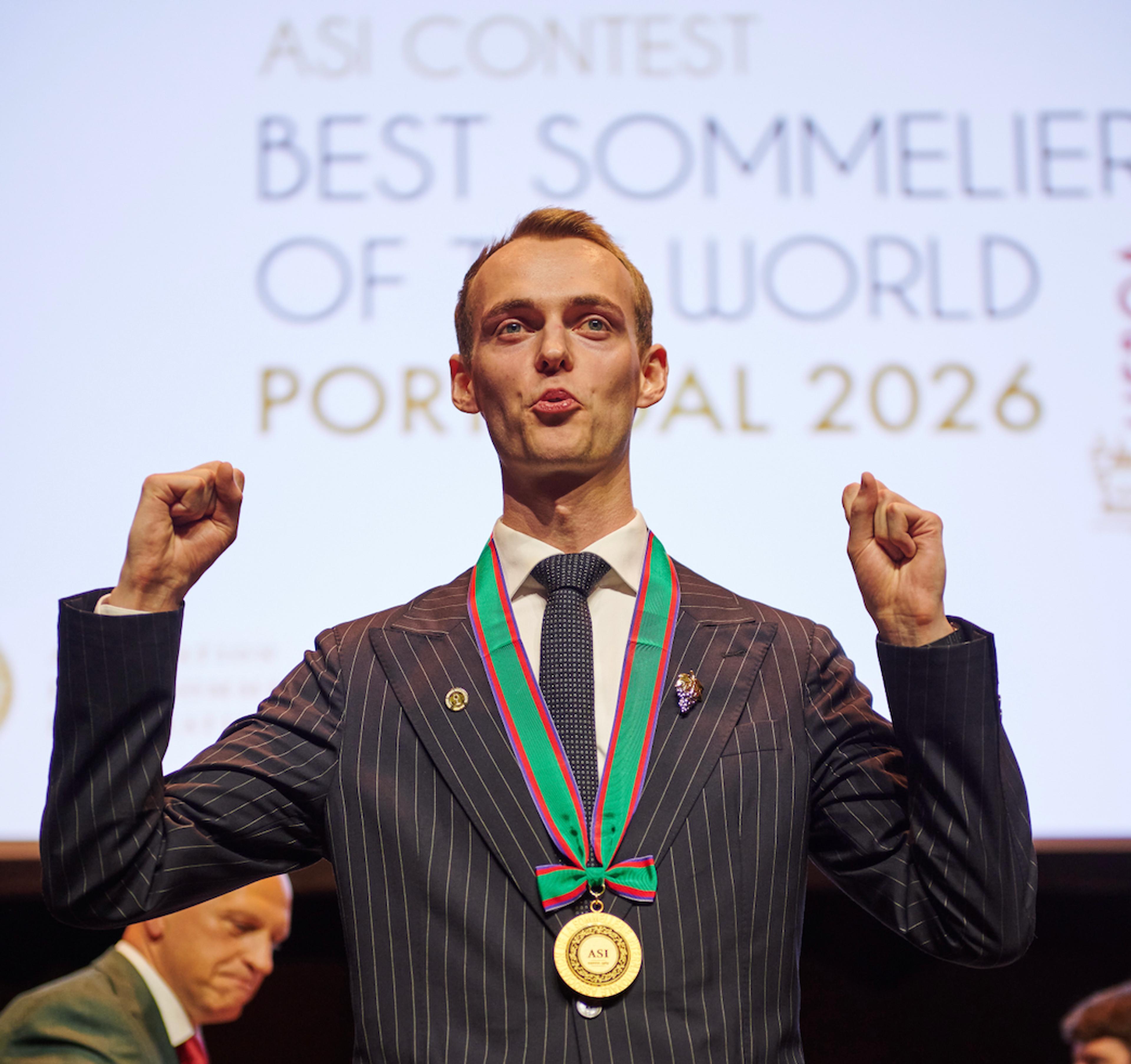
Her moving on has allowed her assistant, Łukasz Górski, World’s Best Young Sommelier in 2023, to step up and take over the the wine operation at Medlar, whilst Barnaby Lewis has moved over from Medlar to be the new head sommelier and wine buyer at Cornus.
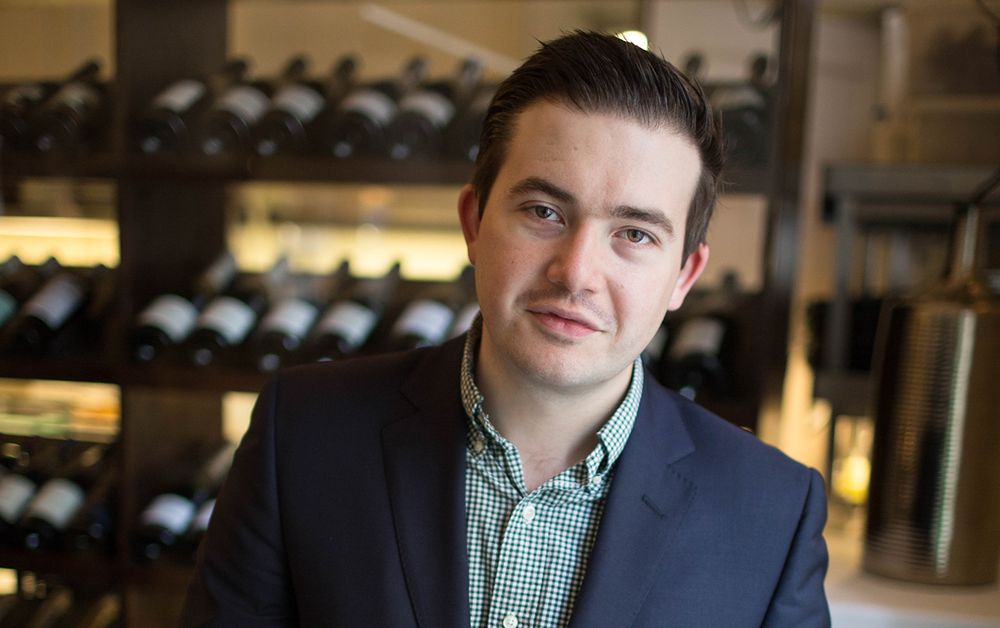
Barnaby Lewis is following in a long path of award-winning sommeliers and Master Sommeliers that have worked with David O'Connor. Robert Clement achieved his MS status whilst working at Medlar
O’Connor is clearly proud that both restaurants have been such a a good training ground and home for such a talented stream of top sommeliers.
He explains: “We have always had excellent sommeliers. It’s a great place to grow because we have a great wine programme and we have wine lovers in the restaurant so it makes it enjoyable place to work,” he says.
He adds: “We give a lot of space for personal growth and studying on our time rather than theirs. It is very important to me that the staff grow, particularly on the sommelier side. It works well for us as a business.”
Medlar has also become a bit of a “hub” amongst the sommelier community and is regularly hosting masterclasses and sommelier training sessions.
Star strikers
O’Connor says he has been lucky enough to “work with some extraordinary sommeliers” and believes they are absolutely integral to a premium restaurant’s success.
“I have always seen sommeliers a bit like in a football team where they are your star strikers and, very much like a star striker, if you want them to score goals you have got to give them the platform to score them on,” he explains.
“I have always set the team up where the sommelier only has to talk to customers and sell the wine. The rest of it the team can do. The sommelier is there to explain the list to the customer, make sure the wine is as it should be.”
It’s why, he believes, sommeliers “have always shone in that set up” rather than you see in many venues where the head sommelier is shut away “in an office for half the day and side-tracked doing other things whilst the junior sommelier is out front and is not inspiring much confidence for the customer”.
The downside of that, he quickly adds, is “their ego can get a bit out of control” as they get all the praise, but then “that is the same with the star strikers in football”.
But the advantages they bring means he is always happy to pay “way over the odds” in order to get the best head sommeliers in his team as he “knows it is worth it - it’s an investment”.
That said there are some sommeliers, he says, he would not hire “even if they worked for free”.
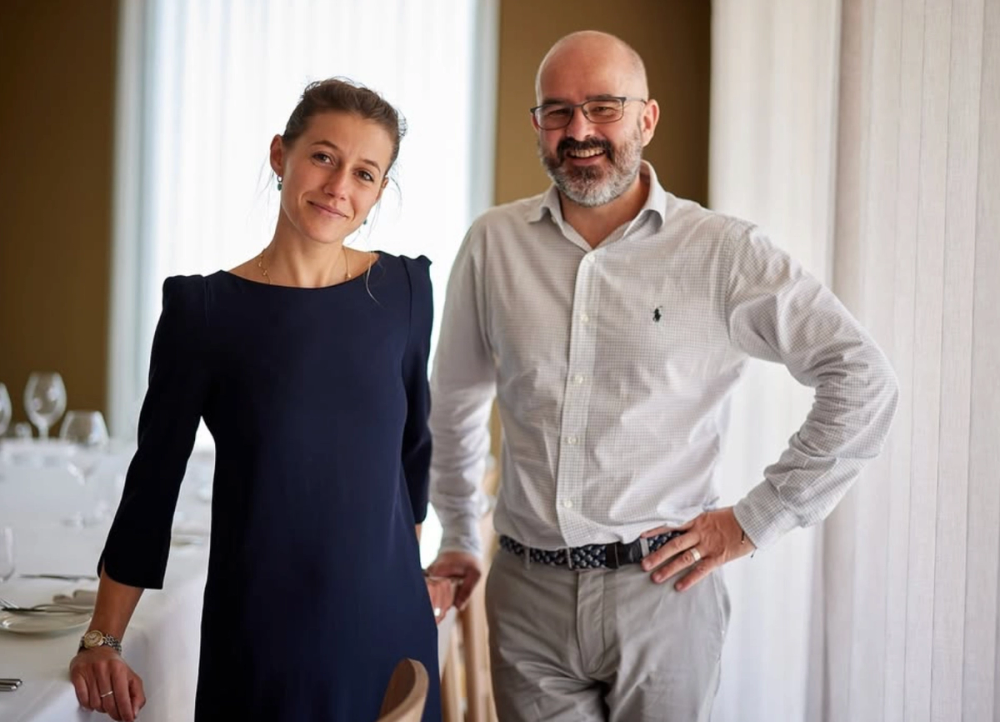
David O'Connor says he particularly enjoyed working with sommelier Melania Battiston both at Medlar and Cornus
In order to get the right sommeliers on board, O’Connor will do his homework and “likes to see how they work before I invest properly.”
In particular he is looking for sommeliers that are “interested in people, the customer service, and can they do the basics properly”. Which means analysing how they work the room, and make sure every guest has their wine as when they want it and you don’t “have half the room waving their hands looking to top up their wine”.
“It’s the little basic things that are non-negotiable for me. If, for example, today everyone arrived at the same time I would expect my sommelier to stop talking, get all the wine ordered, get it in the glass and then go back to talking to the guests. It’s those basic things that really matter,” he says.
Equally he also does want his sommeliers to be building relationships with the customers so “it’s always a tricky balance” to get right.
“But it is never at the expense of basic level of service,” he adds. "Which is getting the wine on time and in the glass. You order your wine and you want to receive it.”
A good sommelier, he says, will know when is the right time to delegate and ask another member of the team to pour, say, a house wine, giving them the time to spend with a guest that “need a little more sommelier attention”.
It all comes down to having the right “instincts” at the end of the day. It can be vital in getting a customer to want to come back.
“Look at Melania. She always genuinely made you feel welcome, which is also so important,” he adds.
Get it right and that trust between you and the customer can be very strong, he stresses. Like at Medlar where guests could be in coming in with some of their own very expensive and precious wines and they are quite happy to hand them over and trust the wine team to handle them perfectly.
“They just trust us to make it happen, seamlessly - I really like that. It shows we inspire confidence as a team.”
If you get to the stage you see in some restaurants “where the customers are micro-managing the sommeliers” then “we are not doing a good job”.
Wine buying
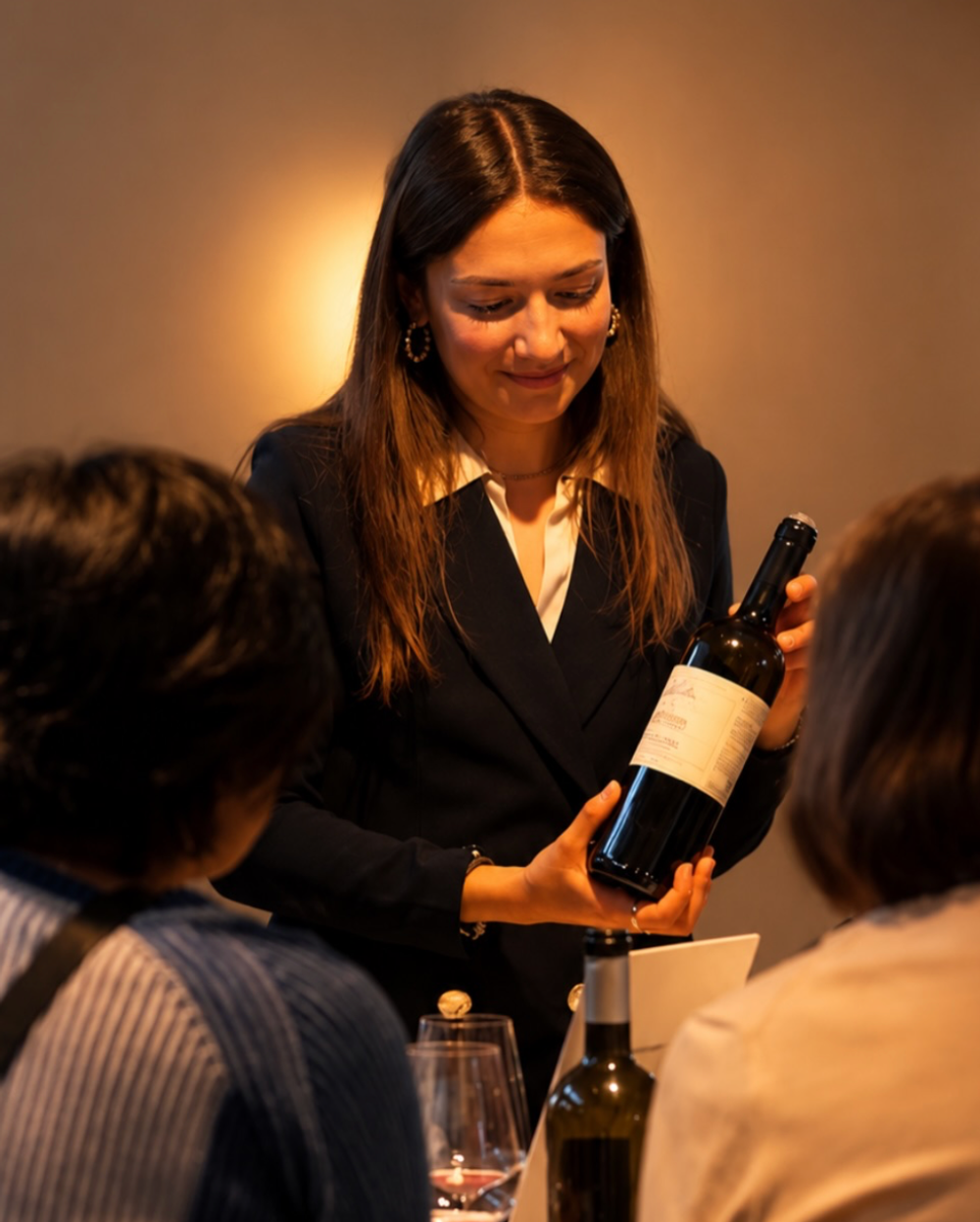
Cornus works with a wide number of fine wine merchants
The strong wine reputation that Medlar has established both within the wine trade and with its customers, many of whom are individual collectors, has helped Cornus build a wine offer that is largely based on consignment with fine and highly sought after wines sourced from private clients and long-term wine suppliers.
It certainly helps forge a close relationship with your regular customers if they are able to have wines from their own collections on the list at Cornus, for which they will be paid if they sell it.
It is able to run a similar trading relationship with some of the major fine wine merchants where it is able to access and offer any wines in their range to its customers and only pay for them when they are served.
If he had to pay for the wines up front and house them in his own cellar then O’Connor simply could not afford to pay for a lot of the wines it is selling.
“It’s great for us and they are doing quite well out of it as we are selling quite a lot,” he says. “So we have fabulous wines at good prices.”
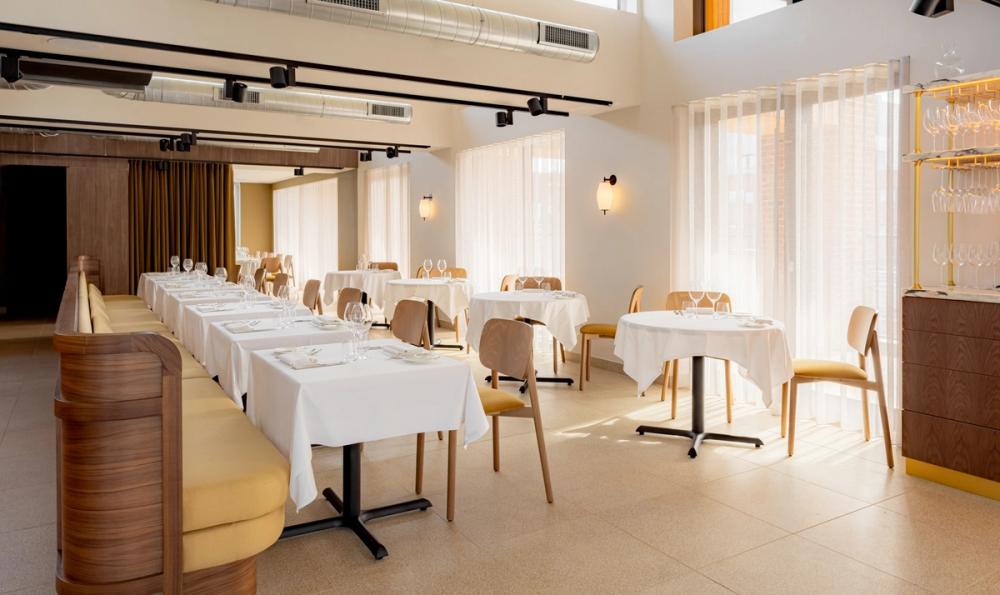
Many of the fine wines on Cornus' list come from its regular customers own cellars
It is also testimony to the strong, loyal relationships he has been able to build up with those fine wine merchants across many years - and in many restaurants. It’s also probably why he has up to 50 wine suppliers queuing up to work with him.
A good proportion of the wines being bought are the classic Old World regions which very much fits into the demographic of the customer base, says O'Connor.
But there is also “a certain group of customers who want to discover new and interesting things which is part of the fun for the sommelier team that to get into,” he adds.
Both Medlar and Cornus run what O’Connor describes as a “very favourable corkage policy” which generates a “lot of good will” amongst its regular customer base, particularly those with good cellars at home who can come and enjoy one of their own bottles of wine for a small fee.
It also works with some fine wine merchants, like A&B Vintners, on a free corkage policy who are able to “send a lot of clients our way”.
Wide experience
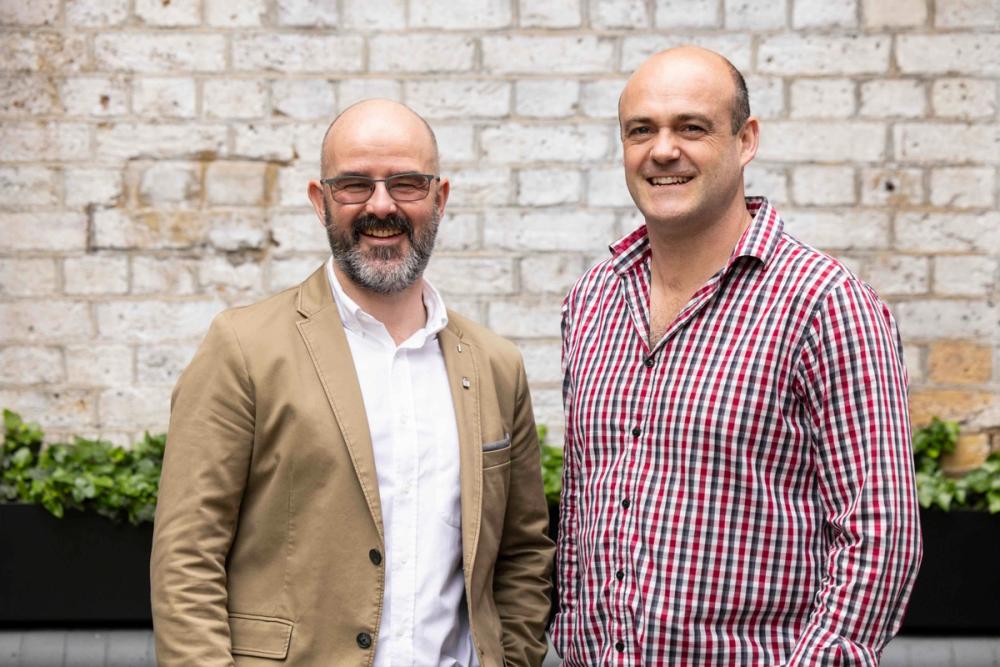
David O'Connor with his business partner for Medlar and Cornus Joe Mercer-Nairne. Photo by Ian Tuttle
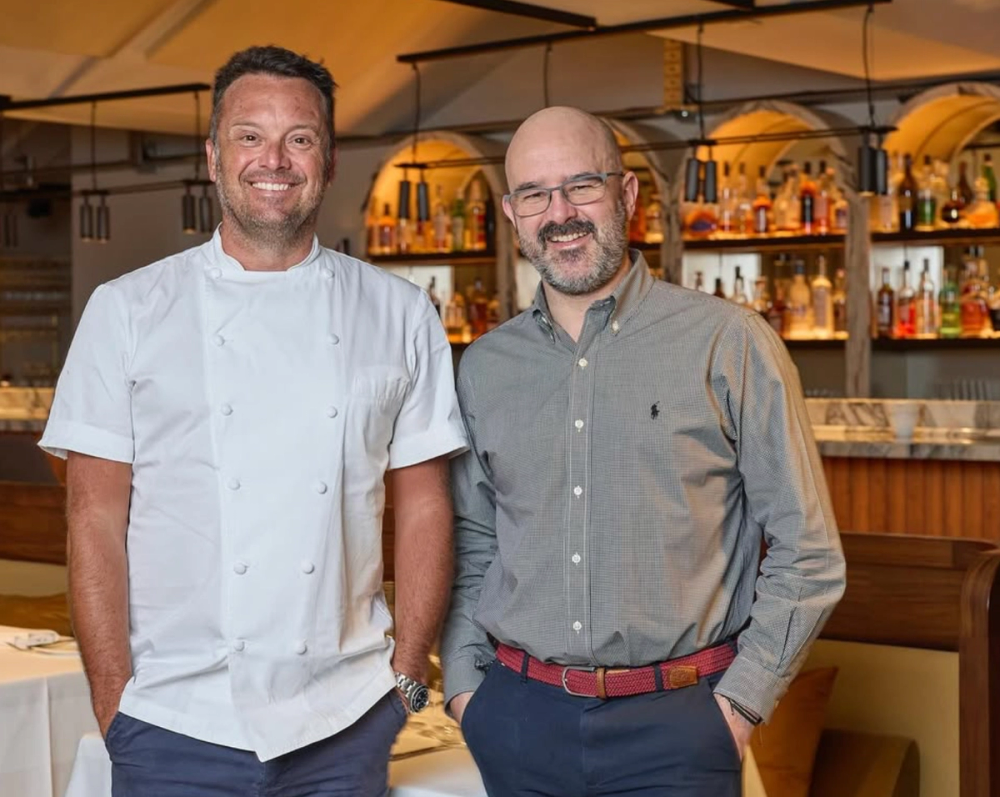
David O'Connor with Cornus' chef Gary Foulkes who he also used to work with at The Ledbury
O’Connor says he is fortunate to have worked for such much loved and respected restaurants across his career. He has also been able to learn a great deal and take those experiences with him when starting up his own restaurant businesses.
“When I was younger I did not chase the biggest salaries, I always thought about who I wanted to work for. I wanted to work for the top maitre d’s and for good restaurateurs that work with integrity and high quality. I always thought that would pay dividends in the future. Like going to a good university rather than taking a bit more for your salary,” he says.
He says he particularly likes the style of restaurant that Nigel Platts-Martin has created across his group, that includes Chez Bruce, La Trompette, The Ledbury and The Glasshouse.
“I like how they were run and I enjoyed working for them and managed pretty much all their restaurants. I learned a lot along the way,” he says.
He says he has also enjoyed working with Platts-Martin's business partner the chef Bruce Poole and has taken a lot from his love of wine and - “unusually for a chef” - how he likes the whole front of house and running a restaurant side of the business.
“He is always looking to improve everything and that is also something you learn - that constant improvement, that consistency.”
Starting out
O’Connor did not have to travel far to be inspired to work in restaurants having grown up in his parent’s restaurant - the Coach House - in Heswall on the Wirral.
On leaving Carlett Park catering college in Ellesmere Port he first moved into hotels, with a posting in a country house hotel in Sussex, Alexander House, where he learnt old school, tailcoat-style service where, he says, you have the chance to work across all areas of the business.
“It was very good to learn that at a young age,” he says. “You get a broader training in hotels and how have to do a lot of different things.”
He then moved to The Orrery in London as part of Sir Terence Conan group where he says he was lucky to be part of such “an elite team” who have each gone on to be a success in their own right in hotels and restaurants including chef Chris Galvin.
“I have not worked in a better team since then, even though it was tough,” he says.
From there it was on to The Square, and to experience a two star Michelin restaurant, which, he says, was “a restaurant of its time” with Phil Howard as the chef and “extremely busy as a two star where we were doing 100 covers a service which is unheard of”.
“It was also a time when corporate spend was not quite as constrained. They were the good times.”
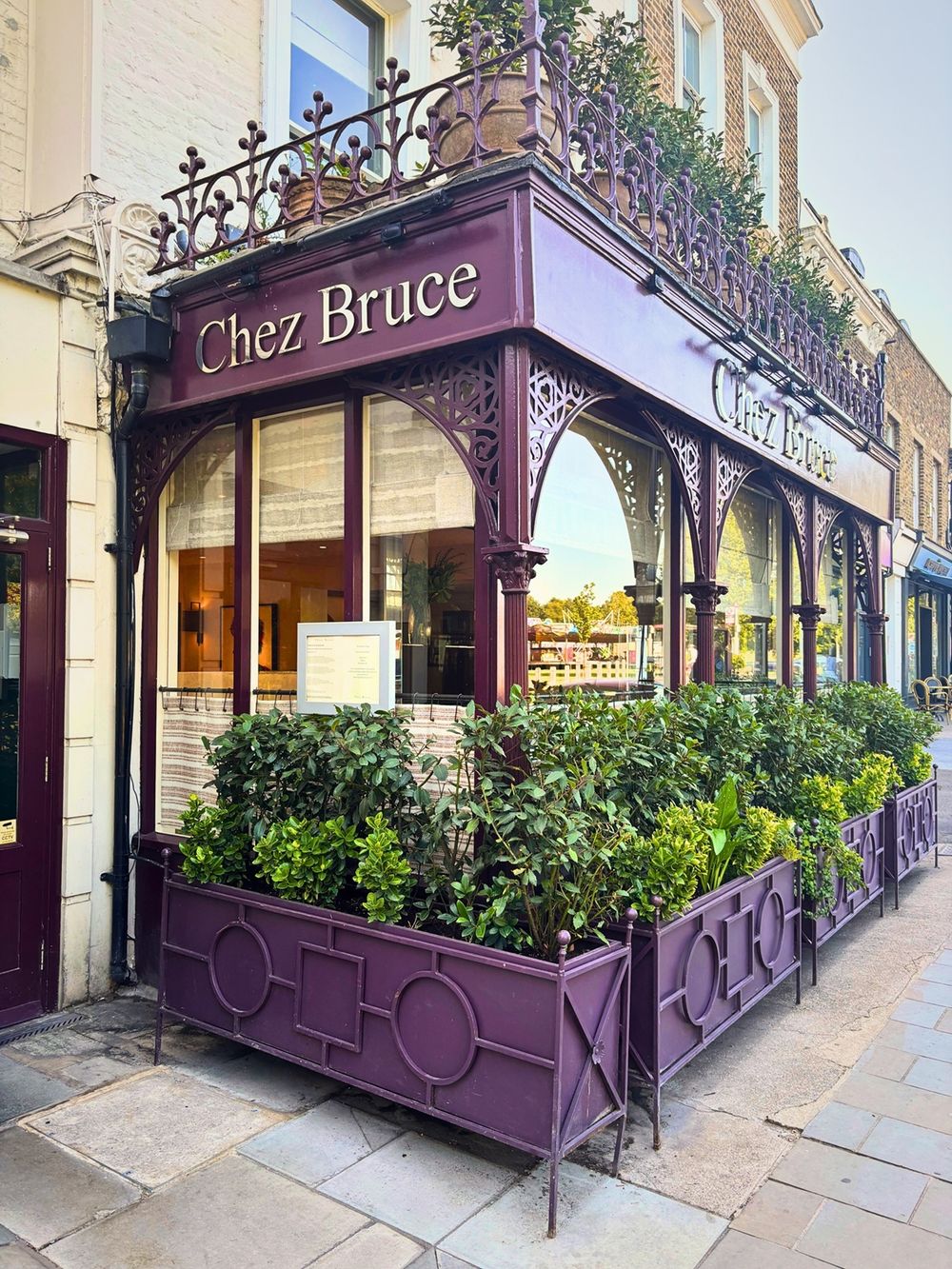
David O'Connor enjoyed many years managing Chez Bruce in the years when it was voted London's favourite restaurant in Harden's Guide
It was from there when he moved to Chez Bruce in 2001 to take on his first management role at the tender age of 24 where he very much made his name over the eight years he was there.
It was also where he was able to personally help develop the careers of an exciting generation of young sommeliers including Jason McAuliffe, the late Terry Threlfall and Kate Exton.
It was under his management that Chez Bruce, in 2005, knocked The Ivy off the top spot in Harden’s much loved London Restaurant Guide for the city’s most favourite restaurant.
“We used to do 120 people a service in that tiny room. It was insane really. The phone used to ring from 9am in the morning until midnight - nonstop and most of the time you would say, sorry, we’re full. It was extraordinary,” he says.
“It’s still extremely reliable and it’s a very good business.”
O’Connor says it is the culmination of experiences learnt across all the venues he has helped manage, or own, that hopefully puts him in a strong position today. You do very much learn from your mistakes, he stresses. “It makes it easier to anticipate when things go wrong or fix them when they do.”
Changing management style
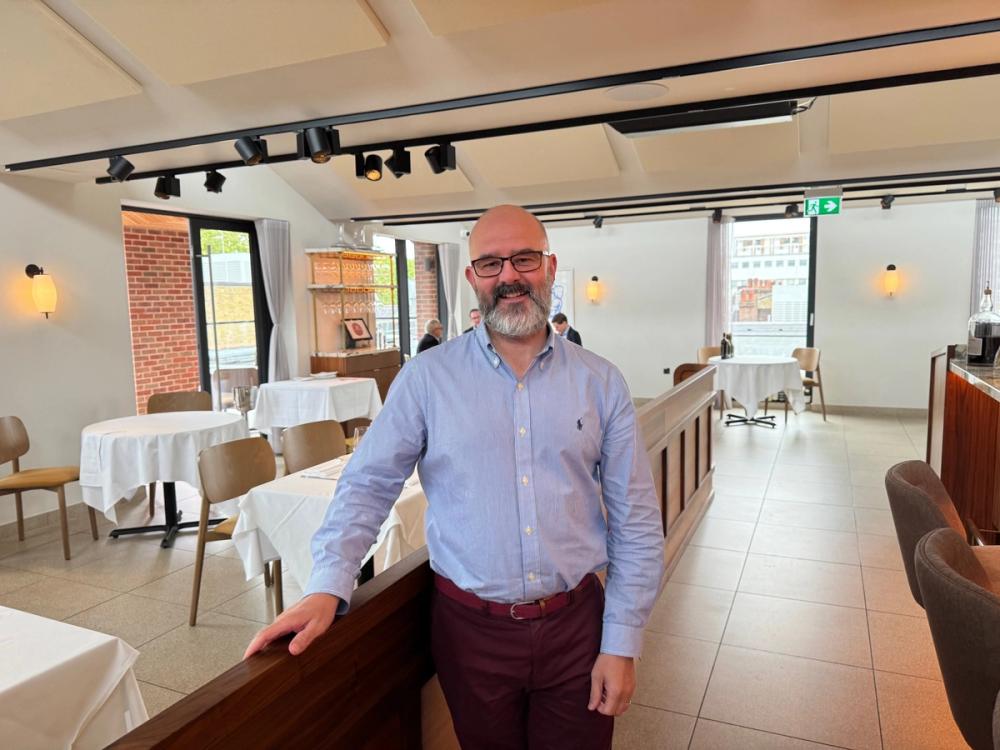
David O'Connor expects and drives high standards from himself and his team
He says his management style is to be very “hands on and lead from the front”.
“I am here early in the morning with the team and doing all the cleaning with them. If it’s a late finish I will stay until the end,” he adds.
It’s also why he is so pleased to be working with chef Gary Foulkes who shares the same high, exacting standards and is constantly striving to push himself and the team to do better. It might lead to some tense moments, but it’s all worth it.
“If I have to fall out with him one service to get something I need then I will do it, only for the good of the business and the customer and not for the good of my own ego. It’s all for the good of what we are trying to do,” he explains.
It’s why he also expects his team to live by those same exacting standards too, not just when you are on the restaurant floor but in all aspects of working for the restaurant.
“I never accept anyone being late. If you are late you are out,” he says. “You are letting your other team members down as well.”
He admits, though, he is having to re-learn some of his management techniques to comply with what is now expected, particularly when it comes to motivating the younger generation.
He says he has learnt a lot from separately training to be a football coach and says “a lot of the training there is all about positivity” where you are not allowed to be "negative in your team talks”.
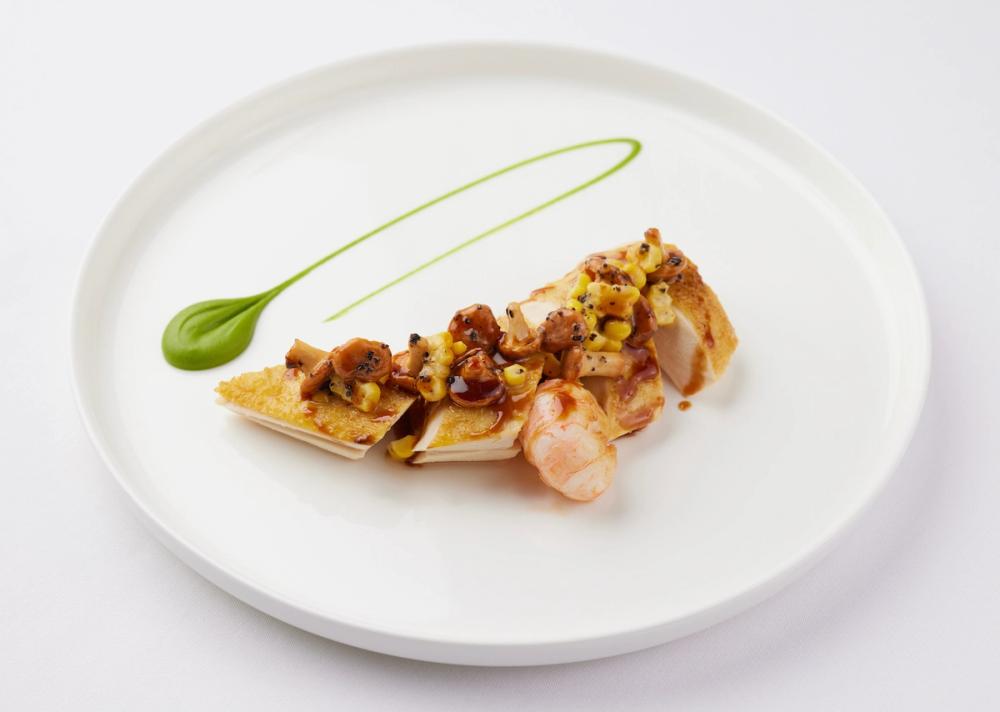
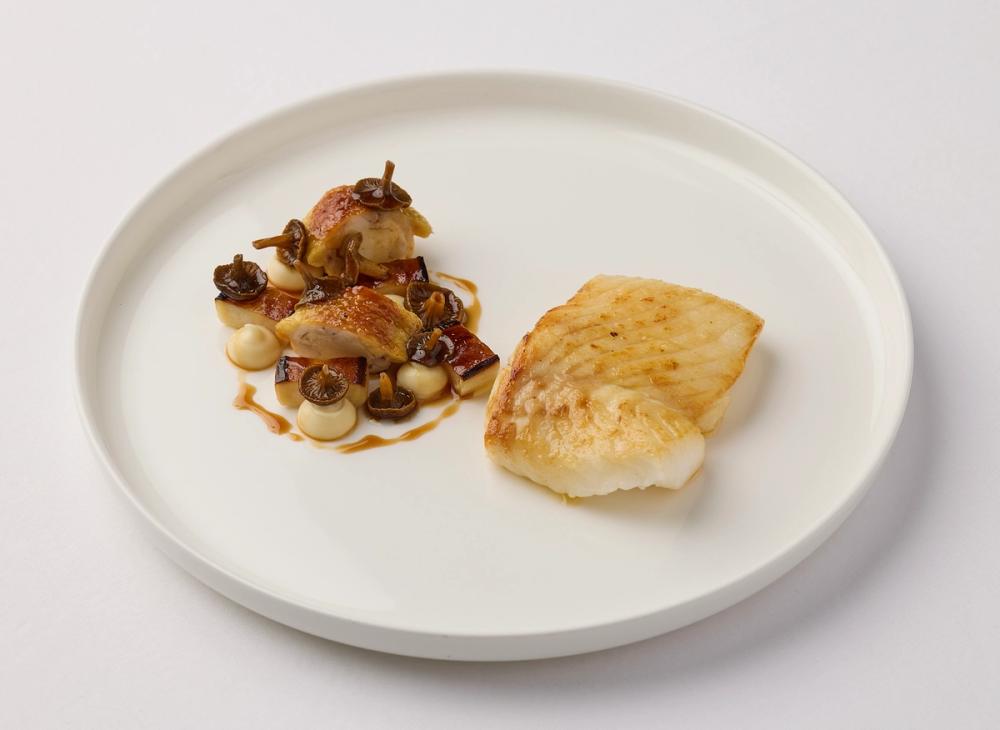
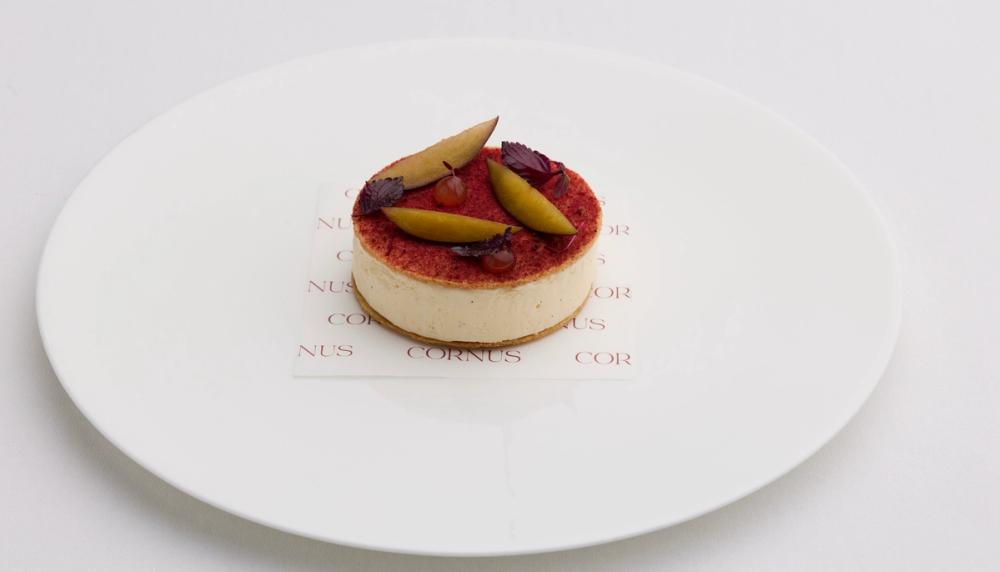
Cornus is working towards earning two Michelin stars
Hence you could not ask your players if they enjoyed a particular coaching session as it could result in a negative answer. Instead you would have to ask your players “what it was they enjoyed about that coaching session”. A subtle but important difference.
“You have to create this positive environment. I have tried it on my team and it does work, particularly with the younger generation,” he says. Long gone are his early days of hotel training “when you were basically useless until you weren’t”.
“You can’t train people that way now, they just don’t respond. They don’t come back to try and be better.”
Only by being super positive first “and they open their ears” that you can then bring in a level of criticism, he says.
Whilst he understands and appreciates the need for a different style of management “there has to be an underlying discipline” when it comes to working in a restaurant that is looking to “drive the standards” that Cornus is all about, which means you have to be on time “and the basics” are “non-negotiable”.
“All the basics things we do for customers you have to take seriously as those are the rules. You have to have that seriousness of getting the details right and that the consequences of not getting them right is a customer is going to be unhappy,” he stresses. “When you drive a car on the road there are rules to follow, and everybody follows them and it is the same if you work in a restaurant.”
Leading by doing
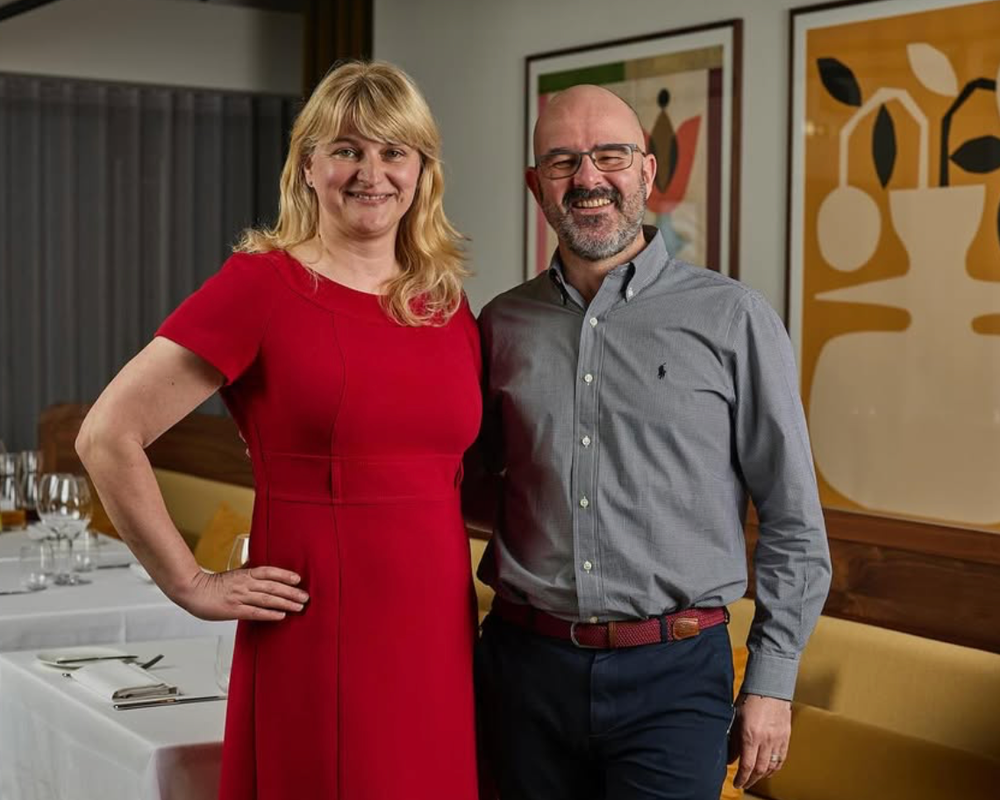
David O'Connor and his wife Monika who work side by side in the restaurant at Cornus
It’s an approach that seems to work for O’Connor as he has both long serving front and back of house teams working across Medlar and Cornus. Get it right and “the team” will create “the culture” that they all expect each other to live by.
It’s why he is still keen to be part of the Royal Academy of Culinary Arts and Gold Service Scholarship where he gets the chance to “bounce ideas” off the top maitre d’s and hotel managers in the country.
All of which have done all the jobs there are to do in the trade, from washing the dishes, to the commis waiter, from bottom to top.
“I have done all the jobs and know how long it takes to do things as well. And I can show by demonstrating as well.”
He adds: “Sometimes you have to be extreme to be heard. I am not afraid to do that.”
He re-tells a story when he was at Chez Bruce and the team were starting to complain about having to deal with 100 plus covers a service. So in order to show it can and will be done, he gave them all the night off, paid them the shift, and just kept himself, the sommelier, a receptionist and a waitress on and they handled the service without complaint.

When he is not looking for perfection in the restaurant David O'Connor is looking for the same with his beloved Liverpol FC
“Sometimes those extreme things can work. They never complained again. It’s not showing off, it’s demonstrating what can be done if you believe it can be done,” he says.
He is fast showing how things can be done in fine dining with Cornus and is very much playing its part in establishing Belgravia Village as a culinary destination in its own right, building on the success of Medlar on the King’s Road.
“We are getting a good reputation as the main place in the area,” he says.
Which is exactly what O’Connor has been able to achieve with all the restaurants he has managed or owned in his career.
Having, at times unwittingly, followed O’Connor throughout his career it is great to see how at Cornus he has created his natural home.
* You can find out more about Cornus here and Medlar here.