There is a habit in wine of reading appellations as a ladder. The broad regional name at the bottom, tighter zones above it, and the assumption that a producer uses the wide name when the wine could not earn a narrow one.
Attica does not work that way, and ΠΓΕ Αττική - PGI Attiki is the clearest illustration of why.
One appellation. One climate, four expressions. A variety that behaves differently in each.
What the appellation is
ΠΓΕ Αττική - PGI Attiki covers the entire region, with fruit sourced from vineyards above 30m meters above sea level. It takes in mountainous, semi-mountainous and lowland sites. The soils are diverse, with limestone and calcareous-clay predominating, relatively poor and naturally yield-limiting.
It permits white, red and rosé, in styles from dry through to sweet from sun-dried grapes. The dominant style, by a distance, is fresh, crisp dry white.
Why the regional name does the work
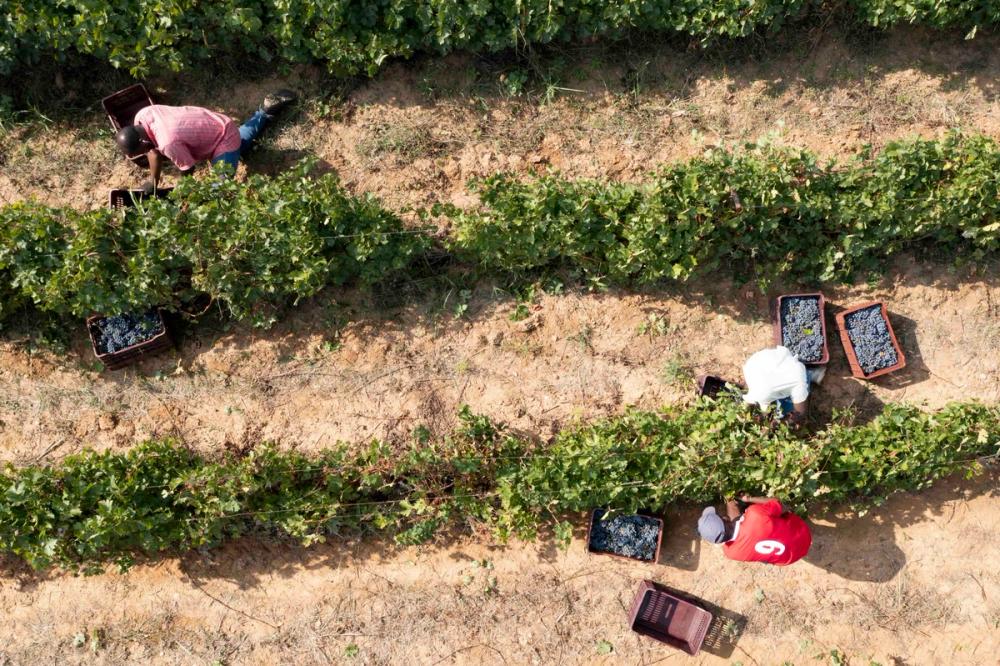
The vineyard covers a little over 6,200 hectares divided among 7,000 growers, averaging just under a hectare each. That fragmentation is the result of generations of inheritance, and it has two consequences.
The first is that a single winery may farm parcels several kilometers and several soil types apart. The regional name is frequently the only one that describes the resulting wine honestly, which makes it a statement of fact rather than a fallback.
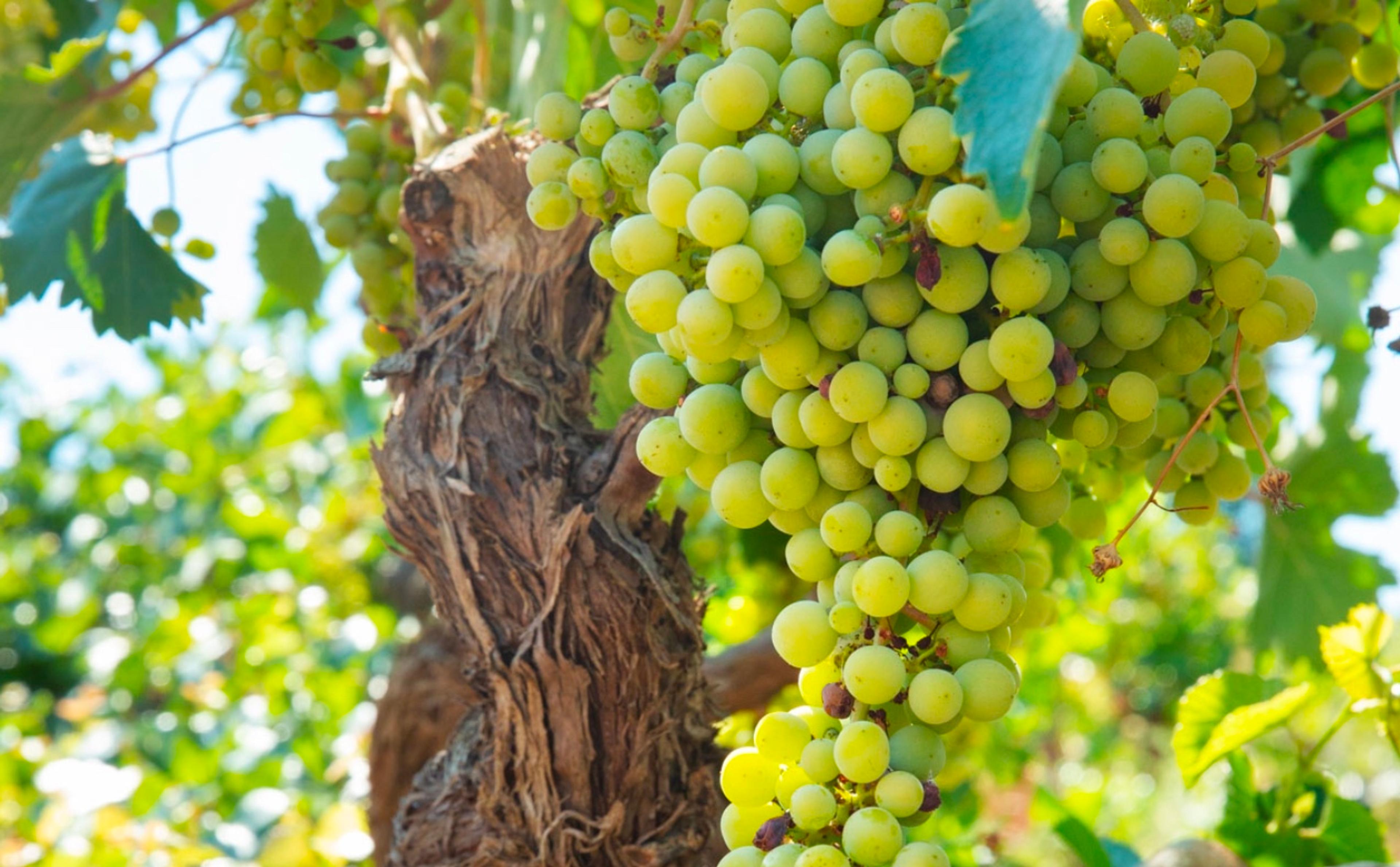
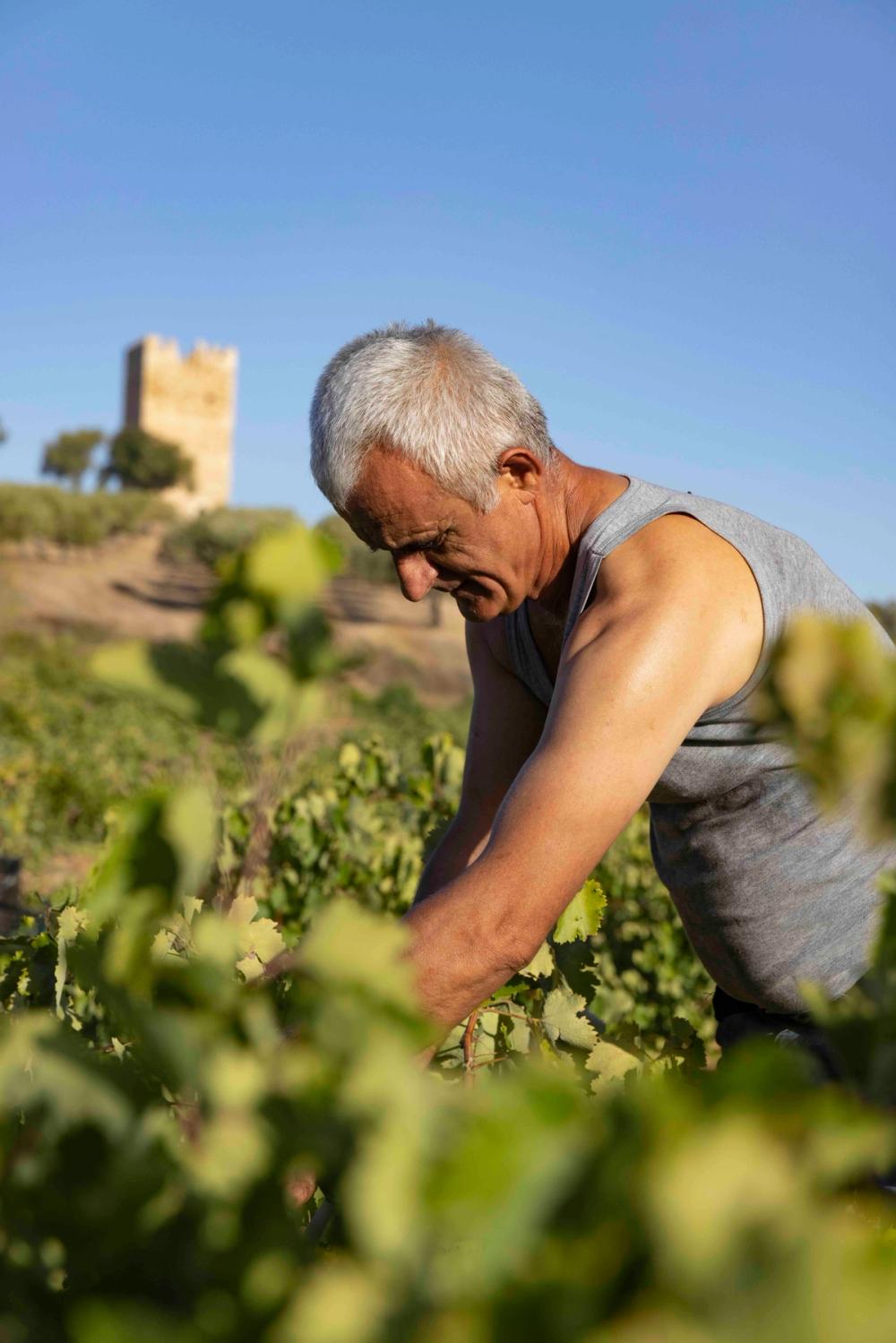
The second is that the region’s oldest vines survived. No individual owner ever had enough at stake to justify clearing and replanting a block, so parcels were divided, worked by hand and left in place.
Four expressions of one climate - in one appellation
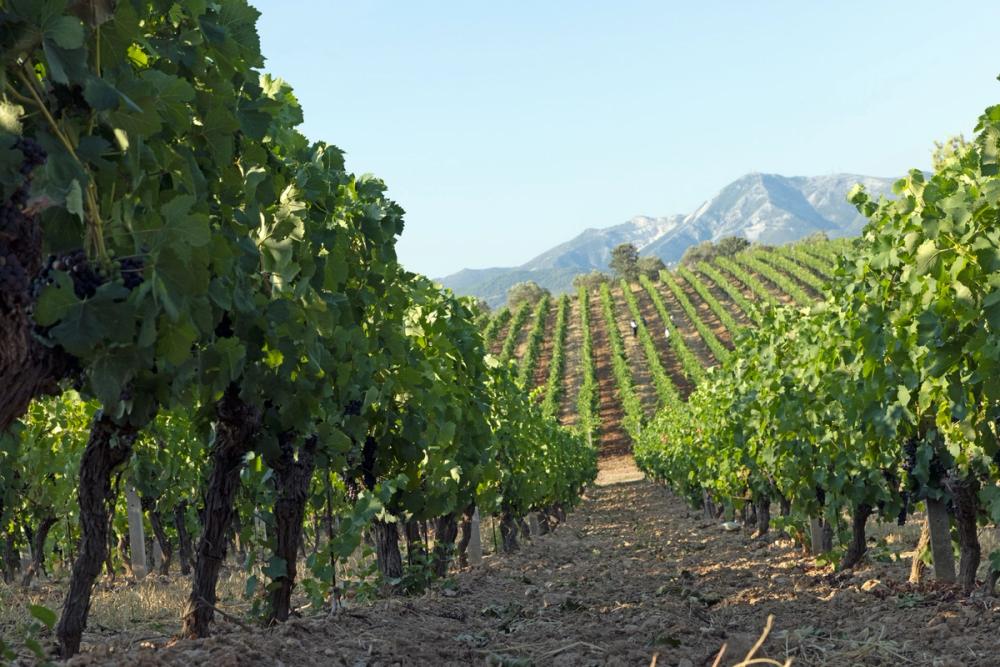
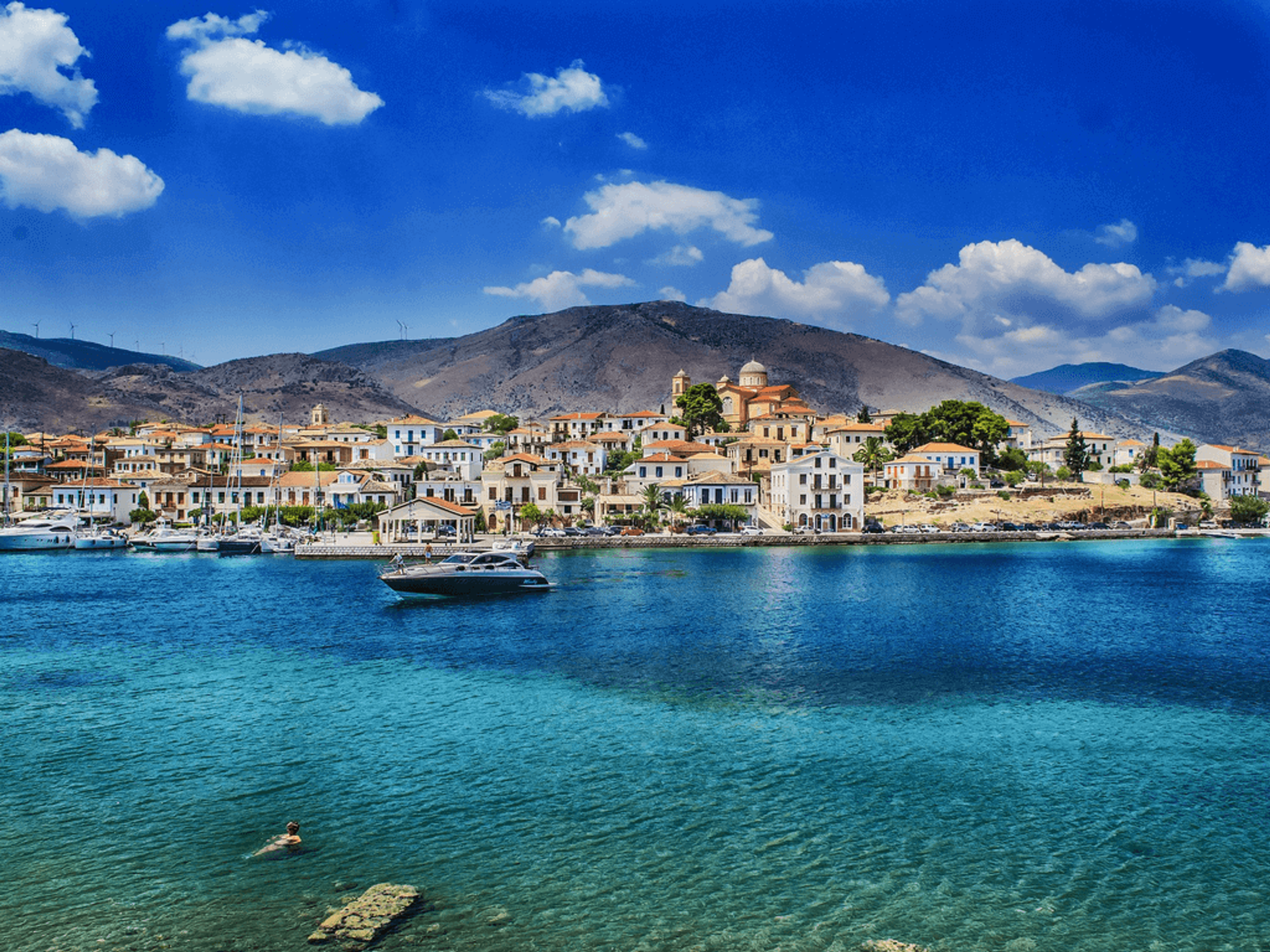
With the exception of its west-north-western corner, the whole region is surrounded by sea, and cool breezes blow inland to mitigate summer temperatures. Topography, however, prevents parts of the zone from receiving that influence, and the result is a series of microclimates determined by proximity to the coast, aspect and altitude.
The eastern part of the region is the warmest and driest, receiving around 2,900 hours of sunshine and under 400 to 450 millimeters of rain annually. The west lies between the Saronic and Corinthian gulfs and is relatively cooler, with vineyards climbing Mount Geraneia to as high as 700 meters. The slopes of Kithaironas, to the north-west, show continental influence. Northern Attica, on Parnitha and Penteli, is the coolest, with altitudes reaching 400 meters at Stamata and Kapandriti, where cold nights and cool days arrive early in autumn.
Four expressions of one Mediterranean climate, inside a region you can drive across in an hour. What changes is not the climate type but its intensity: how close the sea is, how high the vineyard sits, and which way it faces.
One grape, two very different wines
The most useful tasting exercise in the region is a horizontal of Savatiano across it. From Keratea, the wines are typically more mineral and herbal. From Stamata, higher and cooler, they are lean and elegant, with high acidity and moderate alcohol.
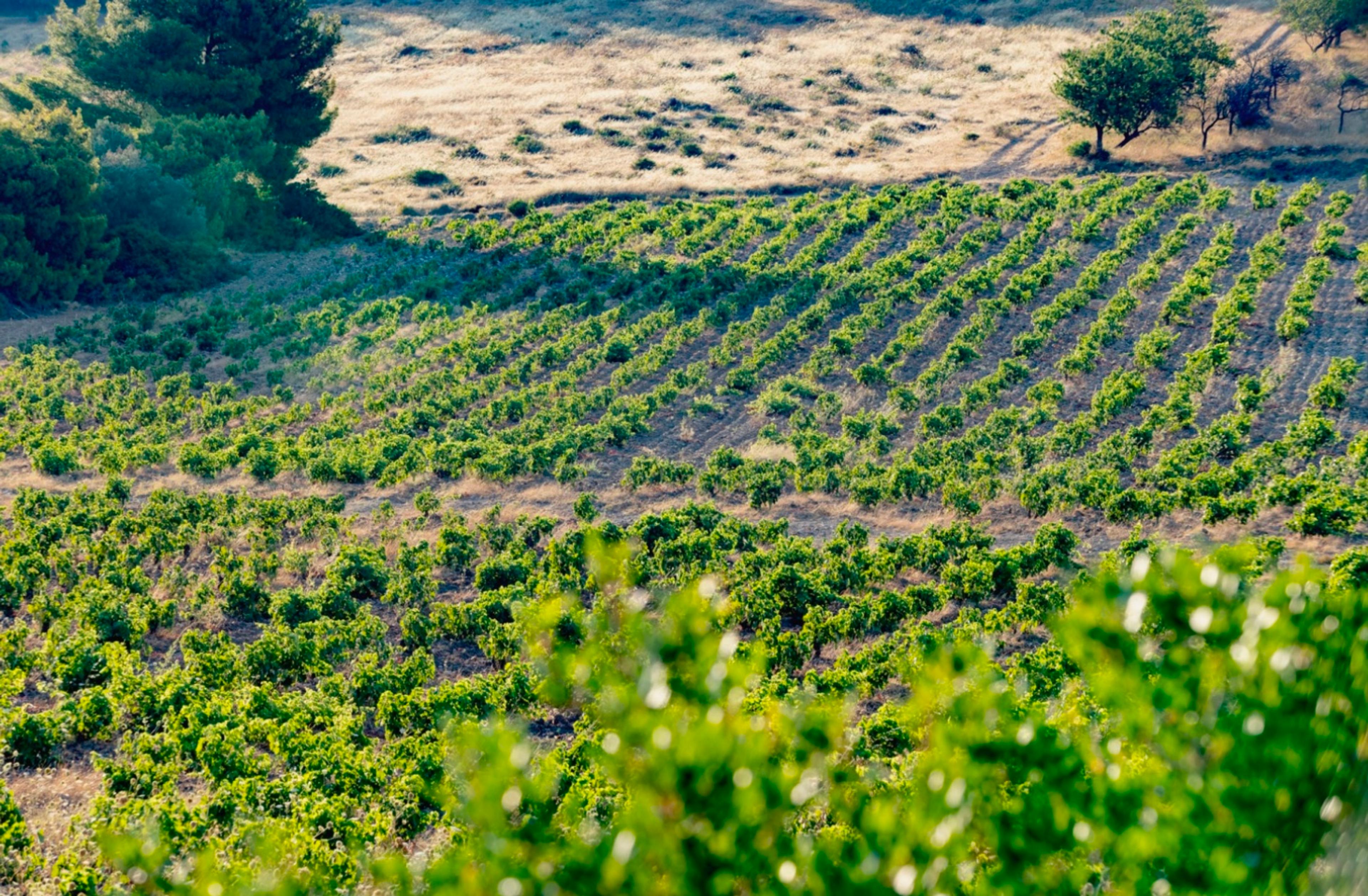
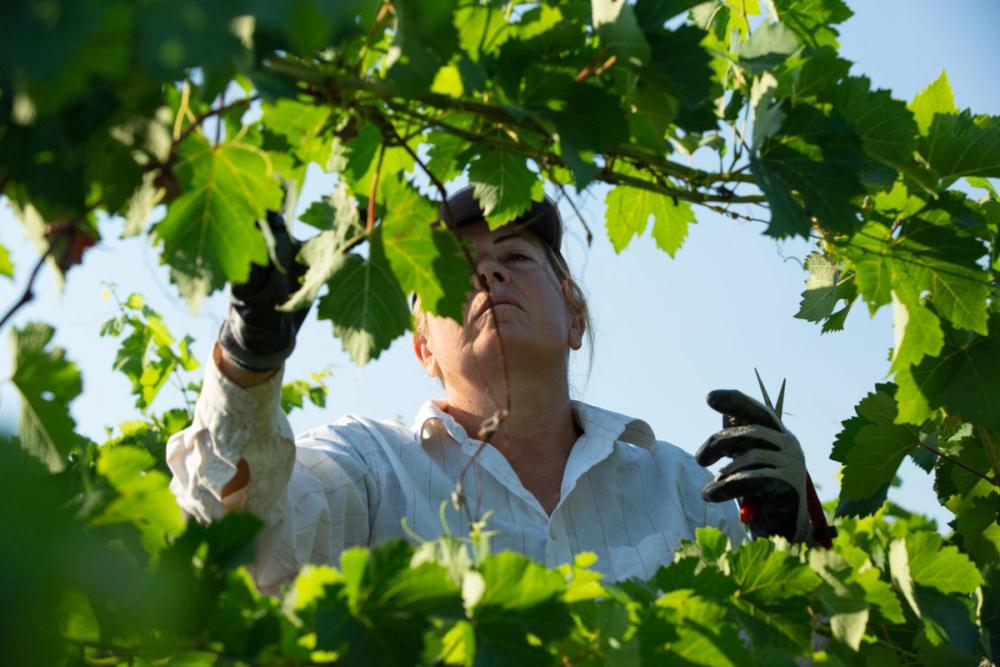
Savatiano accounts for roughly 5,500 of the region's 6,200 hectares, and it is generous on flat, fertile, irrigated ground. On old gobelet-trained bush vines planted in the late 1950s, on poor limestone, without irrigation, yields fall to 28 to 35 hectoliters per hectare and the wine is a different proposition: concentrated, mineral, and capable of a decade or more.
That capacity is not a recent discovery. In 1935 a Savatiano was released after eight years in bottle, in a run of two hundred thousand.
The rest of the appellation
Malagousia, Assyrtiko and Roditis are planted to a lesser extent but are qualitatively significant, and Assyrtiko in particular is gaining ground.
Attica is not a traditional red-wine producer, but the appellation permits Agiorgitiko, Limniona, Mandilaria, Mouchtaro, Cabernet Sauvignon, Carignan, Grenache Rouge, Merlot and Syrah, and produces medium to full-bodied dry reds and vibrant dry rosés.
The case
ΠΓΕ Αττική - PGI Attiki is a single appellation containing four expressions of one Mediterranean climate, a variety that behaves differently in each, and a stock of seventy-year-old dry-farmed bush vines that survived by accident of inheritance law. It is 30 minutes from the center of Athens, and almost none of it is on export lists.