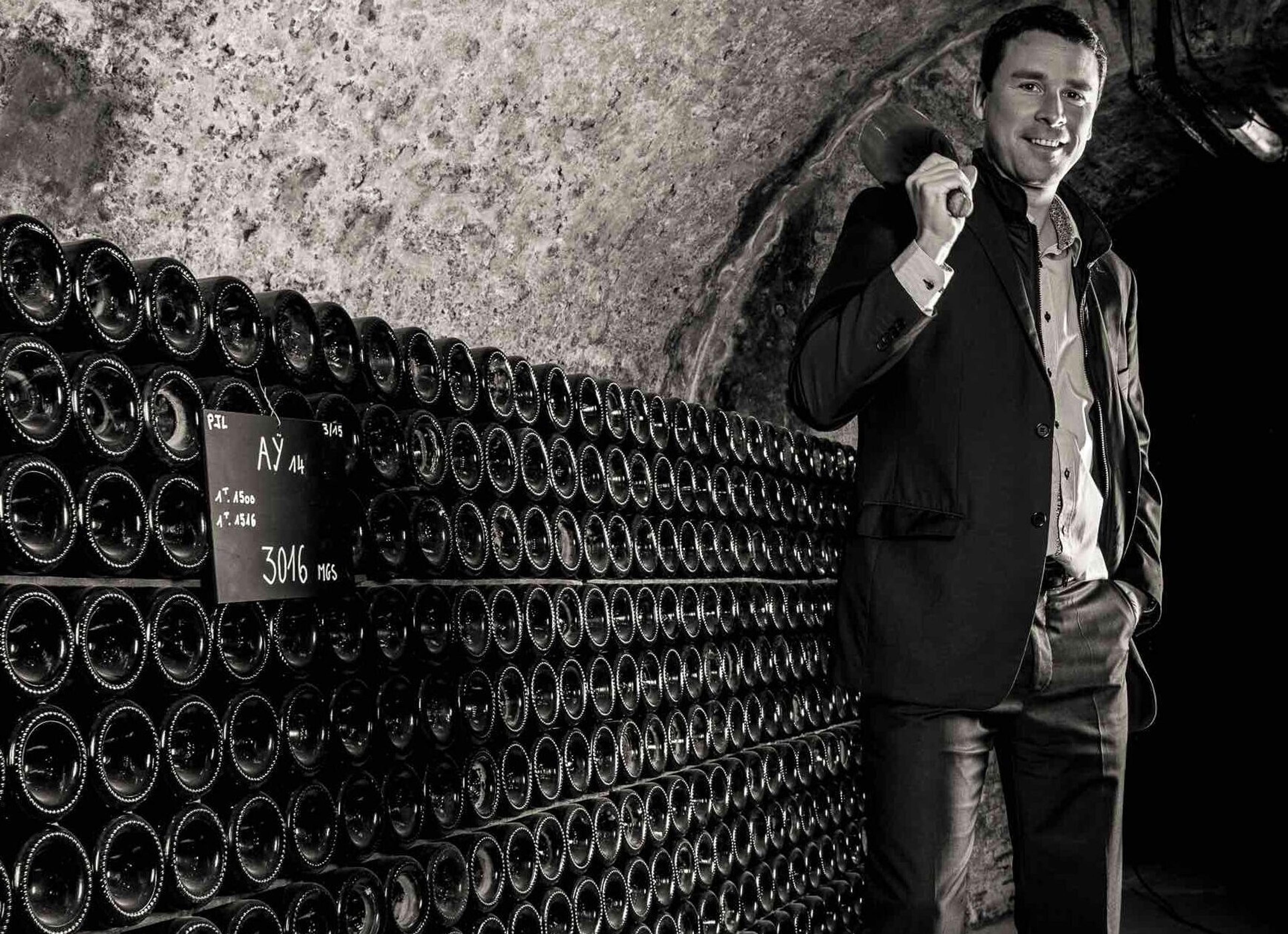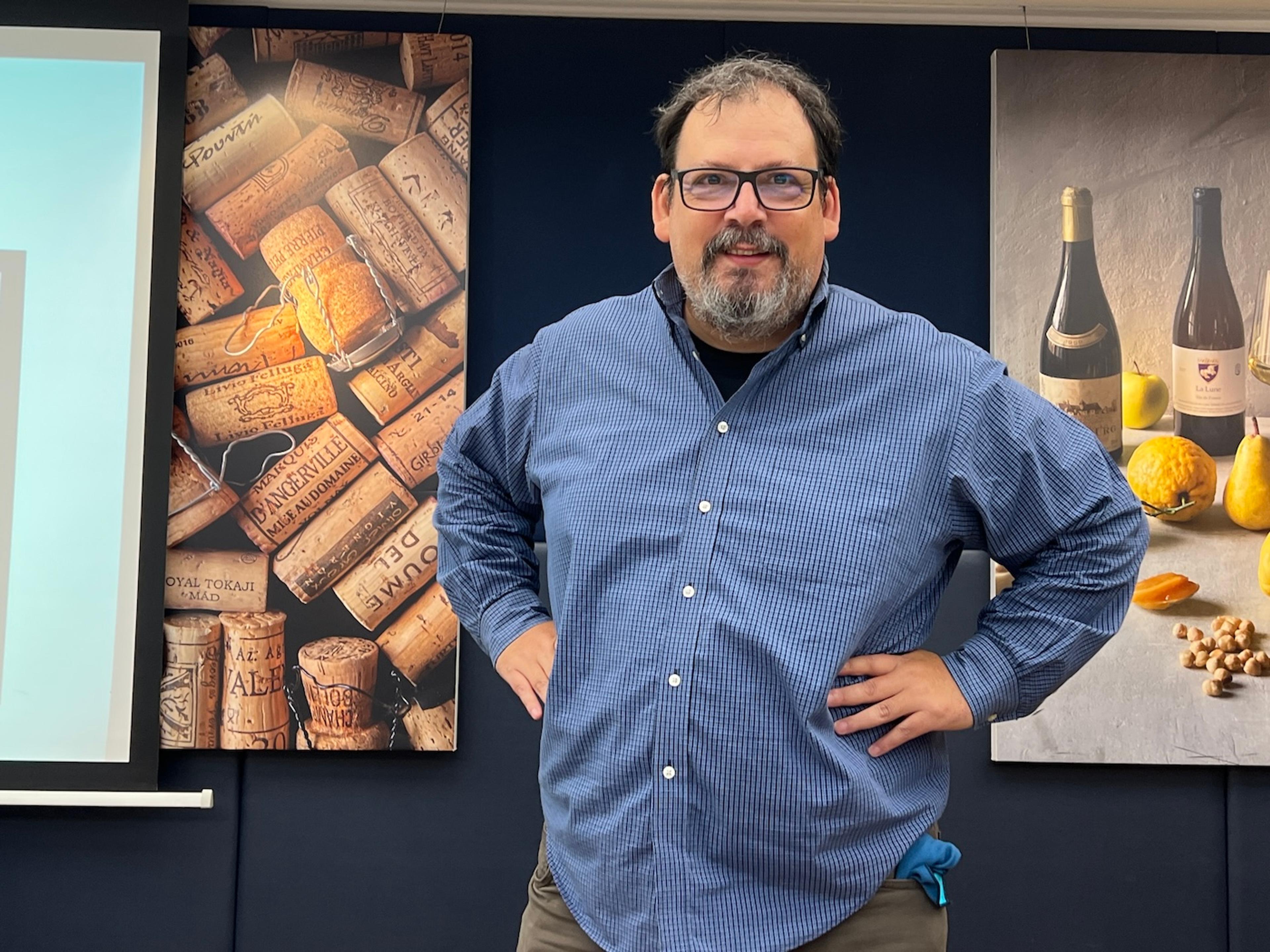

Gaël Vuille, Champagne Bollinger’s head of viticulture, reported that the record-breaking 2026 vintage was exceptional due to a combination of extreme weather events leading to both low yields and high quality.
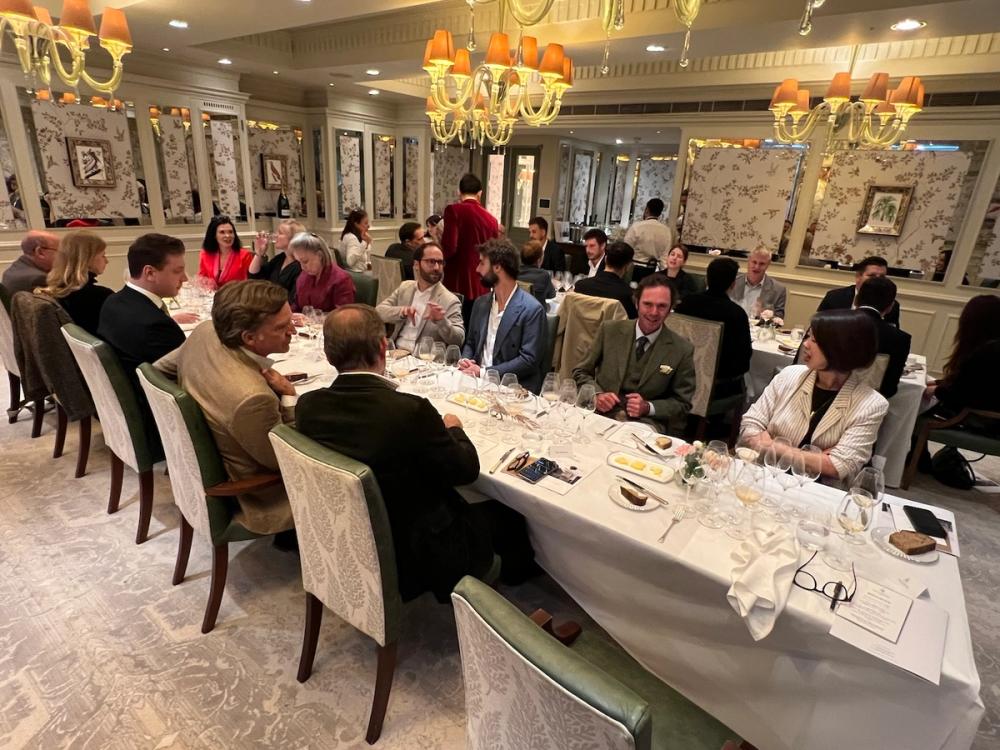
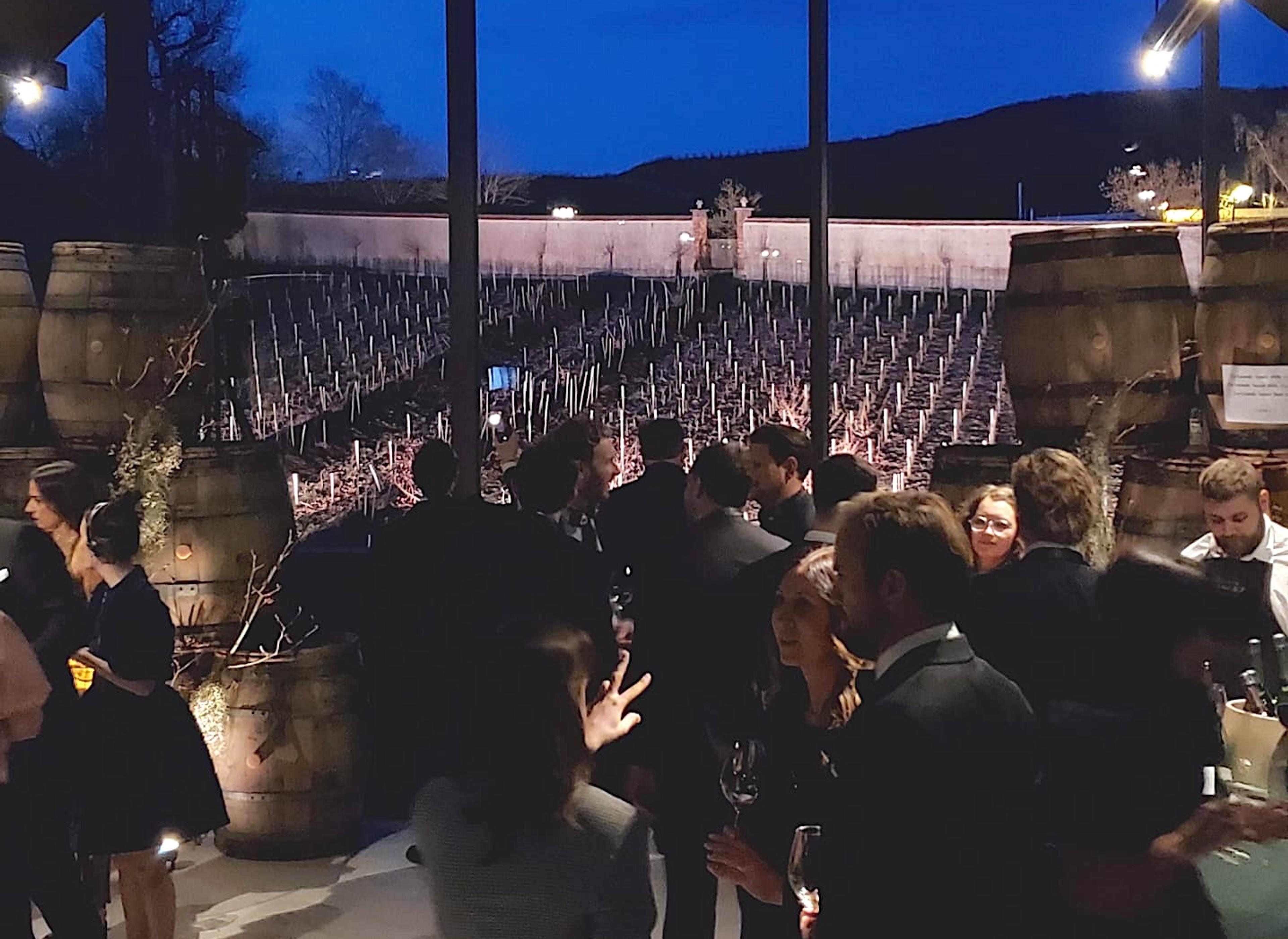
The Goring Hotel, October 12, 2026 - venue for Bollinger's harvest lunch
Severe frosts in the spring were the second most damaging since 2003, causing significant losses. A record heat wave occurred in the summer, with Champagne experiencing the same temperatures as Barcelona, although the heat led to thicker grape skins which helped protect the grapes from dehydration – the drought in August witnessing just 5mm of rainfall, another record. Grapes were small in size all across Champagne with low juice content but, compared to an average regional yield of 6-7 tons per hectare, Champagne Bollinger achieved 7.5 tons.
High alcohol levels have been a concern in the region this year with the Comité Champagne ripping up the rule book and allowing a temporary derogation for the 2026 harvest allowing wines to reach an unprecedented potential alcohol of 15% abv. This will only apply to small percentage of 2026 wines but there’s no denying that the weather events have led to an exceptionaly high sugar concentration across the board.
Vuille reported a good acid/ sugar balance, however, and despite high sugar levels (11.8% potential alcohol), there was good acidity of 5.2 g/l and a pH of 3.2. For reference the 2025 harvest was 10.6% alcohol for Pinot Noir and 11.1% for Chardonnay and acidity levels of 6g/l and pH levels below 3.1.
Thinking further ahead Vuille did mention that the team has been considering other methods of combating climate change such as using different clones that have lower sugar accumulation rates and other grape varieties such as Pinot Blanc and Pinot Meunier to manage sugar levels and acidity better. Experiments have also begun on keyline design and contour line planting to manage water distribution more effectively.
Challenges met with optimism
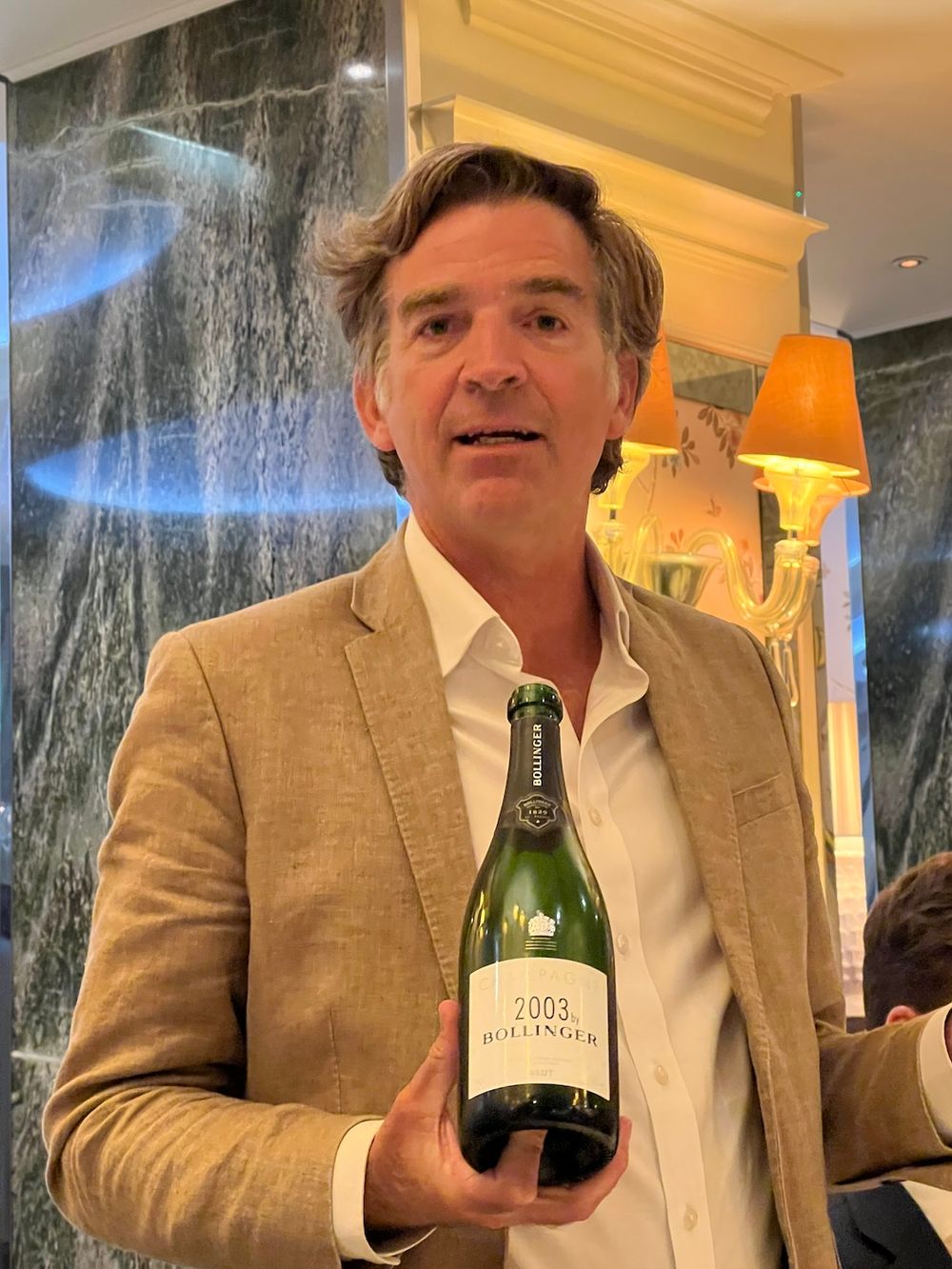
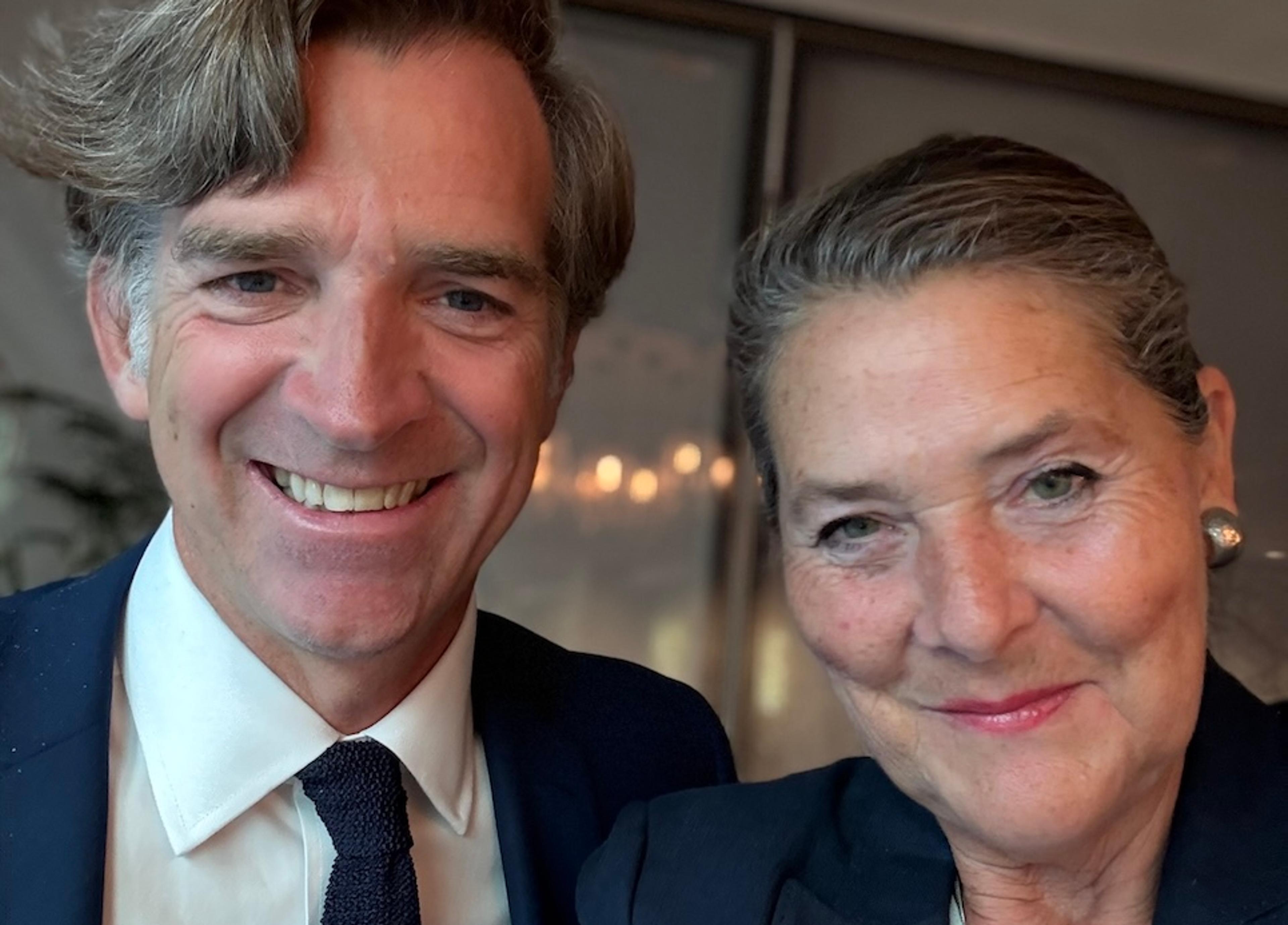
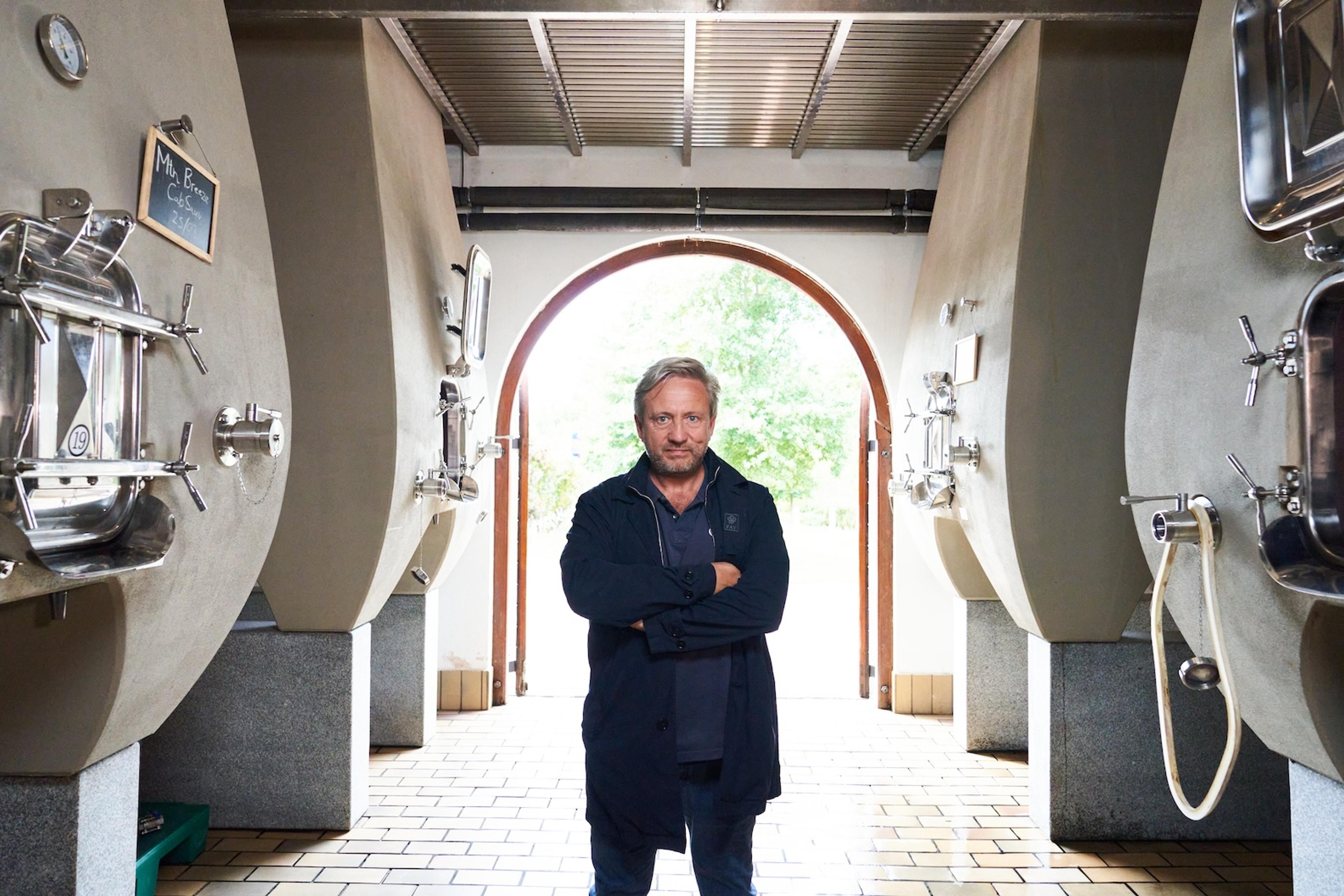
Charles-Armand de Belenet and the 2003 vintage which he imagined would be what the 2026 will become
Despite his optimism, Charles-Armand de Belenet, managing director of Champagne Bollinger, did allude to the problem saying “With the climate change, we have a lot of challenges regarding the taste of the wine. What kind of wine are we going to produce in the coming years with the climate change?” adding that his confidence in the House’s ability to adapt was founded both on the appointment of Émilien Boutillat as new cellar master and the abilities of the vines themselves.
“We had fantastic harvest, and when you look at the vines, they are still very green, despite the lack of water, and this is mainly thanks to the chalk subsoil that we have in Champagne, and I believe that it's maybe a strategic asset for the coming 100 years that will happen in Champagne because the chalk has this incredible capacity to keep the water, especially during winter and during summertime,” he said.

12 days in, Bollinger's new cellar master Émilien Boutillat - born and bred in Champagne
Émilien Boutillat, who by the time of the harvest lunch had only just completed 12 days working at Bollinger, was chosen as the new cellar master because of his technical precision, vineyard knowledge and ability to adapt practices to the challenges posed by climate change. His work with Pinot Noir, the grape most associated with Bollinger’s house style, is well noted along with experience gained from being cellar master most recently at Piper-Heidsieck and before that Cattier and Armand de Brignac.
Before Champagne he worked in Bordeaux, the Rhône, New Zealand, Chile, California and South Africa and it is this experience with working in hot, sunny conditions that he believes will also be significant in the years ahead.
“After all of that, I thought it was time for me to go back to Champagne and try to bring back home what I learned abroad in terms of winemaking approach, in terms of climate as well,” Boutillat explained. “We just discussed climate and the type of climate we will face in the future. So I wanted to bring that back home. So that's why I decided to come back to Champagne.”
Investing in the future
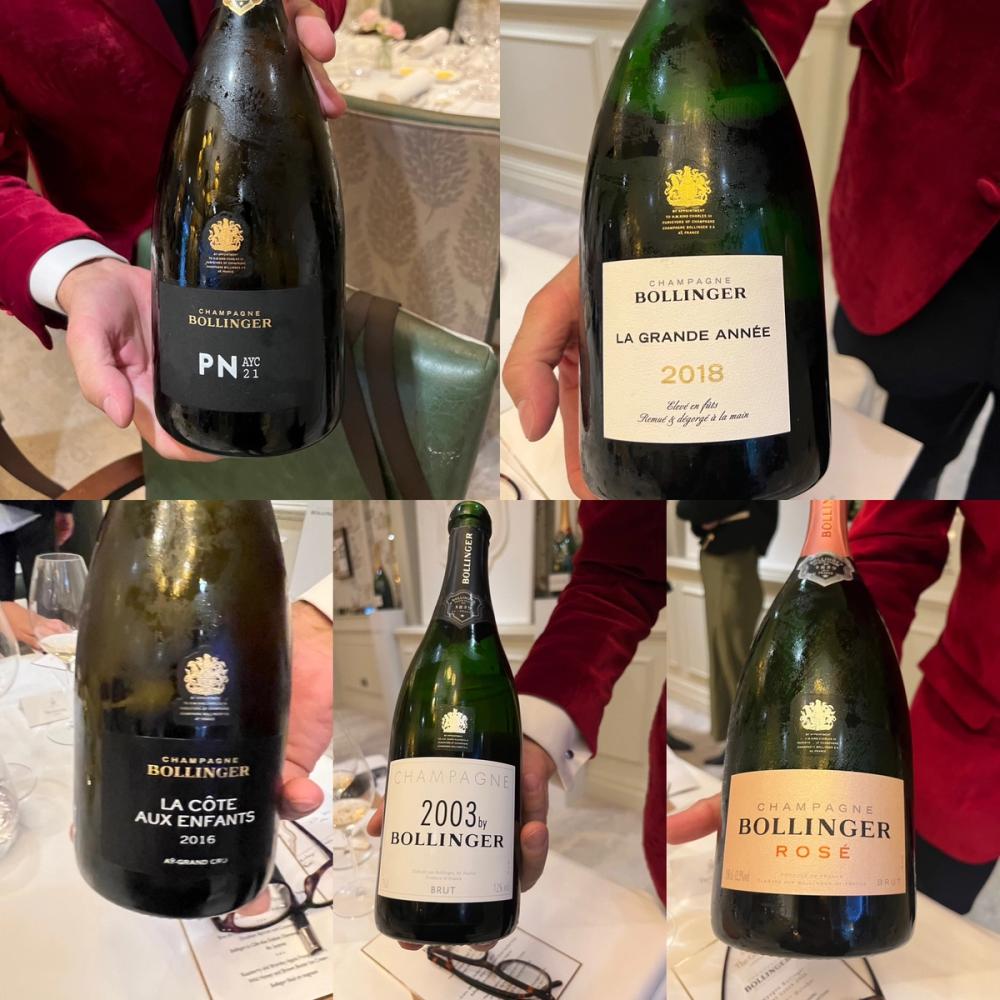
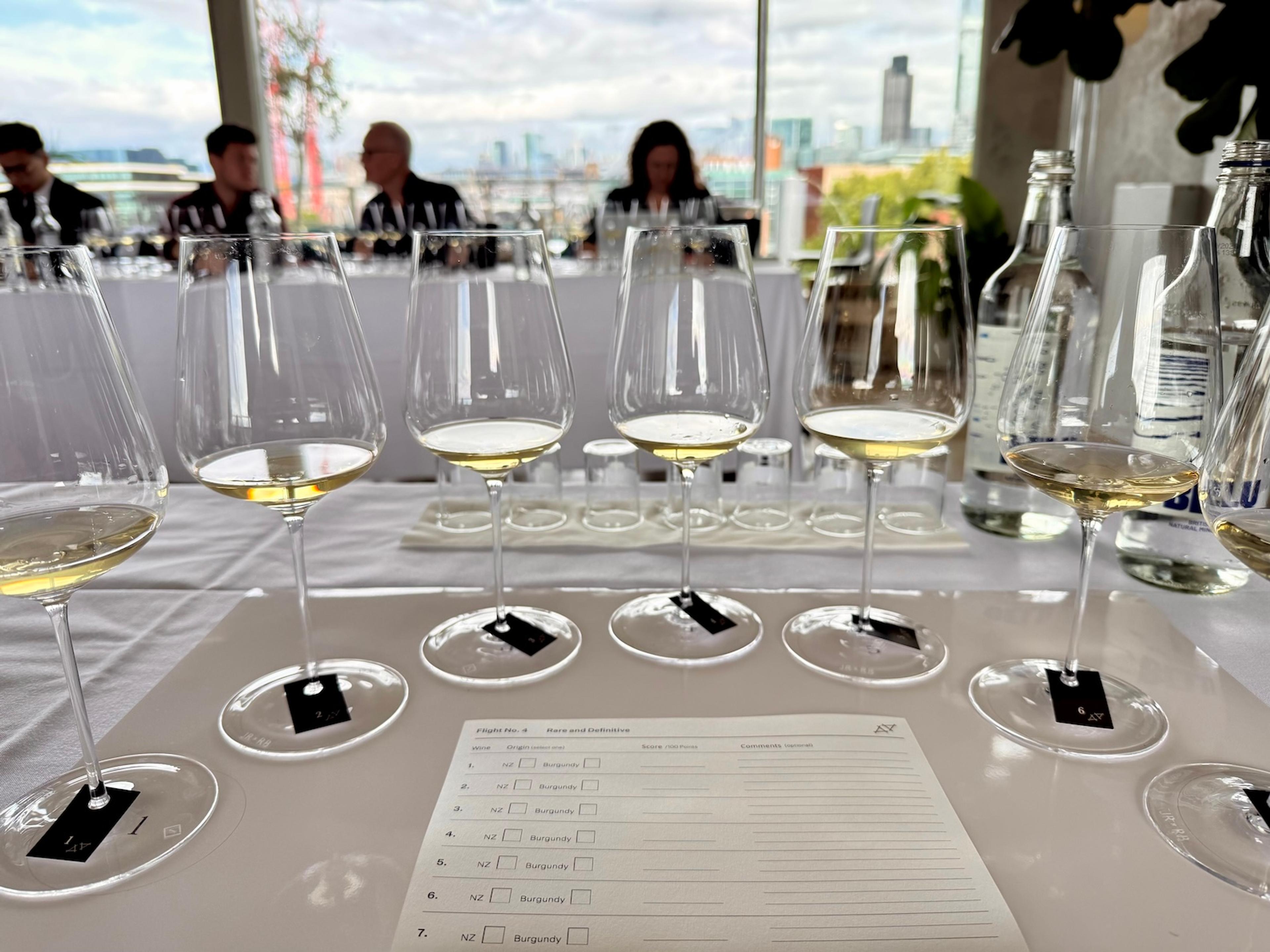
Wines shown at the lunch
Apart from Boutillat’s appointment and confidence in the House’s viticulture, Charles-Armand de Belenet then went on to talk up growth prospects in Champagne.
“How is the champagne market currently? So it's true that when you read the newspaper, you could be a little bit depressed, you know, about wine consumption declining, about the climate change and so on. But I have to say that I am deeply optimistic, deeply optimistic.”
"Wine consumption is decreasing almost everywhere, except in champagne because we are slightly growing, no, the volumes are slightly growing, but more than that, what we see is that we have a huge potential, especially regarding wine tourism. When you look at wine tourism, you know it's totally booming. 10 years ago, we had 1 million visitors in Champagne. Now we have almost 2 million visitors in Rheims this year, so it means that there is a huge potential."
"For a winery, normally 25% of the turnover comes from wine tourism. In Champagne or Champagne Bollinger, it's between one to 5% So we have a huge potential for that. A huge potential as well to entertain, to host new consumers and non champagne drinkers."
De Belenet added that the best way to demonstrate levels of confidence was in the level of investment that the House has committed to future growth through the newly opened barrel room, new hotel, visitor center and restaurant (the opening of which you can read about here).
"So we invest quite a lot because we are confident, confident in the capacity of champagne to grow, a capacity of Bollinger to grow as well. And so far, we experience a great year as well in terms of performance, thanks to La Grande, La Grande 18 that was released at the beginning of the year."
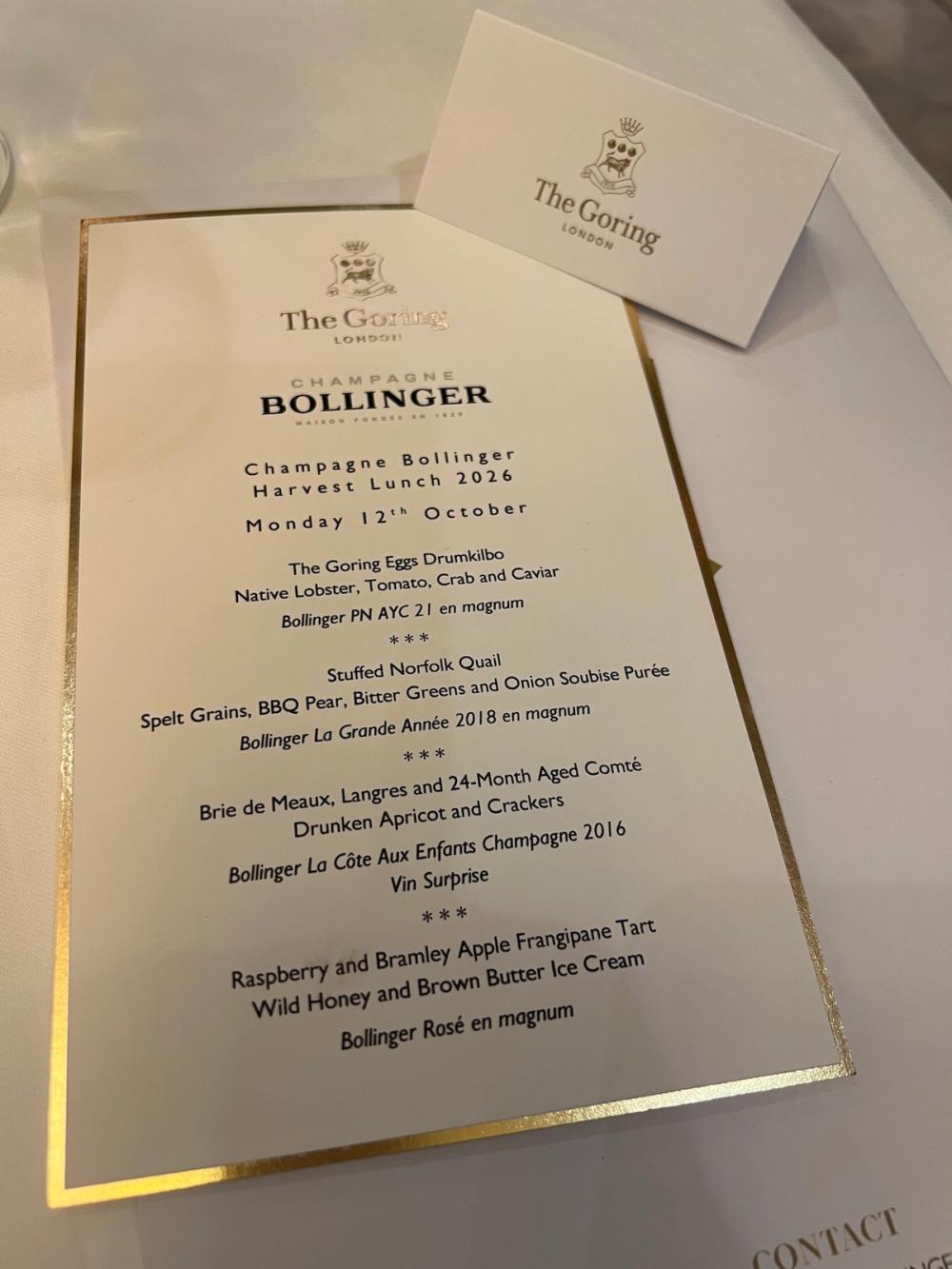
That lunch menu in full
Champagne Bollinger is imported and sold in the UK through Mentzendorff which is a commercial partner of The Buyer. Discover more about them here.