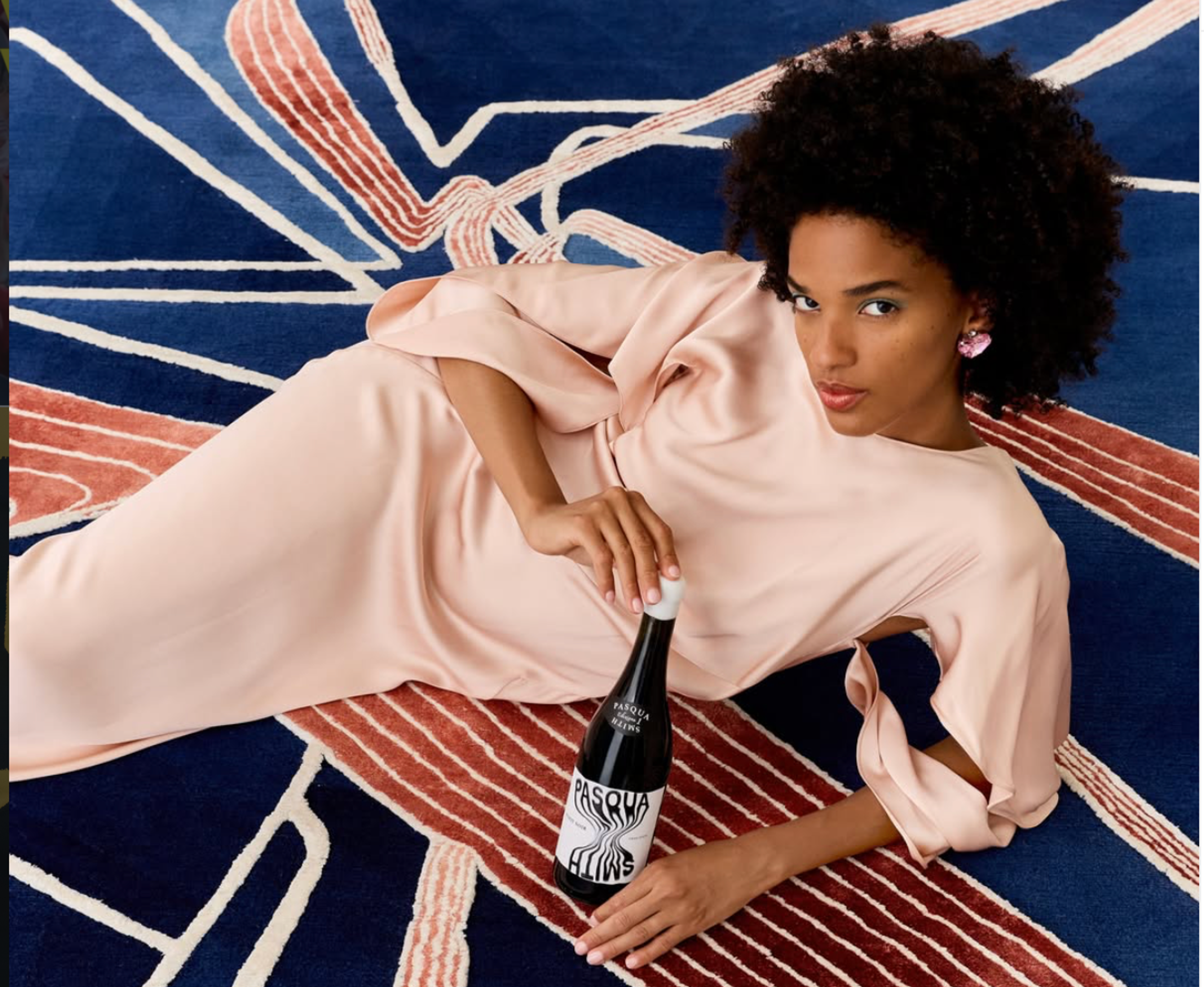

Having spent two days immersed in the world of Pasqua Wines, that sits on the edge of Verona with its vineyards stretching into the rolling hills of Valpolicella, one thing became very clear: its vision is to make wine more accessible.
Its tagline, The House of the Unconventional, fits neatly into all it is trying to do.
This is a producer with more than 100 years of heritage, rooted in the traditions of the region and working within the rules of its appellations, while at the same time challenging convention and looking at how wine can evolve for a new generation of drinkers.
We often talk about making wine more accessible by making it easier to understand, taking away some of the language and barriers that can make people feel like wine isn’t for them. But accessibility can also be about creating wines that appeal to more people, experimenting with different styles and challenging what we think wine should be.
This is a big part of Pasqua’s story.
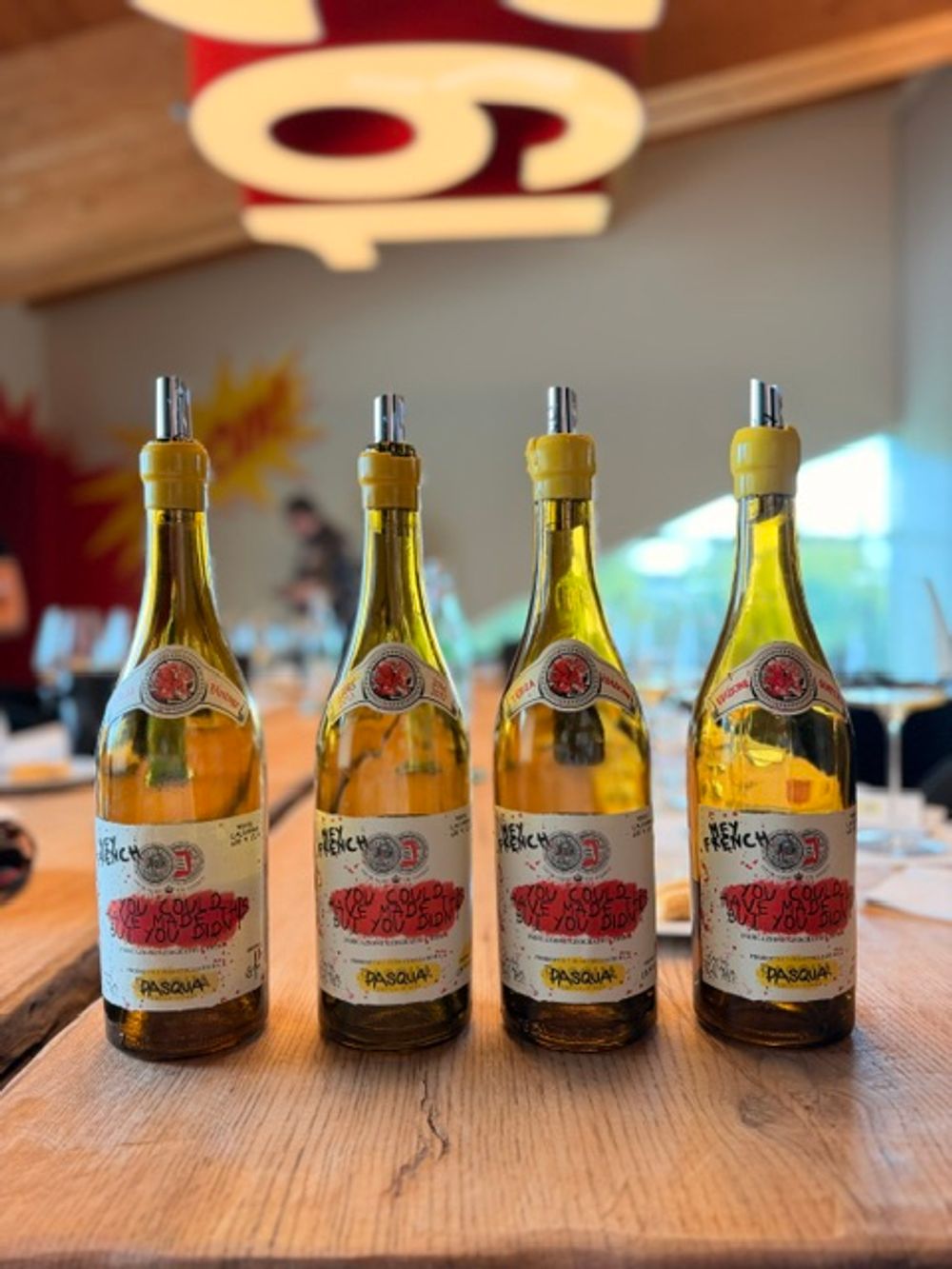
A wine that captures the unconventional, innovative approach to winemaking at Pasqua that is also approachable and easy to understand for consumers
Encapsulated in one of Pasqua’s newer projects: ‘Hey French, You Could Have Made This But You Didn’t’. Launched in 2019, it now has Editions 1–5.
At first glance, the wines might seem very similar. Each is made from the same blend - 80% Garganega, 10% Pinot Blanc and 10% Sauvignon Blanc - but there is a key difference: each edition is a multi-vintage blend of different key years.
It’s an approach that is still relatively unusual for Italian still wine, and one that gives Pasqua the opportunity to offer a different interpretation of the volcanic hills of Monte Calvarina, within the Soave Classico zone.
Each Edition spends up to eight months in oak, and while there is a clear thread running through the wines, textured, layered and constantly evolving in the glass as they open up, the multi-vintage approach gives each edition its own personality and character.
Then there’s the label. The bold design, created by artist CB Hoyo, is a visual representation of spray-painting the bottle in red and yellow, with the name deliberately cutting through and challenging the more complicated language often associated with wine.
That idea of language is particularly important here. CB Hoyo is dyslexic and the way information is communicated and represented really matters to them. The result is a label built around bold typography, strong contrast and a coloured background, making the words easier to read while still looking unmistakably unconventional.
Challenging and experimenting
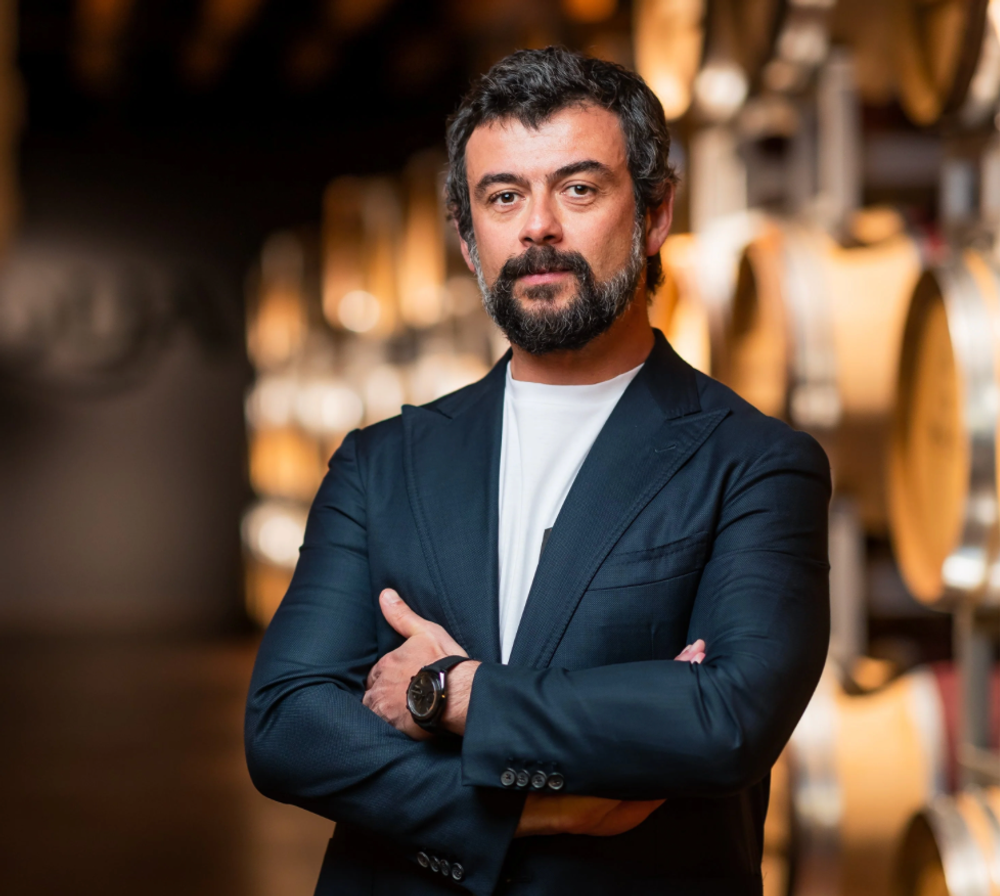
Riccardo Pasqua is looking to be challenging about the wines it makes - but in an accessible way
Pasqua isn't simply challenging what wine tastes like, it’s also questioning how wine is presented, talked about and understood and who gets to feel like it's for them.
Pasqua’s chief executive, Riccardo Pasqua, love of wine shines through in his every word. Understanding that different wines suit different situations and different people and that’s what matters.
This approach is captured in Pasqua + Smith Pinot Noir, made in partnership with maverick Washington wine producer Charles Smith of House of Smith. A wine that continues the theme of doing things a little differently.
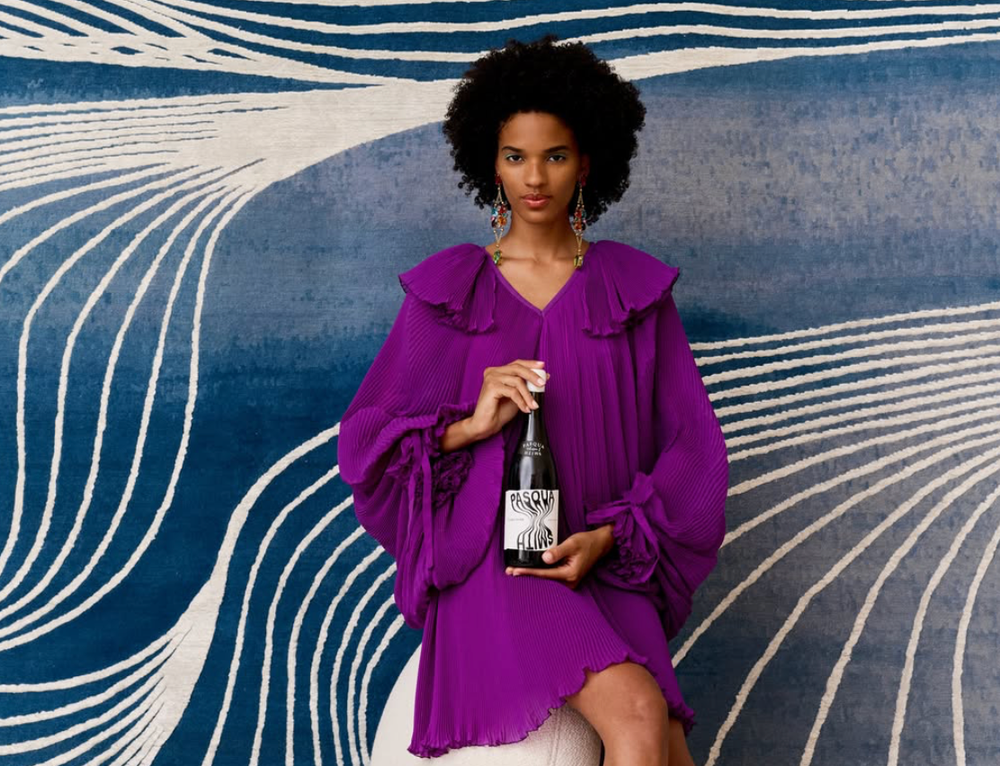
The new Pasqua + Smith wine collaboration
Pasqua + Smith is a Pinot Noir from Veneto, with the final wine created through a blend of vintages. It is aged in both French oak tonneaux and barriques before the vintages are brought together, giving it a combination of freshness, texture and complexity.
But whatever the concept behind Pasqua’s wines, they are very much centred in where they are from, with its vineyards spread out into the hills of Valpolicella, some 500 metres above sea level.
Valpolicella means ‘many valleys’ and the surrounding landscape is a mix of mountains, valleys and different aspects, creating a number of microclimates across the region.
There is also the influence of nearby Lake Garda, with its mediterranean micro climate and winds that come down from the mountains that help to moderate the temperature in the vineyards.
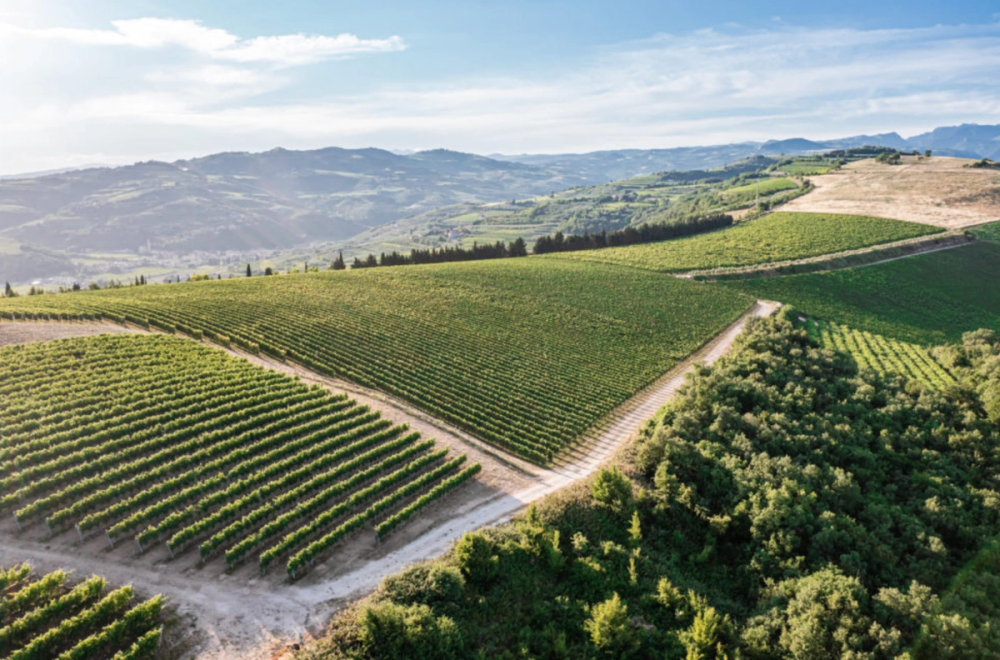
The Valpolicella hills where Pasqua makes its wines
It means great care is taken in deciding where different varieties are planted. Cabernet Sauvignon, for example, is planted on north-facing slopes, with vines up to 50 years old.
Pasqua is also looking to experiment with different varieties to see what works in its changing climate, including Montevego, a grape that can be particularly difficult to cultivate.
At the edge of the vineyards in the neighbouring vineyard we saw Marogna, the traditional stone walls that form part of the landscape here.
The changing climate is also influencing the way the vineyards are managed. Since 2014, Pasqua has been experimenting with different approaches, including leaving more canopy on the vines to provide shade and help prevent the grapes from burning in the increasing heat.
In an average year it strips the canopy three to four times, but has only needed to do once in 2026.
Changing and adapting
The vineyards, and the wines, are deeply rooted in the history of the region, but there is a recognition that things are changing and that winemaking has to change with them.
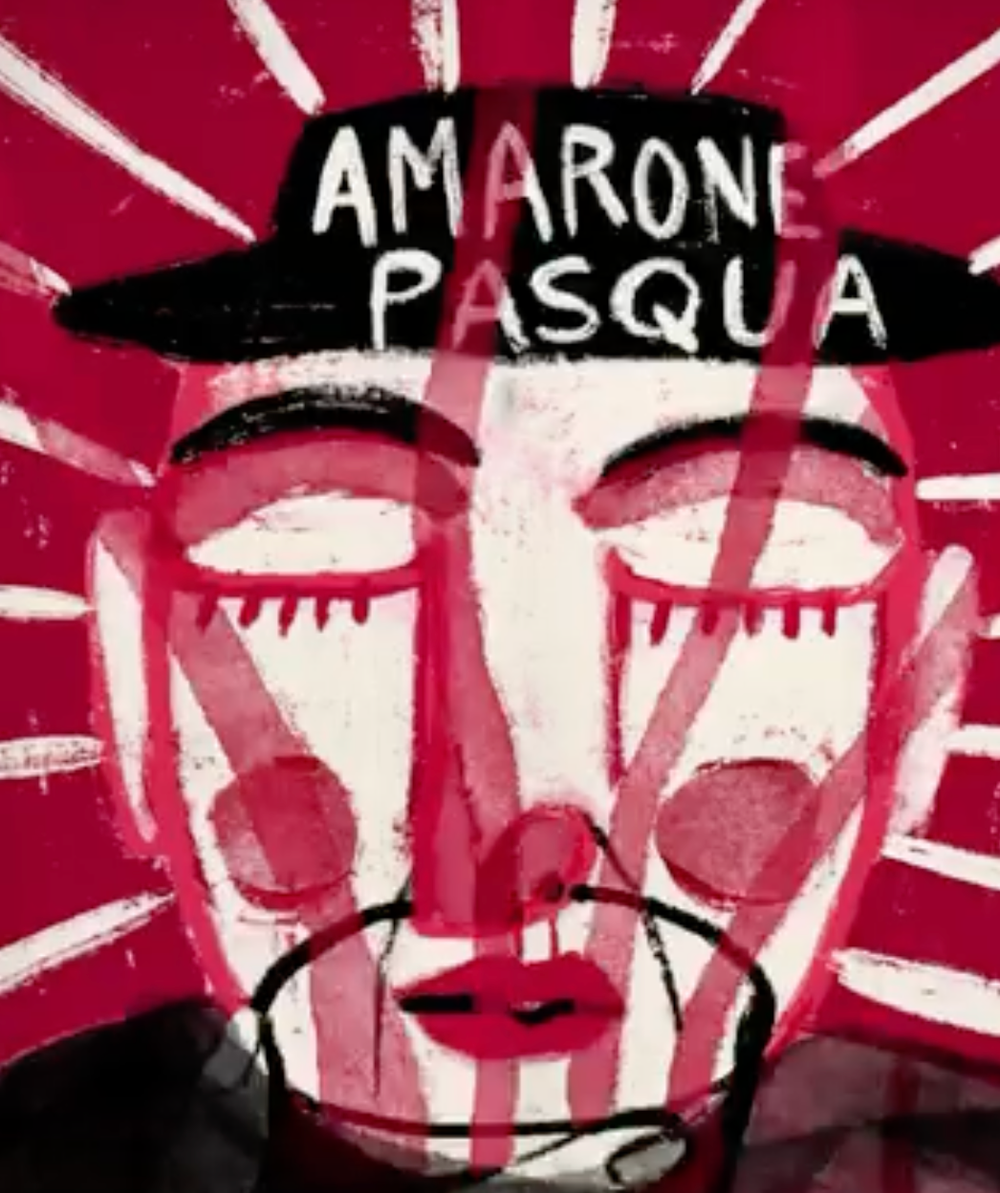
Including Amarone, one of the wines most closely associated with Valpolicella.
We tried the Amarone Della Valpolicella Riserva 2017, and were able to see the freshly picked grapes drying in the sun from this year’s harvest, ready for fermentation, and the Amazon appassimento process.
This, though, isn't simply a case of picking the grapes and leaving them to dry, the grapes need to be absolutely perfect before they can begin the process.
The concentration that comes from drying means you need considerably more grapes to produce the finished wine - 2.5kg of grapes is needed for just one litre of wine, compared with roughly 700g of grapes for a standard bottle of wine.
It’s clear Pasqua is more than living up to its tagline.
The House of the Unconventional makes perfect sense. It isn't about throwing tradition away. It's about understanding the land, the history, but looking to challenge what can be produced and what the consumer wants.
* You can find out more about Pasqua here. Its wines are distributed in the UK by Corney & Barrow.