Tell us about your background and how you got into wine?
I grew up in a small village in Nepal where alcoholic drinks were never part of family life and often looked down upon. After finishing my high school diploma in Nepal, I moved to Cyprus to continue my studies in 2010.
One summer, I worked in a vineyard in Troodos, picking leaves without knowing I was actually doing summer pruning. Curious about the grapes, I asked the owner what he made with them. When he said wine, I asked to see the winery. That was my first real introduction to wine, and it sparked my interest.
Later, I moved to Dubai and started working as a waiter. I was always curious about drinks and spent my free time learning more about wines and other beverages.
Then, at a new job, I met a manager who introduced me to WSET courses and the sommelier profession. That guidance helped me grow, and in 2017 I got my first sommelier role at Marina Social by chef Jason Atherton in Dubai.
Since then, it has been a rollercoaster journey as a sommelier.
What has been your wine career up to now?
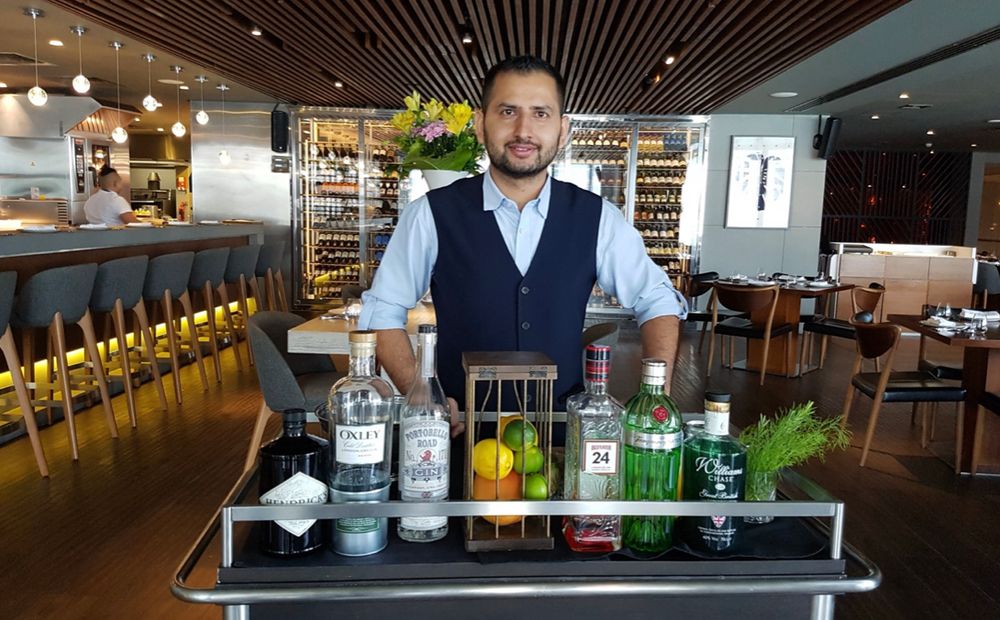
Bikram Gautum has come a long way from a small village in Nepal to move through the sommelier ranks
I began my formal wine studies in 2016, taking the WSET Level 1 exam in Dubai. That same year, I progressed to WSET Level 2, and in 2017 I passed WSET Level 3.
In 2019, I transitioned to the Court of Master Sommeliers (CMS) pathway, passing both the Introductory and Certified exams on my first attempt. Most recently, in 2025, I passed the CMS Advanced exam on my first try, achieving the highest score in my batch.
Since 2017, I have worked as a sommelier in various roles across different parts of the world. In 2021 I joined Constance Lemuria in Seychelles one of the greatest wine programs in the Indian Ocean where I got a chance to learn a lot and taste a lot of wines which helped me to pass my CMS Advanced exam in 2025.
I am always thankful to Constance Hotels and Jerome Faure (the corporate sommelier of the group) for the opportunity to work with such remarkable wine culture.
Currently I am working as head sommeliers at Smith & Wollensky in Kuala Lumpur where we have one of the biggest wine cellars in Malaysia with 1,200 labels of wine and sake.
Although my family and relatives do not fully understand it, I have found it to be both very challenging and rewarding. Being a sommelier has been an amazing journey that has granted me some of the once-in-a-lifetime opportunities. However, the journey continues - I am far from done yet.
Why did you want to be a sommelier, and what training did you do to become one?
Visiting a winery in Cyprus and passing the WSET exams while working as a bartender in Dubai were pivotal moments for me. They made me realise that wine is far more than an alcoholic beverage; it is history, geography, culture, and a profound human connection to nature.
The world of wine and the sommelier professionis completely different from what most people imagine. It is adventurous, demanding, and endlessly rewarding. I love being on the floor, interacting with guests, engaging in conversation, and bringing a smile to their faces through great hospitality.
While I enjoy reading and taking on new challenges, I believe sommeliers go beyond technical knowledge. I love learning new things, tasting new wines, and discovering something new everyday and which is great fun.
Sommeliers are the great professionals in the F&B industry, and I hold that in the highest respect. My education began on the job, followed by WSET, and most importantly, the Court of Master Sommeliers - the institution that shaped my discipline, my standards, and my identity as a professional sommelier.
How did you find the study and training involved?
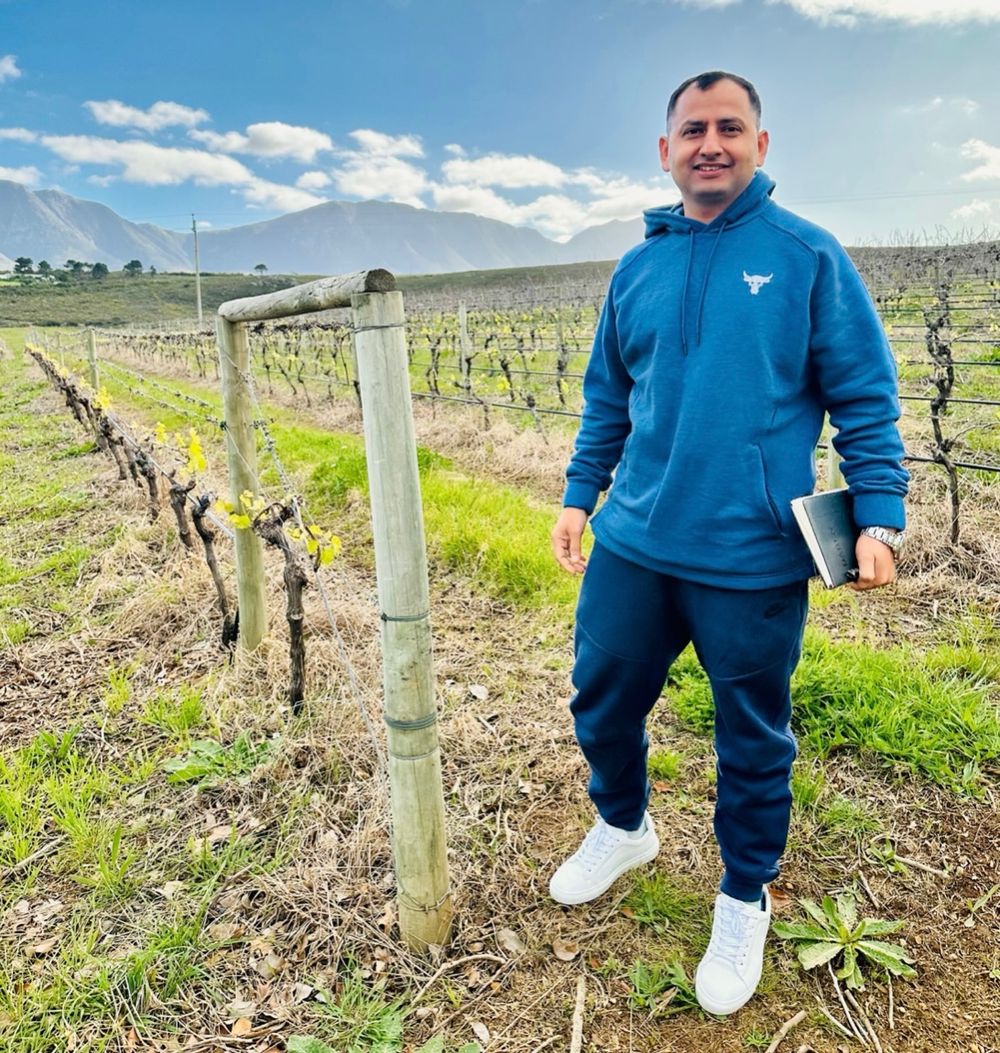
Gautum Bikran says it is take dedication and discipline to move through the various Master Sommelier exams
At the beginning of my career, there was no one to train or guide me. Coming from that background, and without a mentor, staying in the industry was incredibly difficult.
I believe many sommeliers who come from my region face the same challenge. But passion, discipline, and commitment can carry you forward.
My training has come solely from WSET, the Court of Master Sommeliers, and on the job experience.
The Court of Master Sommeliers is ideal for professionals who want to work on the hotel or restaurant floor as sommeliers. It teaches discipline, precision, and the art of hospitality while focusing on food and beverage service standards. It covers all the areas of the wine, food, and other beverages not only theoretically but practically as well which is the most important part of the sommelier profession.
Still, experience remains the most important factor. You become a great sommelier when you know how to satisfy your guests while achieving your sales goals - when you can balance hospitality, knowledge, and business with grace. That balance is the true craft of the sommelier and the Court of Master Sommeliers covers all these areas which is amazing.
What has been the most challenging aspect?
In the early stages of my sommelier career, understanding wine itself was a real challenge. I didn’t know anything about it, so learning how to taste, interpret, and appreciate wine felt overwhelming at first. Taking wine courses and reading widely about food and wine helped me progress, and step by step I began to build confidence.
Even now, I’m still learning every day - the world of wine is far too vast for anyone to truly master.
Working as an active sommelier on the floor brings its own challenges. Time management can be difficult, and staying focused and disciplined isn’t always easy.
But I know that without discipline and focus, achieving any meaningful goal becomes impossible. So I continue to push myself, stay committed, and do my best to grow both personally and professionally.
What is the most rewarding aspect of the training and now that you are a Certified and Advanced Sommelier?
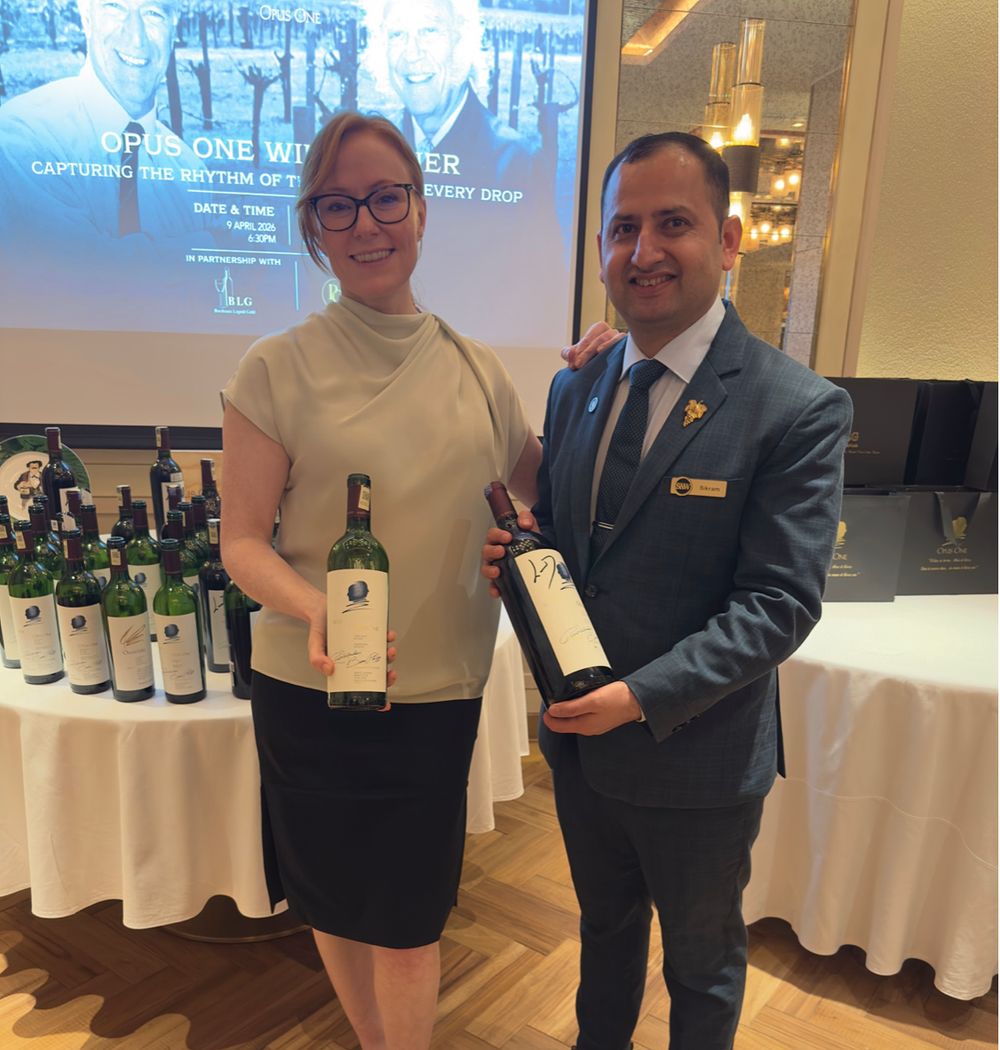
Bikram Gautum says his life as a sommelier has given him so many once-in-a-lifetime experiences
I firmly believe that without the Court of Master Sommeliers (CMS) certification, I would not be where I am today. Training and continuous learning are integral to a sommelier's journey; without constant updates and education, it is impossible to sustain a career in this fast-evolving industry. At the end of the day, our primary role is to provide the finest wine service to our guests by leveraging our training, knowledge, and experience.
After completing my WSET Level 3 in Wines, I chose to pursue the CMS pathway, and it has been an incredible part of my professional development. While I still have a long way to go as I prepare for my first Master Sommelier exam attempt, I am deeply grateful to all the CMS mentors and Master Sommeliers who have guided me along the way.
What advice would you give to other CMS students about what they need to succeed - the key steps they need to take and focus on?
If there is one piece of advice I can offer it is this: discipline, passion and dedication are the most important. Follow the syllabus and tasting grid. Schedule the study time and focus on theory a lot. All the aspects are important but once you are good on theory it will help to understand blind tasting and practical.
Try to understand the whole process rather than memorising everything. The beverage world, and wine in particular, is an infinite universe that is impossible to truly master. Keep pushing boundaries and moving forward. Learn from every mistake and failure, and keep pushing forward. The future is incredibly bright and rewarding.
How do you hope becoming an MS will help in your career?
The Master Sommelier title represents the highest standards in the food, wine, and beverage world. Wearing the MS pin feels heavy because it symbolises true mastery - not just of knowledge, but of discipline, passion, and unwavering dedication to the craft. For me, the journey is not about prestige; it is about purpose.
After earning the MS, I want to return to Nepal and bring back everything I have learned throughout my career. My goal is to guide and support young, emerging sommeliers and contribute to the growth of the hospitality industry wherever I can.
Nepal currently has no established sommelier culture, even in its finest restaurants and five star hotels. I hope to change that. I want to introduce proper wine education, elevate service standards, and help build a foundation that future professionals can stand on. And also soon I will be starting the wine, spirits and other beverages importation and distribution company in Nepal.
Passing the MS will be a personal milestone, but more importantly, it will give me the platform to make a meaningful impact. I believe it will allow me to contribute something valuable to Nepal - something lasting.
Who have been the most important people in your career in helping you achieve the success you have had?
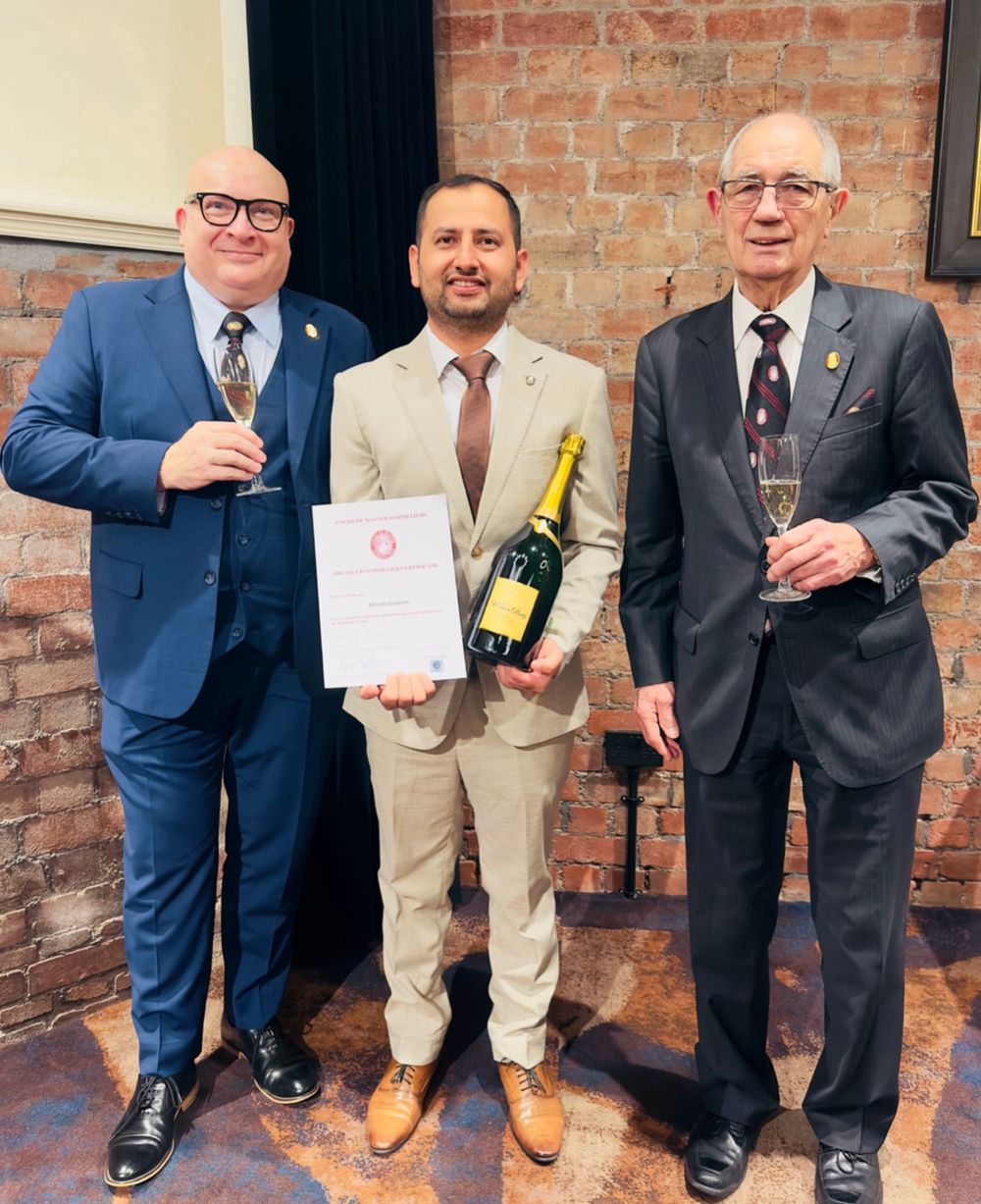
Ronan Sayburn MW, left, has been a true mentor to Bikram Gauam throughout his Master Sommelier training
There are many people who have shaped my journey. My restaurant manager, Manoj Kumar, who first introduced me to WSET and the sommelier profession.
My first head sommelier, Mr. Fernando, gave me Sales and Service for the Wine Professional - a book I still carry with me today.
Every Master Sommelier who has guided me along the way has played an important role, as have all the colleagues I’ve worked beside throughout the years.
I am deeply grateful to Jerome Faure, corporate sommelier of the Constance Group, who trusted me and gave me the opportunity to lead a remarkable sommelier team and manage the largest wine program in the Indian Ocean.
My idol, Ronan Sayburn MS, continues to inspire me; I admire him immensely.
Most importantly, I owe everything to my family - especially my wife - who has stood beside me through every challenge, every sacrifice, and every step of this journey.
Anything else to say?
Sommeliers are professionals with deep knowledge of food, beverage, and an exceptional sense of hospitality. No matter what title or position we hold, our purpose remains unchanged: to listen to our guests, understand them, anticipate their needs, and offer the best possible service to those who choose to spend their time with us or celebrate their special moments in our care.
We are also the bridge between winemakers and consumers. It is our responsibility to connect guests to the people behind the wine — to share the story, the place, and the passion that shaped the bottle they are enjoying.
In doing so, we honour both the craft of the winemaker and the experience of the guest, creating a moment where knowledge, emotion, and hospitality come together.
* If you would like to know more about how to be a Master Sommelier go to Court of Master Sommliers website here.