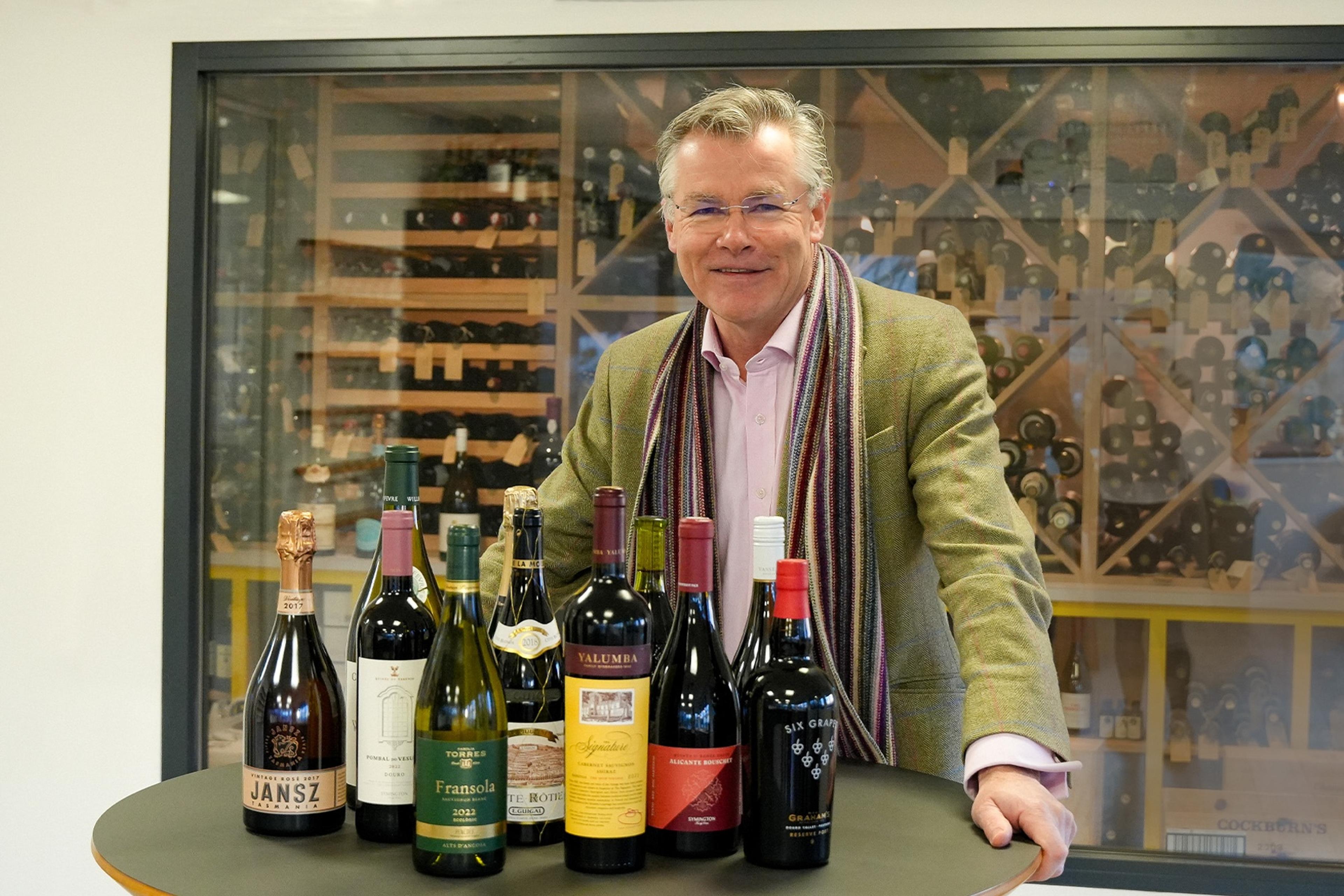

“What I hope I can bring to Fells is that perspective from the producer side. How do I get Fells to be the perfect distributor? After all I have seen a lot of distributor models around the world.”
That’s how Euan Mackay described his managing director role in his last major interview with The Buyer in the summer of 2024.
Then he was only a few months into his role and still assessing just how far he felt Fells needed to go to be that “perfect distributor”. Whilst he would not be as bold to say it has reached perfection yet; Mackay has been able to put in motion a whole series of changes - both culturally and corporately - that together he believes puts Fells in a much stronger position to when he joined.
Whilst it has been able to make some radical moves in terms of the producers it now represents, arguably the biggest changes have come within Fells itself, and in particular, the step change in mindset and staff culture that, for some, is very different to how things were run before.
Ultimately Mackay’s biggest responsibility is to be doing the best possible job for both its producer partners and the customers it supplies.
To get both sides of that equation right has meant ensuring Fells as a business, and a team, is best set up to do that.
As he explains: “You have your own understanding of what a good culture looks like and perhaps that’s been the biggest challenge. Trying to get the business into the sort of culture that I would most believe in. That’s difficult and it takes time and it always takes longer than you think.”
Cultural change
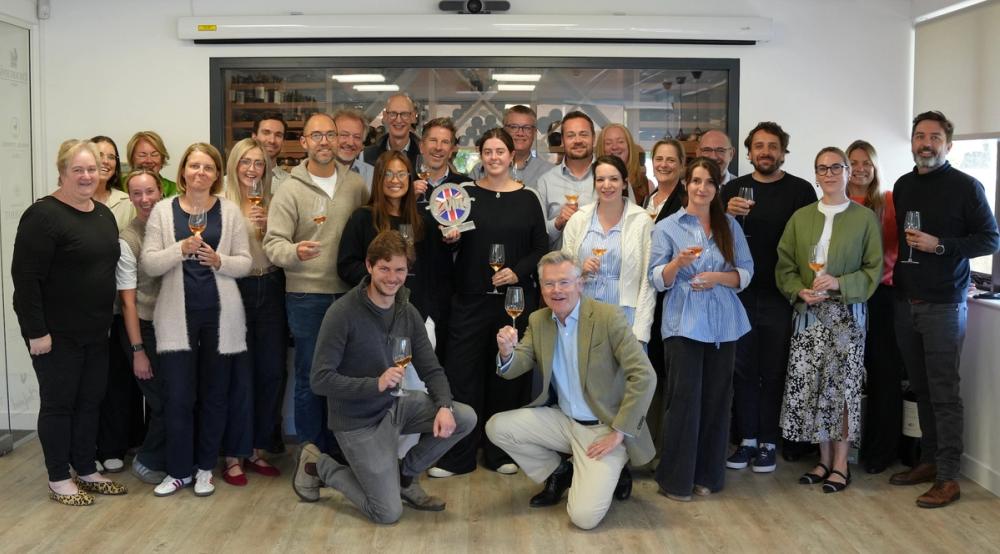
Euan Mackay has worked hard to free up the culture within Fells and give all members of staff the opportunity to shine
Part of that cultural change has been giving all members of the team the confidence to have their say, to speak out and crucially feel like they can individually make a difference.
“When I came in, I saw a lot of people who didn’t feel it was their right to influence the direction of the business. Those decisions were taken by others. But in my view if you are in a position of seniority or have management responsibilities then you are there for a reason and are not just there to take orders from others,” he says.
He hopes the new Fells culture is about giving all members of staff “the freedom” to take their roles “in the direction they think is best for the business,” he says.
“It comes down to trust and providing people with that trust to realise people’s potential and giving them that opportunity,” he adds. “It takes time if you have not been used to that way of working before.”
It’s why, he says, some members of his senior team feel the business “has changed 180 degrees” over the last three years, whilst Mackay sees those changes as being more of an “evolution”.
“I am lucky that the team has risen to the challenge,” he stresses.
There has also been the opportunity to bring in new people to the team which is where Mackay has been able to handpick individuals that can demonstrate they are up a challenge and are willing to fully play their part in helping Fells succeed.
“We are a small wine distribution company and whether you are the newest recruit or me, you are expected to clean the tables and move cases around. You have got to be prepared to be involved. Be open. Share something about yourself. Don’t be too closed,” he explains. “You need to be able to be part of it and be seen to be enjoying what you are doing.”
Chance to shine
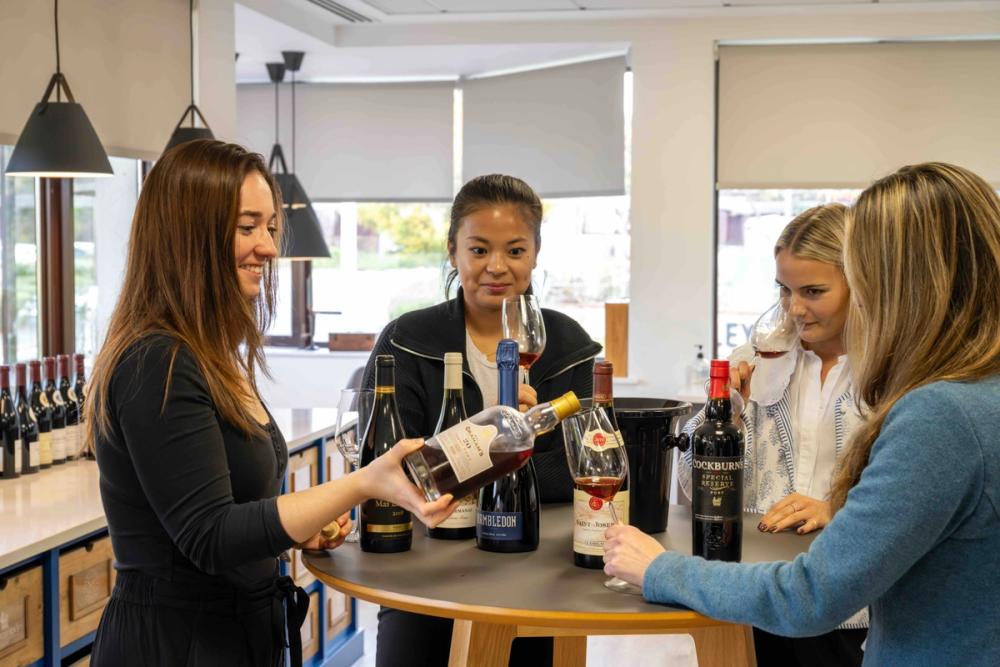
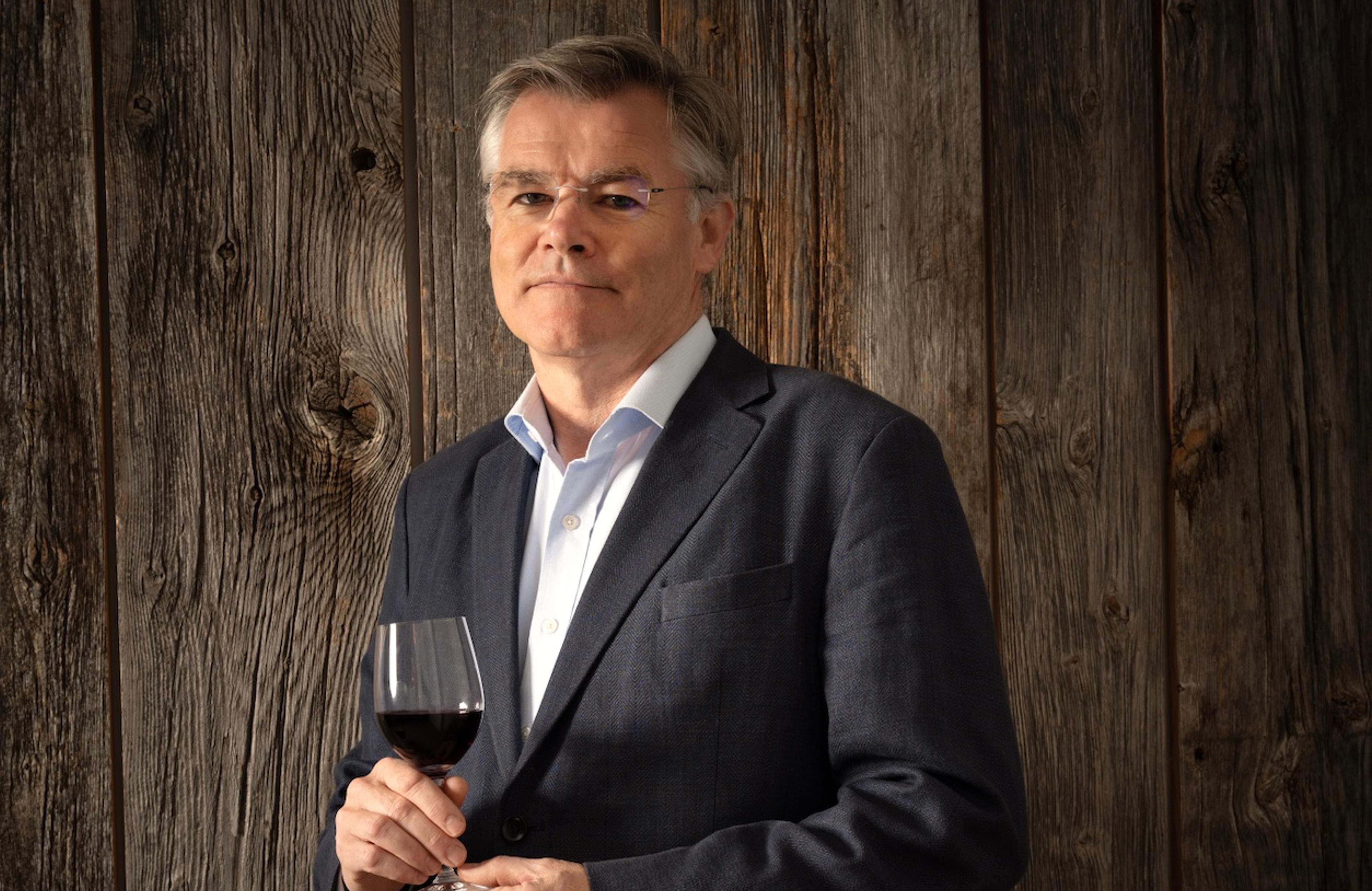
Euan Mackay: “It’s enthusing people about the brand and leaving them with an impression of what Fells is about”
It’s a point that Adam Wells, Fells’ new communications manager, picks up on: “It’s rare to come into a company and be given the freedom straight away to assess everything that has been done before, see where we can make changes and give new things a go”
Which, in terms of his role, has been really identifying what Fells stands for as a business and drilling down into its “core identity”. “Your brand is what people say about you when you are not in the room,” says Wells.
It’s why introducing a dedicated weekly Fells newsletter, that goes to all its customers and suppliers and tells the “human stories” about the producers and the people that are such a part of that Fells’ “core identity”, has been so powerful.
“It’s enthusing people about the brand and leaving them with an impression of what Fells is about,” he adds.
Management style
Mackay says his own management style and cultural expectations of a business stem from his own experiences of working with “many different businesses across the globe” during his near 30-year career working for Symington Family Estates.
“You have this privileged relationship of being able to look at lots of different businesses and create your own understanding of what is a good way to work,” he explains.
Crucial in helping Fells achieve the cultural change that Mackay is looking for was the appointment of Tiffany Hall, chair of B&M stores and former commercial director at British Airways, as non-executive chair. An independent voice who has been able to bring her executive and management expertise into the business and also help set up the corporate governance rules and practices a business of the scale of Fells should adhere to.
Hall, who is also a non-family member of the Symington family board, has been able “to bring the discipline” and rigour that Fells needs, says Mackay.
“Having a non-executive chair who is not involved directly with the business is a good thing,” he adds. “They often bring up things that you, because you are working on the day-to-day, don’t see and ask why we are doing that.”
Doing things right
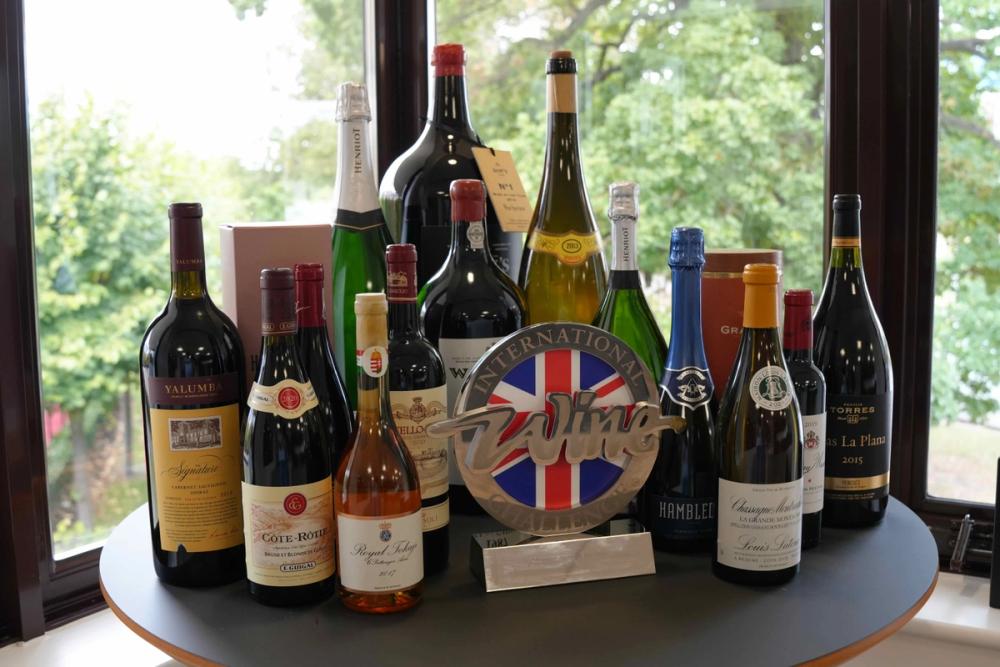
Winning Agent of the Year (Medium) in the IWC 2026 Awards was a big moment for the business
The biggest recognition of what Fells has achieved under Mackay’s leadership came in September when it was named Agent of the Year (Medium) in the International Wine Challenge awards.
“It was a nice recognition of the work we are doing and a good moment for different reasons,” says Mackay.
Firstly, it is a big boost for the Fells team that, like everyone in the sector, is “under significant pressure and having to work long hours,” he says.
Secondly, it resulted in every single one of its producer partners getting in touch to not only pass on their congratulations but to say how much they “really believe in our relationship and the work we are doing together”.
“That means a lot to us because our life blood is the suppliers we represent and offer to our customers,” he says. “It’s recognition from the very people we are all striving to support”.
Strength in numbers

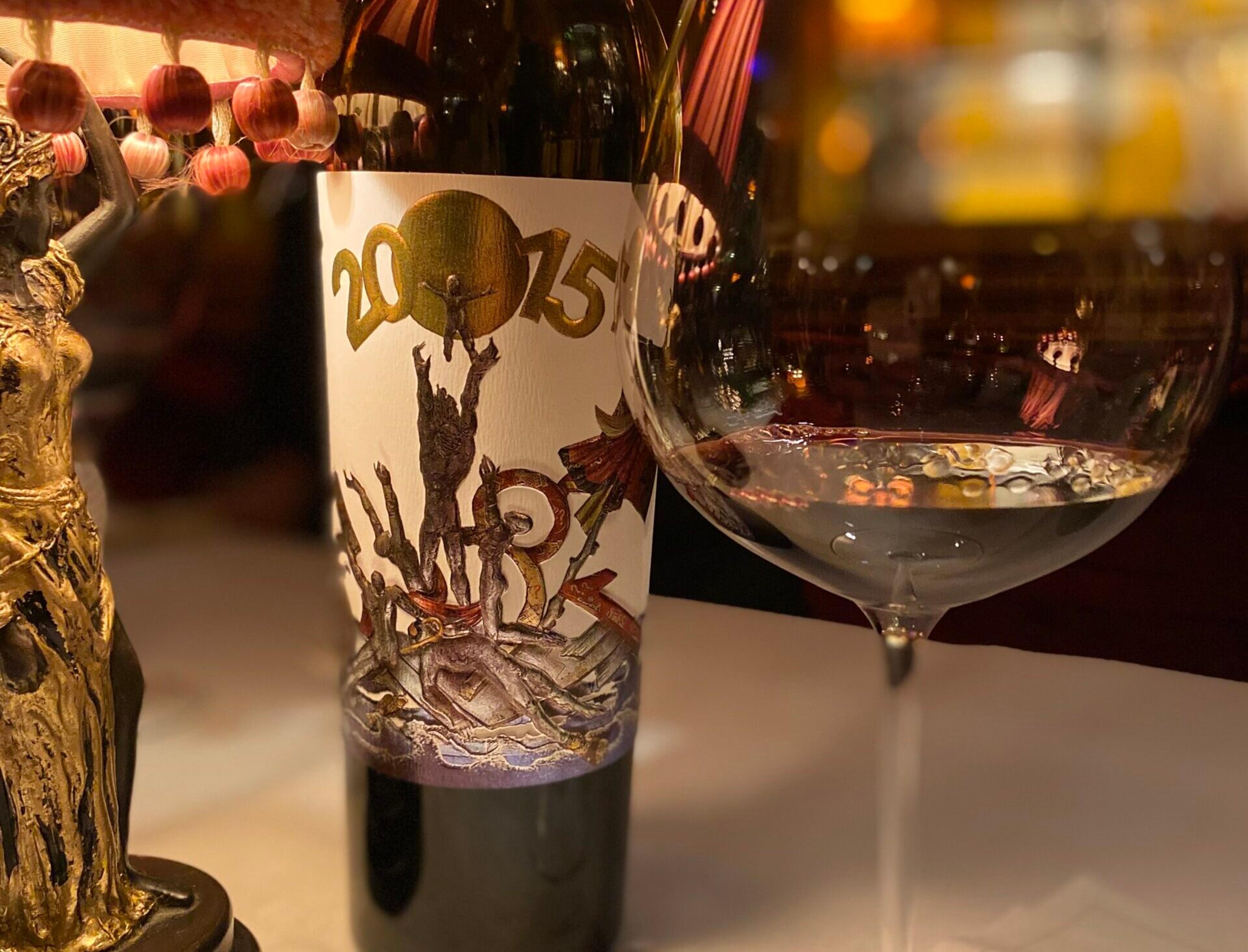
Bringing Louis Latour into the portfolio has been a big step for Fells
The success of any wine distributor lies in its wine portfolio, and it has been a key feature of Mackay’s leadership how far the Fells portfolio has been strengthened over the last three years.
It was given a huge boost in September 2025 when Maison Louis Latour moved its business to Fells when it closed its UK subsidiary.
Mackay knows from his Symington past what a huge, vitally important, decision that was to make for the Louis Latour family - and a big vote of confidence in Fells.
“It’s a very personal decision if it’s your family business. It’s very emotional and I understand that because of where I have been,” he explains. “I think they take confidence from that fact.”
Clearly representing such a large internationally renowned producer is a huge opportunity for Fells, but it also comes with its own challenges.
As Mackay explains: “We don’t expect everything to go right immediately. We understand that things take time and there will always be bits and pieces we need to learn about how best to work with each other.”
The fact Fells already has such a strong line up of internationally-focused premium wine producers in its range has helped smooth that process, he says.
“Ultimately, there’s a sort of comfort factor that we have done this already with other producers and we know what support we can give them,” he adds.
The collective reputation of the producers now in the Fells stable gives it a strength that is hard to replicate.
As Mackay says: “Everyone needs to sit alongside each other and feel they share the same DNA. That’s what makes it work.”
Adding pedigree, depth and quality
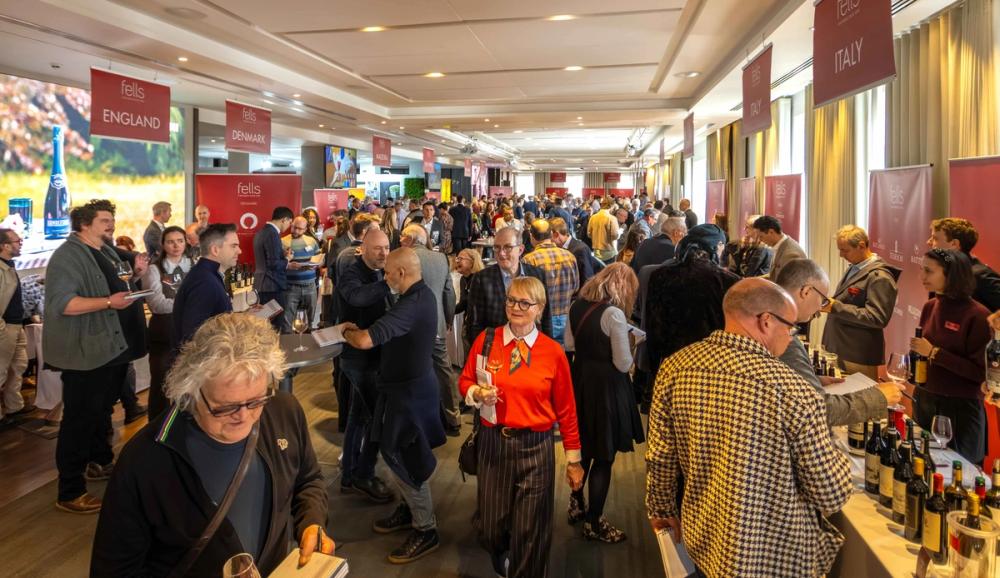
Fells is very much on the front foot in telling its story to its customers
The work to upgrade and add what Mackay calls greater “pedigree” to its range has seen a number of producers come into the business over the last 24 months.
“We have worked hard to make sure we now tick most of the relevant boxes,” he says.
The fact it has been able to attract so many prestigious producers into the business speaks volumes for Fells’ position in the market, he adds. That equally has a knock-on effect on the quality and profile of the customers it is working with as well.
Interestingly the first question MacKay asks any producer interested in joining Fells is “do you want to work in the UK market?”
“It seems an obvious question, but the UK market is very busy and competitive and demanding, and do you actually want to work here or do you want to just a tick a box. We are not interested in that,” he adds. “It’s not the easiest place to be, but there are rewards if you get it right.”
“Quality needs to be at the heart of what they do. The family story is an important one, and we take decisions based on that. We also need to feel that you as a supplier can deliver value, at every level, because value is the number one buzzword in this market right now.”
“It’s very important you actually go and visit a supplier in their own environment and understand what is going on. It’s time consuming and costly but that’s how you get to know who’s behind it, and who owns it. You are signing up to a long-term marriage.”
It also needs to work with producers that have a big enough range to work across all channels of the market.
Being on the front foot when it comes to sustainability is also vital now if you want to succeed in the UK market, he says.
“There is an expectation that you need to have that on the agenda,” pointing to the work it has been able to do with Louis Latour to introduce a lighter bottle that is now going into Waitrose and Majestic. “That is part of wanting to work in this market.”
New partners
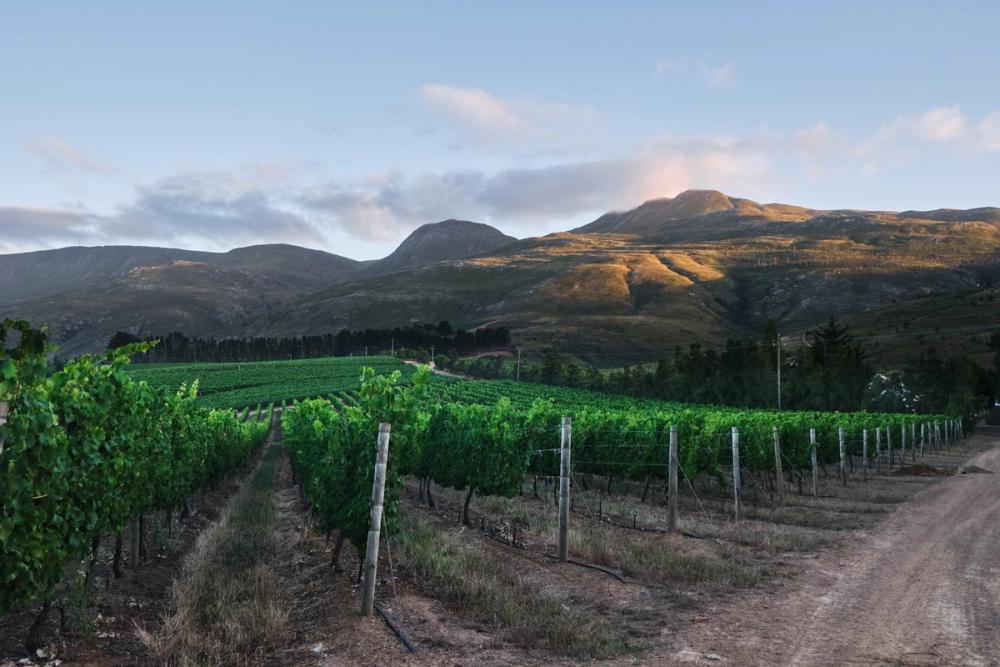
Paul Clüver, above, and Kaapzicht have been brought into Fells to strengthen its South African portfolio
Its recruitment drive has seen several new South African producers coming on board “that best represent South Africa as it is today” to help replace Vergelegen that has left the business.
They are Paul Clüver , to represent Elgin and Kaapzicht, for its Chenin Blancs and Pinotage. They both join Capensis, which is about Stellenbosch Chardonnay and Warwick for its Cabernet Francs, Sauvignon Blancs and its broader range, Vilafonté, and its award-winning fine wines and premium blends, in the Fells range.
“South Africa offers some of the best value wines on the planet,” he adds.
Fells has also looked to strengthen its Italian wine range and take advantage of the increased interest in regional Italian wines, particularly white wines, with Tenuta Pfitscher joining from Alto Adige in the north. It has also added Altesino andPoggio di Sotto, which are its first producers from Brunello di Montalcino and Grattamacco which adds a bit of Super Tuscan flair from Bolgheri in Tuscany.
All of which add further weight and prestige to its existing Italian range, that also includes Ratti in Piedmonte, Ricasoli in Chianti, Tedeschi in Valpolicella and Pellegrino on the fortified side in Sicily.
“We are not looking to be an Italian specialist, but we now represent each appellation pretty well with historic names, pedigree and depth and history and quality,” he adds.
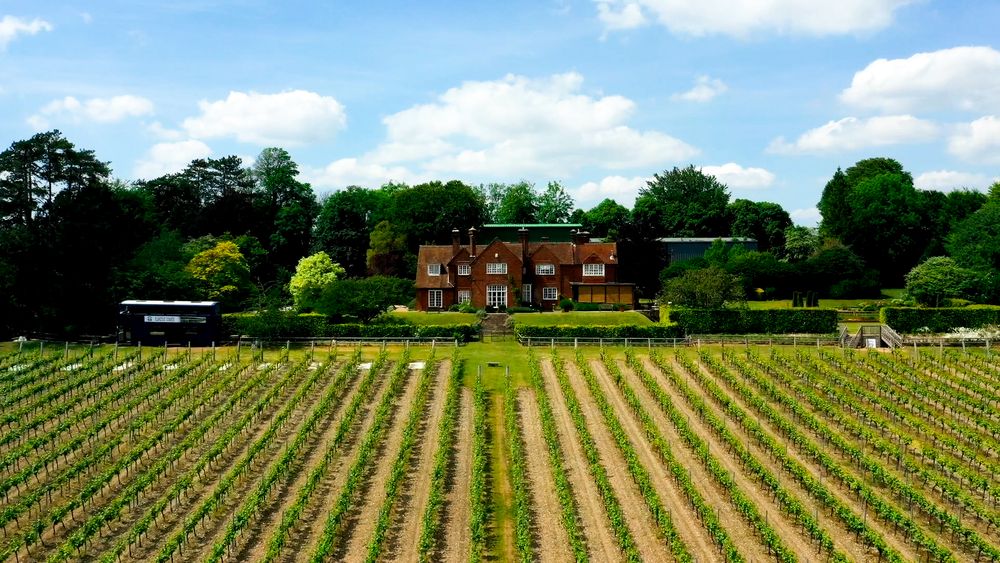
Euan Mackay is delighted with the success that Fells has had with Hambledon and maximising sales of English wine
Attracting new producers also helps when you have good success stories to share, says Mackay, pointing to the “incredible” work it has been able to do with Hambledon, the English sparkling wine producer.
“In a market that is desperate to do crazy deals we have managed to make significant headway with Hambledon in both retail and on-premise,” he says.
Being relevant
“The IWC award is recognition that we have a range of producers that are relevant to this market,” claims Mackay.
By "being relevant” Mackay says they have to fit into what our 23-strong sales know their customers are looking for.
“I need to know that this new winery can be relevant to all members of the team and not just one or two.”
Being “relevant” also means: “They can sit on a list and perform for that retailer or restaurant. It is coming up with activations that show we understand the market and what it needs.”
He points, for example, to the work it was able to do last autumn to support independent wine merchants with a raft of promotional packages that were introduced a few weeks earlier than usual.
“It cost us a bit, but it was about trying to show that we are with them and want to help them continue to do the job they are doing in what is a very tough market with all the costs ramping up on them. We got a lot of independents saying thanks for stepping up because it is not easy out there.”
He adds: “That also helps with the relevance piece. To be able to do what we can. We can’t do it all.”
The work it did, for example, during Covid to help support the trade and independent wine merchants is still recognised and respected today, adds Mackay. “They remember that.”
That support also means changing and adapting the way it works in order to make its customers lives easier at the sharp end of trading - like extending order cut off times for the on-trade.
“It’s again trying to make sure the service we give is aligned with the realities of what’s going on. So rather than have a cut off time at midday, it’s now 3pm. It’s little, tiny things. We are using AI in a limited way to manage our order processing. It used to take 20 minutes to process an order - it now takes 20 seconds, and we’ve reduced mistakes down significantly too and continue to reduce them,” he explains.
It means its customer service team can be fully focused on helping its customers and not worrying about managing all the orders coming through.
“It’s about that personal contact and listening and being able to find solutions to problems that we will always have,” he says.
Listening and adapting
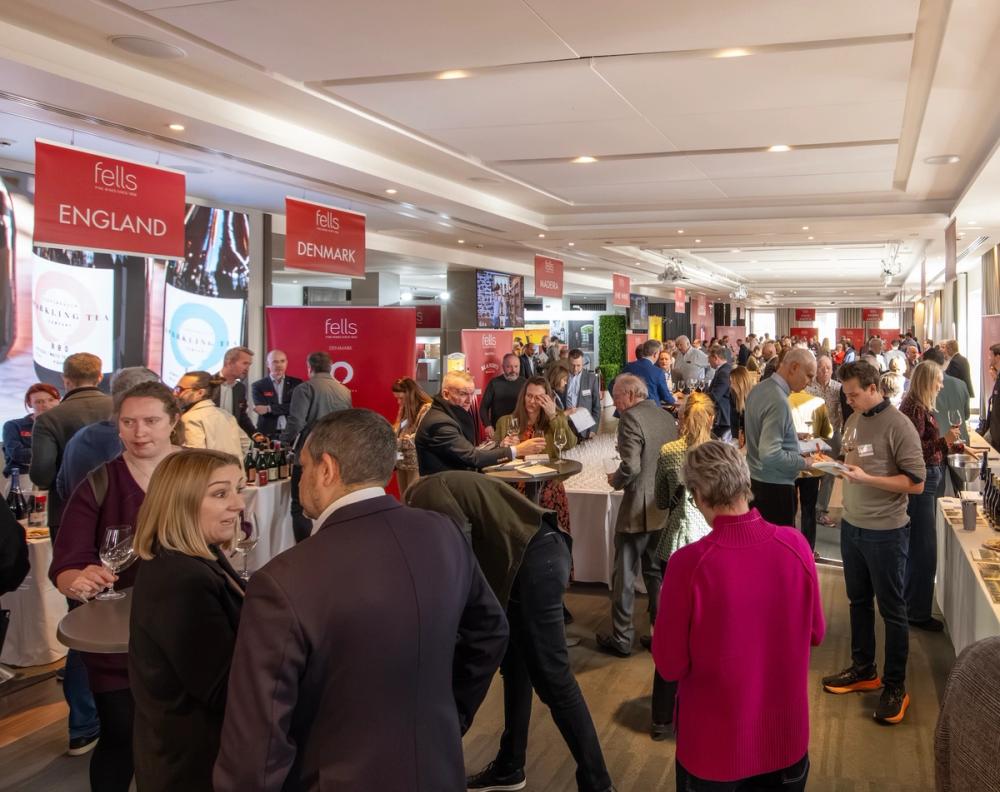
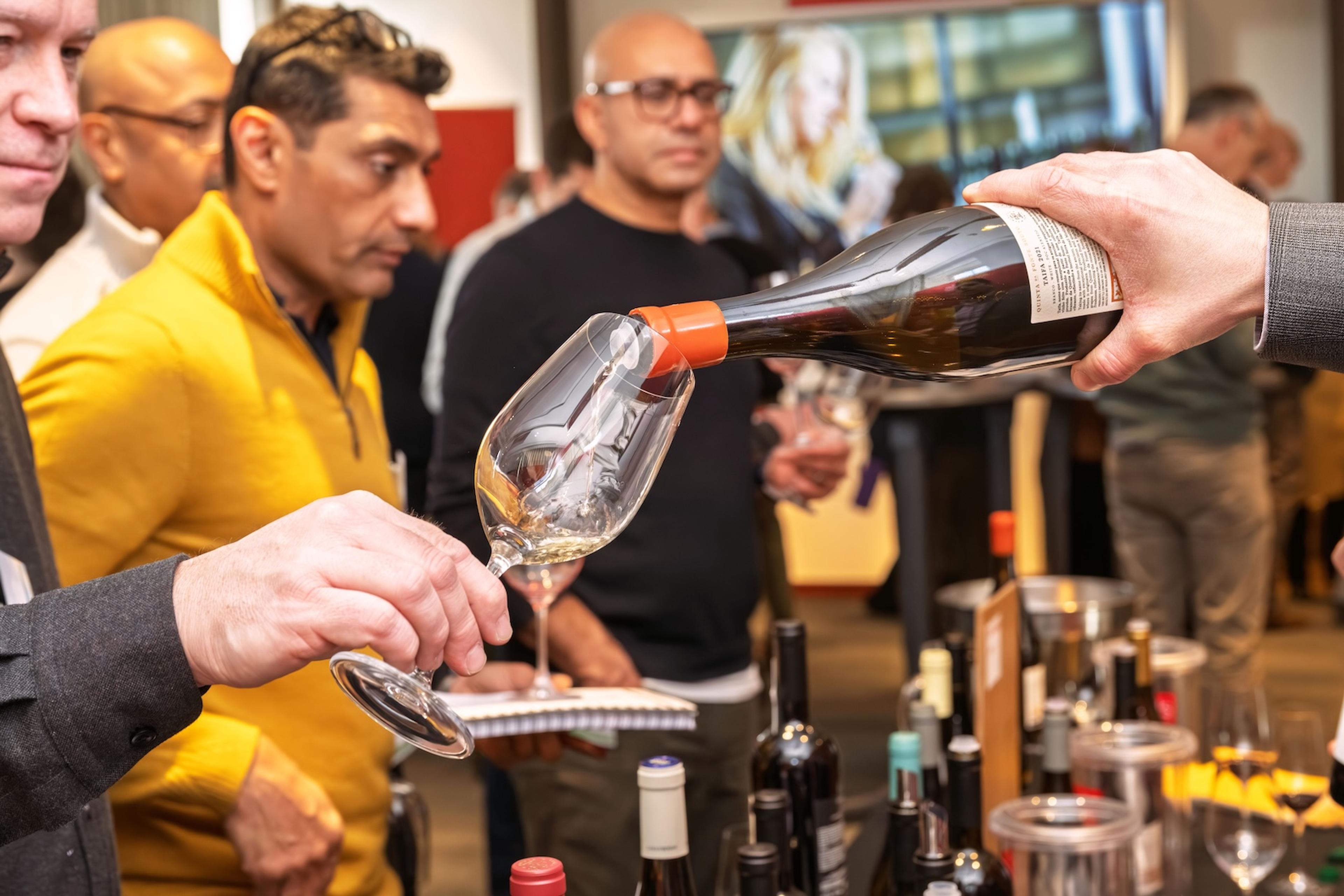
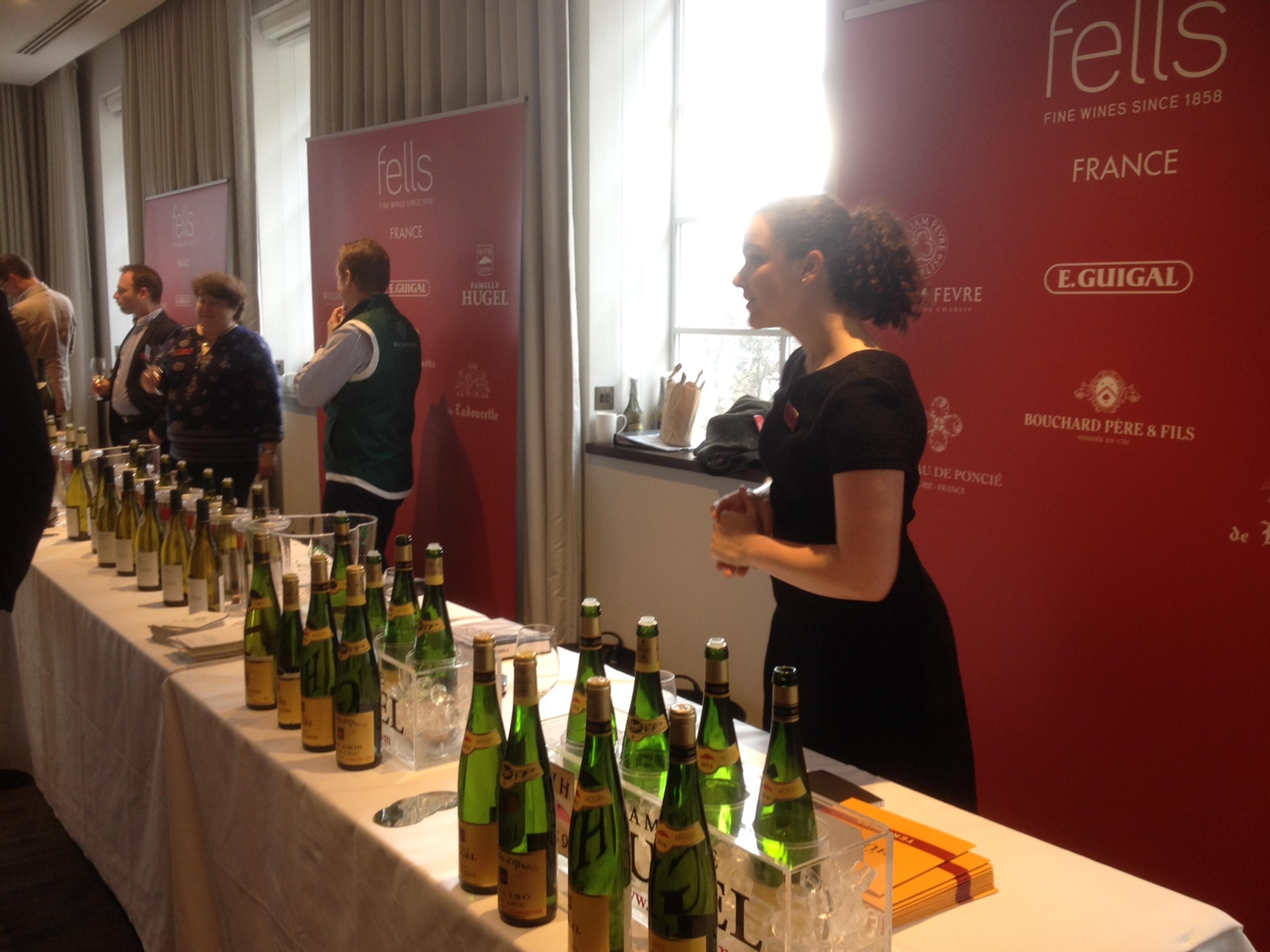
Fells is keen to use major events like its portfolio tastings to listen and act on the needs of its customers
As the pressures mount on hospitality venues, in particular, it is even more important that suppliers find ways to raise their game to be even more efficient, he adds.
Fells has also looked to service its customers better by restructuring its 23-strong sales team, so it has more on the ground support.
It has opened a small central London office on Conduit Street to act as a base for its sales team to meet, liaise and plan visits and manage samples out to venues better. It has also become a useful “hub” to host small tastings and training sessions for sommeliers whenever producers and winemakers are in the city.
“We are being much more effective about the use of our time and also for our customers. It means sommeliers can drop in and do a quick tasting,” adds Mackay.
Under pressure
Fells, like every wine and drinks business in the UK, is still reeling from the fallout from the latest government Budget that saw another inflationary alcohol duty rise to be pushed on to the industry’s collective bottom line.
The impact, he says, will be “dramatic” on an already troubled and under pressure sector.
If there are crumbs of comfort to be had, Mackay says it is at least encouraging to see the government “show some sort of acknowledgement of the challenges that the hospitality world has been under which I think is a tick in the box”. But it does not excuse the government’s decision to “milk our industry for as much as it possibly can”.
There is also clearly a disconnect, he stresses, between drinks industry figures that show overall Treasury revenues decline after each duty increase and the Office of Budget Responsibility (OBR) calculations, on which so much of the political and economic debate relies on, expects revenues from alcohol duties to rise from £12.5 billion in 2024/25 to £14.1bn by 2030/31.
Whatever the true national picture is, Mackay says Fells has a simple calculation for its producers to understand - for every 1% increase in the price of a bottle of wine on the back of a duty rise means a 1% decrease in depletions.
“So put your price up by 4% and you will see a 4% reduction - particularly on the fortified side,” he says.
Challenging and adapting
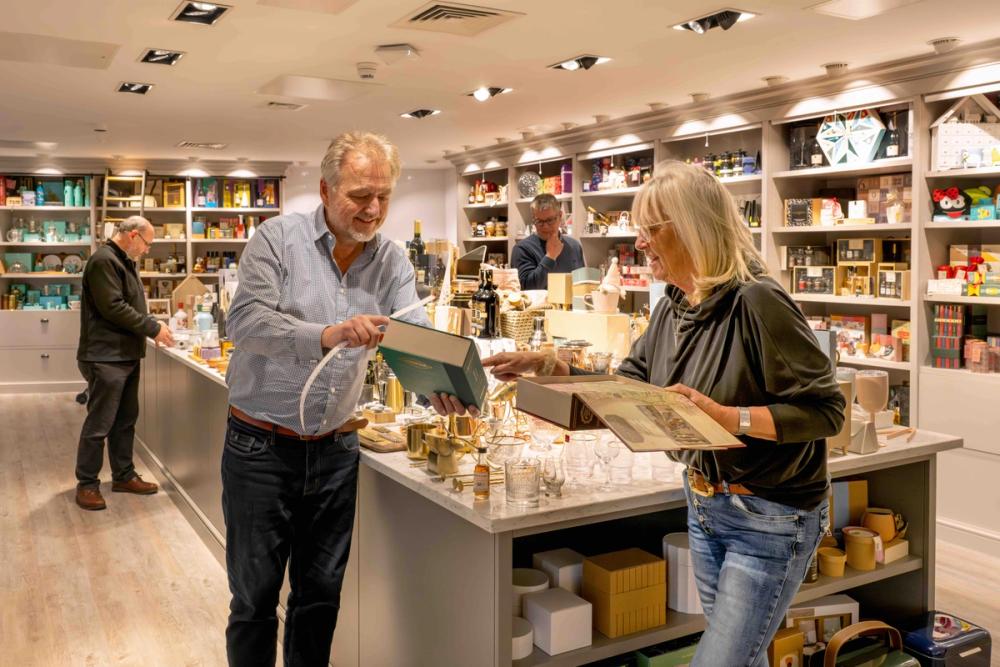
Fells is now a multi-faceted business covering all channels of the trade including a major gifting operation
It’s why it is critical a business like Fells can help its customers “look beyond the crisis,” says MacKay, and “be with you and support you in the best possible way”.
“We’re not that visible about it. We just do it, but the people we do it for recognise it,” he stresses.
It’s what a wine distributor at the top of its game does. To be constantly challenging itself to change, to adapt to the market conditions and the needs of its customers.
“We must keep listening and keep evolving and that’s the secret really. Being agile and doing the things we have to do but do them better. We are realistic of the challenges that everyone in our industry faces, but as long as you are continually challenging yourself and asking the question as to whether it is the right thing to do and can we do it in a better way, then I think we are OK,” he explains.
Which is what Mackay and the Fells team have been committed to and focused on since he first stepped into the managing director role.
* You can find out more about Fells here.
* Fell is a commercial partner to The Buyer.