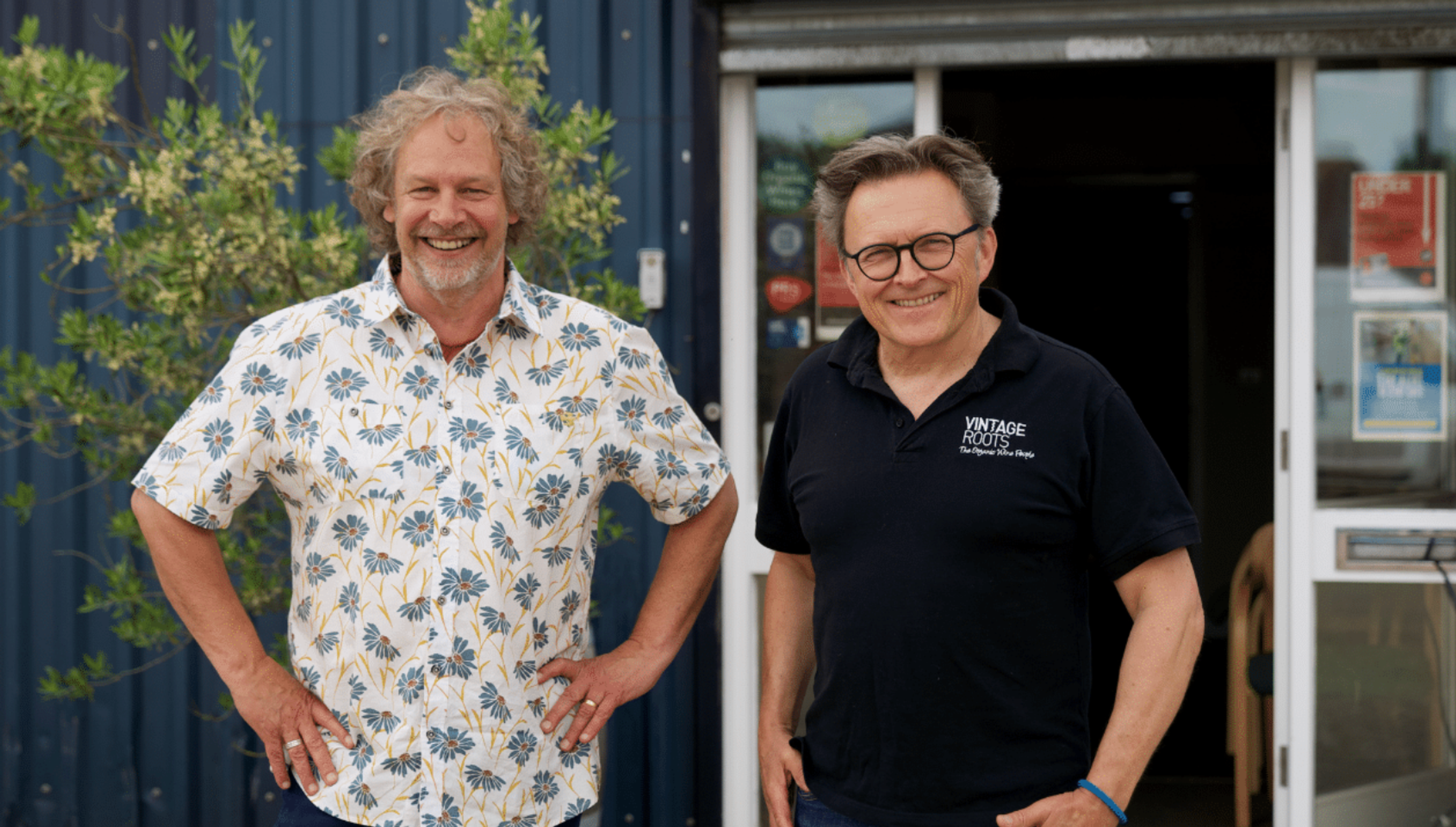

Founded in 1986 by Lance Pigott, Neil Palmer and Peter Greet, the trio started the business with a mere 15 wines listed on a piece of paper, at a time when most consumers didn’t have a clue about organic produce, often asking if the wine was alcoholic - and even whether it was made from carrots. Back in 1986, proposing a wine list made entirely of organic grapes wasn't just a brave business move, but more like commercial madness.
However, undeterred by the naysayers, the team were determined to make a go of things.
“We set out trying to change the way we think about wine in UK,” says Palmer, adding that the business remains the UK’s longest-established 100% organic wine business, dedicated exclusively to certified organic wines and working directly with producers who share its commitment to healthy soils, biodiversity and considered winemaking.

The Vintage Roots founders - Lance Pigott, Neil Palmer and Peter Greet - in their fruit picking days in France
The idea for the business first originated back in their youth, when the trio were travelling through the Loire Valley in a customised bus with a group of friends. Funding their travel by picking grapes and playing gigs along the way, they stayed with a family friend of Greet’s who lived near Tours.
She was already committed to a sustainable, organic lifestyle, and part of an organic co-operative, and introduced the three young men to a group of organic producers.
Back in the UK, and after a wholefood restaurant venture in Reading failed to take-off, they remembered the organic vineyards and producersthey had met, and decided to embark upon an organic wine business, despite having no experience of the sector.
“I suppose our parents’ drunk wine, but that was about it,” laughs Palmer, adding that he studied English wine in his third year as part of his agriculture degree at Reading University.
“Despite being a tiny industry at the time, it was more interesting than pork or milk.”
Brave or daft?
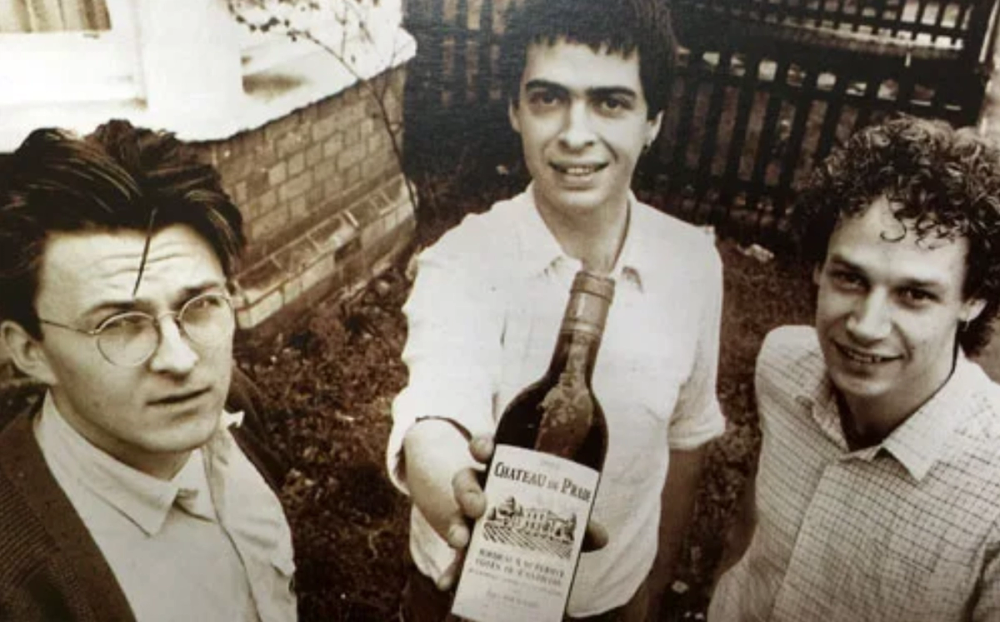
Vintage Roots was founded with the help of a government Enterprise Scheme
Each of the three founders ploughed £2,000 of their own cash into the fledgling business, and returned to France, this time in a Citroën Dyane, visiting organic vineyards and researching producers with the aim of developing a dedicated organic wine business. Driving through the Loire and Bordeaux, they bought 60 cases of organic wines along the way to include in their initial portfolio.
“It made complete sense to us, having met all these producers who were running their own vineyards without the use of chemicals or sprays. We were impressed by their perseverance and dedication, and even back then there were certication bodies in France and Italy, which had far more rural based farm economies. But everyone back home thought we were mad,” says Pigott.
Back in the UK, the business which was founded on pure entrepreneurial grit, was initially operated from the front room of a rented terraced house in East Reading, and Vintage Roots was officially launched in November 1986, backed by the Thatcher government’s Enterprise Scheme, which gave aspiring entrepreneurs the modest sum of £40 a week to support themselves while they established the company.
Their first customers were mainly friends and family, but progress was, by the duo’s own admission, painfully slow.
“The business sold one case in its first week, three in its second and none in its third,” recalls Palmer, who says that at the outset they didn’t really have a coherent strategy of who their target customers were.
But by knocking on doors, cold calling and persuading friends and family to buy some of their wine, they had sold out by Christmas, which according to Pigott “was beyond our wildest expectations”.
In a further boost to the fledgling business, the Soil Association got wind of the new venture and asked Vintage Roots to supply the wine for its New Year Evefunction, which helped further raise awareness.
While they may have sold out of stock, the small business barely made enough money in the early days to pay the founders any kind of a regular salary, other than “just pocket money”.
“But it didn’t really matter and was do-able because we were young free and single and didn’t have kids and families and responsibilities such as mortgages to worry about,” says Pigott. “We just paid ourselves whatever we could afford at the time.”
However, this lack of a secure income prompted Greet to decide to part ways with Pigott and Palmer.
“He decided to bale out as he didn’t see much future in it, so we paid him off in wine and some cash, and he went onto become head buyer at Laithwaites (and then sales director at Luis Felipe Edwards) – there were no hard feelings.”
(Watch Lance Pigott and Neil Palmer tell the story of Vintage Roots...)
Global sourcing
The first wines that Vintage Roots offered its customers were from the Loire and Bordeaux, but today it deals with over 100 global suppliers, some on an exclusive basis, and can offer a range of over 500 organic wines. It imports from between 12 – 15 countries including France, Italy, Spain, Chile, Argentina and Austria, and has dabbled in East European wines including Hungarian and Bulgarian.
“We have worked with the Bulgarians in the past, but to be honest some of the wines didn’t live up to expectations. And we are a small team and we have another 500 or so wines that we need to work with, so there is no point in making life unnecessarily difficult for ourselves by trying to sell a wine we don’t believe in ourselves.”
However, he says never say never, adding; “We are always open to new wines and new cuvees, and there always lots of exciting new wines to try out.”
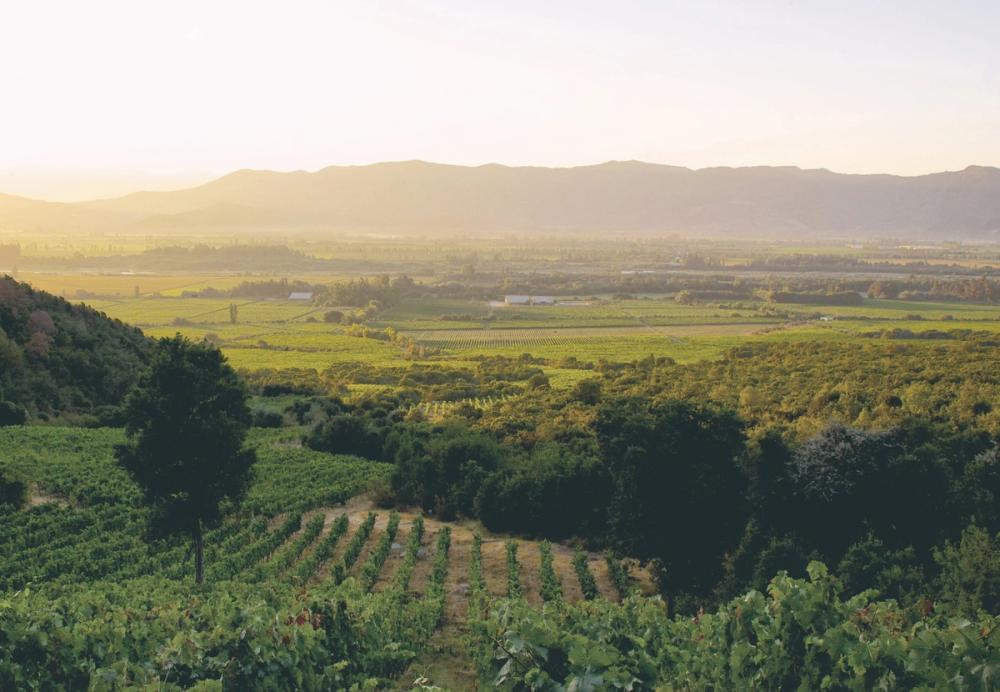
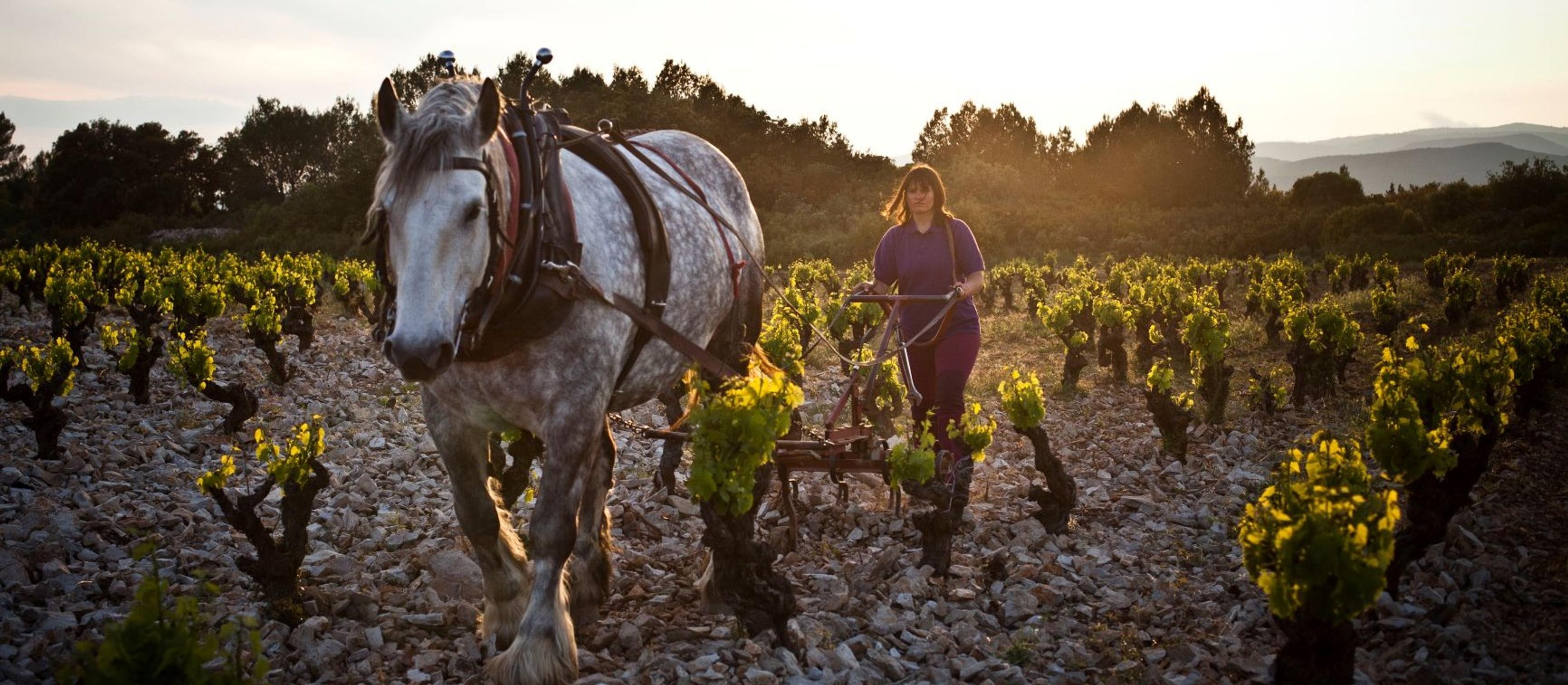
Vintage Roots has helped major organic producers - like Emiliana in Chile - find their place in the UK wine market
From South America Vintage Roots sources heavily from premium high-altitude vineyards in Mendoza, and partners with prominent fair-trade, organic standard-bearers like Emiliana in Chile. And the company sources crisp, organic whites and Pinot Noirs fromestablished organic hotspots in New Zealand including Marlborough, Central Otago as well as from Australia.
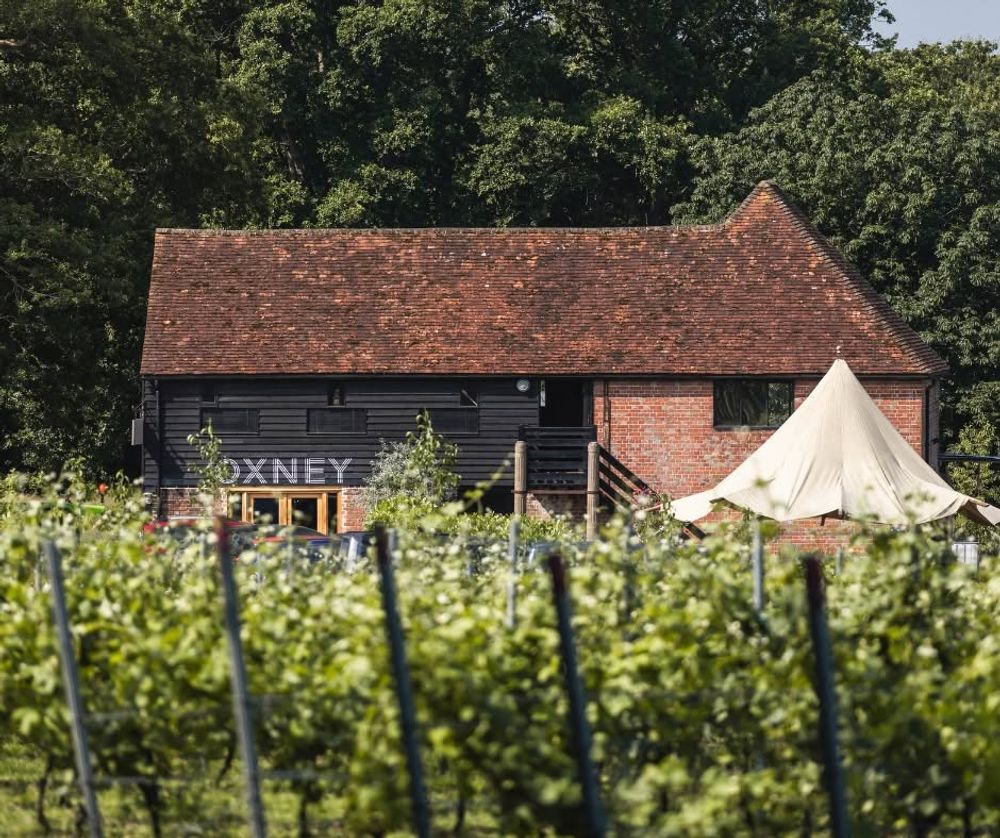
Vintage Roots is now working with organic English wine producers like Oxney in Sussex
In recent years, Vintage Roots has intentionally expanded its support for the booming English wine industry, featuring highly rated traditional-method sparkling wines and aromatic whites sourced from organic vineyards in Surrey and Sussex including Oxney Estate near Rye.
Greater competition
While there are far more organic wines on the market nowadays than when Vintage Roots first set out its stall, Palmer points out that there is also far more competition, with a number of big players all muscling into the organic sector.
“More and more customers are asking for organic, so there are far more wines available now and far more interested consumers. And though the market is much bigger than it was, there still remains a lot of scepticism, with people thinking they are paying through the nose for the wine, or unsure of what they are actually paying for,” says Palmer.
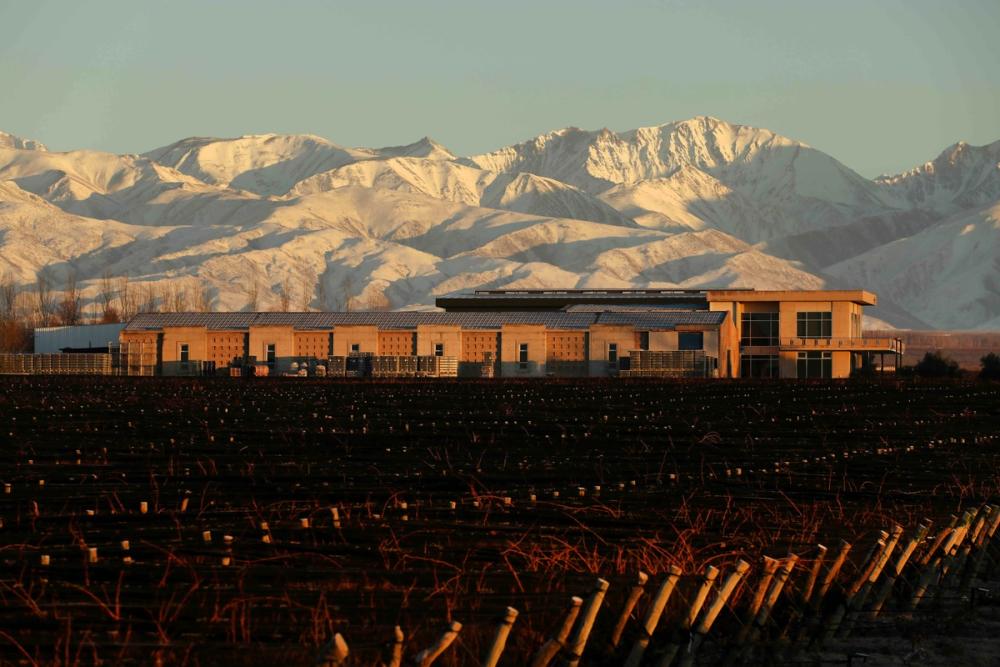
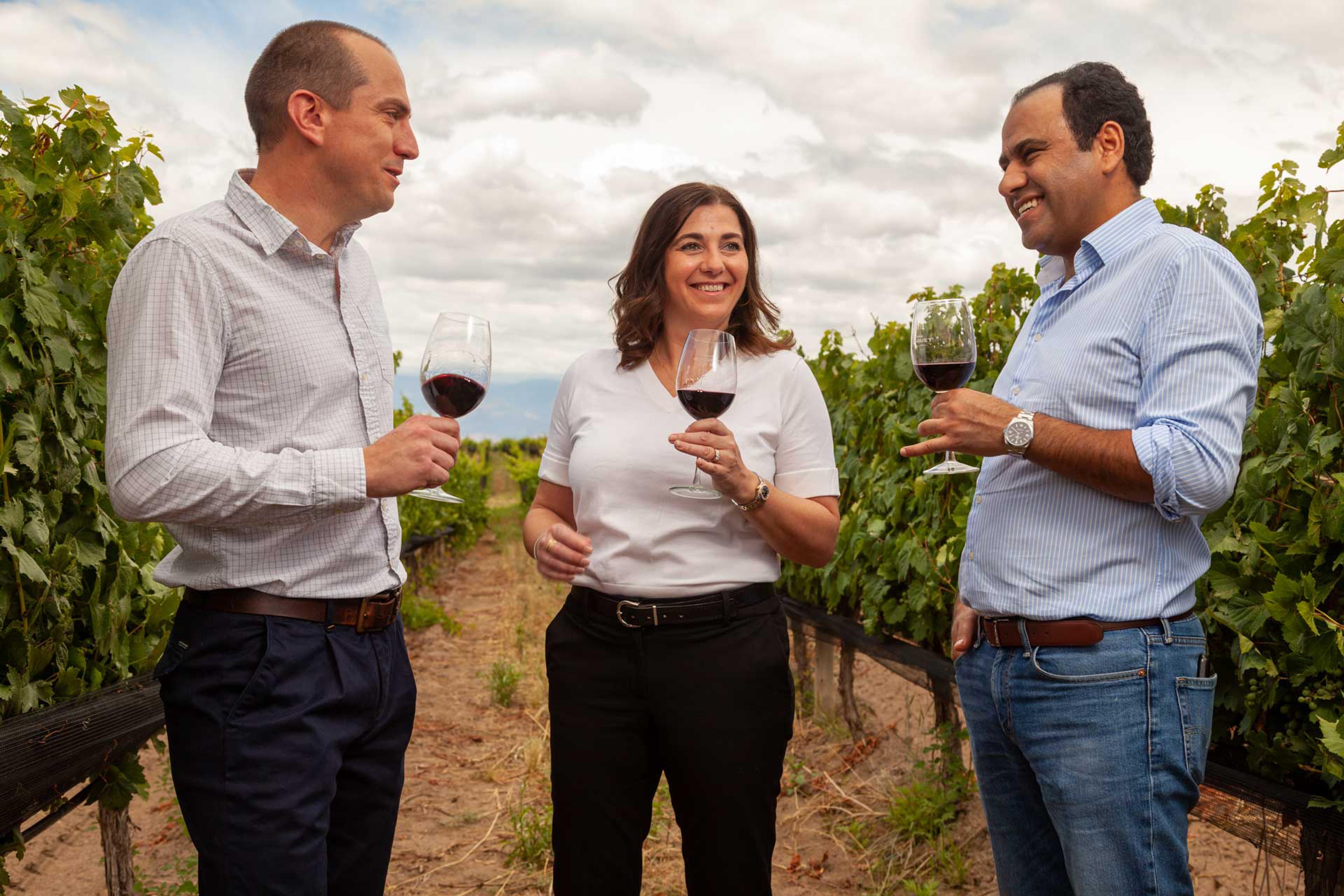
Domaine Bousquet in Argentina is another long standing producer partner for Vintage Roots
He reports a growing interest in no sulphur wines, which he thinks has been driven by health-conscious consumers, while best-selling wines include the reliable stalwarts such as Argentinean Malbec, and Prosecco, as well as wine from the classic regions such as Bordeaux and Burgundy.
The business also sells organic beer, cider and spirits with the vast bulk of its sales directly to the trade, (60% off trade and 40% on-trade),covering the entire UK. Around 12% of their total sales are direct to consumers via their website, but this side of the business is not something they actively promote, focusinginstead on the trade side.
“We can’t compete with the Laithwaites or Virgin Wines of this world, but nor do we want to abandon an existing customer base,” says Pigott. “The on-trade, as has been much reported, is struggling at the moment, and I’m still surprised by how many restaurants don’t have an organic wine on their lists. But they don’t want to take many risks as it’s such a tricky time for them – everyone is having a rough time out there, and the off trade is an easier way for us to sell our products.”
Challenging times
Today Vintage Roots, like most in the wine sector, has been facing challenging times, and taken a bit of a hit financially. Prior to Covid they were turning over around £6m annually, but this has since dipped to just over £5m, though holding steady at that figure.
But the company has just taken on a sales manager for the north of England, a newly created post to boost sales in that part of the country.
“We are feeling very positive about that, and have high hopes that she’s going to prove a big boost for the business and good for the team,” says Palmer.
Four decades after its humble beginnings, the UK wine scene is very different from when Vintage Roots was born. Organic, natural, low-sulphur, vegan, and biodynamic wines are no longer hidden in the back corners of specialty shops gathering dust.
Having been in the trade for decades, Palmer and Pigott have witnessed for themselves the shifting change in attitudes towards the whole organic movement, with awareness growing steadily over the past 40 years.
“There is certainly a far better understanding of what organic means – when we started out people simply didn’t have a clue what we were talking about. Nowadays it’s all much more mainstream, even though there is still confusion between natural wine, organic and biodynamics.
“While everyone thinks it’s mainly the younger demographic who are into organics, and this demographic are undoubtedly very interested in sustainability, the fact is that younger people just aren’t drinking a lot of wine and secondly, it’s the middle aged plus age group who have the money to spend on it,” points out Pigott. “However, growing awareness of the organic food movement has certainly helped the organic wine sector.”
Reasons to be cheerful
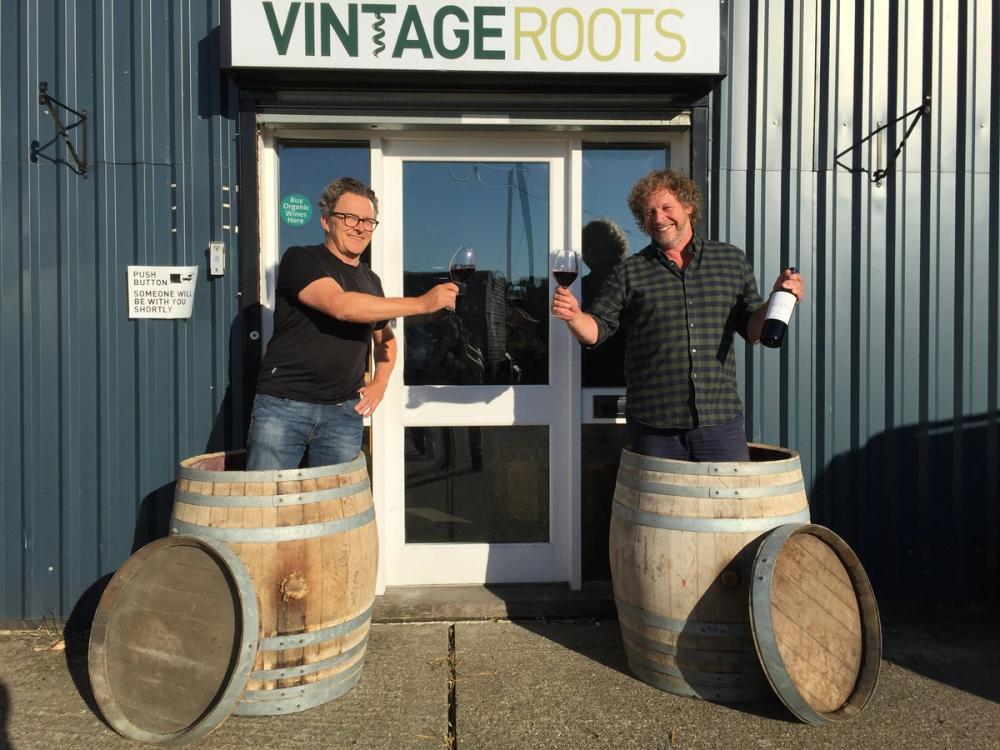
Roll out the barrel for Vintage Roots' Neil Palmer and Lance Pigott
So what do the partners attribute their longevity, in what is such a highly competitive business?
“If you look back over this time, neither of us are super ambitious, and we have just continued plugging away and stayed the course, and here we are still operating 40 years on,” says Palmer.
“We’ve seen other businesses that have grown very quickly, but that was never our strategy, and we are still not a huge business, with only 15 people. We are very much hands-on and not just sitting in an office behind a desk. We are there every day loading up the vans, and it’s nice to still be so involved.”
He believes Vintage Roots has built its success on growing the business slowly but surely, denying they have plans to grow much bigger, adding: “Like everyone we need more sales, as you lose customers as fast as you gain them. Hopefully that’s where our new sales manager will help!”
“We are 100% certified organic business and we go the extra mile. We like to think certification is a valid way forward, as there are still a lot of misunderstanding out there about what organic is.”
What makes Vintage Roots stand out from its competitors some of whom simply jumped on the eco-friendly bandwagon is its holistic approach to sustainability, claim Pigott and Palmer. It was never enough for just the wine to be green—the entire business had to match up.
B Corp status
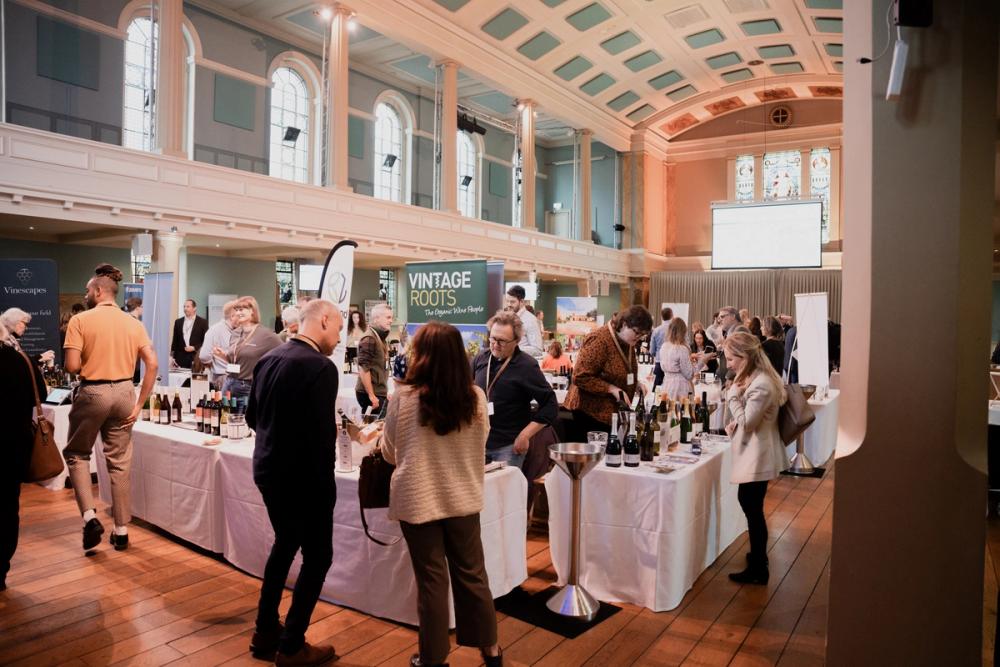
Vintage Roots at last year's Sustainability in Drinks event
And so in 2007, they became the first UK wine merchant to commission a comprehensive carbon-footprint analysis, subsequently offsetting all trade, freight, and business travel emissions. In 2024 the business became B Corp registered and today operates with a highly coveted B Corp Certification, boasting a stellar impact score of 90.1 Outstripping the corporate average of 50.9.
But this isn’t something which was achievedwithout considerable effort, with Piggot describing it as a “lengthy process, which we didn’t undertake lightly, but it’s quite multi layered, and a steep learning curve”.
He adds: “We had a nagging feeling that it was something we should be doing, as we have always run our business along ethical lines. But it was quite a lot of work. We are only two years in, so we think it’s worth it and the number of B corp business in the UK is growing very quickly. The symbol is becoming quite a lot more recognised by consumers, which is a good thing.”
As to the future, Palmer says it’s all about “just pushing forward, trying to find new customers for our products and consolidating our existing customer base. We may be in our mid-60’s now and are passing on more of the responsibility to the rest of the team, but we are not walking away, as we still enjoy the business and working with our suppliers.”
Vintage Roots Tasting: Celebrating 40 years
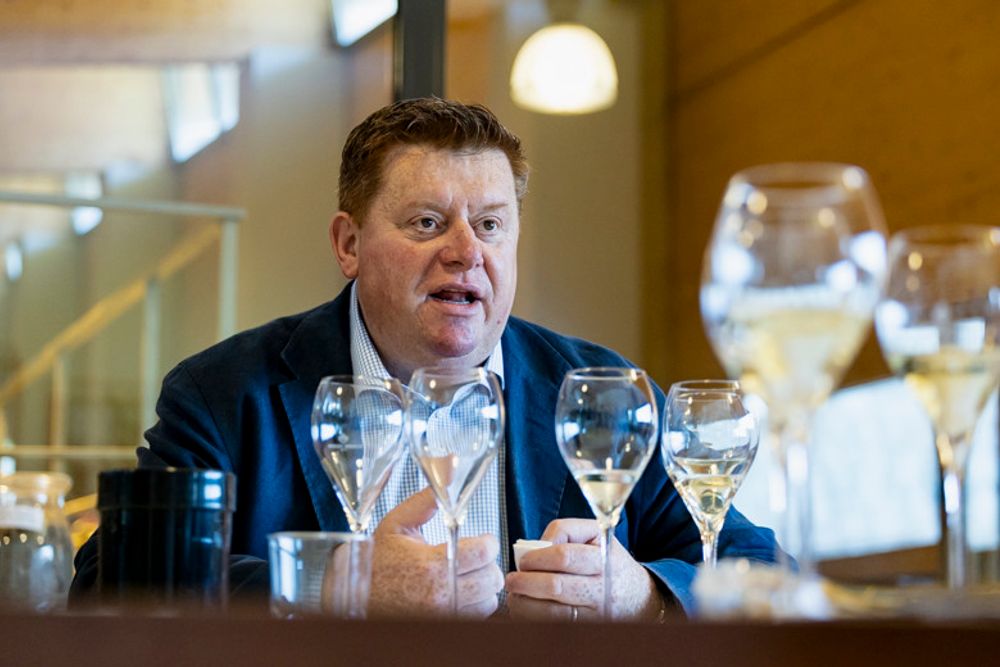
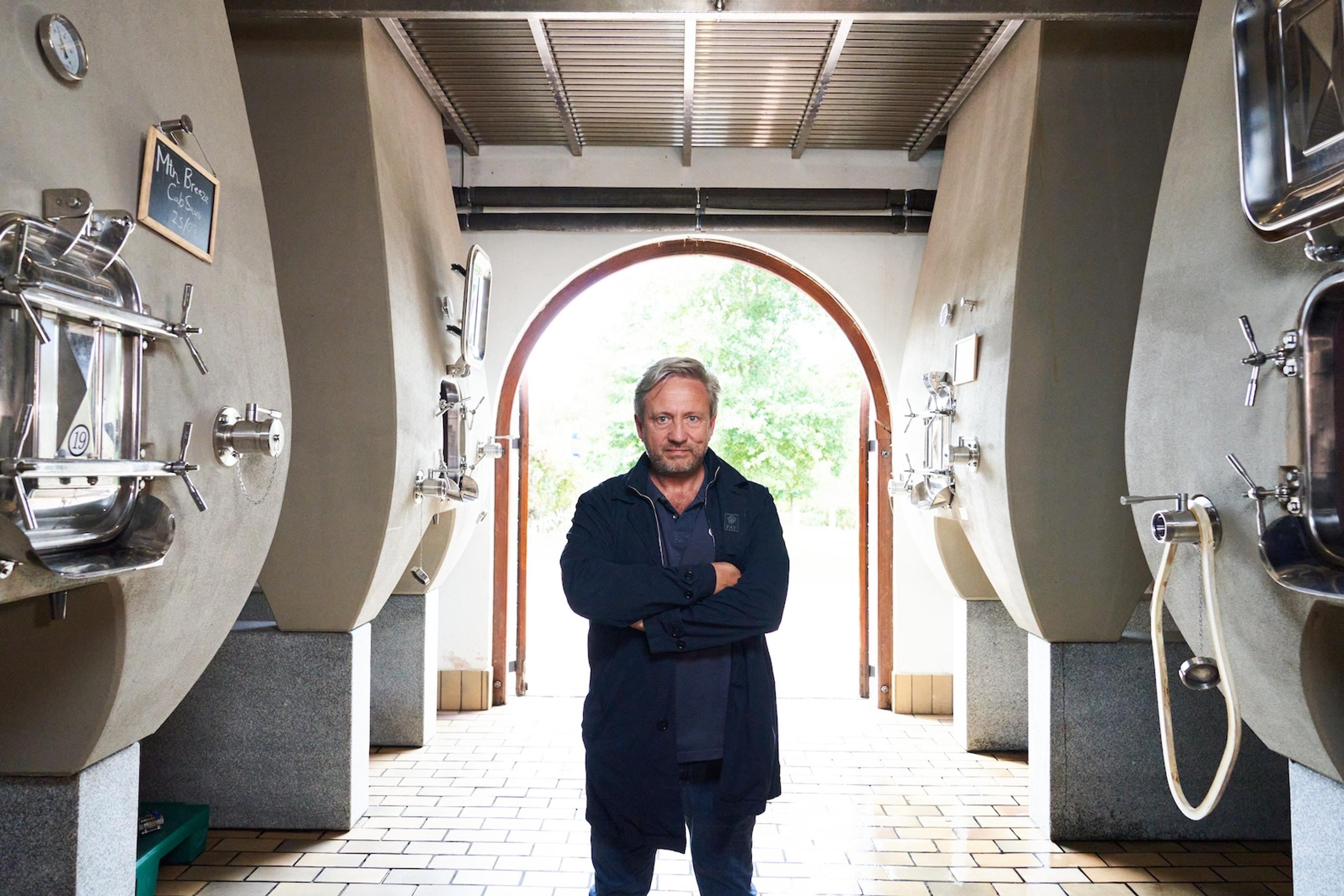
Silvano Brescianini, chief executive and winemaker at Barone Pizzini will present a masterclass on Vintage Roots 40th anniversary tasting
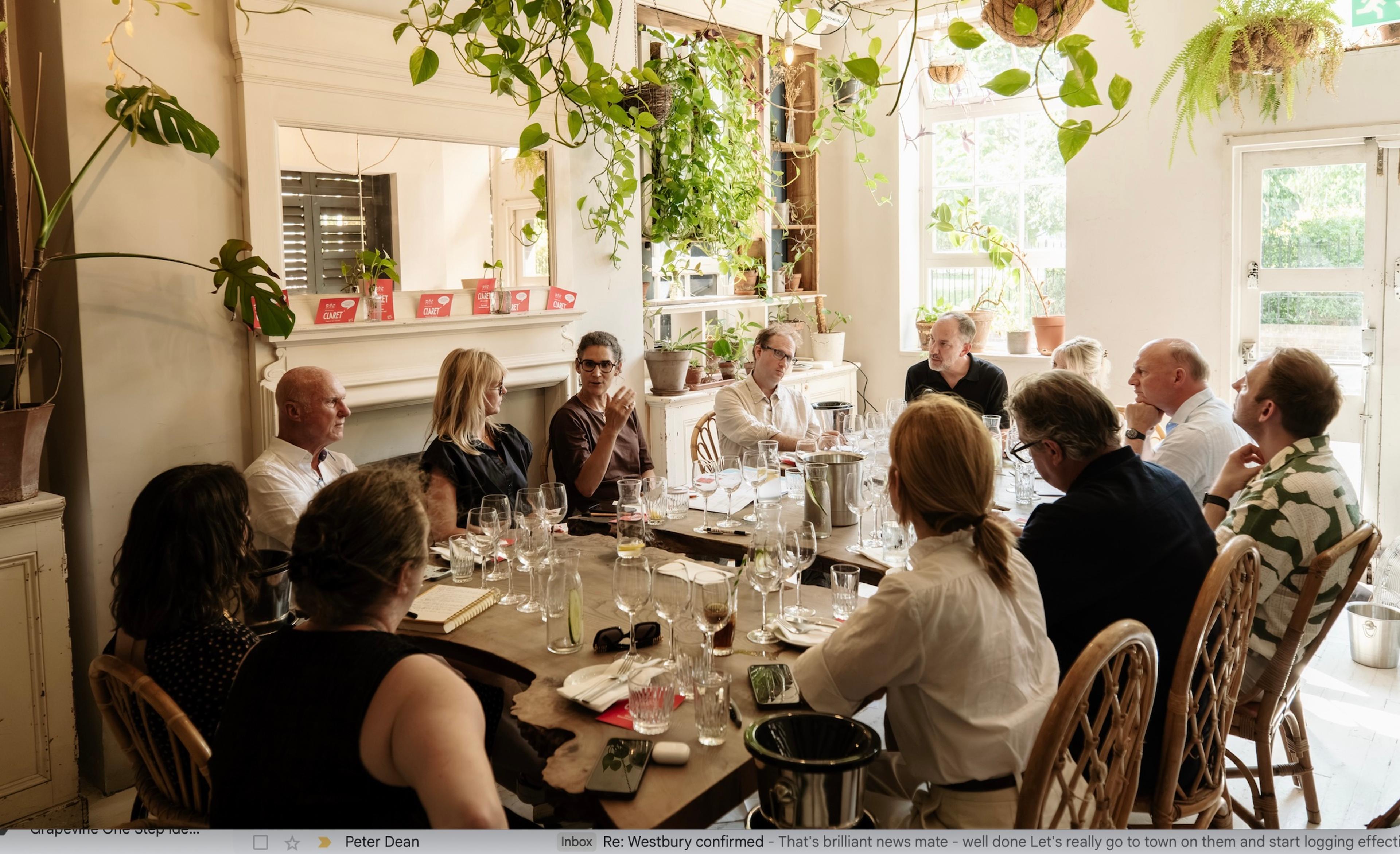
So how will the team be celebrating its 40th anniversary? A trade and press tasting is being held on September 28 where over 150 organic and biodynamic producers will be showing their wines, along with a variety of tutored tastings and masterclasses.

Jean-Sébastien Fleury of Champagne Fleury will host a vertical tasting at the Vintage Roots tasting
These include a rare vertical tasting of Sonata from Champagne Fleury, the first Champagne house to convert to biodynamic farming, hosted by current owner and winemaker Jean-Sébastien Fleury.
Other highlights include Silvano Brescianini, chief executive and winemaker at Barone Pizzini heading up a tasting to explore the diversity of three organically and biodynamically farmed Italian estates. As well as Barone Pizzini’s pioneering Franciacorta wines, the tasting will feature wines from the Marche including Verdicchios and reds from the Maremma.

Werner Michlits, the co-owner of the Meinklang family, will present a masterclass on biodynamics at the Vintage Roots tasting on September 28
And from Austria, Werner Michlits, the co-owner of the Meinklang family farm will host the final masterclass which will explore how holistic faming and biodynamics can help create healthier soils, more expressive wines.
The 40th Vintage Roots trade and press tasting will be held on September 28, 10.30am- 5pm at the Royal Society of Chemistry, Burlington House, Picadilly, London, W1J OBA. You can find out more and register here.
Later in the year Vintage Roots will be raising its glasses to another 40 years at its regular festive tasting on November 28. Details to be released.
To find out more about Vintage Roots click here.