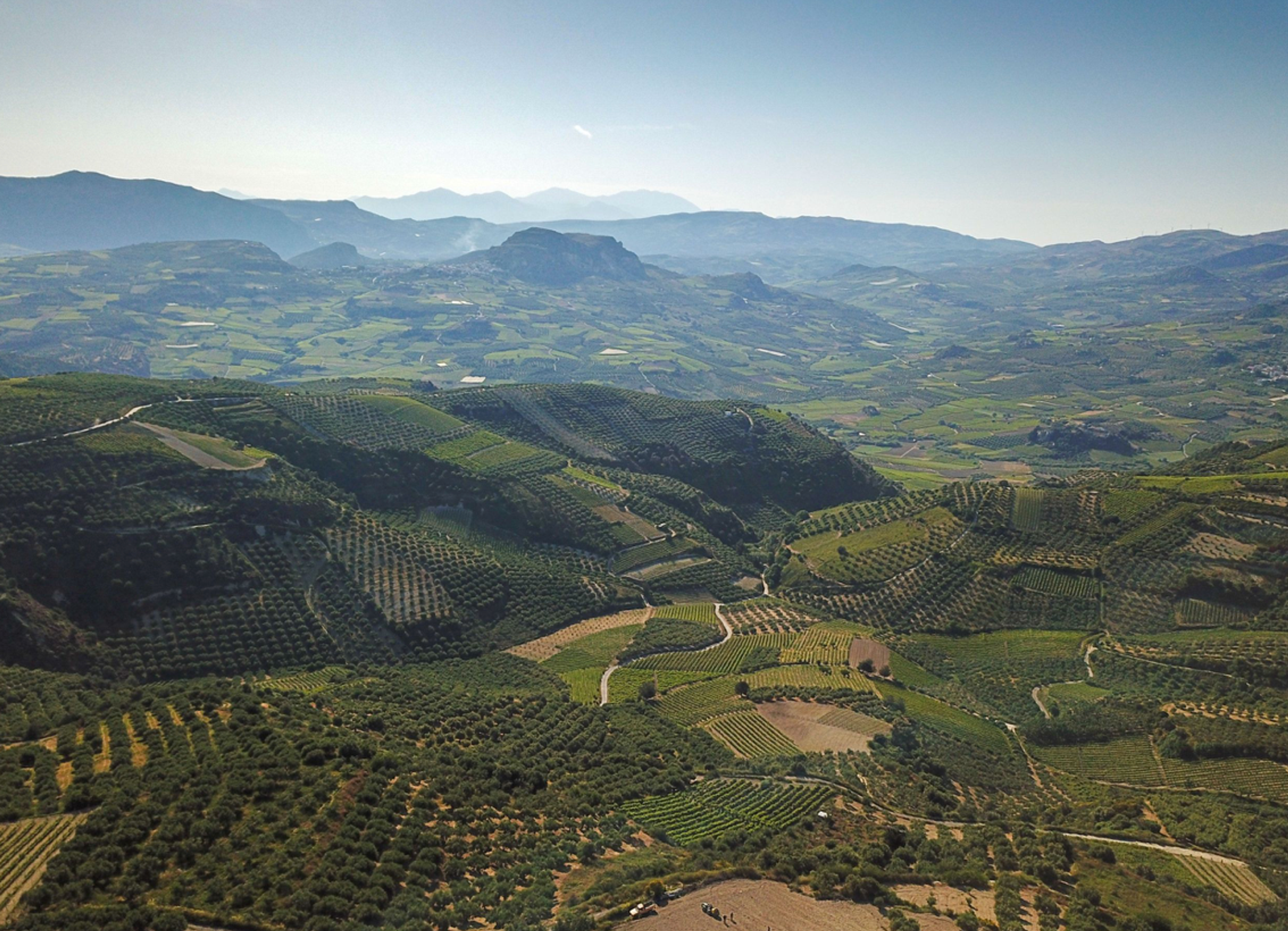
According to Wines of Crete, viticulture has stretched back some 4,000 years with archaeological evidence of Minoan winemaking dating to around 1600 BC and a wine press uncovered at Vathpetro, estimated at 3,500 years old.
In the medieval period, wine was exported from the port of Candia (which is now the modern Heraklion) and traded across Europe. It largely though lost its way through history (eg the Ottoman conquest) and an outbreak in the more recent early 1970s with phylloxera.
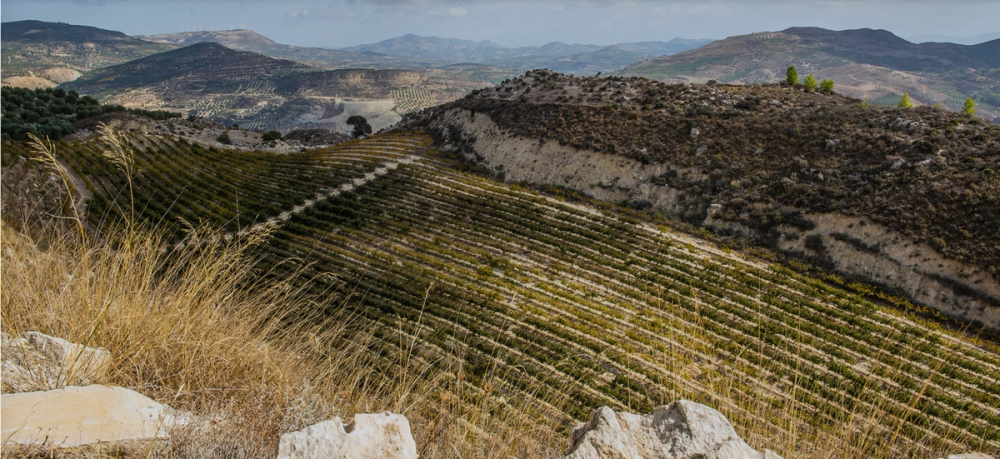
Andrew Lofthouse makes the case for Crete and for its wines that are embedded in thousands of years of history
Fast forward and many of today’s Cretan winemakers point towards the early 2000s when winemakers reinvested in the industry and returning to indigenous grapes rather than chasing international varietal development. Cretan varietals now cover 11 different varietals across the seven PDOs and PGI zones which include the zones of Peza, Archanes, Dafnes and Sitia.
Under the radar
So why are Crete wines so under the radar? It’s a composite of several reasons, most notably the reputation lag. Let’s face it, reputation plays a lot into consumer’s minds especially in the drinks industry. Associations of the phylloxera years and the view that Crete isn’t known as a wine island has hampered its success.
This coupled with the view that the island is large and wineries are fragmented with the bulk of the wineries being family led establishments versus large exporters.
Like a number of European regions, Cretan’s grapes are largely unknown. How many would know the likes of Vidiano, Vilana, Kotsifali, Liatiko, Thrapsathiri, Mandilari, Dafni and Plyto? Comparing that to the far more famous Assyrtiko of Santorini fame (yet Crete actually makes great Assrytiko’s too now).
The result is a wine region with real historical depth, distinctive grape varietals suited to the Cretan cuisine and a rapidly improving quality that consumers need to stand up and take note of – this is a region on the move.
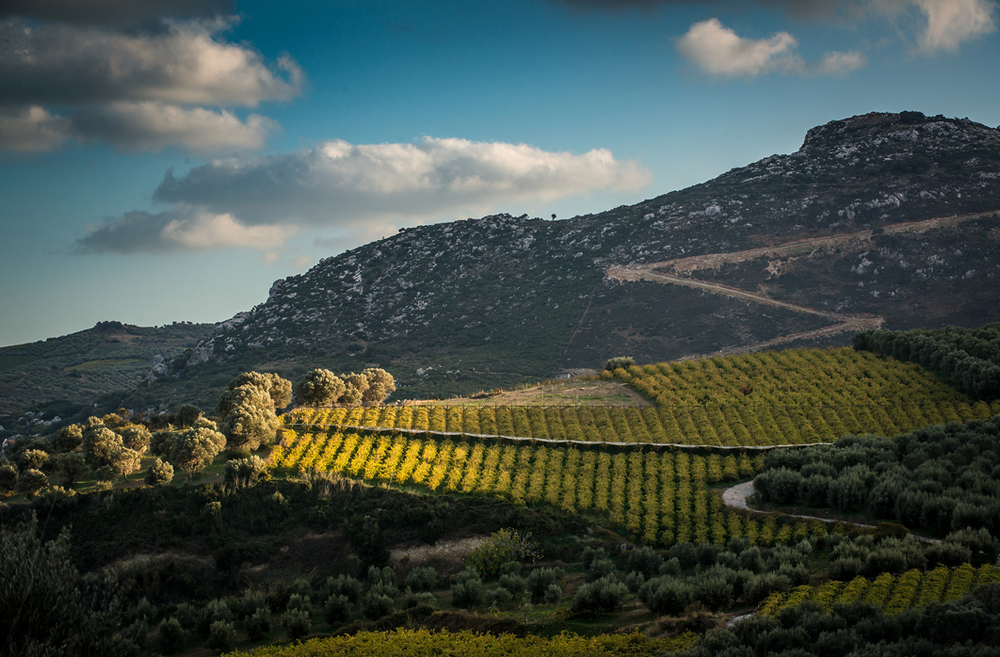
Crete lies sitting in plain sight when it comes to the quality of its wines says Andrew Lofthouse
Crete’s white wines in particular are well known for their natural acidity, working brilliantly with the fish and seafood diet.
Vilana, the most widely planted white grape, is typically light, lemon-scented and food friendly, whilst my favourite, that of Vidiano - often described as Crete’s rising star - offers a richer, apricot-scented alternative with some real ageing potential.
On the red side, Kotsifali is a soft and plum-fragrant, Cretan delight which could be likened to a Merlot. Liatiko has the breadth of being able to be a delicate, elegant dry red to a traditional sun dried sweet wine.
The appellation system gives structure with the island having four PDO zones for red wine: Peza and Archanes (built off Kotsifali and Mandilari); Dafnes (exclusively Liatiko); and Sitia (based on Liatiko and Mandilari).
Alongside the broder PGI Crete labelling that allows producers to blend local and international varietals more freely.
Estates worth knowing
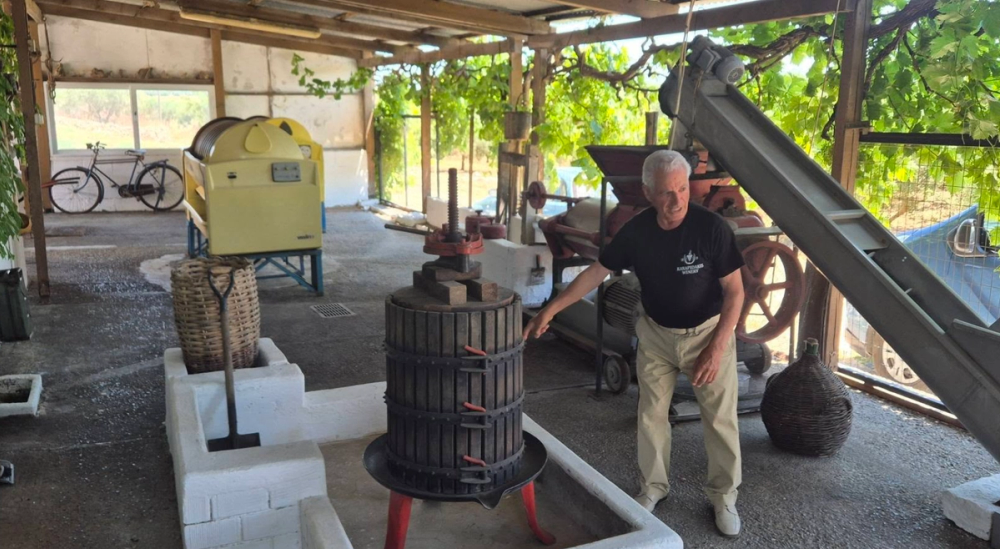
The Karapidakis family
Established in 1980 as a distillery for Raki on a very small scale without any electricity to start with. Fast forwarded to 1995 it became a hotbed for local grape producers to head over to the winery to request wine to be made on their behalf.
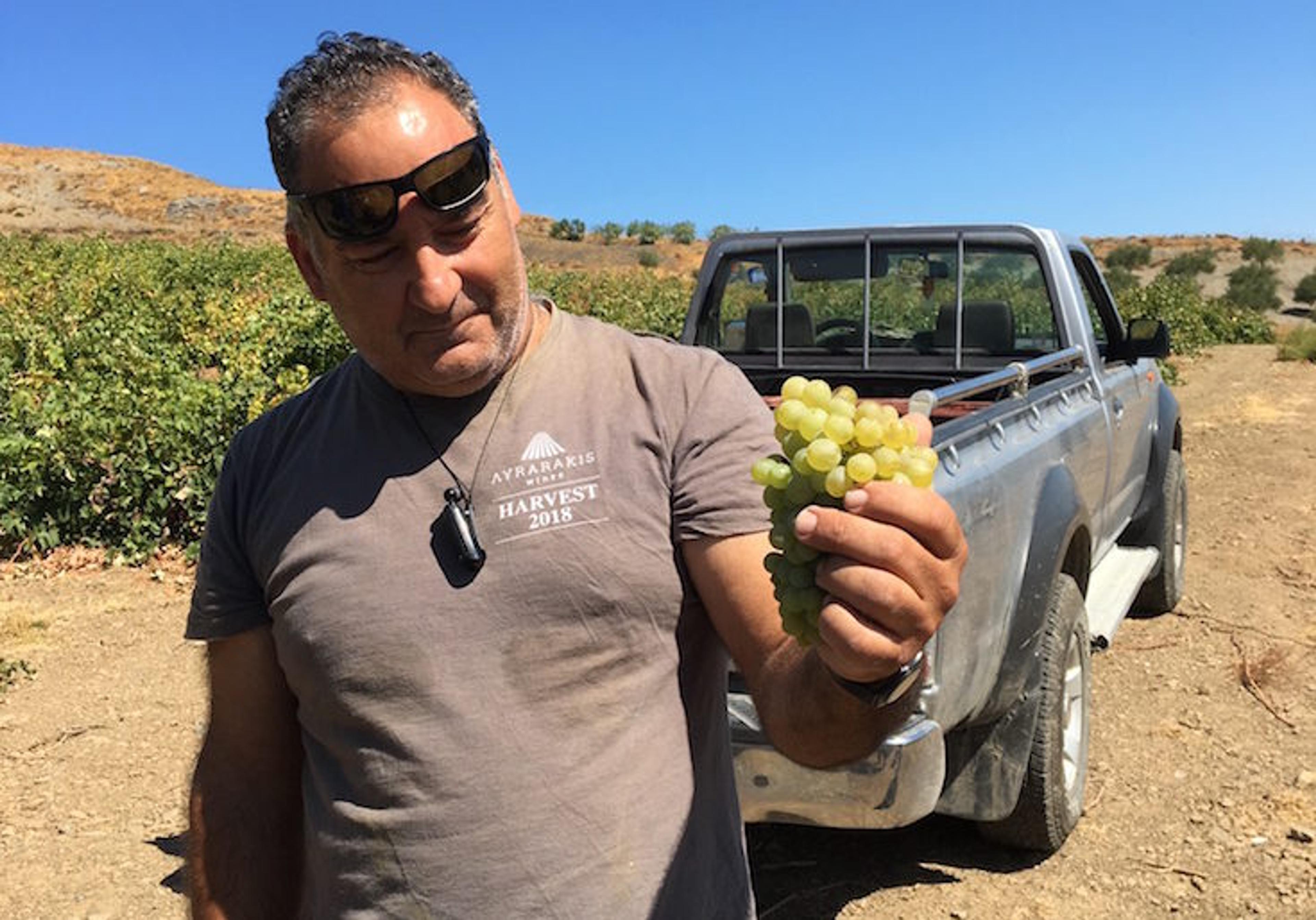
Today, it processes around 60-70 tonnes of grapes for the region, with 10 of that being their own.
Six varietals are grown here, which are based around indigenous grape varietals such as Muscat de Spina, Vidiano and Kotsifali as well as the more internationally renowned Syrah too.
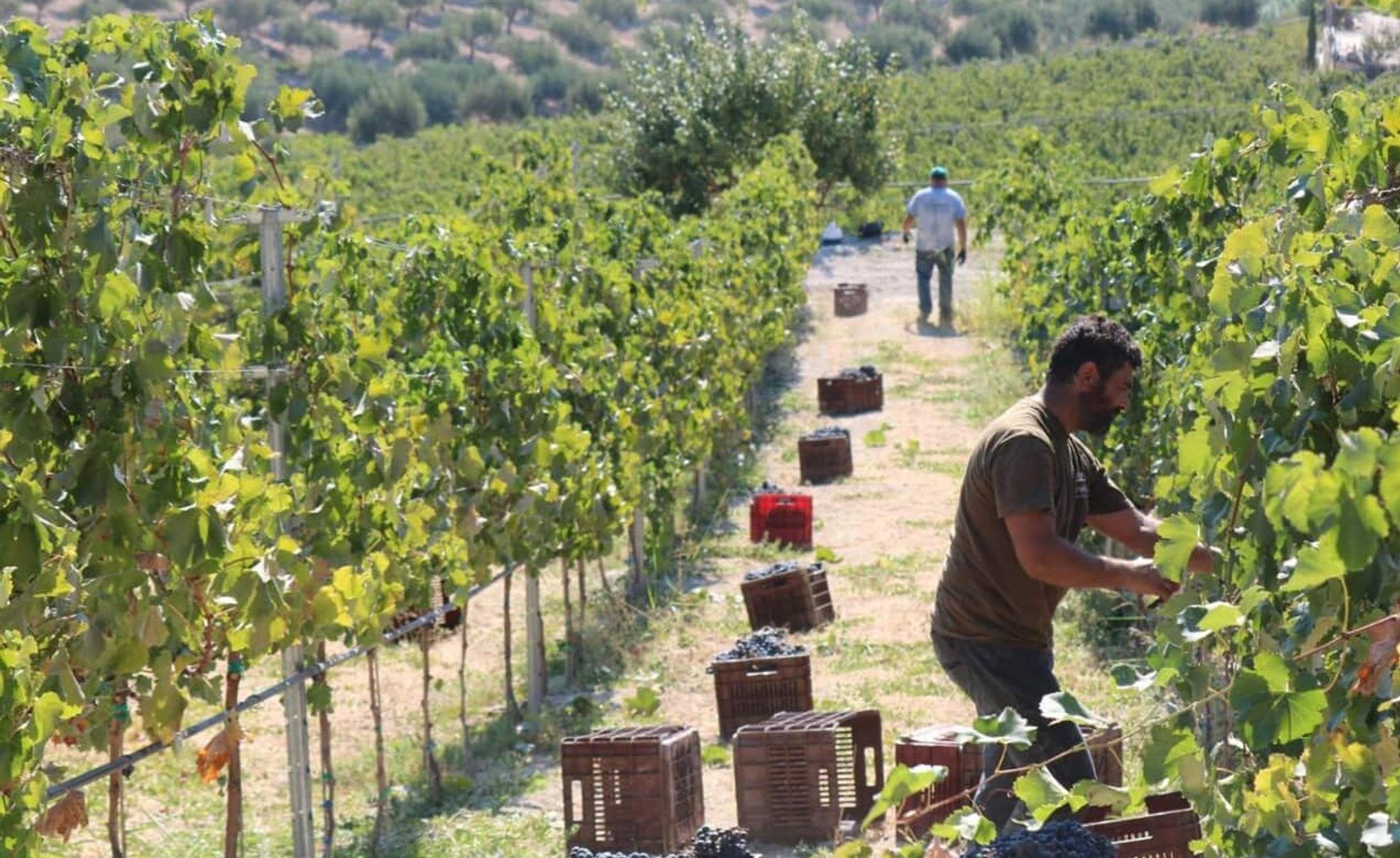
This year’s harvest followed a wet winter and the lack of extreme range in temperatures in the summer.
It is now open to the public and has become a hub for the local community and fellow family winemakers. It makes exceptional wines that live up to the age and heritage of its vineyards - with some rocks around the vineyard that are some 7,000 years old.
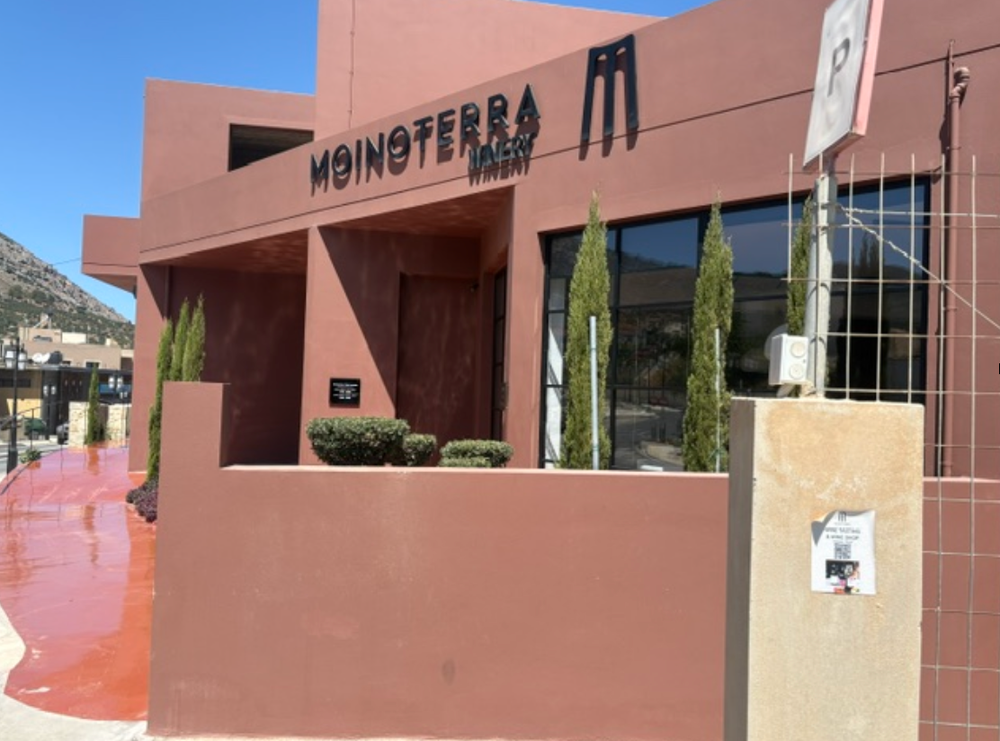
Founded in 2022 in Archanes (in the Heraklion region), close to the ancient place of Knossos, the winery’s name a nod to King Minos and the Greek word for wine, a link to the Minoan winemaking origins.
The vineyards sit at 450-600 metres above sea level, on poor, sloping sand-clay soils around Vathypetro, beneath the slopes of Mount Yuchtas. Minimal intervention and organic cultivation are central to the methodology with a focus on showcasing indigenous varietals: its Archanes PDO red blends Kotsifali and Mandilari and white bottlings working supremely well with Vilana and the rare Muscat of Spina.
Moinoterra has received international acclaim with Robert Parker scoring its wines highly for its ability to capture freshness in the wines and it is not too dissimilar in style to Burgundy.
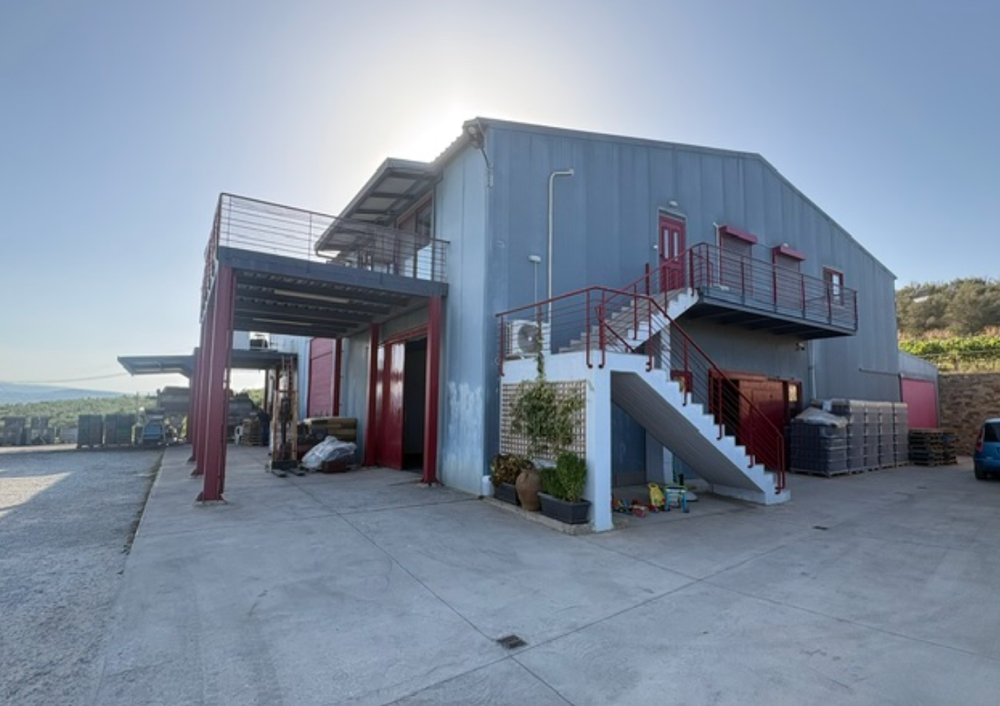
The new winery at Klaus
Founded in 1997 by Manolis Klados, a qualified chemist-oenologist, near Panormo in the Rethymno region. What began as a small operation on the outskirts of Rethymno at just 20,000 litres a year. The business though grew and by 2007 it relocated to its now modern facility near Palermo, which is surrounded by plantings of Vidiano, the white varietal best known as being grown in the Rethymno region – which was the first place in Greece to be named a European City of Wine in 2018.
Alongside Vidiano, Klados works with local red varietals such as Kotsifali and Liatiko alongside the more well known Cabernet Sauvignon, Merlot and Syrah internationally.
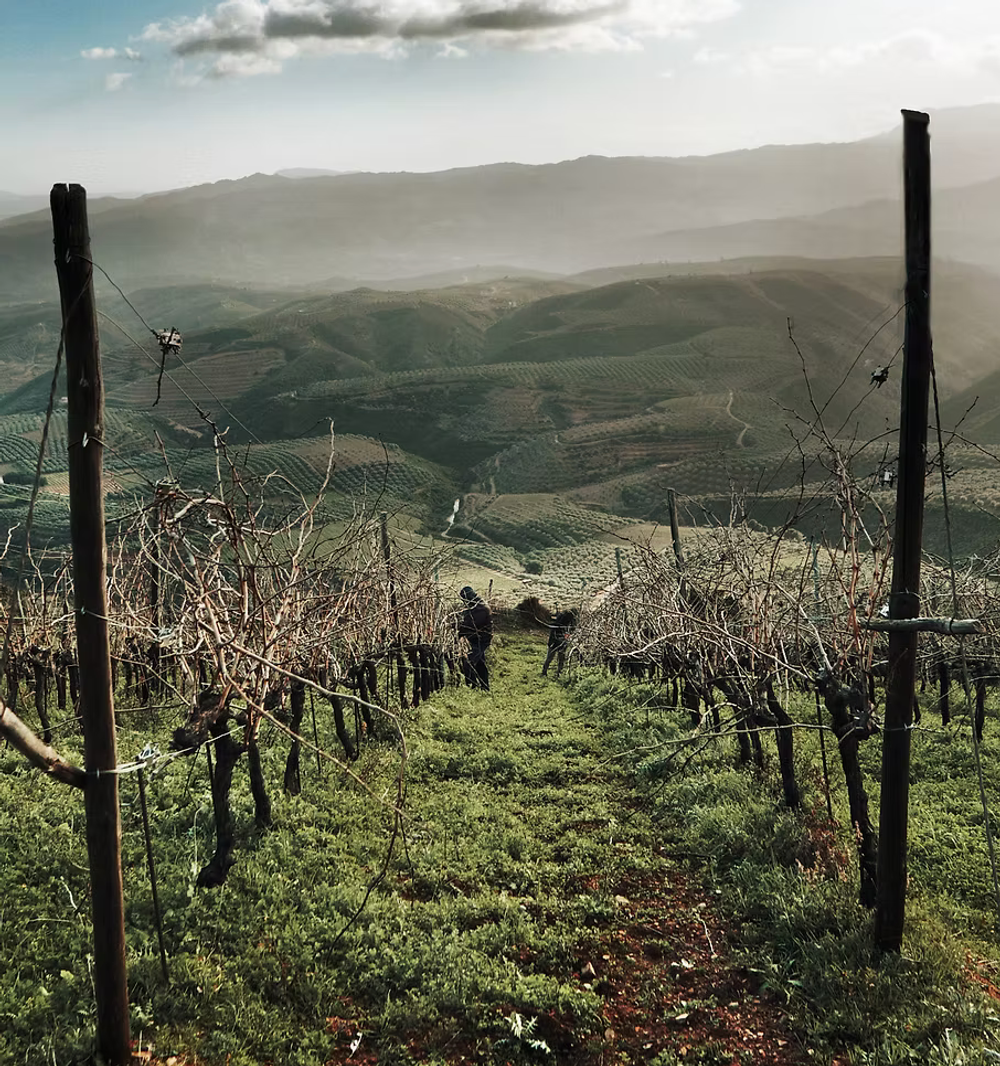
Nostos Wines in the Chania region tells a different story, founded by Ted Manousakis, who returned to the family’s homelands in the early 1990s after decades away. The winery has a stunning backdrop of the Lefka Ori (White Mountains) foothills, filled with wild herb scented aromas in the air, some 350-600 metres above sea level.
Here vines were planted with Syrah, Grenache, Mourvedre and Roussanne from 1993 onwards, and has been organically farmed from outset. It has also pursued indigenous varietals including Vidiano, Muscat of Spina, Romeiko and Assyrtiko.
The winery’s name ‘Nostos’ comes from the Greek word for yearning to return home, a reflection of Ted’s own return.
Manousakis is where I first learnt of the special nature of Cretan wines – so much so, that I sent back cases of the Nostros Syrah and Alexandra’s blend – which are now represented in the UK too.
Other vineyards to watch
Lyrarakis Wines in the Heraklion region, founded way back in 1966 by brothers Manolis and Sotiris Lyrarakis, but bottling under its own name from 1992 can be seen as one of the first to fight for the revival of indigenous varietals.
In the early 1990s the family began replanting Dafni and Plyto and in 2010 a little known, Melissaki.Today, the family’s estate sits at around 550 metres above sea level on limestone and gravel soils where they also grow Vilana, Vidiano, Thrapsathiri, Muscat of Spina and Assyrtiko for whites, alongside Kotsifali, Mandilari and international reds.
The ‘Treasures of Crete’ range built specifically around Dafni, Plyto and the single varietal Mandilari red.
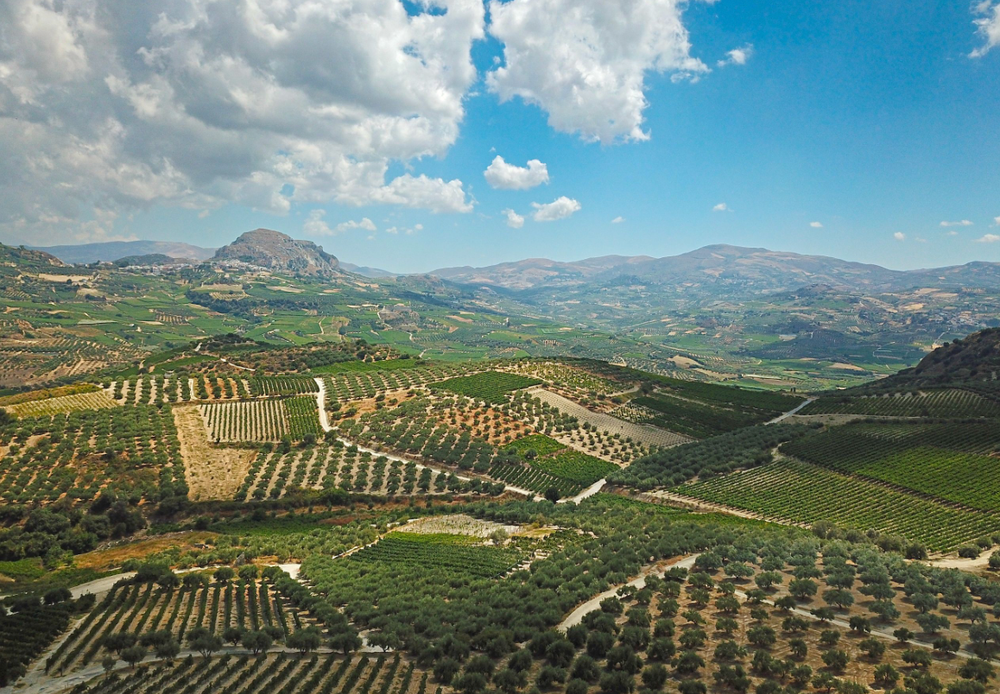
The vineyards and scenery around Douloufakis Winery
Douloufakis Winery, based in the village of Dafnes, which gives its name to one of the four PDOs, is a third generation family estate with roots back to the 1930s when they first produced wine for local consumption only.
The grandson, Nikos trained in Alba, Italy took over the reins and modernised the vineyards and the winery including organic, chemical-free farming across 10 hectares of hillside vineyards situated at 350 metres.
Dafnes PDO must be 100% Liatiko, Douloufakis seen by many as the benchmark of the varietal, as well as the highly regarded single-vineyard Vidiano called ‘Aspros Lagos’. Nikos is also reviving the varietal Tachtas too, which was near extinction.
Toplou Monastery Winery based at the far eastern tip of the island near Sitia in the Lasithi region is one of the most remote Cretan areas for winemaking. The monastery itself is a 14th century Greek Orthodox monastery that has combined religious life with wine, olive oil and tsikoudia (local grape spirit) production for centuries.
Another vineyard that is certified organic aided by the hot, arid wind-exposed terrior, including the whites of Thrapsathiri and Vilana alongside Assyrtiko and reds built from Liatiko (notably a sweet wine version).
A region yet to explode
Taken together, these vineyards depict something truly magical, with a blend of history, religion and winemaking skill. Family businesses now modernising, minimal intervention projects built around the unique terroir rather than following the international trend pattern to deliver something truly original.
Crete isn’t an ‘emerging’ wine region in many senses of the word, it’s arguably where European winemaking began and now it’s time for consumer awareness to follow.