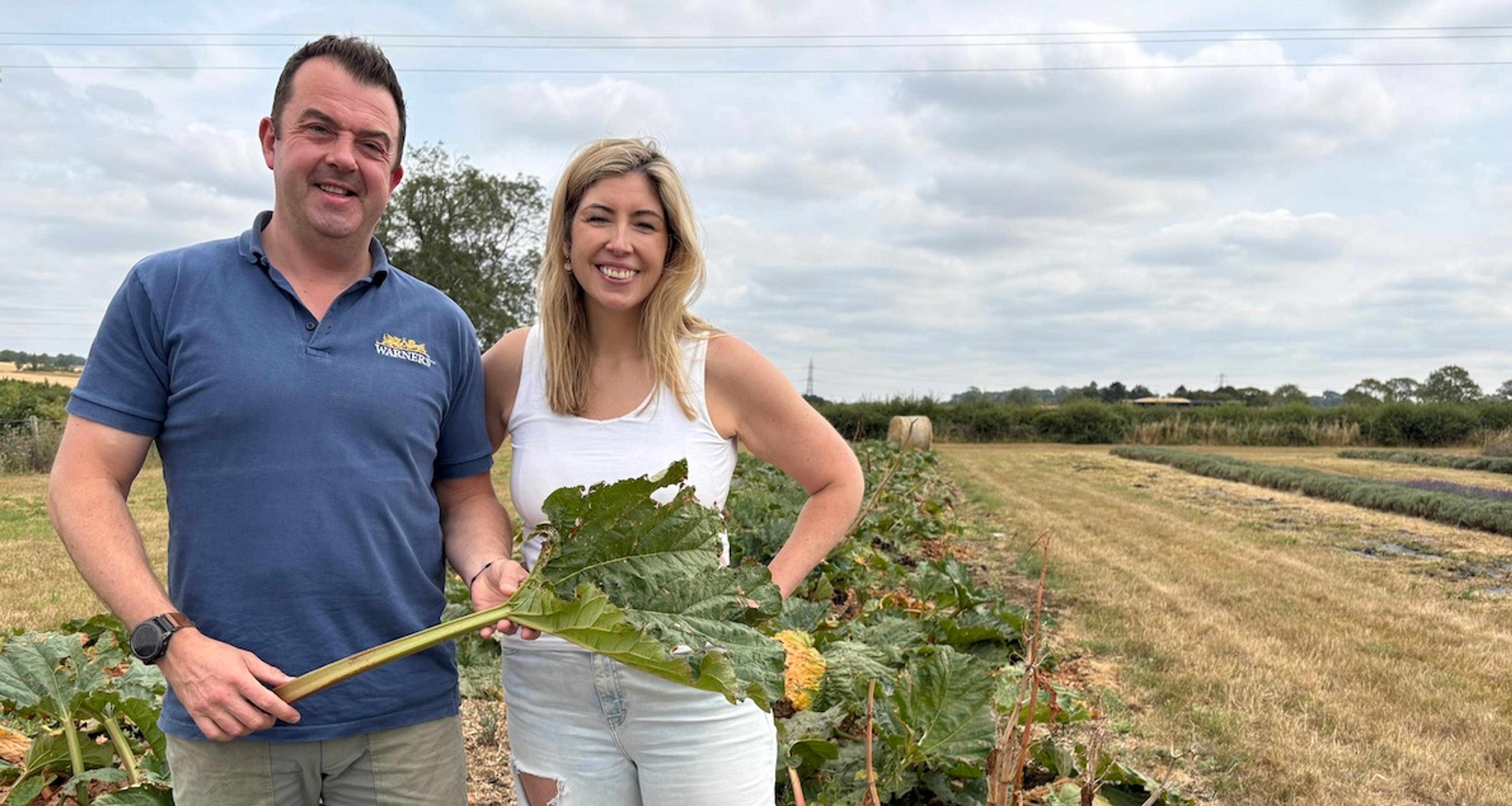

As much terroir-based as any wine producer, husband and wife team Tina Warner-Keogh and Tom Warner proudly show their farm distillery and latest botanical flavoured gins and zero-alcohol innovations. “From farm to glass is our motto,” they explain.
This niche has successfully attracted the big supermarket chains and on-trade interest too. There are English vineyards aplenty across the UK countryside. But Warner’s are not using the land to produce grapes. Instead, they are growing botanicals to create flavoured gins which are distilled on the farm.
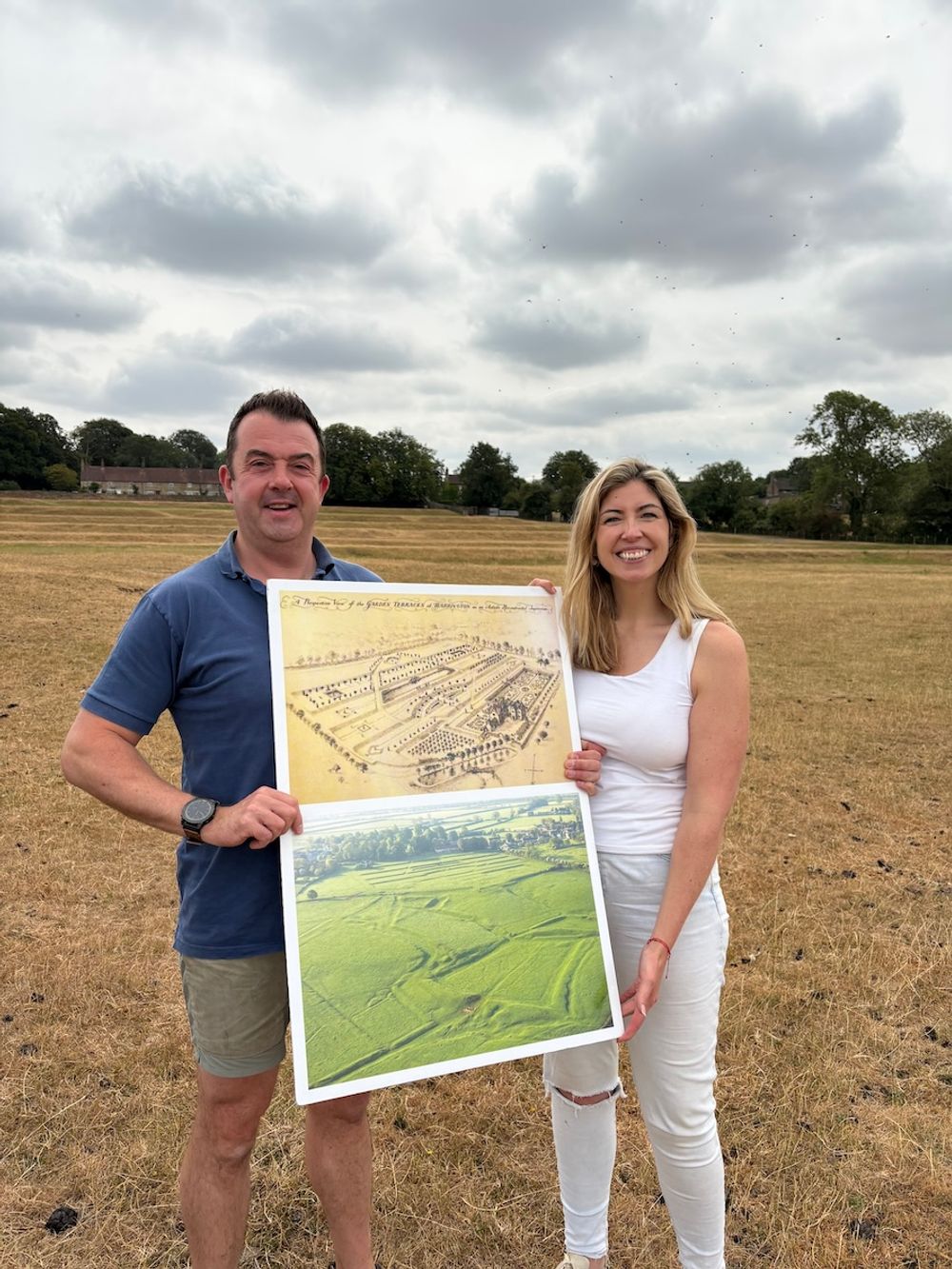
Falls Farm is on ancient land now protected. Old maps and ground workings show there was once a monastery, fishery and a manor house with ornate garden terraces.
Falls Farm is set in rolling countryside – it is a bucolic scene. Beside fields of sheep and cattle, Warner’s have planted huge gardens with botanical herbs, plants and trees. I instantly spot rhubarb and lavender plants but there’s angelica, juniper, thyme, elderberry and lemon verbena too.
London Dry and Gin flavours
Warner’s was the first to introduce rhubarb-favoured gin. That made the brand a household name and helped the flavoured gins category take off more than ten years ago. Now its range, in addition to rhubarb, includes London Dry Gin and new flavours Raspberry, Elderflower and Honeybee too. All the fruit and botanicals are grown on the farm which has B Corp certification. Warner’s claims to be the number one founder-owned gin producer in the UK.
Zero-alcohol spirits
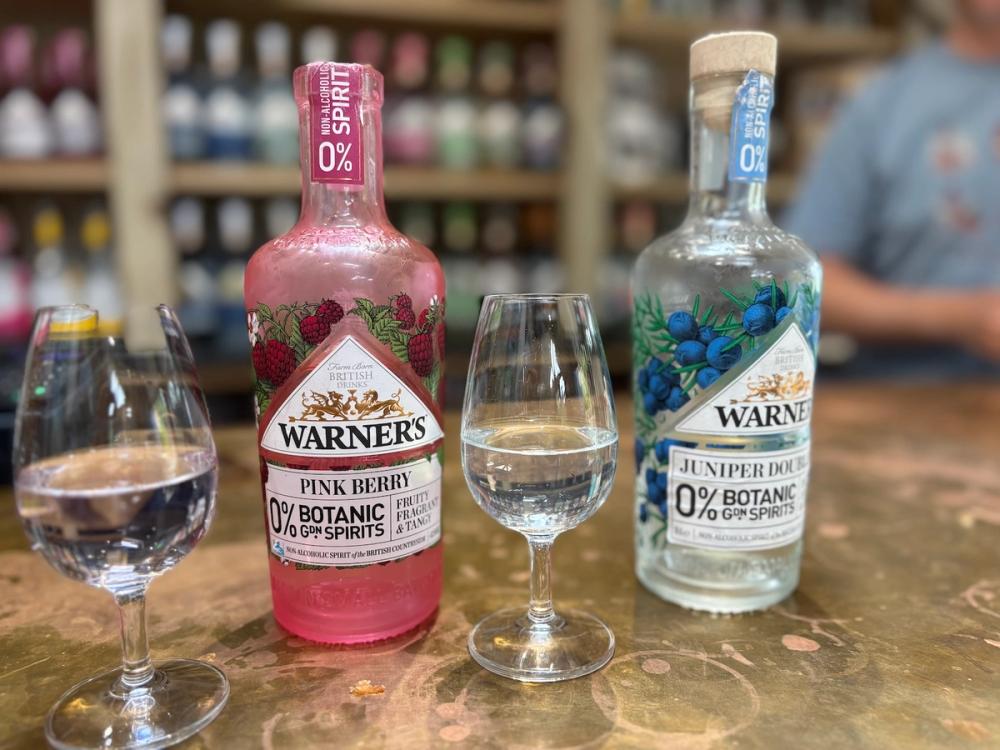
Its latest innovation is zero-alcohol gin with two varieties: Pink Berry and London Dry. Often served as a ‘Pink Berry Spritz’ or ‘London Dry Spritz’ with either tonic or soda, these have appeal to pub chains as an authentic zero-alcohol option to a G&T. Supermarkets are keen too to expand their zero-alcohol ranges.
“Zero-alcohol alternatives to gin have come a long way since the early innovators. Customers are surprised how delicious and refreshing the drinks are – there's no quirky flavours or bitterness,” says Tom.
Botanical aperitifs
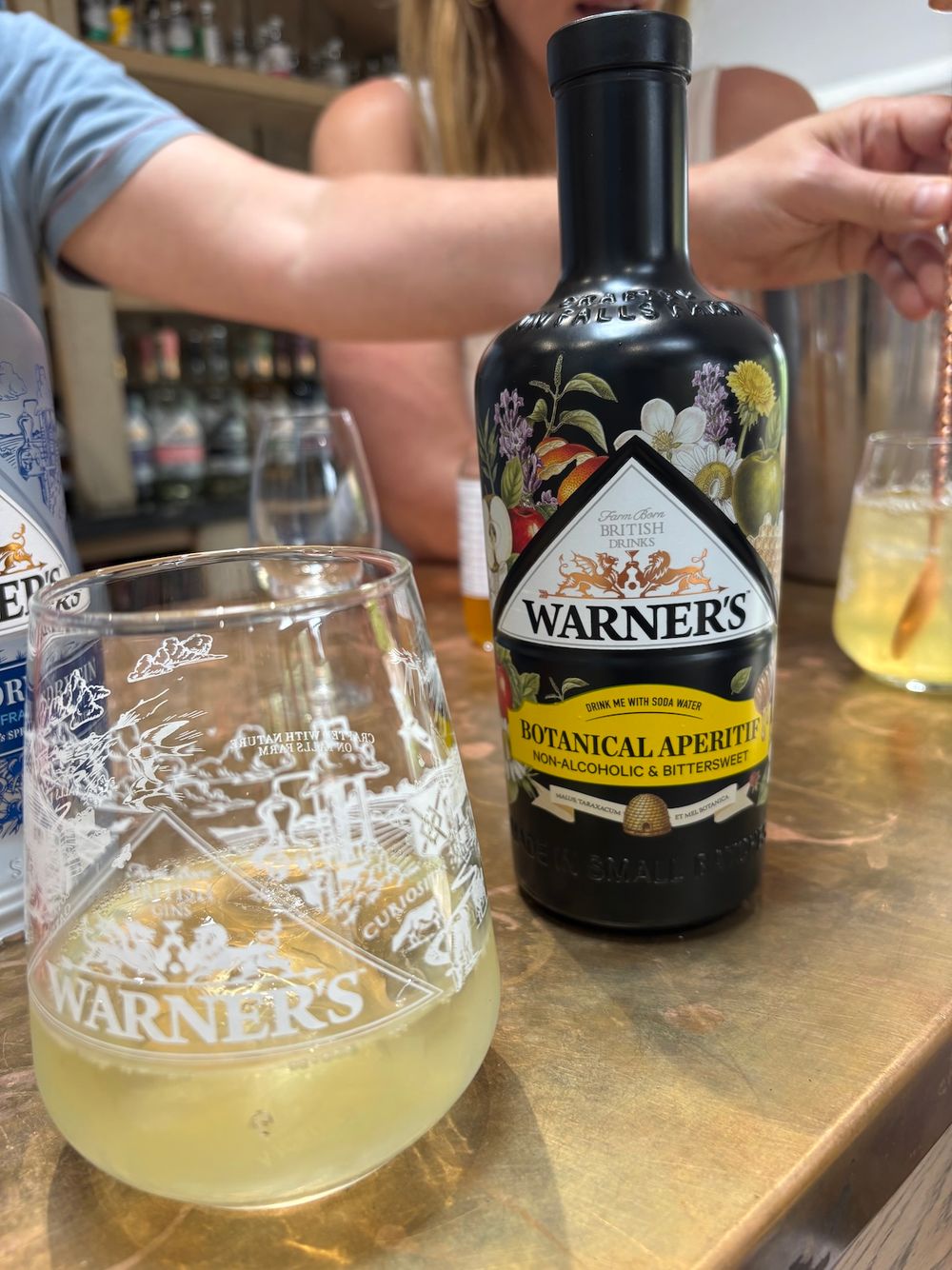
Tina has also spotted the growth opportunity for zero-alcohol botanical aperitifs, particularly amongst women consumers. Fruit cordials such as elderflower are already well-established, diluted as a popular, long, thirst-quenching drink. But there is also space for a zero-alcohol botanical flavoured aperitif, she believes.
“As alcohol consumption declines and as the use of weight-reducing drugs increases, so the opportunity for zero-percent aperitifs enlarges,” believes Tina. Warner’s is ideally placed to innovate as they are already rooted in farm-grown natural flavours and botanicals.
When Britain’s gin renaissance began in the early 2010s, many new distilleries focused on unusual botanicals, striking bottle designs or urban identities. Warner’s took a different path setting up in 2012 to create a gin that genuinely reflected the British countryside. It converted an old farm building into a working distillery and planted fields of botanical plants.
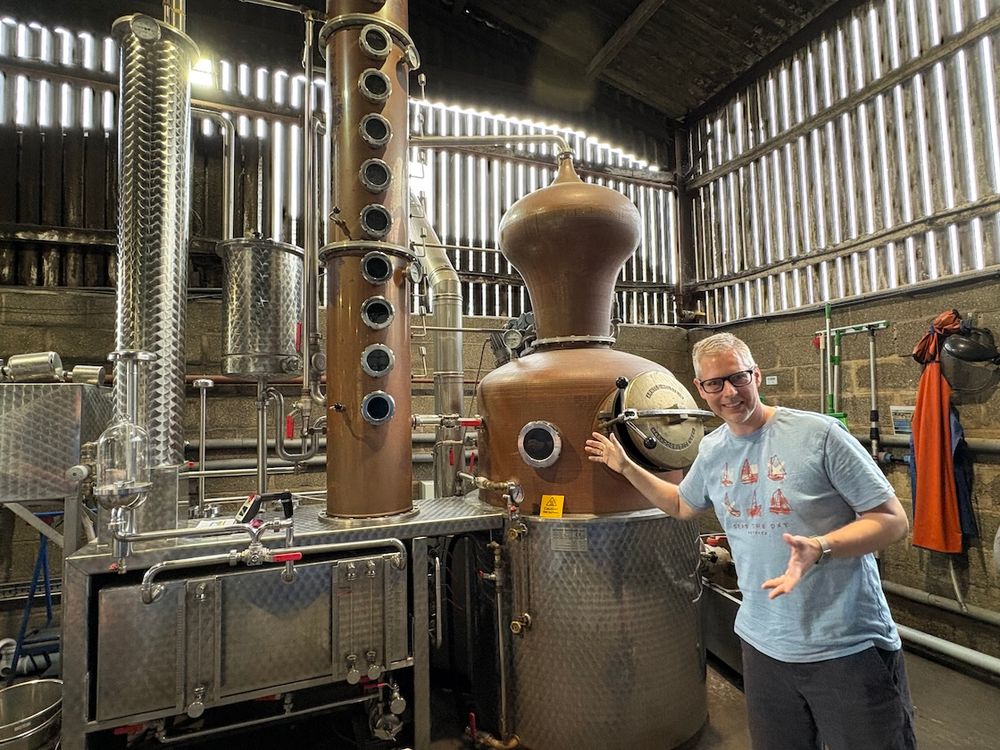
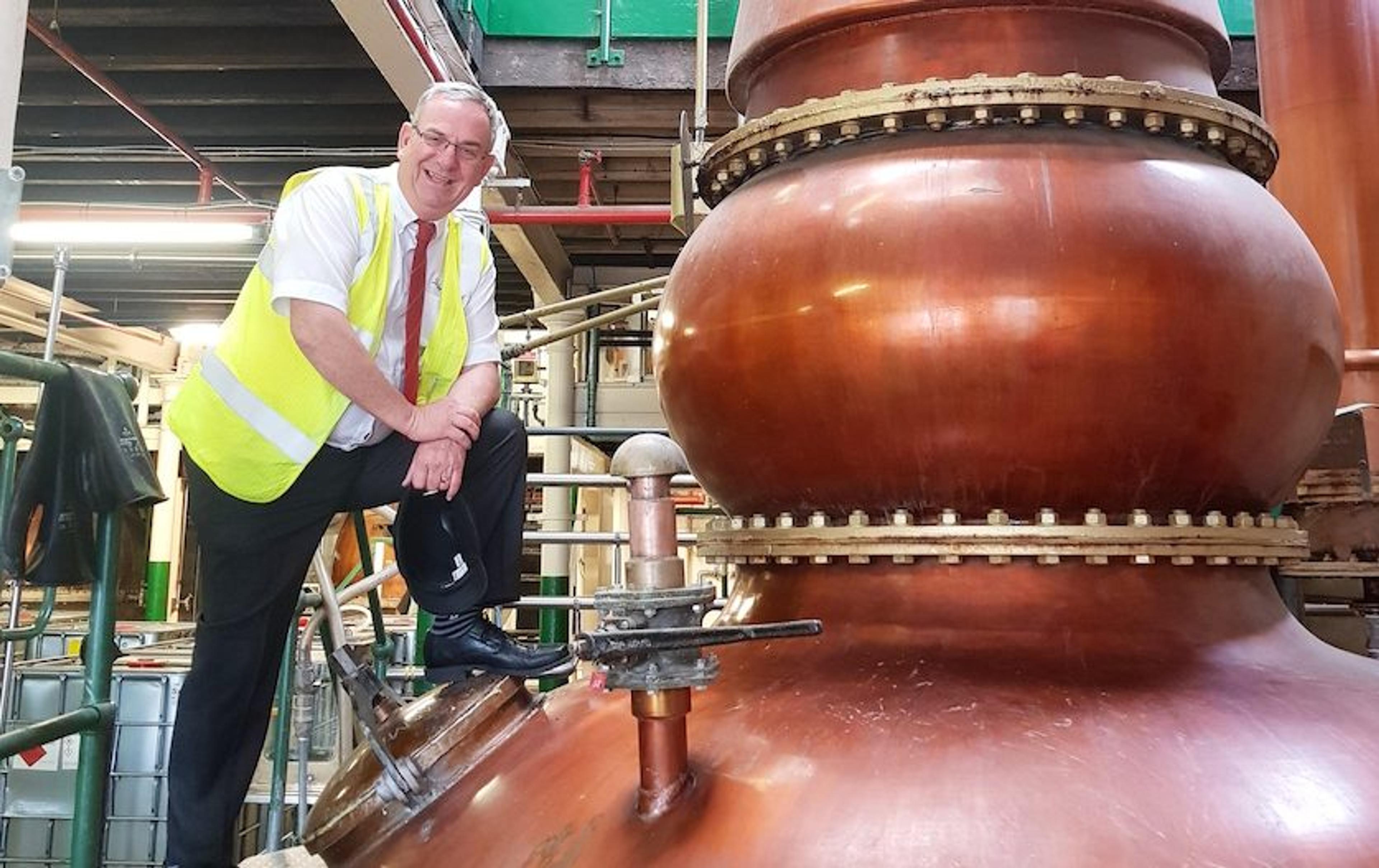
Jeremy Stephens Warner’s distilling director
This close relationship between farming and distilling has become Warner’s biggest point of difference along with its identity as an innovative producer rooted in British agriculture producing the UK’s most sustainable gin.
Both Tom and Tina come from farming backgrounds. Tom was raised on the Falls family farm (where his father was a beef farmer). After studying at Harper Adams Agriculture University in Shropshire, he took up roles sourcing coffee in East Africa and then in the UK fresh produce industry. Tina was raised on a family potato farm in Ireland which provides ingredients for the country’s famous Keogh’s Crisps. She joined Tom after an early career in private equity and has won women-in-business awards including EY Entrepreneurial Winning Woman and Golman Sachs 10KSB (10,000 Small Businesses programme). And together with Tom, the couple were national finalists of the EY Entrepreneur of the Year awards.
Best-sellers
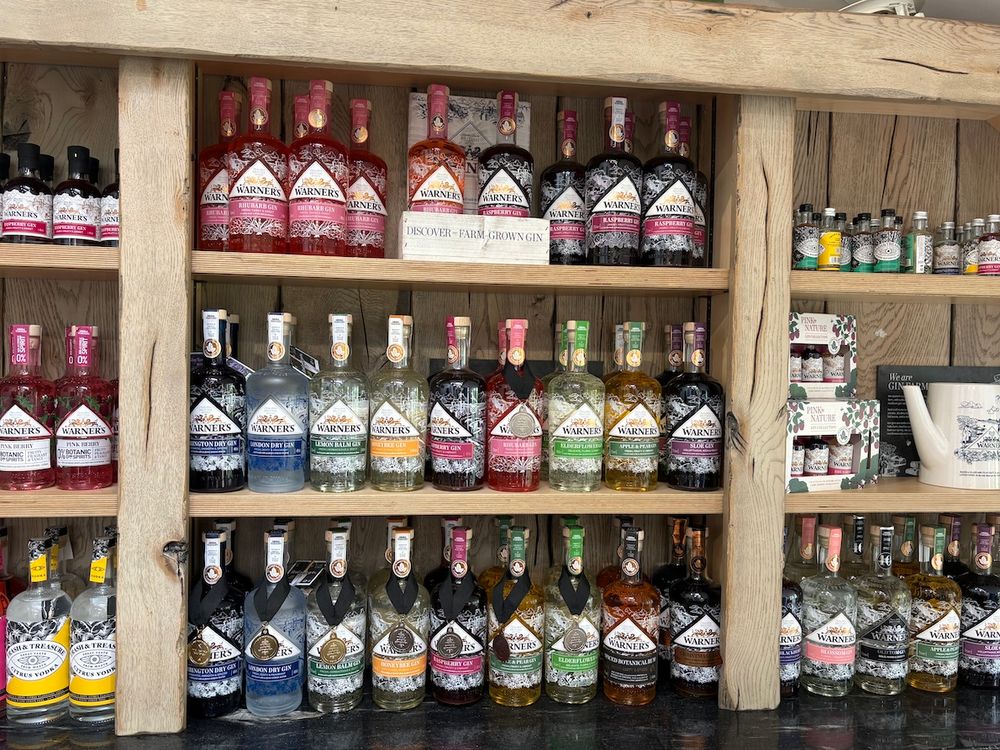
The full range of Warner's products
Warner’s flagship London Dry Gin (40% ABV) reflects their farming philosophy. Alongside classic juniper, coriander seed and citrus peel, the recipe incorporates farm-grown elderflower, fresh lemon balm and angelica. The result is a gin with bright citrus aromas, floral life and a soft texture that appeals to both traditional gin drinks and newer consumer seeking approachable styles.
Raspberries and blackberries grown on the farm flavour their Raspberry Gin (40% ABV) while Warner’s Honeybee Gin (41% ABV) is similarly made from honey from their own beehives. Warner’s has recognised the importance of pollinators to both farming and biodiversity and has planted extensive wildflower meadows.
Farm tours
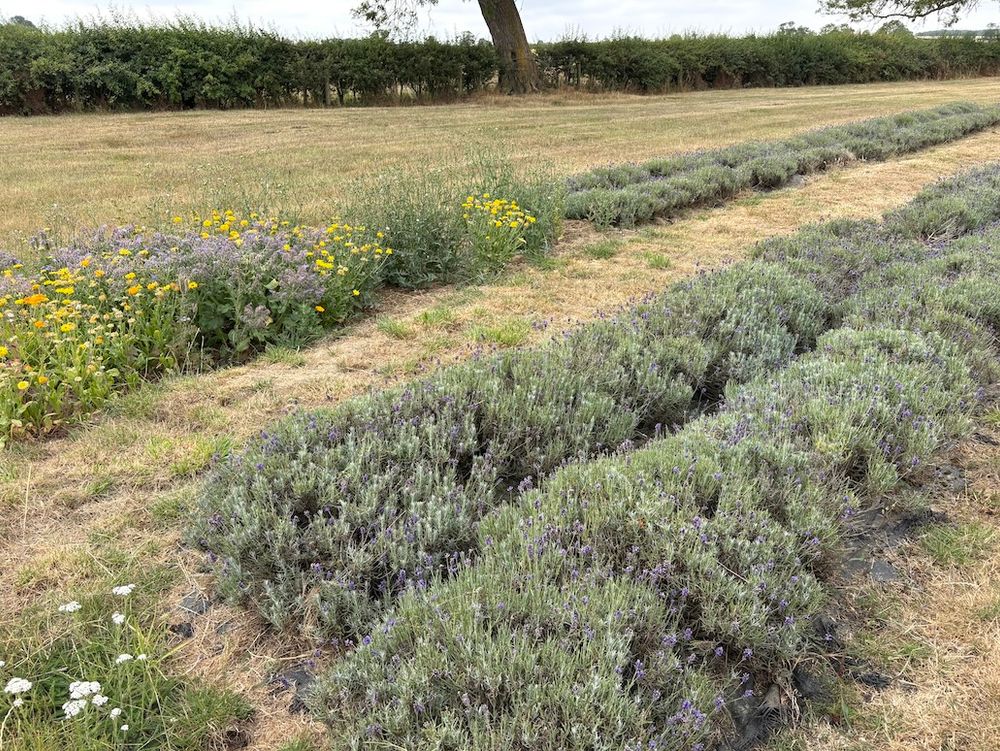
Warner’s have planted huge gardens with botanical herbs, plants and trees.
The emphasis on provenance, highlighted in television series such as The Farm on Amazon and BBC’s Countryfile, has made drinkers more interested in where ingredients come from, how products are made and the stories behind independent producers. Warner’s is now busy inviting visitors, offering immersive tours that showcase the botanical gardens, bee colonies and the working distillery. Rather than simply tasting gin, visitors gain an understanding of how farming, ecology and distillation intersect.
International growth and investment
With a recent softening of the gin market, Warner’s has turned not just to zero-alcohol and farm tours, it has also looked to investors who will enable it to scale up internationally. La Martiniquaise-Bardinet, best known as a global house with Glen Moray, Cutty Sark and St James Rhum in its stable, acquired a majority stake last year, although the founding couple remaining at the helm. “We’re delighted it means we can stay true to our roots while giving us the strength to scale globally”, says Tom.
It is clear Tom and Tina will remain innovators with their hearts firmly in the countryside. Their emphasis on freshness creates gins that make a perfect Gin and Tonic, Martini or Tom Collins while also lending themselves to contemporary cocktails and zero-alcohol aperitifs with natural herbs, citrus, soft fruit and floral flavours.