It is 23 years since Canard-Duchêne regained its independence from the sprawling LVMH portfolio. To Jérôme Durand, current managing director of the maison, this was a “second birth”. He says the new family owners have channelled money from the firm into upping the quality of the grapes, the supply, the wines, the stock and the inventory.
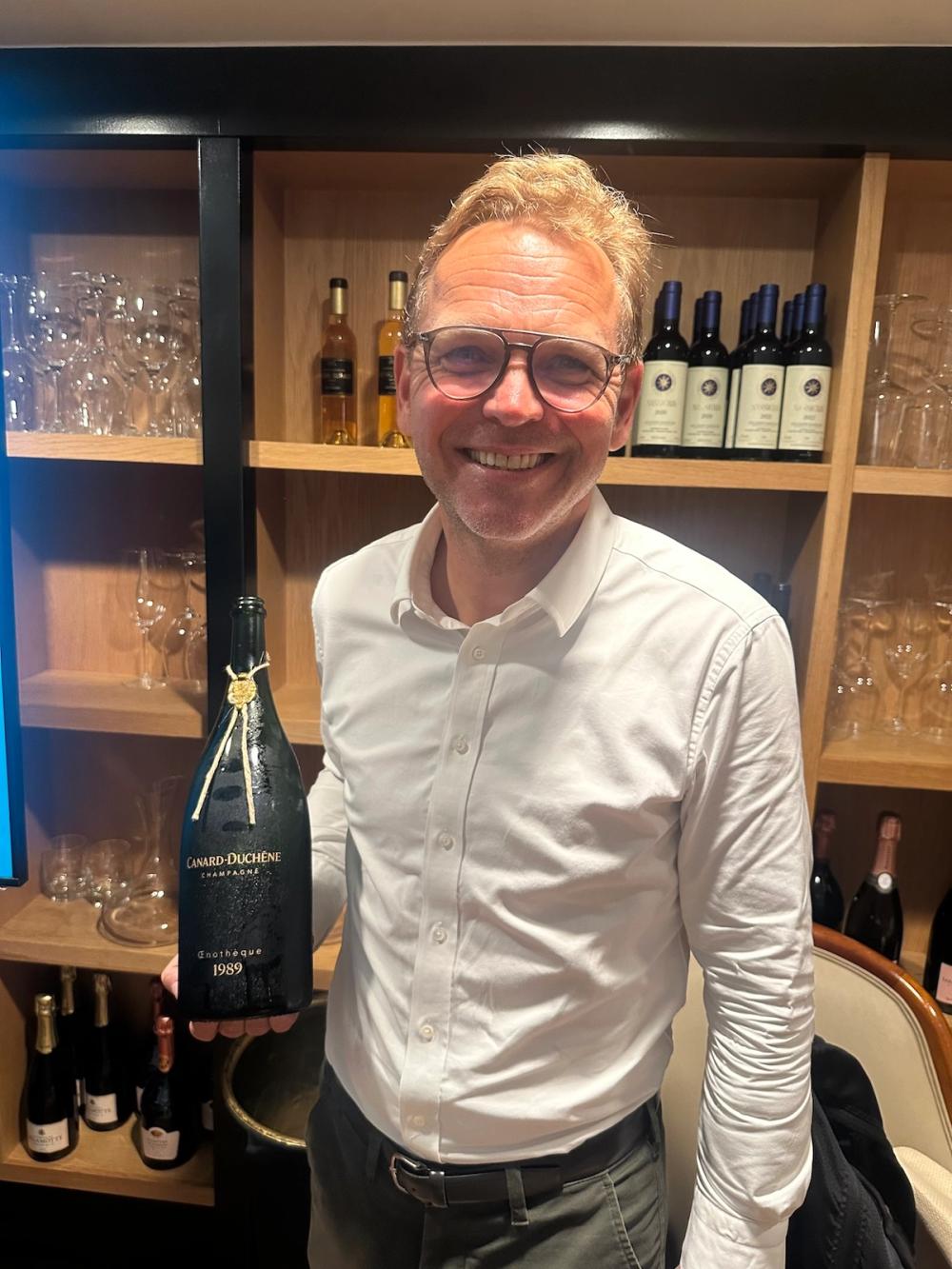
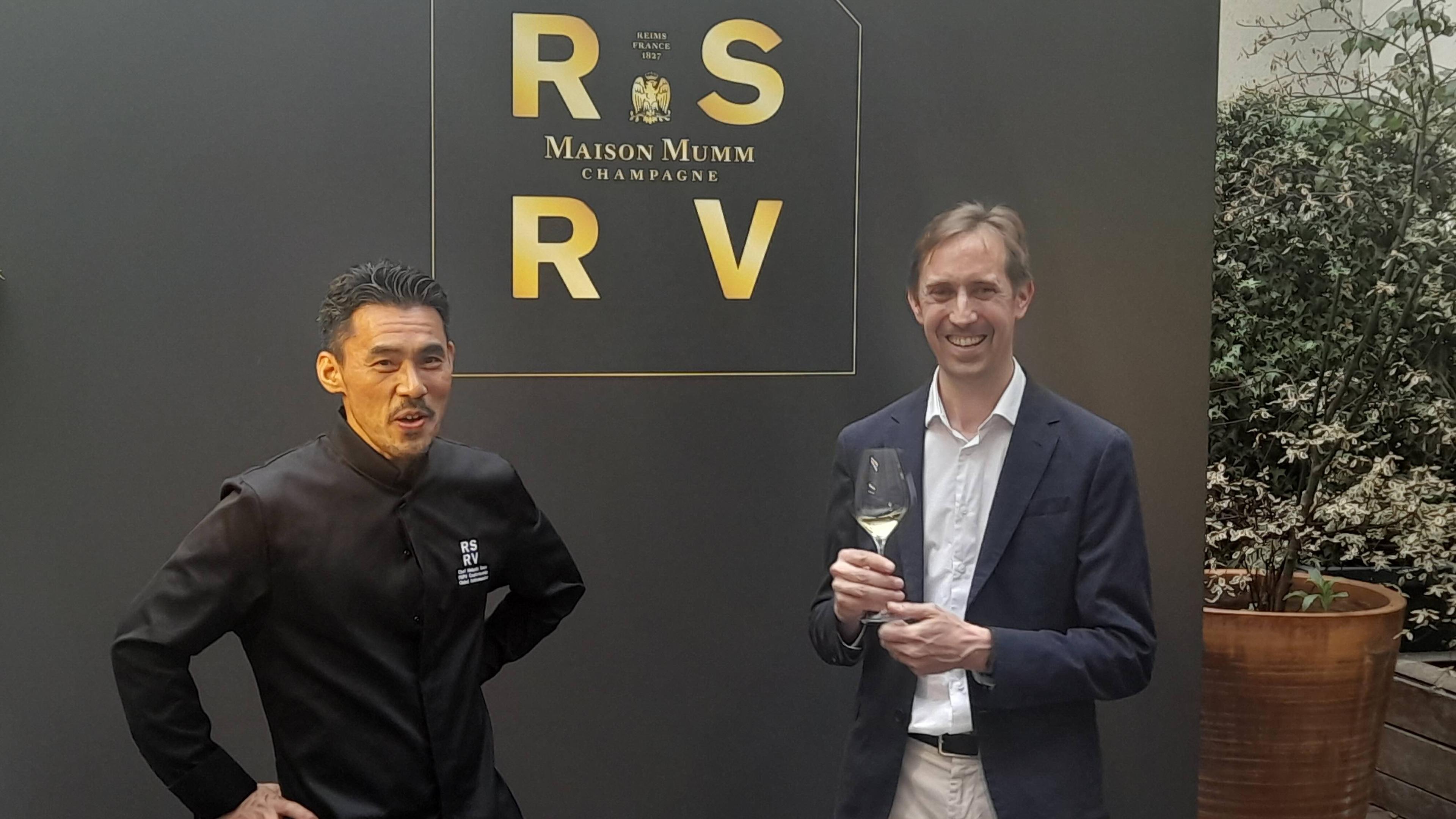
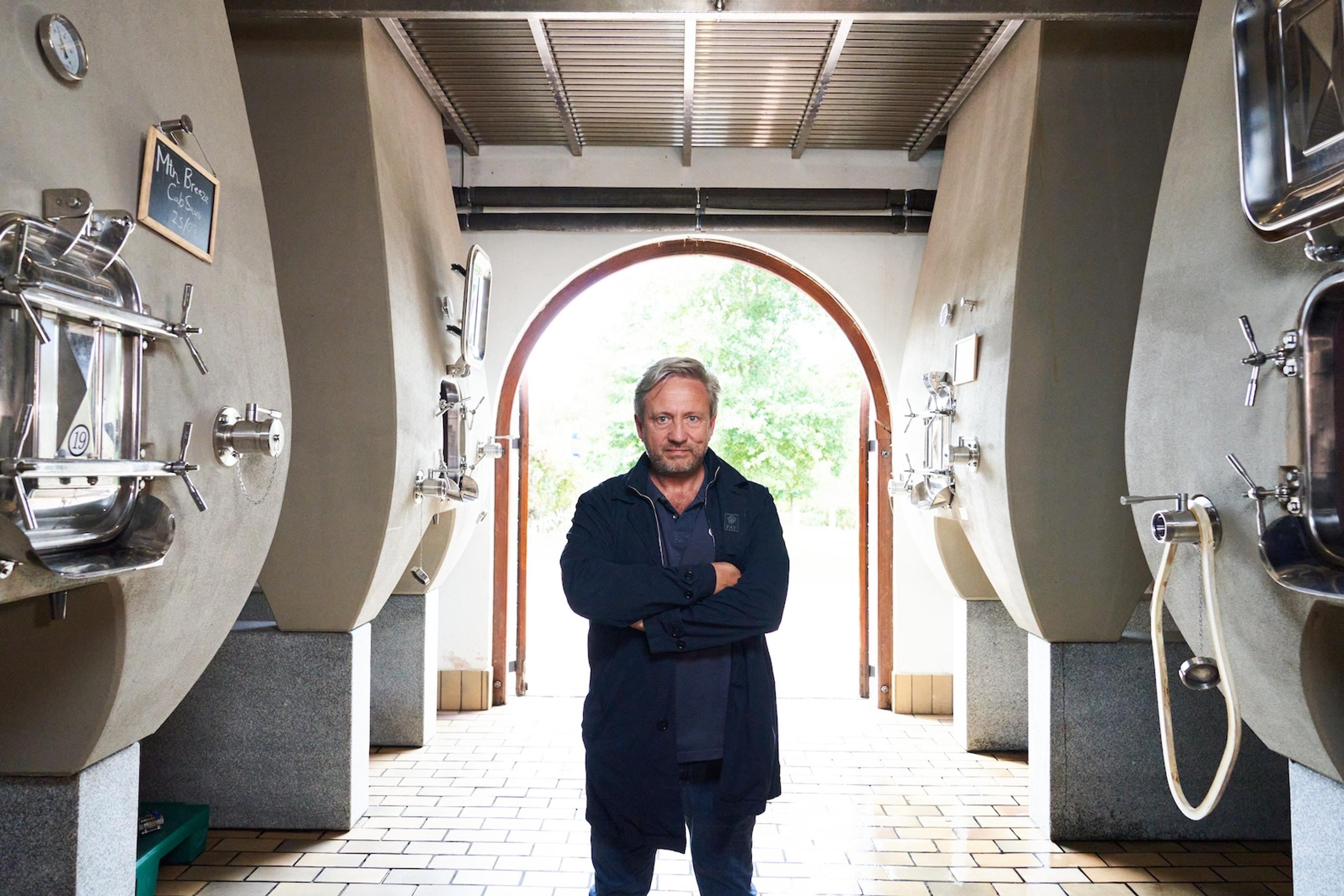
Canard-Duchêne MD Jérôme Durand
“When you do that in Champagne, to recreate a new trajectory, it costs a fortune and takes a strong commitment. You need twenty years,” he says.
To judge how that decades-long progress has fared, we are gathered in the private dining room of Mayfair’s high-end Novikov bar and restaurant. We are due to meet Cynthia Fossier, who the age of 33, last year took the reins as winemaker from Laurent Fedou, the man who for two decades masterminded the producer’s resurgence. She is the first woman to hold the role since founder Léonie Duchêne in 1868. Frustratingly, the extreme heat has snarled up the Eurostar Paris-London train service and we have to make do with a Zoom link to Fossier. Luckily, Durand has made it in person.
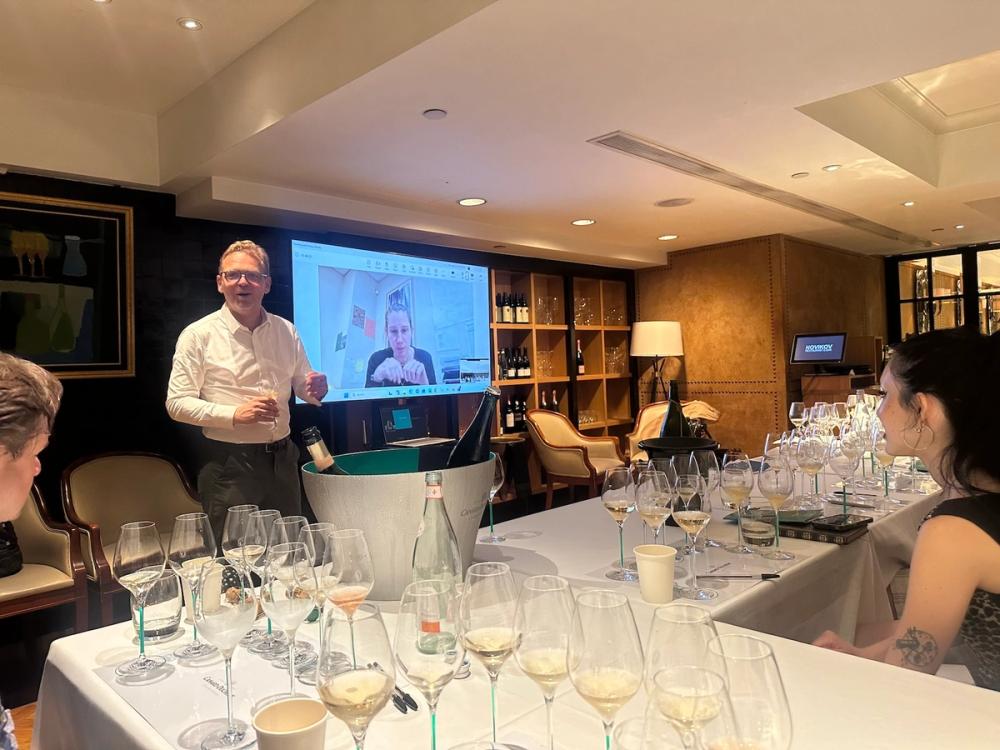
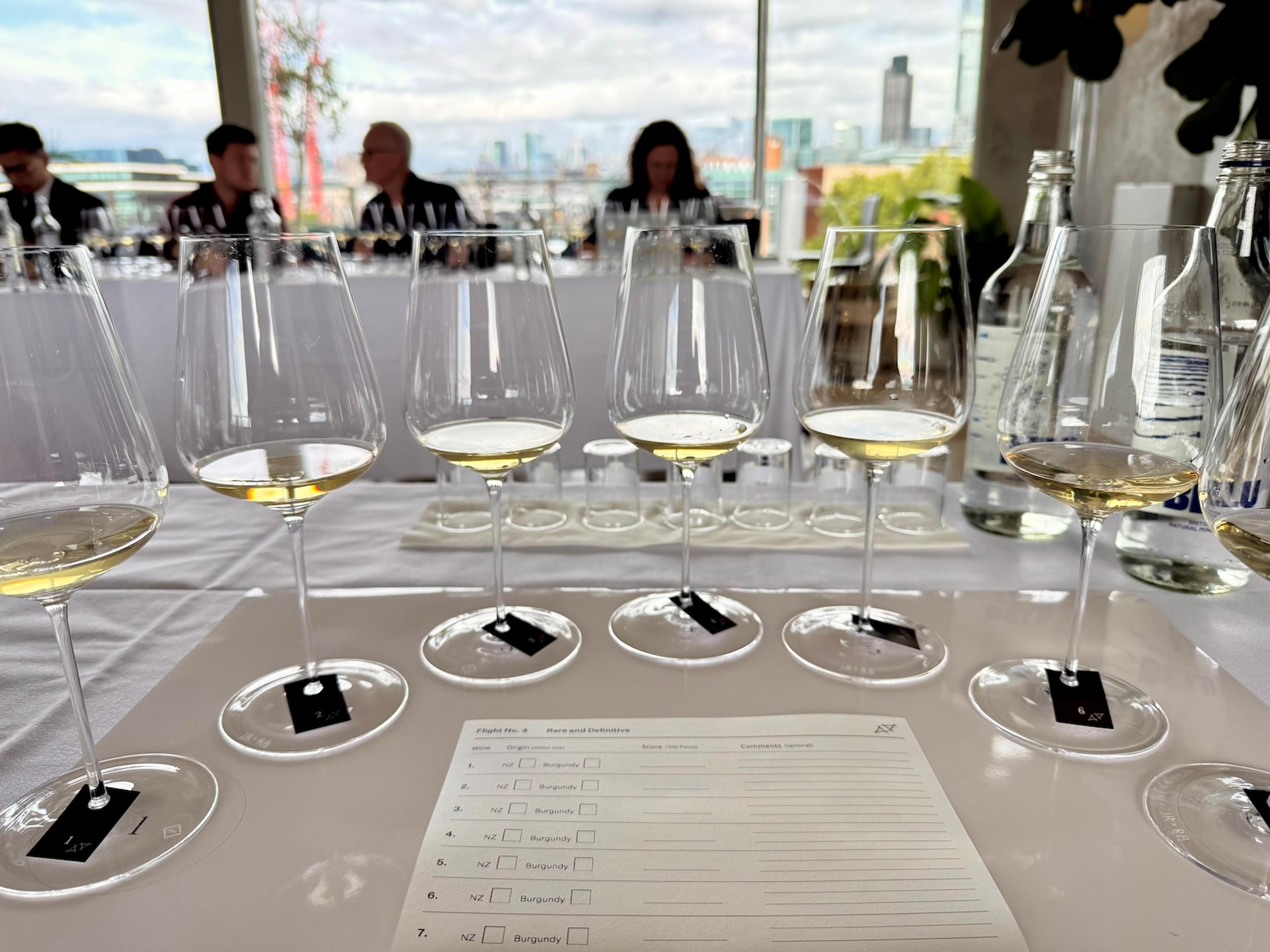
Canard-Duchêne masterclass, London
Canard-Duchêne, located in the premier cru village of Ludes, cultivates 30 hectares of its own vines and has long-term contracts with 200 family growers. The result is access to nearly a hundred different crus with a focus on Montagne de Reims and Pinot Noir. The producer also boasts six kilometres of chalk cellars.
In marketing terms, the maison is somewhere in the upper middle. Well above the staple supermarket fare where price alone matters, but not quite up there with the fancier labels, with a lustre brought by limitless marketing budgets. So, staying distinctive is a tricky act: Durand and Fossier hope that quality is the answer.
They take particular pride in the house’s reliance on a perpetual reserve created in 2012 with wines from vintages three years earlier. This is most notably used in its popular Léonie cuvée.
Léonie Iconic Brut NV (12% abv, 35% Chardonnay, 40% Pinot Noise and 25% Meunier) is the house’s top seller. No wonder as this is a wine that seems familiar from the first sip. The main harvest was 2021 and 50% of the wine comes from that all-important perpetual reserve. Soft with notes of both candied and white fruits plus flaky pastry, this has a great freshness and acidity. The ‘Iconic’ name replaces the previous one of ‘Charles VII’. Some of my co-tasters quibble about that. (“Isn’t it for others to declare a wine ‘iconic’”?). Still, overall, the impression is of a well-made, appealing and sensibly priced offering.
Can I say as an aside that I am a bit of a sucker for the house’s new and distinctive bell-shaped bottles. This looks classy – vaguely old and vaguely contemporary. And, laudably, they have worked hard to reduce its weight.
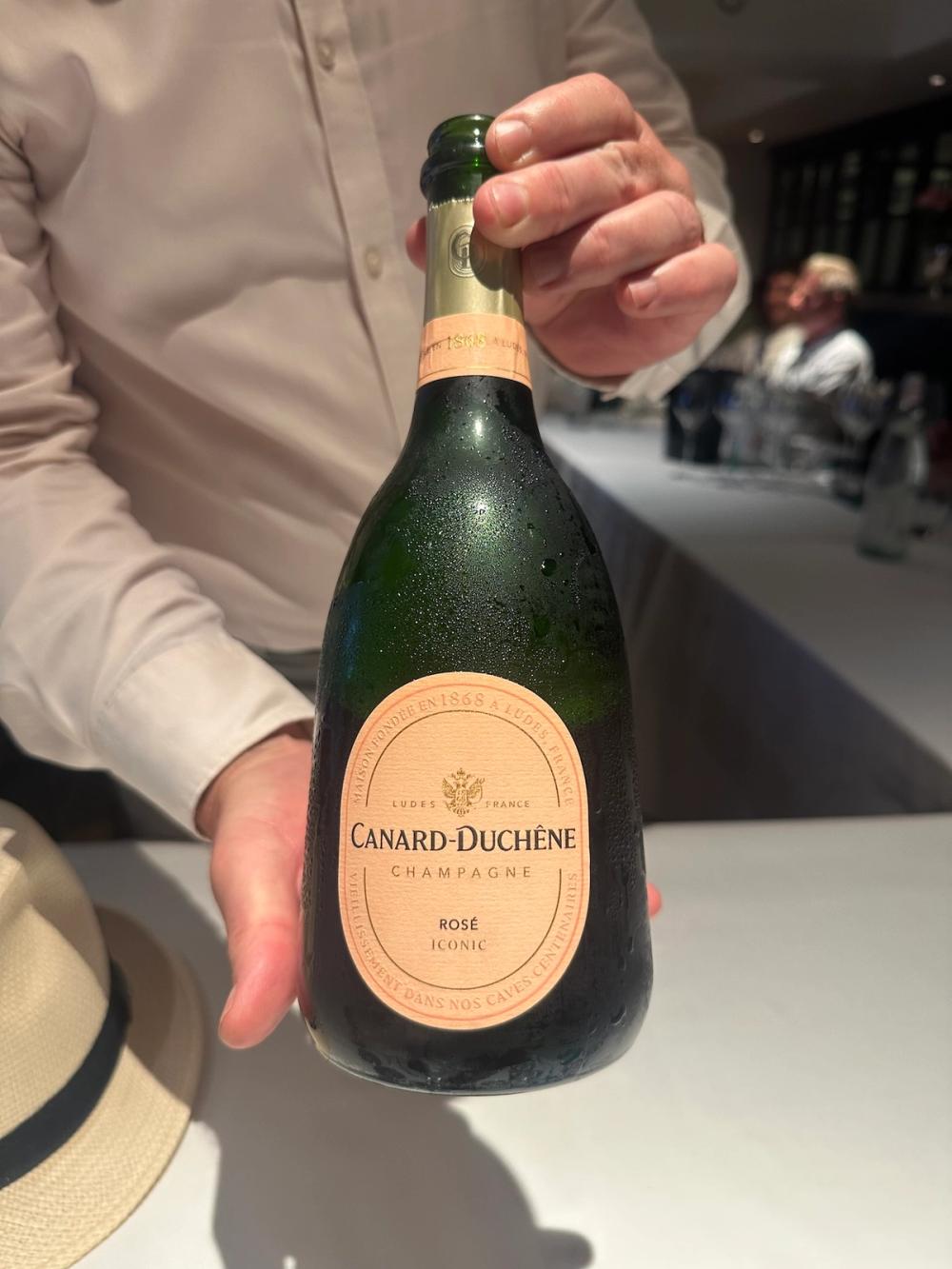
We now go pink with the Rosé Iconic NV (12% abv). This is 45% Pinot Noir, 40% Chardonnay and 15% Meunier. Containing 20% reserve wines and with a dosage of 7g/l, this owes its colour to the saignée technique. This produces pinkness by running off, or ‘bleeding’, a certain amount of free-run juice from just-crushed dark-skinned grapes. The aim is to both create a seductively lightly pink wine and increase the phenolics and flavour compounds.
This rosé hits the spot brilliantly on this sweltering hot day. The bubbles are fine, there are wonderful hints of red berries and pastry. This pink ‘un is, above all, highly approachable. At £55, this is very decent value.
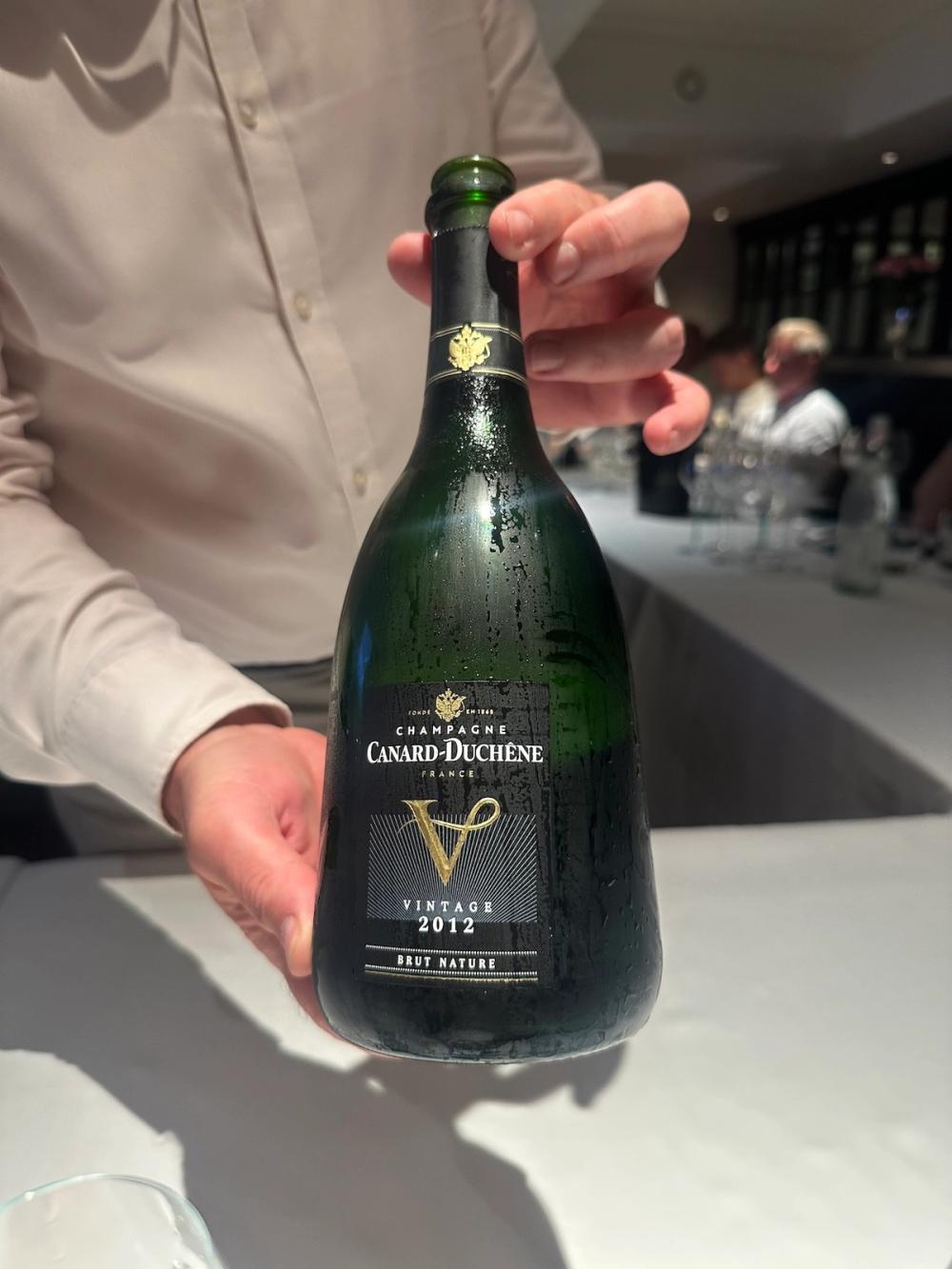
The next wine is vintage, the V2012 Brut Nature (12% abv, £75). This is 75% Pinot Noir and 25% Meunier. Rather to my surprise, Canard-Duchêne is not chasing the zero-dosage trend across its range. A fad zero-dosage might be, but I would have thought it was a profitable one. That’s not how Durand sees it: to him it is little more than an obsession and he is emphatic that for his firm zero dosage per se is not a goal. So, the V2012 is a zero-dosage because that happens to max on the quality. It’s aromatic, with notes of truffles and mushroom and has spent a minimum of ten years ageing.
We now digress about the historic practice of sabrage. Once the spectacle of opening a bottle of fizz with a sabre was fairly commonplace in Champagne. But Durand tells us that now most of the big corporates have outlawed the practice completely, lest they face an avalanche of lawsuits, presumably from bloodied bystanders. Canard-Dûchene has not imposed a ban, we are assured, though, sadly, we are not to be treated to show-offy sabrage today.
Next come a blanc de blancs and a blanc de noirs both at £55 a bottle. The Blanc de Blancs Iconic is 100% Chardonnay with a dosage of 6g/l. Zesty and chalky in the mouth, with some green apple, there’s a good textural complexity and tension.
The Blanc de Noirs Iconic is 100% Pinot Noir with 50% of reserve wines, including around 15% from a perpetual reserve made from the best Pinot Noirs dating back to 2012.With plums, toasted nuts, and cranberry, the palate is round and weighty. A bit more challenging, these two wines make the Léonie look rather more of an easy-drinker.
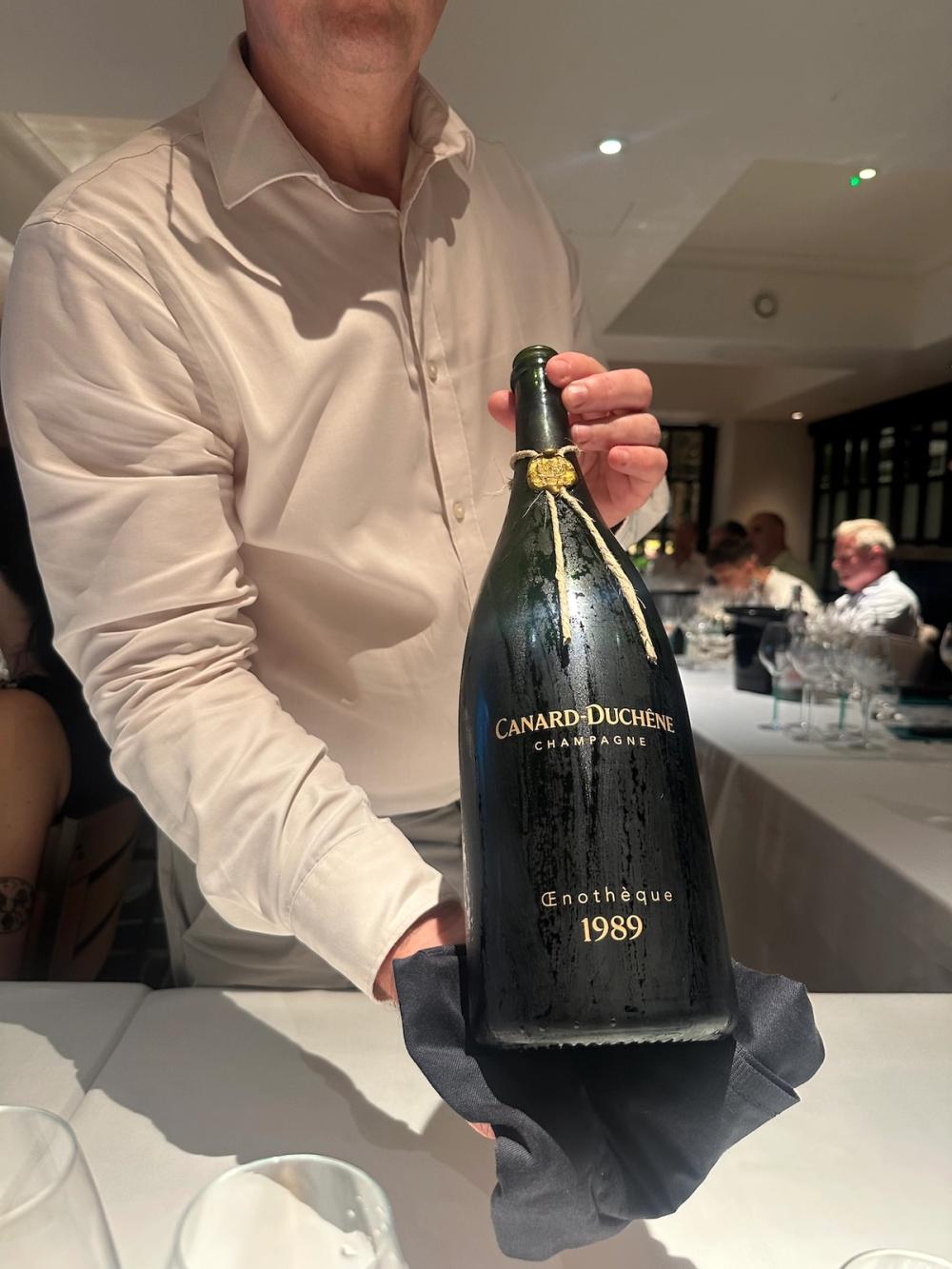
To conclude we are treated to a Canard-Duchêne from 1989 in magnum. Age brings complexity and length and this still has some freshness to it. Apparently, they have quite a lot of this 1989 vintaage despite its age and use it principally for charity events. Other tasters ask excitedly, has this a price? No, Durand, explains emphatically. “It’s not for selling, just for sharing.”