
Viña Carmen, one of Chile’s oldest wineries, founded in 1850, and rated a 'second growth' in Tim Atkin MW’s 2026 Chile report, could be said to be the birthplace of Chile’s signature grape variety. It was in its vineyards in Alto Maipo where Carmenère was first identified in Chile in 1994, having been all but wiped out by phylloxera in its native Bordeaux and thought to be extinct. Up until that point it had been known in Chilean wine-making circles as “Merlot tardío” (late ripening Merlot), to distinguish it from the “other Merlot” vines.
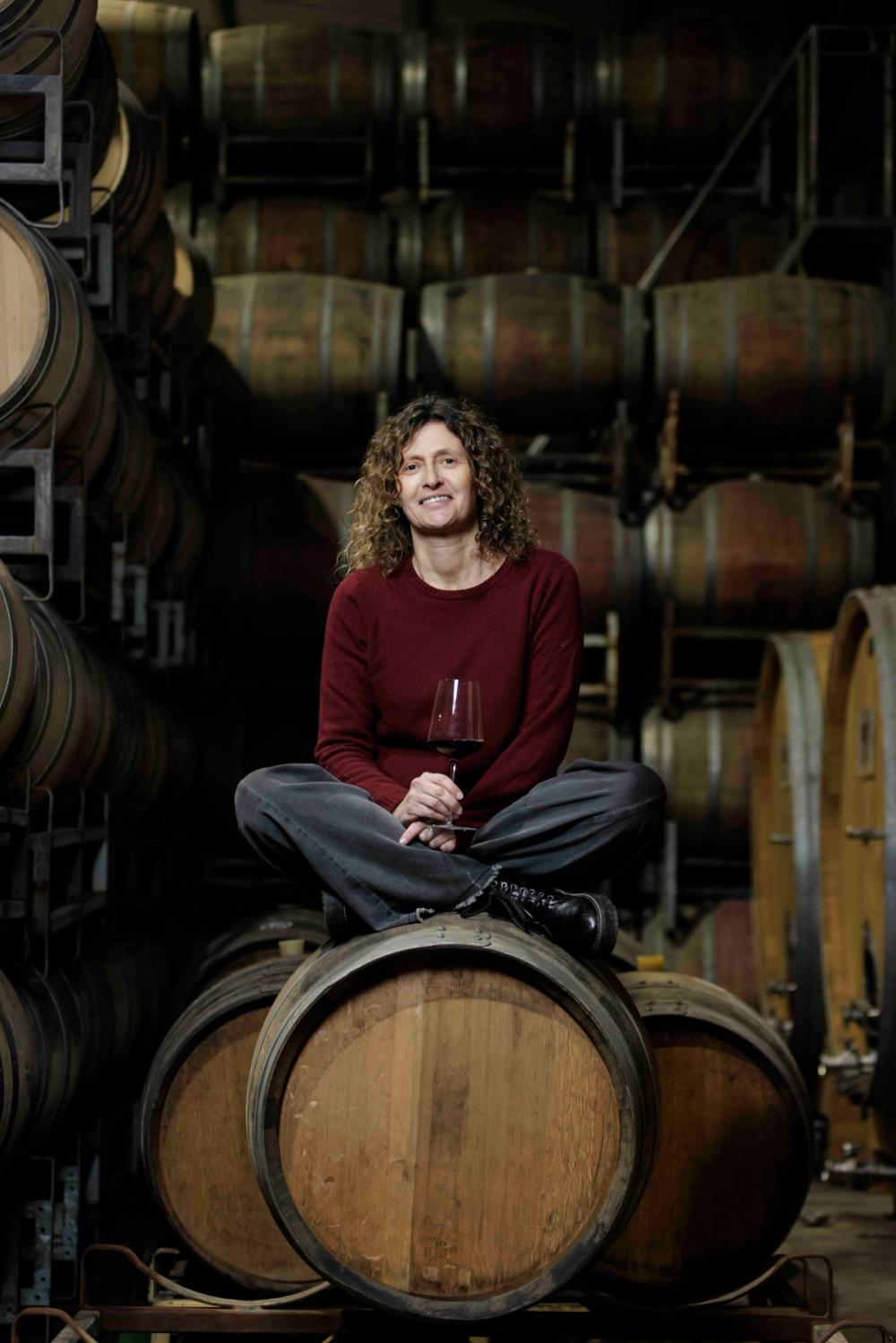
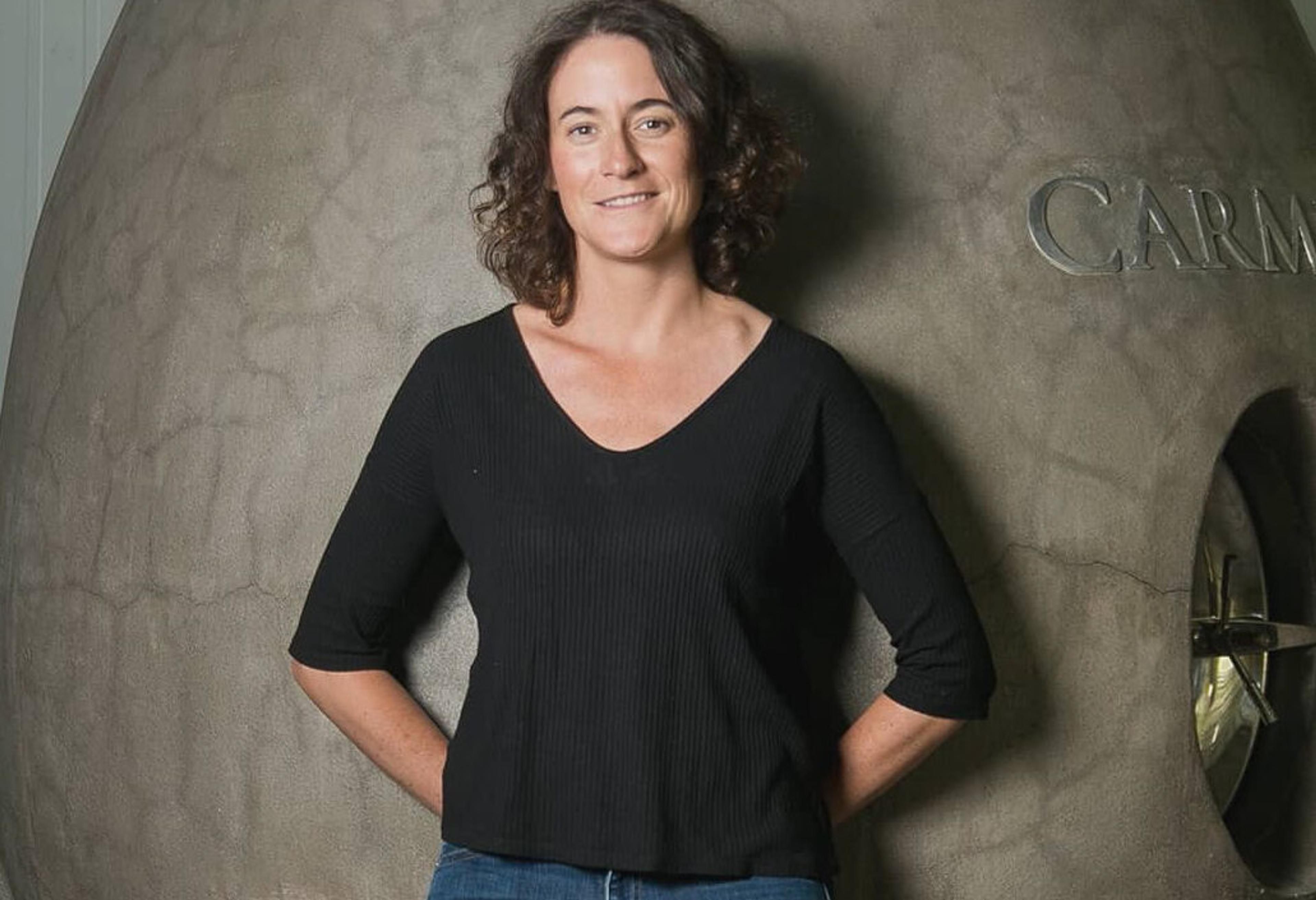
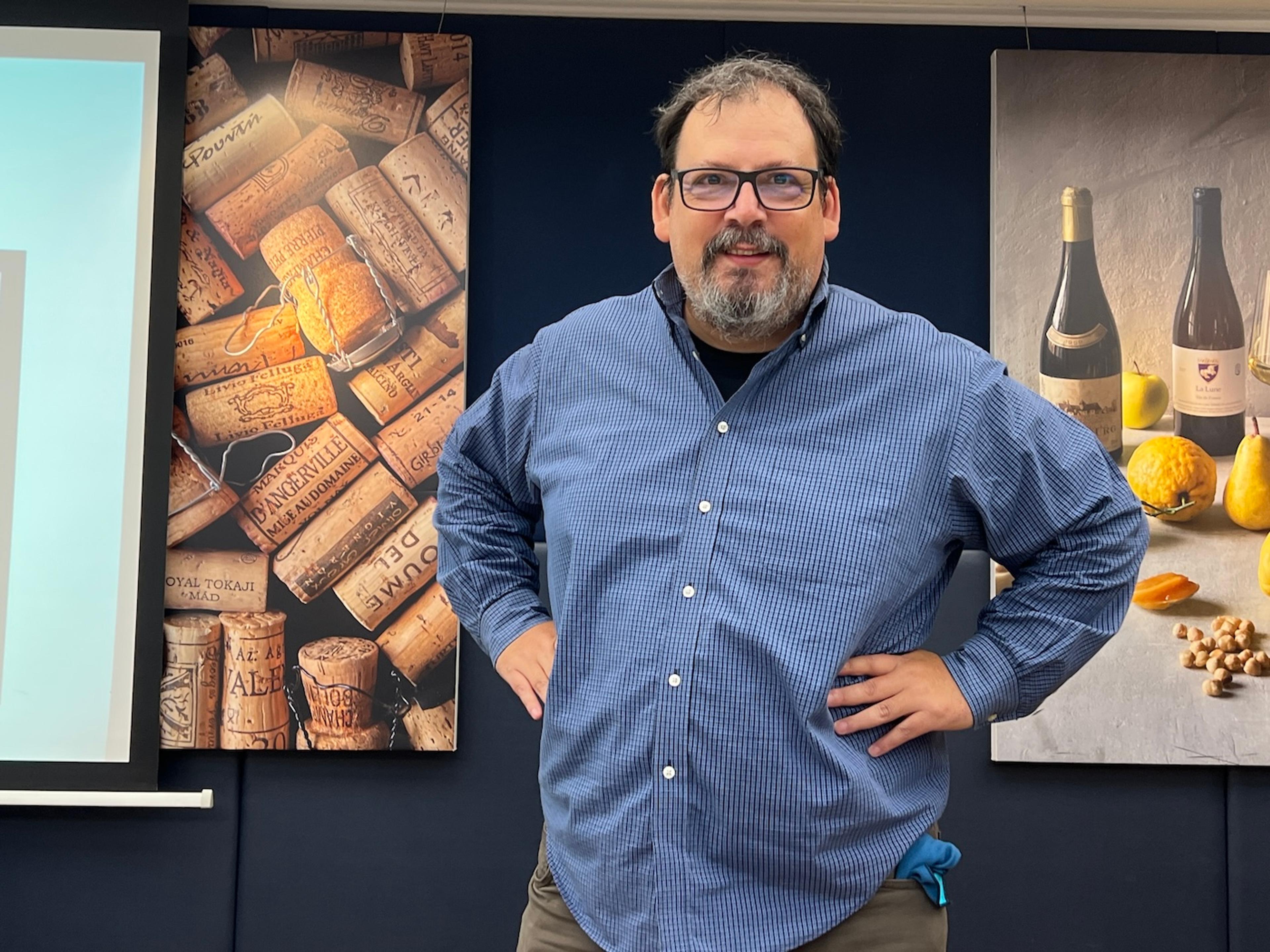
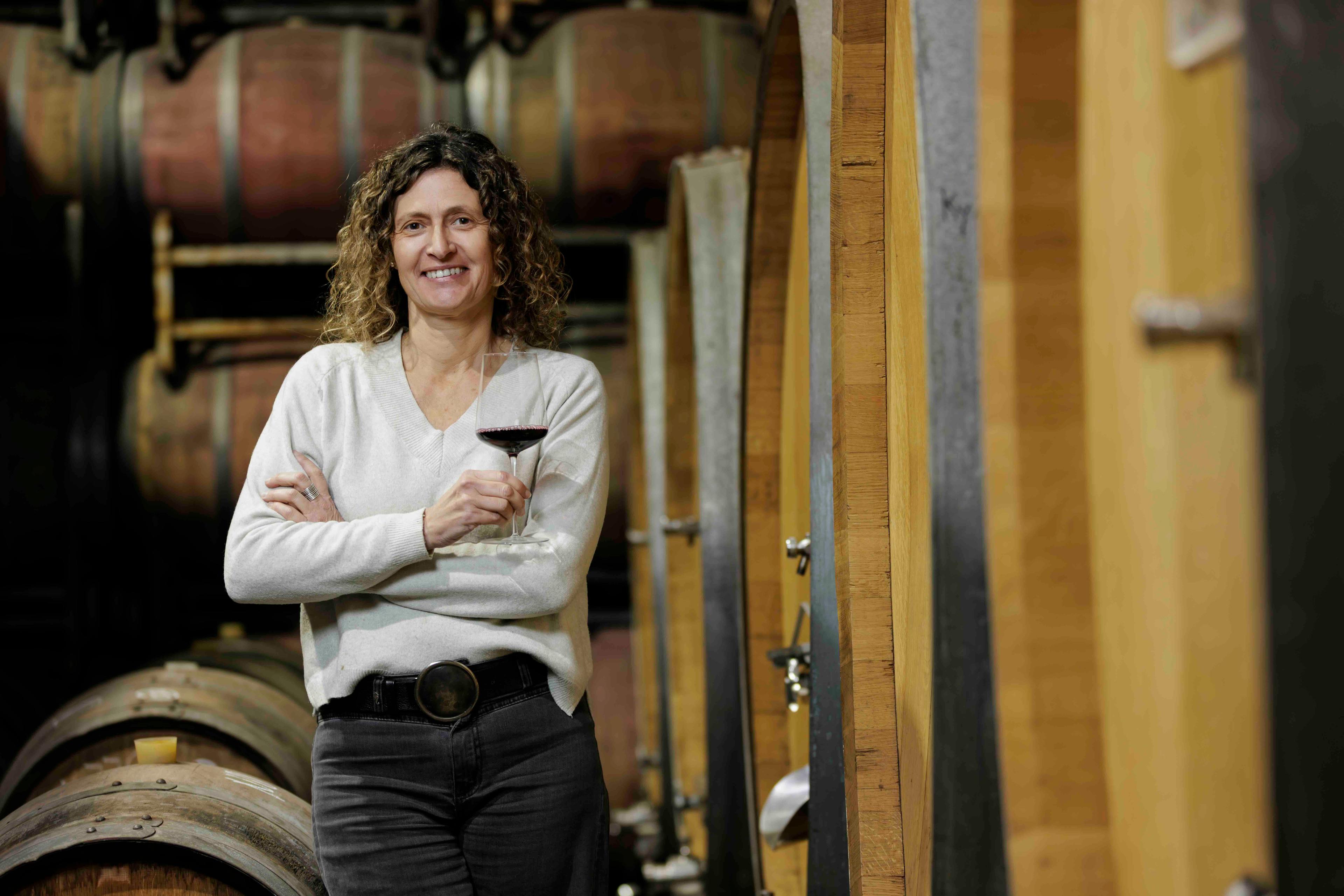
Ana María Cumsille: Carmen DO chimes with her own small-scale project in Itata
All this happened before Ana María Cumsille embarked on her winemaking career, which spans a 13-year stint making high end wines at Altaïr, as well as the creation of her own small-scale projects based in Itata. One of only a handful of high-profile female winemakers in Chile, she joined Viña Carmen in 2023 as Head Winemaker, where both these strands of her past experience, over more than 20 years, has come in useful. As well as overseeing the making of all of Viña Carmen’s wines, she has taken on the custodianship of a project that is marking its 10th anniversary this year: Carmen DO.
Sitting alongside its more mainstream labels, Carmen DO was the initiative of one of Cumsille’s predecessors as head winemaker, Sebastián Labbé. It is a range of artisanal-scale wines which celebrates the preservation of old or commercially marginal vines and varieties nurtured by small growers across Chile, which chimes with Cumsille’s own Viñas Centenarias project in Itata. As she says, “these growers know their terroir much better than us” – and now the names of those growers feature on the front label of each DO wine, to underline their importance in preserving these sometimes economically precarious sites. These are the only Viña Carmen wines for which they buy in grapes.
Alistair Cooper MW, an expert in the country’s wines, says of the project “I have watched the Carmen DO wines evolve over the past decade and it is one of my favourite ranges in the country. The essence of the project is to showcase the rich heritage of Chile and pay respect to small producers and their terroirs… the purity and essence of the place always shines through.”
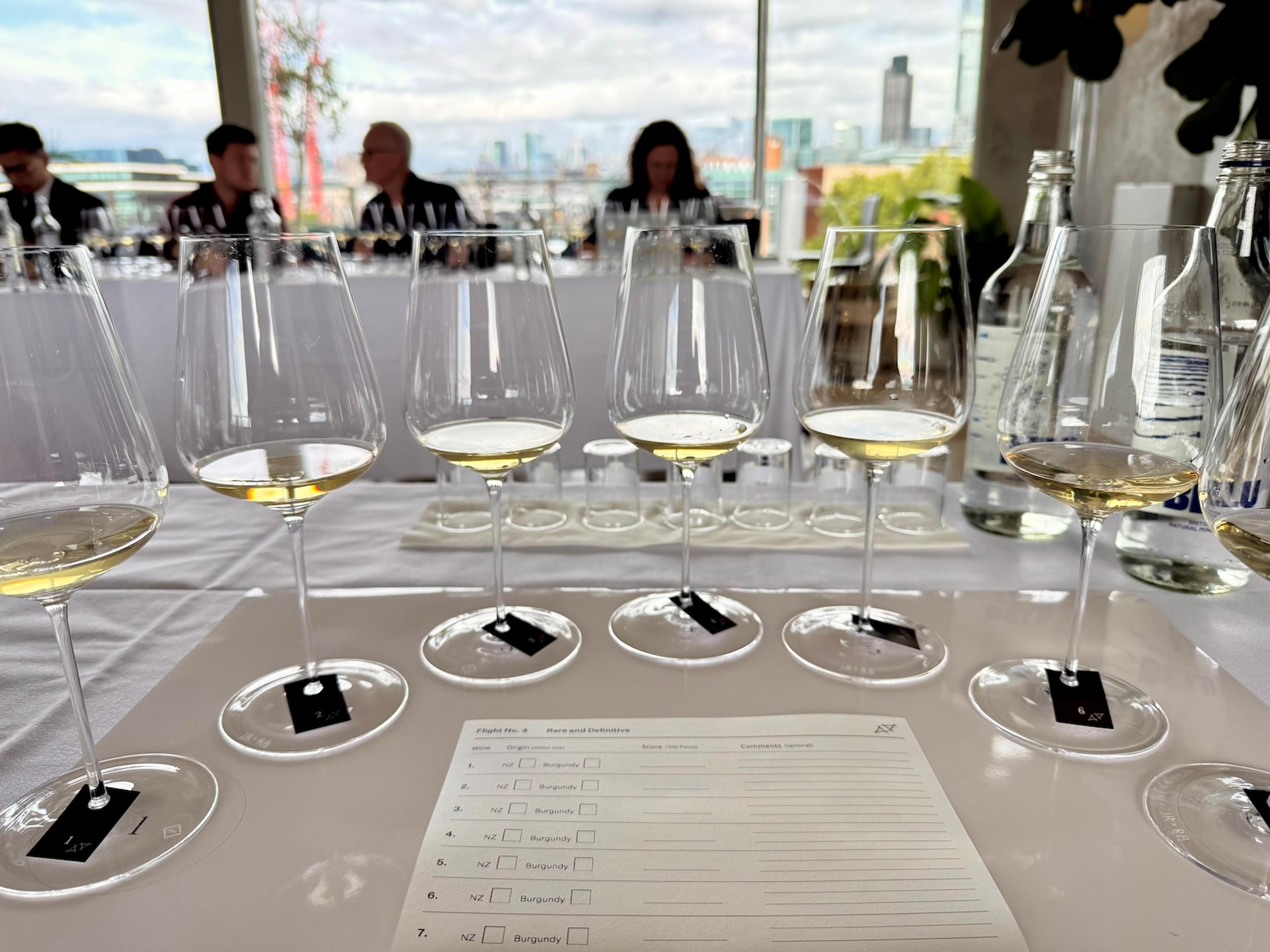
Cumsille visited London recently to share vintages of the four DO wines that are currently available in the UK.
Semillon in two very different guises
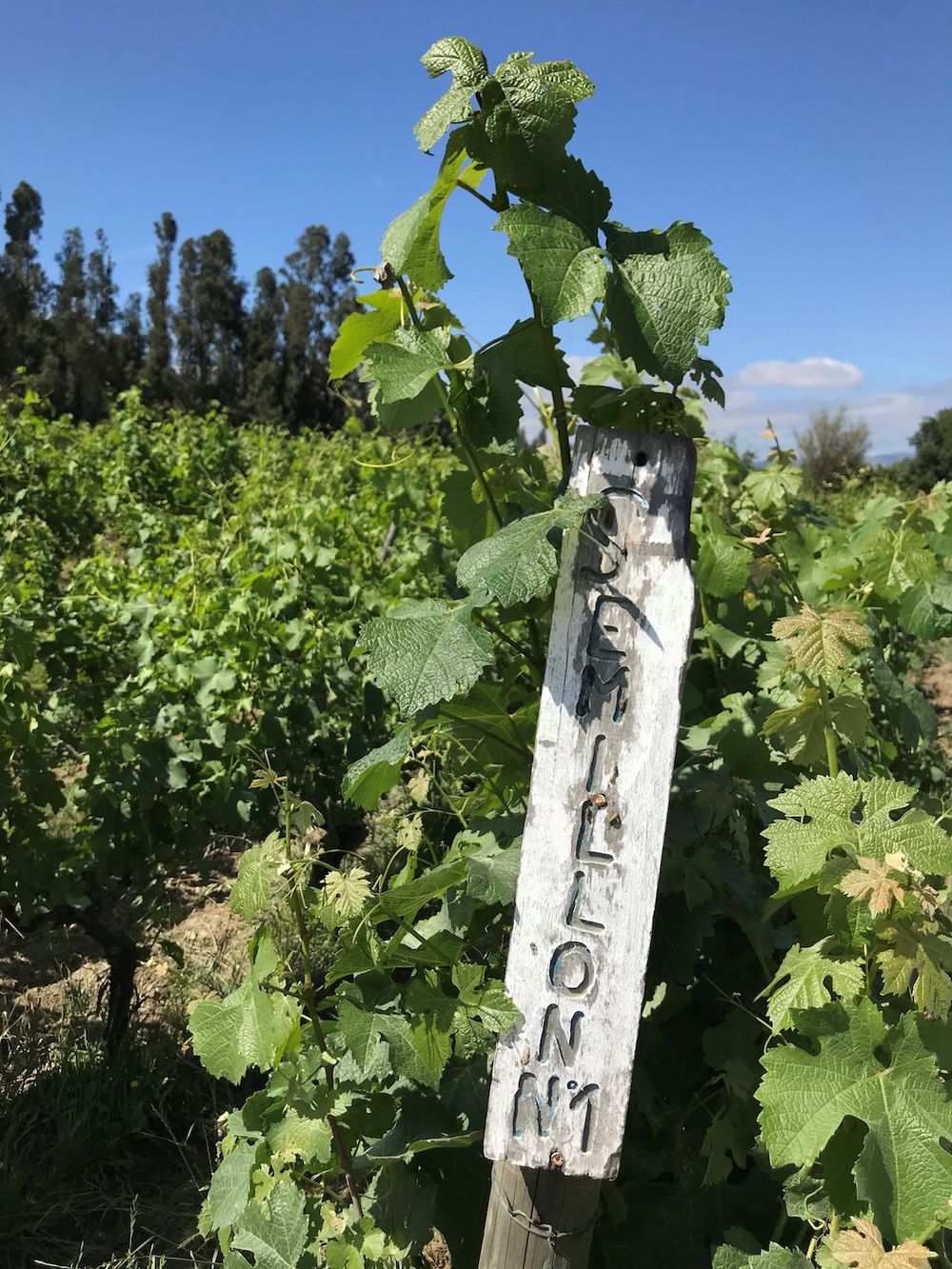
DO Quijada Semillon
Semillon has experienced a precipitous decline in plantings in Chile. In the mid-20th century it was a leading variety with 35,000 hectares (ha) in the country; now there are just 1,500 ha. The upside of this lack of new planting is that those vines that remain, have true old vine pedigree.
From the same plot of vines planted in 1958 on granitic soils in the Apalta Valley, Cumsille crafts two different Semillon wines: Quijada, which is made in a classic, oxidative style; and Florillón, which is aged under flor in barrel, in the manner of a fino sherry.
The current vintage of Carmen DO Quijada, 2022, shows the prettiness of the variety from a cooler year, with fresh acidity, and floral and waxy notes joined by a hint of the toastiness which will only increase with time – though there is no oak in the ageing of the wine, which takes place in concrete egg and bottle.
Carmen DO Quijada 2023 is from a warmer year yet retains its vertical acidity, with some blossom aromas and a creamy, rounded finish. It is more straightforward currently than the 2022, and shares a family resemblance with those famously long-lived Hunter Valley Semillons. But over time it will gain in complexity and express its own unique personality.
Carmen DO Florillón is labelled by release number, rather than year, as Cumsille employs a version of a solera to blend multiple vintages. #6, the current release, is a blend of four harvests. The 12 months it spent in barrel under flor has led to a characteristic verticality and a sense of dryness which goes beyond just the absence of residual sugar. Green olive briney and bready, it has a lip-smacking juiciness and a lively, saline finish. It feels like a cousin of fino.
The next Carmen DO Florillón to be released, #8, leans more towards the Vins Jaunes of Jura in style: it’s very tangy, with a touch of cumin spice and thrilling acidity.
The reds – Cinsault from Itata and a field blend from Maule
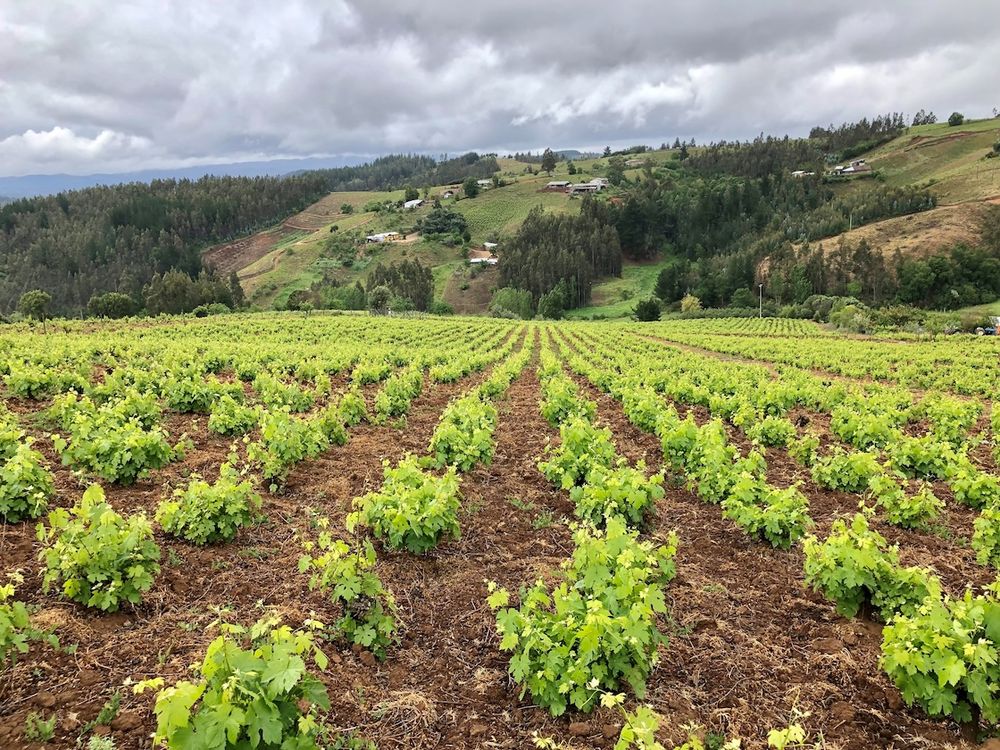
Loma Seca in Itata
Carmen DO Loma Seca 2022 celebrates the magic combination of the granitic soils of the Itata Valley and the Cinsault grape. While the area is famous for being home to some of Chile’s oldest Cinsault vines, it’s heartening to hear that new plantings are also taking place, securing the future of the variety there. Loma Seca (meaning 'dry hillside') is from a vineyard planted in 2010 by young grower Froilán Aguilera. The 50% whole bunch fermentation brings some stemmy spice to the lifted fruit here, followed by a savoury finish.
The limpid ruby coloured Carmen DO Loma Seca 2024 follows the same winemaking pattern but has greater volume in the mouth and generous fruity spice. There’s a tiny hint of grip on the finish of this flavourful but weightless wine.
The final current member of the DO team (a Pinot Noir from Leyda will be bottled soon, and Cumsille would like to see a Maule Cabernet Sauvignon and Bio-Bio Chardonnay join the ranks) is Carmen DO Matorral Chileno. This wine is from a dry farmed field blend of Grenache, Carignan and País grown in Maule, with the oldest vines over 100 years old. Says Cumsille, “It represents the identity of Maule and the richness of our viticultural heritage.”
The current, 2022, vintage has a winning combination of meaty and bright fruit aromas, followed by a densely packed, quite weighty palate. It’s a serious mouthful which cries out for a hunk of serious meat to smooth its chunky silhouette.
The future release, 2024, has a different aromatic profile and is cool and refreshing in the mouth, with fine sandy tannins and juicy dark berries with a bloody undertone. This wine was awarded 95 points and was included in the list of Red Wines of the Year in the latest Tim Atkin MW Chile report.
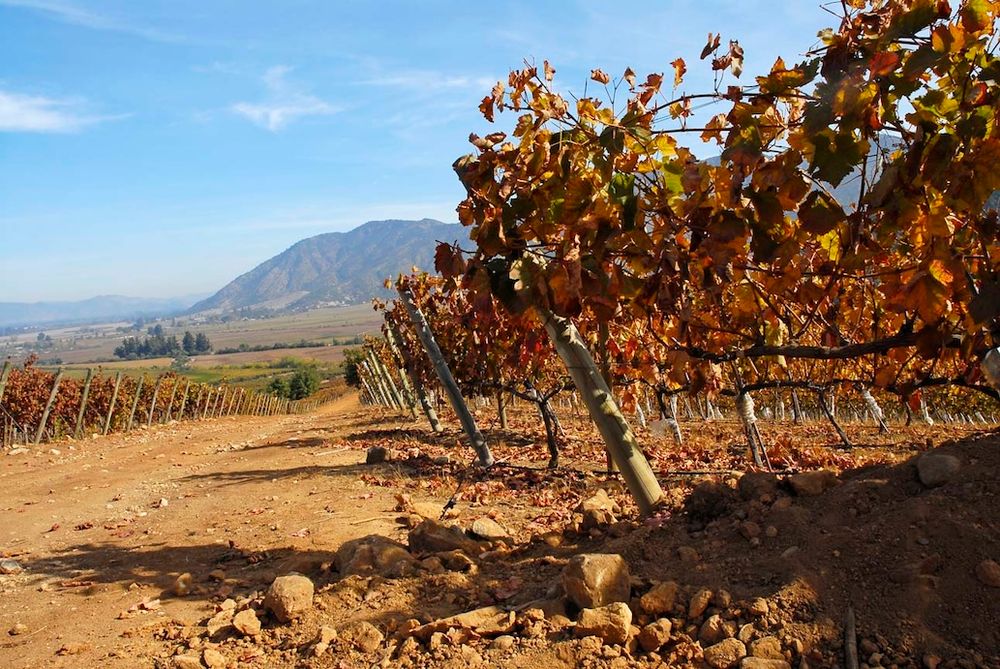
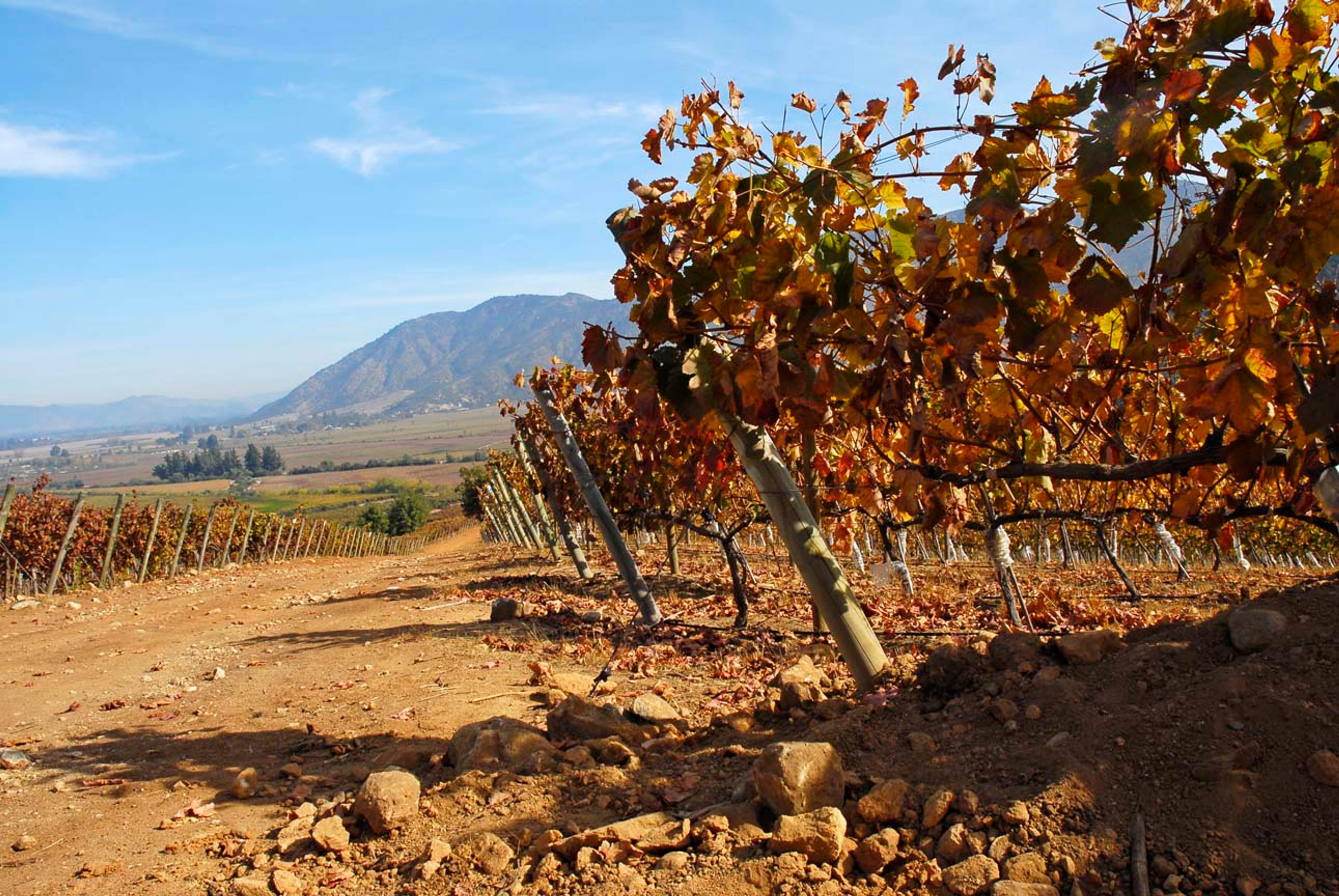
Two Semillon wines come from these vines planted in 1958 in the Apalta valley
Making a statement
Chile can too often be associated with 'safe' wines – famous more for reliability than excitement and experimentation. But those elements have long been present, if perhaps under-represented in Chile’s all important export markets. Having a major commercial player such as Viña Carmen put its DO wines front and centre in the UK makes a statement about bringing international attention to the unique diversity and heritage that Chile can deliver.
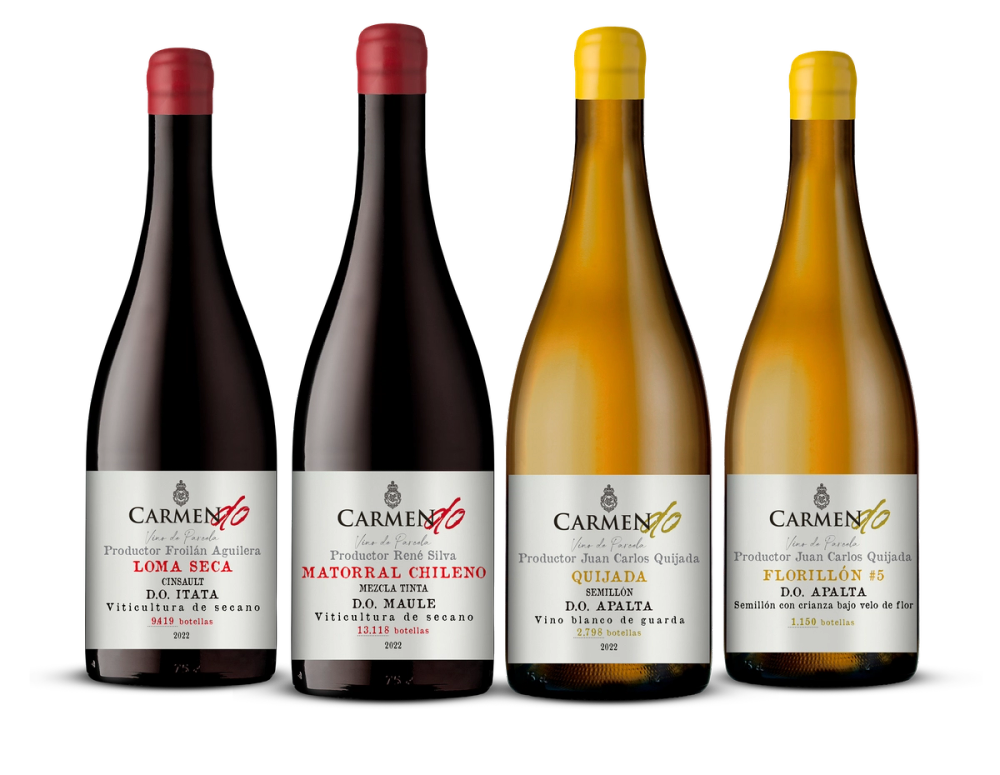
Carmen DO wines are distributed in the UK via Schenk Family and are available in retail at ND John Wine Merchants