What now seems a long time ago, before COVID, before Liz Truss crashed the economy and before the onset of two appalling, still ongoing wars, I wrote a piece for this website boldly predicting: “I’ve seen the future…and it’s still.”
I was, I hasten to add, writing about English wine – rather than geopolitics – and I’m happy to say events have proven me prescient.
Although the foundation of English wine has been built on sparkling wine, still wine was always going to become much more of a thing; the first outliers – including Balfour Wines, Stopham, Bolney and Denbies – gave a hint of what was to come, with varying degrees of success, and now increasing numbers of England’s 220+ wine producers have turned their hands to still.
Wine GB has yet to release its latest figures but industry sources suggest some 32% of English wine production is still – up from 28% in 2019 – and the proportion is rising.
Many factors have been driving this including more consistent and generally better harvests – arguably more important for still wines than sparkling - and a rise in temperatures making greenness increasingly a thing of the past. And then there’s economics: wineries need cash flow and can’t always wait for the three/four years that classic style sparkling wine takes until it is ready for sale (and sources suggest producers are sitting on many unsold bottles). Consumers don’t always want to fork out £35-40 for a bottle of local sparkling but are happy to pay, typically, half that price for a wine that still has the imprimatur of being English (or Welsh for that matter).
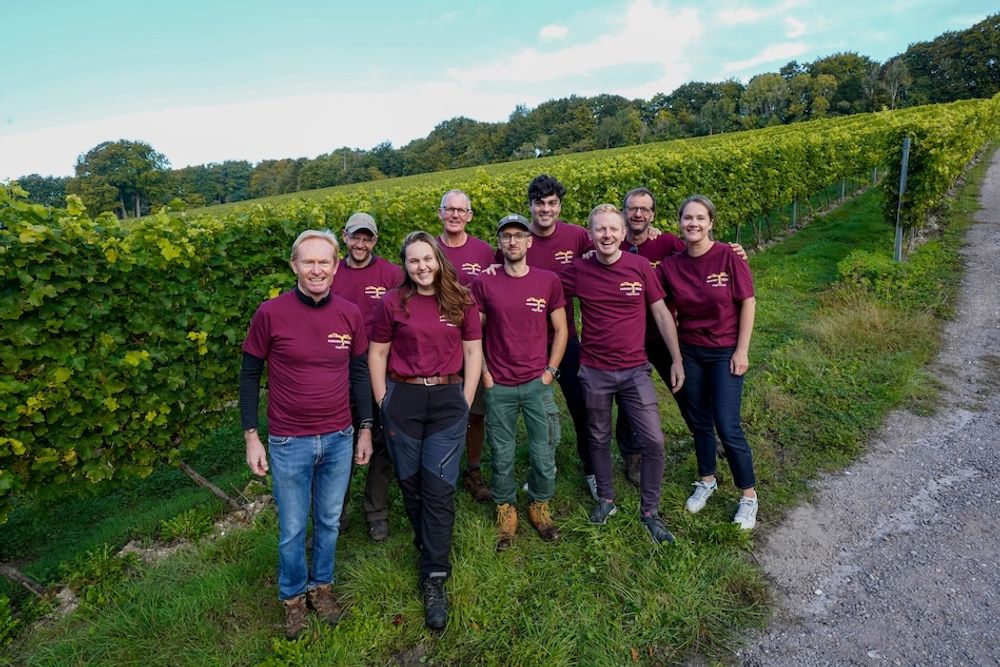
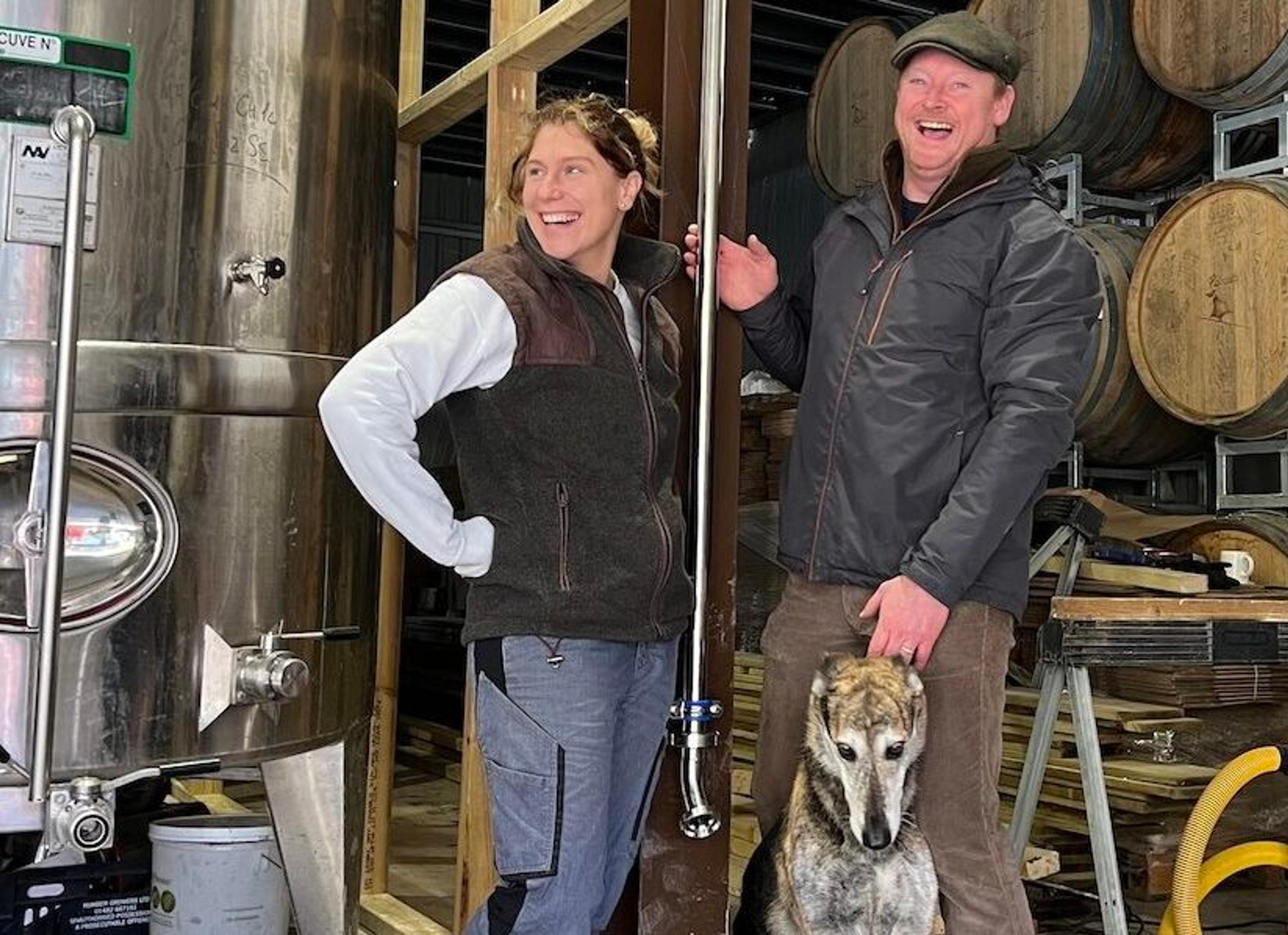
"90% of the wine sold in the UK is still, so by exclusively producing sparkling wine you are consciously ignoring the vast majority of the market.” Mike Wagstaff (l) and Greyfriars team.
A focus on lighter, aromatic styles
Mike Wagstaff of Greyfriars Wine, which this year released its first still wines makes the point that catering for the still wine market makes clear economic sense.
“Although sparkling wine remains the core of Greyfriars' strategy, 10-15% of our total production is still wine and we now have plantings of Pinot Gris, Pinot Blanc and Sauvignon Blanc dedicated to still wine production, together with Chardonnay and Pinot Noir which are used for both sparkling and still wines. Our decision to make still wine was taken fairly early on in Greyfriars’ journey when we planted an experimental plot of 950 vines of Pinot Gris in 2012. Why Still? Since 90% of the wine sold in the UK is still, then by exclusively producing sparkling wine you are consciously ignoring the vast majority of the market.”
Wagstaff says the move towards still wine required some tough decisions.
“Historically, the problem with English still wine was the big variations between vintages as a result of our marginal climate – what our customers need is quality, quantity and consistency. We decided to focus on grape varietals that produce lighter, aromatic styles rather than hybrids or Piwis. While they are more difficult to grow in the English climate, they have much better customer recognition.”
It should be stressed that although still wines are becoming more of a thing in the English and Welsh wine scene, there are some major holdouts who have stuck with their core strategy of making sparkling wines, many moving towards multi-vintage or NV wines to bridge harvest variation. Hold-outs include Hampshire’s Exton Park (big on this last strategy), Nyetimber and one of the original pioneers of the industry, Hambledon Vineyard, established in 1952 and bought out in late 2023 by Berry Bros and Symington Family Estates.
Whether these and other hold-outs decide to take the still wine road remains to be seen but the trend is evident.

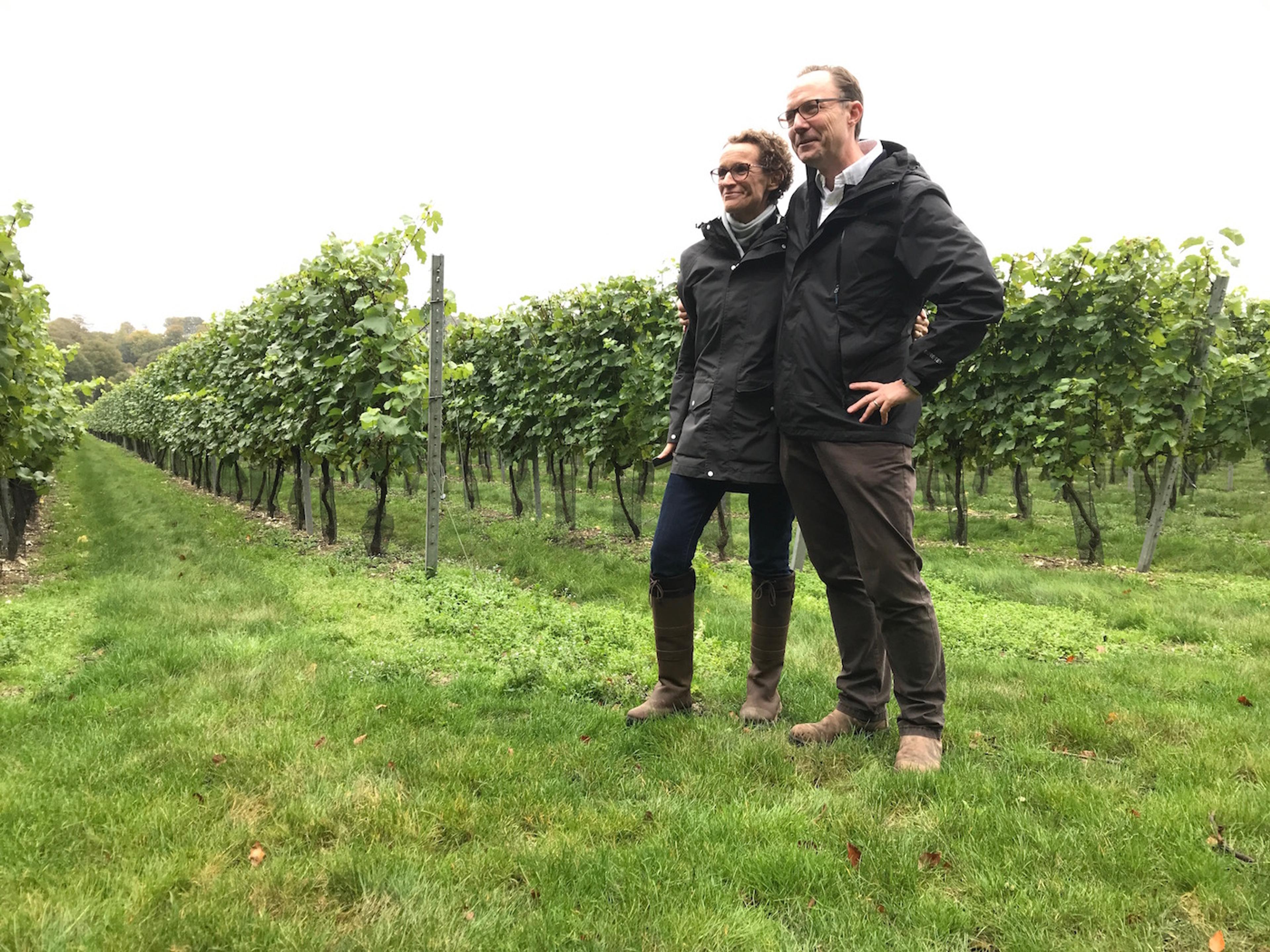
Climate change and experience make the growth of British still wines inevitable, says Harry Pickering
Achieving quality and consistency
Harry Pickering, head winemaker at The Grange in Hampshire – which now makes two still wines alongside its range of sparkling – says climate change and experience somehow make it inevitable.
“The combination of accrued knowledge, consistently warmer summers and increasing volumes of sparkling wines on the market mean that quality-focused still wine is of growing interest to us,” he says.
“Viticulturally, there is less to hide behind when making still wines (blending, lees ageing, dosage etc) and so it pushes us to focus on preserving the unique characters of the site and its fruit. Applying the same ethos and level of precision to our sparkling wines is a high-quality benchmark for us.”
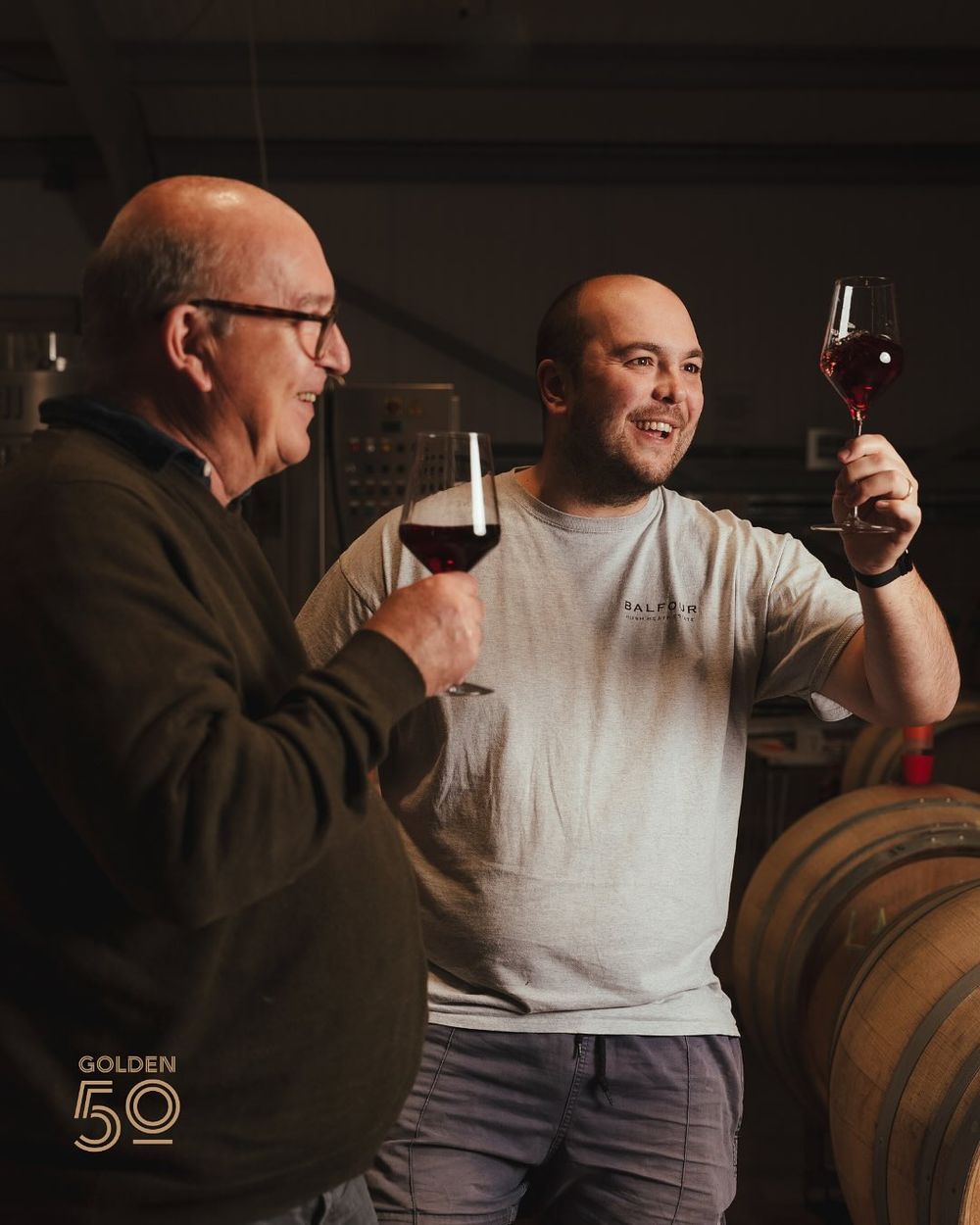
“We can now make a still Pinot every year, something we couldn’t do before." Fergus Elias (r) with father, Owen.
This is echoed by Fergus Elias who recently took over from his father Owen as chief winemaker at Balfour Wines in Kent. He says the big driver for still English has been the improvement in quality and consistency.
“We can now make a still Pinot every year, something we couldn’t do before: harvests have tended earlier and sugars higher,” he says, adding that more reliable weather has encouraged producers to dump “weird” German varieties for the likes of Chardonnay, Pinot Noir, Gamay and Sauvignon Blanc – internationally recognised varieties.
“These have a much better chance of commercial success not only because they taste nicer but because the consumer has actually heard of them.”
So, with all that in mind, here’s some new releases to be getting on with.
Putting new English still wines to the test
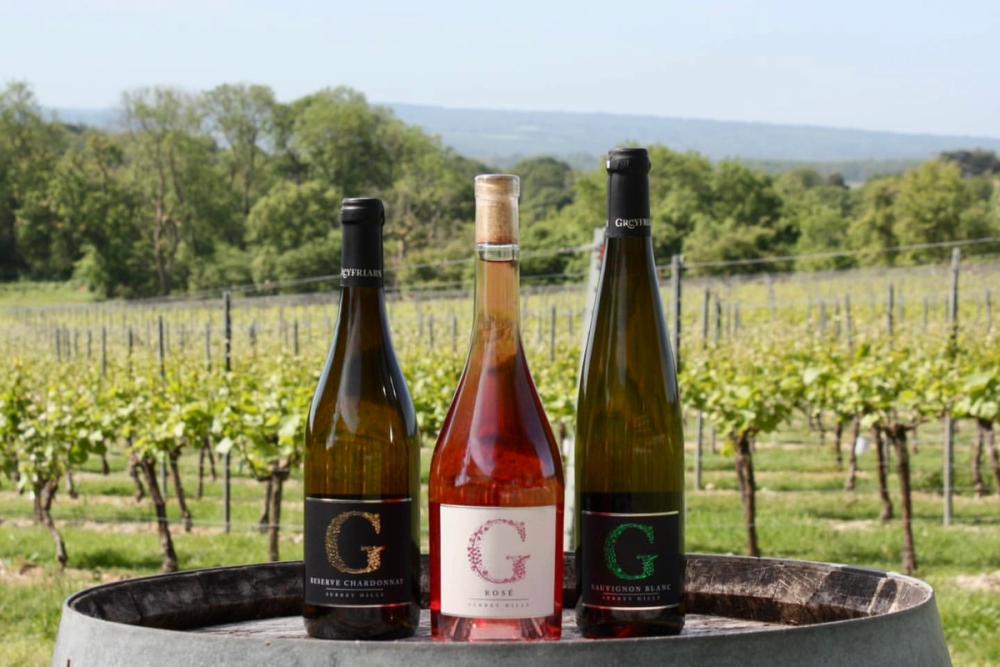
Located on the Hog’s Back just outside Guildford, Greyfriars is one of Surrey’s bigger wine producers, famous for offering decent sparkling wines in a range of styles from the picturesque Surrey Hills at pretty fair prices. Still wines haven’t been a thing - until now. This year saw the launch of a six still wines, all vintage 2025, priced between £16-20 retail, mostly very approachable.
The dark strawberry coloured rosé is a great success, made from the estate’s best parcels of Pinot Noir, surprisingly full bodied and about as far from a dainty Provence pink as you could imagine.
Another surprise is the Sauvignon Blanc, not least because typically this is a variety I love to hate. But not this one. Stylistically this falls between Loire and New Zealand, quite full bodied and characterful, but without the cloying grassiness that can make some Kiwi SB almost nauseating. Considering SB’s low English profile and scarcity, this is a good effort, showing good fruit and balance.
The Reserve Chardonnay, made solera style comprising Chardonnay dating back to 2014, is interesting, showing struck match character and some fruit but to my palate it is too skinny - just 11% and quite sharp on the attack, although it eases up after some air exposure. I hope with future vintages this becomes weightier and more rounded in style, because the essence is very much there.
The standard Pinot Gris – one of two produced here – is a joy, very much in the Alsatian style and benefitting from 18 hours of skin contact and three months oak ageing on 12% of the blend. This is very slightly off dry with lovely suggestions of apricot and peach on a floral rounded palate.
These are fresh, modern and immediate wines which – to my taste at least – would show even better with stelvin closures rather than cork. For the next vintage maybe?
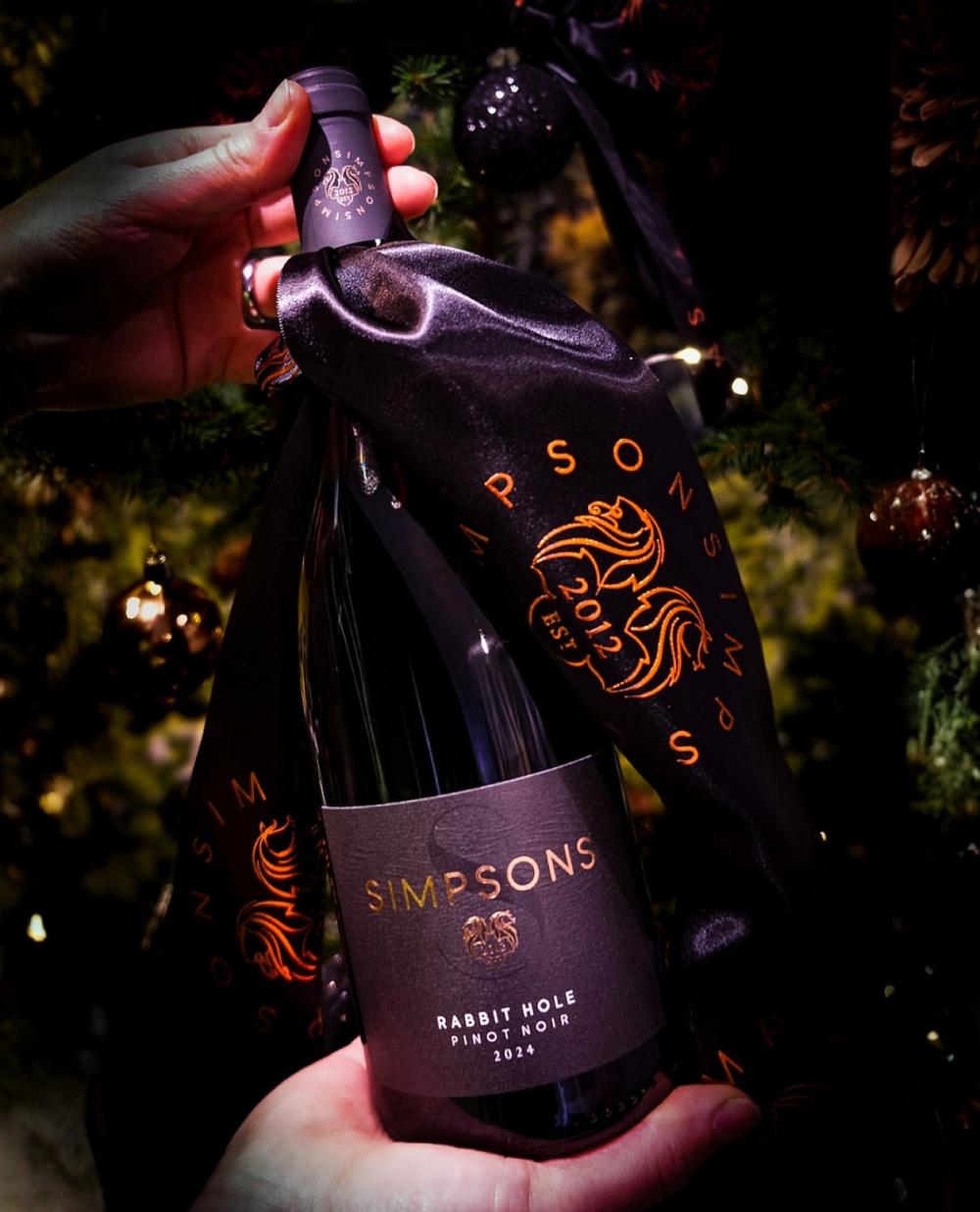
By English standards, Kent-based Simpsons' winery is an old hand at still wine making, with owners Charles and Ruth Simpson bringing their expertise from the Languedoc’s Domaine Sainte Rose to bear in this area of the North Downs, just outside Canterbury.
They’ve established a great reputation for The Roman Road Chardonnay and the current 2023 vintage demonstrates why – very elegant, with great character, this is Burgundian in style, with maybe a New World twist. With alcohol at 13% it isn’t shy but with so many other English Chardonnays hanging around 11–11.5% abv (and tasting sharp or bland as a consequence), the alcohol is as welcome as the professionalism that clearly went into making it.
Another recent release, the Rabbit Hole Pinot Noir 2024 is similarly Burgundian, like the Chardonnay made purely from estate fruit. There’s elegance and poise here, with red berry flavours on a palate supported by soft tannins and surprising length. One of the better still English Pinots I’ve tried.

From Benenden in Kent, this new venture (not the most attractive name, necessarily, recalling the vineyard site’s original Georgian name and anyhow redeemed by attractive labelling) worked by veteran winemaker Owen Elias, has just released its first wines, designed to show the terroir of the region. The Pinot Noir Rosé 2025 is very moreish indeed, a dead ringer for Provençal pink (except for the grape variety of course). This is fragrant, floral and also full of character. The Marlpit Bacchus 2025 is a soft but concentrated take on the variety, very distinctive and decent.
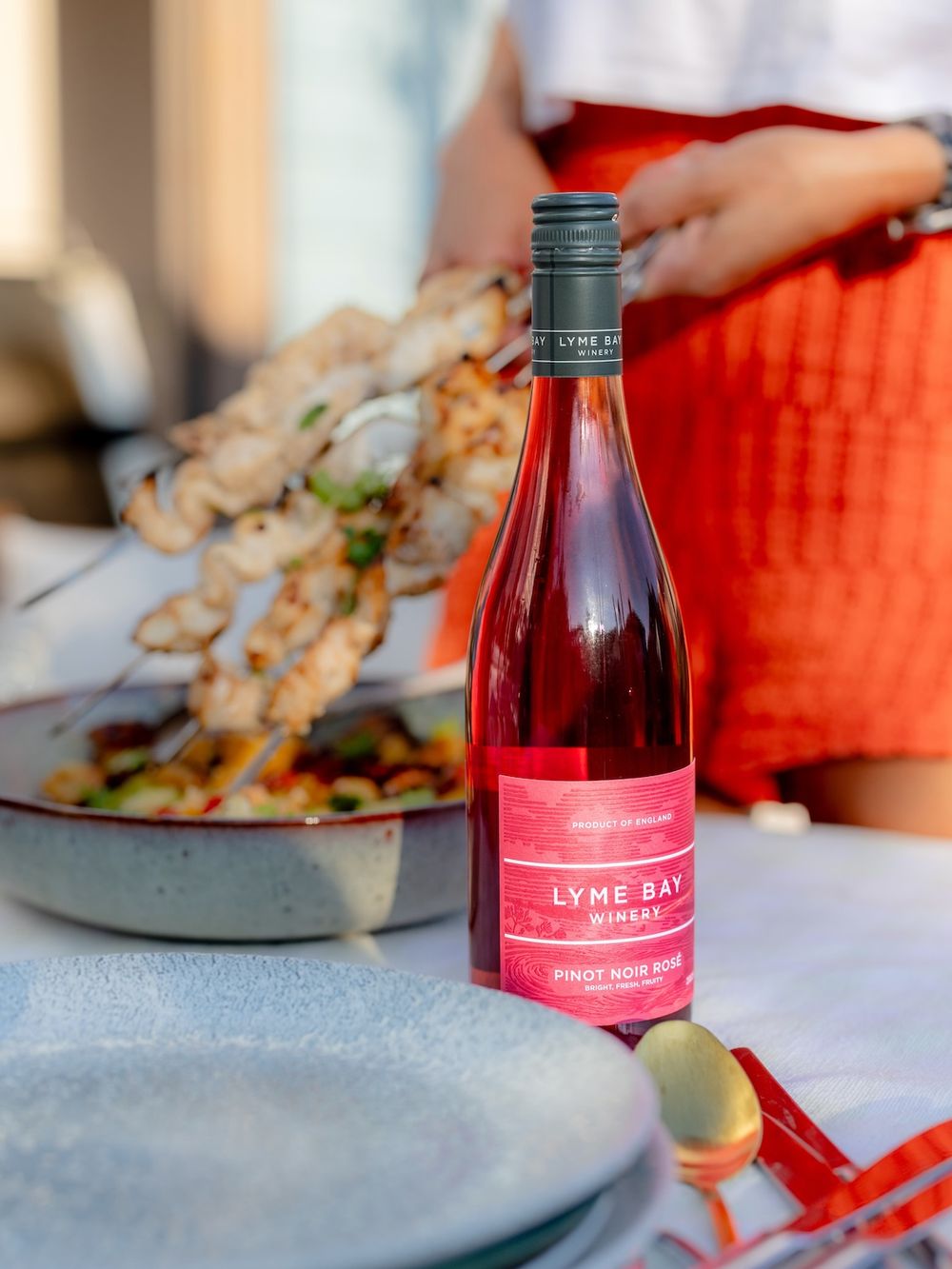
Under new management, with Clem Yates MW acting as head winemaker, Lyme Bay continues to produce its high-quality wines in a range of different styles from quality Essex fruit (Crouch Valley, where else) and other sites in England. Earlier this year it released a number of new wines after solidifying its position as England’s most awarded still wine producer, with 18 medals across four major competitions this year (IWSC, IWC, Decanter World Wine Awards and WineGB Awards).
Head winemaker Clem Yates MW and her team have seen standout performances from the Pinot Noir 2024 and Bacchus Block 2025, bringing their total to 83 medals since 2021.
These are decent and accessible wines made more so by the praiseworthy decision to use screwcap/stelvin rather than cork, reinforcing the sense of freshness and immediacy. I particularly enjoyed the Shoreline Rosé 2025, salmon pink, moreish and fresh, with suggestions of strawberry on the palate, not too dry, the blended Bacchus and Pinot Noir blend giving good length.
Unbelievably this Surrey-based vineyard celebrates 40 years this year and is going from strength to strength, benefitting from an active cellar door – tours and tastings comprise a large part of its business strategy – but also selling widely to the off and on-trade. I only got to taste one new release, the Chardonnay 2023, and very nice it is too, showing good balance, length and lots of character.
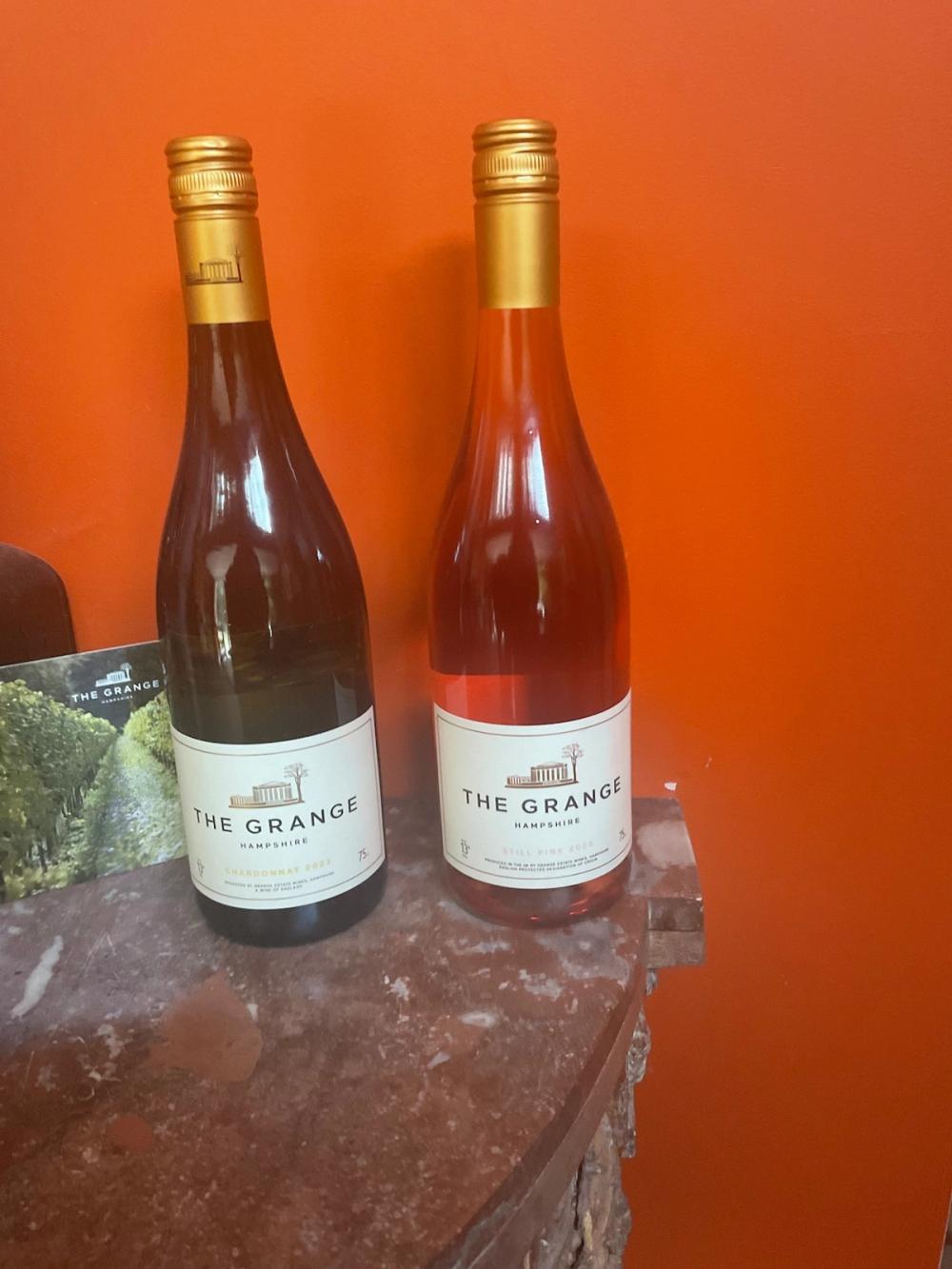
This fast-growing Hampshire producer’s new winery has given it a firm presence in the contract wine-making business as well as allowing it to consolidate and build on its sparkling range which includes the Classic NV and Pink NV.
Still wines are a relatively new thing here but both show very well – and both sealed by stelvin. The Still Pink 2025 is 100% Pinot Noir from the south-west facing Burges Field near Winchester and which had five-hour skin contact to give it a pink tint, followed by cool stainless-steel fermentation and a touch of oak ageing for texture.
The Chardonnay 2023 is very well balanced, the extra time in bottle emphasising the struck-match and toasty new oak character which support what is a pleasingly fruity character.
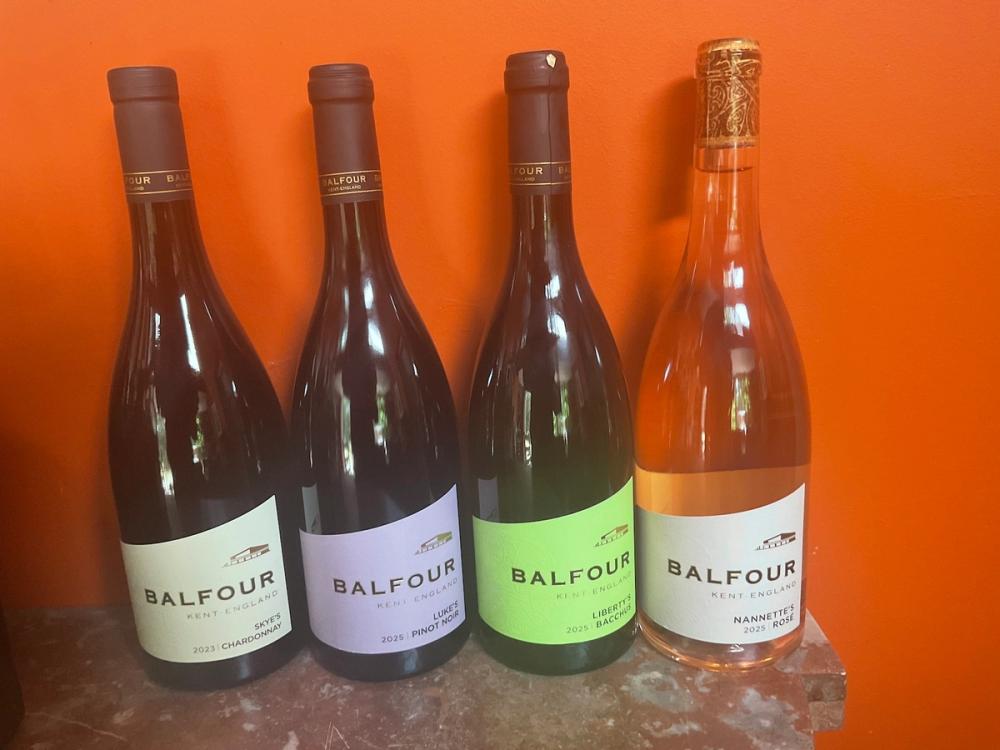
Hardly strangers to the still wine category (they supply Tesco, amongst other retailers), Balfour winemakers Owen and Fergus Elias have built up one of the most solid core ranges in the industry comprising Skye’s Chardonnay (2023 vintage just released), Luke’s Pinot Noir (2025), Liberty’s Bacchus (2025) and Nannette’s Rosé (2025).
The latest vintages confirm the competent winemaking, with the unoaked, lees heavy Chardonnay showing thyme, white blossom and citrus on a precise clean palate; the Luke’s Pinot is Burgundian in style with a toasty elegant style reflecting the warmth of the 2025 vintage. Meanwhile the Liberty’s Bacchus is a zesty, full-on take on the variety, showing lime, grapefruit and gooseberry, with some lees ageing and oak adding to the depth and personality of the wine.
This is one of the English wine industry’s most stellar line up of still wines which just gets better with time. Recent one-off additions, including a Gamay and an Albariňo in 2025, show imagination and flair.
Last thoughts
Probably the best thing about tasting through these wines was how evolved they are, and how competent the winemaking – certainly compared to say four or five years ago when tasting a range of English wines was very much a professional, rather than fun, undertaking.
And the best news is that English still wines will only get better going forward – the revolution has truly just begun.