
Following the collapse of Conviviality PLC in 2018, the C&C Group acquired both Matthew Clark and Bibendum, running them as separate businesses. When it was announced in May that they had formally merged to become Matthew Clark Bibendum (MCB), questions were asked how this would affect suppliers, customers, staff and its wine range.
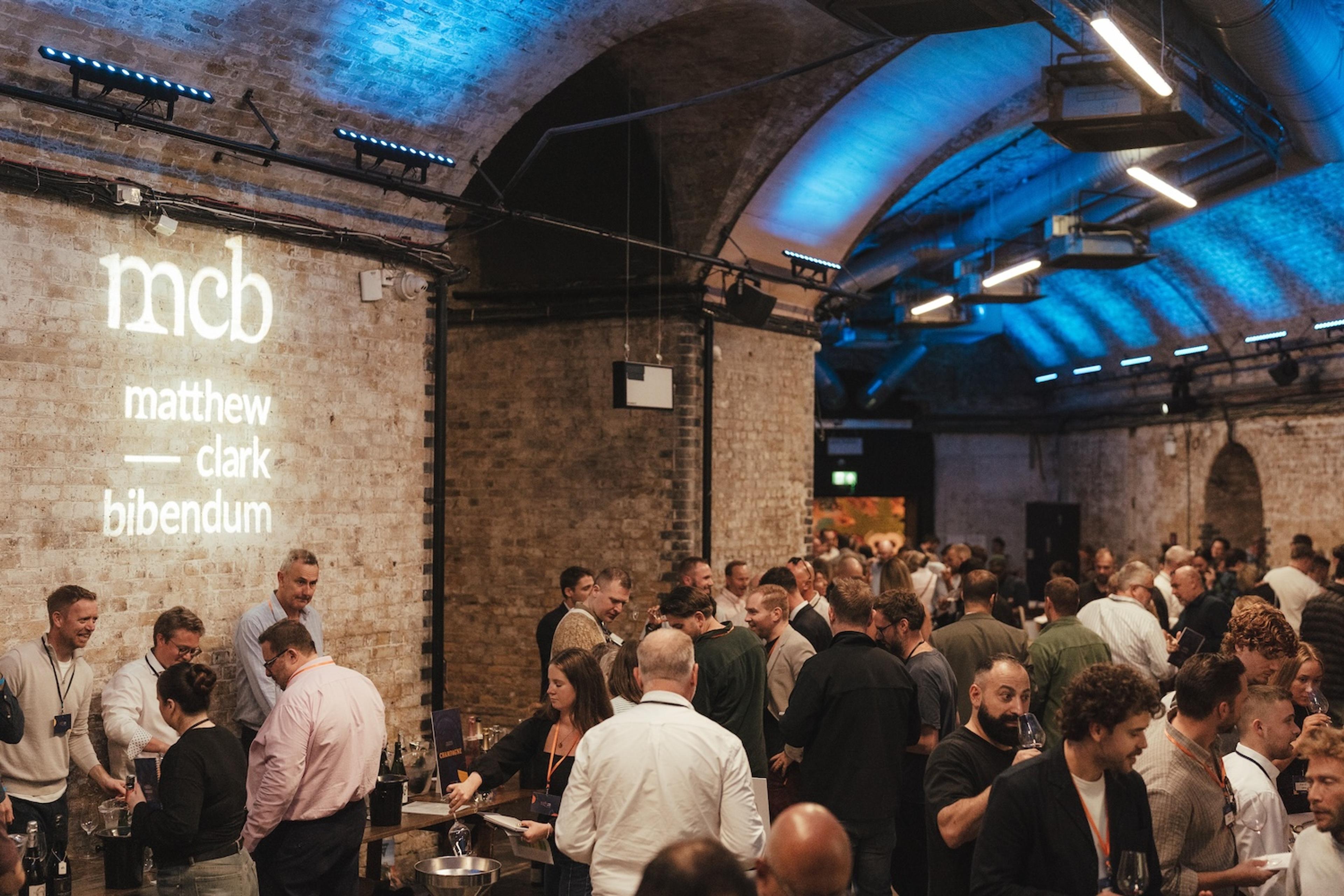
Speaking at MCB’s first portfolio tasting Jamie Avenell, wine buying director for the overall C&C group, provided more detail about this exciting new chapter.
“The merger was a much bigger deal from an outside perspective than it was from the inside,” Avenell told me. “The behind-the-scenes logistics had been in place for years, so it was really just a change in how we presented ourselves to customers and to the wider trade.”
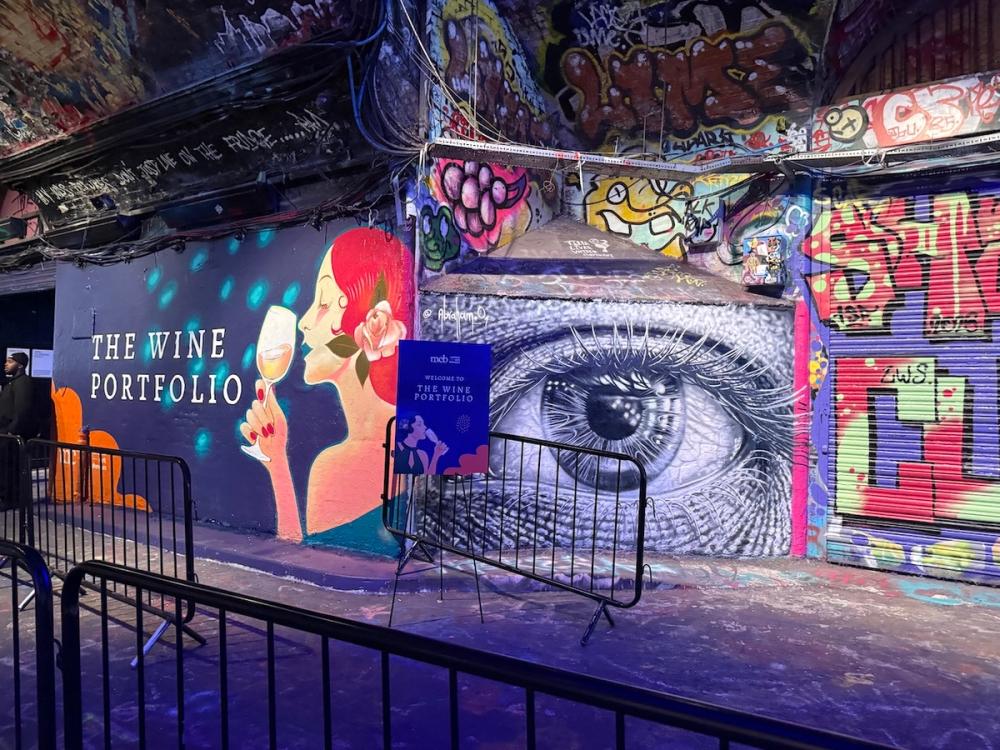
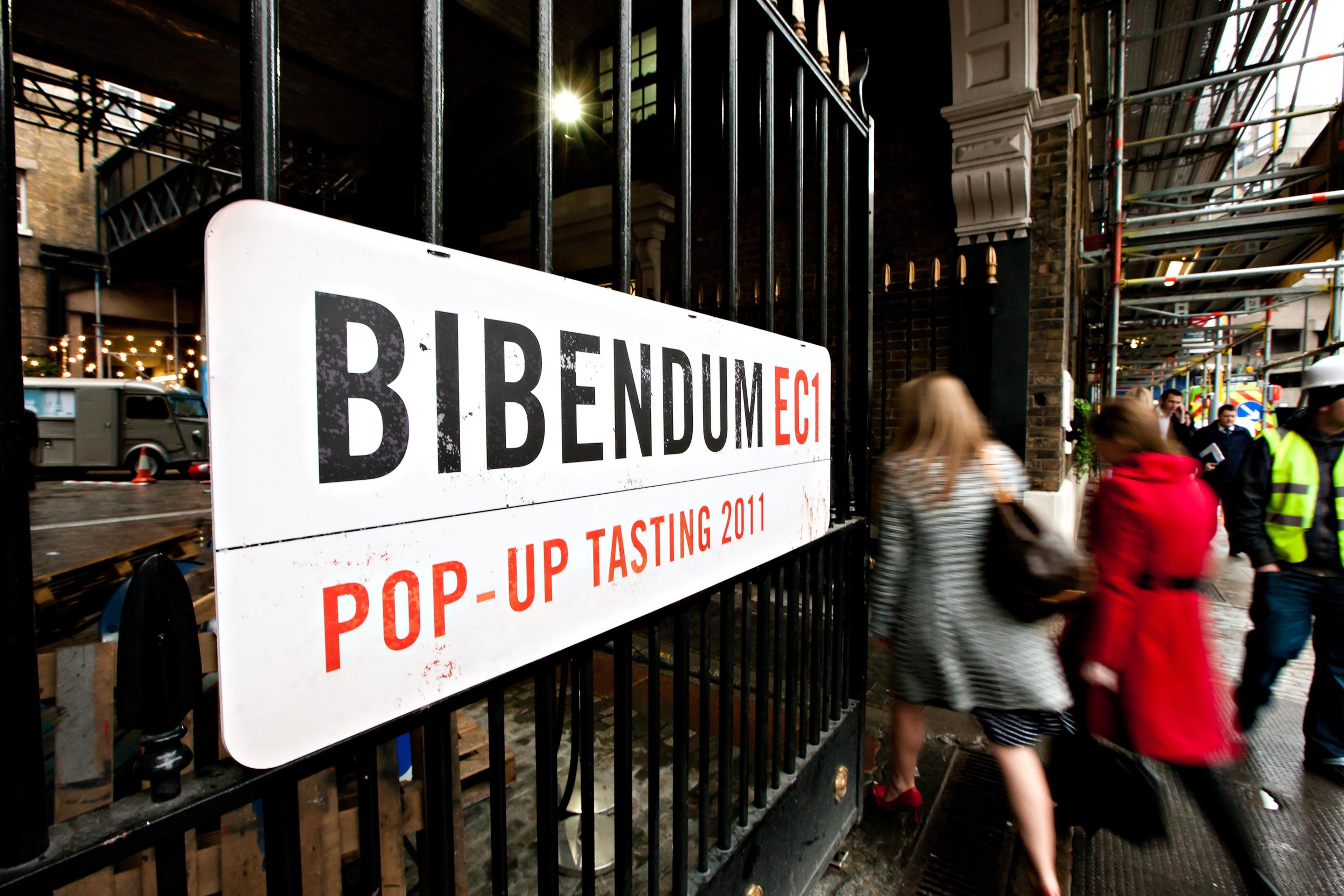
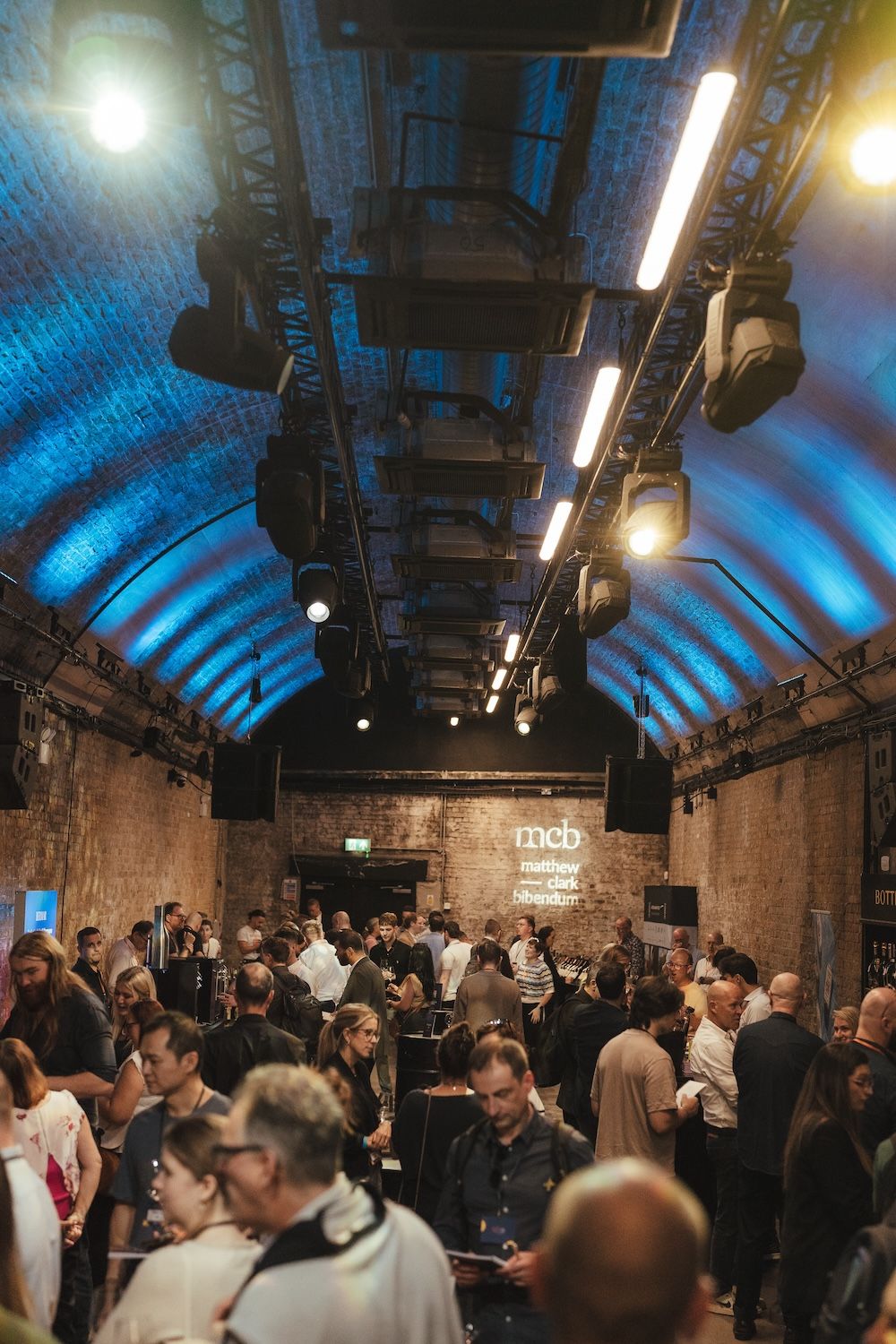
The venue certainly set the tone for the tasting. Leake Street Arches beneath Waterloo Station, once a gritty no-go area but now a legal graffiti tunnel and a tourist attraction in its own right, incorporating various restaurants and an events space. “Feels a bit like going to a rave in the 90s,” quipped a fellow journalist about the venue and accompanying music.
Most attendees were younger than me and, judging by their badges, covered a wide range of operations, including pub groups, smart restaurants and independent wine shops. MCB now supplies 12,000 venues across the UK, processing over 650,000 orders a year, from 14 depots. Perhaps mindful of the old wine industry adage to “buy on an apple, sell on cheese”, guests were treated to lunch in the form of a long buffet table beautifully set with gorgeous cheeses all in perfect condition.
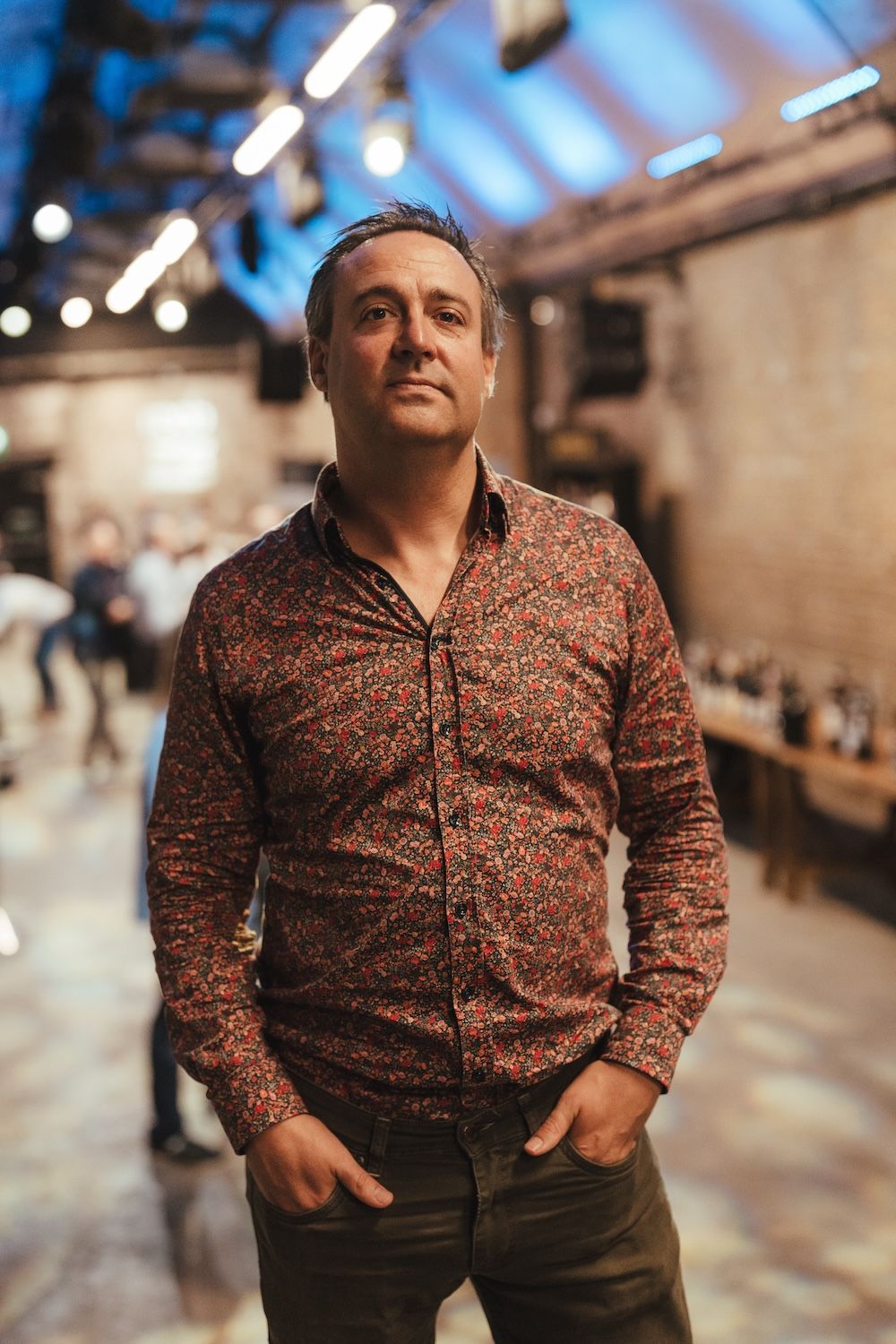
"Our customers have got access to the whole range with only one point of contact, the order comes on one invoice, and in one delivery.” Jamie Avenell, C&C wine buying director.
“I’ve been with Bibendum for 17 years,” Avenell went on. “So I’ve seen it through its different phases, including the rollercoaster of being bought by Conviviality and that not working out. We couldn’t have done this three or four years ago; there was still too much emotion and history within the business to make it happen in a seamless way. Since then, the industry's changed, our business has changed and we’re now at a point where that baggage and that emotion has largely gone, and lots of people have moved on."
Regarding the number of people who have moved on Avenell explains: “Any reorganisation of a business like this is a painful process because it involves people. It's never fun for anybody when you go through that period of change, but things have settled down now and are looking very positive.”
“Now we only have one buying team and one sales team who are responsible for all categories,” he went on. “We also have a wine development team of 20 wine experts who can be called in if customers need a higher level of wine knowledge. This team works closely with us on overall strategy, including new product development, as well as with producers. For our customers, they've got access to the whole range with only one point of contact, the order comes on one invoice, and in one delivery.”
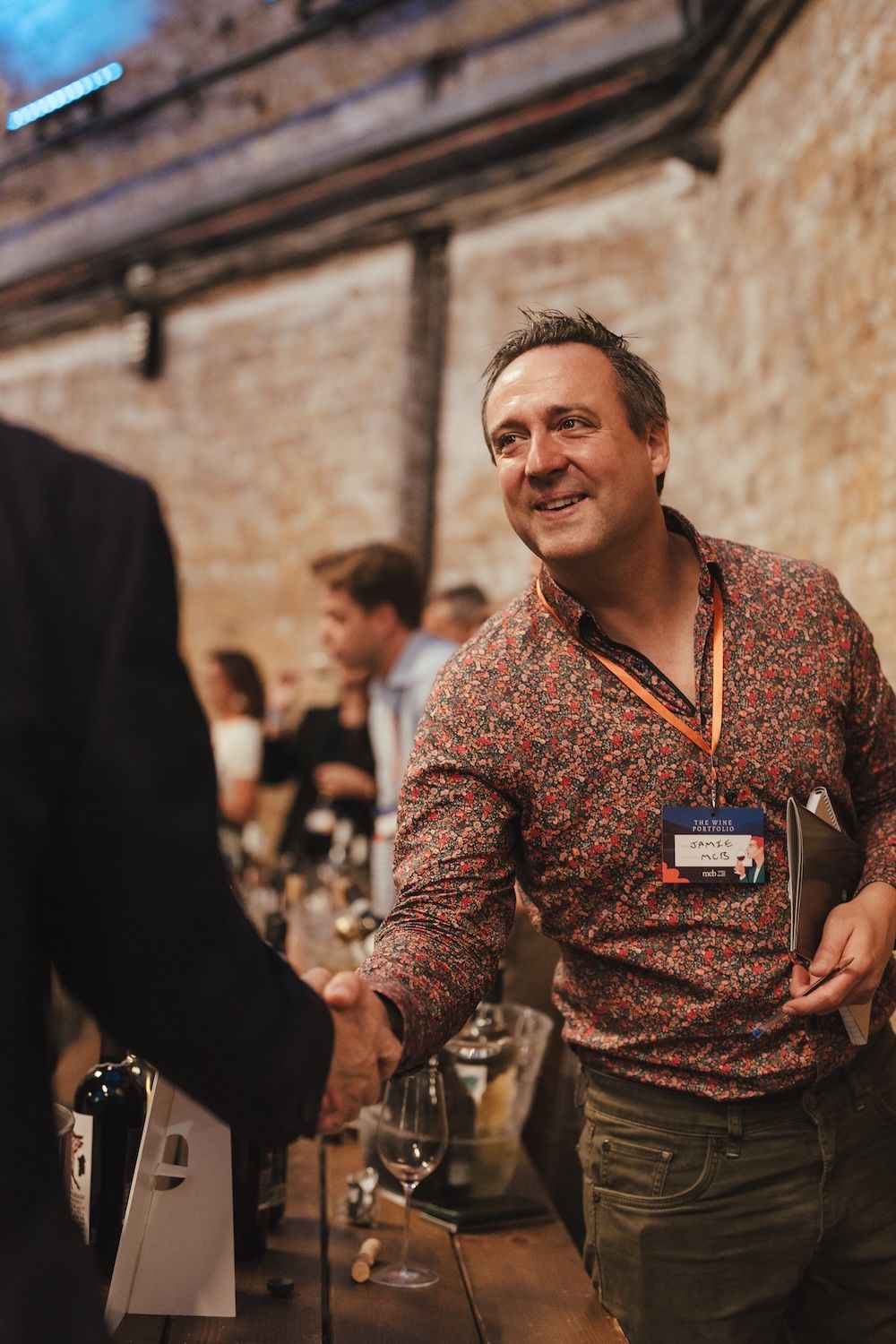
"Our CRM system is proving very successful as a tool for our sales teams to give better service to their customers."
Over the past year MCB has invested heavily in sales training. “The wine industry can be so entangled in the winey element that actually we forget that we're there to sell products. Any other industry would think this approach is crazy. We’re now teaching our sales team not about soil or viticulture or how the wines are made, but about the actual process of selling.”
An extension of this is the implementation of a comprehensive CRM (Customer Relations Management) system just over a year ago. “In any other FMCG sector, CRM would be a given, but it’s quite new in the wine industry. Essentially it's a high-tech spreadsheet, and it’s proving very successful as a tool for our sales teams to give better service to their customers.”
Just 10 days before the tasting, MCB announced its acquisition of south-west-based Nectar Imports from Asahi UK for a ‘nominal consideration’. “It's really hard to make money out of being a wholesaler these days,” explains Avenell. “This allows them to concentrate on their brewing activities while it strengthens MCB’s position in the on trade sector in the south of England.”
So how’s it working out for MCB’s suppliers?
"Anybody shipping less than a pallet a year just doesn’t really work for us anymore," says Avenell.
“Now there is a better team structure and everything seems to be working well,” said one supplier, who’s had dealings with Bibendum since the early Michael Saunders days, “and I think the acquisition of Nectar Imports can only add to MCB’s strength.”
Newer suppliers were equally positive. “We only started with Bibendum a year ago,” says Paul Jenkins of Domaine du Météore, a relatively small producer in the Haut-Languedoc. “We’re very excited about the merger and believe this will create great synergy in MCB’s client portfolio – the new website looks very promising. Now the restructuring of the Bibendum and MC staff is complete there seems to be great optimism internally, as well as with some of their premium producers. There was a real buzz in the air at the tasting.”
Avenell sees MCB’s commercial partnership with The Buyer as a key part of its marketing strategy.
“An average FMCG company will spend something like 15% of their turnover on marketing,” explained Avenell. “Spirits companies spend a similar amount, but the wine industry spends less than 0.5%, and that's a real challenge. Partnering with The Buyer is an effective way for us to reach audiences in the on- and off-trade. Nobody else is doing that kind of thing in the same way, in a weekly magazine format that’s free to read. It’s a really good platform for debate and sharing information on what various businesses are doing across the industry.”
And what of the wines?
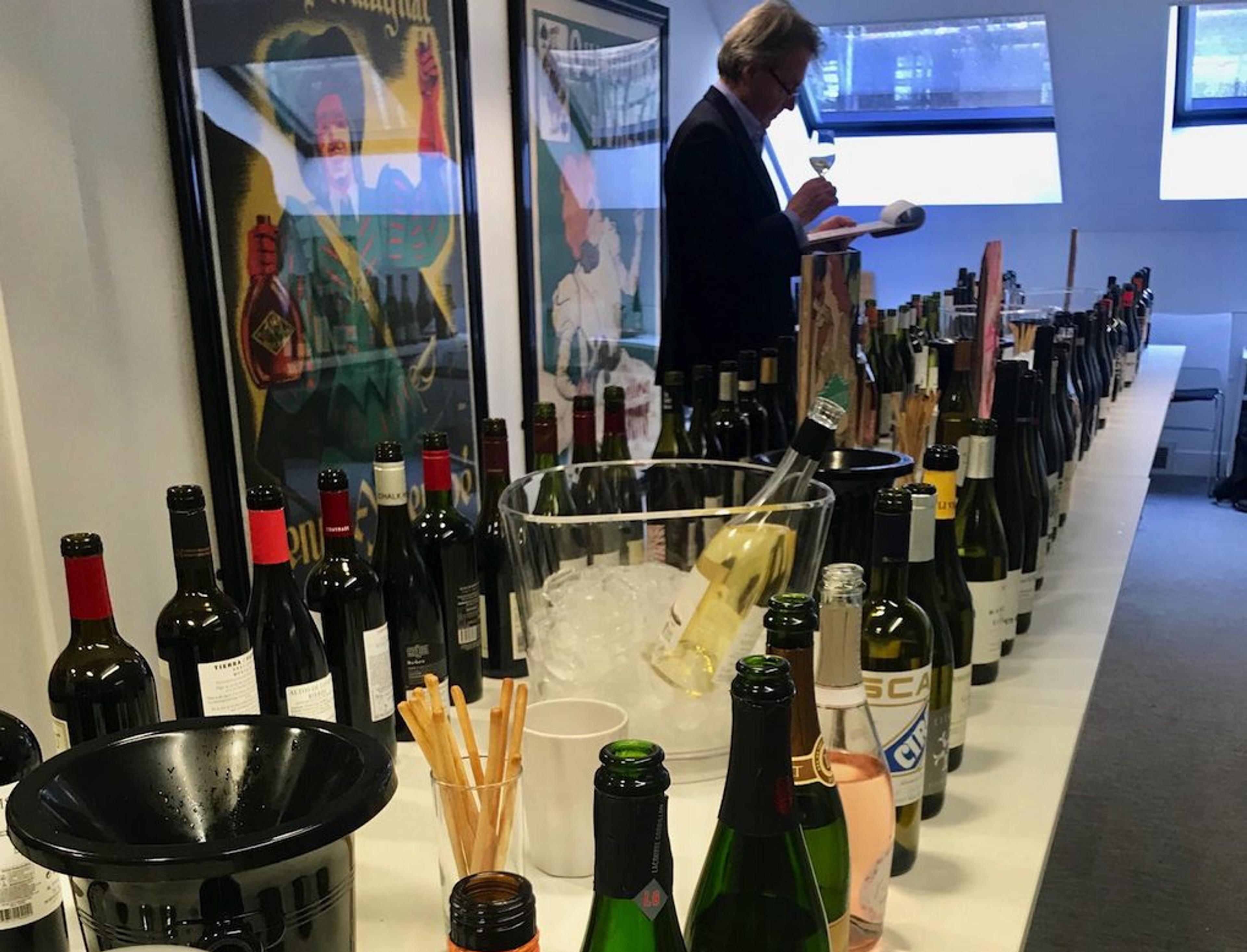
There were 350 wines on show, just a fraction of the 2000 or so from 280 producers in the MCB portfolio. “We took 20% out of our core range last February,” said Avenell, "we will always review performance of producers or products with smaller rates of sale to ensure the relationship makes sense for both parties. Whilst we want to maintain a diverse exiting range every product has to earn it’s place in the range to ensure we have a supply base and product list that resonates with customers."
The list ticks a lot of boxes to be sure, with plenty of reliable wines from reliable makers across the calibre spectrum. MCB has also taken on some interesting new producers reflecting current trends. These include Weyborne English sparkling wine, the grower champagnes (and an excellent still rosé) of Alexandre Bonnet, Tscharke’s modern, bright iterations of Barossa shiraz and Castello di Volpaia from high-altitude Chianti Classico. Other impressive recent additions include Argentina’s Queen of Torrontés Susana Balbo, and the smart, and smartly packaged, wines and ports from Quinta da Pedra Alta in the Douro.
Here are my top picks from the tasting (all prices trade list price)
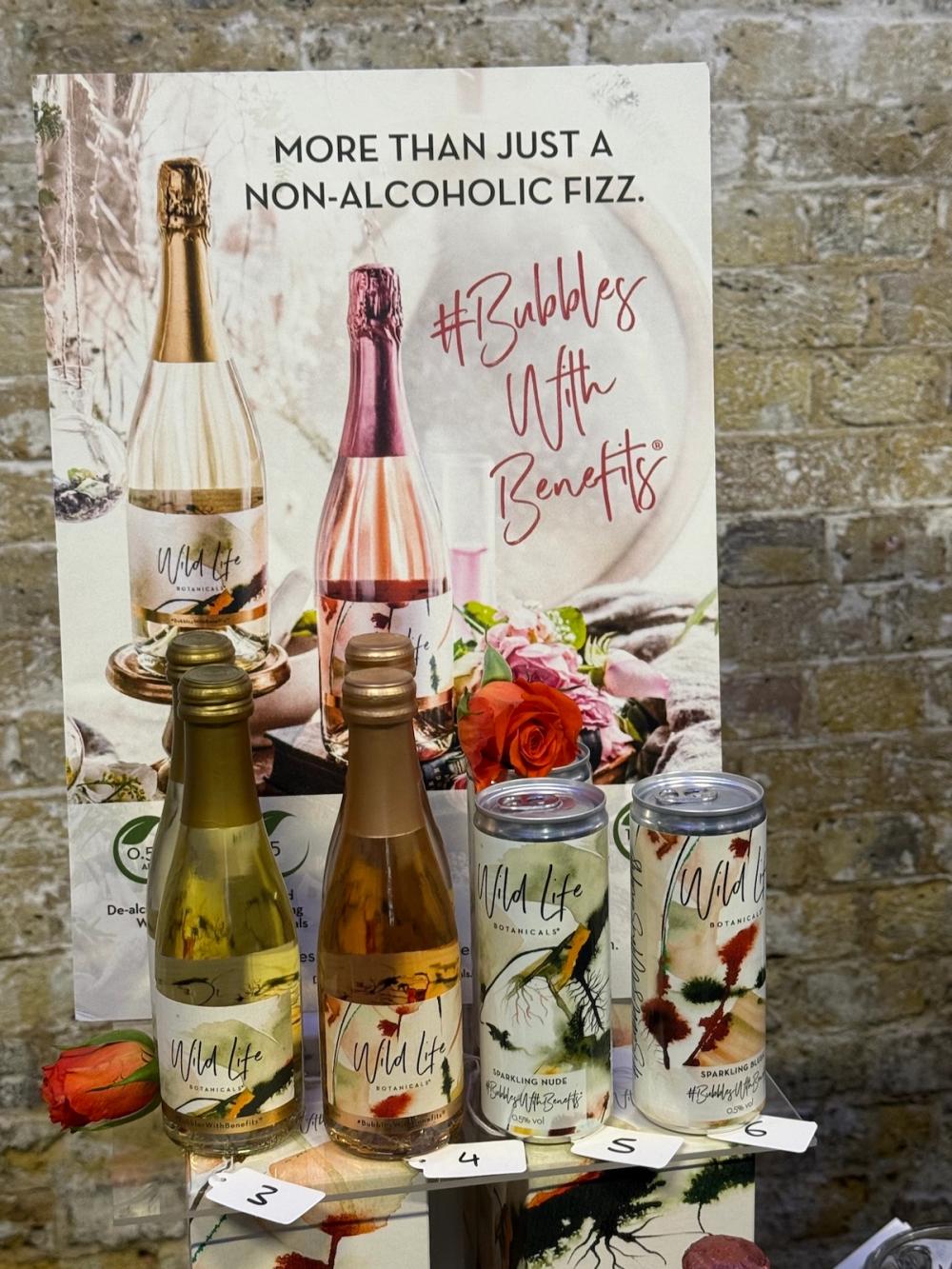
Wild Life Botanicals Sparkling Nude NV, £10.54
De-alcoholised wine from Spain infused with various (supposedly mood-boosting) botanicals that make it a much more palatable drink than most non-alcoholic wine. A Cornish company which has been with Matthew Clark for six years, Wild Life’s owner Ellie Bradshaw told me the MCB merger has been a pretty seamless transition. The juice, available in 75cl and 20cl bottles as well as in 25cl cans, has a pleasing savoury herbaceousness and has proved an easy win for outlets looking for single-serve no/lo options.
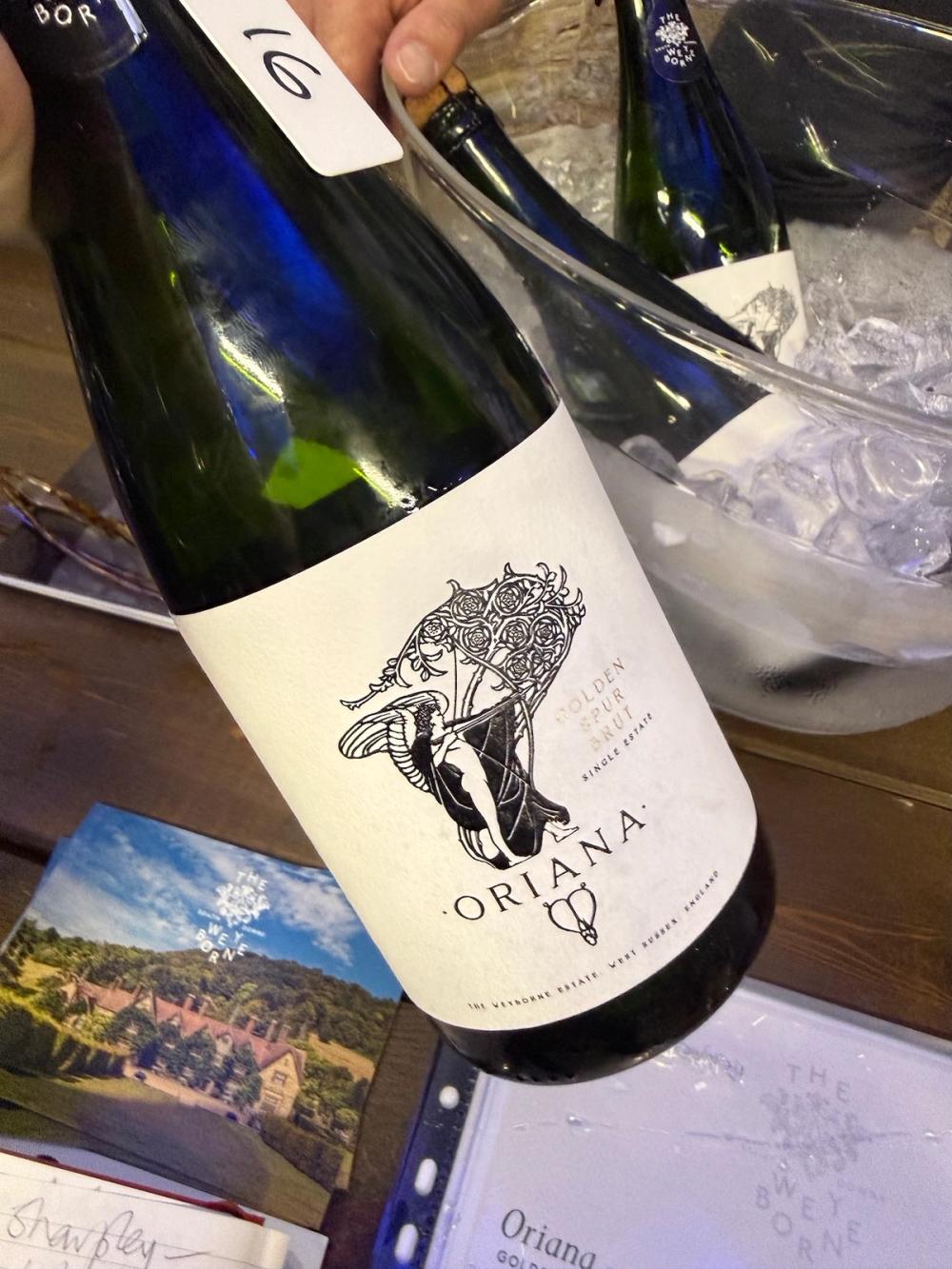
‘Oriana Golden Spur’ The Weyborne NV, £45.55
William Sharpley, owner of Weyborne Estate in Sussex, produces a relatively modest 35,000 bottles a year. An early release based on the 2022 harvest of Chardonnay and Pinot Noir, this is a seriously good wine, made oxidatively and with enticing layers of baked apple, apricot, brioche and honey that finish with a pin-sharp lemony acidity. It’s no surprise that this wine has won so many impressive awards.
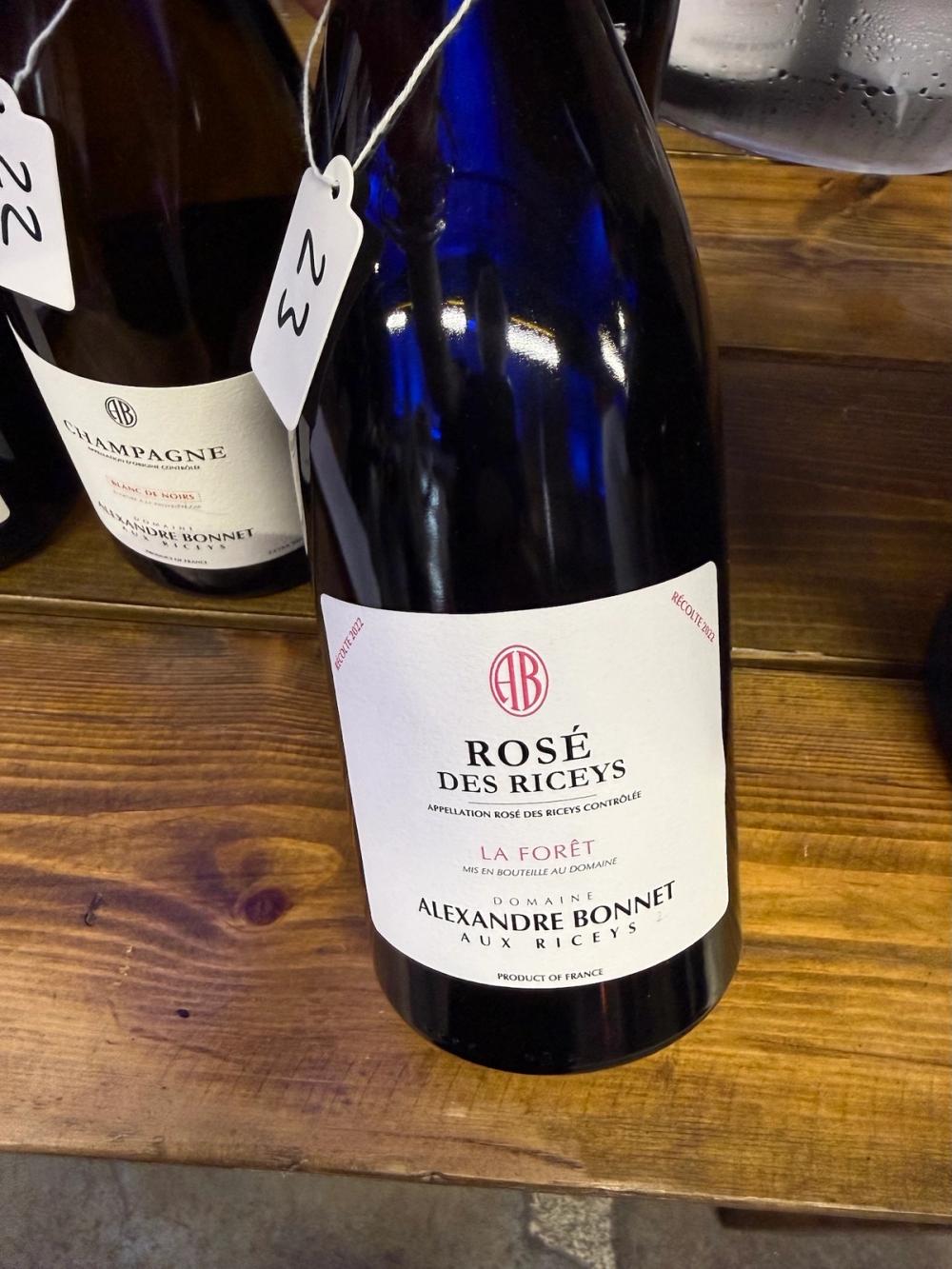
Rosé des Riceys, Domaine Alexandre Bonnet 2022, £42.06
Domaine Alexandre Bonnet joined the MCB family in January 2026 (they also produce a blanc de blancs and sparkling rosé for Fortnum & Mason) and its grower champagnes were showing very well, but I was most charmed by this still Rosé des Riceys, made from Pinot Noir with a little ageing in Burgundian oak. Plummy fruit, some exotic spice and a bracing mineral finish; a glorious, joyful wine.
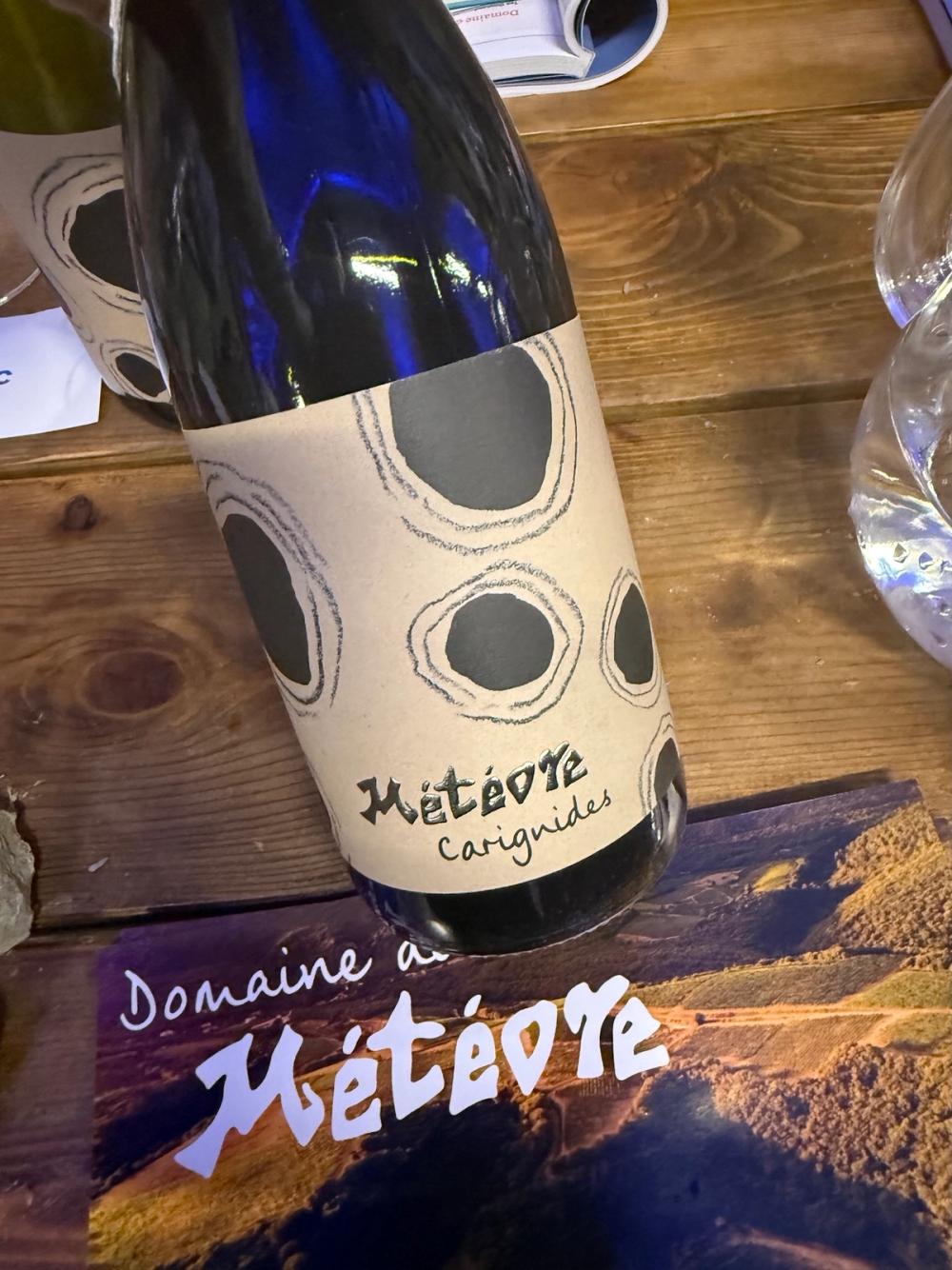
Domaine du Météore, Carignides Rouge 2023, £17.04
Domaine du Météore in the Haut-Languedoc was bought by two English doctors in 2018 and now produces a fine clutch of low-intervention and very characterful wines made by Bordelais winemaker Simon Frech.
This is made from 70+-year-old Carignan vines, 30% of which are whole-bunch fermented. Lots of cassis and black cherry fruit with a savoury seam of garrigue; rustic in a good way and very nicely balanced.
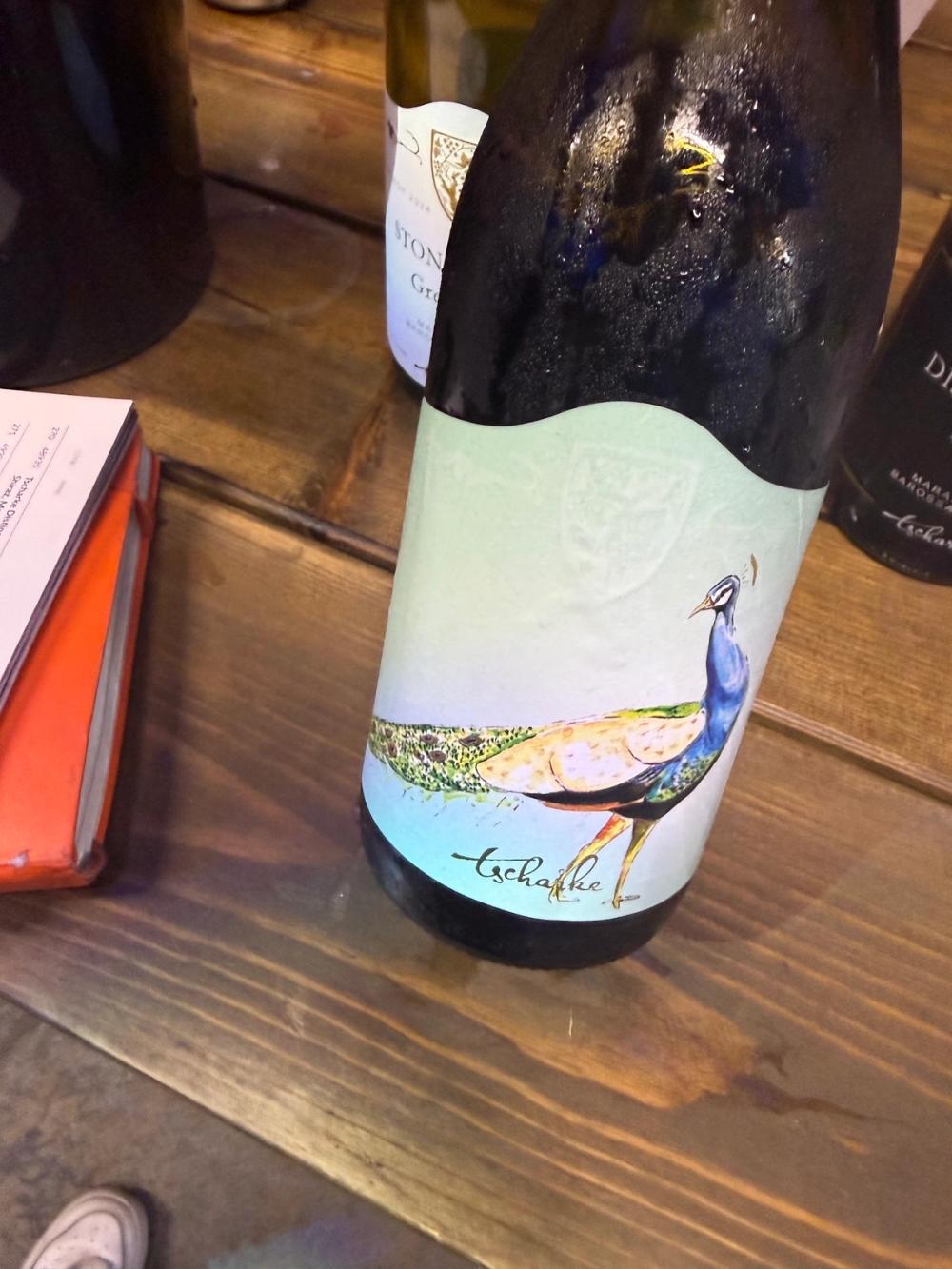
Tscharke ‘A Thing of Beauty’ Grenache 2024, £22.13
A sixth-generation winery, one of only three certified organic and biodynamic vineyards in the Barossa, making elegant, vibrant wines such as this. Wild-fermented in open vats and aged in clay amphorae, it has a playful, floral nose and a complex core of ripe red fruit, soft spice and a bright acidity that belies its beefy 14.8% abv.
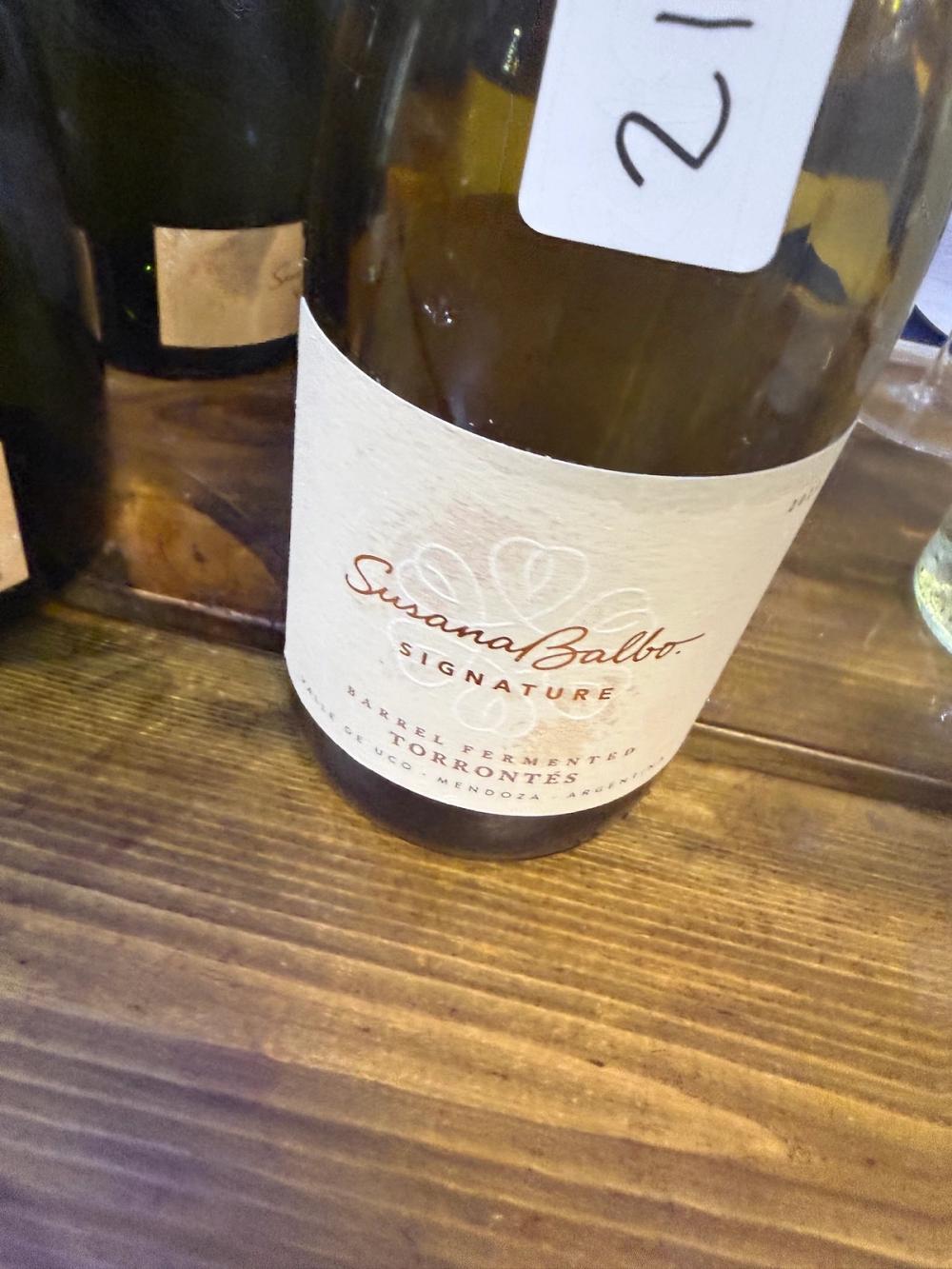
‘Signature’ Barrel-Fermented Torrontés, Susana Balbo 2025, £19.54
Another new addition to the MCB portfolio, Susana Balbo’s calling card is Torrontés. Often I find it cloying and overblown but this is altogether more refined and finely tuned. From 1000m+ vineyards in the Valle de Uco, it’s fragrant with orange blossom, tangerine zest, peaches, passion fruit and just a whisper of vanilla. Plenty going on here but it’s very poised and very moreish.
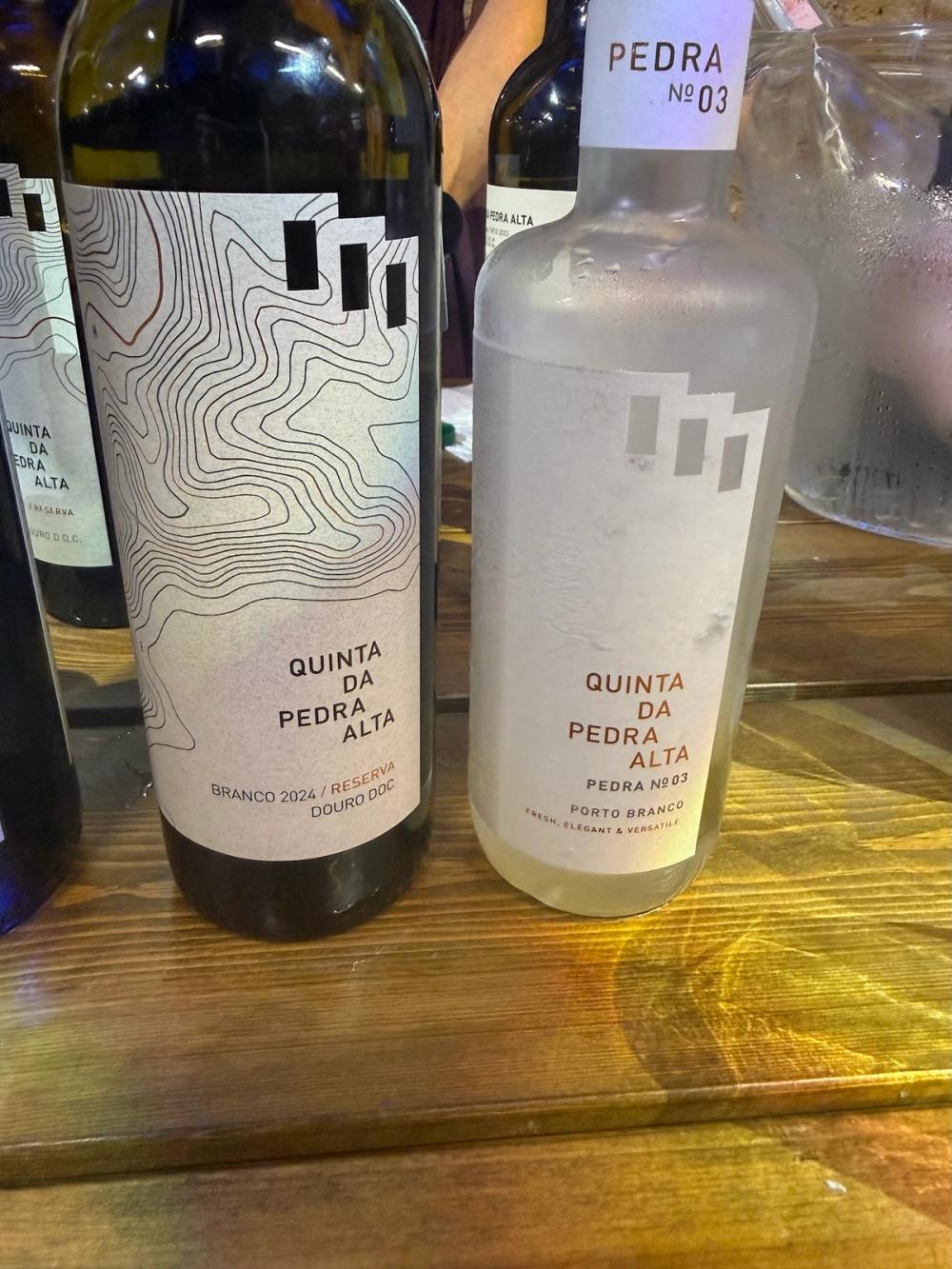
Reserva Branco, Quinta de Pedra Alta 2024, £20.77
Portugal is now firmly established as a source of diverse, well-made, well-priced wines and this is a shining example from one of the Douro’s most exciting makers. Quinta de Pedra Alta produces some fantastic, contemporary ports alongside its range of classy still wines. This is gorgeous; a blend of indigenous grapes barrel-fermented with natural yeasts and aged on its lees, it’s textured and layered with pear and peachy fruit finishing with a zesty, almost saline zip.
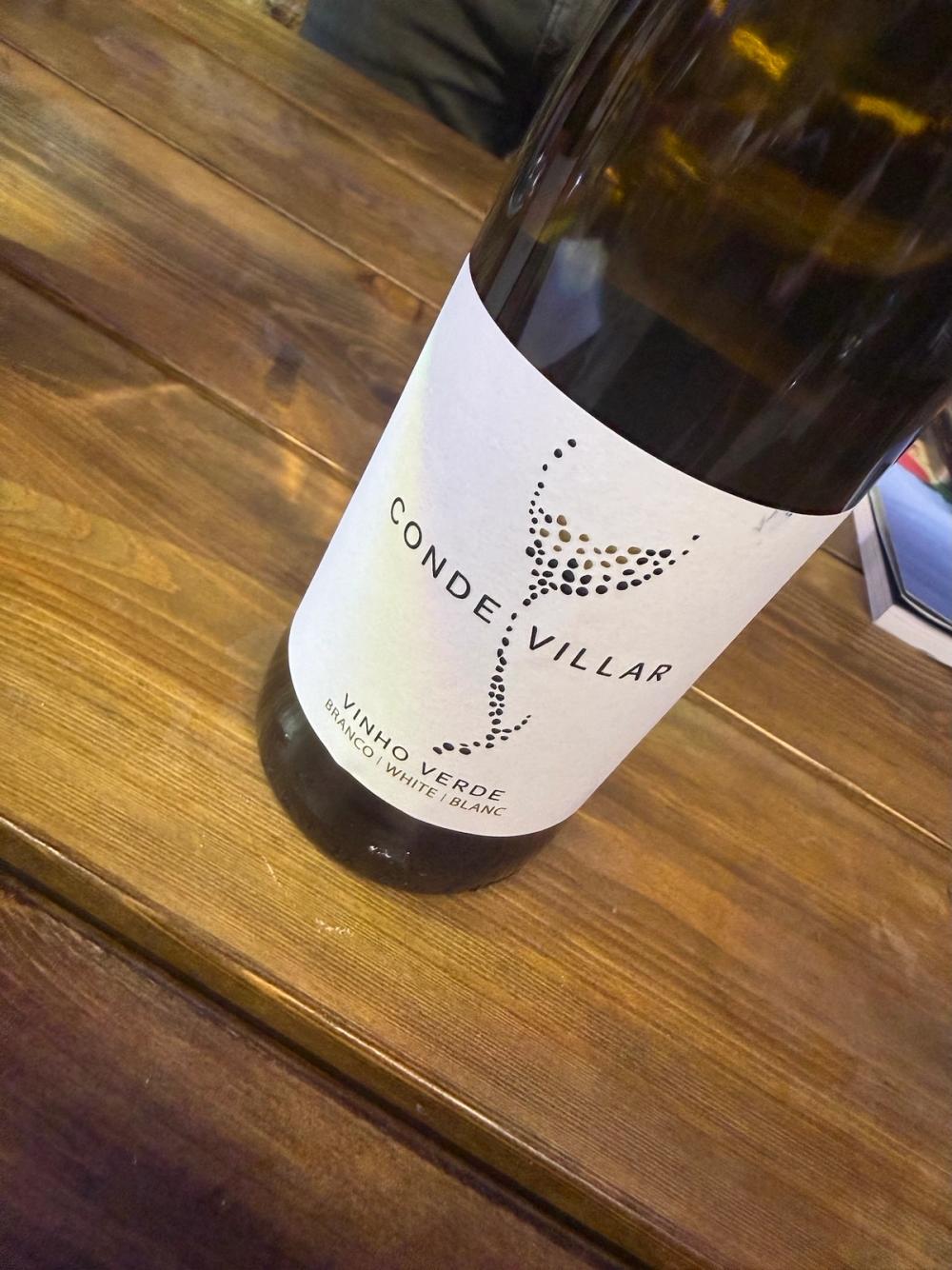
Vinho Verde, Conde Villar 2025, £7.73
Ticking the boxes for a decent entry level white, and one that comes in at a duty-friendly 10.5% but holds its own in terms of body. The familiar crisp green apple, lemon zest and touch of salinity we expect from a vinho verde with just a little spritz.
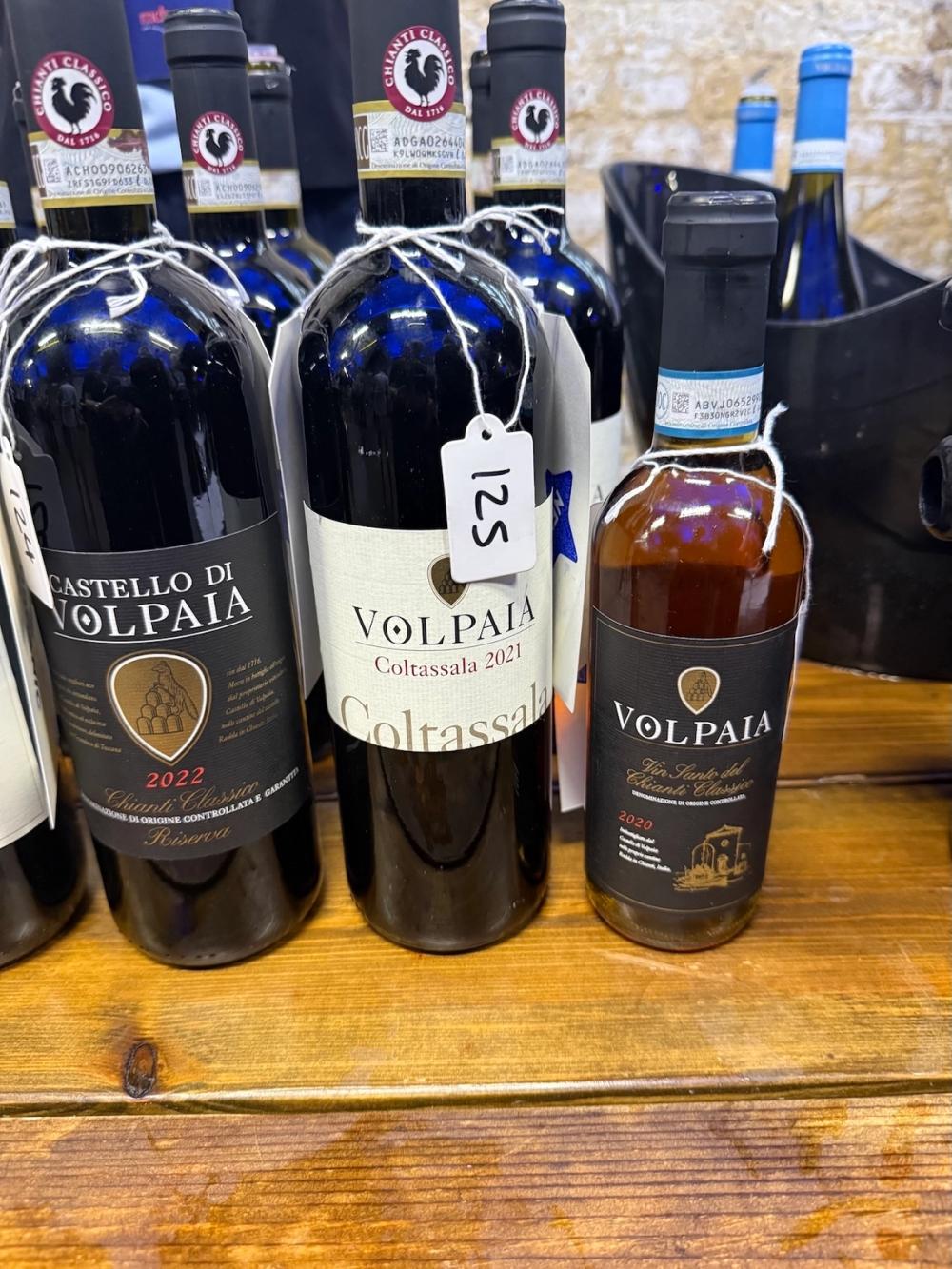
Vinsanto del Chianti Classico, Castello di Volpaia, £39.11
Another new producer for MCB, previously with New Generation, Castello di Volpaia is an organic estate in Radda dating from the 12th century that’s one of the highest in the Chianti region. Some very smart red wines, and a good Vermentino, but this glorious vin santo stole my heart. A Malvasia/Trebbiano blend with four years in oak; intensely sweet with dried apricots, hazelnuts and caramel lifted by a breezy acidity.
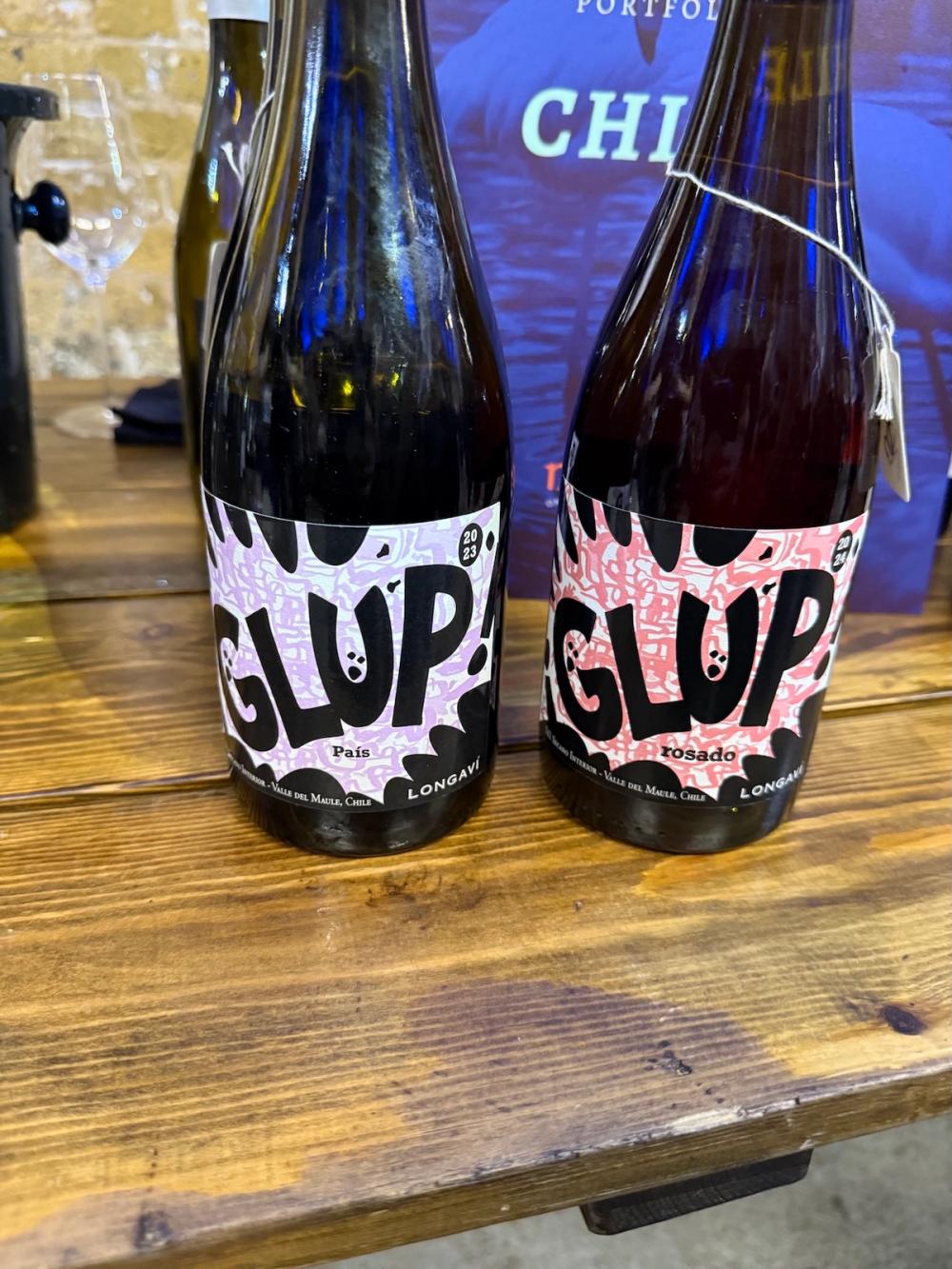
‘Glup’ Pais, Longavi 2023, £12.45
Longavi is a collaboration between fourth-generation French/Chilean winemaker Julio Bouchon and South African David Nieuwoudt who produce these modern, eye-catching wines. The Pais is from Bío Bío, made from 100+-year-old vines and is really charming. Juicy and refreshing with an invigorating minerality. Pleasingly rustic and very food friendly; a smart addition to the MCB portfolio.
Those who missed the tasting might like to attend this tasting event in London on November 3rd. Click here
Matthew Clark Bibendum is a commercial partner of The Buyer. To discover more about them click here.