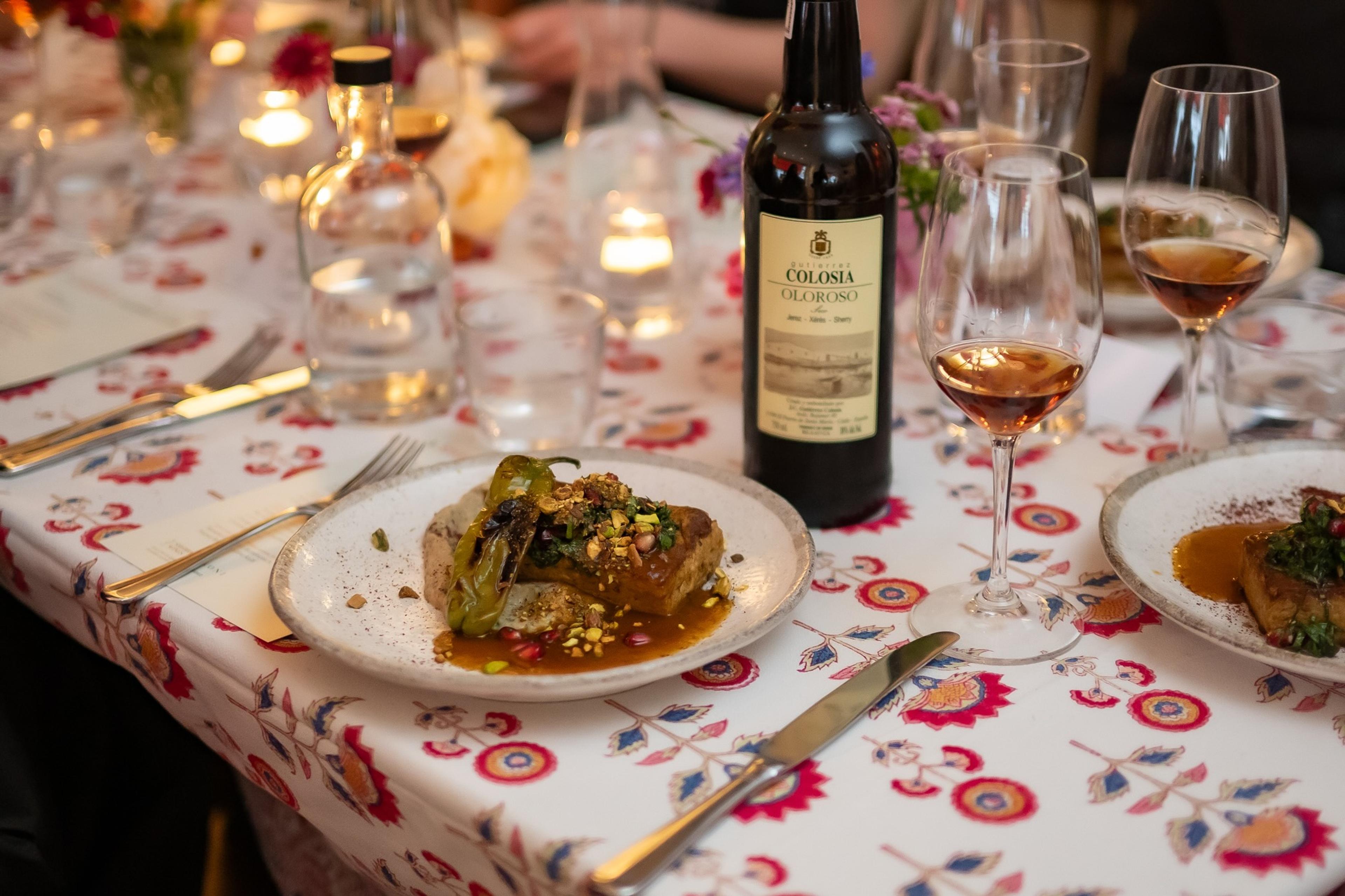

I’m sure most readers of The Buyer would agree that a glass of dry sherry is one of life’s most glorious aperitifs, its intense nutty saltiness stimulating the appetite like few other drinks, especially when accompanied by the classic Spanish nibbles of olives, salted almonds and/or silky jamon. They’ll also know that other sherry styles – Amontillados, Palo Cortados, Olorosos and their sweeter cousins – have a worthy place alongside the finest wines at any table.
But sherry is capable of much more besides, and is increasingly used by switched-on bartenders who recognise its incredible versatility as an ingredient in cocktails and other mixed drinks that really appeal to modern drinkers.
Spritz style – an excellent gateway
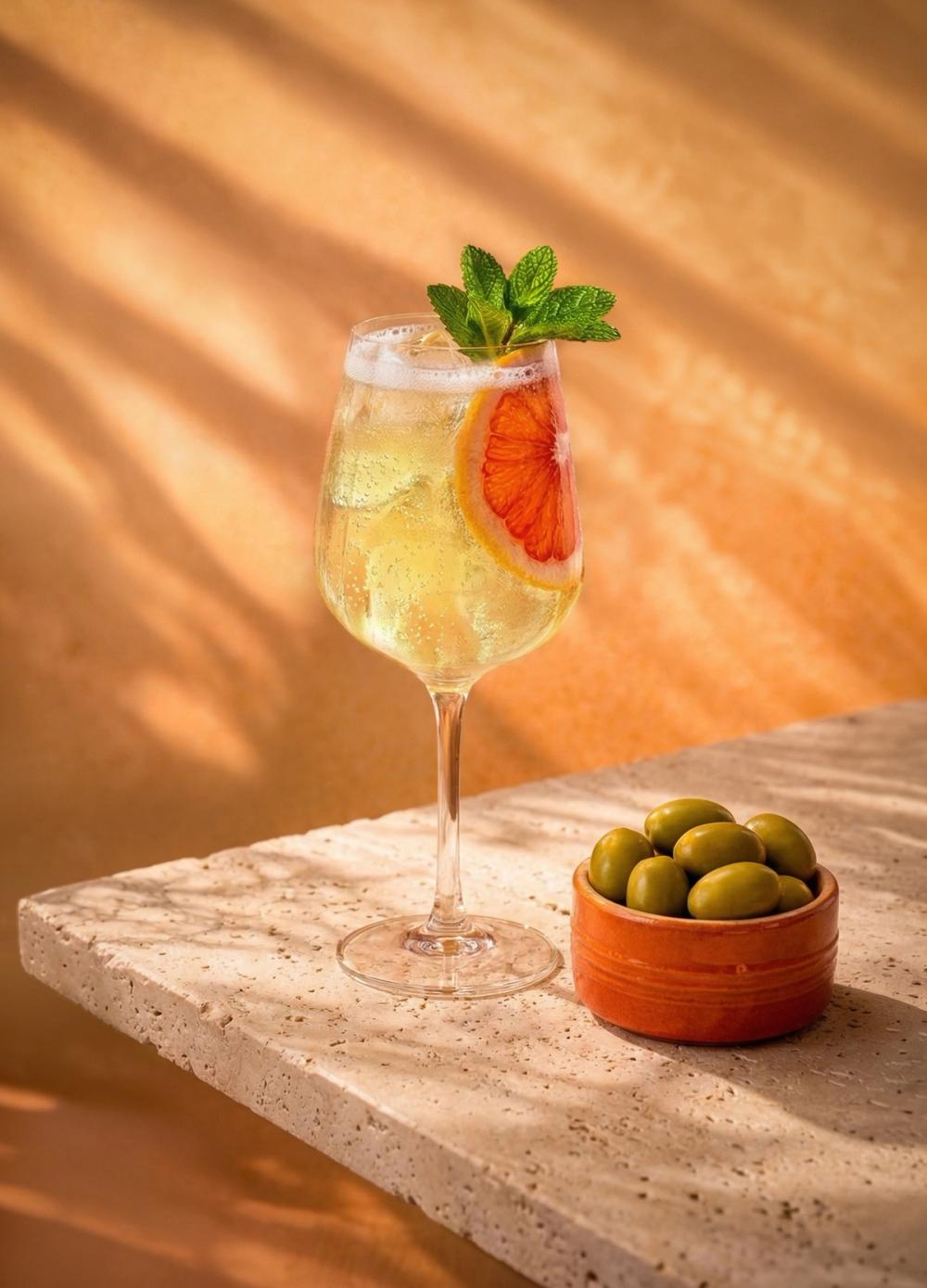
If you’re looking for an easy introduction to what sherry can bring to a drinks menu, the Solera Spritz is a very good place to start. Pour 75ml of Fino or Manzanilla over plenty of ice, add 100ml of tonic and finish with a slice of fresh grapefruit. The tonic’s bittersweet edge and the bright citrus lift give the wine’s saline freshness room to shine. It’s an appetising aperitif that requires no specialist kit, and one that makes an inviting first encounter for the sherry-curious.
The serve is at the heart of this year’s A Splash of Andalusia campaign, which is introducing drinkers to fresh, food-friendly ways to enjoy sherry. For bars and restaurants, it offers a straightforward way to put sherry in front of customers who already enjoy a spritz but might not yet think to order a glass of Fino. A few olives, salted almonds or slices of jamon alongside would make a very civilised start to the evening.
A Rebujito, as ubiquitous in southern Spain as a classic Spritz in Venice, is perhaps the simplest of them all. Fino or Manzanilla topped with lemonade over ice and garnished with mint and lemon, it’s drunk by the bucketload there in the heat of summer, quenching the thirst while not overloading on the alcohol. Be aware, though, that Spanish lemonade is sweeter than that in the UK so add a dash of soda to the top to keep the drink crisp.
There are almost endless variations of this; tonic can easily replace the lemonade, which also works well with Amontillado rather than Fino, left-field ginger ale as a mixer with Oloroso, or try grapefruit soda with a pale Cream Sherry. All make refreshing long drinks that allow sherry to shine while also ticking the box of the lower alcohol trend, less boozy than a G&T but with just as much appetising appeal.

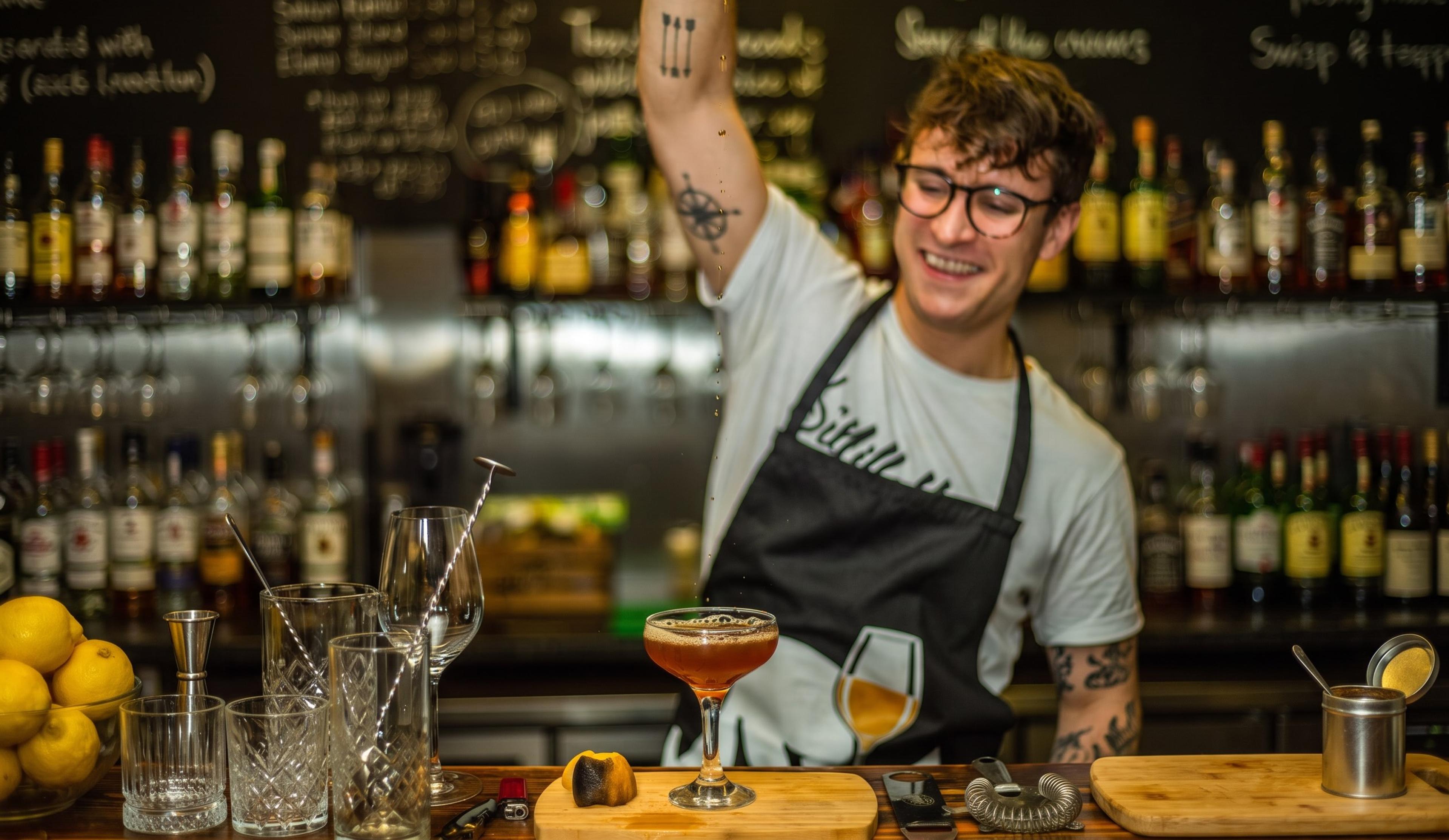
“We love introducing sherry to customers," says Bar 44's Owen Morgan whose social handle used to be #sherrymonster
Owen Morgan, owner of Cardiff and Bristol’s Bar 44 tapas bars and restaurants, is a longtime champion of sherry in all its forms and serves it in mixed drinks as well as in the traditional manner.
“We love introducing sherry to customers, but sometimes they’re a little cautious to drink it in place of wine. Rebujito is a great alternative to something like an Aperol Spritz; it’s a brilliant gateway drink to sherry in general.”
Talking of which, sherry makes a very fine Spritz when used in place of Aperol, topped up with prosecco or (better in my view) cava, and garnished with a fat green olive. Cream Sherry, which has a similar weight and sweetness to Aperol, works well, although I prefer the crispness of Fino, or an Amontillado to give a richer, more savoury depth.
José Pizarro’s eponymous restaurant in Bermondsey serves a Spanish Hugo, made with Manzanilla, gin, elderflower liqueur and tonic, while stalwart tapas bar Brindisa uses Manzanilla, off-dry white vermouth, grapefruit juice and tonic in its delicious Sanlúcar Sunset. The Ritz’s iconic Rivoli Bar elevates this idea still further in its Mediterranean Spritz mixing gin, limoncello, bitters, Fino and dry vermouth and topping it up, naturally, with champagne.
Standing in for vermouth
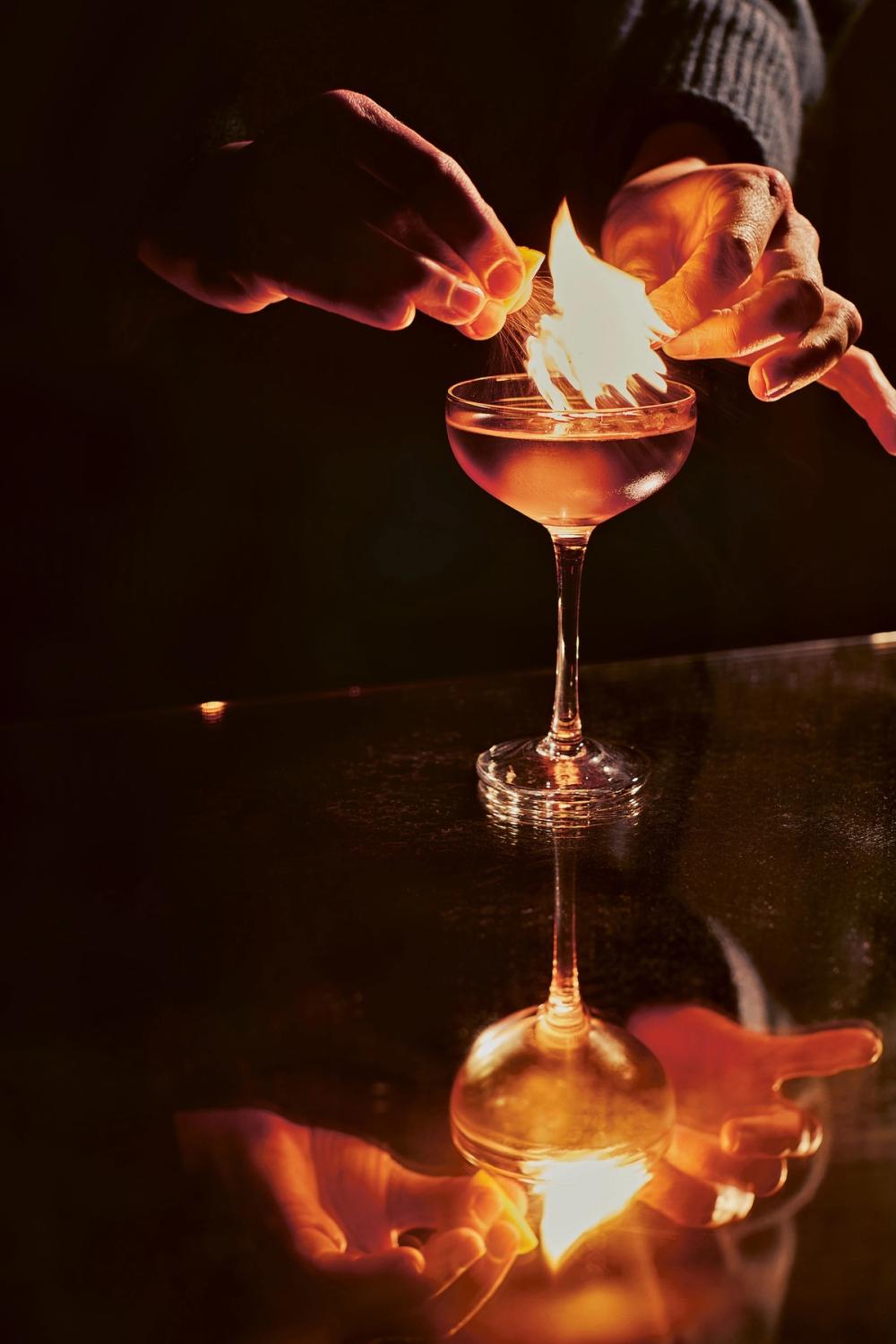
Alice Lascelles uses fino in her spectacular Flame of Love © Laura Edwards
Look on sherry as an ingredient in mixed drinks much in the way you would vermouth; they have much in common. Both are intense fortified wines that come in all styles ranging from bone-dry to super-sweet, but while vermouth gets its layers of flavours from the botanicals with which it’s infused, sherry’s complexity comes from its unique ageing in oak casks, usually under flor (the blanket of yeasts that grow on the surface of the wine and imparts its distinctive bready, tangy notes), and its subsequent blending in the solera system which brings varying degrees of woodiness and nuttiness to the cocktail party.
Dry sherry can stand in for dry vermouth to great effect in so many things. Fino makes an ace classic Martini, however wet or dry you like it, with an olive, lemon twist or cocktail onion to garnish. Alice Lascelles, drinks writer on the FT whose book The Martini: The Ultimate Guide to a Cocktail Icon explores innumerable variations, uses Fino in her Alberto cocktail (in equal parts with gin and Cocchi Americano, stirred over ice) and in the spectacular Flame of Love (vodka and Fino shaken and served up with a flamed orange twist).
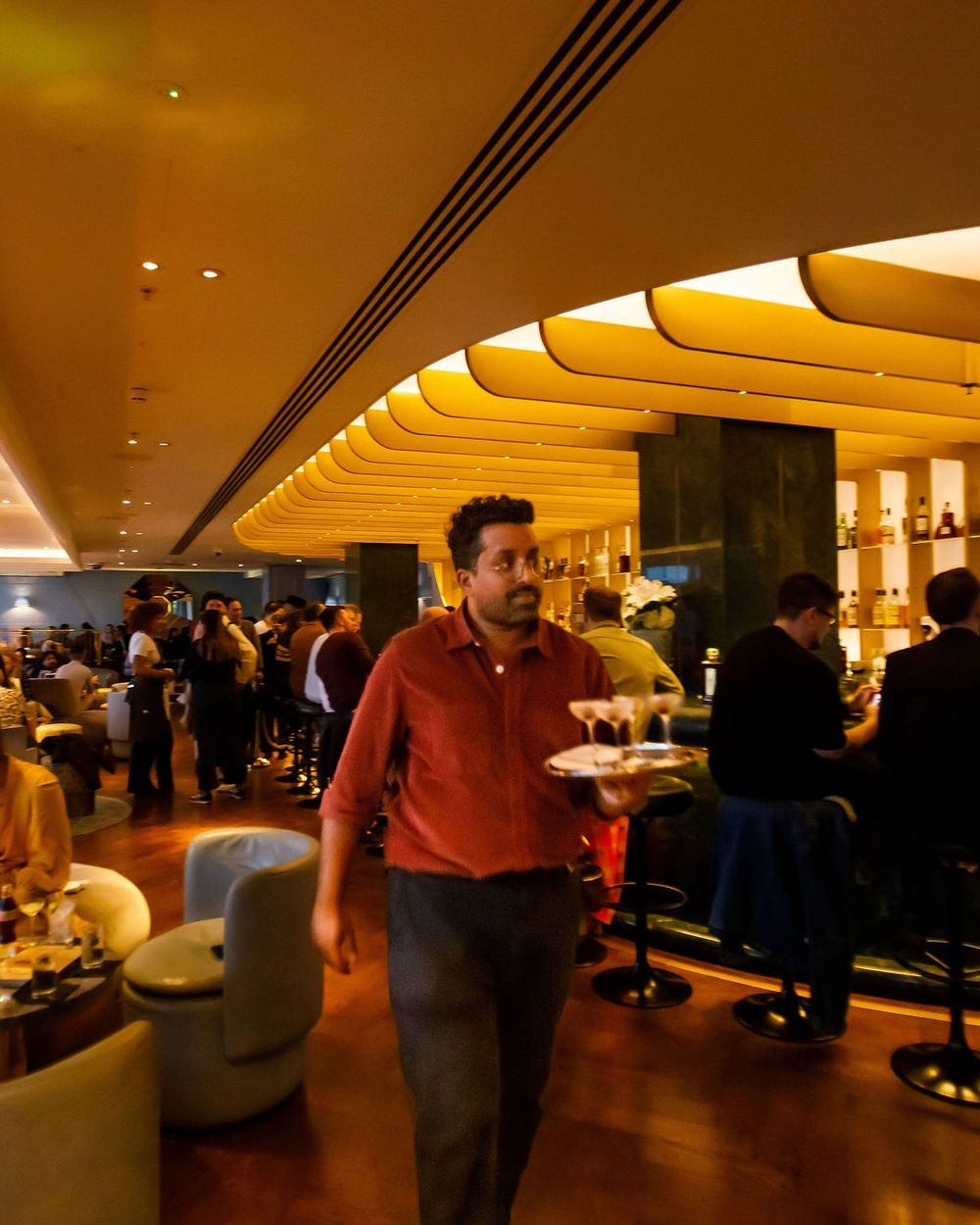
"The main point for me is that sherry has an unique acidity,” says Ryan Chetiyawardana of London's Lyan-ess bar
Sherry crops up often on the cocktail list at Jeremy King’s Arlington restaurant in Mayfair. Manzanilla appears in its Vesper, and in a White Negroni where mezcal is used in place of gin and Suze replaces the Campari. Dry sherry has a particular affinity with agave-based sprits; Ryan Chetiyawardana, one of the kings of modern mixology, unsurprisingly uses sherry in some unique concoctions at his cutting-edge Lyan-ess bar in Sea Containers on London’s South Bank.
“We love the salinity that can come from Manzanilla and Palo Cortado, and the rich nuttiness of an Oloroso, but the main point for me is that sherry has an unique acidity,” he tells me. “It complements other forms of acid, but it also cleans up and dries out a variety of drinks. It's one of our main modifiers,” Chetiyawardana says.
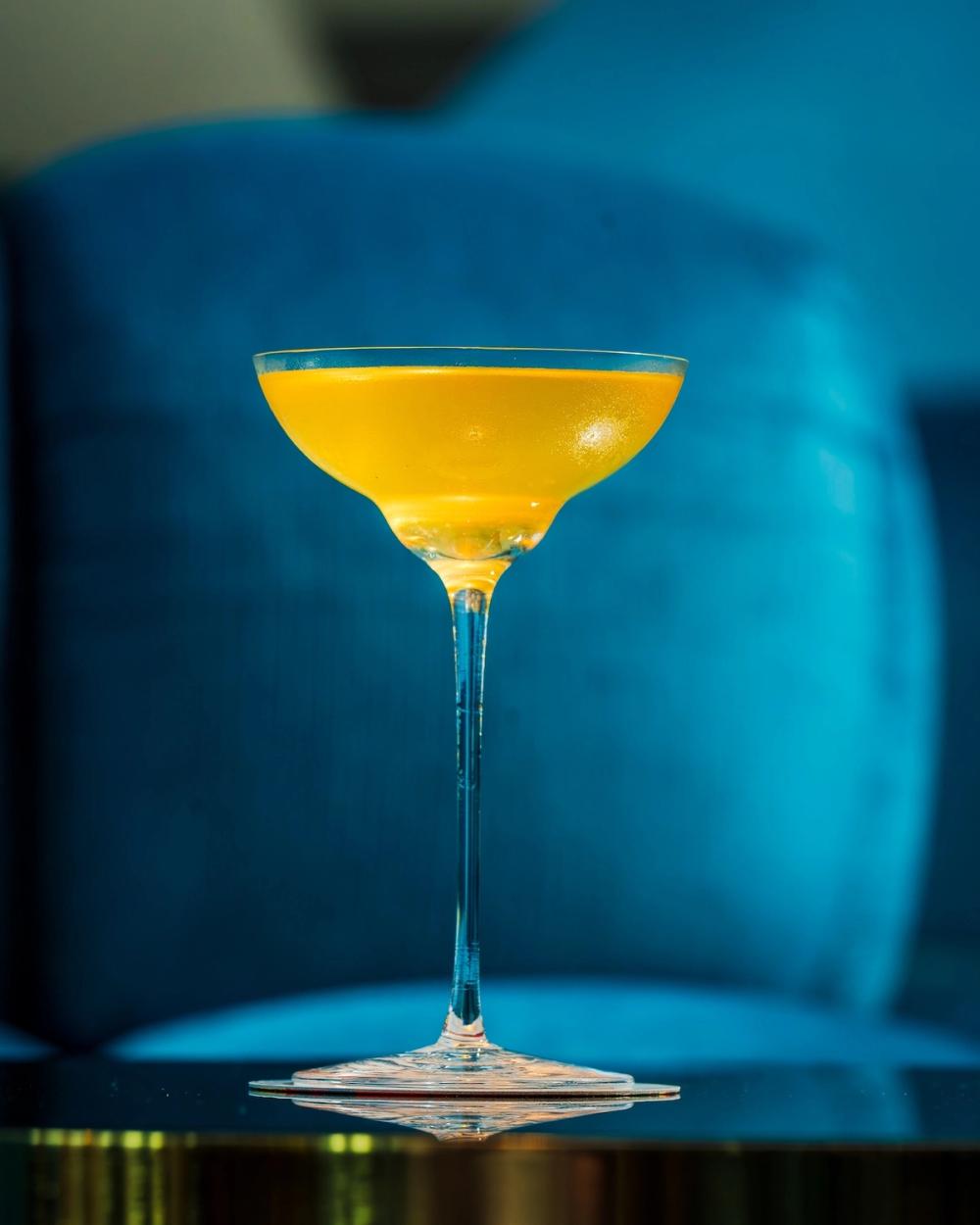
Atom Martini at Lyan-ess
I’ve got my eye on his Atom Martini, made with tequila, dry sherry and fermented butternut squash. At Moro, another long-standing Spanish-influenced restaurant, they make a Margarita with a base of mezcal and Manzanilla which is revelatory.
Amontillado – more savouriness
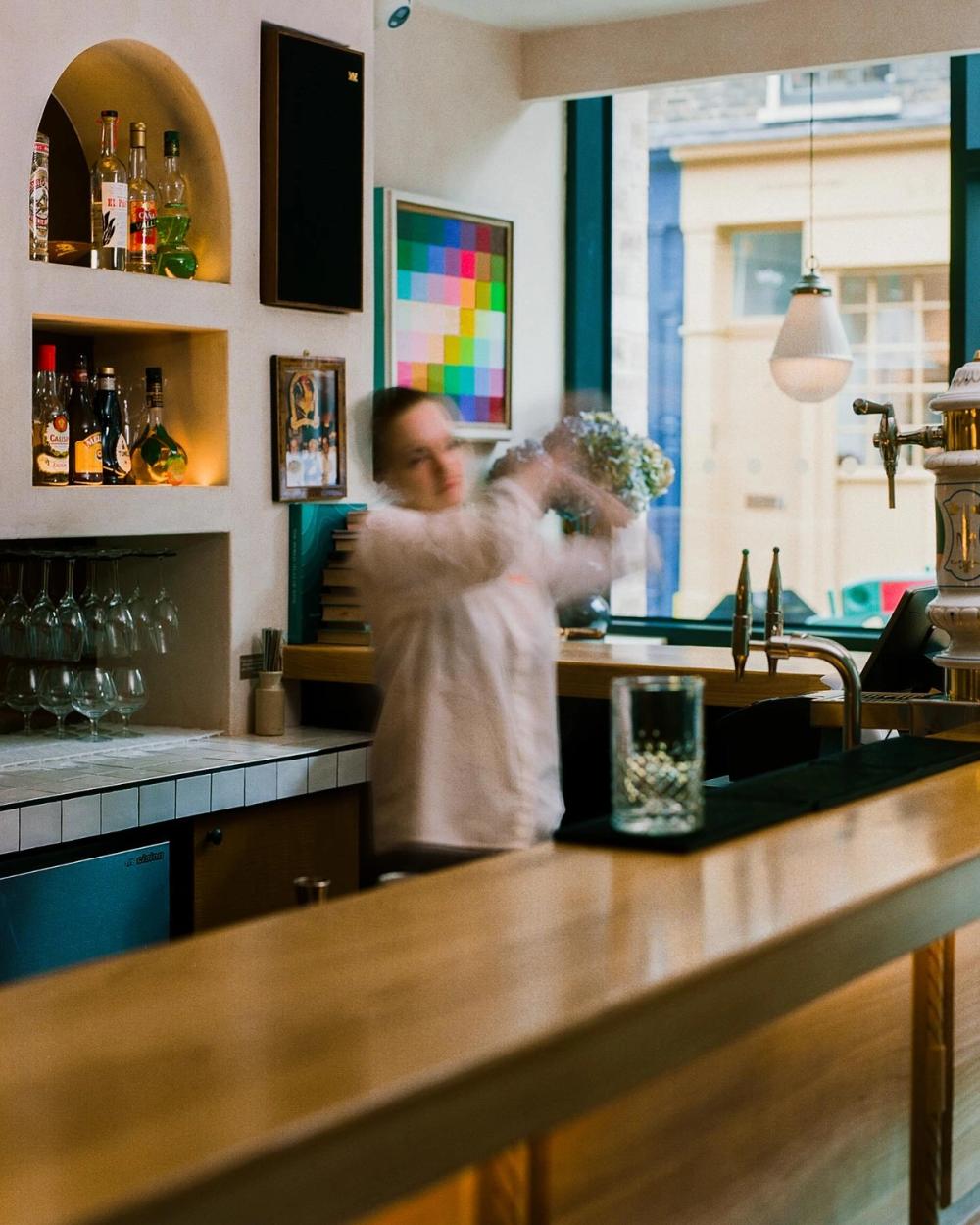
At Bar Daskel the Eduardo is a "genius drink"
Amontillado is drier that sweet vermouth but with just as much complexity, which really works in its favour to those with a more savoury palate. Try it in a Negroni, where it brings lovely hazelnut and tobacco notes, or in a Manhattan where it sits really well with the vanilla-scented woodiness of bourbon. It also gives a wonderful Spanish accent to a Bloody Mary.
Using sherry in cocktails is nothing new – Amontillado is at the centre of the Sherry Cobbler which dates back to the early 19th century. Muddle orange slices then shake them with Amontillado and serve over crushed ice in a tumbler. A maraschino cherry makes a winning garnish. The Bamboo (equal parts dry sherry and dry vermouth stirred and strained into a coupe) and its slightly sweeter sister, the Adonis (dry sherry with sweet vermouth) are other classic sherry cocktails that are well worth rediscovering. At Bar Daskel near London’s Borough Market, owned by the Hart brothers who also have the wildy successful Barrafina tapas bars, they serve the Eduardo which sits somewhere in between the two – a mix of Manzanilla and Palo Cortado sherries, sweet and dry vermouths, and a dash of bitters. It’s a genius drink.
Richer styles
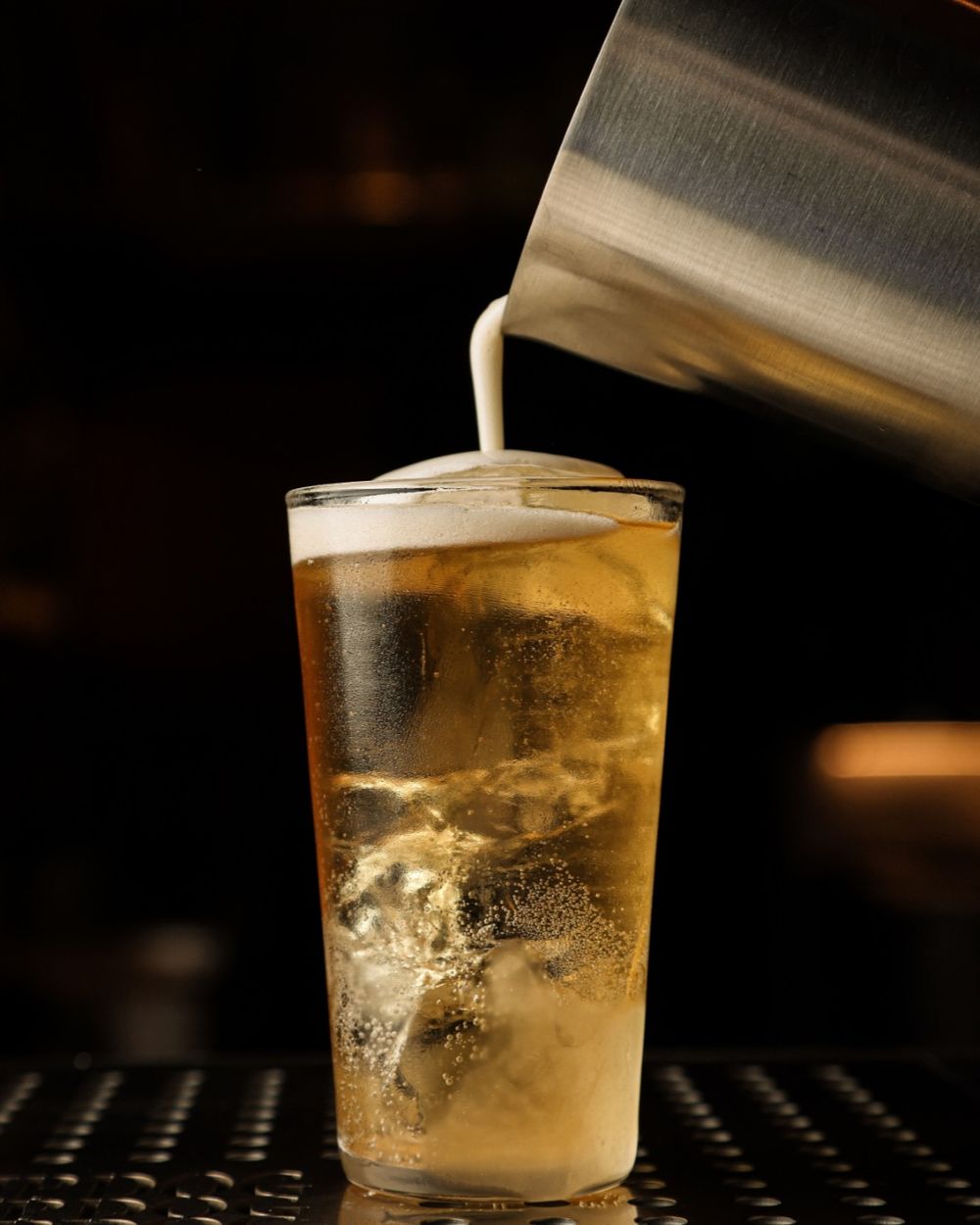
Flip Dog's Half Pint
Oloroso is richer and more rounded than Amontillado, though still technically bone dry. It features in several intriguing cocktails on the sherry-heavy list at the Flip Dog bar in Shoreditch which opened last March. Their Half Pint (Johnnie Walker Black, Oloroso, Nixta liqueur, lemon cordial, Citra hops, CO2 and oat-corn foam) needs to be tasted to be believed. Simpler but in a similar vein is the Artist’s Special, a classic cocktail from 1920s Paris – equal quantities of whisky and Oloroso shaken with redcurrant liqueur or grenadine and lemon juice then strained into a chilled coupe.
At Labombe by Trivet, sommelier Ben Cardwell was a finalist in the Copa Jerez UK competition held last month, so really knows his sherry onions. His St Evan cocktail is a Canadian-inspired bourbon sour – bourbon and Oloroso shaken with maple syrup and lemon juice, finished with grated hazelnut.
“Sherry is an incredibly versatile cocktail ingredient - the Oloroso in the St Evan gives it a savoury depth with hints of roasted nuts which plays nicely with the brown butter and hazelnut,” Cardwell says. "We also use Manzanilla a lot in drinks, we love the subtle umami notes it brings alongside that saline finish.”
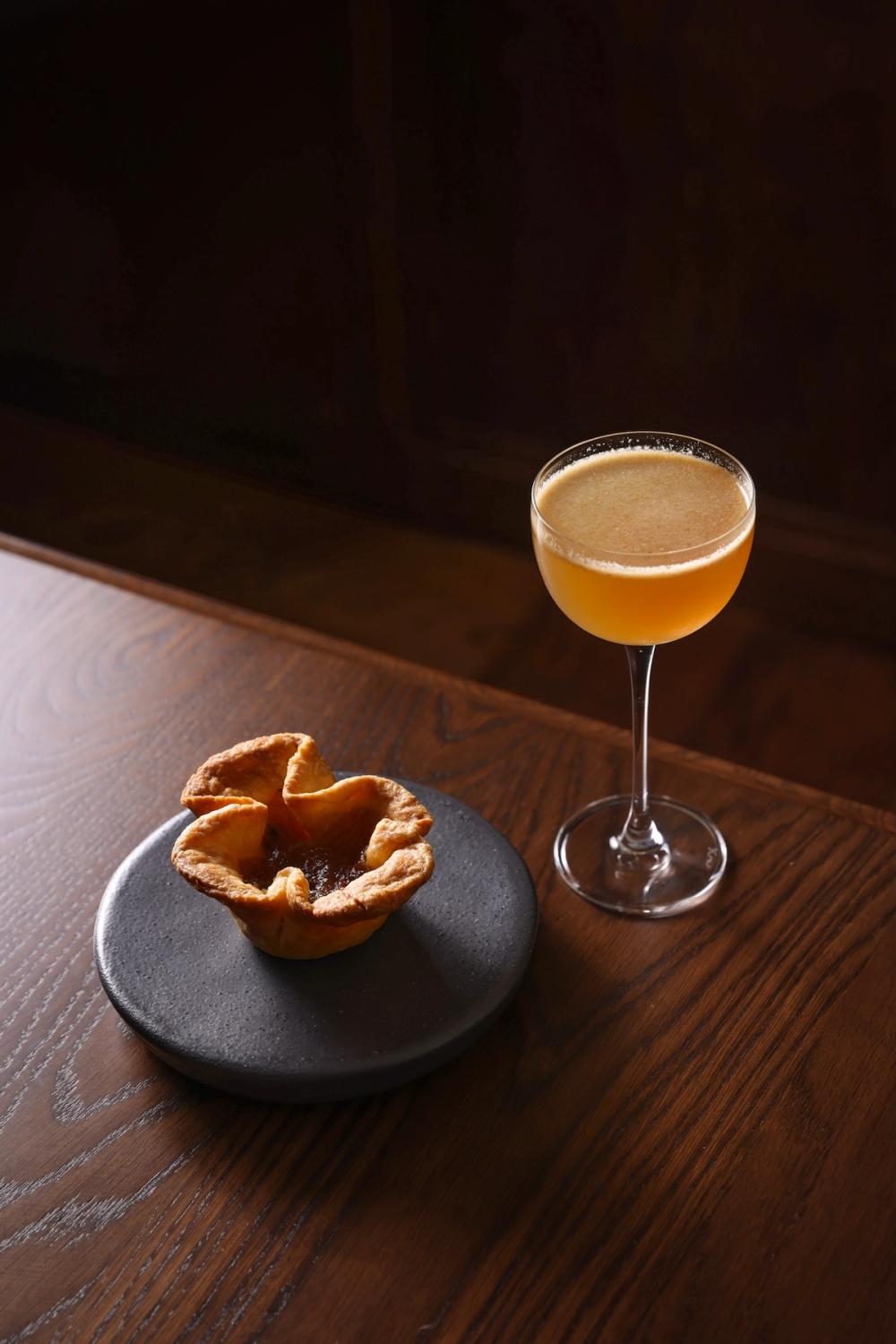
The St Evan from Copa Jerez finalist Ben Cardwell
Cream Sherry (Oloroso sweetened with Pedro Ximénez) always works well as a substitute for sweet vermouth or, as they often drink it in Spain, served on the rocks with a slice of orange as an easy aperitif. It also makes a great addition to an Espresso Martini when used to substitute half of the coffee liqueur, or in a retro Sherry Flip, shaken with a whole egg and a little sugar and served in a pretty glass topped with grated nutmeg.
Sherry will always be adored by its aficionados, although it’s still woefully underrated by the drinking public at large. However, it’s clear that it’s now being appreciated as an ingredient by some of our best mixologists who are using it in fresh and relevant ways to bring it to new audiences. Whether or not they go on to fully embrace sherry as a wine in itself remains to be seen, but they’re in a for a very good time on a barstool either way.