Pinot Noir has become one of the wine world's great success stories. As more regions have embraced the variety and technical quality has risen across the board, buyers have become harder to surprise. Producing a good Pinot Noir is no longer enough. What matters now is whether the wine could have come from anywhere else.
That change has quietly reshaped the market. Twenty years ago, conversations often revolved around ripeness, extraction and oak. They now begin somewhere else. Buyers want to know what makes one landscape different from the next and whether the wine in the glass truly belongs to the place where it was grown. Patagonia happens to answer those questions rather well.
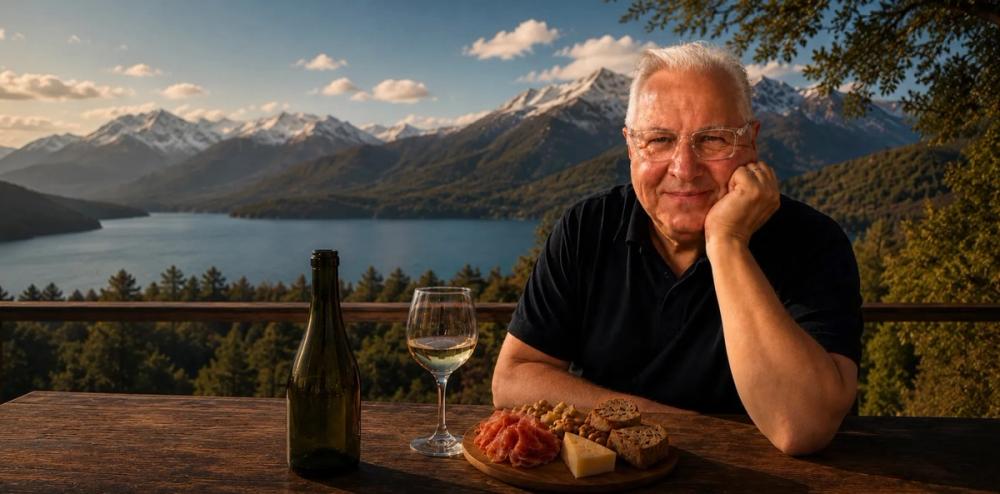
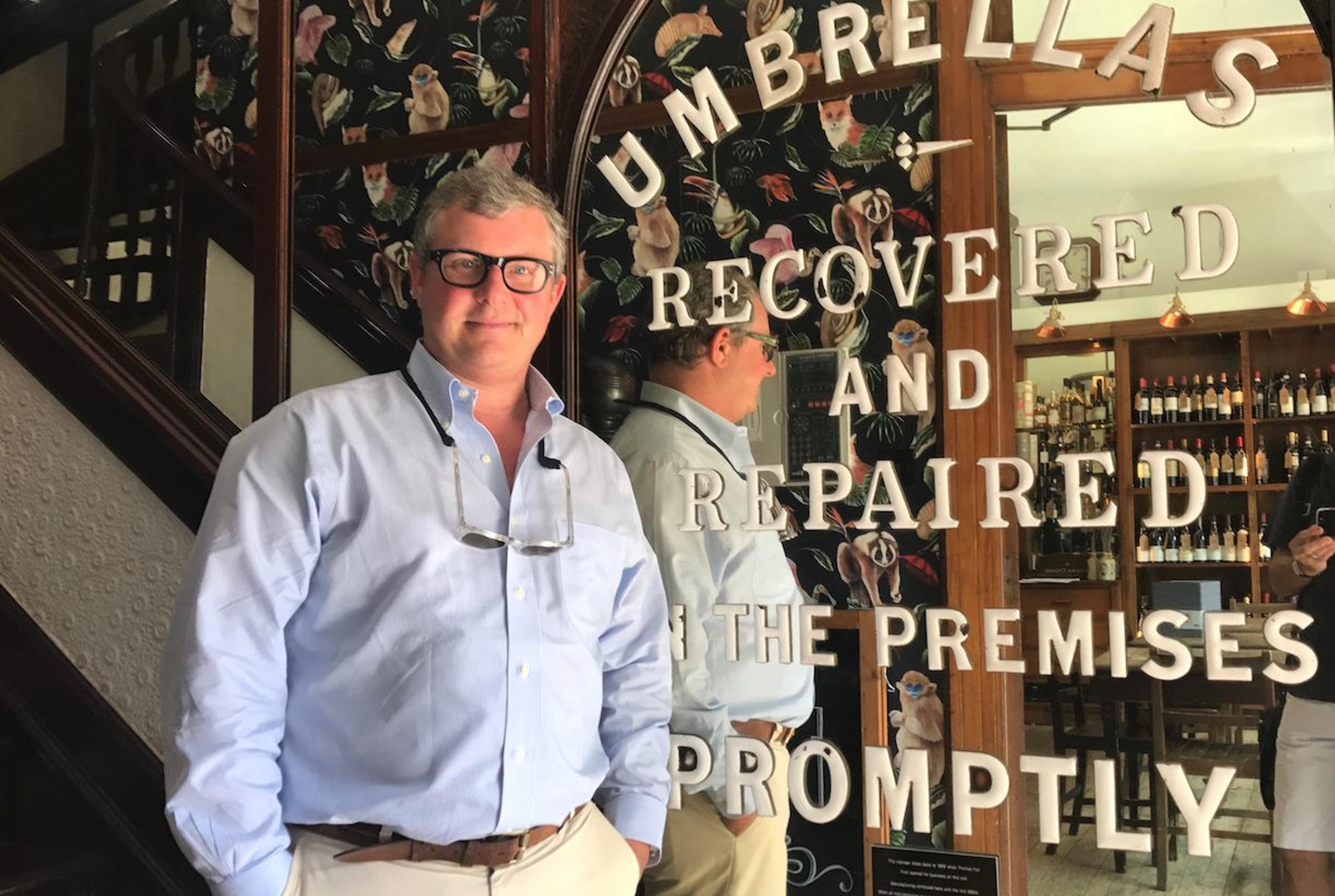
Sergio Landoni is excited to see how the wines that Patagonia is now capable of making are very much in tune with what the international market is looking for
Unlike many emerging wine regions, Patagonia never had to invent an identity. Long before anyone spoke about vineyards, its name already evoked immense distances, relentless winds and a landscape where nature still sets the pace. Wine arrived later. Recognition may persuade someone to pick up the bottle, but curiosity only lasts until the first glass. From that point on, the wine has to justify the place it occupies.
That is where Neuquén has quietly found its place. Twenty years ago, very few people outside Argentina associated the province with Pinot Noir. The connection now feels almost inevitable, not because the region followed a trend, but because its vineyards reached maturity just as the market began looking for freshness, restraint and a stronger sense of place.
The landscape
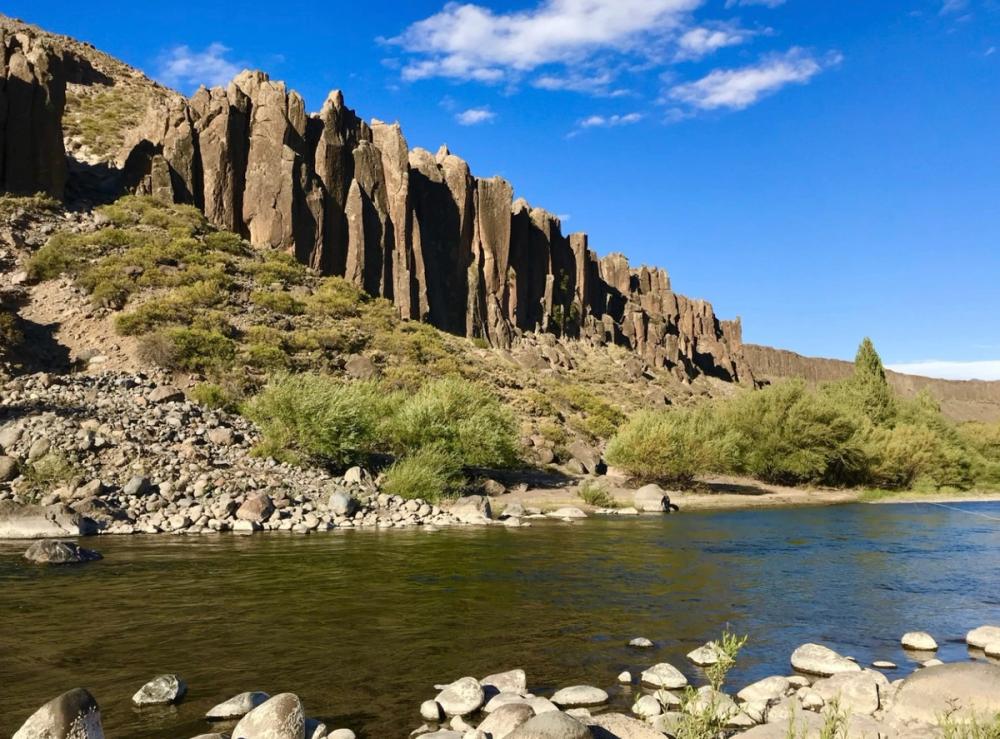
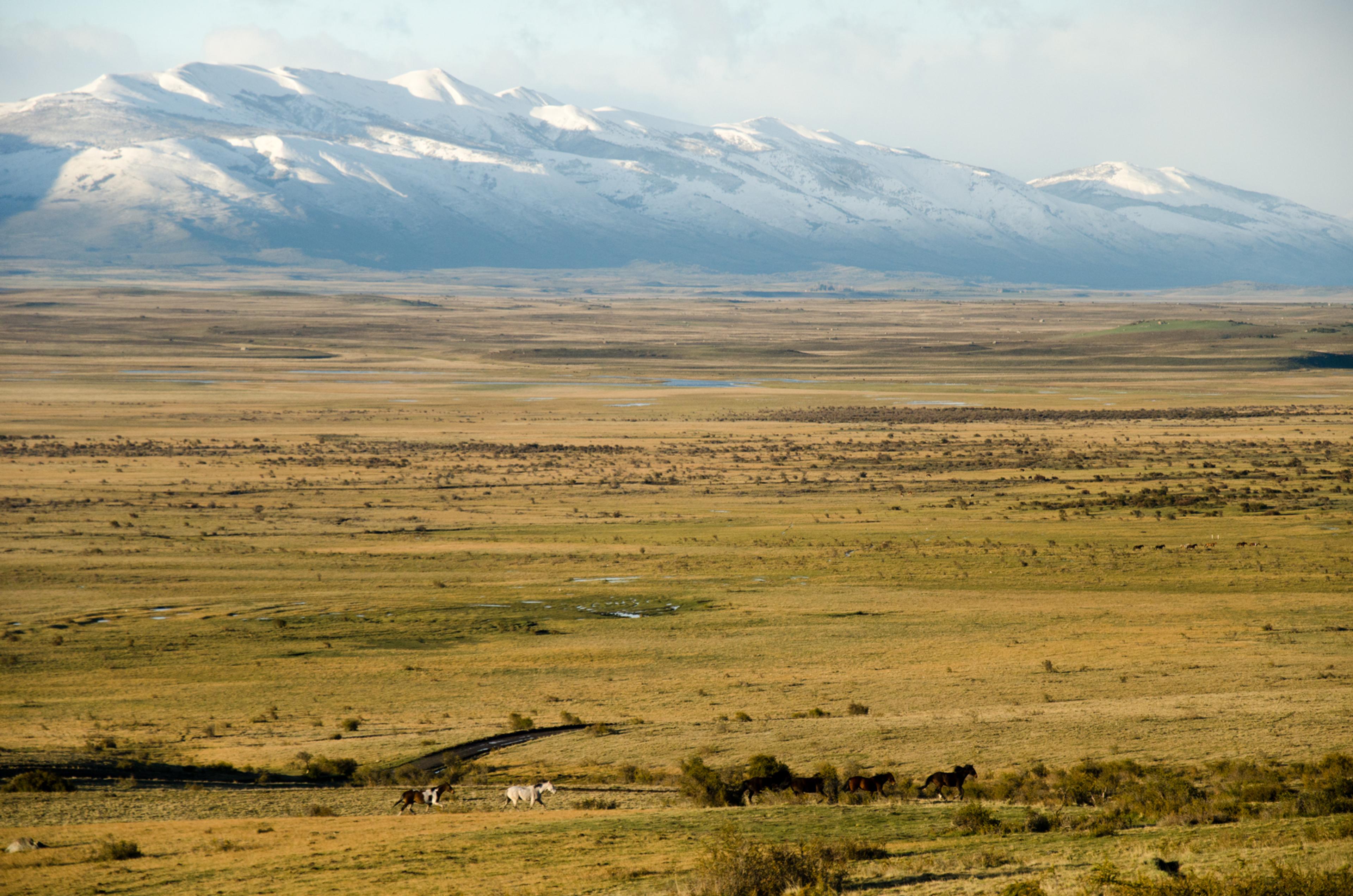
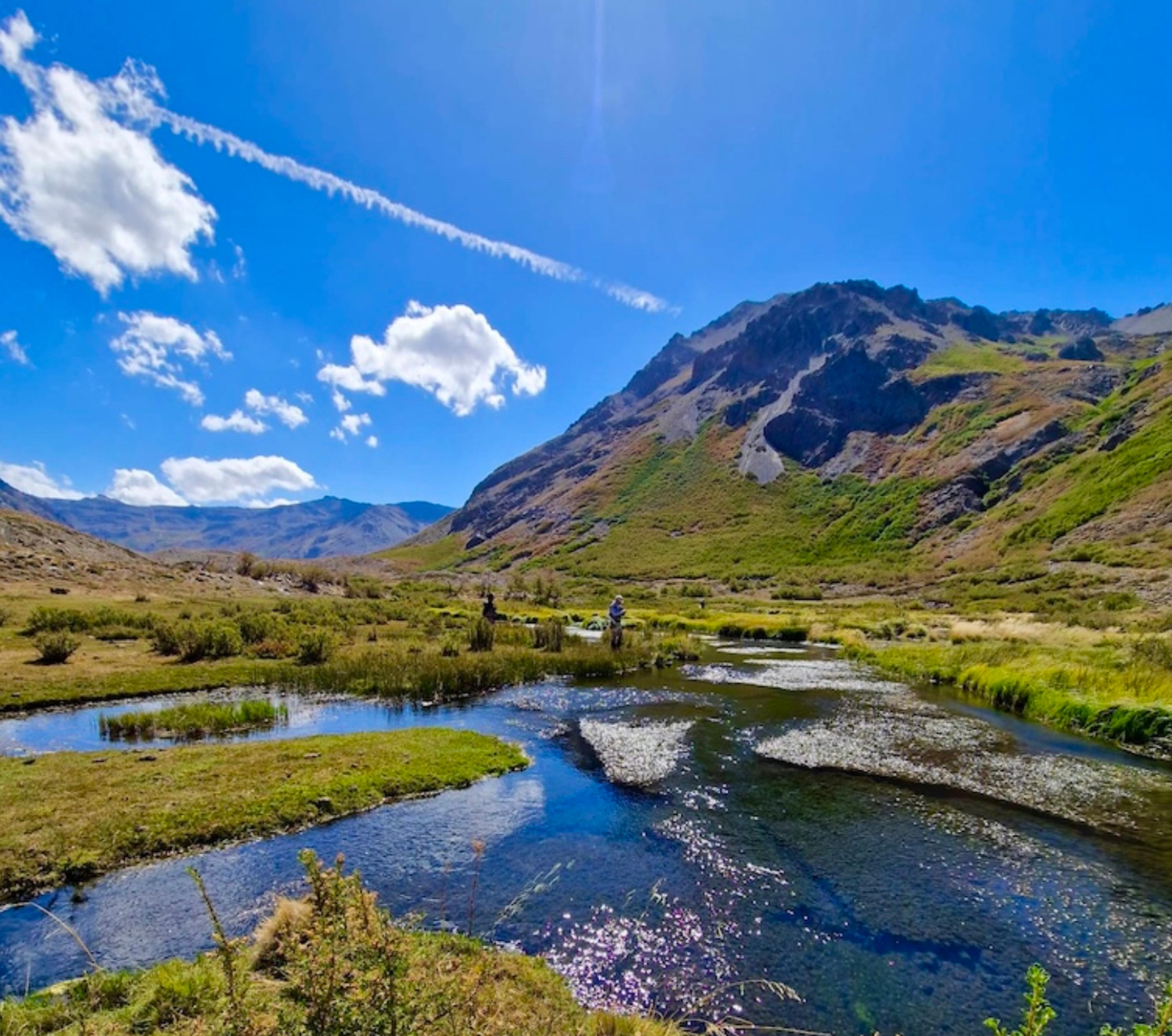
The river has a major influence on the winemaking opportunities in Nequén
To understand why, however, it helps to leave the vineyard for a moment and look at the landscape around it.
Drive east from the Andes and the landscape changes within surprisingly few kilometres. Forest disappears, rainfall fades and vineyards only reappear where the rivers allow them to exist. At first it is difficult to imagine this becoming one of Argentina's homes for Pinot Noir. Spend a little time in the valley, however, and the landscape begins to answer the question by itself.
Every growing season starts high in the Andes, where winter snow slowly feeds the Limay and Neuquén rivers before the water reaches the vineyards months later. Visitors usually leave remembering the mountains. Growers spend just as much time thinking about the water that comes from them because, without it, there would be no vineyards.
If water makes viticulture possible, the wind sets the rhythm of daily work.
Anyone arriving in Patagonia notices it immediately. Those who farm these vineyards rarely mention it. The wind dries the canopy after cold mornings, influences irrigation and often decides whether work is done today or waits until tomorrow. It has shaped vineyard life for so long that nobody thinks of it as remarkable anymore.
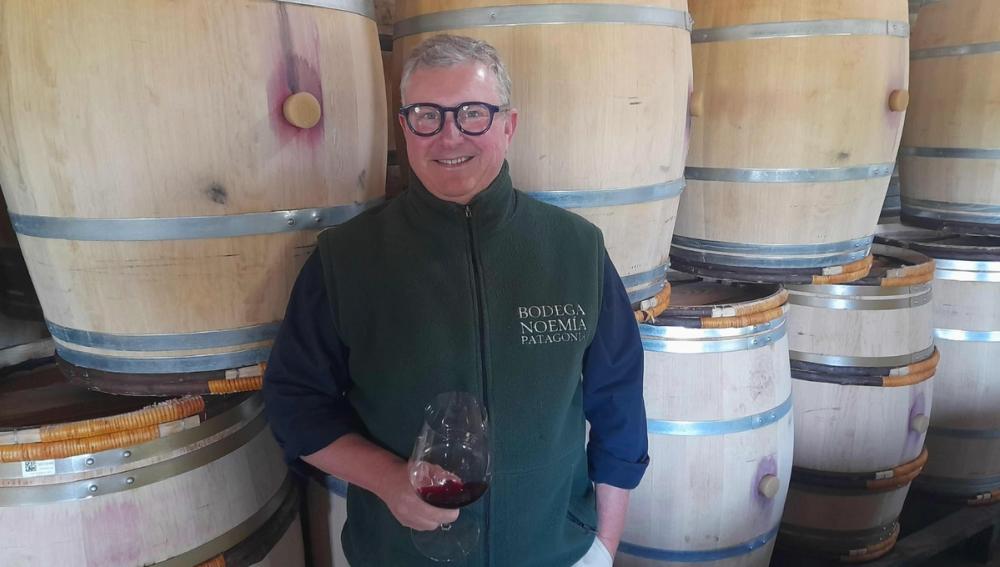
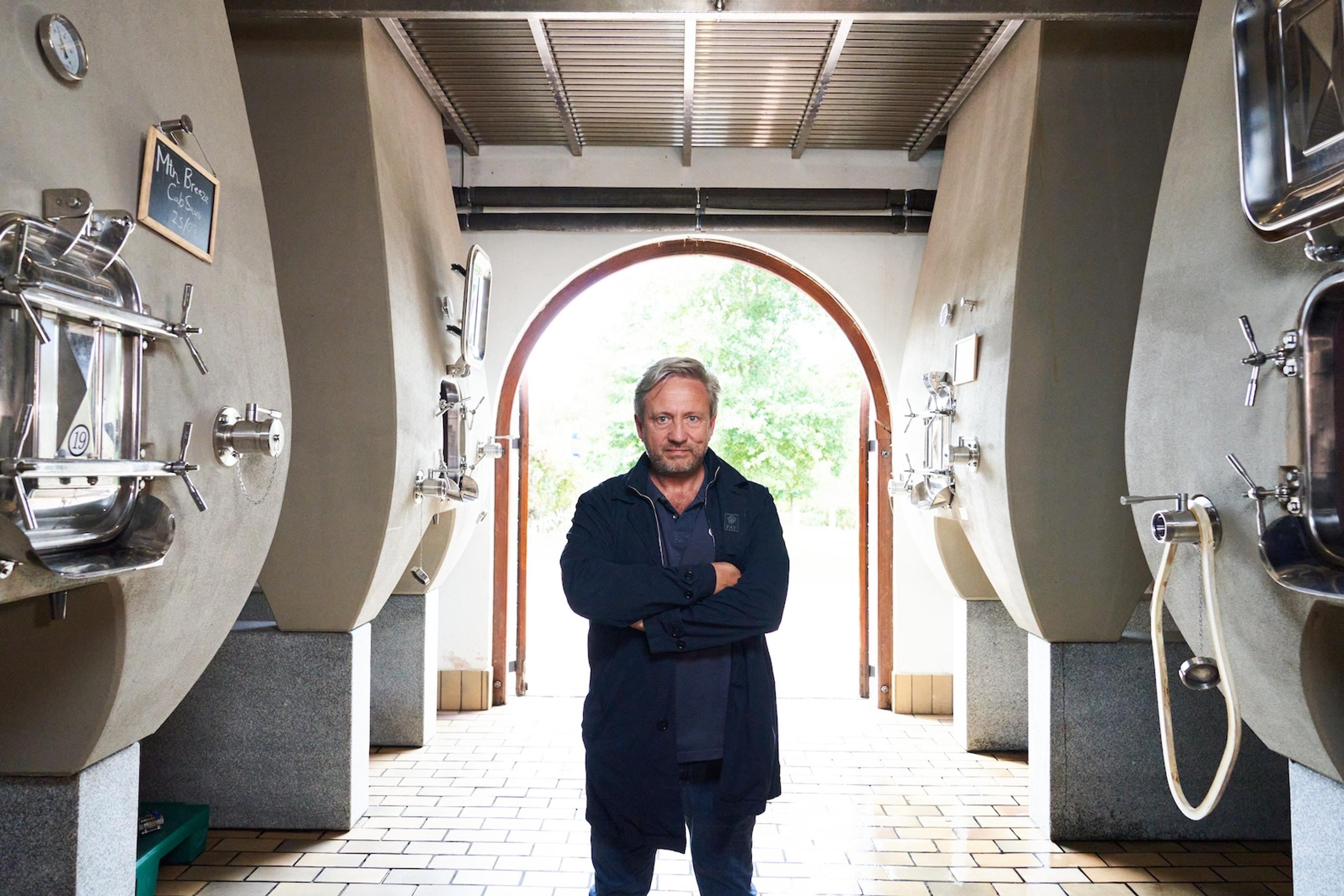
Hans Vinding-Diers is helping Patagonia finds its place with Pinot Noir
Understanding a place often begins with details like these. The Danish winemaker Hans Vinding-Diers, who makes wines at Bodega Noemía de Patagonia, has had a career that has taken him through some of the world's most respected wine regions, often says that understanding a place comes before interpreting it. That is precisely what growers in Neuquén spent years doing.
No one planted Pinot Noir with the intention of creating a recognisable Patagonian style. As the vineyards matured, however, the variety responded to subtle differences in soil, exposure and climate with a precision few had expected. Its character emerged gradually, shaped by observation rather than intention.
By the time growers reached that point, the market had begun moving in the same direction. Importers, sommeliers and merchants were looking for freshness, moderate alcohol, precision and wines that spoke more clearly about where they were grown than about how skilfully they had been made.
Neuquén did not change to meet that demand.If anything, the market moved towards Neuquén.
The best Pinot Noirs from Neuquén rarely try to impress in the first few minutes after the bottle is opened. They unfold gradually, which probably explains why they have found such a natural place on restaurant wine lists. They never compete with the food. Instead, they stay alongside it, carrying freshness and balance through the meal rather than relying on an immediate first impression.
Living up to expectations
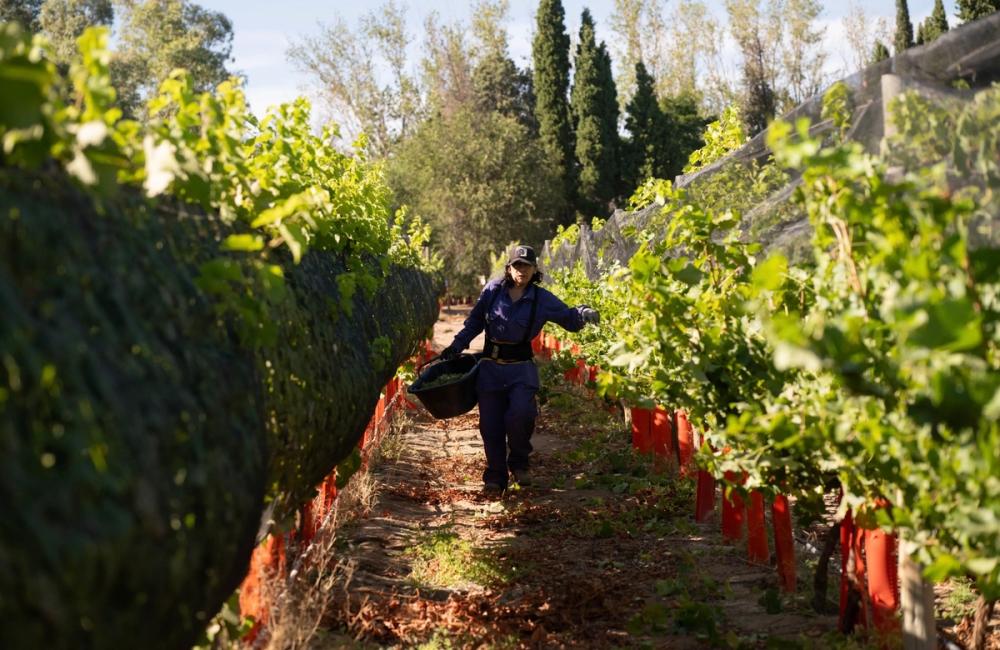
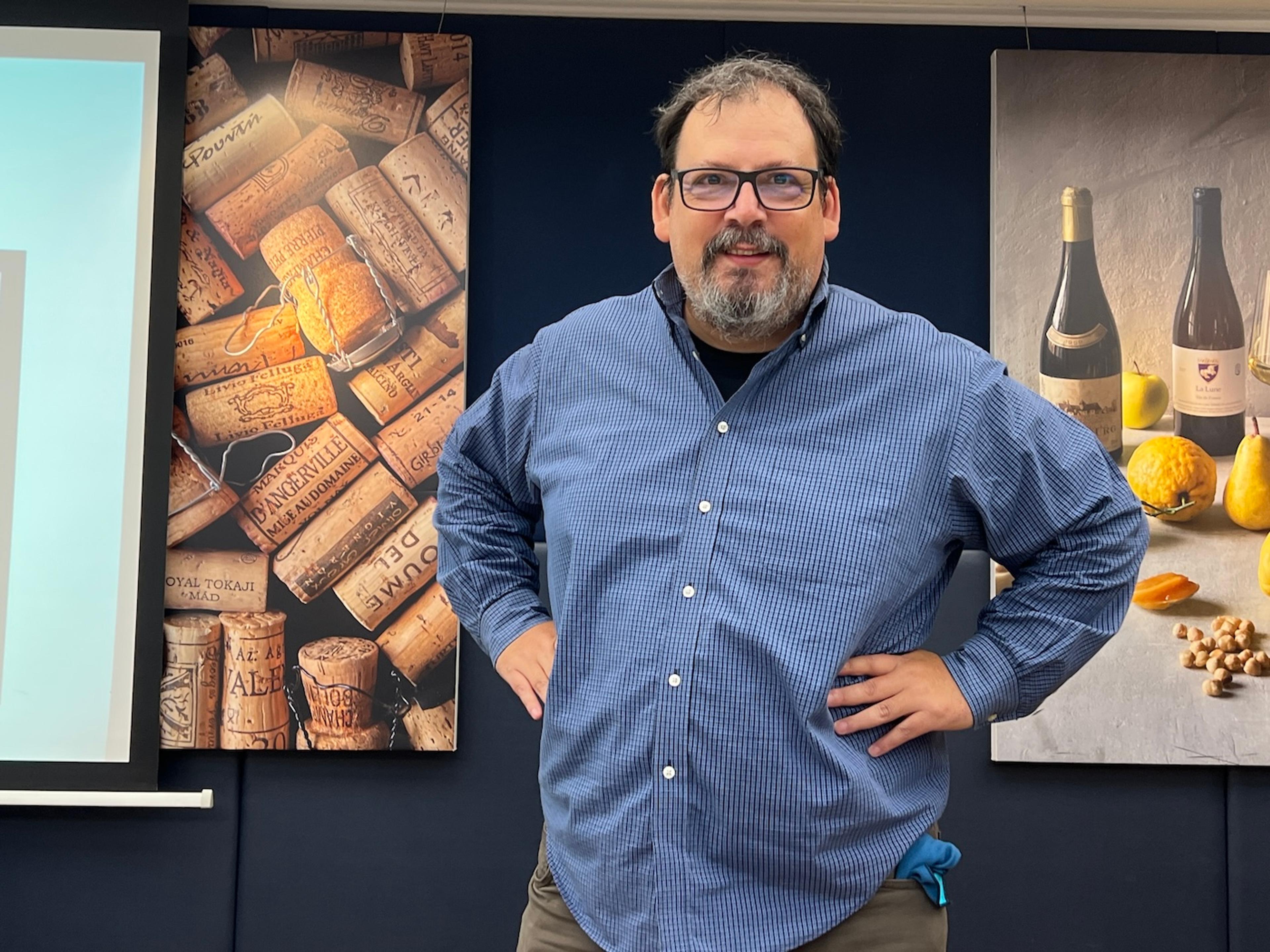
New vineyards are being planted in different areas of Patagonia as producers and winemakers better understand what specific sites can offer. Picture Sergio Landoni
The question for buyers, inevitably, is what all this means in a market already crowded with Pinot Noir. Does the world really need another producer?
Probably not if it simply offers another version of something already familiar.
The regions that shape the conversation rarely do so because they produce more wine. They do so because they broaden it. That is beginning to happen in Neuquén. Long before anyone tastes the wine, Patagonia already carries certain expectations. The bottle either lives up to them or it does not. Harvest after harvest, these wines continue to show that the landscape is more than a story. It can also be recognised in the glass.
That growing understanding is no longer confined to the vineyards around San Patricio del Chañar, still the heart of Neuquén's wine industry. New vineyards are appearing across very different landscapes, from the Patagonian plateau, where Pinot Noir is now being explored in areas once associated almost exclusively with oil production, to cooler mountain valleys closer to the Andes, where higher elevations are opening new possibilities for the variety.
Seen individually, none of these vineyards will transform production. Together, however, they reveal something more interesting. Patagonia is gradually becoming less a single wine region than a collection of distinct landscapes, each beginning to shape its own expression of Pinot Noir while remaining recognisably Patagonian.
That matters well beyond the vineyard. Importers are not simply looking for another Pinot Noir to place on a shelf. They are looking for wines they can explain, wines that give consumers a reason to look beyond the regions they already know.
That growing confidence is now beginning to attract new investment and public support for vineyard development. The more significant change, however, happened quietly over many years, vineyard by vineyard and harvest after harvest. Experience came before recognition, which may prove to be one of the region's greatest strengths.
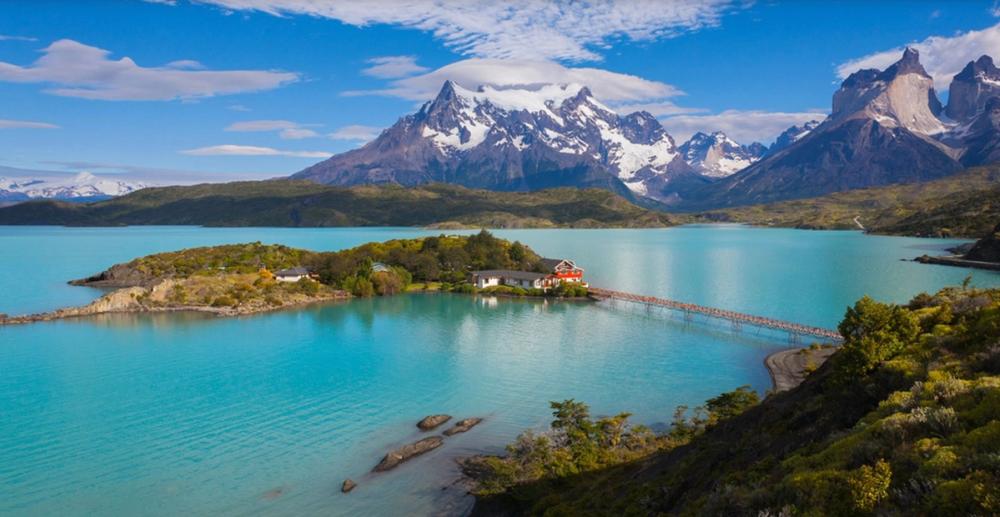
The beauty, majesty and potential of Patagonia is attracting more wine producers and winemakers
Perhaps that is why Patagonia feels so relevant today. Its vineyards reached maturity just as the international market began rewarding freshness, balance and a stronger sense of place. Nobody planned that convergence. Looking back, it is difficult to imagine better timing.
Patagonia still offers something that has become increasingly rare in the Pinot Noir world: wines with a clear identity whose prices have not yet caught up with their reputation. It is a position few wine regions manage to hold for long.
The question is no longer whether Neuquén can produce fine Pinot Noir. That has largely been answered. The more interesting question is how many different expressions will emerge over the next 20 years as growers continue exploring new landscapes across Patagonia.
Nobody knows the answer.
Some wine regions become famous before they are fully understood. Others are understood long before the rest of the world begins paying attention.
Neuquén feels very much like one of them.
* You can read more about Patagonian wine and the work of Sergio Landoni on his website here.