
When I first heard about a drink that could make you feel a little tipsy without the alcohol, hangover or next-day regret, I was immediately intrigued.
A neuroscientist had apparently worked out how to recreate some of alcohol's pleasurable effects without the harms associated with alcohol itself. As someone who loves wine but could happily do without some of its consequences, that sounded rather wonderful.
That was my introduction to Professor David Nutt, GABA Labs and Sentia during my time at Decanter.
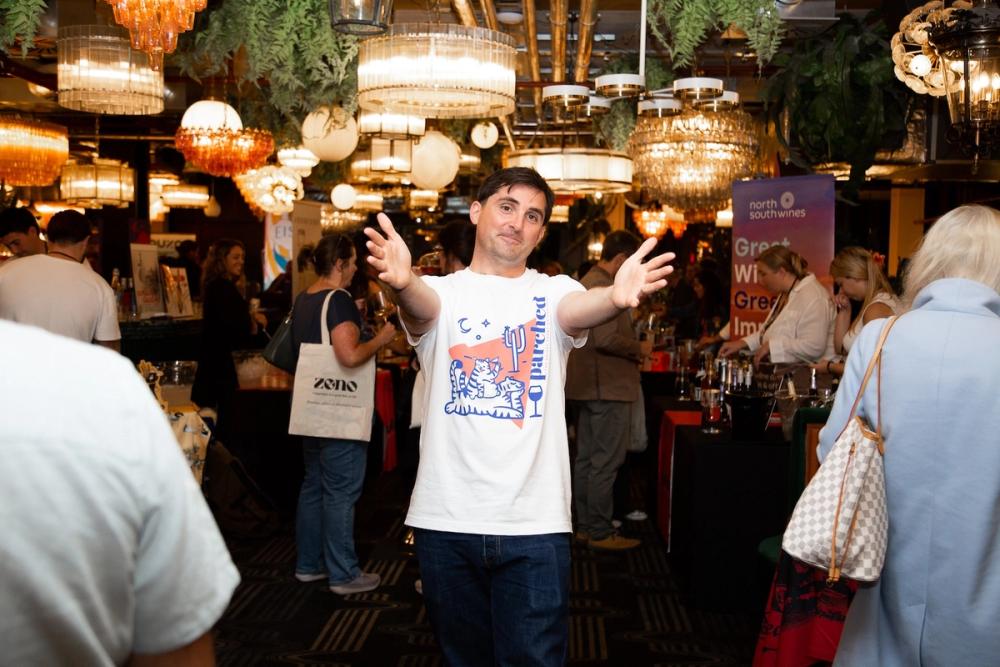
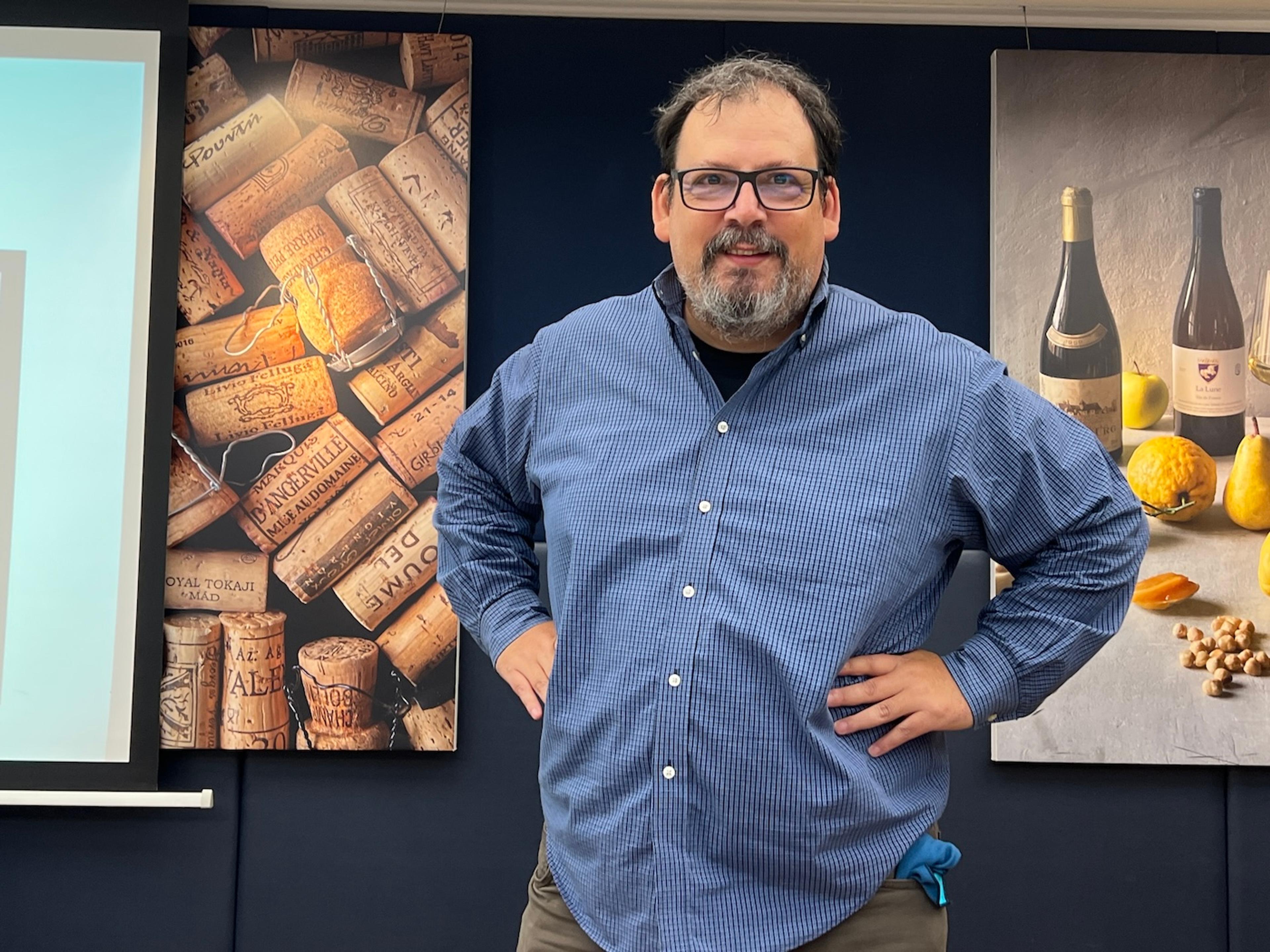
Tom Surgey, pioneering the non-alc/ functional drink space in the UK
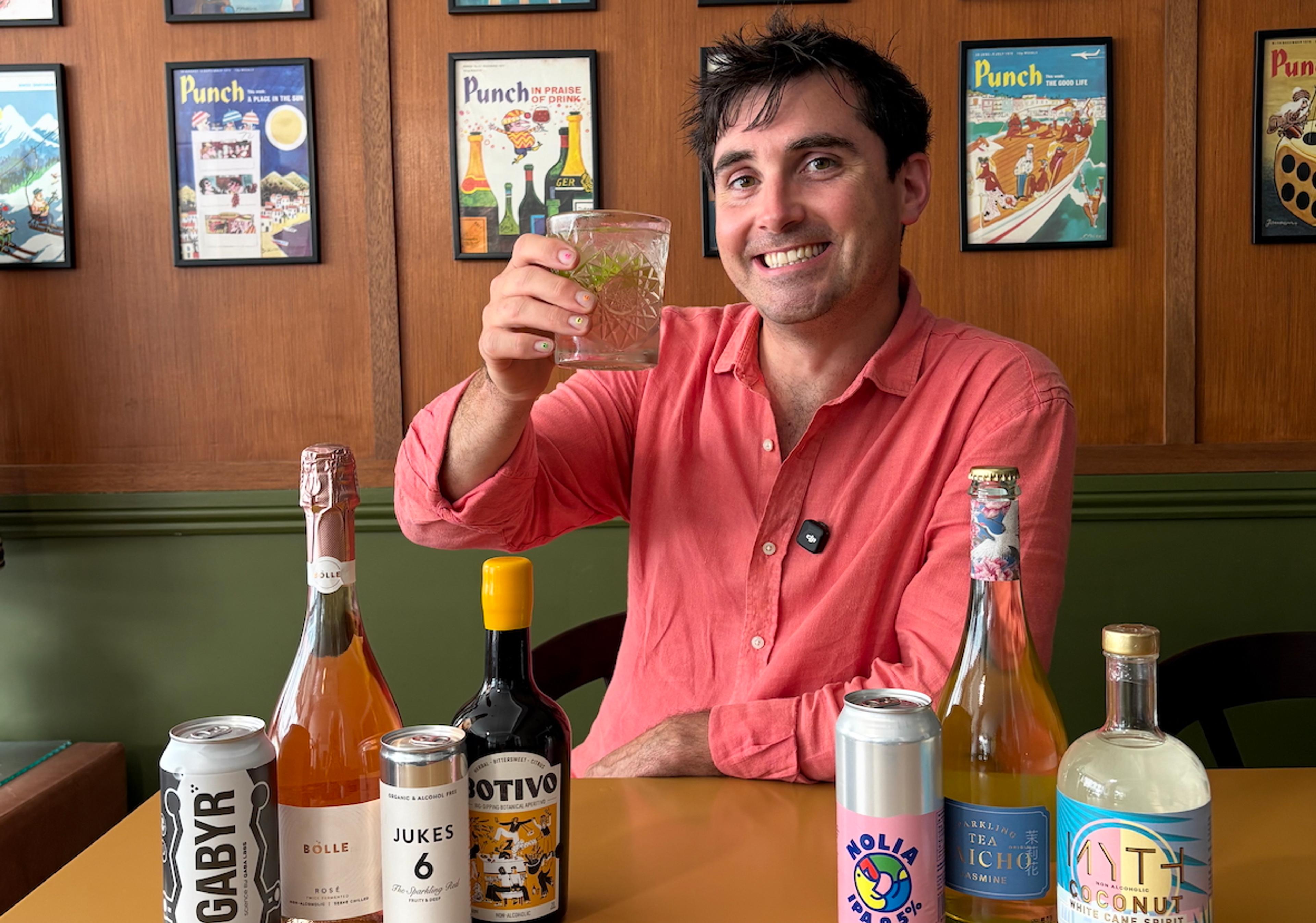
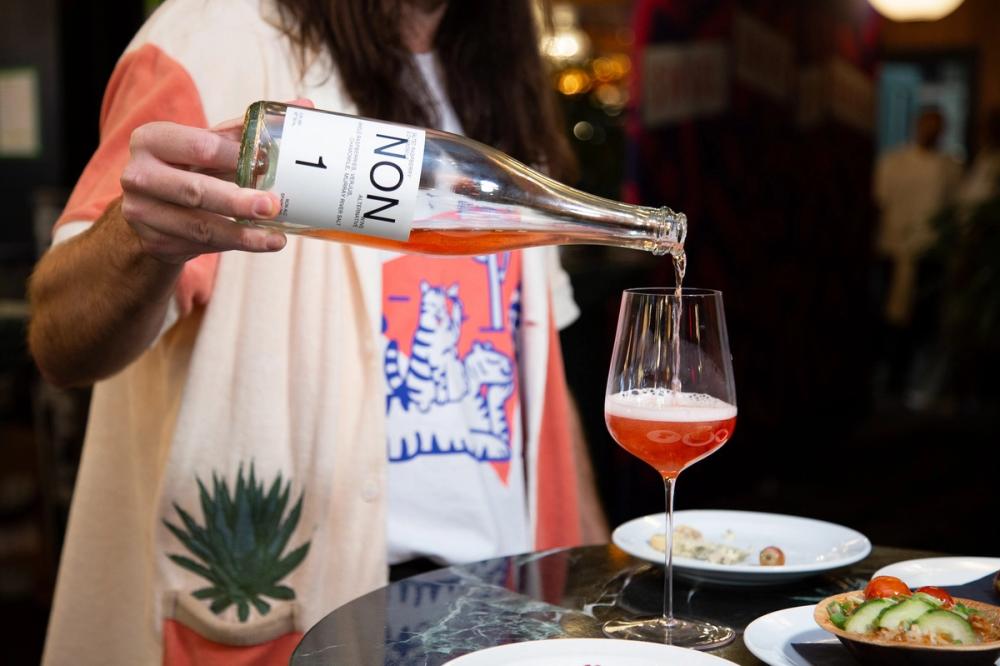
Fast-forward a few years and I found myself at the second edition of Parched, Tom Surgey's London tasting (not to be confused with the natural wine store of the same name) dedicated to the increasingly sophisticated world of drinks without alcohol.
Surgey is rapidly establishing himself as one of the more visible champions of the UK's no- and low-alcohol movement, and Parched demonstrated just how far the category has come. Producers are experimenting with extraordinary flavours, botanicals and, increasingly, ingredients intended to do something beyond simply tasting good.
But wandering between the stands, I kept returning to one deceptively simple question.
What exactly is a functional drink?
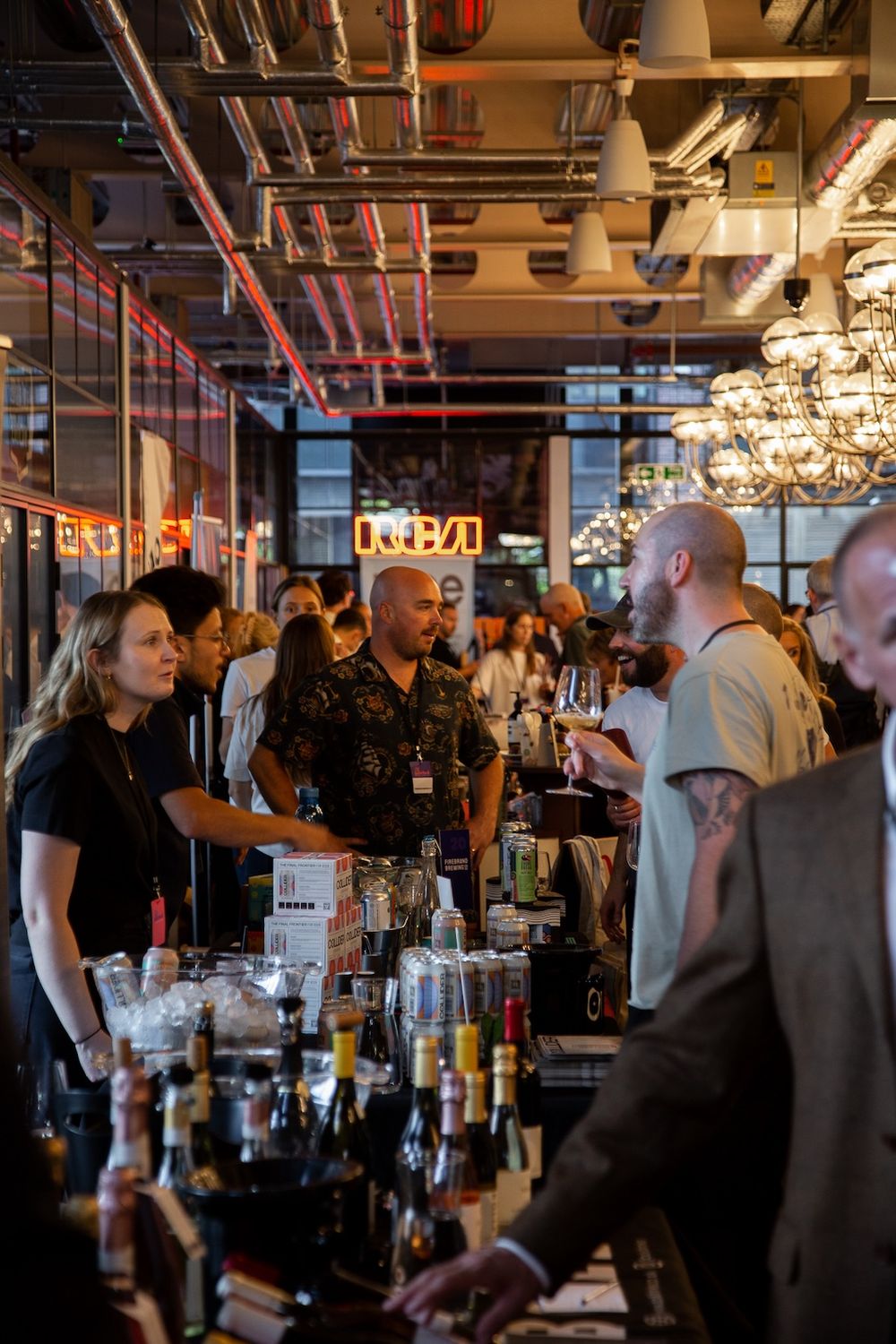
Parched: the functional drinks event, London, September 2026
I asked several producers and received several different answers. Some talked about relaxation, others about energy, focus, gut health, hydration or mood enhancement. There was plenty of discussion about adaptogens and nootropics, fashionable terms that sound wonderfully scientific but don't necessarily tell consumers very much.
Perhaps it's easier to define these drinks by what they aren't: alcohol.
Except that doesn't work either. Coffee is functional but there are no age limits on it. So is an energy drink or a vitamin-enriched soft drink. And functional ingredients aren't necessarily restricted to non-alcoholic products.
The commercial opportunity is certainly attracting attention. Research conducted by KAM Insight with Club Soda and the Functional Drinks Collective found that 41% of UK adults said they would be encouraged to visit pubs, bars and restaurants more often if functional drinks were available, while 64% would be willing to pay more for drinks offering functional benefits.
But another finding caught my attention. Despite considerable consumer interest, only 23% believed functional drinks actually deliver on their promises. The research also revealed considerable confusion around their ingredients.
There's something rather contradictory about that. We're increasingly choosing drinks according to how we want to feel, yet we're not entirely convinced they'll make us feel that way, nor do we necessarily understand what's in them.
And perhaps that's precisely why the functional drinks industry needs to spend as much time explaining its products as it does promoting their benefits.
So what are we actually talking about?
When wine is apparently too complicated
Coming from the wine industry, I find the whole thing rather ironic.
We've spent decades being told that wine is too complicated for consumers. That we need to simplify our language and stop intimidating people with talk of grape varieties, regions, vintages and terroir.
Never mind the subtle differences between Cabernet Franc from the Loire, Bordeaux or Hungary. We're often still trying to encourage consumers to look beyond red, white and rosé.
And yet here we are, enthusiastically embracing a new drinks category involving GABA receptors, adaptogens, nootropics, amino acids and botanical extracts, many of which the average person would struggle to pronounce, let alone explain.
Apparently, this isn't complicated. It's wellness.
Wine, for all its extraordinary nuances, is fundamentally straightforward. Grapes are fermented, producing alcohol. We broadly understand what alcohol does to the body, even if we don't always like the answer. Of course, wine has its own questions around additives and transparency, but much of its complexity concerns flavour, origin and character.
With functional drinks, we're not simply discussing whether something tastes of citrus, herbs or berries. We're talking about ingredients intended to influence how we feel.
Surely that demands a little more curiosity than whether we prefer Sauvignon Blanc to Chardonnay.
From drinking less to feeling more

Tom Surgey (r): demonstrating just how far the functional drinks category has come
During a panel discussion at Parched, Surgey made the interesting point that alcohol has always performed a function beyond taste. It marks the transition from work to relaxation, provides a social ritual and helps create a shift in mood.
Think about that first glass of wine on a Friday evening. The pleasure often begins before the alcohol has had much opportunity to do anything physiologically.
Functional drinks are increasingly looking to occupy that same territory.
Three producers on the panel illustrated just how different their approaches can be.
Sentia, developed by GABA Labs, is designed around the brain's GABA system, which is involved in relaxation. Hello Lager takes a more familiar route, incorporating magnesium, L-theanine and vitamin C into an alcohol-free beer. Smiling Wolf combines Mediterranean botanicals with amino acids, caffeine and B vitamins, intended to create a gentle, uplifting social buzz.
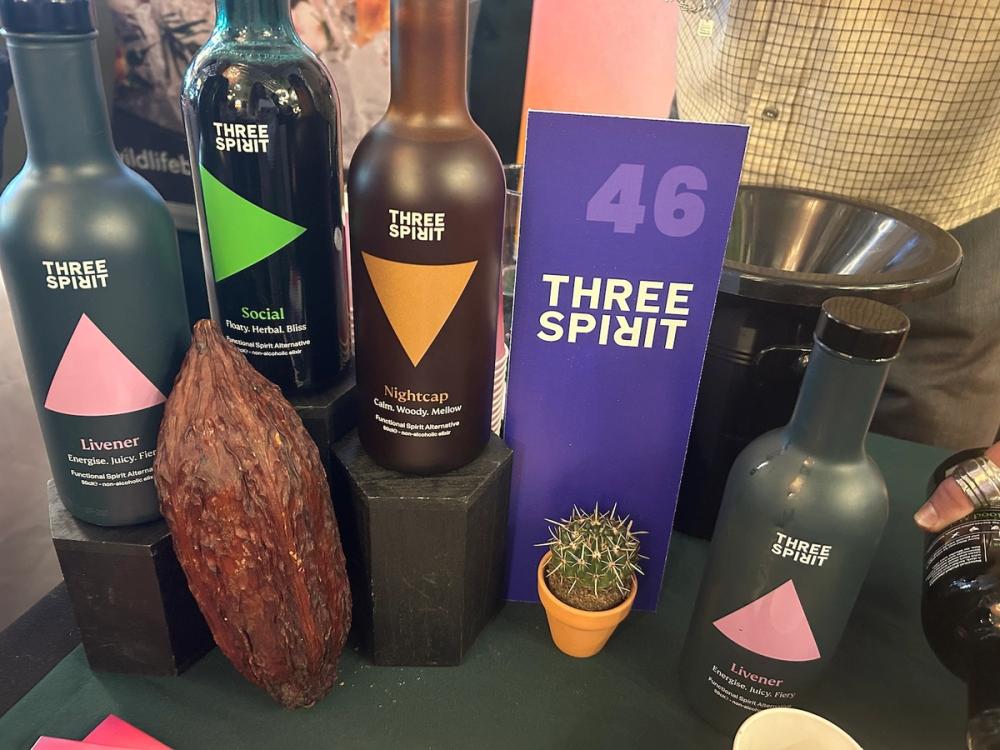
Elsewhere at Parched, Three Spirit offered yet another interpretation. Its Social Elixir contains lion's mane mushroom, damiana, yerba mate and other botanicals, while its Livener and Nightcap are designed for energy and relaxation respectively.
All are described as functional, yet their formulations and intended effects are remarkably different.
And this brings us to an interesting question: how much of the claimed effect is science, and how much is suggestion?
The placebo effect came up during the discussion. If you tell someone a drink will make them feel relaxed or sociable, might they feel that way partly because they expect to? Of course, alcohol isn't immune to this phenomenon either. The ritual, flavour and occasion all contribute to our experience.
There is scientific research into many ingredients used in functional drinks, from L-theanine and magnesium to lion's mane mushrooms. But research into an individual ingredient is not necessarily evidence that the quantity in a particular drink, or the finished formulation, will deliver the effect suggested by its marketing.
If a producer promises relaxation or greater sociability, surely it's reasonable to ask what evidence supports that claim.
Natural doesn't necessarily mean harmless
My enthusiasm for functional drinks met a little caution when I discussed them with a friend who is a hepatologist, a specialist in liver disease. One ingredient in particular caught their attention: ashwagandha.
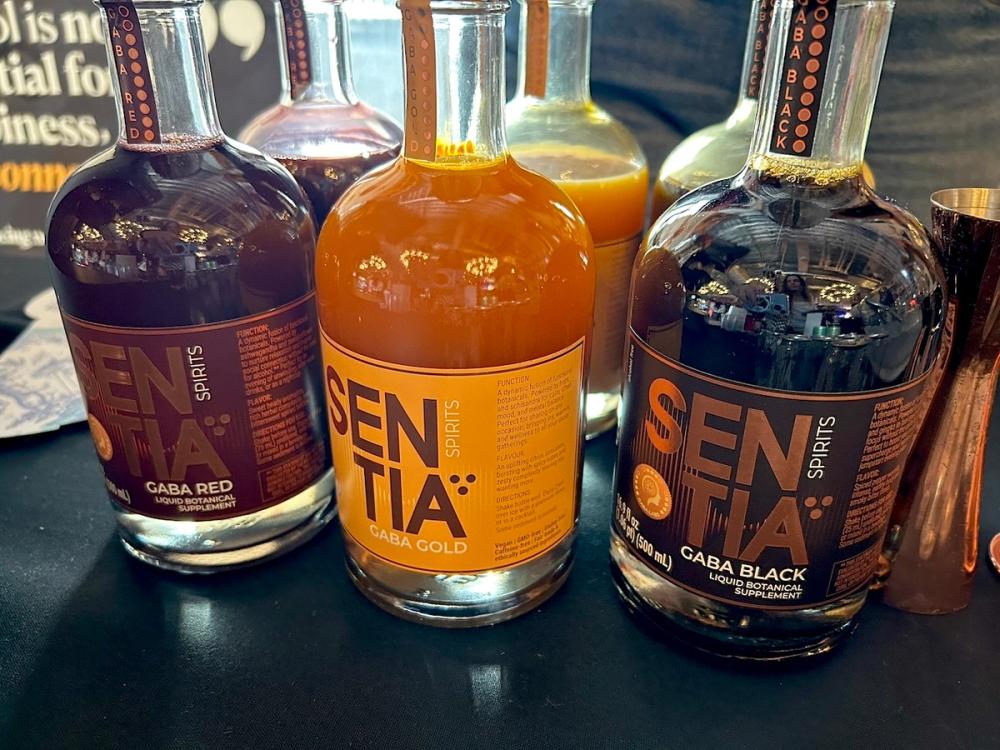
This herb, used in traditional Ayurvedic medicine, has become increasingly popular in products marketed around stress, sleep and relaxation. It is also found in some functional drinks, including Sentia GABA Red and Three Spirit Nightcap.
What interested me was that ashwagandha has been associated with rare cases of liver injury, with particular concerns for people who already have liver disease.
The UK's Food Standards Agency has been examining its safety, and the National Institutes of Health in the US has documented cases of liver injury associated with ashwagandha-containing supplements.
This doesn't mean that drinking a serving of Sentia or Three Spirit Nightcap will damage your liver. There is no basis for making that claim. The risk associated with a specific drink depends on its formulation, dose and consumption pattern, and evidence from supplements cannot automatically be applied to beverages.
But it does raise an important point: natural is not necessarily synonymous with harmless.
We tend to regard botanicals as reassuring because they come from plants. But grapes are plants too, and we know perfectly well that something natural can have consequences for our health. The difference is that we have decades of research into alcohol and a fairly good understanding of its effects. With functional drinks, we're being introduced to combinations of biologically active botanicals, some of which may interact with medication or pose risks for certain people. And while individual ingredients may have been studied, we often know considerably less about how they behave together in a finished drink.
Which brings me to another question I asked at Parched: why are some of these drinks for over-18s?
The answers were surprisingly varied. Some producers position their products as adult alternatives to spirits, while others use botanicals or ingredients that may not be suitable for children.
There is no blanket over-18 rule covering everything marketed as a functional drink, yet some products carry age recommendations or warnings against consumption during pregnancy.
Turn the bottle around
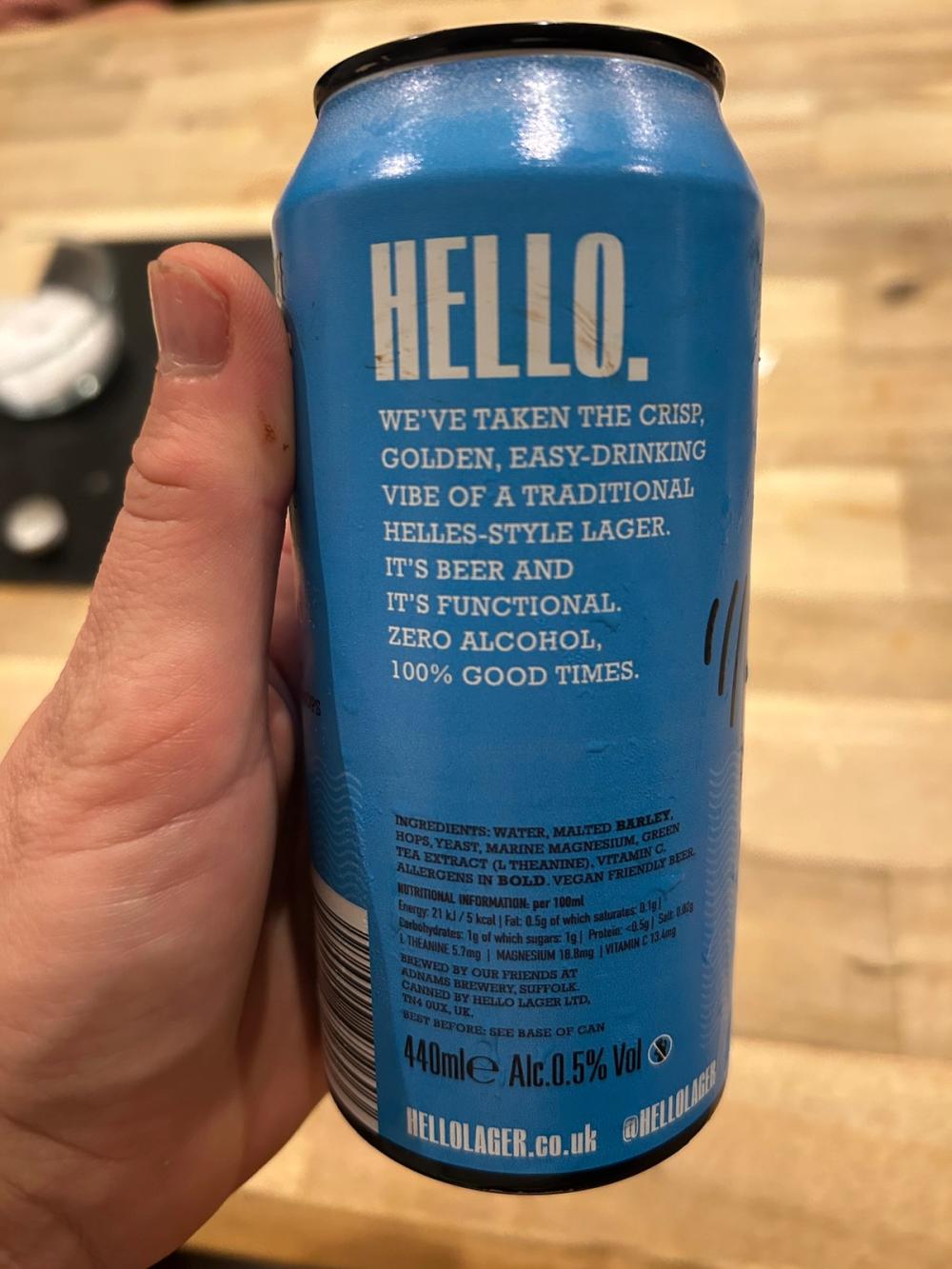
Imprecise: Hello Lager says it has Zero Alcohol and 0.5% abv at the same time
Perhaps what struck me most at Parched was the contrast between the front of the bottles and the back.
The front promised calm, balance, energy or a feel-good experience. The back often revealed a much more complicated formulation of botanical extracts, amino acids, vitamins, caffeine and other ingredients, sometimes accompanied by serving limits and warnings.
None of these ingredients is automatically problematic. But knowing that a drink contains lion's mane, GABA-related botanicals or L-theanine is not necessarily the same as knowing how much is present or what effect that quantity might have.
In the wine industry, we've spent years discussing ingredients and how wine is made. Yet consumers are now being introduced to an entirely new vocabulary of substances whose functions and potential interactions may be far less familiar.
UK regulations do govern health claims for foods and drinks, so this isn't a regulatory free-for-all. Nevertheless, there's a difference between complying with labelling requirements and consumers genuinely understanding what they're drinking.
For retailers, bartenders and sommeliers, that presents both an opportunity and a responsibility. Functional drinks could transform alcohol-free offerings, but recommending them requires more than knowing whether they taste good.
Wine professionals are expected to understand their grape varieties, regions and producers. Surely functional drinks deserve an equally serious approach.
What should we be drinking this Christmas?
With festive lunches, parties and celebrations approaching, there will be plenty of occasions when people want something more interesting than water without necessarily wanting another alcoholic drink.
Four products I encountered at Parched illustrate just how varied the category has become.
Sentia GABA Red is an intriguing botanical evening aperitif. Deeply herbaceous, with dark berries, warming spice and a slightly medicinal, bittersweet finish, it has considerably more body than many alcohol-free alternatives. Jägermeister is perhaps the closest comparison, although Sentia is lighter, less syrupy and less sweet. A 25ml serving topped with Mediterranean tonic works particularly well. This wasn't my first experience with Sentia, and on several occasions I've felt a distinct numbing sensation accompanied by noticeable relaxation. It's a curious, rather pleasant feeling, although I can't say which ingredients are responsible.
Hello Lager Grapefruit, made with Adnams in Suffolk, is a 0.5% ABV Helles-style lager containing magnesium, vitamin C, L-theanine and caffeine from green tea extract. I found it lighter-bodied and considerably fruitier than conventional lager, with zesty grapefruit flavours and a refreshing, slightly bitter finish. It didn't particularly remind me of beer, but I enjoyed it nonetheless. The approximately 25mg of L-theanine per can is below quantities commonly studied for relaxation, so whether its functional blend produces a noticeable effect is another question.
Interestingly, Hello Lager describes itself as 'Zero Alcohol, 100% Good Times', despite declaring 0.5% ABV. Under current UK government guidance, 'alcohol-free' is reserved for drinks containing no more than 0.05% ABV, although this guidance is voluntary. It seems rather contradictory for a category positioning itself around healthier, more informed drinking choices to be so imprecise about the presence of alcohol itself.
Smiling Wolf Aperitivo is one of five functional spirits in the range. Inspired by traditional Italian bitters and made with 18 Mediterranean botanicals, it reminded me somewhat of Aperol, although the flavours were considerably more subdued, with less pronounced citrus and bitterness. I found it rather homogeneous, lacking some of the definition and complexity I'd expect from a good aperitivo. Nevertheless, it could work well in a spritz, with a mixer bringing some freshness and contrast. Its blend of amino acids, caffeine and B vitamins is intended to create a gentle, uplifting social buzz.
Three Spirit Social Elixir was one of my more enjoyable discoveries. Dark, rich and deeply herbal, with an earthy, bittersweet character reminiscent of an amaro, it offers considerably more complexity than many alcohol-free alternatives. Its ingredients include lion's mane mushroom, damiana, yerba mate, passionflower and cacao. Three Spirit describes it as a drink intended to make people feel more open and sociable. I really enjoyed the flavour, although a small tasting sample wasn't enough to assess its intended effects. I'd be keen to try it again over a full serving.
These drinks are far from interchangeable, and while their functional claims are interesting, they still need to succeed as drinks.
After all, we can talk endlessly about grape varieties, terroir and winemaking, but if the wine doesn't taste good, none of it matters.
The same should apply here.
A healthier choice, or simply a different one?
I came away from Parched excited by the creativity of the producers, but with rather more questions than I had arrived with.
Who exactly are functional drinks for? People wanting to reduce their alcohol consumption, health-conscious consumers, or simply those looking for a different drinking experience?
And are these necessarily the same people?
Offering enjoyable alternatives to alcohol is undoubtedly positive. But removing alcohol doesn't automatically make every other ingredient beneficial, nor does it mean we should stop questioning what we're consuming.
We've spent years encouraging people to think carefully about what alcohol does to their bodies. Surely, we shouldn't abandon that curiosity simply because the alcohol has disappeared.
If we're prepared to debate the finer distinctions between Cabernet Francs, we can spare a moment to understand what's in a supposedly healthier alternative.
So, this Christmas, by all means explore the fascinating world of functional drinks. But before raising your glass, you can turn the bottle around.
Because knowing what's in your drink should never be considered too complicated.
Lead image ©nicoletaionescu