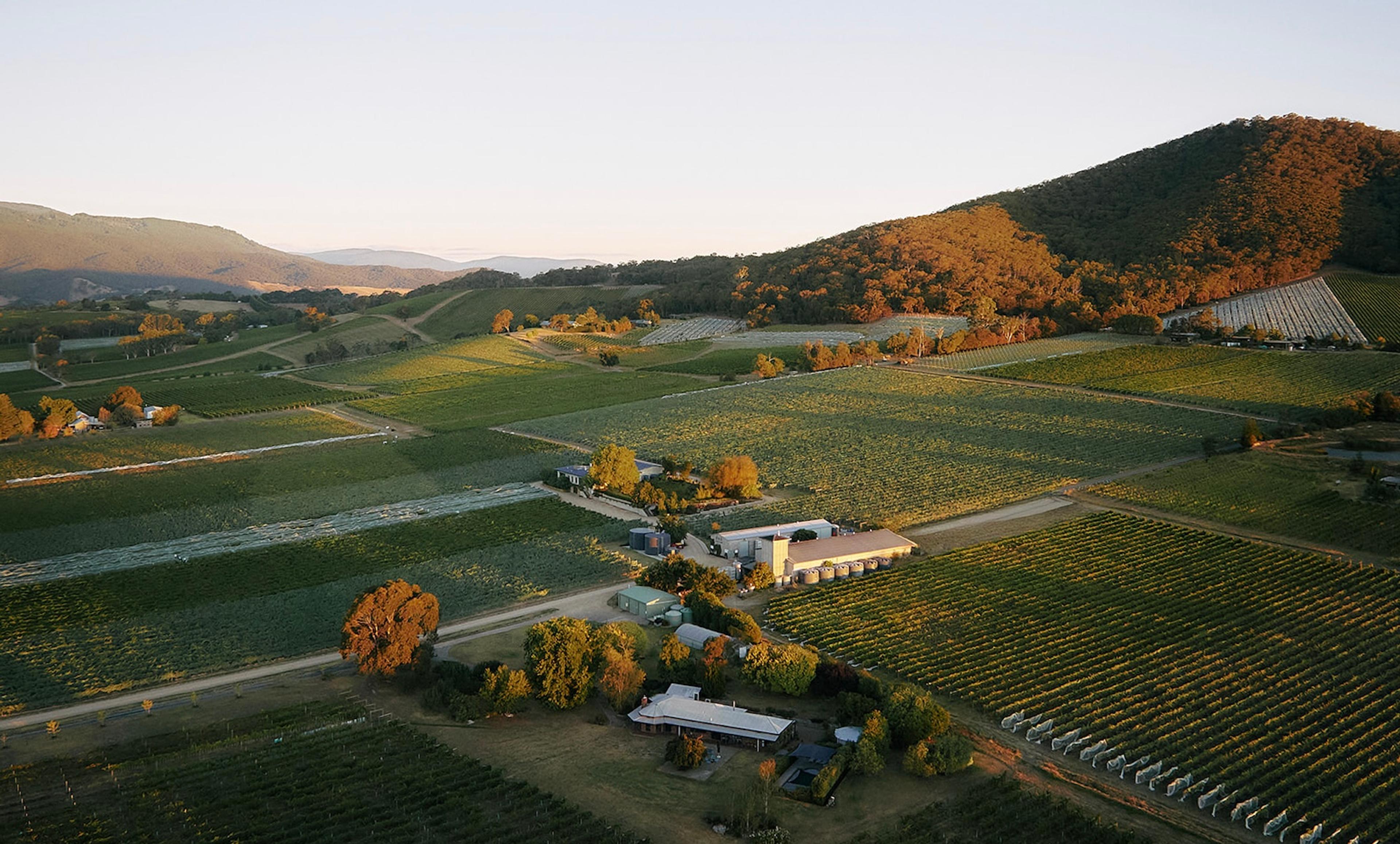

For Sarah Crowe, the future of one of the Yarra Valley’s best-known estates starts with something deceptively simple: looking after the soil. Since taking over the winemaking role in 2013, she has overseen a gradual but significant shift in the way the vineyard is farmed and the wines are made.
But for Crowe, who had spent around 12 years working in the Hunter Valley and had also ticked off a Rhône harvest before taking over at Yarra Yering, the original appeal of working there was down to her passion for cool climate Shiraz. In fact, she believes that this may be one of the reasons she was offered the position in the first place.
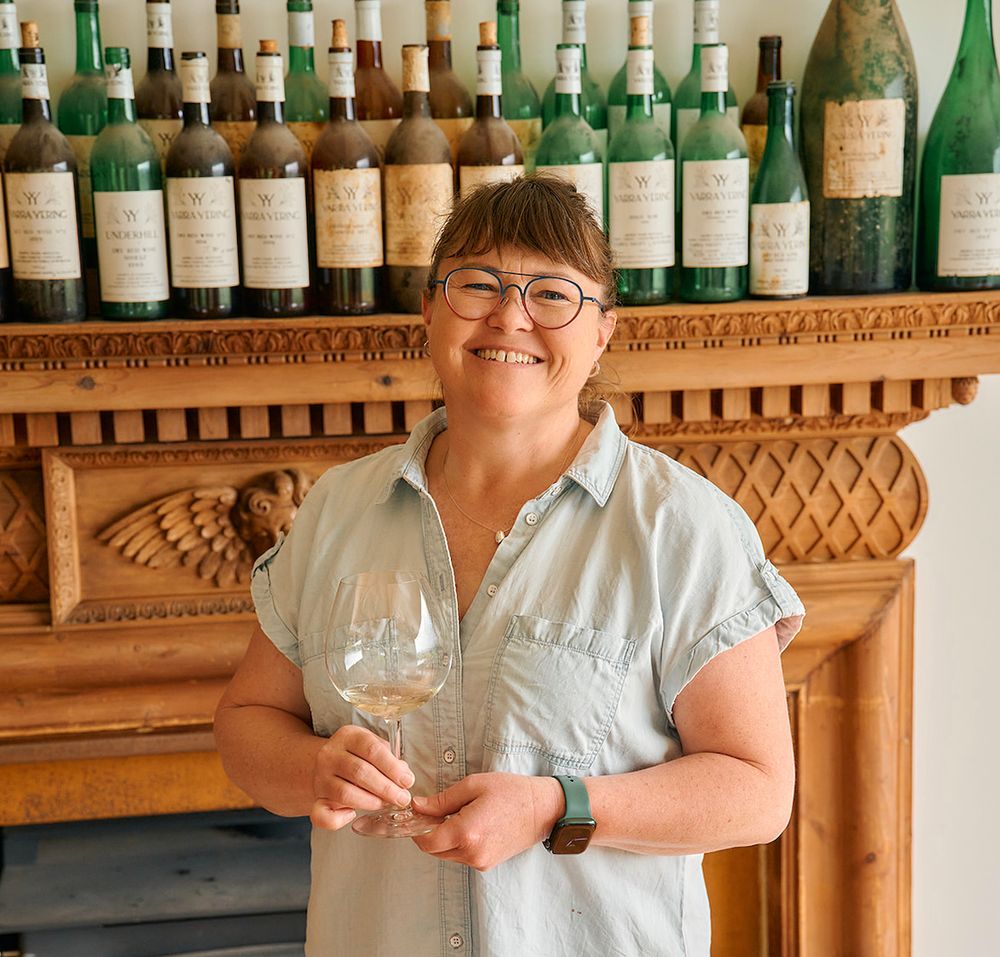
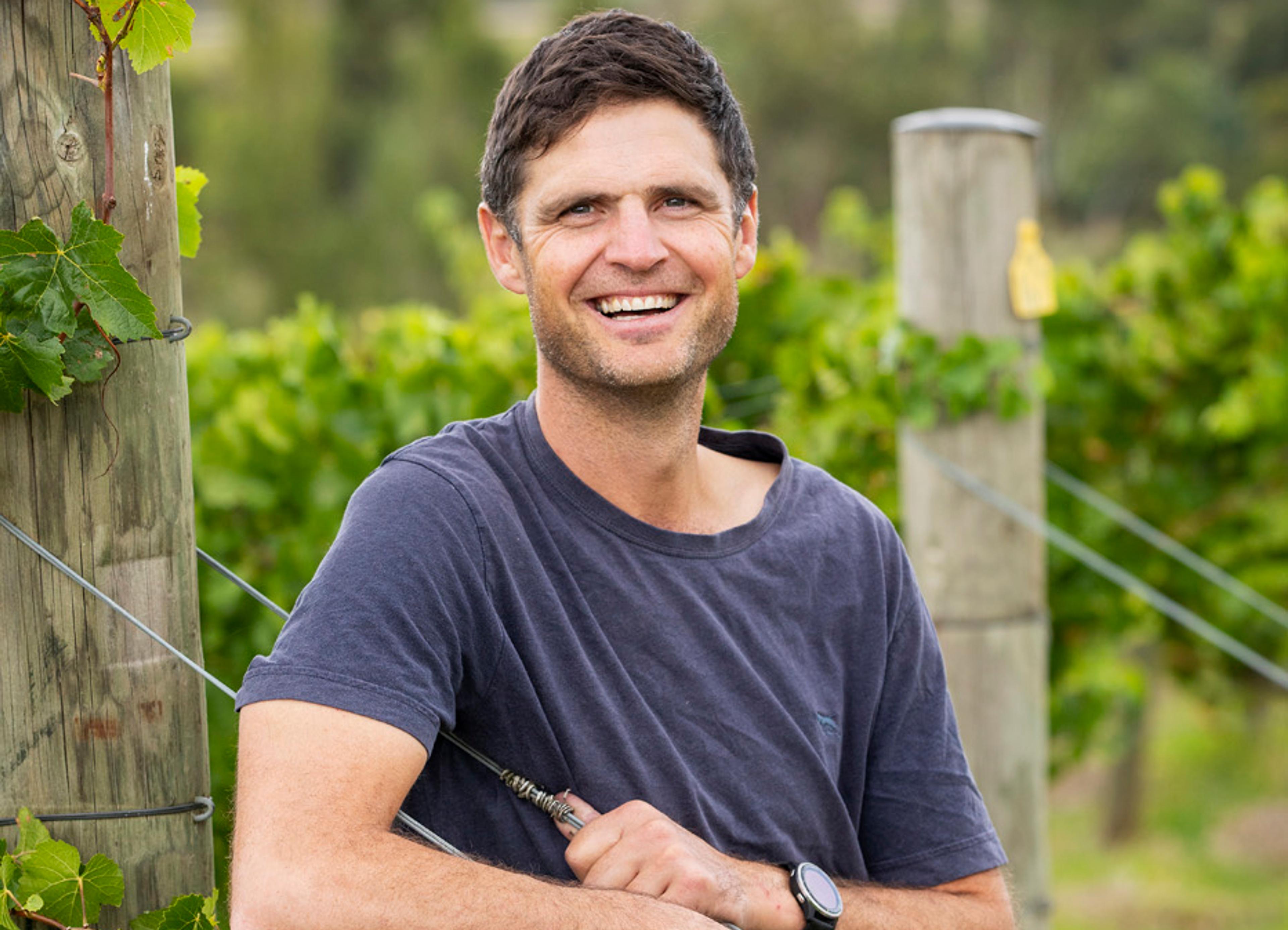
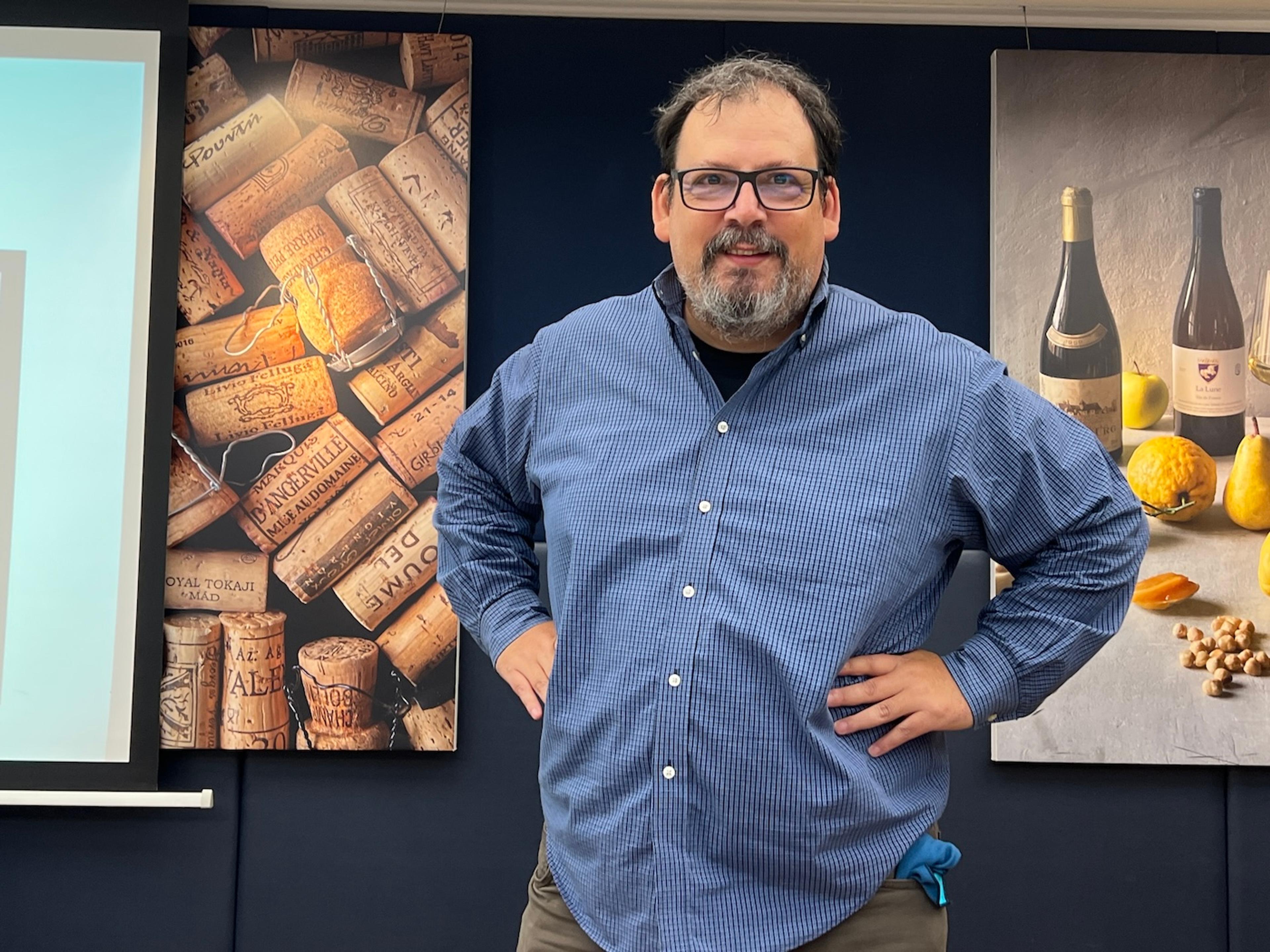
Yarra Yering's Sarah Crowe has been winemaker at Yarra Yering for 13 years
Shiraz, she recalls, had become the variety she most wanted to work with, describing it as a “winemaker’s wine”, one that can be directed into different styles “but without too firm a hand”.
She did question whether this was the answer that the Yering team wanted to hear, as the Yarra Valley is actually better known internationally for its Chardonnay and Pinot Noirs, and Crowe assumed that a passion for Shiraz might not make her the most obvious candidate for the job.
However, it turned out to be rather more relevant than she thought; Yarra Yering has more Shiraz planted than any other variety, and Crowe now believes that her willingness to be open about what she wanted to make ultimately helped her seal the deal.
Brave steps
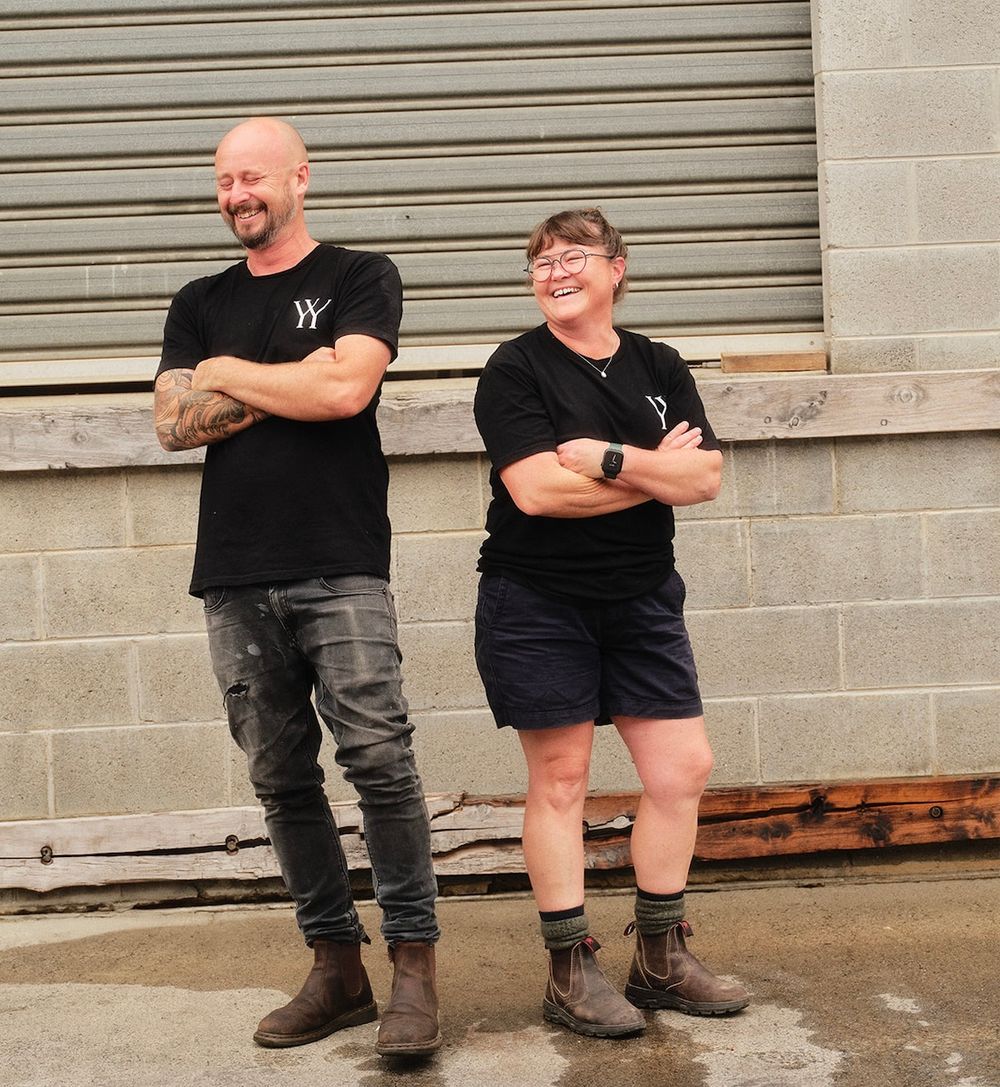
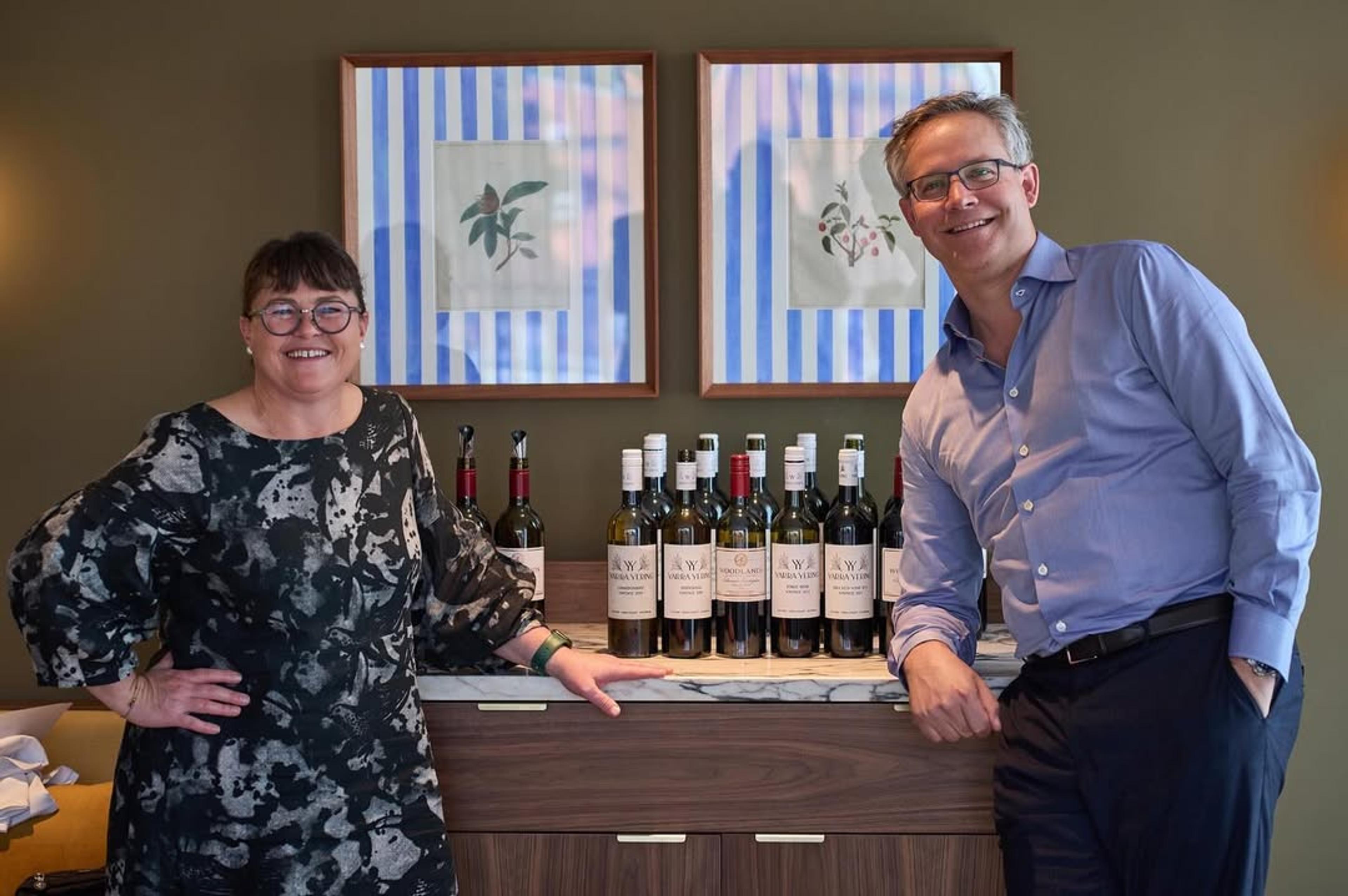
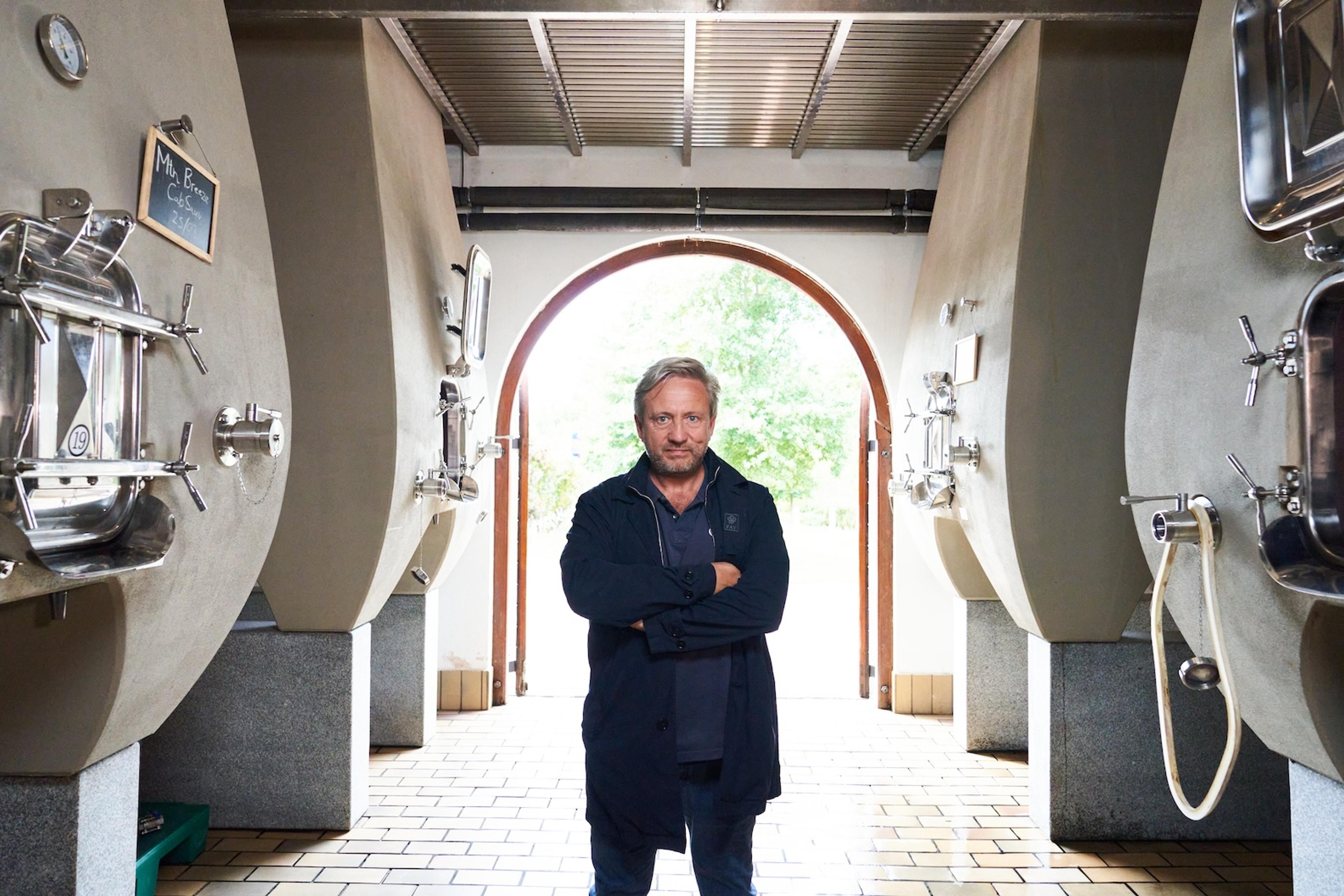
Ben Buckingham, winemaker at Yarra Yering, with Sarah Crowe
It also set the direction for what has become one of the most defining parts of her tenure at the estate – taking a closer look at the vineyard and asking whether the techniques used to make the wines were revealing the quality of the fruit.
Underhill’s Shiraz is perhaps the most obvious example, with Crowe describing it as her favourite Yarra Yering wine, and the wine that has undergone the greatest evolution. In fact, the appeal of the estate was always about the vineyard and its potential for cool climate Shiraz.
Historically, it was made using de-stemmed grapes with stalks subsequently returned to the fermenter, a technique designed to bring additional tannin into the wine.
For Crowe, however, the approach risked making the wine more about technique than the vineyard.
“I was a bit like, that wine is just all about technique. It’s all about the stalks,” she recalls.
A series of trial ferments followed, with stalk return progressively reduced and replaced with around 20% whole bunches, while the oak regime was changed from smaller barrels to larger-format puncheons.
The aim was not to make a radically different wine for the sake of it, but to reveal what was already there.
“I felt like we could finally see the quality of that fruit,” she says.
Vineyard first
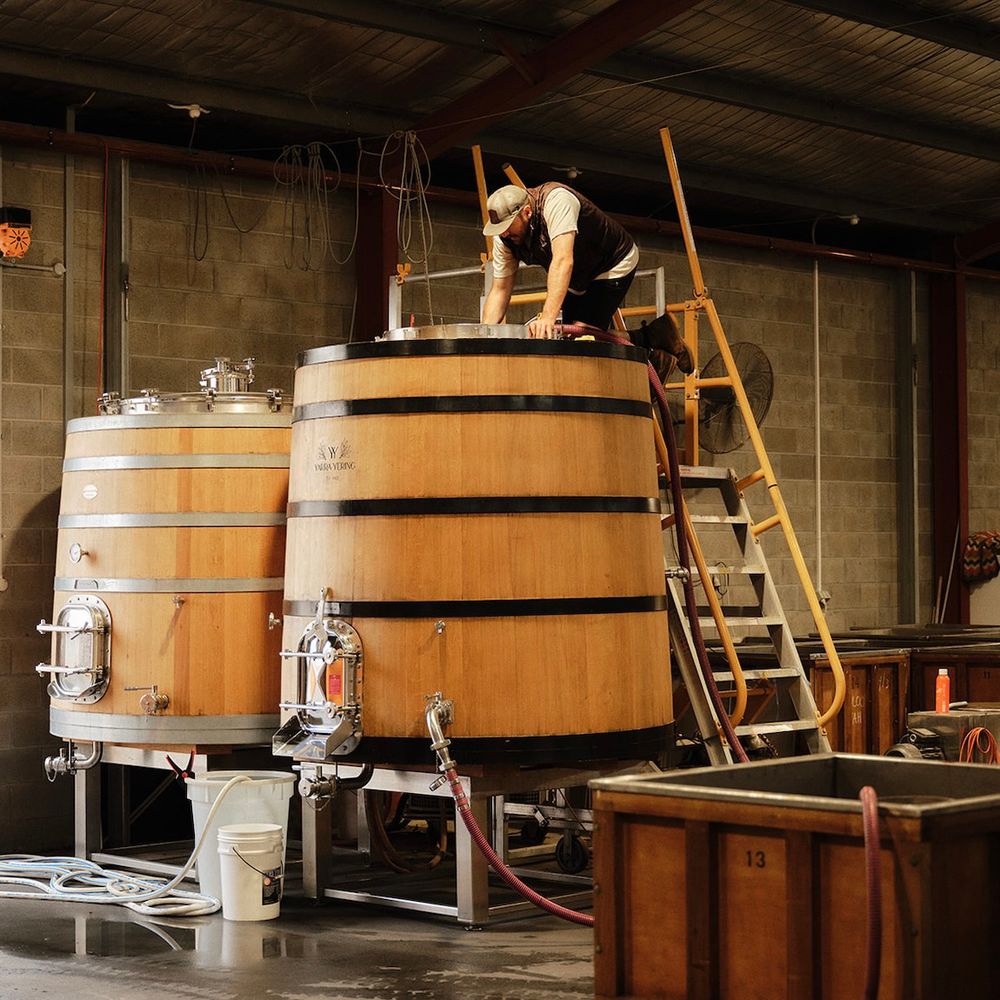
Sarah Crowe increasingly wants the technique used in the winery to serve the vineyard with bigger barrels to help the wine mature slowly
It is a small but significant illustration of the broader evolution in Crowe’s winemaking approach. Rather than deciding in advance what the wine should taste like and then applying the appropriate winemaking technique, Crowe increasingly wants the technique to serve the vineyard.
For the wine’s 30th vintage, a 3,500-litre upright cask was introduced, with part of the wine matured in it. The larger vessel and relatively thick walls encourage a slower development, while helping retain freshness. These changes took place gradually between 2014 and 2019, and Crowe now believes the wine has reached a style that suits both the block and the climate.
She continues to experiment with amphora, ceramic eggs and other techniques, but says Underhill itself is now relatively settled.
Coping with climate change
In the 13 years Crowe has been winemaking at Yarra Yering, she reports that one of the biggest changes has been in the climate, with an increase in extremes of weather.
“When we get some heat, it can be extremely hot,” she says.
The estate experienced a peak temperature of 43°C during the most recent summer — exceptionally high for the site. At the same time, the region has experienced significant variation in rainfall, moving from a run of wetter-than-average years into much drier conditions.
To best manage this, Crowe and her team have had to adapt how they work in the vineyard and change their winemaking approach to include such strategies as compost mulches, cover crops, more detailed nutrient monitoring and changes to canopy management.
Crowe’s fundamental winemaking philosophy, however, remains the same; to build healthier soils, retain moisture and allow the vineyard to express itself with as little interference as possible.
“We’ve been working towards maintaining as much soil moisture as we can while also increasing our soil biology,” she says. “Healthy soil, healthy vines is the aim.”
That represents a marked step change from when she arrived at the estate. At the time, the vineyard was not being mulched, while the more intensive use of cover crops and detailed foliar nutrient management came later.
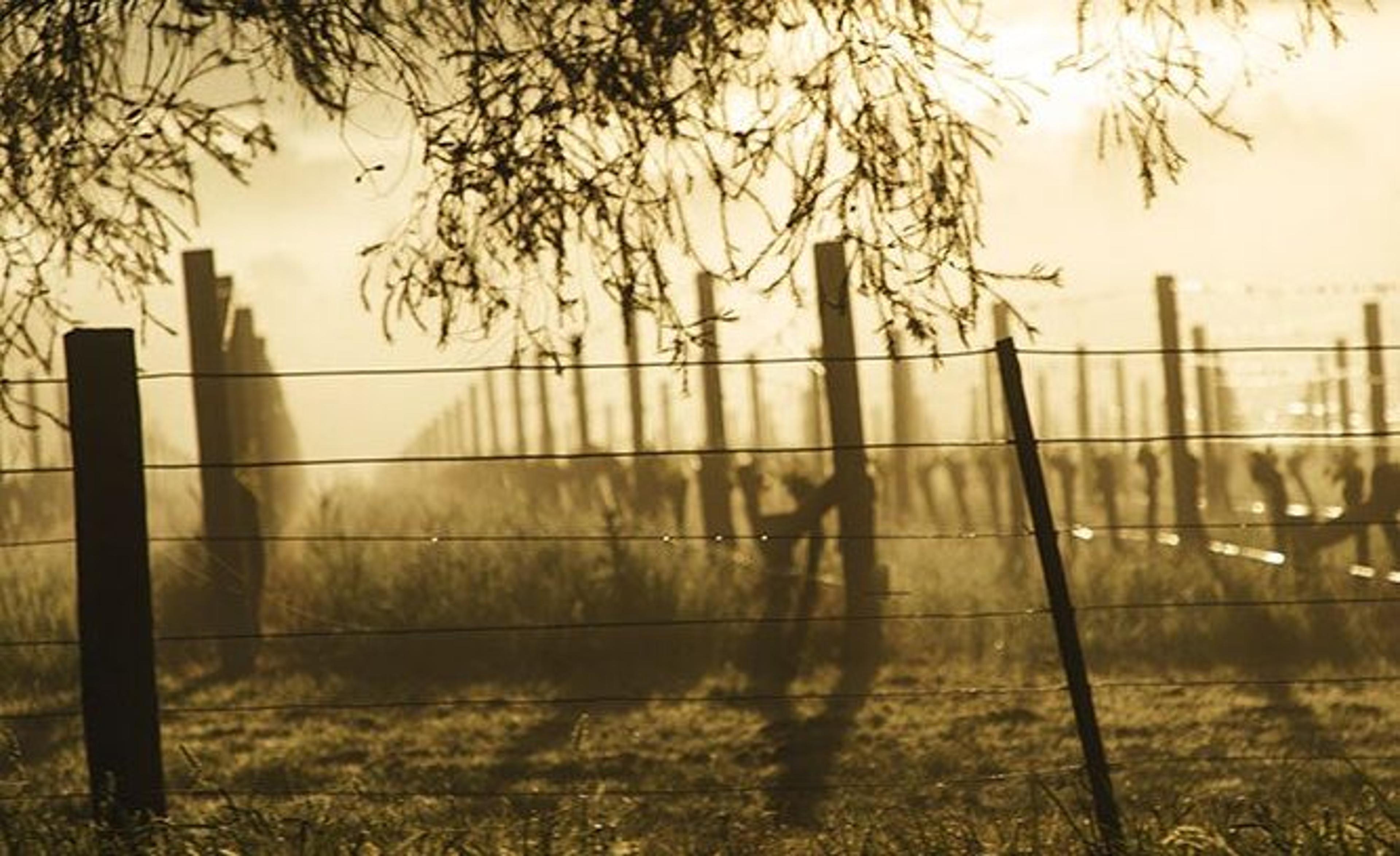
The vineyard is dry-grown, with no irrigation, making the management of soil moisture particularly important. Compost is now used as mulch beneath the vines, helping retain moisture while suppressing weeds and reducing the need for herbicide.
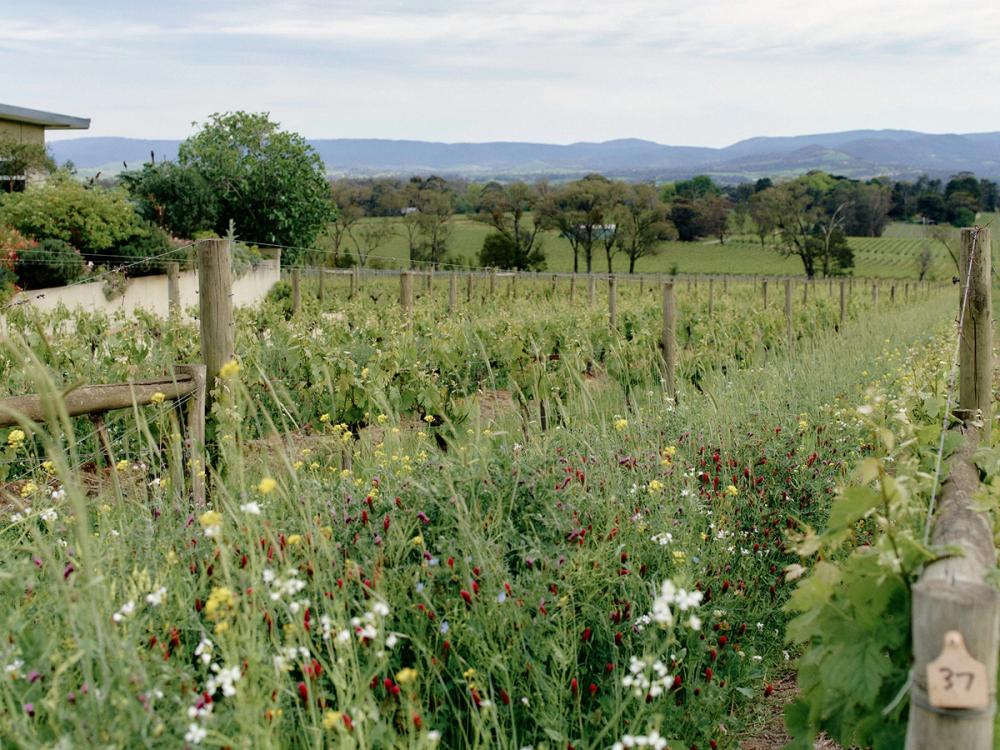
Cover crops are a key part of the grape growing at Yarra Yering
Cover crops have also become an important part of the programme. A diverse mix - including radishes, turnips, clover, ryegrass and mustard - is used for different purposes. Tap-rooted plants help break up the soil, while clover contributes nitrogen and flowering species attract bees and insects.
When summer arrives, the cover crop is rolled down to form a mat between the rows, gradually breaking down and adding organic matter while helping to keep the soil cooler.
The approach reflects a broader concern about what climate change could mean for the vineyard over the coming decades and something that is also becoming less easy to predict.
At the same time, the region has experienced significant variation in rainfall, moving from a run of wetter-than-average years into much drier conditions.
Not only is it the high temperatures that winemakers are having to deal with, but also the sheer unpredictability of the climate. Harvest dates have moved forward by around two weeks over the past 50 years, leaving Crowe increasingly concerned that the rate of change itself may be accelerating.
The 2026 vintage provided a good example. Rather than a compressed harvest, the picking window stretched to 56 days from first pick to last, with rain during harvest forcing the winery to wait for some grapes to reach the required level of ripeness.
Diverse estate
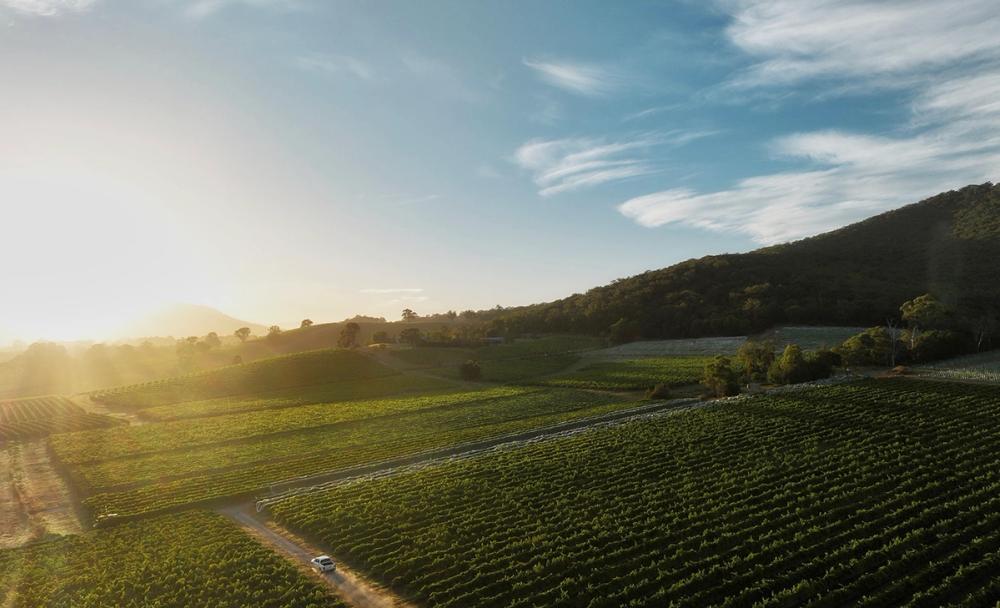
Yarra Yering is able to grow a diverse range of grape varietieis
The estate’s wide range of grape varieties contributes to the length of harvest, with Chardonnay and Pinot tending to be picked within a relatively concentrated period while Cabernet and the Portuguese varieties used in Dry Red No. 3 extend the season to almost eight weeks. But the diversity of the vineyard may also prove to be an important asset as conditions change.
When Crowe first arrived, she says, the approach was initially to understand the existing wines by continuing to make them in much the same way.
“Initially, I just absorbed what had been done before and we repeated that, so I could get to understand the site and the wines. “Over time, however, the approach has changed considerably.
The objective now is to put the vineyard “centre stage”, rather than allowing winemaking technique to dominate the final wine.
She describes the resulting wines as “transparent”; expressive wines in which the character of the fruit and vineyard can be seen rather than being obscured by extraction, oak or excessive handling.
“Because they’re not over-extracted or overworked, I think you can really see quite a bit of detail in the wines,” she claims.
Focused operation
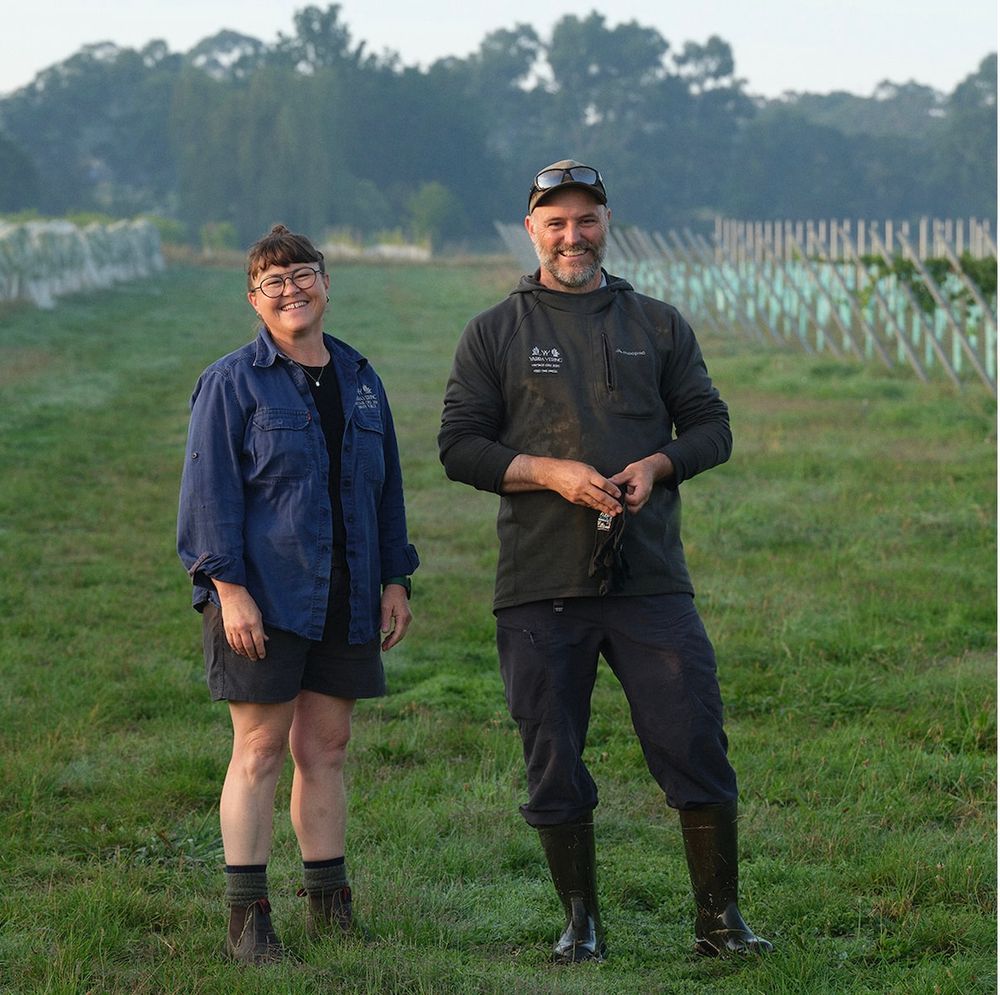
Sarah Crowe with vineyard manager Andrew George
Despite the reputation of its flagship wines, Yarra Yering is a relatively small operation. The winery produces around 7,000 cases a year, with four people working in the vineyard and two in the winery outside harvest. Additional staff are brought in during vintage, while sales, marketing and office functions are also based on site.
Yet the vineyard itself is remarkably diverse. Around 26 grape varieties are planted, although some are represented by only one or two vines. The rationale is partly future proofing: keeping a small amount of a variety means that cuttings remain available should the estate later decide to replant it.
Meanwhile, the estate is increasing its focus on white varieties, including Marsanne, Roussanne, Viognier, Chardonnay, Grenache Blanc and Aligoté.Some of these wines are made in tiny quantities — around 50 cases or fewer, giving the winery room to experiment without committing significant production.
Cabernet Franc is another example. It had been planted at the vineyard many years ago but was never made into wine because it struggled to ripen sufficiently under earlier conditions. Now, however, the variety is producing promising fruit which Crowe attributes largely to the changing climate, making the varietal a much more viable proposition.
Throughout the 1970s and 1980s, she says, wines from the Yarra Valley were typically much lower in alcohol, often around 12.5%. Today, the average alcohol level at Yarra Yering is around 13.5%.
However, she does not necessarily regard that level as problematic, arguing that balance is more important than alcohol percentage in isolation. For her, excessive alcohol can also influence extraction, increasing the extraction of both oak and grape tannins.
”I think 13.5% is just a really lovely zone,” she says. For all this change, there is no desire to reinvent Yarra Yering.
The estate's flagship Dry Red Wine No. 1 remains the wine Crowe is most proud of. A Bordeaux-inspired blend of Cabernet Sauvignon, Merlot, Malbec and Petit Verdot, it has been the estate's flagship since the 1984 vintage won an award in London and is also the wine consumers most readily associate with the estate.
“People still taste it and think it reminds them of the vineyard,” says Crowe.
And that idea, that a wine should remind people of the place it comes from — runs through much of her thinking.
Key wines
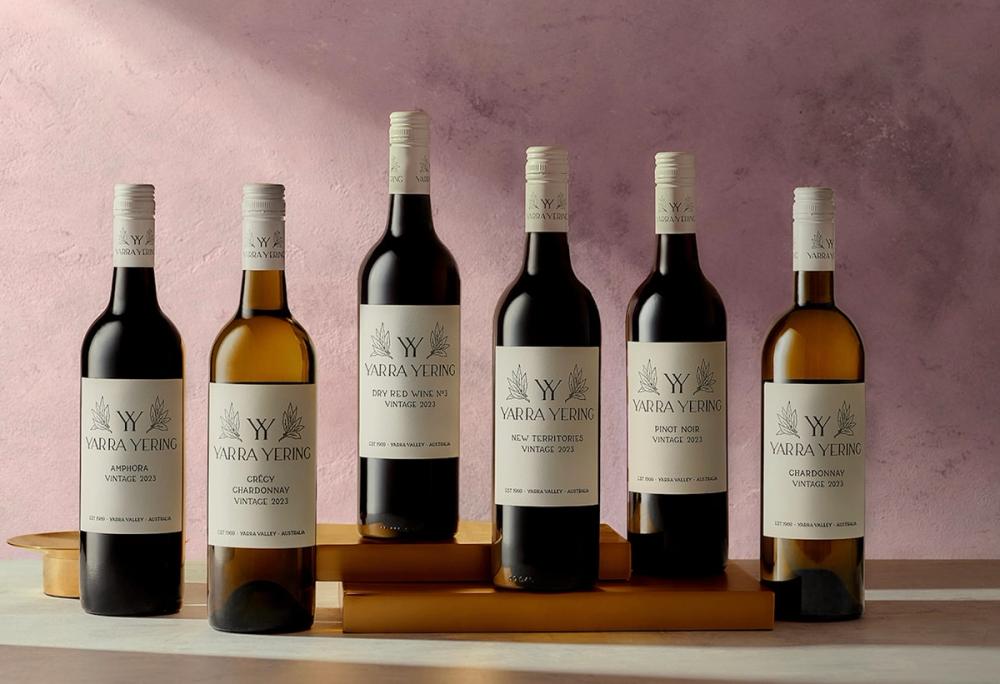
Some of the wines in the The Yarra Yering range
Yarra Yering's first-classified range now encompasses eight wines, including Chardonnay, Pinot Noir, Underhill Shiraz, Dry Red Wines No. 1, No. 2 and No. 3, Agincourt and Light Dry Red.
Alongside these is a second tier of smaller or more experimental wines, including sparkling wine, a dry white blend, a Rhône-inspired blend, New Territories — based around Shiraz, Touriga and Tinta Cão — and wines made in amphora.
The wide variety of grapes produced is part of the attraction for Crowe.
“It’s a really amazingly diverse vineyard where we make everything from a sparkling wine, through all those varieties and sometimes a fortified wine,” she says. “It's a pretty remarkable vineyard site.”
For a winery of Yarra Yering’s scale, exports are not simply about chasing volume. Around 20% of total production is exported, with the UK and Hong Kong each accounting for 25% of exports.
This is closely followed by Japan and the US, with Thailand now making a play for fifth spot.
Jeroboams partnership
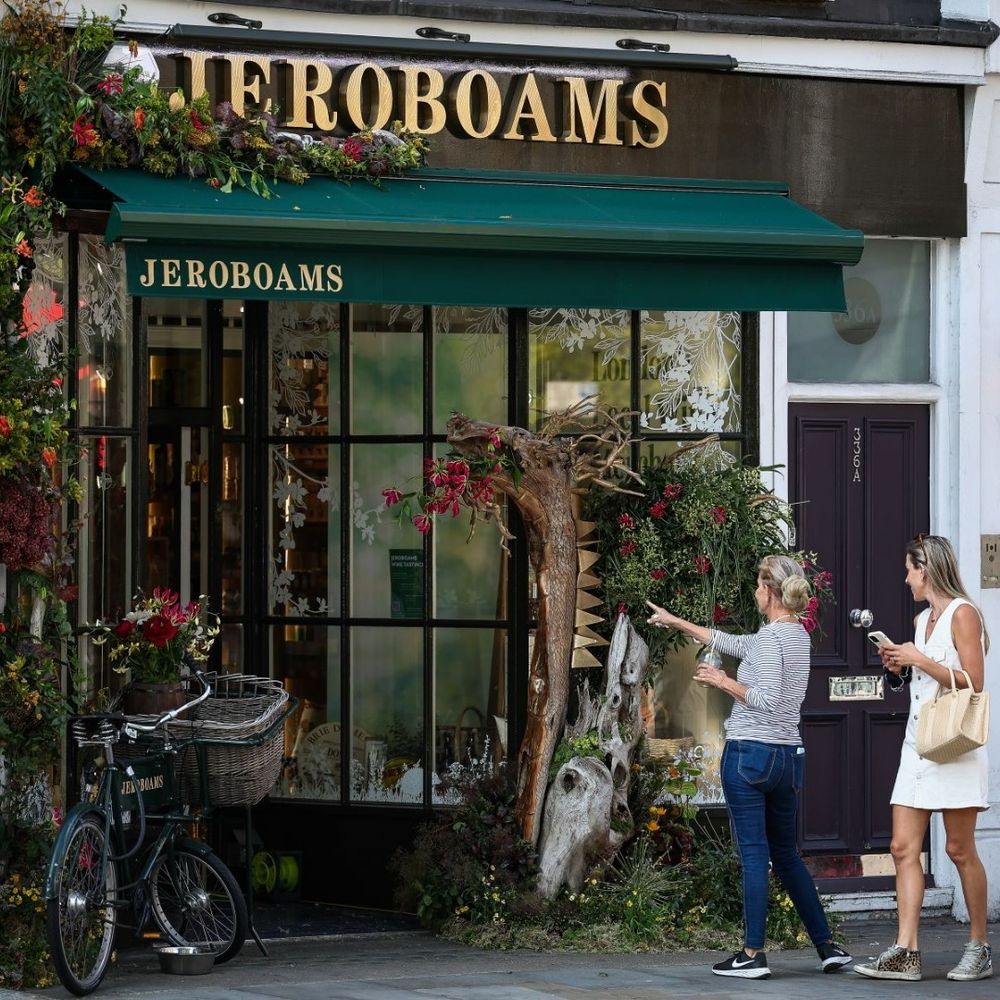
"What makes Yarra Yering such a compelling producer is its combination of heritage and continual evolution," says Jeroboams’ sales director Lucie Parker
The estate has been selling into the UK for several decades, but is now working with Jeroboams Group, a new partnership positioned to strengthen Yarra Yering’s on-trade presence while expanding reach in the off-trade through Jeroboams’ own retail stores, ecommerce website and network of independent retailers.
The move reflects a wider shift in the UK wine market, according to Crowe, with restaurant demand becoming less predictable and the off-trade becoming increasingly important. It’s early days in the relationship, but Crowe regards it is an important opportunity as the UK market evolves.
The rationale is partly about reaching consumers beyond the on-trade, where restaurants operating seven nights a week and a softer traditional Friday-and-Saturday trade has changed the nature of the business.
“Everything's a little bit quiet,” she says, pointing to a broader shift towards off-premise purchasing.
There is also a practical benefit: Jeroboams already represents Yarra Yering's sister winery – Kaesler - in South Australia's Barossa Valley, allowing the group to streamline its UK importing arrangements, bringing about efficiencies of scale.
Lucie Parker, sales director at Jeroboams Group, says the decision to add Yarra Yering to the portfolio was driven by both the quality of the wines and their strong sense of place.
"What makes Yarra Yering such a compelling producer is its combination of heritage and continual evolution," she says.
"The wines remain unmistakably connected to the vineyard, yet Sarah Crowe has consistently challenged conventional thinking to ensure they remain relevant in a changing climate. As demand grows for authentic, site-driven fine wines, we believe Yarra Yering is exceptionally well placed to resonate with UK consumers and trade buyers alike, and we're excited to help build the estate's presence across both the on-trade and specialist retail sectors.”
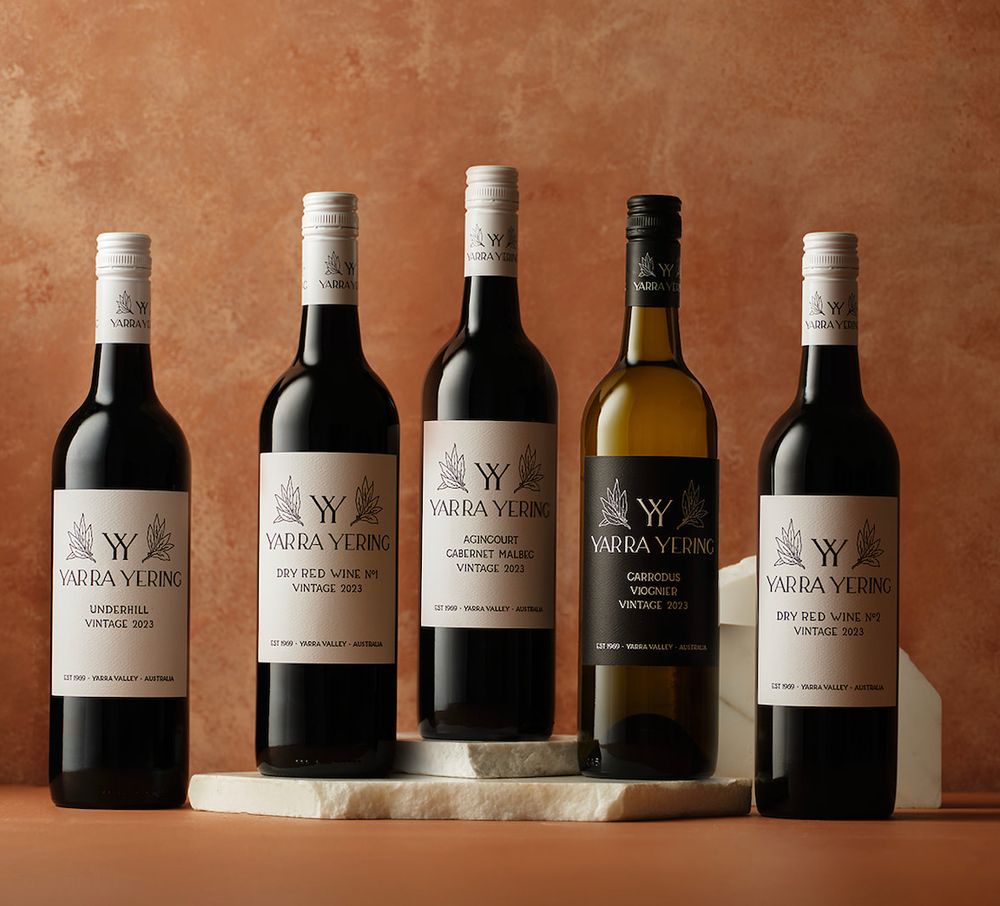
Yarra Yering has a wide range of wines to suit all the markets it is selling its wine in
The importance of having several markets became particularly apparent during Covid, when hospitality sales collapsed and wineries had to adapt quickly.
“For a long time, we’d been very much on-premise-focused in our sales channels, but that didn’t really exist for a while in Australia,” explains Crowe.
The lesson was clear - avoiding putting your eggs in one basket, and the importance of remaining flexible.
“Being happy to be flexible and going where the sales are, made me think that export is really worth it.”
For all the changes taking place, there is no sense that Yarra Yering intends to chase fashion for its own sake. The estate’s plans are instead closely tied to the vineyard and to the changing environment in which it operates.
New plantings of varieties such as Aligoté and Grenache Blanc are being explored, with the first straight-variety bottlings now emerging in tiny quantities.
At the same time, the estate is continuing to concentrate on soil health, mulching and cover cropping. When blocks are reworked, row orientation can be altered to provide greater protection from the sun, depending on what the land allows.
It is an incremental approach rather than a dramatic reinvention. And that, perhaps, is the most revealing aspect of Yarra Yering’s strategy. Rather than trying to predict exactly what the Yarra Valley will look like in 20 or 50 years, the winery is concentrating on making the vineyard more resilient and giving itself more options.
“What should we be growing? How should we be growing it? What’s the best setup moving forward?” asks Crowe.
For a historic estate with a relatively small production base, the answer appears to be diversity — in the vineyard, in the wines and in the markets — combined with a determination to keep the site itself at the centre of the story.
As Crowe puts it: “We try to grow these wines from the ground up.”
* You can find our more about Yarra Yering here.
* Jeroboams is a commercial partner to The Buyer. You can find out more about the business here.