The Barcelona Brands business strategy runs something like this: to create a hybrid wine producer model based on leasing both a winery and a network of growers on long term contracts, that pay them above market rates, backed up by your own winemaking team that is focused only on making consistently premium organic sparkling wines.
That in a nutshell is what Barcelona Brands has been able to do over the last 12 years in building up its strong Cava branded business underneath the rather large shadow of the sector’s major Cava producers.
You don’t come up with a master plan like that without some solid wine industry experience behind you. Which is what Christopher Heirwegh can claim to have, having worked for a number of wine producers, including a major Cava player, before deciding to go it alone.
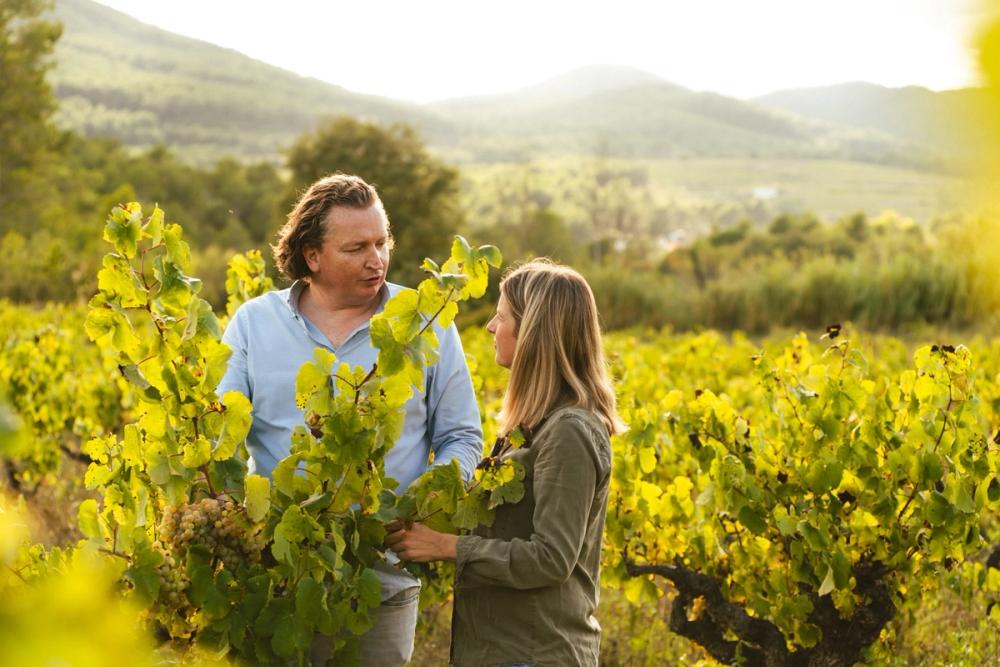
Christopher Heirwegh and Christel Weemaes have had the vision and the ambition to create a disrputive Cava brand that offers something very different to the traditional Cava category
But it was that experience that gave him the confidence that, with the right flexible, low cost, premium wine strategy, he could start up a Cava business of his own under the umbrella ¡Hola! Cava brand.
“I quickly felt limited by their vision of continuing to do what they have been doing for many generations. It inspired me to do something differently which is more in tune with the current consumer,” he explains.
A business idea that also gave him and his partner, Christel Weemaes, the opportunity to move to Barcelona and start a new life there.
If Heirwegh is daunted by the prospect of taking on the likes of Codorníu and Freixenet in the branded Cava market he has a good way of hiding it.
Consumer first
But then, in his view, he is operating in a very different part of the Cava market. Whilst the big brands battle it out over price, promotions and supermarket listings, it quietly pushes its own agenda. Which is to make a range of premium organic Cava brands that are designed to appeal to its key target market of 21-35 year-olds.
“They are not our competition,” he insists. “When retailers put us next to [ the big Cava players] we attract a totally different consumer who is less influenced by promotions and are really into our brands. We position ourselves in the affordable premium segment where consumers are willing to pay for quality.”
A consumer first branding strategy that only makes wines and brands it knows will appeal to that audience. If it doesn’t the wine remains in the tank.
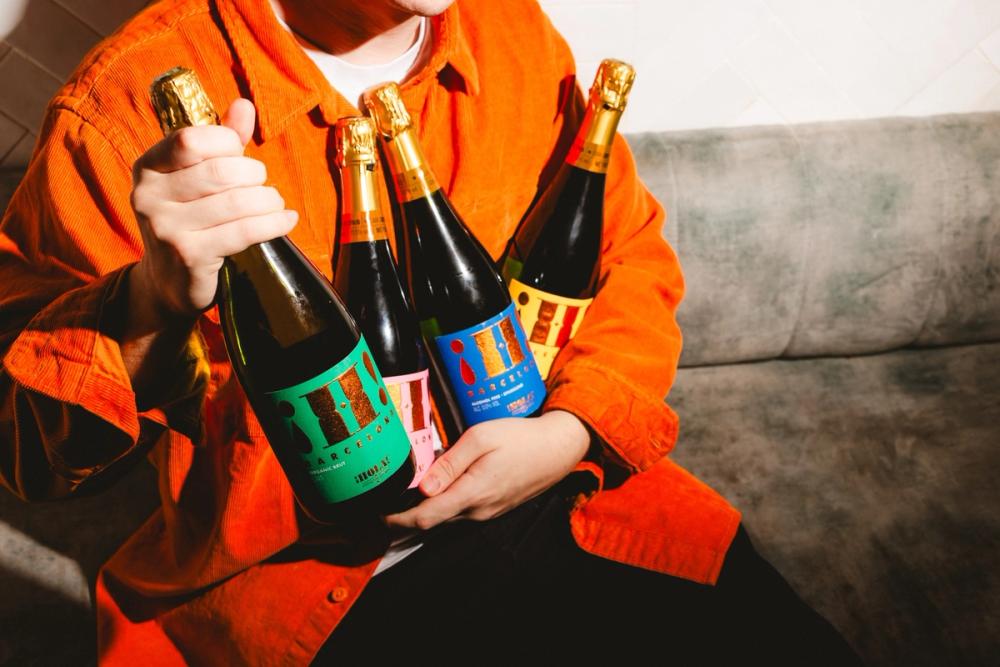
Bright, attractive packaging that appeal to younger consumers is very much at the heart of the Barcelona Brands strategy
Barcelona Brands business model is essentially based on bringing new consumers into the Cava category rather than try and take away customers from the other big Cava producers. To do that means not trying to make the “best wine in the world” and then going to the market to try and sell it - which is what so many producers try to do, he claims.
“We see things differently. We listen to the consumer, we look to the trends, we understand what the consumer is looking for and we create something which fits that profile,” he says.
It’s why being in Barcelona is so important, stresses Heirwegh: “You have the high gastronomy, the Mediterranean lifestyle and are in one of the most creative cities in the world. You are also next to the vineyards. That’s pretty unique.”
He adds: "In Barcelona, you get inspired by new trends. You see a lot of young people who come in to the city, or live in the city, who I call the first adapters - the first adapters influence.You see a lot of these new things happening and if you combine them very well and make a product which is a solution for what they are asking for, then your product flies off the shelf.”
It has given Heirwegh and Weemaes the impetus to be “the category challengers” in sparkling wine.
Together they want to create brands that are all about offering “everyday luxury”. So as well as a razor sharp focus on the quality of its winemaking, it works just as hard to create designs and packaging that are going to stand out and appeal to the Instagram generation.
It’s what Barcelona Brands calls its three pillars for success: beautiful design; premium quality; but good approachable value for money wines.
A great looking bottle does not need to cost €150, he stresses.
To ensure he gets the right look and feel for its brands all design work is kept in-house. Only then can Heirwegh get the vision for the brands he really wants, he says.
“Most of these ideas come from my head. That's my brand difference,” he adds.
“We want to create products where the consumer walks by and says, ‘I want one. What is it?I want one.’”
Breaking the norms
Christopher Heirwegh: “Instead of asking how do we sell more Cava, we are asking how do we get the new generation [of consumer] excited about sparkling wine?”
By creating a standalone organic premium Cava brand - ¡Hola! - Heirwegh believes it has already established a loyal Cava drinker, who is not going to be swayed by the latest attention-grabbing promotion from one of the big Cava brands.
It also wants to break the norms around how Cava has traditionally behaved in the market, with so much of its sales in the multiple off-trade coming from discounts and promotions. It believes by truly engaging and connecting with consumers, both on shelf and through direct social media marketing, it can hook them into its brands and what they are trying to achieve.
It also wants to challenge what Heirwegh describes as the “exclusivity” of Cava that relies on people understanding how it is made that he believes is holding the category back.
"It's the cancer for the wine category in general. It has always been promoted that wine is exclusive. But wine can be something just for fun. An everyday luxury product like a cream you put on your face,” he says.
“Our target is to get more of this amazing product into the market, but without having limitations of being part of an exclusive club.”
He adds: “Instead of asking how do we sell more Cava, we are asking how do we get the new generation [of consumer] excited about sparkling wine?”
So it is seen as a drink you can have every day, at home, with your evening meal. It does not need to be treated as this special drink that you can only have at certain times of the year, or for celebrations like a wedding or a birthday, he stresses.
“We do it the other way around. We say, put us next to the milk and keep us open all the time.”
It’s a mission that Barcelona Brands has been on for the last 15 years and, he says, it is exciting to now be “getting the fruit of what we were thinking about 15 years ago”.
He says a big turning point for the business was during Covid where it saw its sales increase five times over, at a time when a lot the traditional Cava producers and brands suffered a fall in sales.
“For us, it was always about creating a lifestyle brand. We wanted to build a lifestyle brand rather than just another wine,” he explains.
¡Hola! and no and low
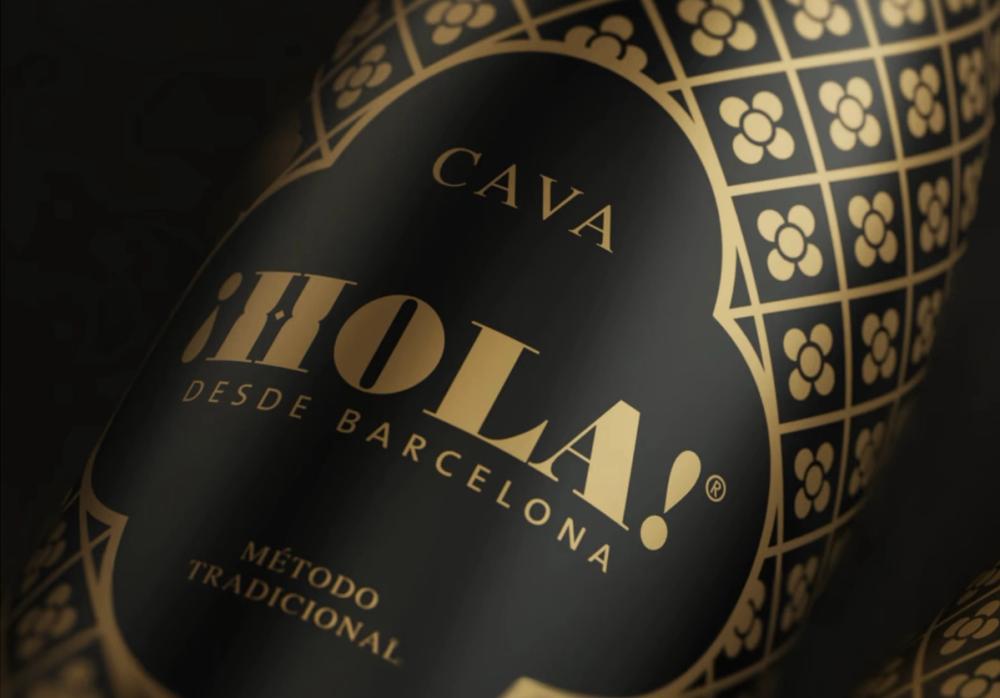
The design for Hola! includes the panot flower tiles that are to be seen across pavements throughout Barcelona
Its core traditional Cava brand - ¡Hola! - is the foundation from which it has been able to diversify and move into other areas - most notably no and low alcohol and rosé wines.
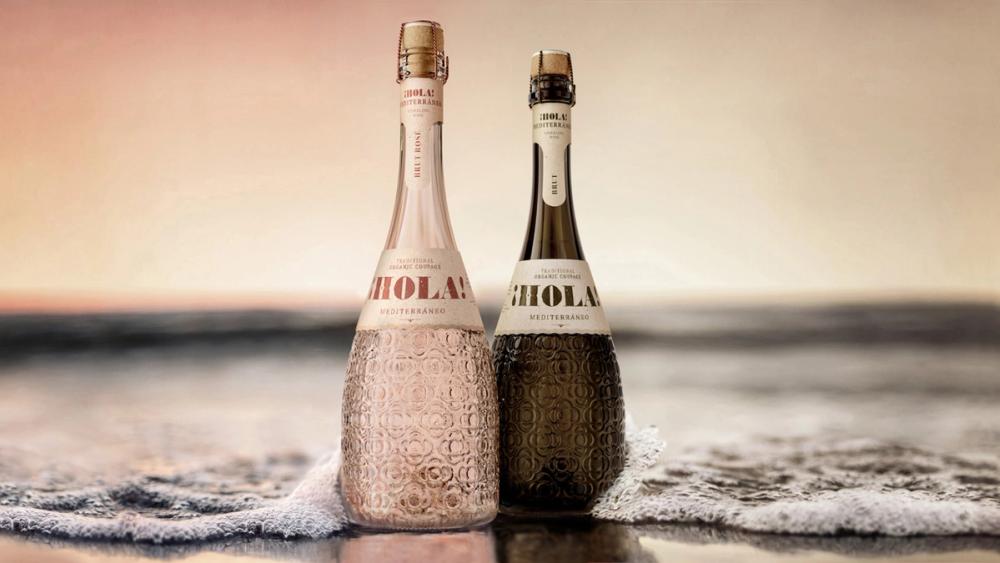
Including its ¡Hola! Mediterráneo wines - that also incudes a Spritz - and ¡Hola! Rosé, a Tempranillo, Garnacha and Syrah blend at 11% ABV that is currently on sale at Tesco.
Its core brands are in the range are: ¡H! Cava; ¡Hola! Cava; ¡Hola! Mediterraneo Sparkling wines; Rosé by ¡Hola!.
Wines that, he says, are all about targeting different drinking occasions rather than making a new wine for the sake of expanding its portfolio.
Part of that “lifestyle” strategy has been creating aspirational, high quality, great looking no and low alcohol wines. If the average consumer is looking to moderate how much they drink, it does not mean they don’t want good quality products that look great too, says Heirwegh.
It’s why he claims Barcelona Brands has “created something which tastes exactly the same or even better than a normal wine” for its range of wines.
¡Hola! Mediterráneo, for example, is a slow-fermented Blanc de Blanc low-alcohol wine (8.5% ABV) made from 100% Chardonnay grapes in the Charmat style.
The key, he says, is to use a cold vacuum distillation process where the base wine you use is as good a quality as you can get for the price you want to make. That’s what allows you to make a premium no and low alcohol wine.
He explains: “So we mix a normal base wine with the de-alcoholised wine to get it to a version of lower alcohol we want - at 7% ABV - and then we re-ferment in a Charmat tank up to 8.5% ABV.”
“Our strategy since the start may have evolved, but the vision has always stayed the same.”
It has over the years tested and trialled all types of no and low alcohol winemaking techniques and has settled on new cold vacuum distillation technology that, claims Heirwegh, ensures the quality and body of the wine is maintained even when reducing the alcohol, be it down to 8.5% ABV or all the way to 0% ABV.
Again it is focusing both on the quality and the credibility of the liquid, but also the branding and wants to make aspirational no and low alcohol drinks that consumers are pleased to be seen drinking.
A strategy that means its range of no and low alcohol products now account for around 25% of its sales compared to only 1% around five years ago. The rate of growth has been that fast.
Sourcing strategy
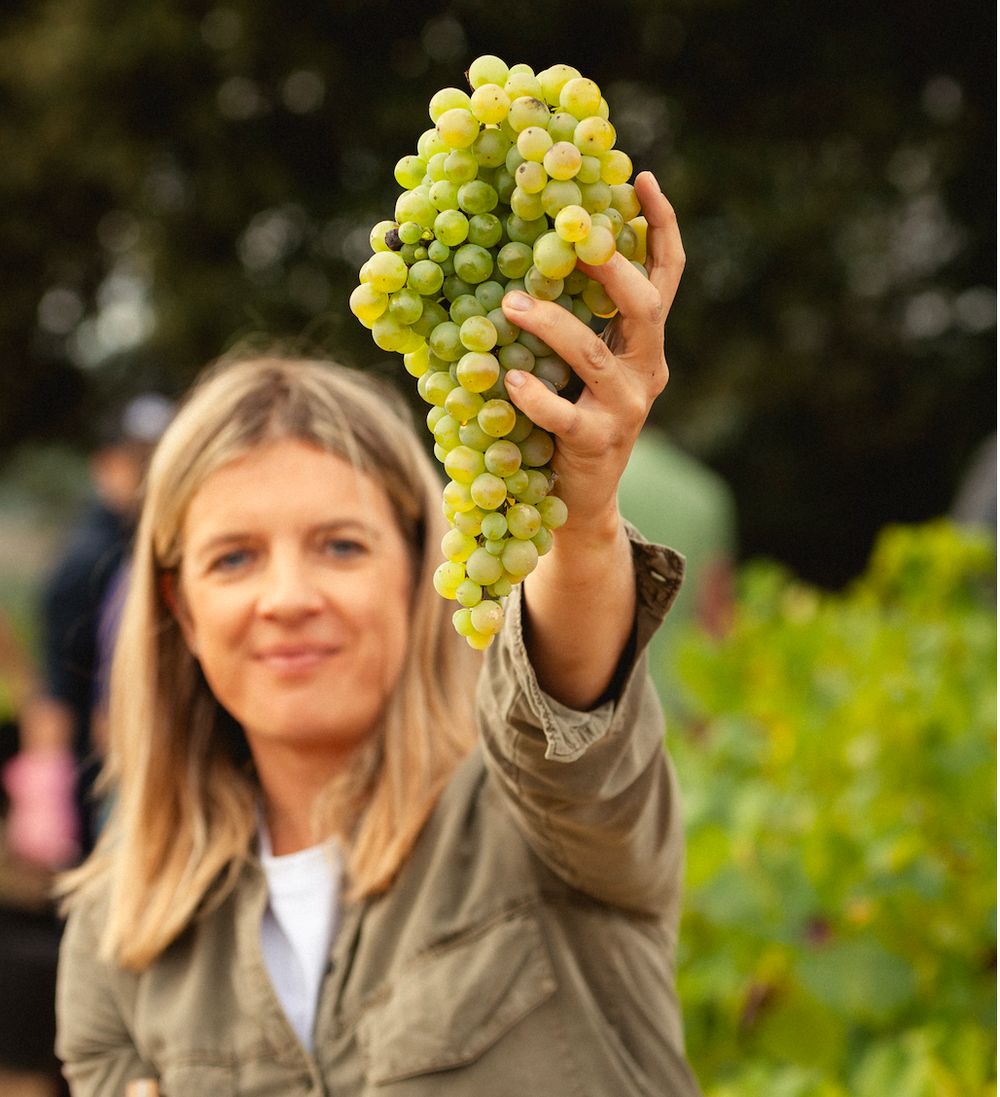
Sourcing grapes from high altitiude is key to the freshness to be found in Barcelona Brands' wines
Key to Barcelona Brands winemaking strategy has been to target growers in areas of organic Cava production that are still under the radar, or at least untapped, by the major Cava producers.
It’s why a significant proportion of its grapes are sourced from El Pla de Manlleu, a tiny part of the main Cava production that is 500m above sea level that few, if any, other Cava producers have used. It has proven to be a major strategic point of difference for the business.
Heirwegh explains: “We found this farming community, about 35 farmers together who joined up in an eco sustainable region, trying to sell their grapes at a better price to the bigger companies.”
But because this region was so difficult and costly for the major producers to access these growers were looking for new contracts and producers to work with. Which is where Barcelona Brands was able to step in.
“We were able to make a deal with them and paying them more than anybody else in the market,” says Heirwegh.
Also rather than offer them the usual yearly contract, paid every six to nine months, it offered them a five year deal and a promise to pay them within 30 days. If the growers agreed to follow the viticultural methods they wanted, they paid them more.
"We are a first generation business so we need to do things differently,” he explains. “What was so important for us was the quality of the base grapes and the vineyard. It is everything. So this is something we wanted to control 100%, but we needed to do it on a long term basis in order to create consistency. Consistency is the only thing which helps you on the shelf of a retailer. Consistency in quality and consistency in price.”
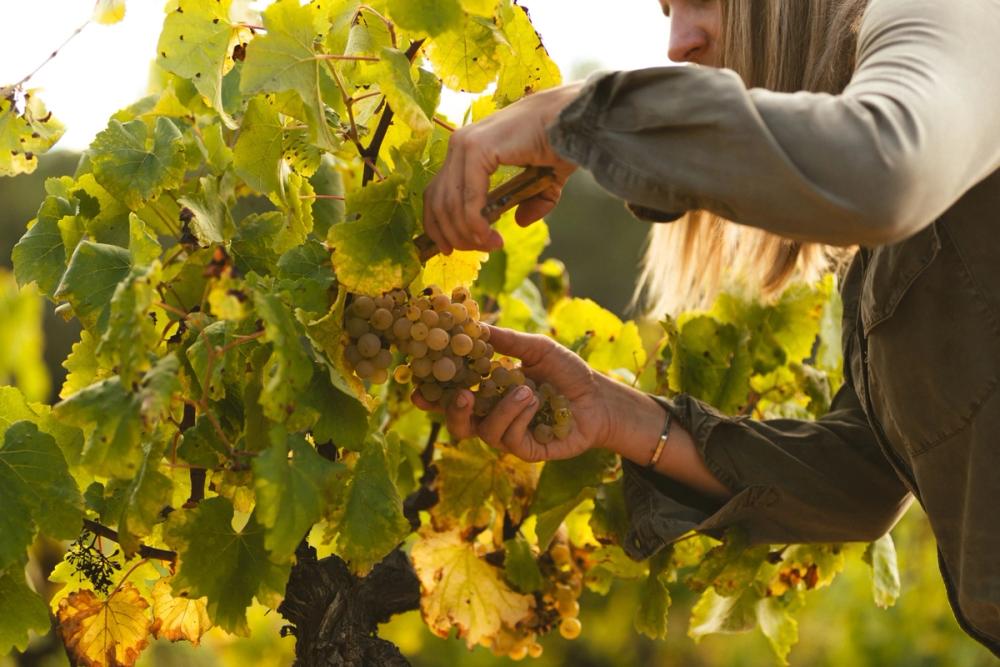
Barcelona Brands has built strong, close ties with a network of growers
By signing these long term contracts Barcelona Brands knew it had the building blocks to make a very distinctive style of Cava based on high acidity - that comes from the Parellada grape grown at at these high altitudes - that bring freshness to the Cava, with good ageing potential.
As he explains: “The difference between Parellada grapes from the lower parts in our region to the Parelladas from the higher parts is this much more complex acidity.”
That added freshness means its Cavas can still be good to drink five years down the line compared to the majority of Cavas that are made to be drunk within a year.
It is also one of the few to make its Cava with no malolactic fermentation to create a gentle, delicate and fruity style of Cava.
It also has a long term contract with its winery partner that ensures every wine it produces will carry the same cost and offer the same level of margin so it knows “from day one what it will cost us”.
As it does not own any of its vineyards or winery it has been “able to grow in a very short amount of time to be a very important player” in the Cava market, he says. “We were until a year ago the biggest player in organic and vegan Cava in Spain.”
Barcelona Brands is now facing increased competition from other producers keen to take advantage of these high altitude vineyards, particularly as climate change has hits the main Cava production areas, but having built such long standing ties with the local growers Heirweigh is confident it can maintain its level of supply.
“It’s funny because 15 years ago nobody wanted to be there.Now everybody wants to be there,” he says.
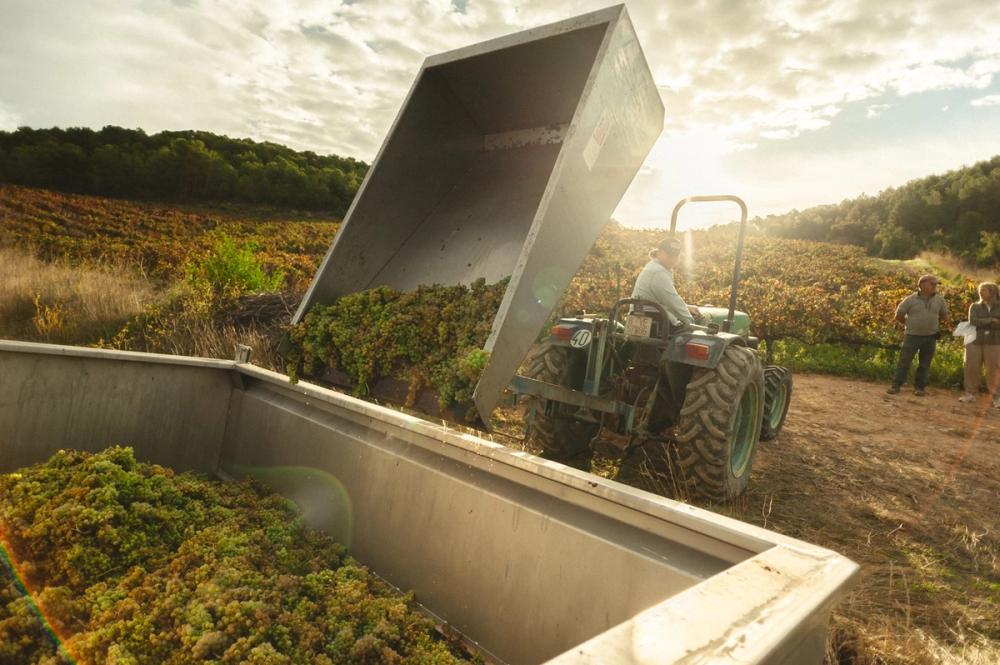
Harvesting at high altitidues means Barcelona Brands is not affected by the big production levels that major Cava players have picking grapes at lower levels in the area
Harvesting at such high altitudes has also protected Barcelona Brands from the big swings in production that have hit pricing and availability in the main Cava production areas.
It means it can be both sustainable in terms of how its wines are made, but also “sustainable to the consumer”.
“Our price hasn’t changed for five to six years,” he stresses - retailing for around €10 in Europe and between £10 to £12 in the UK.
Strong distribution partnerships
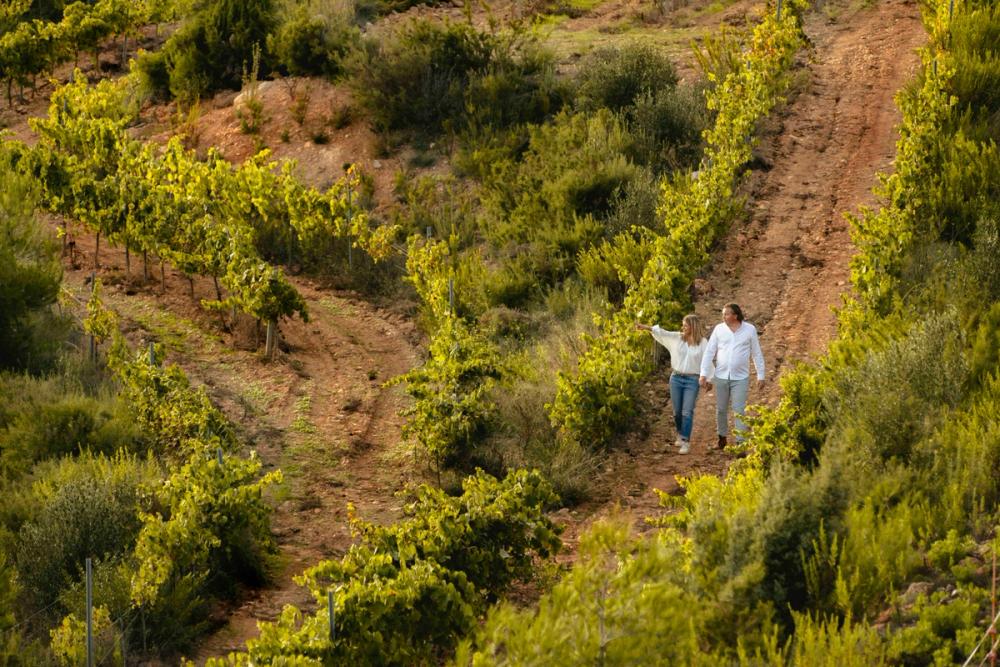
Christopher Heirwegh and Christel Weemaes enjoy the opportunity to work together and make the most of their respective skiils
That consistency in supply and pricing has allowed it to build strong partnerships and distribution with the major retail chains across Europe, like Albert Heijn and Delhaize, where it claims to be outselling the big power house Cava players.
Where it can it likes to work directly and control the relationship with the major retailers, but in key markets like the US, China and the UK it has built up a network of well placed local distributors.
In the UK, for example, it has been working with the team at Brand Phoenix for the last five years to position its brands in the super competitive Cava retail market.
“We are doing nice business with them to building brands in the UK,” he says. “We are very happy with them because it's the first time we have been able to get to the right buyers within the market - which is a complex thing when you are a Spanish producer.”
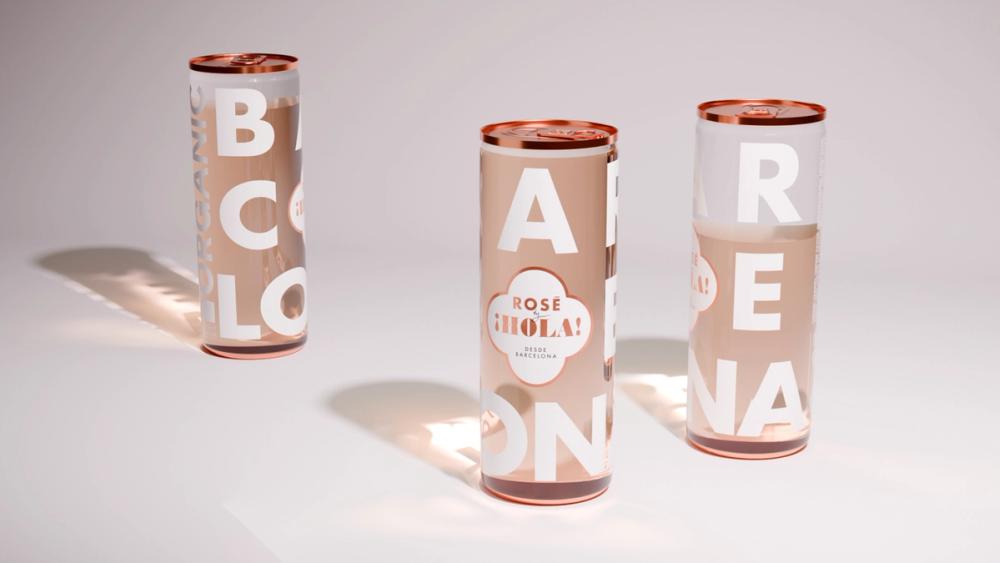
Barcelona Brands' breakthrough transparent rosé can
It has gained listings in Tesco for its Barcelona rosé brand and is launching in Tesco in October what it claims is the first transparent 250ml wine can in the world for its new Rosé by ¡Hola! still rosé brand.
In what he claims is a potential breakthrough for the whole rosé and canned wine market is its own bespoke see-through design - that is part metal, part PET - that allows you to show off the colour of rosé inside the can. A design that “has special oxygen scavengers and special UV barriers to guarantee 12 month shelf life,” he says.
Taking risks
He says it only makes sense for a business the size of Barcelona Brands to “bring something genuinely different to the market”.
And then have the persuasive power to get major retailers to back them and not be held back by sticking with what they know.
“Sometimes it is about taking risks, but those risks will pay out if you take the right risks. Right?”
The idea, for example, of having a transparent canned wine came simply from the fact so much of rosé is bought on its colour alone.
As he explains: “The problem with cans is you can't see the liquid inside. You can't see the wine.It doesn't build confidence for the consumer.So we created the first transparent wine can in the world.”
He adds: “It's unique in the wine world and gives an example of what doing something really different means, because just bringing the next can to the market is not the same as bringing real innovation to the category.”
It’s the same thought process behind its ¡Hola! Mediterráneo range, says Heirwegh.
“The whole range is low alcohol.But we don't sell it as low alcohol because it's not our main argument. We sell it on the fact it’s just a very great looking product with a lower alcohol.”
The majority of its range is also made with recycled glass and knows many of its loyal customers actually use the bottles for a second use in their homes.
Heirwegh is a fascinating person to interview for he acts and speaks like a true start-up entrepreneur. He may have chosen wine as his target market, but he would probably have similar success in whatever field he chose to go into.
As his closing remarks testify: “We believe that we can bring younger consumers back into the market through innovation, through design, and with products which match today's lifestyles and not the ones that came before. To do so by not building barriers that prevent people from entering the market, but just make it fun for everyone. I believe if we can do that then the whole category will grow again."
* You can find out more about Barcelona Brands at its website here.