Robert Joseph is the wine industry’s equivalent to David Attenborough, forever travelling the world to explore and bring back lessons and stories for us to learn and take from parts of of the globe that, frankly, no-one else has the time, energy or curiosity to discover.
Coupled with a career that began in the 1970s, it puts him in a unique position to give a perspective on the international wine market that makes him a go-to consultant for wine bodies and producers and brands around the world.
Robert Joseph’s fascination and dedication to understand how and why wine is being sold in virtually any market in the world comes, he says, from his International Wine Challenge days where he was given the license to go and see if he could make the “Challenge” work around the world. Which he did with gusto running events as far and wide as Hong Kong, China, Japan, India, Poland, Russia, Vietnam and Thailand.
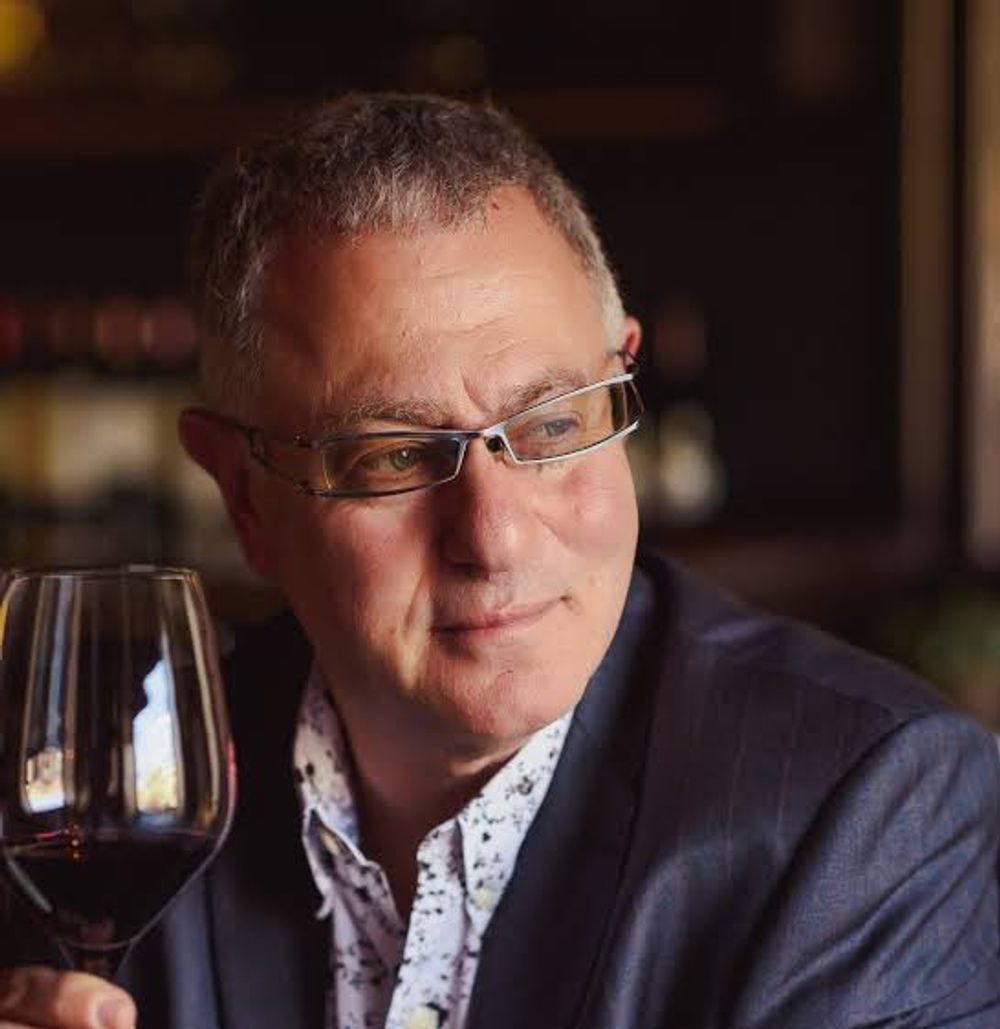
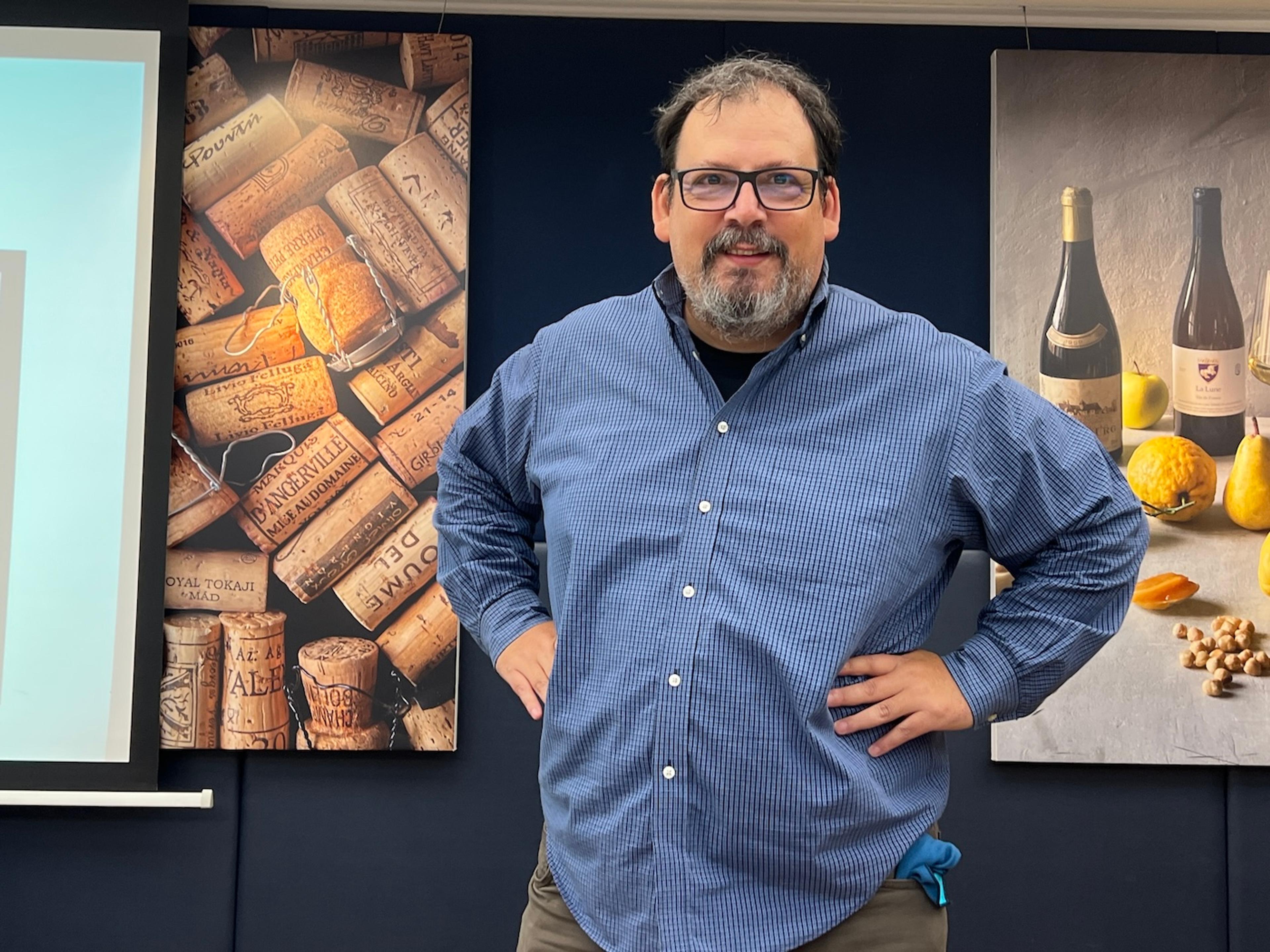
Robert Joseph is prepared to speak out and be forever pushing the boundaries and challening the wine industry about where it goes next
“It took me to all sorts of interesting places, especially Asia, which changed my view of wine. The idea of looking at the industry from the point of view of the UK and its duty rates and what Tesco is doing. There is a whole world out there that is not bothered by UK excise rates, or US distributor collapses” he says.
“Listen to some people and you could imagine that the wine industry is suddenly having problems because of US Gen Zers and WHO health warnings. Nobody is talking about the fact that, globally, the world is drinking less than it was 60 years ago, when there were five billion fewer people.”
Despite his awareness of what he calls the ‘Wine Crisis’ – the title of his next book- Joseph is still keen to explore, discover and where the conditions are right, potentially make wine in different parts of the world.
To do so he is looking for 50/50 joint ventures where he has a natural affinity and respect with the winemaker and they have the chance to do something genuinely different and new together, but that is also “scaleable and profitable” . A project that is an “intellectual” challenge but also has to be “fun” too.
“I think there will be more and more projects like that around the world for people like me,” he says.
Adding value
He argues the wine industry has become so price and margin focused that it has lost its ability to"add value” which should be its number one priority.
He explains: “You buy land and put vines on it and in theory it’s worth more. You grow grapes and turn those into wine - you’ve added value. You make the wine premium, put it in a nice bottle and you’ve added value. Look at Coonawarra. It was a desert and now it’s producing $100 dollar wines. But then I see Bordeaux wine retailing in France for less than it costs to produce, and vineyard land selling at knockdown prices.”
Which is why he is so interested in focusing more of his time on potential new drinks categories and, in particular, where the alcohol free category goes next. For example, he is about to launch an organic sparkling tea from Georgia - as part of what you might define as the ascent of the adult soft drinks market.
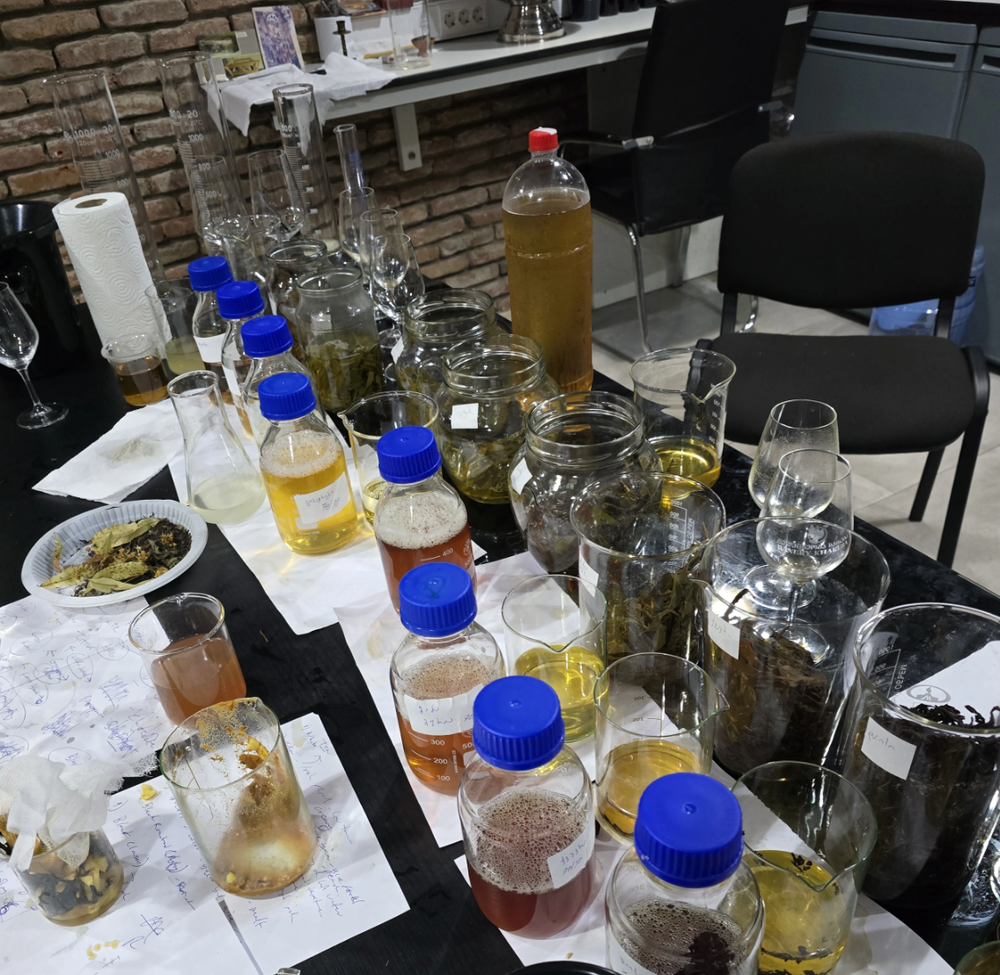
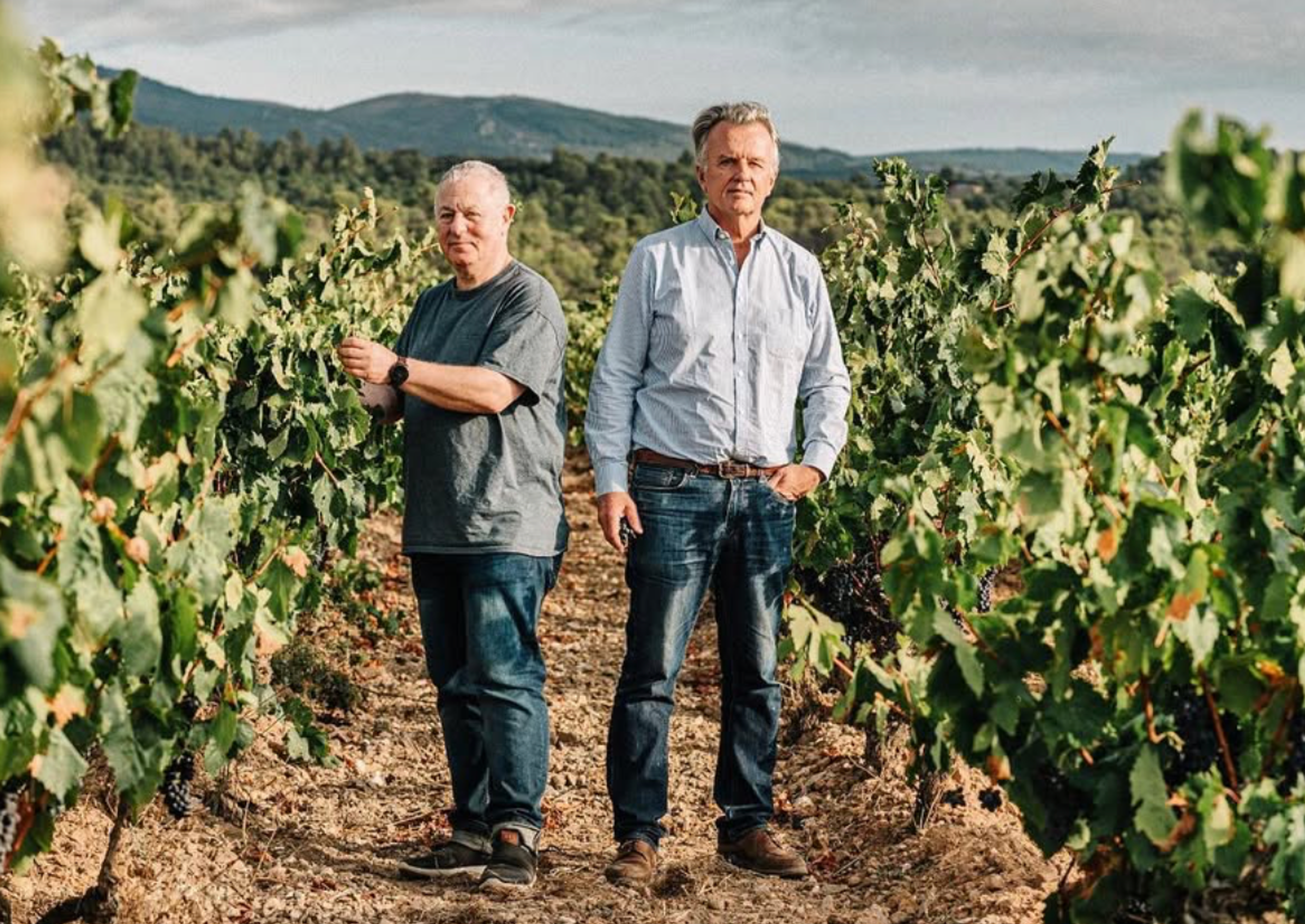
Robert Joseph's latest project is helping to produce a sparkling tea from Georgia - here is the blending process!
“You can complain that people aren’t drinking enough wine, or you can produce the kinds of beverage they really want,” he stresses.
Products that have their origins in the traditional drinks category but are “adding value” by offering something new and different. He likens it to the book world where the arrival of Harry Potter opened up a whole new sales opportunity for publishers and book retailers, and a different reading experience for adults.
A type of book that falls into two categories of adult fiction and young adult fiction
“I think we are going to have a broader range of drinks like this around the world,” he says.
Blinkered world
Joseph is also keen to reflect on the current wine publishing scene, particularly in light of the closure in June 2025 of Meininger’s International, which Joseph had helped develop into one of the world’s leading wine business publications, in his role as editor-at-large since 2006.
He admits it was very hard to see it go, but also has praise for its publishers, Meininger Verlag, for having the vision to create a business-focused wine title and a commitment to support and invest in it for nearly 20 years.
“All credit to them for trying. Credit also to you guys for what you’ve done with The Buyer. We did not want to do an advertorial publication, or have a British focus. It was always done as if it was published from the moon,” he says.
Ultimately, however, business publishers and trade journalists can only do as much as the industry they are working in wants - or can live up to. It means it can be hard for those looking to commentate on a global industry to get their voice fully heard, when so much of that industry is only focused on their own needs.
English lessons
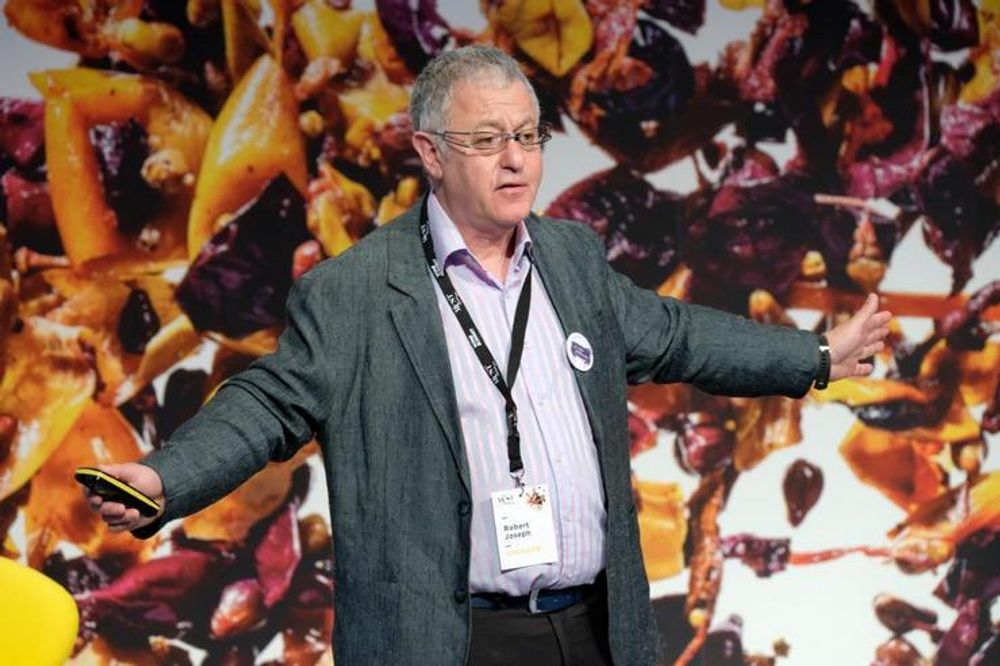
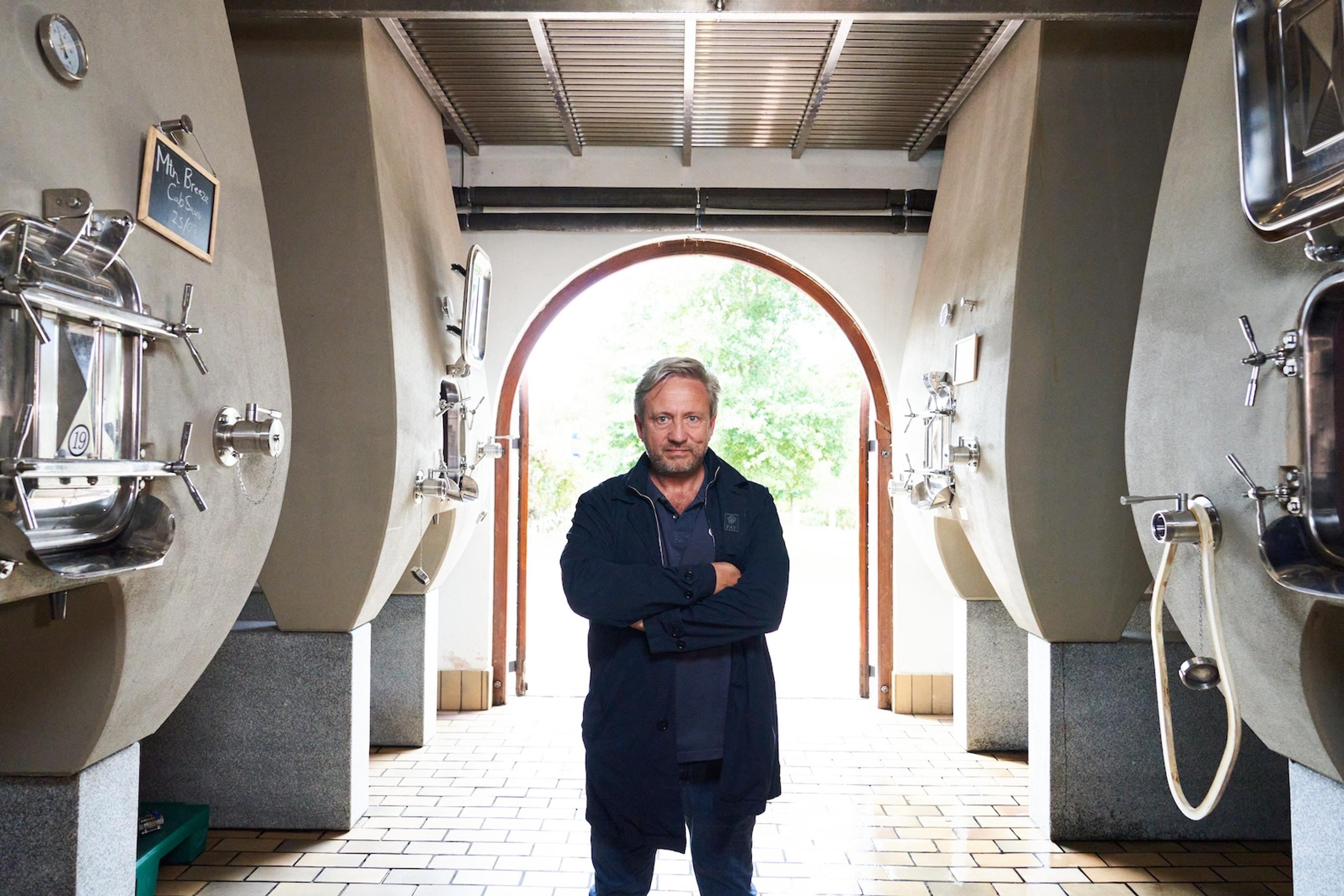
Robert Joseph fears too many wine businesses in the wine industry fail to try and understand the global trends influencing the sector they work in and only concentrate on themselves
Joseph says the English wine industry is very much a case in point.
“The English wine industry is going to be the best example of the dangers of blinkered thinking,” he stresses.
“All those people who invested in English wine have not understood international markets and have not fully understood the UK market. We are stacking up a lot of unsold English wine and we have got more and more vineyards going to make more and more wine and we haven’t yet come up with a way of knowing where and how we are going to sell it.”
He adds: “We are also making Champagne method, Charmat and carbonation. There is no strategy. What we were trying to do with Meininger’s was say look at what the options are around the world - be it Trento or Austrian sparkling wine - and ask how do they all fit together. But when you talk to English sparkling wine people It’s all ‘me versus Champagne’.
“The wine industry is playing at being Procter & Gamble. It is not good at creating and managing brands, and it’s not very good at managing distribution which is the sort of stuff that is in the life blood of a Unilever or Procter & Gamble.
There are exceptions, he stresses, pointing at the success that Felix Solis has had with brands like Mucho Mas and The Guvnor, Famille Perrin has had with La Vieille Ferme and what the Champagne houses do.
“They are on the Procter & Gamble side of the business, he says. “I love the fact that, until recently, in France La Vieille Ferme understood that in France they needed an appellation, but in the US and UK they didn’t. Now, they’ve found that the French no longer look for it. That’s understanding markets and I don’t see enough of that.”
A new platform
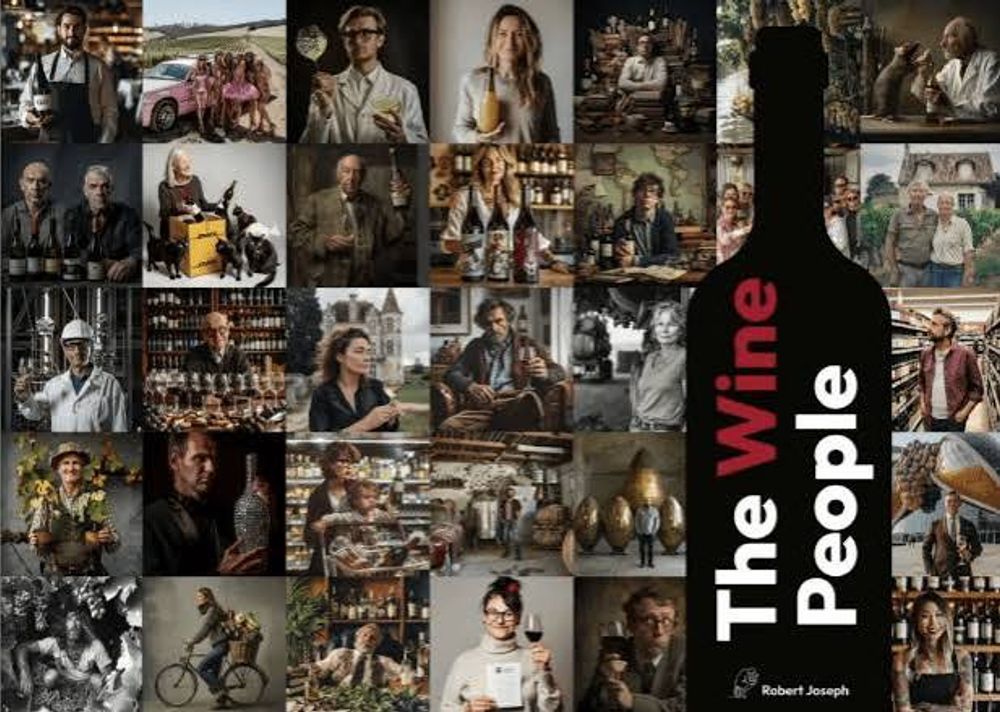
For The Wine People project Robert Joseph has used AI to create 200 caricatures that he believes describe the many types of people who make, sell and drink wine
Following the Meininger closure, Joseph started Wine Thinking, his Substack page which, over the space of a year, has pulled in 3,600 subscribers, of whom enough are paying to make him feel appreciated, but not enough to fund a wine habit, he says.
He has also been working on another book over the last couple of years called The Wine People in which he is seeking to capture the wide range of different types of people who are involved with making, distributing, marketing and drinking wine.
With so many projects and strings to his bow, it is tempting to ask him will the real Robert Joseph stand up. He accepts it is a fair point.
“I love doing consultancy, but it’s not something people imagine that I do . People who know about the writing don’t know about the wines I make, and people who know about the wines don’t know about the writing or public speaking - and I don’t blame them.”
He admits there’s a danger in being seen as a “jack of all trades” or, if people are being kinder, a polymath, with a deep knowledge across a wide number of subjects. But he believes the various activities feed each other.
When asked which of his areas of work he is most proud of, or wants to be most known for he is,very unusually, a little short of words.
“It’s a bit like asking of all your children which one are you proudest of. All I can say is I am very excited to be doing K’Avshiri, some new things with Le Grand Noir and, most especially right now, with the Sha’Ori sparkling tea and the Wine Crisis book. Whatever it is, while I’m focusing on it,I endeavour to give it 100%.”
Which is what makes businesses from all parts of the drinks industry beat a path to his door. They - and we - are lucky to have him.
* You can follow and subscribe to Robert Joseph on Substack here.
* You can find out more about his Georgian wine K'Avshiri here.
* You can find out more about Le Grand Noir here.