
The Wine Australia competition winners are:
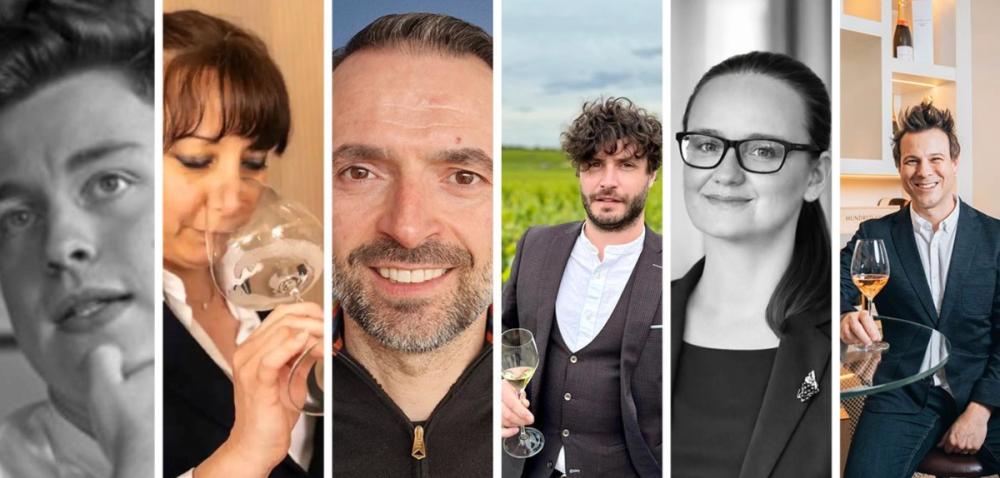
- Tom Fahey: managing director, The Terrace Rooms & Wine, Isle of Wight.
- Seoridh Fraser: general manager and beverage director, Heron, Edinburgh.
- Freddie Johnson: head sommelier, The Ledbury, London.
- Elisa Marchini: head sommelier, Muse by Tom Aikens, London.
- Patrycja Szpiech: advanced sommelier at Court of Master Sommeliers, Nottingham.
- Leo Vasileiou: director, Stack A Restaurant & Urban Brewing, Dublin.
Why did you want to enter the Wine Australia competition?
Tom Fahey: I don’t think you can truly communicate about a wine region without visiting it. There’s just something about first-hand knowledge of the people and geography that inspires a degree of accuracy and passion you can’t build any other way. With very distant regions, it can be extremely difficult to plan or even afford such trips so I jumped at the opportunity to build my direct knowledge and passion for Australian wines.
Seoridh Fraser: Who in this industry would pass up on the chance to visit Australia and get to see it through the lens of fine wine, in the company of peers for an immersive, educational experience? Given so little was asked of me and so much was being offered, it would be churlish not to enter the competition.
Freddie Johnson: Australia is one of the world's most important producers of wine, and it's always been a dream of mine to visit. I've sold a lot of these wines at all ends of the spectrum over the years and I felt that visiting the country's wine regions would deepen my understanding and passion for the products.
Elisa Marchini: I’ve never been to Australia before and my wine knowledge has always been more European-focused, so this was a fantastic opportunity for me to change that. Being able to put a foot in these wine regions, deepen my knowledge and speak directly with the producers will give me a completely different understanding of the wines, the land and the people behind the wines.
I hope to come back able to talk about Australian wine with much more confidence, knowledge and excitement, and to share that experience with our guests at Muse.
Patrycja Szpiech: I wanted to enter because I’ve always found Australian wine really interesting, but I also feel there’s still a lot more for me to discover.
I’ve tasted a lot of Australian wines in the UK and know the main regions and varieties, but I think experiencing the country itself would give me a completely different perspective. What really appeals to me is being able to visit the vineyards, meet the winemakers and see the different environments where the wines are produced.
You can learn a lot from books and tasting, but being there and having those conversations is something you can’t really replace. I also like the fact that the trip covers such different regions and styles. It’s a great opportunity to broaden my knowledge, challenge some of my own assumptions about Australian wine and come back with a better understanding of what’s happening there today.
Leo Vasileiou: I've just finished the WSET Diploma and I'm at the point where I want to see things first-hand rather than read about them. Australia is one of the most dynamic wine countries in the world right now, but in Ireland it's still often seen through a handful of big brands.
I wanted to see the other side of it, meet the growers, and bring that story back to our guests and team.
How important are Australian wines to your range and what are the stand out regions and styles?
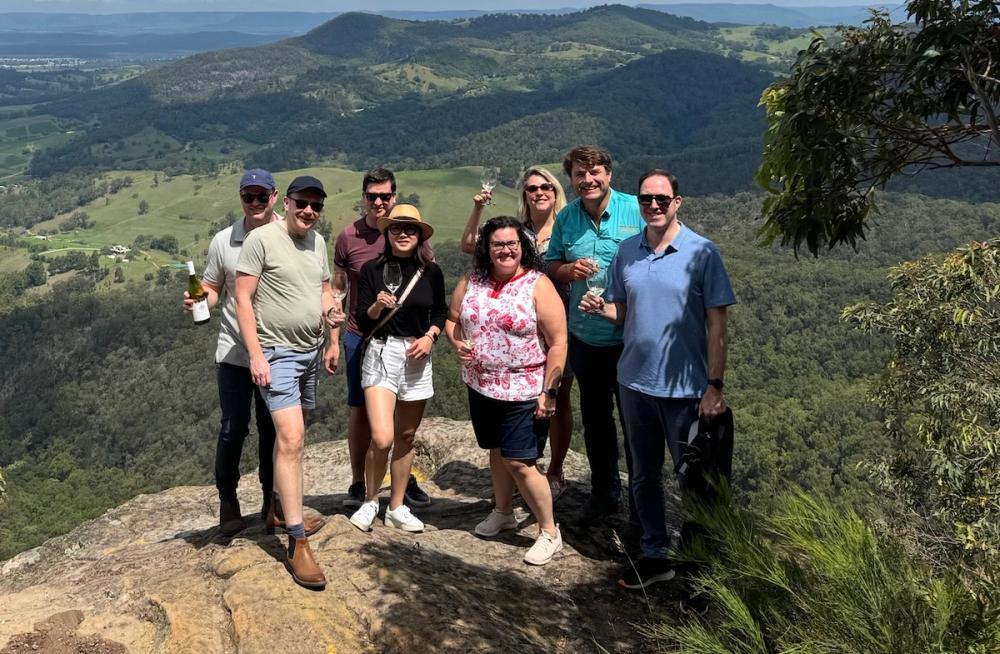
The sommeliers will be following in the footsteps of the last Wine Australia sommelier trip to Australia in 2024
Tom Fahey: Not as important as I would like them to be certainly. We are huge fans of Moorooduc, Heggies, Yalumba and Glaetzer but there are countless other producers we’ve never got round to listing when we really should.
Seoridh Fraser: Huge. Australia has such depth and breadth of character, from the muscular reds of the Barossa and whites of Geelong, to the precise, mineral wines of the Clare Valley, the elegant and sculpted wines of McLaren Vale, there is a host of different styles of wine to enjoy from Australia and - in the right hands - each region has a profound and unique voice.
A standout for me is the Clare Valley - the quality and freshness of fruit as well as the longevity of their fine wines is remarkable. Pouring wines from the early 2000s seems to stun guests who - perhaps because of historical drinking trends - seem surprised that wines from Australia can age.
It’s a delight to showcase these wines, and surprise and delight guests.
Freddie Johnson: Australian wines are very important to us - we have two on the wine pairing at the moment (Tyrrell's Vat 1 Semillon 2019 and Timo Mayer Merlot 2022) and it's a real thrill to pour wines that challenge UK consumers’ understanding of the category.
“Why would I drink Australian when I could easily get that in the pub afterwards” I heard from a table on Saturday lunchtime.
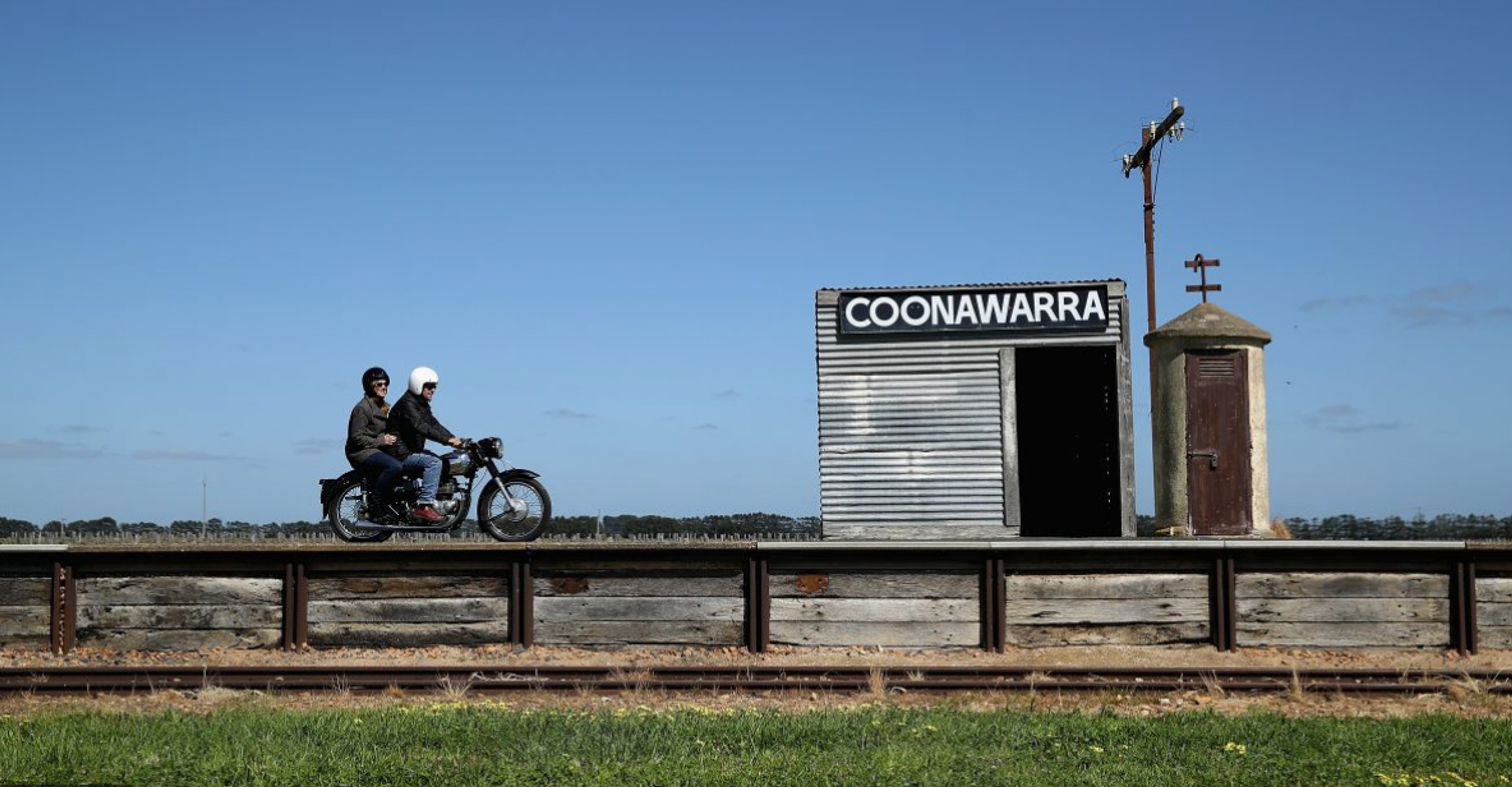
Elisa Marchini: The wine list at Muse is relatively small, with around 200 references, so I need to be very selective about what I choose. Australia is represented on the list, but there is definitely more space for it. There are several regions and styles that really excite me: Margaret River Chardonnay, Clare Valley Riesling, Barossa Shiraz and Coonawarra Cabernet Sauvignon. They are all very different expressions of Australia, which is exactly what I find so interesting about the country.
Patrycja Szpiech: Australian wine is an important part of the wine world, and it’s certainly something I’ve always enjoyed working with as a sommelier. What I find most interesting is how varied it is. There’s obviously the classic side of Australia, with regions like Barossa and the great Shiraz and Grenache, but then you have Margaret River with Chardonnay and Cabernet, and places like Yarra Valley, Mornington Peninsula and Macedon producing some really interesting cooler-climate wines.
I’m particularly interested in the fresher and more elegant styles coming from Australia, especially Chardonnay, Pinot Noir and Riesling, but I also think it’s important to understand the more traditional styles and why they have been so successful.
For me, the exciting thing is that Australia doesn’t really fit into one particular style anymore. There’s a lot happening across the different regions, and that’s something I’d like to understand better.
Leo Vasileiou: Australia is a small part of our list at Stack A Restaurant for now, but a premium one, with Leeuwin Estate, Cape Mentelle and Vasse Felix from Margaret River, Pewsey Vale Riesling, an aged Tyrrell's Vat 1 Hunter Semillon, d'Arenberg's Dead Arm and Yalumba's The Signature.
We see around 1,800 guests a week, from international visitors and young Dubliners to corporate groups and serious wine drinkers, and they buy right across the list, from a €40 house wine to Mouton.
Australia should be doing better with them than it is, and part of this trip is working out why. For me, for now, Margaret River Chardonnay and Cabernet, Riesling and aged Hunter Semillon are the stand outs.
What are you most looking forward to seeing and discovering that you can bring back to your business?
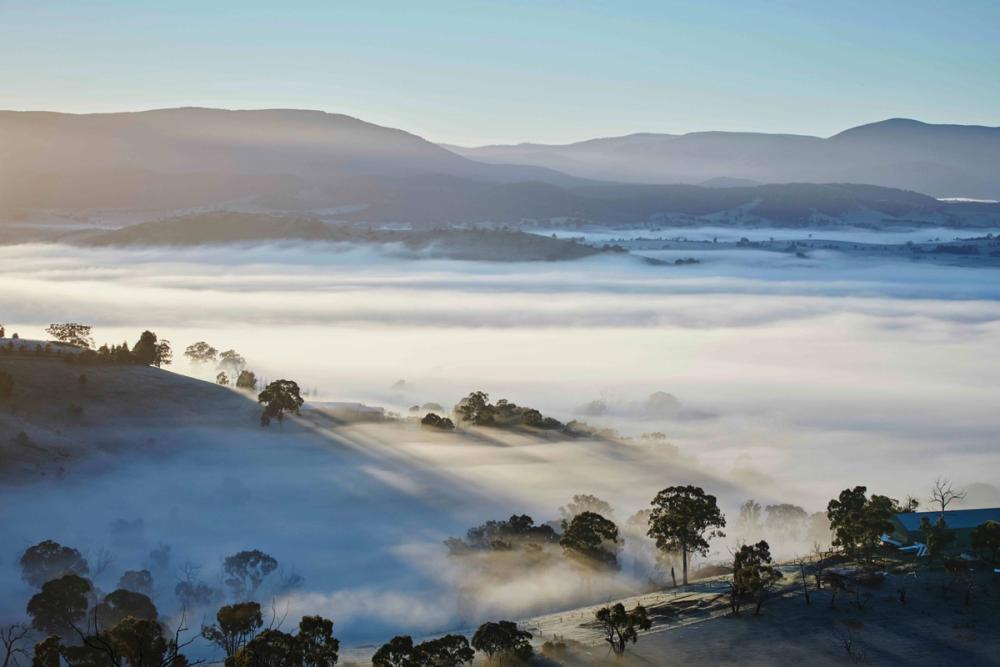
The sommeliers will get the chance to visit and discover most of the main wine regions in Australia including the Yarra Valley. Photo Ewen Bell.
Tom Fahey: Knowledge of regions, clones, styles, people, winemaking. I want to find new wines but equally I want to see first-hand what makes existing names special and how they built the reputations they have. I want to find wines that are uniquely regional Australian and refine our range so that every wine is the best possible representation of a unique style or region.
Seoridh Fraser: I find myself very much drawn to the plush and generous wines of the Barossa - specifically Grenache - and have been captivated by expressive and fresh Rieslings which are approaching their second decade as well as moody and perfumed single vineyard Shiraz. I’m looking forward to exploring these styles in particular.
Freddie Johnson: I want to hear individual stories and to really uncover the history of Australia's winemaking, I am certainly guilty of not thinking of Australia in a very modern context (not as a country that's been producing since the mid 19th century).
Elisa Marchini: Australia is such a huge country and there is still so much for me to discover. I’m sure I will come across smaller and lesser-known producers that I could consider for Muse. I’m also looking forward to discovering wines and styles that I may not even be aware of it, particularly those with elegance and freshness.
For me, bringing knowledge back is not necessarily just about bringing back a bottle. The experience and understanding will stay with me and will change the way I talk about and recommend Australian wines to our guests.
Patrycja Szpiech: I’m most looking forward to discovering things that I wouldn’t necessarily come across in the UK. I’m particularly interested in smaller producers, different vineyard sites and some of the less familiar varieties and styles. I also want to understand the wines in their natural environment. You can taste a wine anywhere, but standing in the vineyard, seeing the landscape and talking to the people making the wine gives you a much better understanding of it.
Hopefully I’ll come back with some new producers and wines that I can introduce to people, but more importantly, I’d like to come back with knowledge and stories that I can share with colleagues and guests wherever I’m working. I think that personal experience is one of the most useful things you can bring back from a trip like this.
Leo Vasileiou: The people and the places behind the bottles. Our staff sell what they understand and believe in, so the more stories and detail I bring back, the better we sell. I'm especially keen to see how producers are handling climate pressure, the move towards lighter, fresher reds, the lesser-known varieties and the smaller family estates that rarely reach Irish shelves.
We also run private wine tastings for groups in our vaulted cellars, so I would love to build an Australian tasting around what I discover on the trip.
Where do you see the biggest potential for Australia and your business?
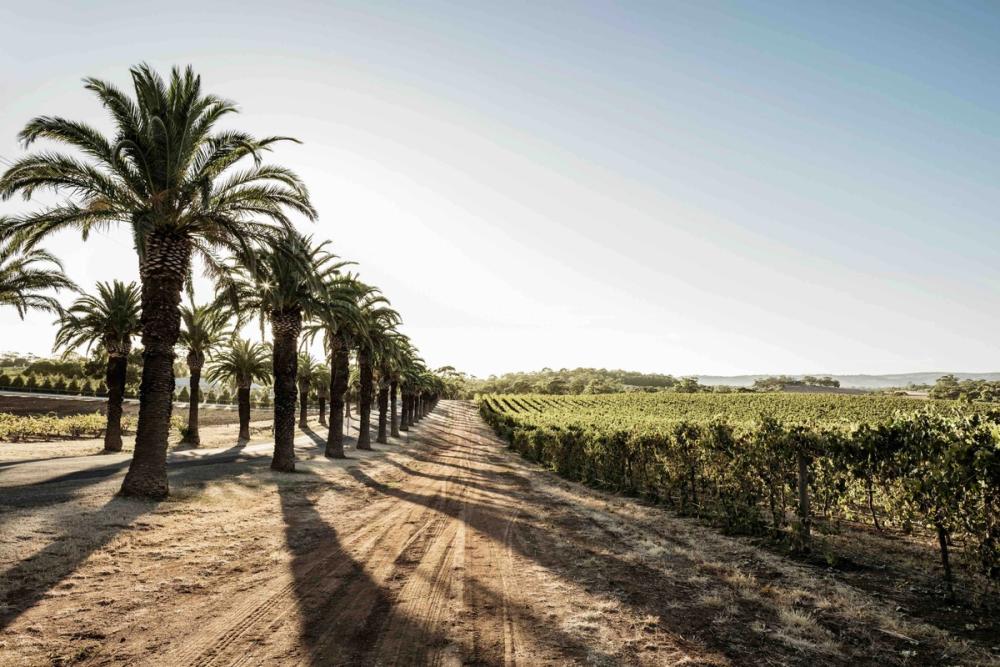
The Barossa Valley is on the sommeliers' itinerary. Photo by Tim Jones.
Tom Fahey: We hold a tasting for residents every day that is included in their stay. Opinions on Australian wine are still very rooted in mistake ideas about buttery chardonnay. I think we have a unique, front-line opportunity to start changing this completely outdated pre-conception.
Seoridh Fraser: The biggest potential for Australia and this business is arguably where food meets wine.
Freddie Johnson: I think if I am able to find interesting, thought-provoking and well-executed examples of lesser-known varieties in Australia (Marsanne, Roussanne, Fiano, Tempranillo etc) they could work very well on by the glass and pairing programmes with us. I also think that more classic styles with bottle-age will be a consistent point of interest for us.
Elisa Marchini: There is definitely potential for Australian wines at Muse. The wine programme is not only about wines by the bottle; we also have two wine pairings, Discovery and Women in Winemaking.
Discovery is where I can take our guests a little outside their comfort zone and introduce them to a region, grape or producer they might never have chosen themselves, so I can see a lot of potential for Australian wines there. Women in Winemaking is also very personal to me, as it is a pairing I created myself, and I’m also organising wine dinners with female winemakers.
I would love to discover more women making wine in Australia, hear their stories and potentially bring some of those wines back to Muse. If I discover something I really believe in and it is available in the UK, I could definitely find a place on the list.
Patrycja Szpiech: I think there’s a lot of potential in showing people how diverse Australian wine really is. There’s still a perception that Australia is mainly about big, powerful Shiraz, but that’s only one part of the picture. There are some really exciting wines coming from cooler regions, particularly Chardonnay and Pinot Noir, as well as Riesling, Cabernet, sparkling wine and a range of alternative varieties.
I think that gives sommeliers a good opportunity to introduce people to wines they might not automatically associate with Australia. I enjoy that part of the job - finding something a guest hasn’t tried before and giving them a reason to be curious about it. I think the more people understand the different regions and styles, the more interesting Australian wine becomes.
Leo Vasileiou: Broadening what our guests think Australia is by widening the range and the spectrum. Our list shows some of the classics, but I want to add the newer side: cool climate Pinot Noir, Tasmanian sparkling, the Grenache revival in McLaren Vale and Barossa, and Mediterranean varieties like Fiano and Nero d'Avola.
Those are wines our team can get genuinely excited about, and they're perfect for by-the-glass and our private tastings in the vaults.
What price points are the key areas of interest for you?
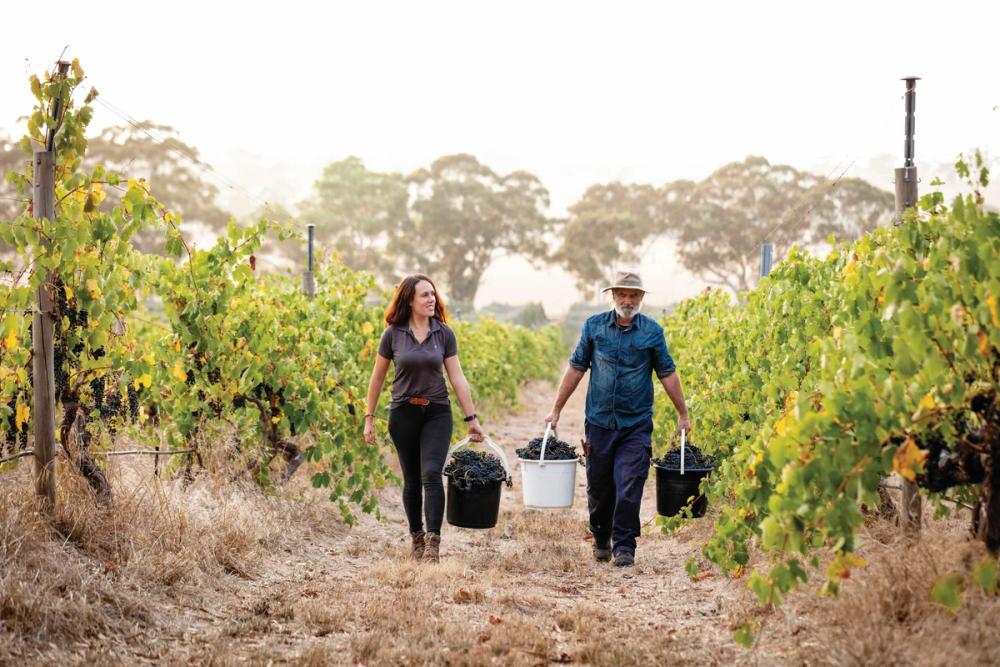
Follow the Aussie dream - all the way to the Eden Valley. Picture Andre Castelluci
Tom Fahey: Complete mixture. For tastings we look at £15 retail but we are a serious wine destination so cult and unicorn wines from £50-100 retail are of equal interest. Most of our sales are £15-30 retail so I guess that’s pretty broad!
Seoridh Fraser: We do quite well across a broad range of price points. I am always looking for quality in the sub £10 category, which is in my experience, the hardest price point at which to buy genuinely good wine. And the guy drinking a sub £10 bottle deserves it to be a textbook example of what it is, just as much as the guy drinking the £100 bottle.
That being said, there is a point where the price of the bottle becomes irrelevant. Sometimes you are buying a product for what it is and what it represents as much as anything else and then, in terms of price points, you're arguably thinking about cash margins.
There is maybe a bit more fun grubbing around looking for a bargain. Anyone can buy fine wine. The skill is in getting people to buy it. But that remains true despite the price point.
Freddie Johnson: We tend to operate in things that land in the UK at over £20ex-between there and £40ex is the sweet spot, it gets a bit tricky beyond £50 unfortunately unless the quality is truly exceptional.
Elisa Marchini: Regarding buying price, £15–£50 is generally the range, but for me the excitement is not connected to the price. I can find a really exciting bottle at £20 just as I can at £40.
I work with a number of different suppliers, which gives me the flexibility to look quite deeply and find something different. I’m not necessarily looking for the biggest names; I’m looking for quality, character, value for money and something that has a story and a reason to be on the list.
Food also has a big influence on my decisions. Tom’s cuisine is very delicate, so I always need to think about how a wine will work with the food, especially because is a tasting menu.
Patrycja Szpiech: I am interested in a fairly broad range, but particularly in the mid-range to premium end, where I think you can find wines with real personality, a strong sense of place and good quality without them becoming too difficult for guests to explore.
I am also interested in fine wines at the higher end, especially when there’s a strong story, history or ageing potential behind them. At the same time, I really enjoy finding wines at the more accessible end that over-deliver and give people a chance to discover something new.
For me, it’s less about a specific price point and more about finding wines that offer something interesting and give the guest a good reason to choose them.
Leo Vasileiou: Our Australian wines currently start at €57 and go up to €181, so the premium end is fairly well covered, though there is always more room. The biggest opportunity is a strong entry point in the €40 to €65 range, wines with real regional character that guests will take a chance on.
With Irish excise charged per bottle, that's also where quality really starts to show against the price.
In order to prepare yourself for this kind of trip, what do you need to do in terms of research to make sure you get the most out of it?
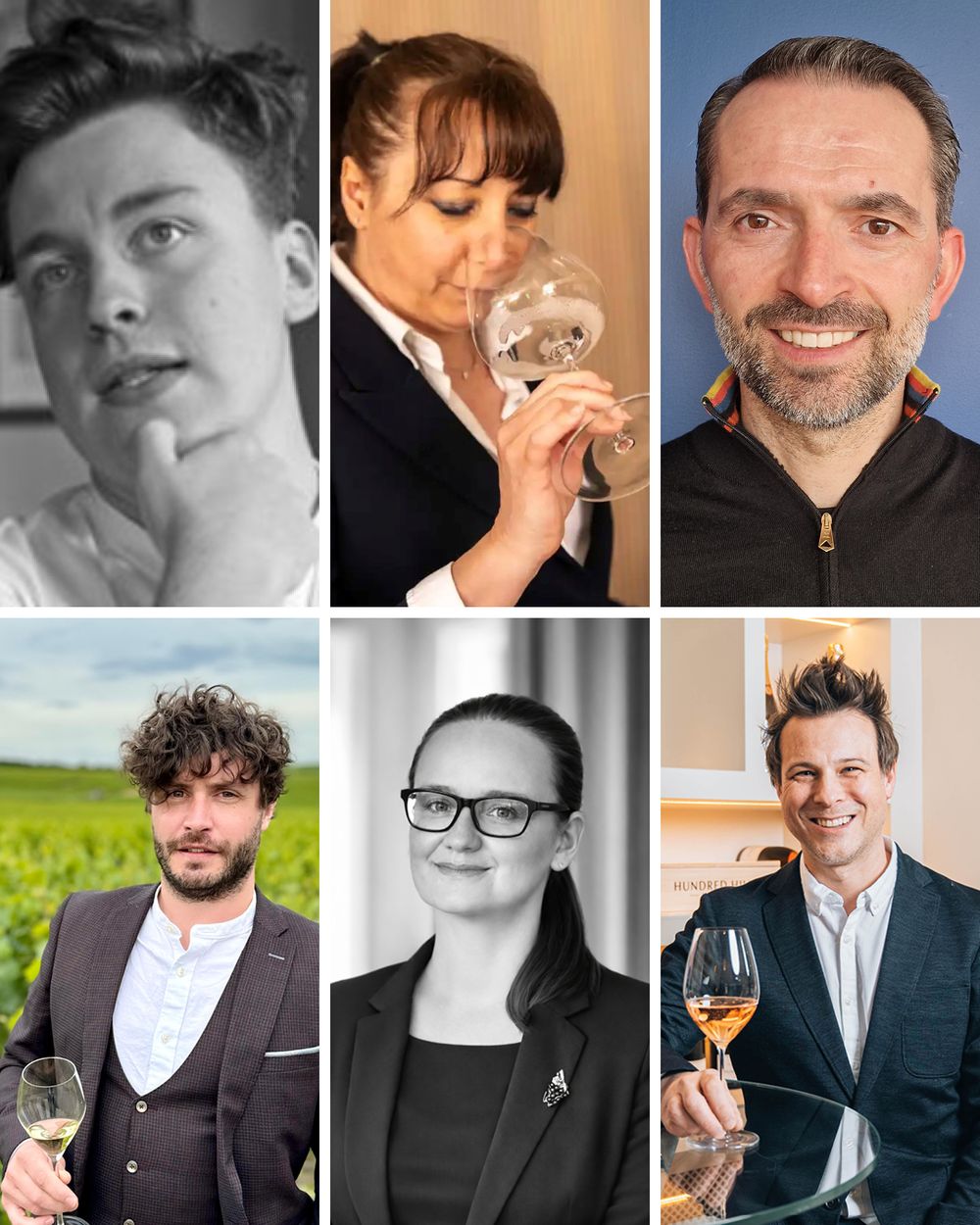
The sommeliers will also get the chance to learn from each other on the trip to Australia
Tom Fahey: I am going to read up on all the wineries we’re visiting – especially those I don’t know that well. I’ll also be paying particular attention to Australian wines at the various trade tastings I’m attending this month.
Seoridh Fraser: Zero. Expectations are the thieves of joy. I am going out there with an open mind, first and foremost. The rest will follow, if you let it.
Freddie Johnson: I will look through the itinerary and try to make note of all facets of the regions and producers that I don't feel I fully understand. For any free time, I'll speak to contacts in the area to spend it productively as possible.
Elisa Marchini: Having the programme in advance, including the regions and producers, is already a big advantage. I don’t always have the opportunity to taste the wines before visiting a producer, but I like to look at their background and understand the regions, climate and varieties.
For me, the history and geography are also very important, especially as this will be my first time in Australia. I want to have enough knowledge to ask the right questions, but at the same time leave space to discover something completely outside my expectations. From a business point of view, I also think it’s important to understand which wines are available in the UK.
If I discover something I really love, I want to know if there is a realistic possibility of bringing it to Muse.
Patrycja Szpiech: I will start by refreshing my knowledge of the regions we’re visiting - the climate, soils, main varieties and the styles they’re known for. I’d also look into the producers we’re going to meet and, where possible, taste some of their wines beforehand. I think it’s useful to have that background before going because it means you can ask better questions when you’re there. You’re not just tasting the wine; you have some understanding of the context behind it. At the same time, I don’t want to over-prepare.
One of the best things about visiting wine regions is discovering things you weren’t expecting. I’d rather have a good understanding of the basics and then be open-minded, taste as much as possible and talk to the people we meet.
Hopefully I will come back with a few surprises, a lot of new knowledge and probably a much longer list of wines I want to share with guests and colleagues.
Leo Vasileiou: Homework on each region and producer before we go: soils, climate, key people and what's changed recently. As I mentioned, the Diploma gives you a fantastic umbrella overview, with a few deep dives, but studying maps is not the same as walking the ground.
I will check what's already available through Irish importers so I know where the gaps are, and I'm preparing a list of questions for each visit. Then it's about tasting with an open mind, taking good notes and bringing back lots of wine memories.
* You can find out more about Australia and its wines at Wine Australia.
* You can taste and discover the latest wines from Australia - and New Zealand - at the Australia and New Zealand trade tasting 2027 in London on February 10 and Edinburgh on February 11.