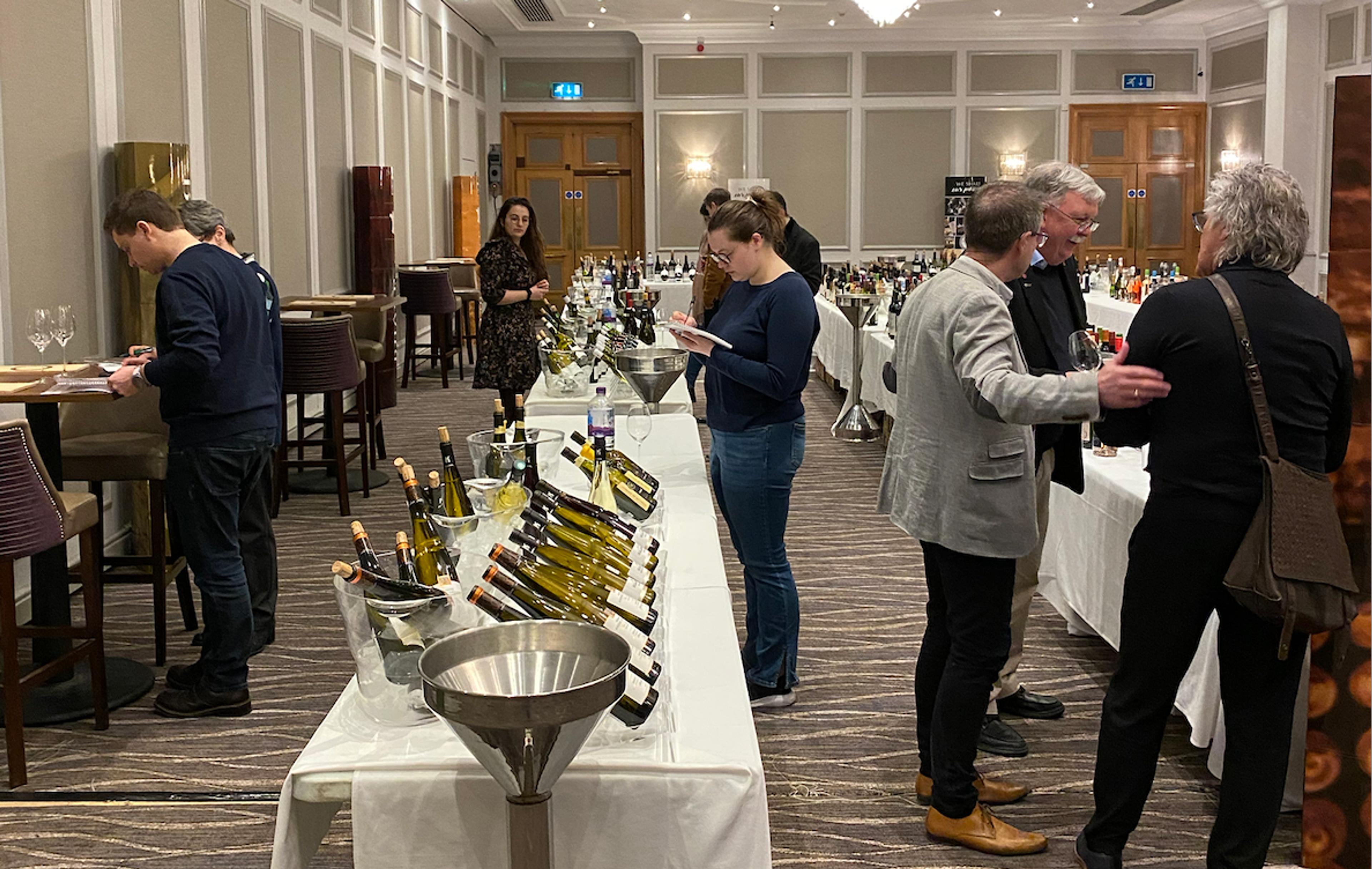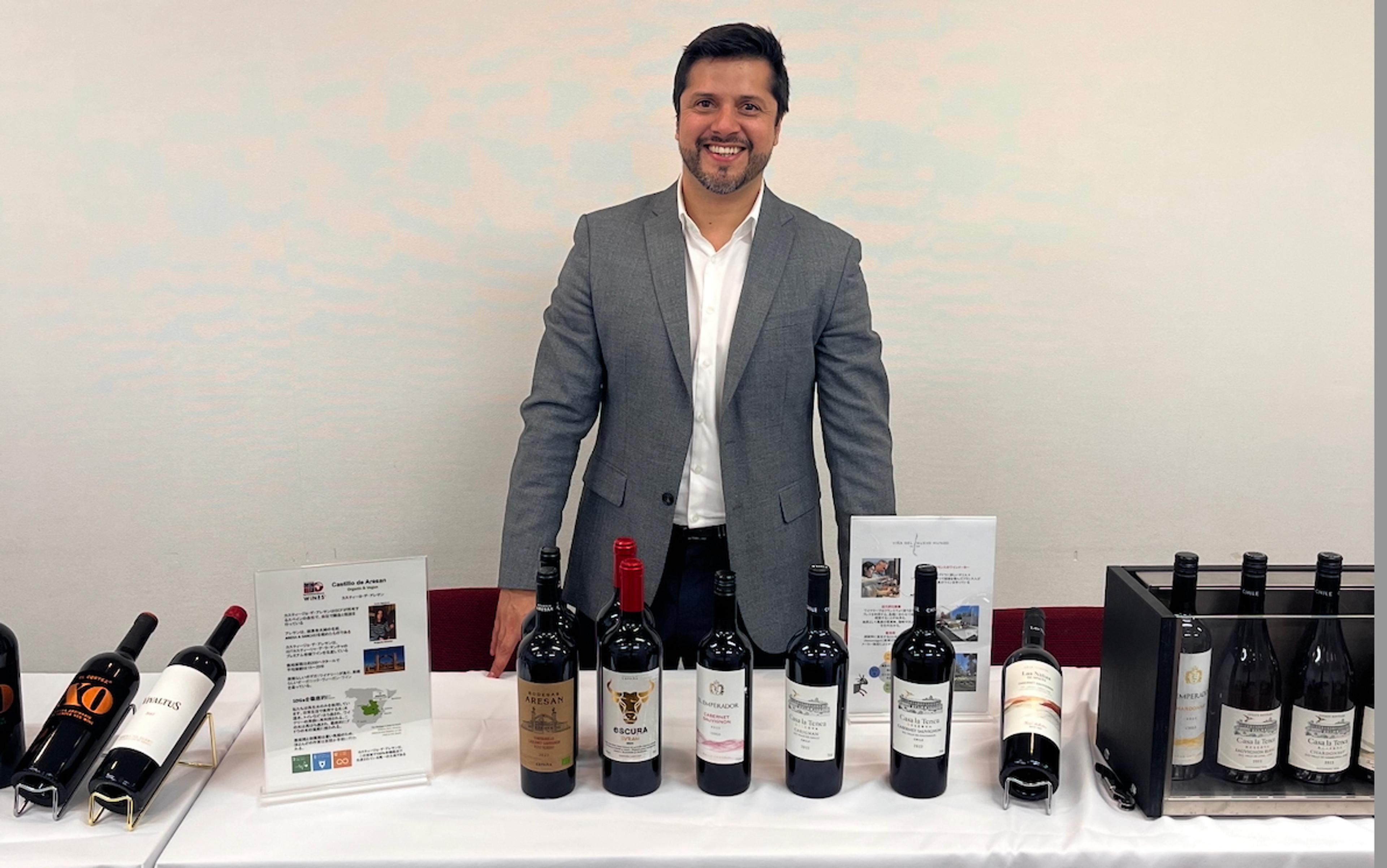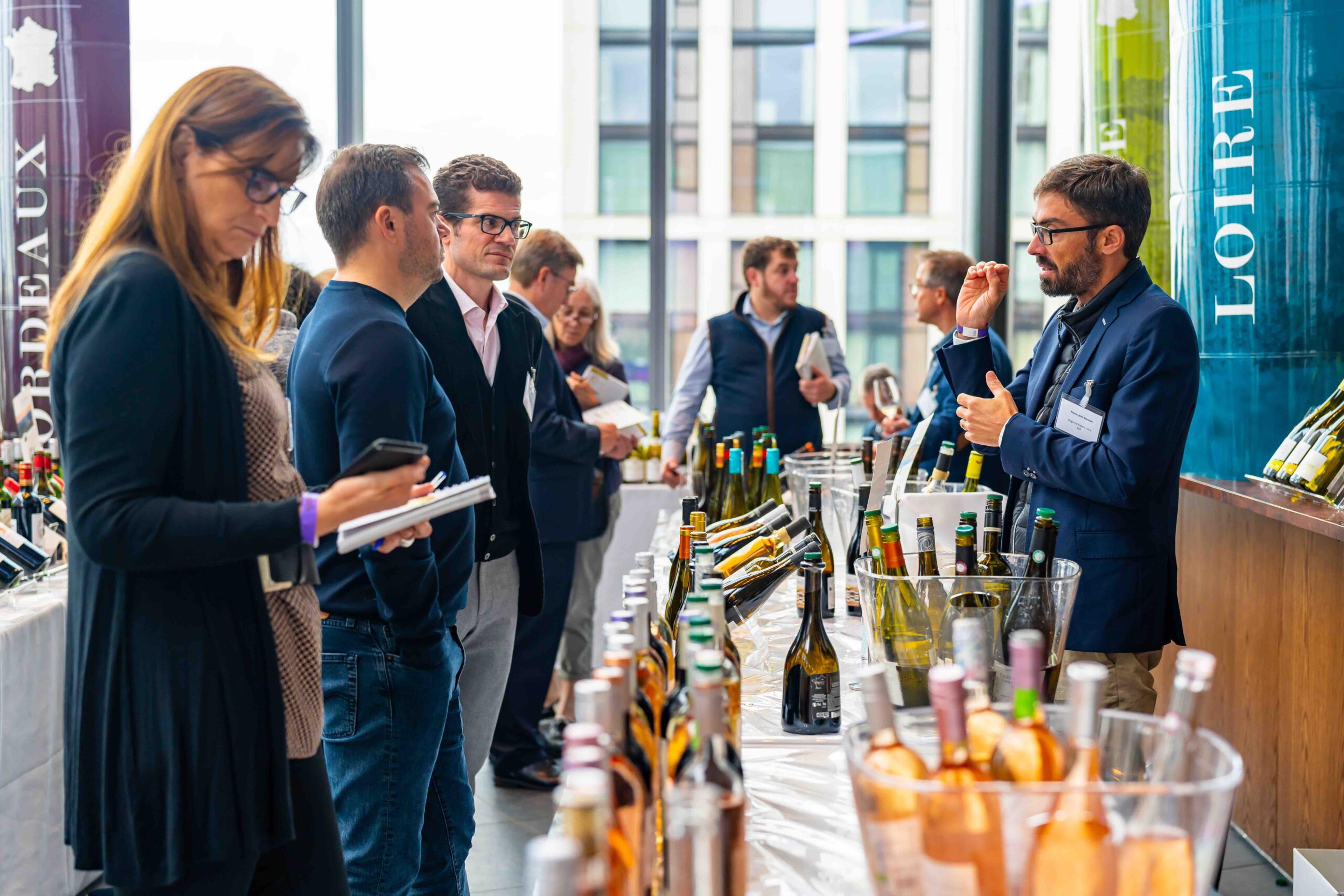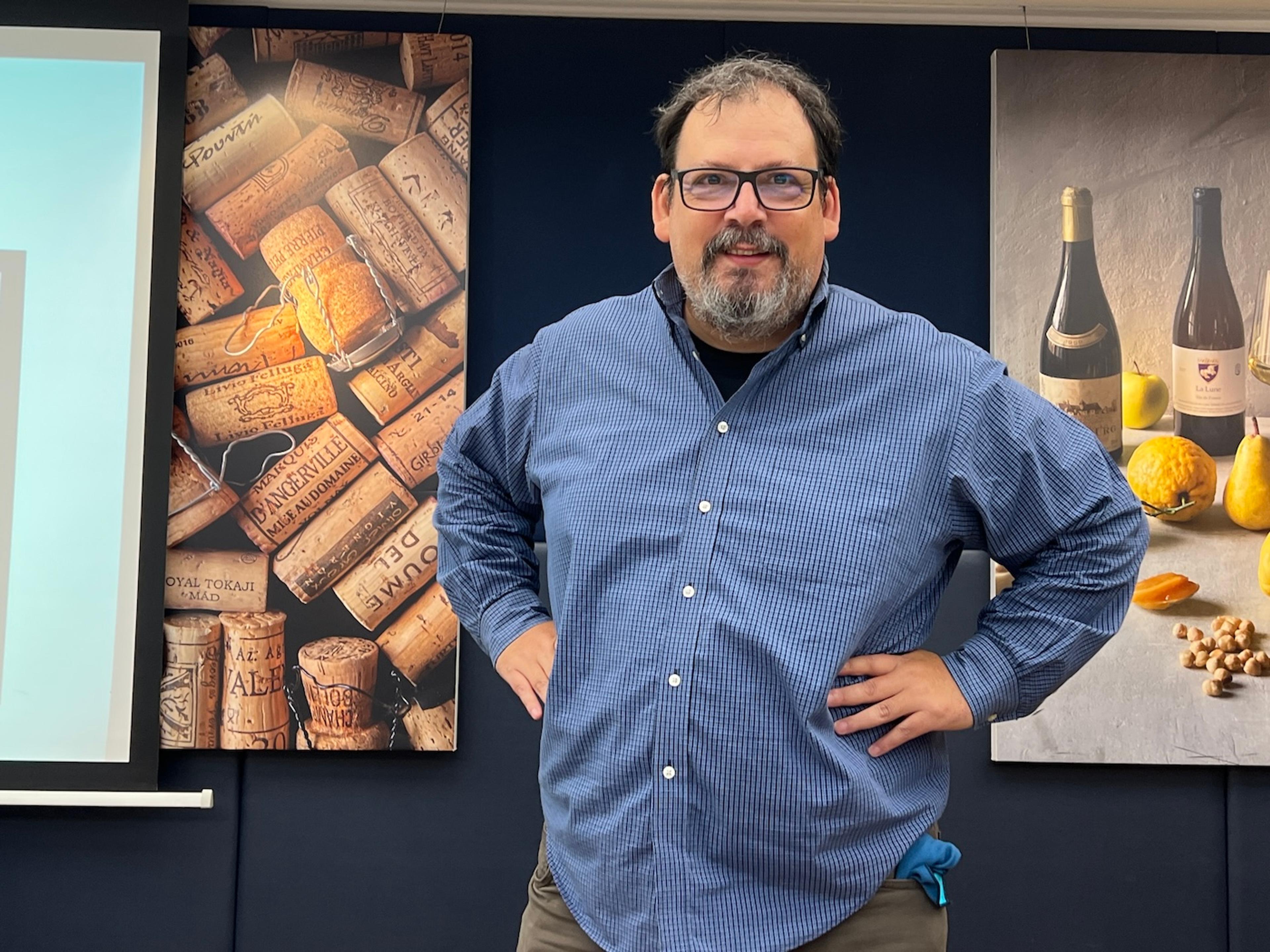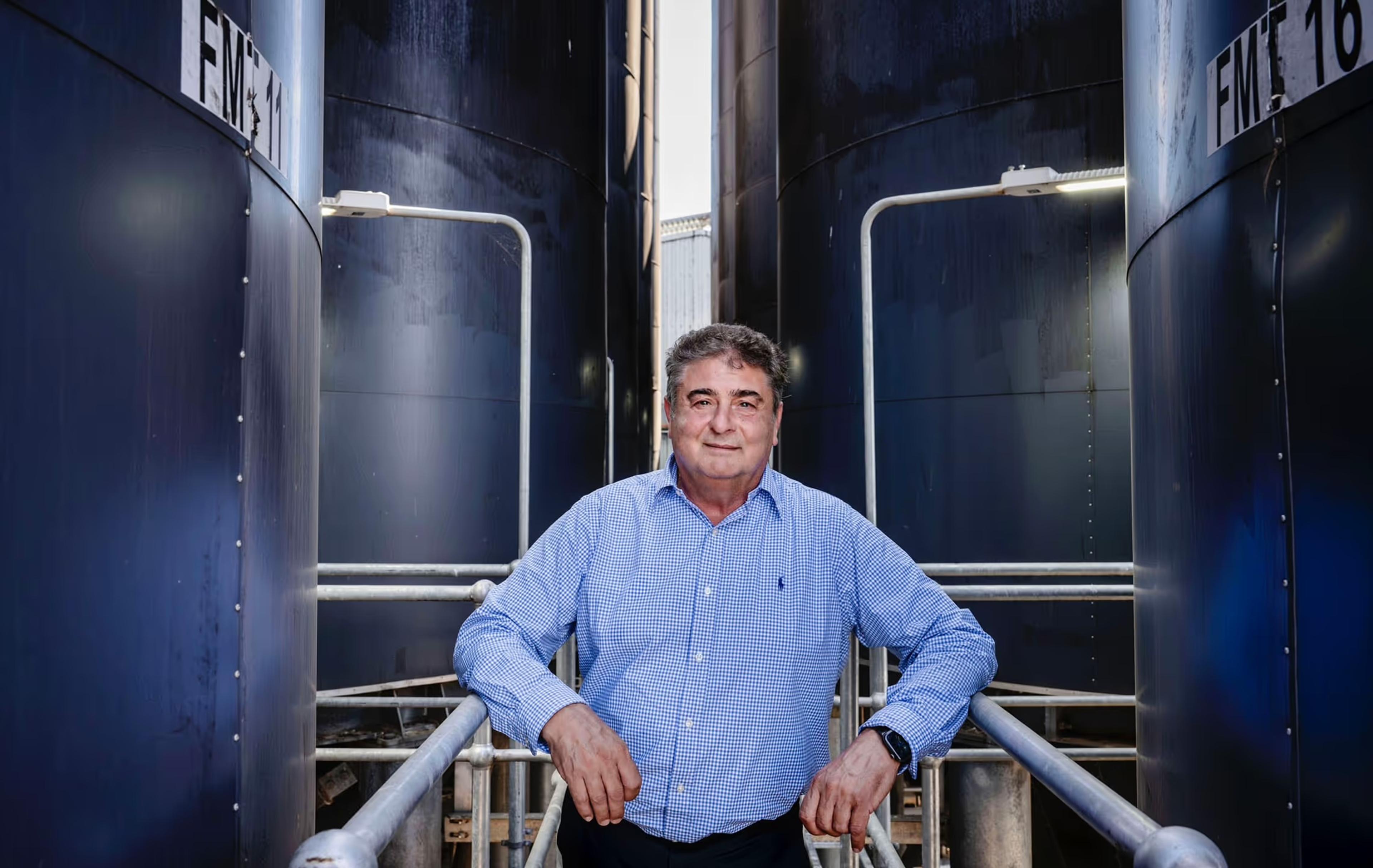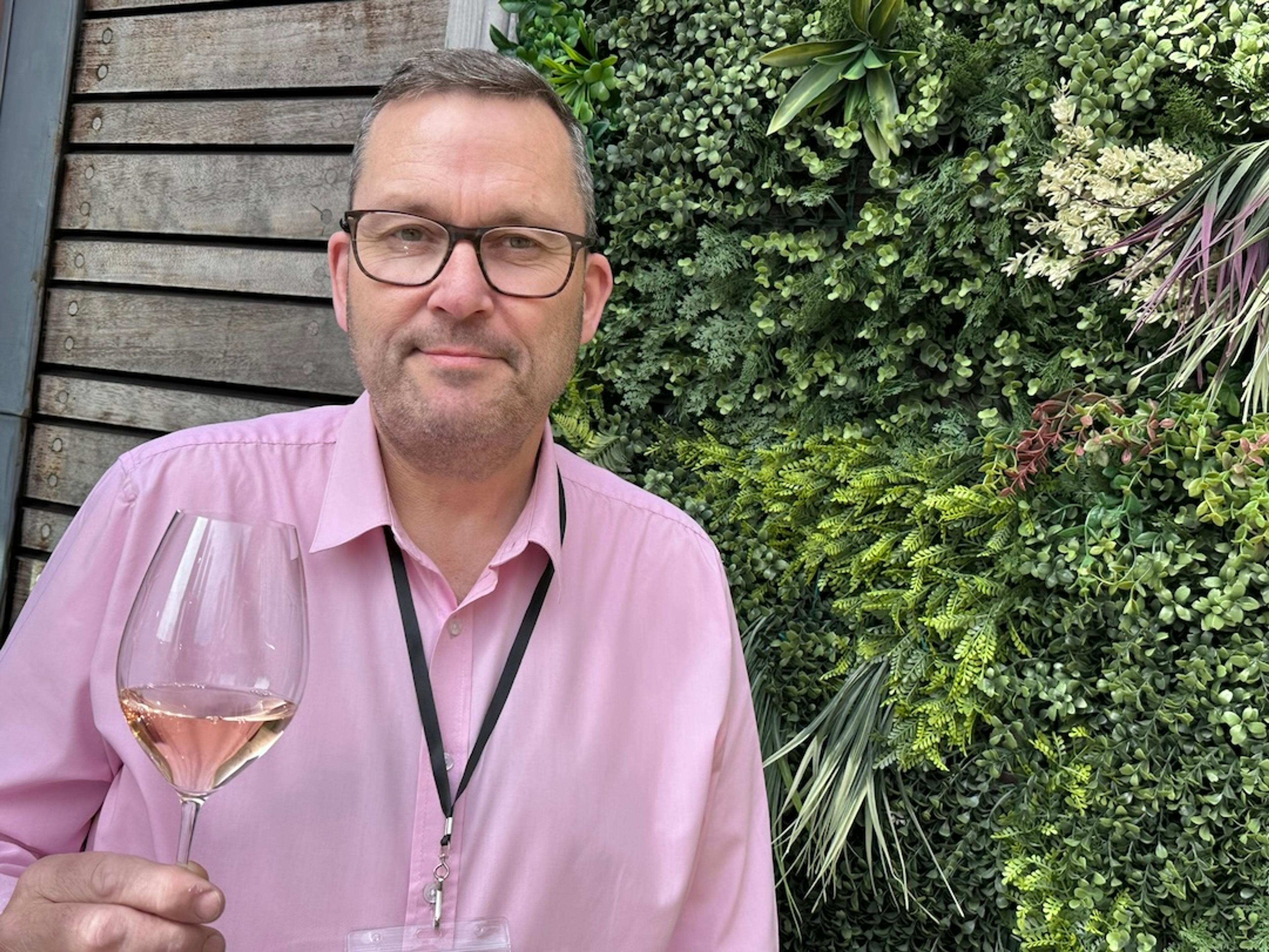

Chris Davies was talking to Simon Woods at the Grands Chais de France Top 100 tasting in Manchester
What are the misconceptions about GCF?
People look at us and think that we basically just do big brands and bulk wine. Yes, we do have four or five key brands such as JP Chenet and Calvet that we sell internationally, and supply about 192 countries – I didn't realise there were 192 countries! And yes, we can do bulk wines for different sectors. We now have portfolios for the on- and off-trades, which wasn’t the case when I joined 19 years ago – I was very insistent on separating them out.
But now that we’re doing more tastings, and winning more awards globally, that’s changing, and especially so when people talk to us and start trading with us.
How has that move occurred?

Joseph Helfrich founded Les Grands Chais de France in 1979 and since then it has become one of the most successful wine groups in France
The company belongs to the Helfrich family, headed by Joseph Helfrich. His father was a big producer of spirits in Alsace, particularly of Cognac – somehow, he'd managed to obtain a licence to age cognac at our head office in Petersbach in Alsace – it was the first and I think still only licence to age Cognac outside of the Cognac region.
When his father died suddenly, Joseph was left in charge of the business and started thinking about how he could expand. He looked at all these unusual bottle shapes you have in the Cognac and brandy industries and thought, ‘I wonder what would happen if I put wine into one of those wonky-necked bottles?’
That was the birth in 1979 of JP Chenet – the bottle is known as the Josephine. He was the first one to put a varietal on the label – I think it was a Cabernet/Syrah. Previously, French wines didn’t have grapes on the label, so this was a move to try and make wine less of a mystery to consumers, and it’s been a great success. I think we sell about 68 million bottles of JP Chenet worldwide now.
But his ambition has always been to be involved with wine where the focus is on the terroir. That aspect of the business began taking shape in 2003 with the purchase of Domaine de la Baume in the south of France from the BRL Hardy group. I think at the time it was around 48 hectares, but it’s since expanded to around 600 hectares.
But the holdings now extend far beyond southern France

Las Ninas in Chile is part of the company's growing international portfolio and is helping to bring award-winning wines from Chile into the business
Yes. Since then, we’ve developed relationships with around 80 châteaux and domaines all around France. We don’t own them all – Joseph didn’t and still doesn’t want to be a property developer, for him it’s about the soil. But we’ve developed relationships with many estates where we are effectively the owners – we do all the farming and make and sell the wines, but under the domaine or château name.
Outside France, we have production facilities in Spain, Chile, Hungary, Germany and South Africa where we now own two estates in Stellenbosch, Villiera Wines and Neethlingshof. I don’t think the expansion is going to end there, but I think there’s a bit of ‘calm down’ feel at the moment.
Also, in many French regions, we’ll have production facilities where we can make those estate wines but also act as négociants – so for example Crus & Domaines de France in Bordeaux, François Martenot in Burgundy, Pierre-Jean Sauvion in the Loire. They’re all part of the family, but each has its own identity.
Someone said to me the other day, ‘You’re one of the best-kept secrets in the wine world – how have you become so big with all these great wines without advertising?’ I’ve been pushing for a UK-based on-trade website for such a long time, and there may be something like that in the future, but Joseph likes to work under the radar
Is there such a thing as a typical GCF customer in the UK?
Obviously, we supply all of the major retailers and there’s a separate portfolio for those guys. In my part of the business, we do supply cash and carries, but it’s with the on-trade and indies where all of our properties, domains and châteaux come into play, alongside good value entry-level house wines – a fantastic Sauvignon Blanc from the Loire, or a Vin de France, or an IGP, whatever it needs to be.
But in terms of number of customers, where is the growth at the moment?
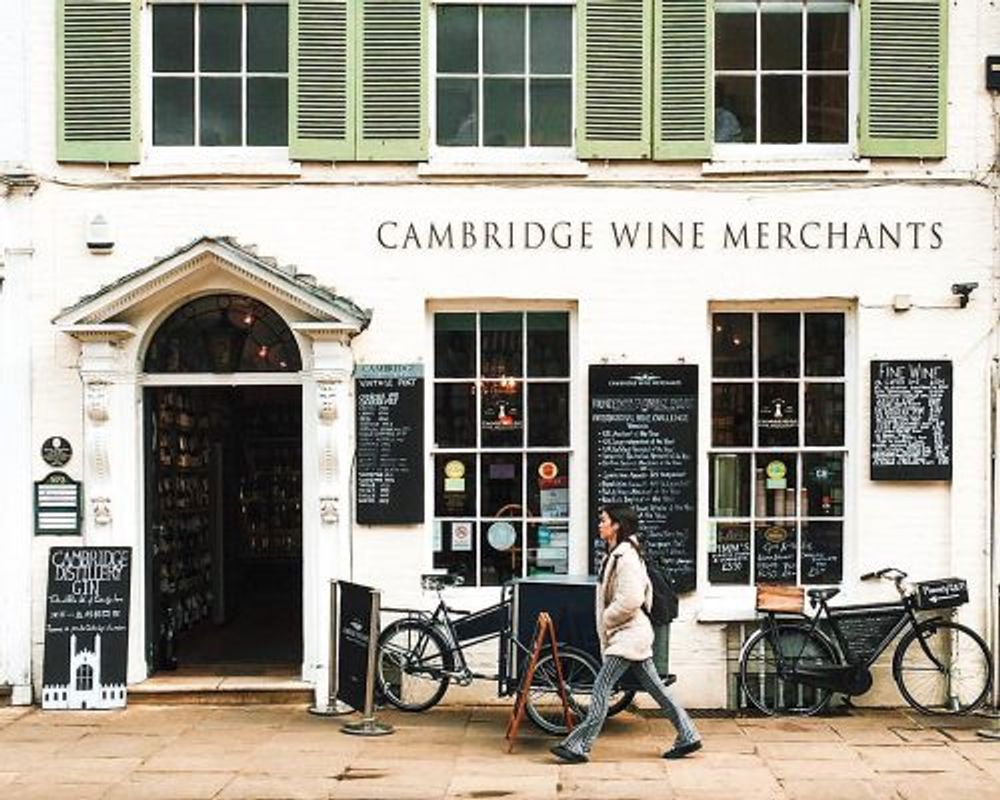
Medium to large-sized independents are where growth is coming from for Grands Chais de France
When I started 19 years ago, we didn't really supply many independent merchants but that’s where we’re seeing success at the moment – especially those of a certain size. Our minimum drop is 40 cases, which can be 40 different wines from 40 appellations, but it makes more sense for a customer to include a house wine or a high-volume seller so they can get up to a full pallet of 80 mixed cases.
Some smaller shops couldn't physically take 80 cases in in one go, so that rules them out. We do have a few instances where a few of them club together to make up the quantities, but that's very few and far between.
But with larger ones, we’re doing well. I also think Brexit has worked in our favour. We’re able to consolidate and deliver duty-paid from one location. Also, dealing with 190 countries around the world means we’re used to dealing with the type of legislation that came with Brexit, supplying 190 countries.
We’re currently doing good business with Hal Wilson at Cambridge Wines, and Ted Sandbach at the Oxford Wine Company. Ted was very much of the mindset, ‘Why on earth would I want to buy from Grands Chais de France?’ Because in his head, it was Chenet and Calvet.
So I took him out to Bordeaux, and we put on a tasting at one of our properties there. There was a long barrel room, with 70 or 80 wines lined up from all sorts of regions, not just Bordeaux, and in various formats from PET 187s with little cups on them up to magnums. And as we went through them, it slowly dawned on him that we produced all of these, and he could get all of these from us, including the gin at the end of the line-up. Now he takes maybe 70 SKUs from us.
Having this portfolio of estates from throughout France means that customers can easily experiment with more niche products, such as wines from Jura or Savoie, for customers. But we also have another major advantage, which is producing house wines and varietal wines. If you're a producer in the south of France, you're just picking from the Languedoc, but we can pick from all over for our blends – from the Loire, from Alsace, from everywhere.
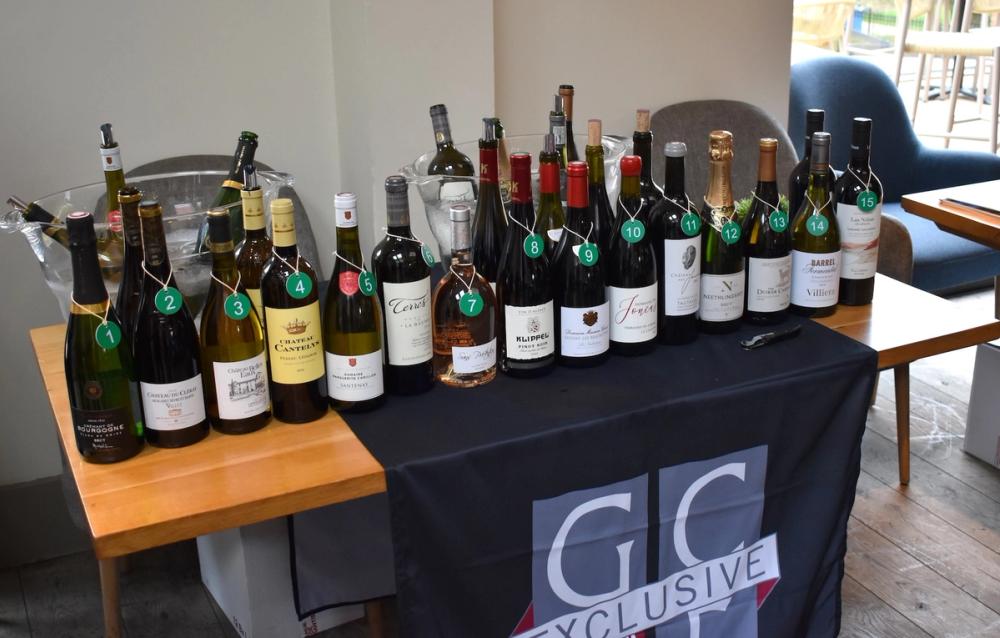
Just some of the wines on show at the Manchester tasting
What is the range is performing particularly well at the moment?
Rosé, especially those from our properties. They're obviously good quality, but I always thought they were a little bit too high in terms of their price point. Clearly not – wines from Provence are doing well, but so too are things like IGP Méditerannée and Côtes de Thau.
The No/low-alcohol category is also in growth, obviously from a small base, but we have so many wines to work with. There’s one from a Bordeaux château here today, Timberlay Merlot/Malbec, which has actually got some tannins, which I'm chuffed about. I think that's been the problem with reds – many of them are just like Ribena. Having something with a bit of grip, I think we're definitely on the right track with that.
Thinking of the rules in the UK with ABV duty rates, has experimentation in both the winery and the vineyard with no/lo had a knock-on effect on producing more conventional wines, but with lower alcohol levels?
In France, there is no ABV duty, and the rest of the world, there is no ABV duty. Yes, people are drinking less, even in France, which is a big surprise – at lunchtime, there's not a lot of glugging going on. But in terms of lowering the ABV from 14% to 12%, or from 13% to 11%, that's not really a thing in Europe.
What we are doing with certain wines where maybe we have a big own-label contract is picking early, maybe slightly de-alcoholising some of the batches, and then blending in order to hit a stable alcohol level. If we don’t do that, and a wine that had been 11% abv is now 12% abv, it causes a whole myriad of issues both for the customer, and for their customers, particularly in the on-trade.
What else is doing well?
Our Burgundy team is incredibly busy. We're now a big name at the Hospices de Beaune – I think we’re the second largest buyer in volume terms through Maison François Martenot. And we’ve been doing well with Chablis and Petit Chablis, although that's probably going to come to an end because of this vintage – we’re down 50% in volume, so we're really going to have to manage our allocations to customers.
Anything in the could-do-better category?
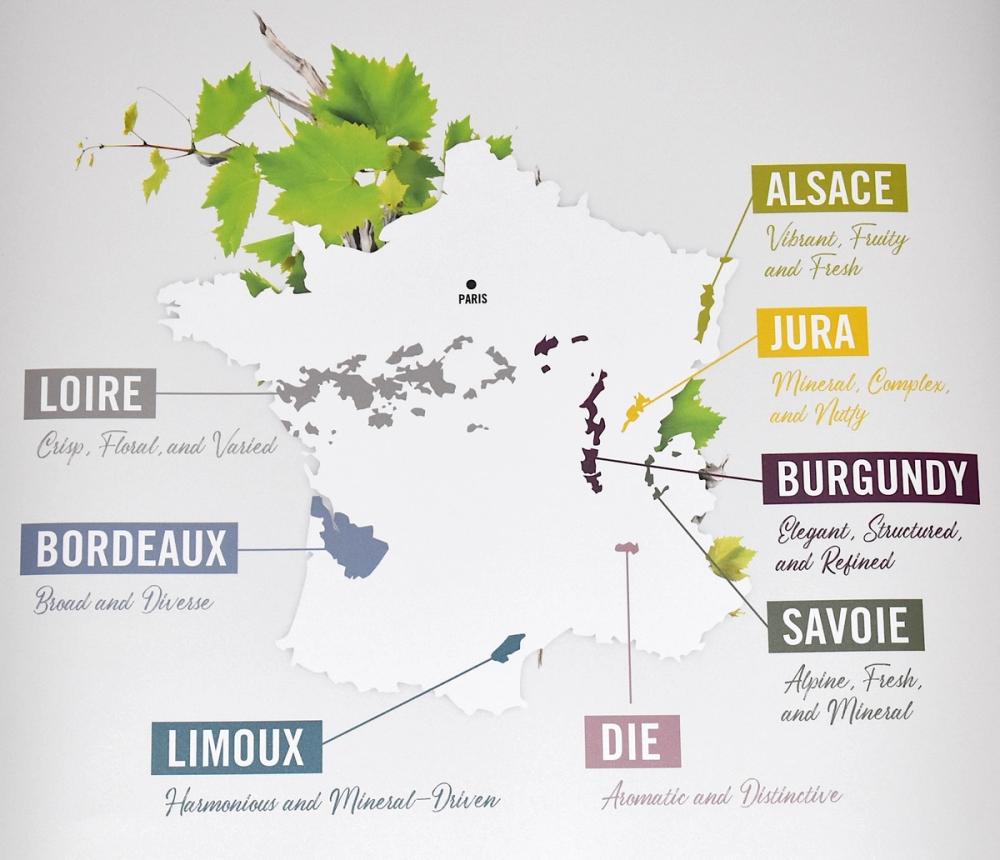
The different styles and origins of GCF's crémant portfolio
We are the number one producer of Crémant in France. We have facilities in eight regions, so, whatever you want, whatever style you want, whether it's premium, entry-level, we have it. And while we're doing okay, we're not doing brilliantly, which for me is slightly disappointing because we have so much to give, so much to offer. So it's growing but I thought it would be growing quicker than this, if I'm honest with you.
And what's in the watch-this-space category?
We've done PET bottles for a long time – we blow our own PET into any size and shape you want, but that's being frowned upon these days from a recyclability perspective. So we’re now looking at cans – I know they’re not exactly newish for the sector, but they’re newish for us. We've got two canning lines and I'd like to think we could sell some cans of still wines into the on-trade. I'm thinking of them for outdoor events, stadiums, that sort of thing, where customers have got sales into those places. So yes, watch this space…
Five GCF wines to look out for:
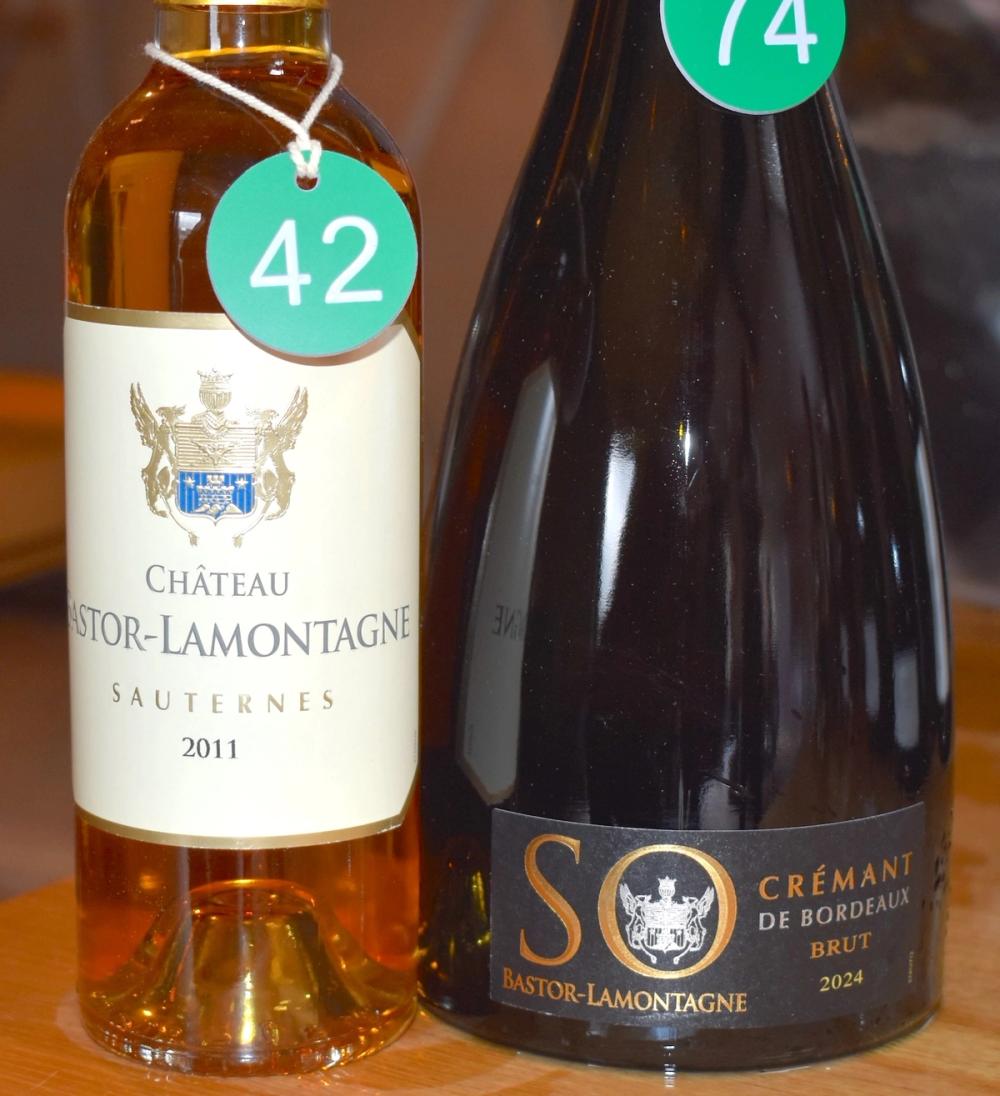
Bastor Lamontagne ‘SO Bastor’ Crémant de Bordeaux 2024, France
From an estate better know for its Sauternes, this blend of Merlot and Semillon is a gentle, zesty fizz with hints of guava and a creamy finish
Marguerite Carillon Santenay Blanc 2024, Burgundy, France
Gentle, juicy Burgundy, balancing ripe citrus and light pear flavours with fleshier notes of nuts and vanilla
Terres de la Baume Viognier IGP Pays d’Oc 2024, France
Proper, punchy, peachy fodder, not afraid to flaunt its exotic ripeness and floral charms, but always stays the right side of exuberant
Domaine Clavel Côtes du Rhône Villages St Gervais ‘Clair de Lune’ Rouge 2023, France
Classic hearty Rhône red, sporting spice-laden dark fruit flavours, and with notes of leather and liquorice to add further character (the white version is excellent too)
Neethlingshof ‘The Owl Post’ Pinotage 2022, Stellenbosch, South Africa
Displaying something of the parentage of the Pinotage grape – think of a combo of the smoky spice of the Rhône with the gentler red berry and cherry of Burgundy. Plus a touch of banana…
And pick of the no/low-alcohol wines…
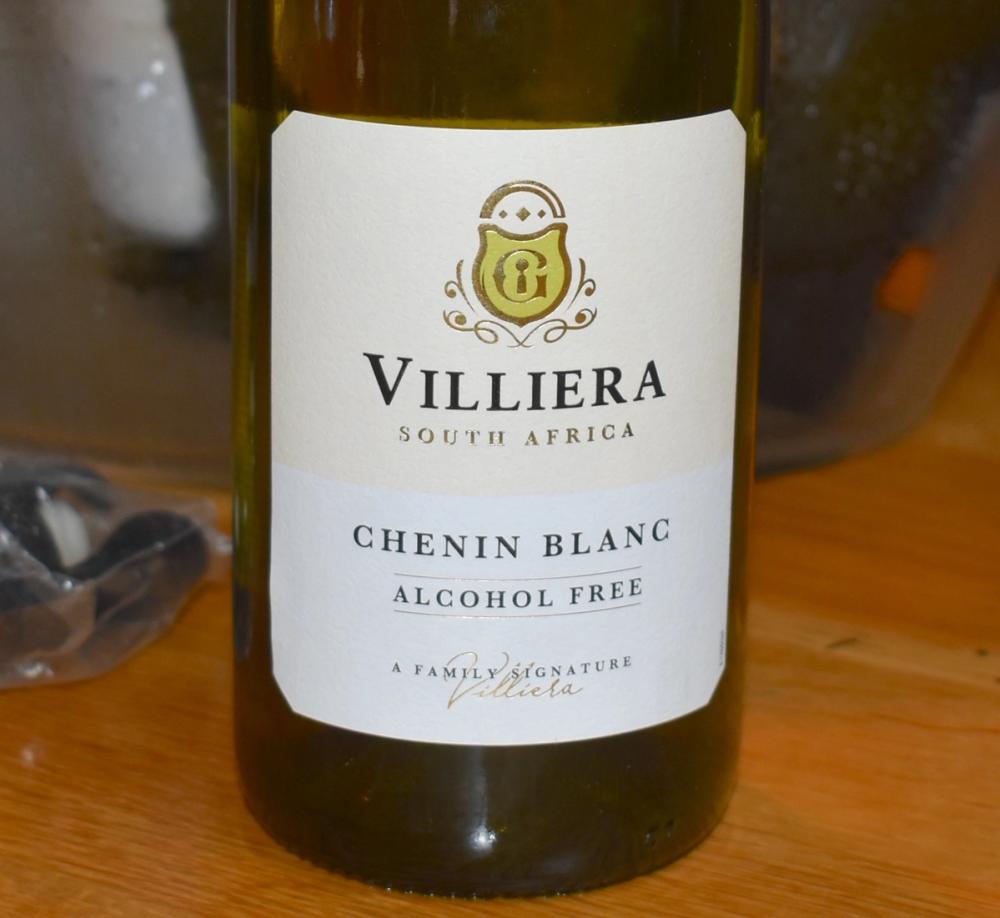
Villiera Dealcoholised Chenin Blanc, South Africa
Gentle juicy pear and guava, light and easy-going with a crisp finish
Les Grand Chais de France is a commercial partner to The Buyer. You can find out more about its portfolio of wines here.