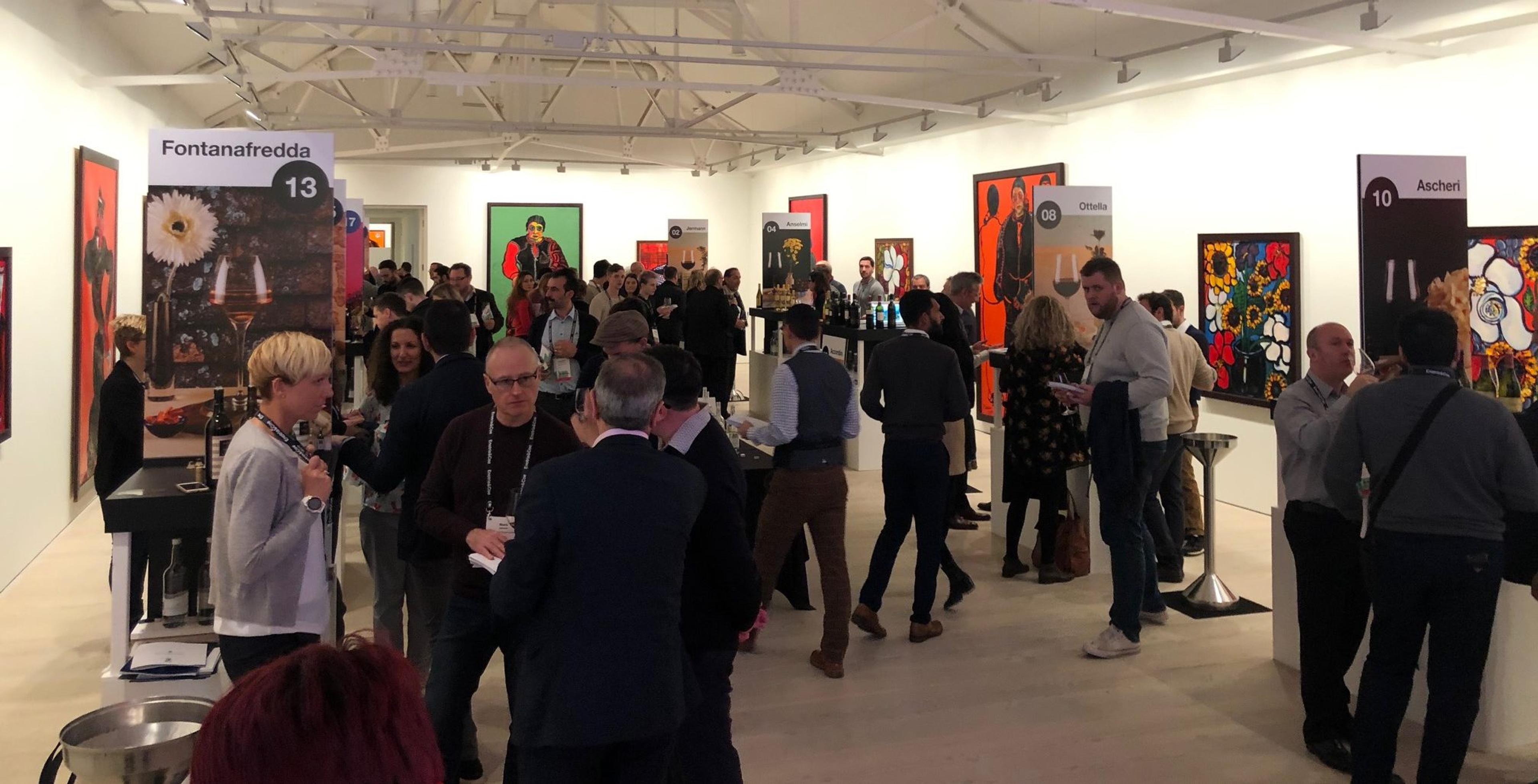

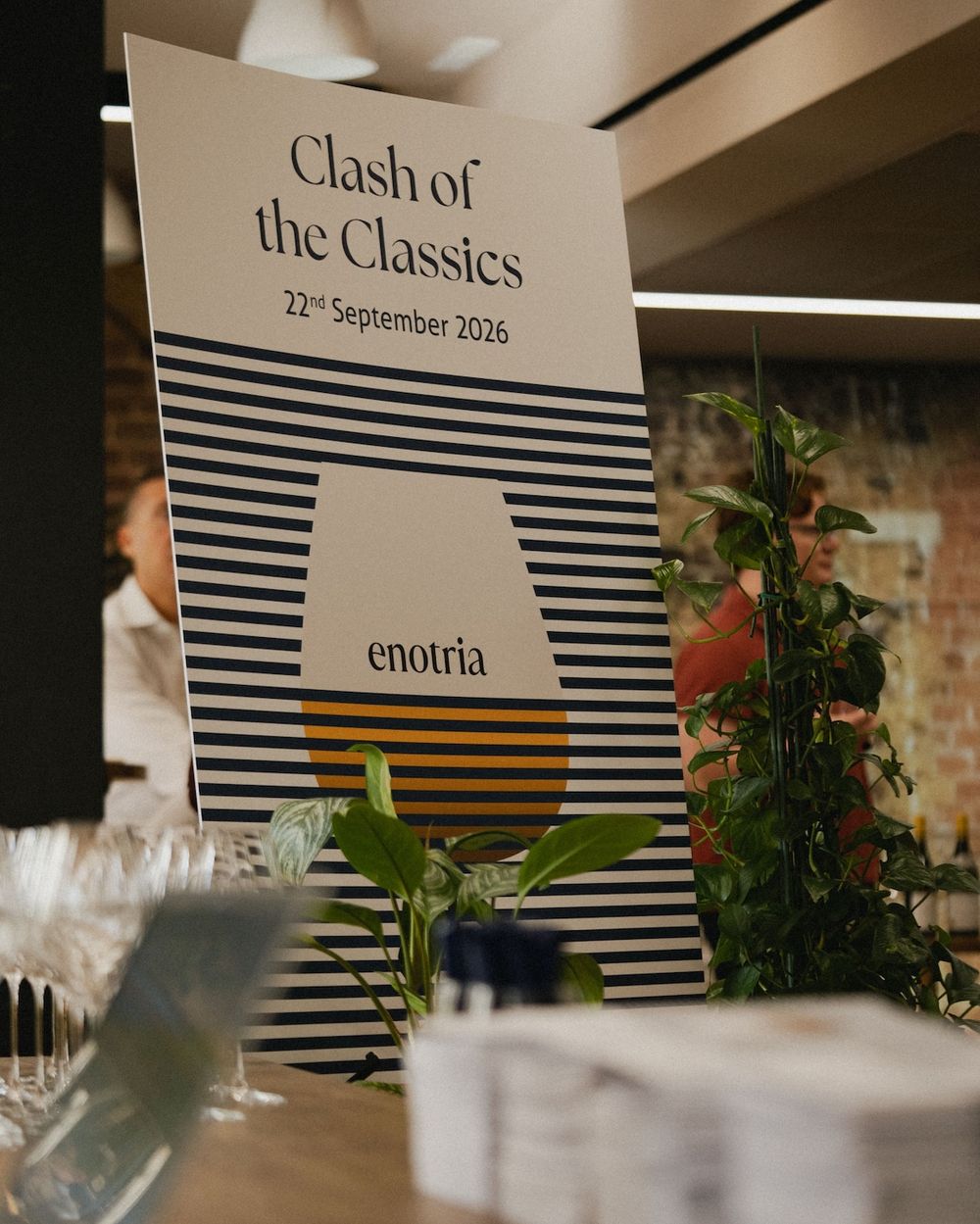
At Enotria’s ‘Clash of the Classics’ tasting, the two largest wine producing countries in the world were brought together side by side. Alternating French and Italian producers throughout the room, Enotria invited comparisons between styles, soil types, varieties and winemaking philosophies. I headed to two masterclasses as well as tasting some of the newer additions to the portfolio.
Anselmi and Trimbach – tasting two icons
The first masterclass, ‘A Meeting of Icons’, brought Veneto producer Anselmi together with Trimbach from Alsace. Lisa Anselmi, third generation of the family, described the winery to us as historic while also modern and visionary. In 1948, her grandfather Almerino Anselmi started the business as a négociant. In 1975, Lisa’s father Roberto bought vineyards and moved focus to smaller production and higher quality, breaking from the Soave DOC in 2000 in protest at the lack of quality within the appellation.
Parallels can be drawn with the (albeit much longer) history of Trimbach, a producer which Peter Wallbridge, buying manager at Enotria, describes as a “benchmark for Riesling”. Founded in 1626, and currently in the hands of the 12th and 13th generations, with a négociant side to the business, Trimbach was forward-thinking enough to reject the Grand Cru classification in Alsace when it was first brought in, choosing to declassify its wines until the rules around Grand Cru production were stringent enough.
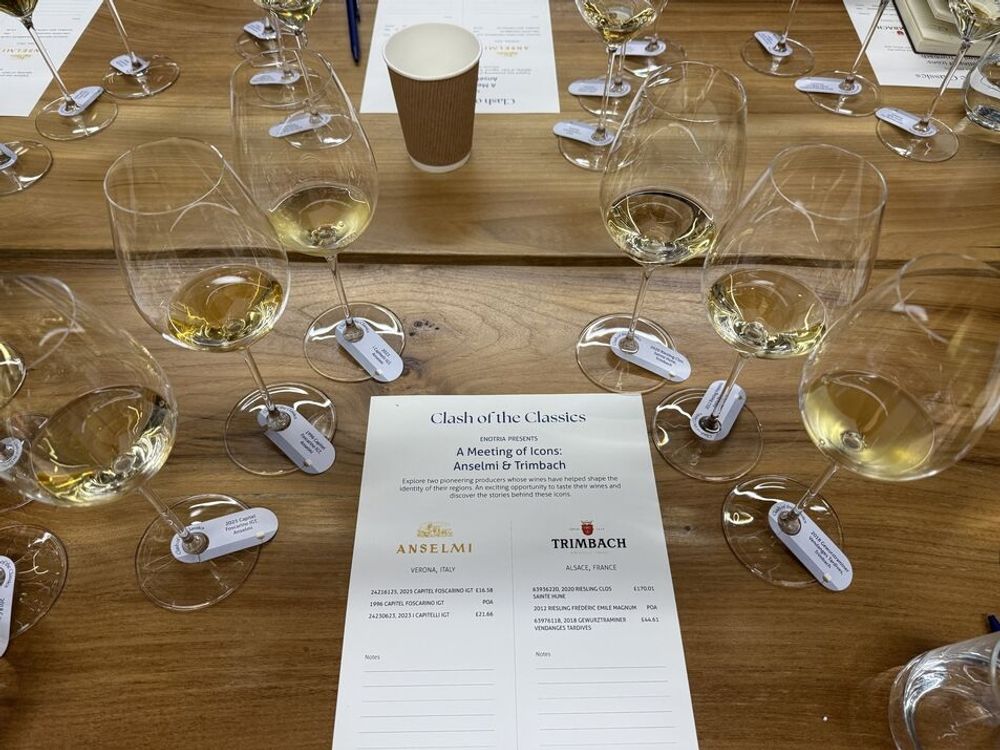
The tasting took us through signature wines, library releases and sweet styles. Trimbach Clos Sainte Hune 2020 is a Riesling from a 1.67-hectare vineyard in Hunawihr which Trimbach has owned for over 200 years. A mineral style with citrus and orchard fruit and great acidity which will soften and age for decades. Anselmi Capitel Foscarino 2025 comes from the estate’s best single vineyard on the top of the Foscarino hill at 350m. The 2025 blend includes Goldtraminer (a crossing of Gewurztraminer with Garganega), Chardonnay and three aromatic PiWi varieties which Anselmi is planting with an eye on climate change. The 2025 is peachy and floral with a textured palate. Anselmi Capitel Foscarino 1996 is smokier with bread dough, honey and smoked almonds.
Mathis Launoy, international trade at Trimbach, tells us Frédéric Emile is Trimbach’s most important wine, from an historic vineyard which spans two Grand Crus, Geisberg, which brings opulence, and Osterberg, which brings minerality and freshness. Trimbach Frédéric Emile 2012 from magnum has a few grams of residual sugar, well balanced by refreshing acidity and depth of fruit, with a hint of petrol, citrus and honey. Anselmi I Capitelli 2023 uses the best bunches of Garganega with Goldtraminer, harvested in September and dried in temperature-controlled rooms for two months. Well-balanced with stone fruit, floral aromatics and a long finish. Trimbach Gewurztraminer Vendanges Tardives 2018 is a “Gewurz for people who don’t like Gewurz” according to Launoy, with rose petals, ginger, and fleshy fruit in a fresh and elegant style.
Drouhin and Fontanafredda – a study in terroir
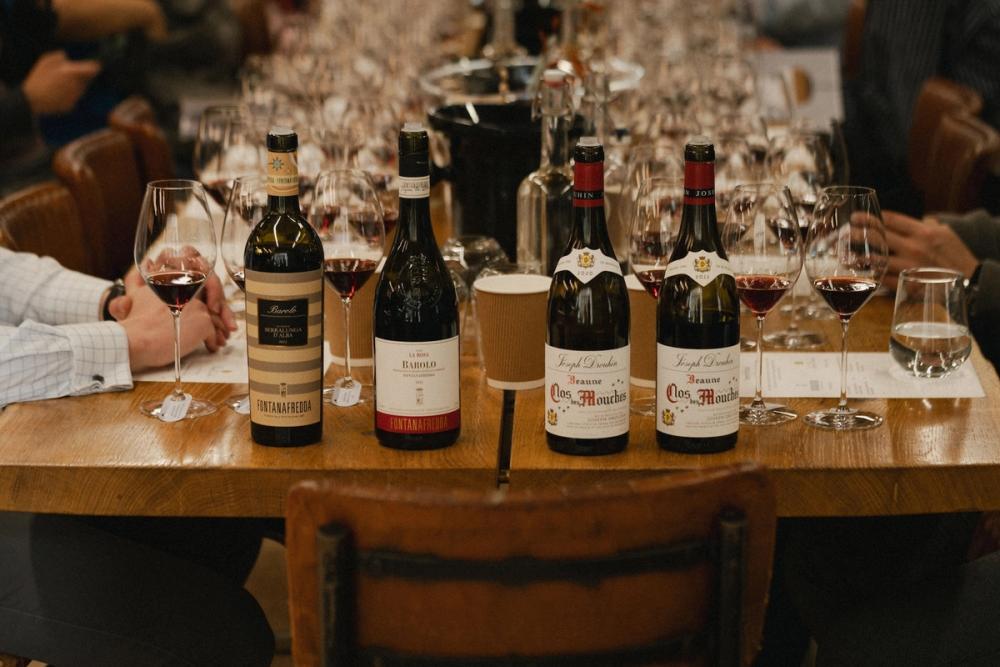
The second masterclass, ‘Terroir in Focus’, showcased the importance of terroir in Burgundy and Barolo, through the wines of Joseph Drouhin and Fontanafredda. Founded before the unification of Italy, Fontanafredda was established by the future King of Italy in 1858. In Barolo, as in Burgundy, land is highly fragmented. Fontanafredda now farms 120 hectares organically, while Joseph Drouhin’s 100 hectares are all managed organically or biodynamically.
Joseph Drouhin Nuits-Saint-Georges 2023 has soft tannins, red fruits, and a stoniness with subtle oak. Beaune 1er Cru Clos des Mouches Rouge 2020 is from a large plot of 25 hectares of which Joseph Drouhin owns 14, half planted to Pinot Noir, divided again into 45 plots which are harvested, vinified and aged separately before blending. Concentrated with a great depth of fruit and a long finish. Clos des Mouches Rouge 2011has more dried leaves and tobacco and is drinking perfectly now.
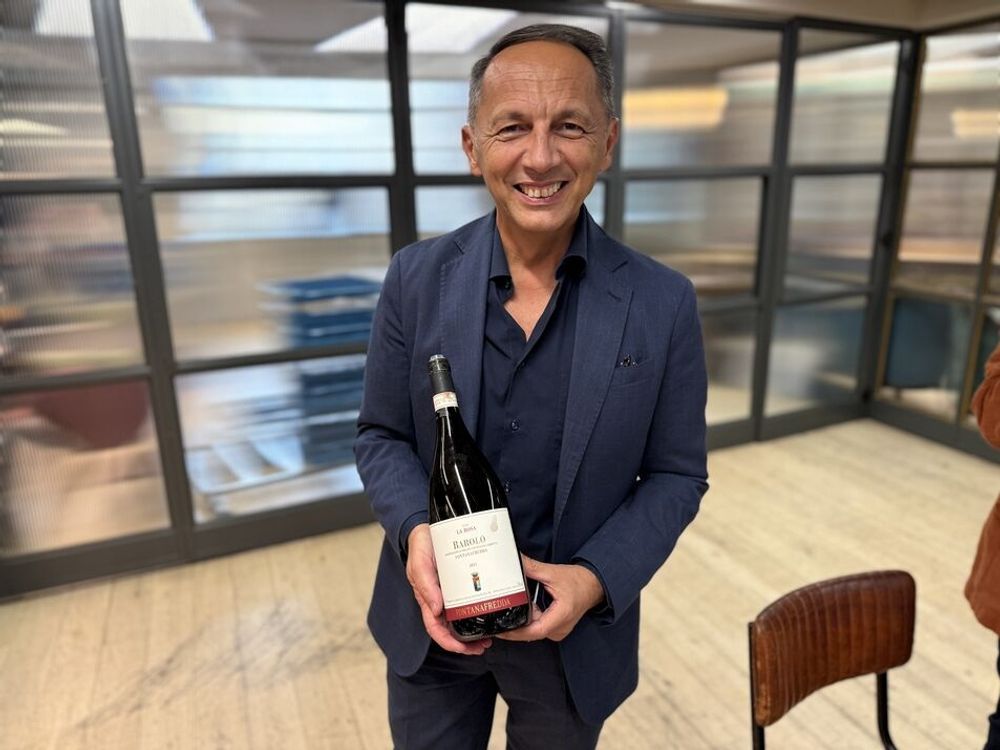
Fontanafredda Barolo di Serralunga d’Alba DOCG Organic 2022 is the first wine Fontanafredda dedicated to a specific village, perfumed and soft even in youth. Fontanafredda Vigna La Rosa 2021 is from an iconic vineyard which dominates Fontanafredda, with an elegant floral character with steeped cherries and silky-smooth tannins. Fontanafredda Vigna La Rosa 2011 from magnum is showing dried rose petals and herbal notes, drinking beautifully now but could age for longer.
Speaking about the rationale for bringing these two portfolios together, Oliver Barton, wine buyer for France and fine wine at Enotria, explains that although Enotria has a “really strong French portfolio,” it was perhaps slightly forgotten because of the focus on Italy. Alongside showcasing new producers, he wanted customers and salespeople to rediscover long-standing agencies like Trimbach, Joseph Drouhin and Louis Michel, “who really are the jewels in our crown.”
New French and Italian agencies
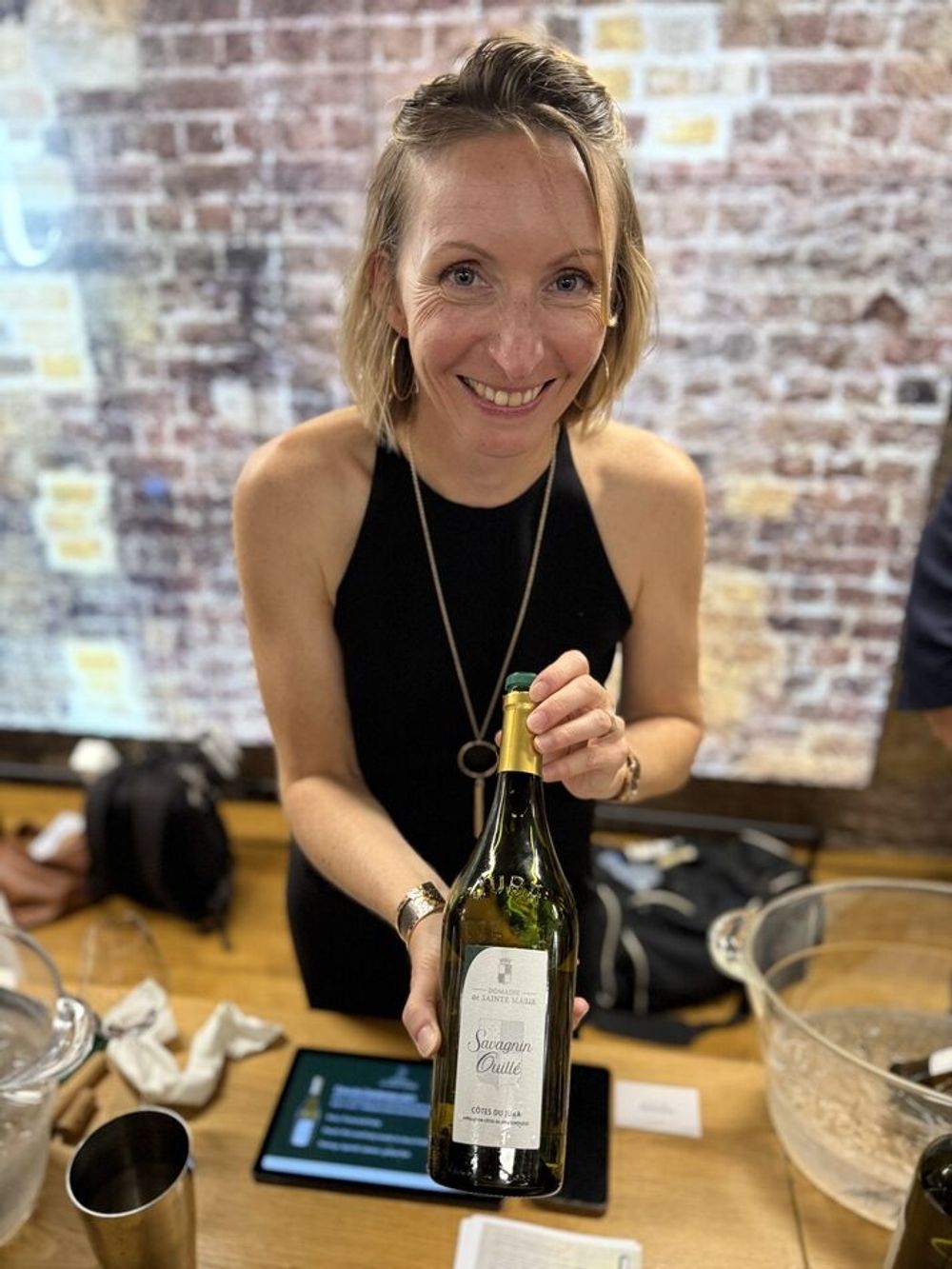
New additions are trying to create a French portfolio that fits customers’ needs. A new Jura producer brings two varieties not previously in the portfolio, Savagnin and Trousseau. Domaine de Sainte Marie Côtes du Jura Savagnin Ouillé 2022 is a fruity style aged in stainless steel and foudres, peachy and saline. Languedoc producer Aubert et Mathieu’s Boogie-Woogie 2025 is a ‘blouge’ that taps into the chilled red trend with co-fermented Grenache Noir and Grenache Blanc in an easy drinking, fruity style.
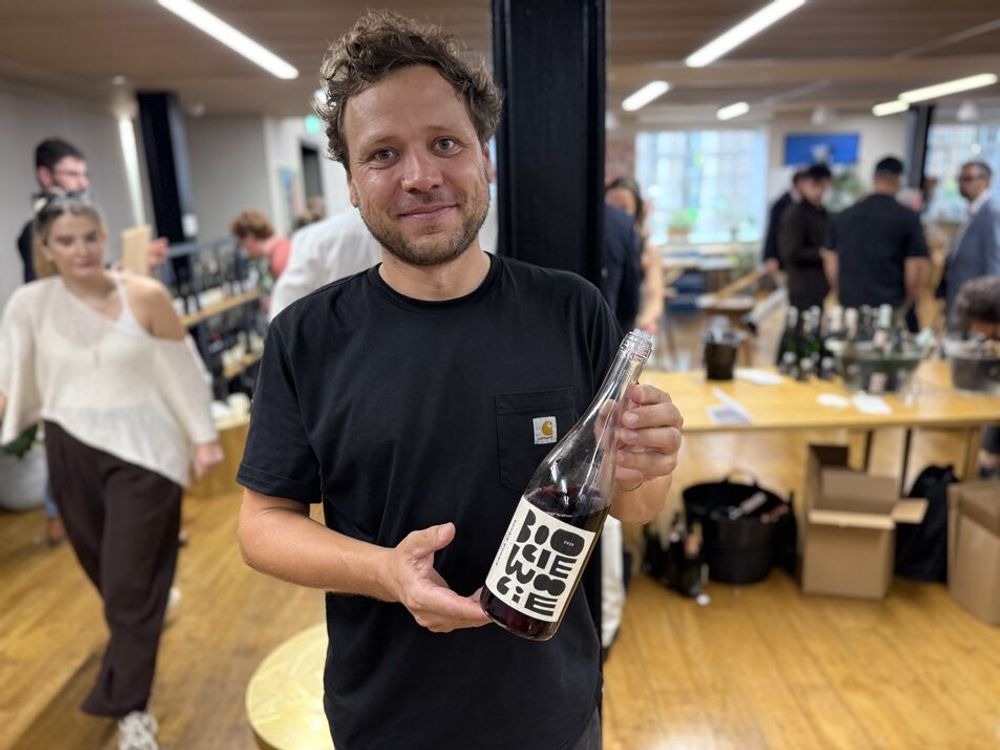
Nella Alberti, wine buyer for Italy, explains to me that the Italian portfolio is “deep-rooted in the essence, the soul of Enotria.” When she took it over as buyer in 2024, many producers had been in the portfolio for decades so she wanted to build on it to ensure that it was evolving to meet customers’ constantly changing needs. Having worked at Enotria since 1995 Alberti worked alongside previous buyer Sergio De Luca for years, and grew up with producers like Planeta, Fontanafredda and Anselmi.
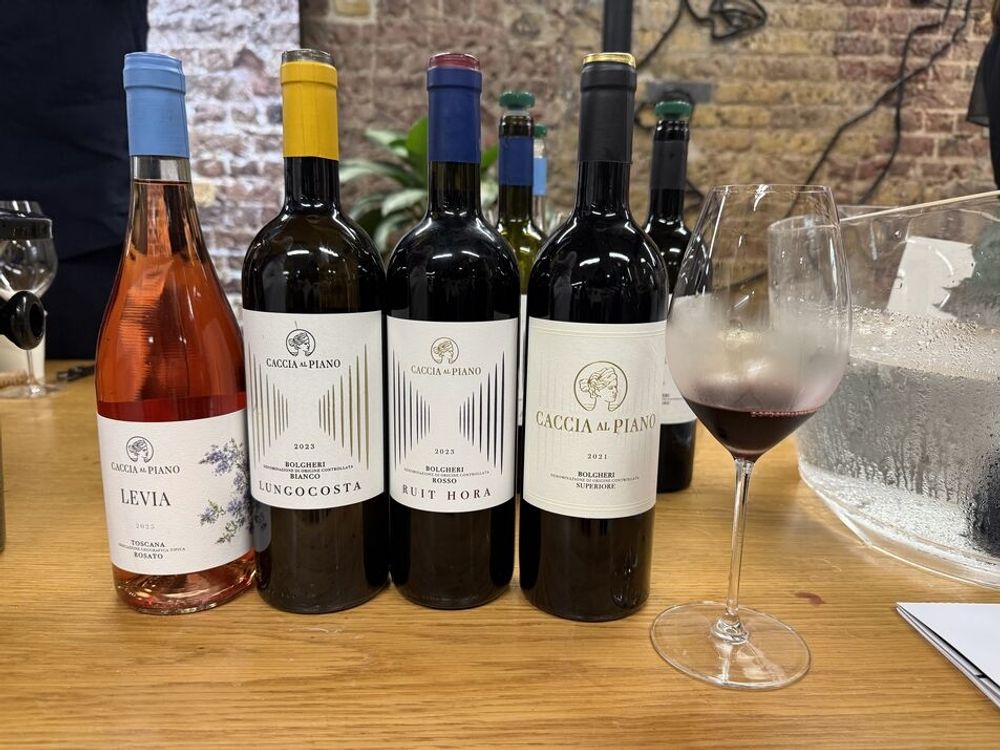
She wanted to complement existing suppliers with new additions and find “people who really believe in what they do.” Caccia al Piano is the first Bolgheri producer in the portfolio. Caccia al Piano Levia Toscana IGT Rosato 2025 is made with Syrah and Merlot in a gastronomic style, and Ruit Hora Bolgheri Rosso 2023 is fruity and fresh with a real depth of fruit.
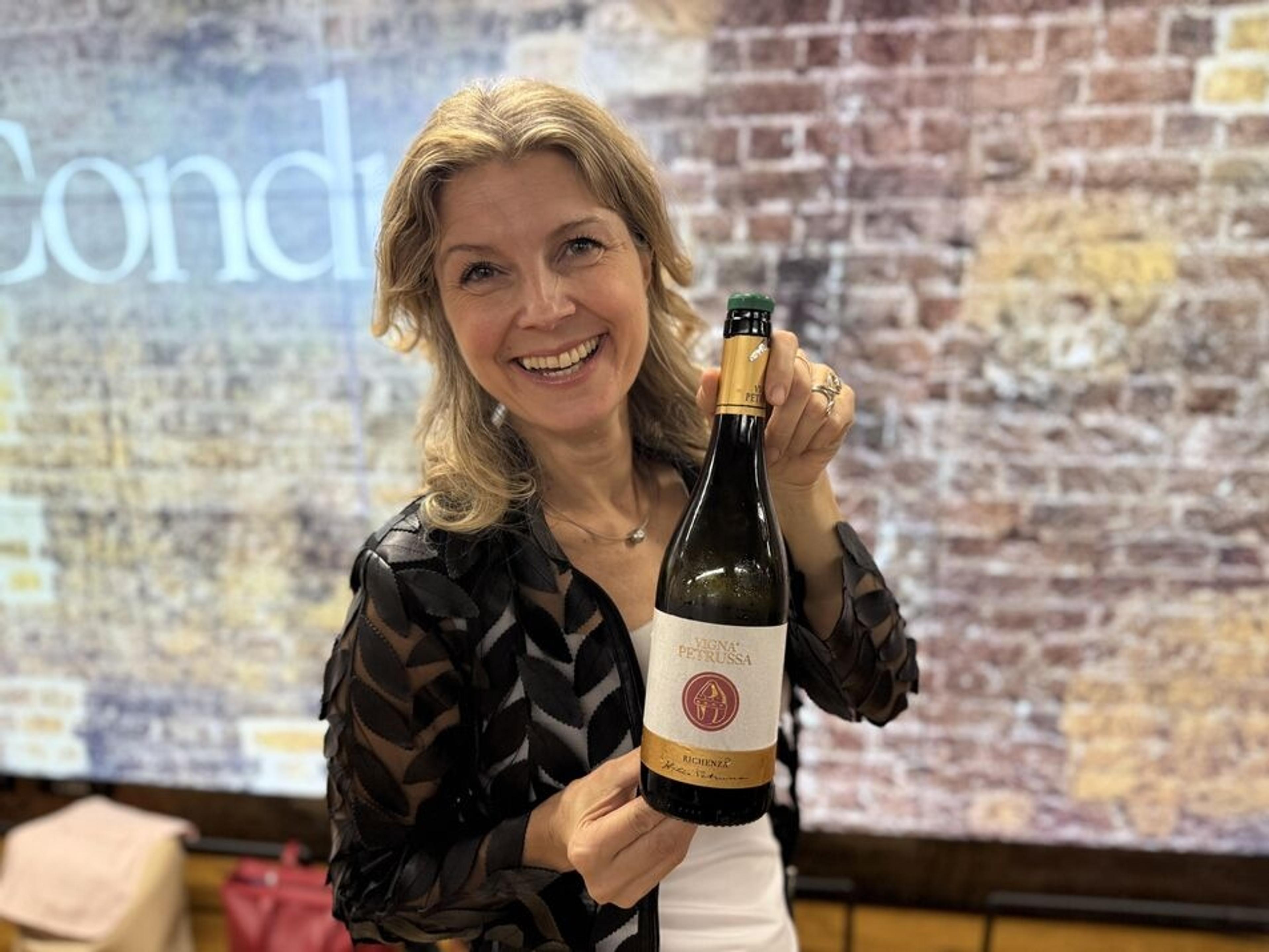
Vigna Petrussa, a boutique winery in Friuli’s Colli Orientali run by three generations of women, resonated with Alberti because of the passion they have for winemaking. Vigna Petrussa Schiopettino 2022 is fresh and juicy with crunchy red fruit.
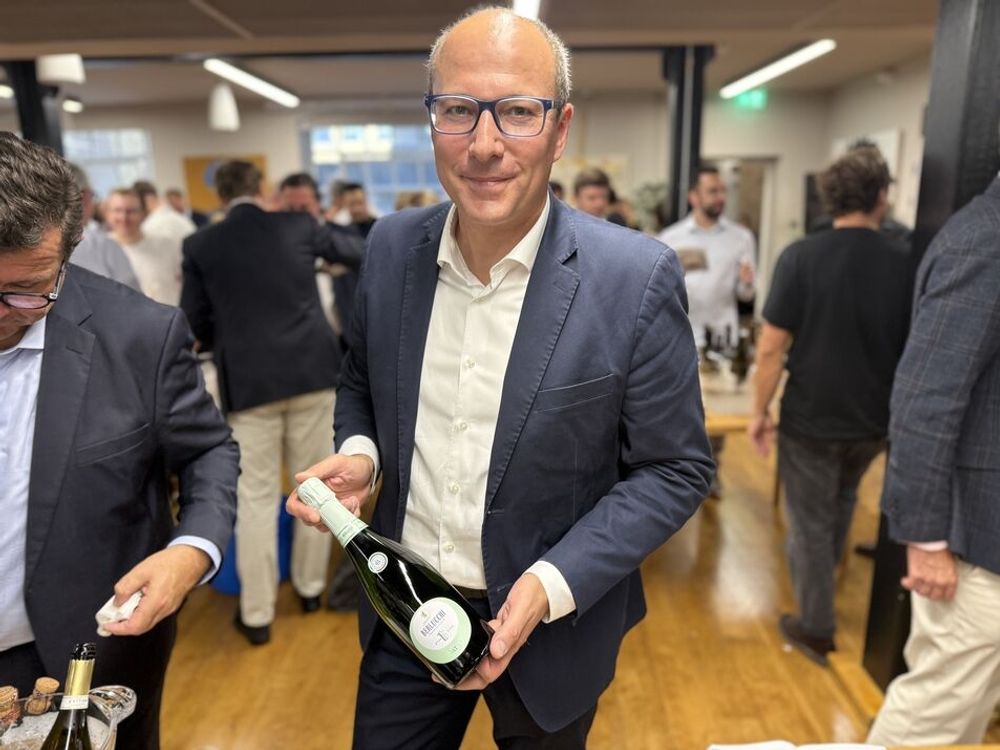
Looking for a Franciacorta producer, Alberti added Berlucchi earlier this year. Berlucchi Franciacorta Satén NV is an easy, crisp 100% Chardonnay with a soft mousse, while the Franciacorta Brut Nature 2019 has 30% Pinot Noir and a short time in barriques for a toastier style.
A short but busy and buzzy tasting, Clash of the Classics proved to be less about competition between Italy and France and more about what the two countries share when it comes to quality wine.
Enotria is a commercial partner of The Buyer. To discover more about them click here.