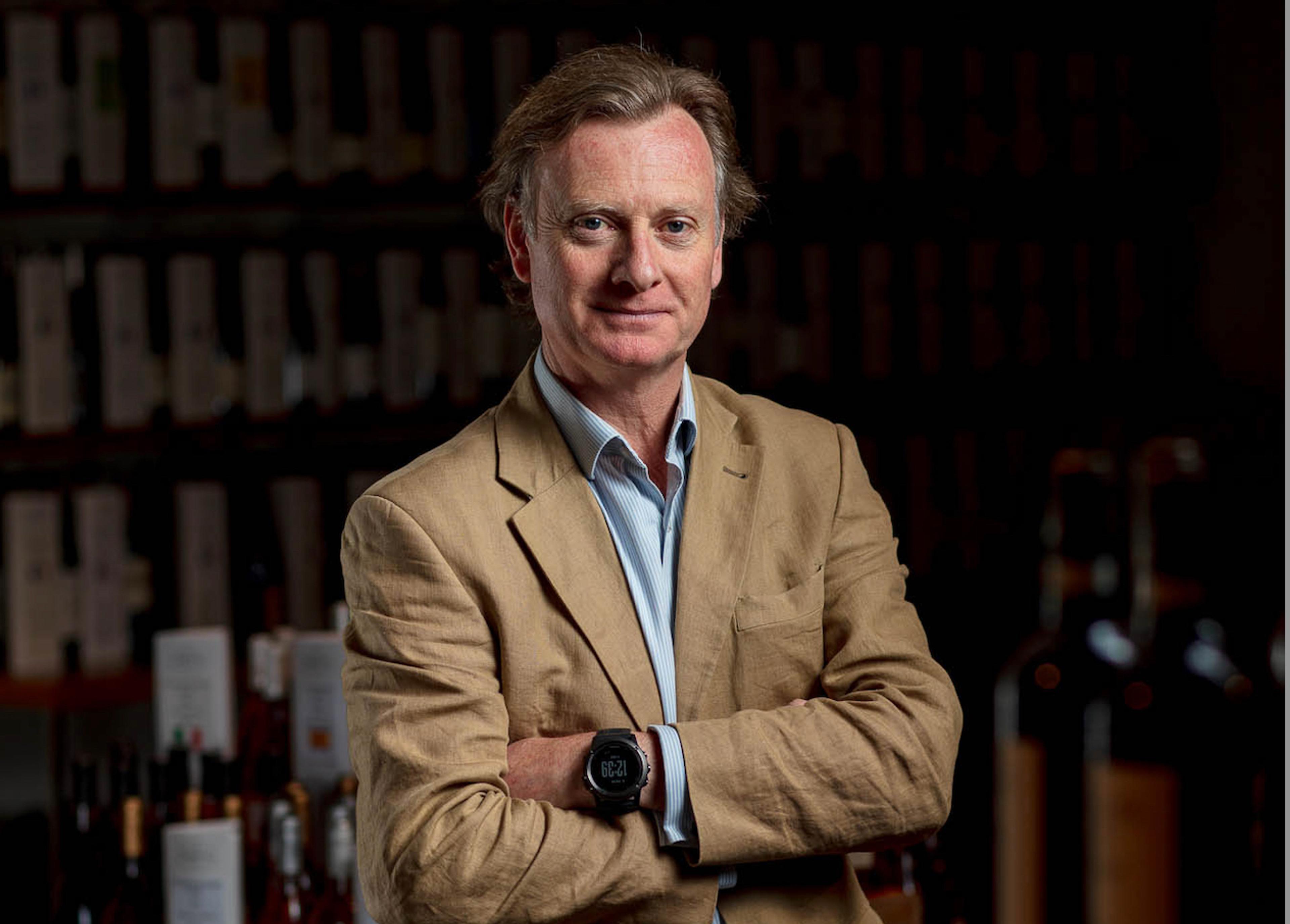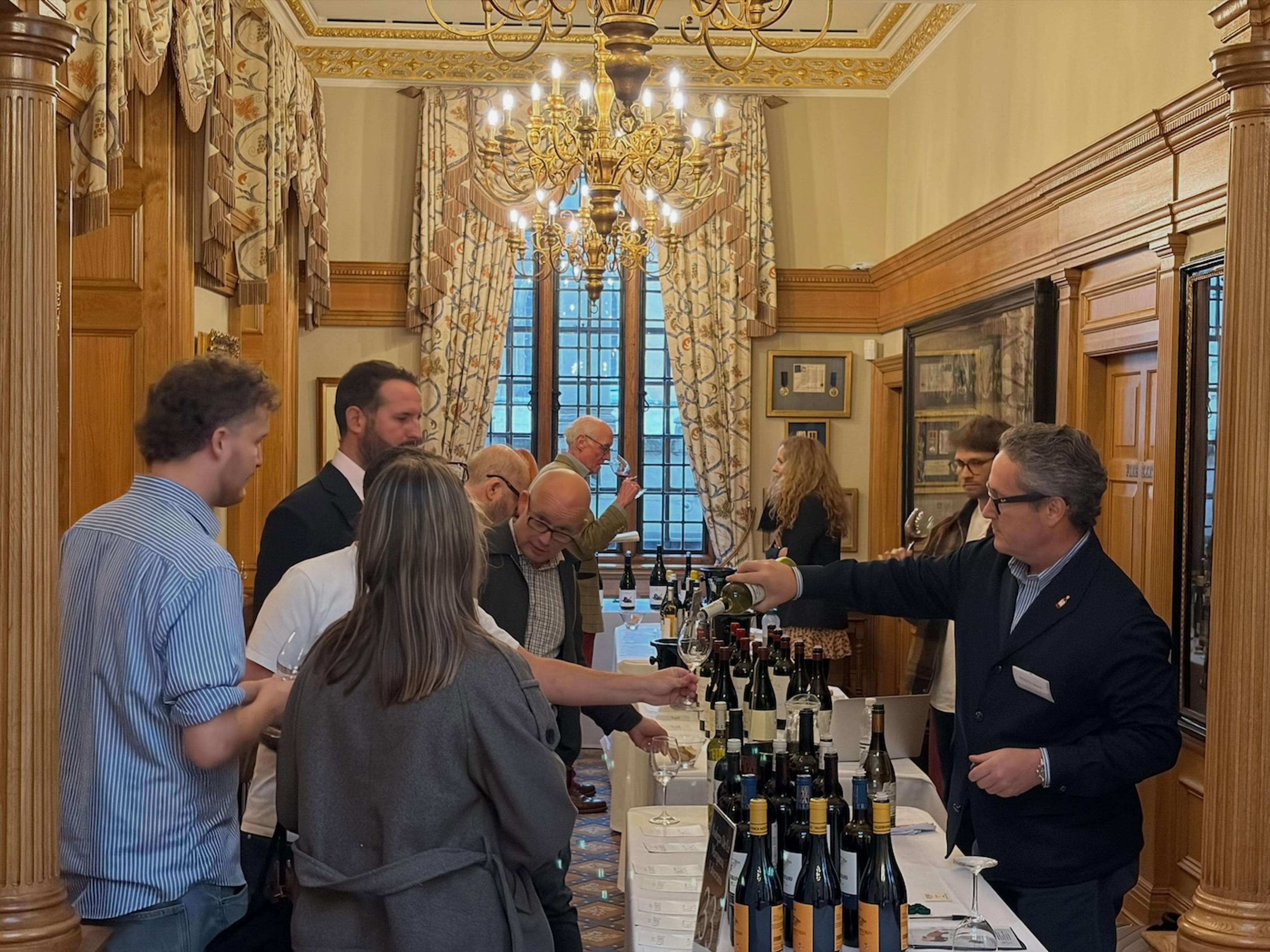

James Davy, chairman of Davy’s and a fifth generation family member whose ancestors founded the company in 1870, was typically candid about the current environment.
“I don’t think we’re unique in finding it very difficult to grow effectively,” he admitted. “But in this business it does take a couple of years sometimes to get people to join you that might be with other merchants. We’ve just had a number of those come through, so we’ve had a bit of a fillip recently.”
“If you take the calendar year, the first six months were tough, but since June we’ve had quite a lot of growth, and that bodes well because we’re coming into the busiest time anyway. But there’s a lot of battles, shall we say, going on out there, and we’re not in the buying business sort of territory…. we try and win it just on the wine.”
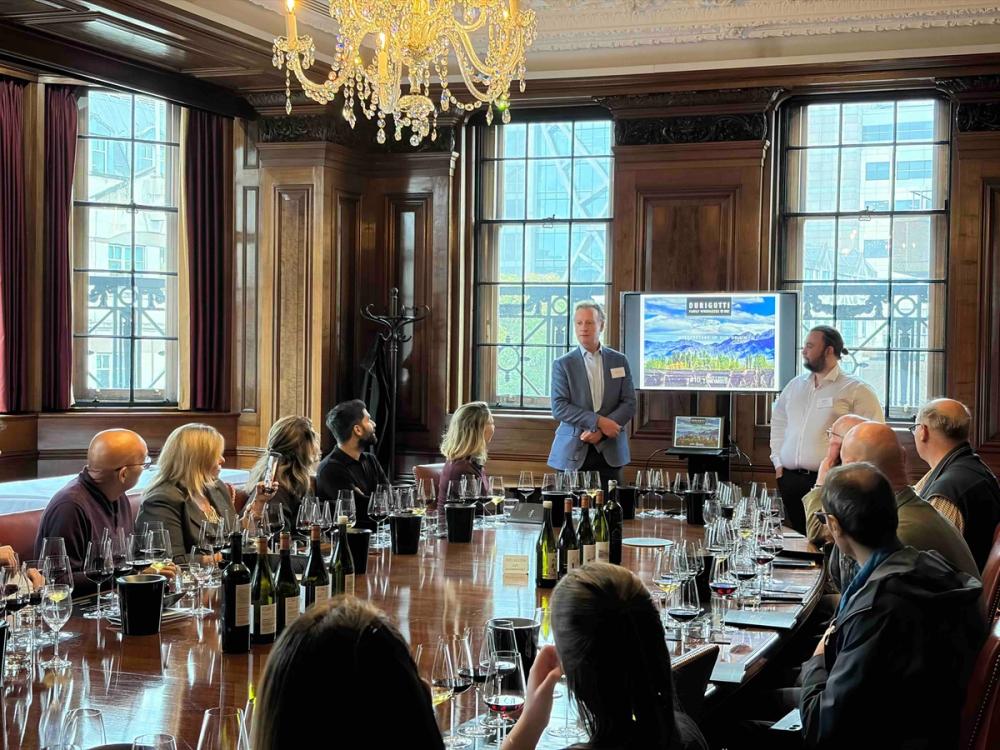
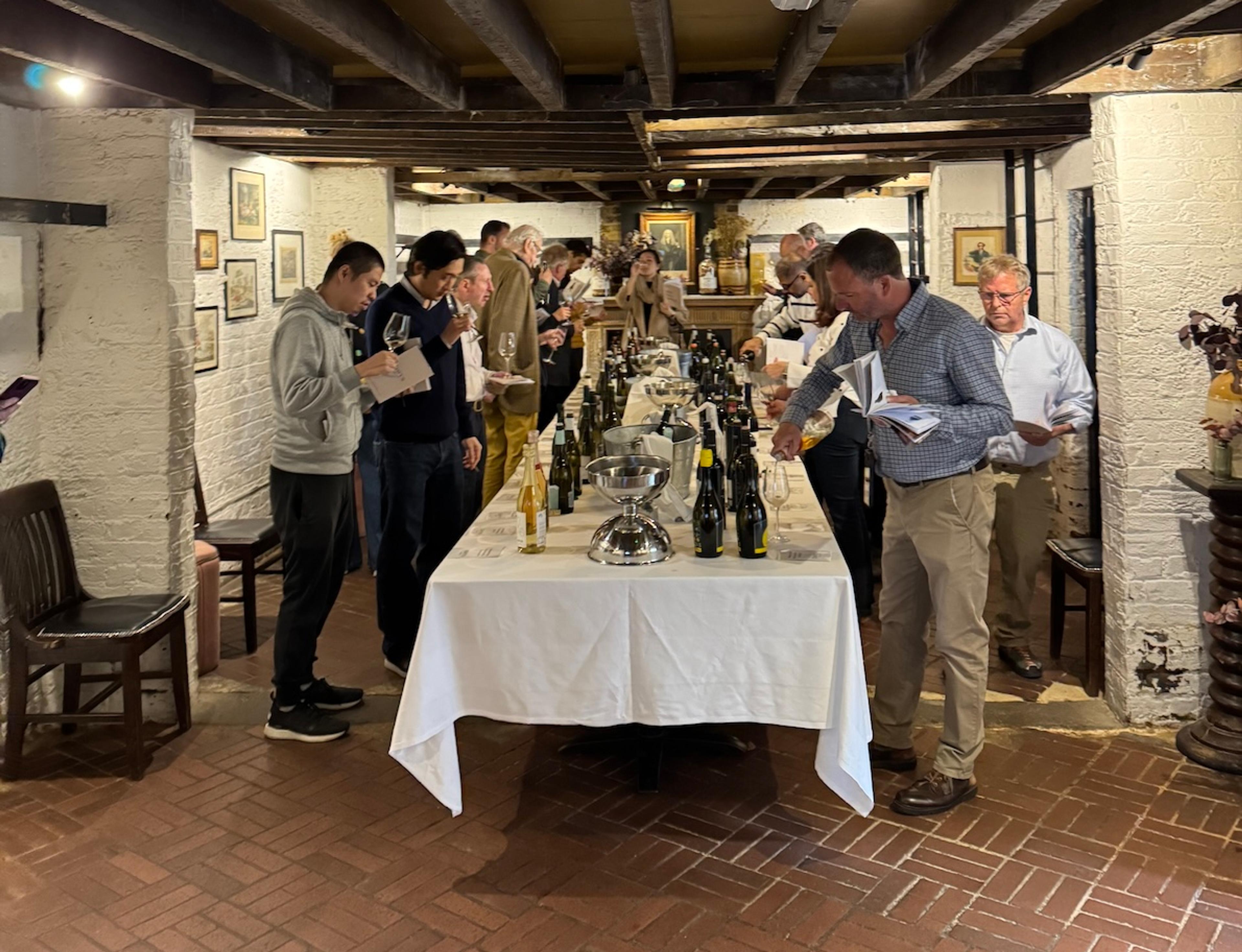
James Davy introduces the Durigutti masterclass, Davy's tasting, October 20, 2026
“I understand that some people we might supply are suffering, so some are quite attracted to being bought. But others say, ‘no actually we want exclusive products and the sort of quality you have.’ So what was looking really quite grim – and taking aside the fact it’s bloody difficult anyway with all the costs that we all know have gone up – we are winning a bit more business again, so we’re seeing a bit of growth. So that’s our hurrah for the year so far.”
Exclusive new wines and small producers
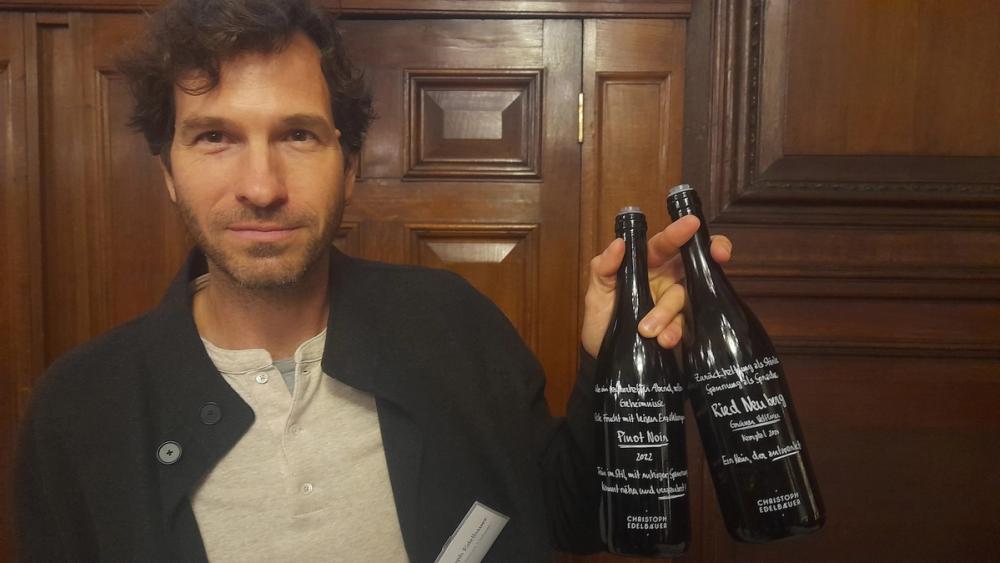
Christoph Edelbauer
Davy’s quest to unearth “really interesting wines and producers” led them to make an outstanding new Austrian signing in Weingut Christoph Edelbauer. Andrew Chudley, MD and head buyer for Davy’s ‘discovered' the Kamptal producer at Wine Paris. “I’m a particular fan of Christoph,” Davy admitted, and it was easy to see why.
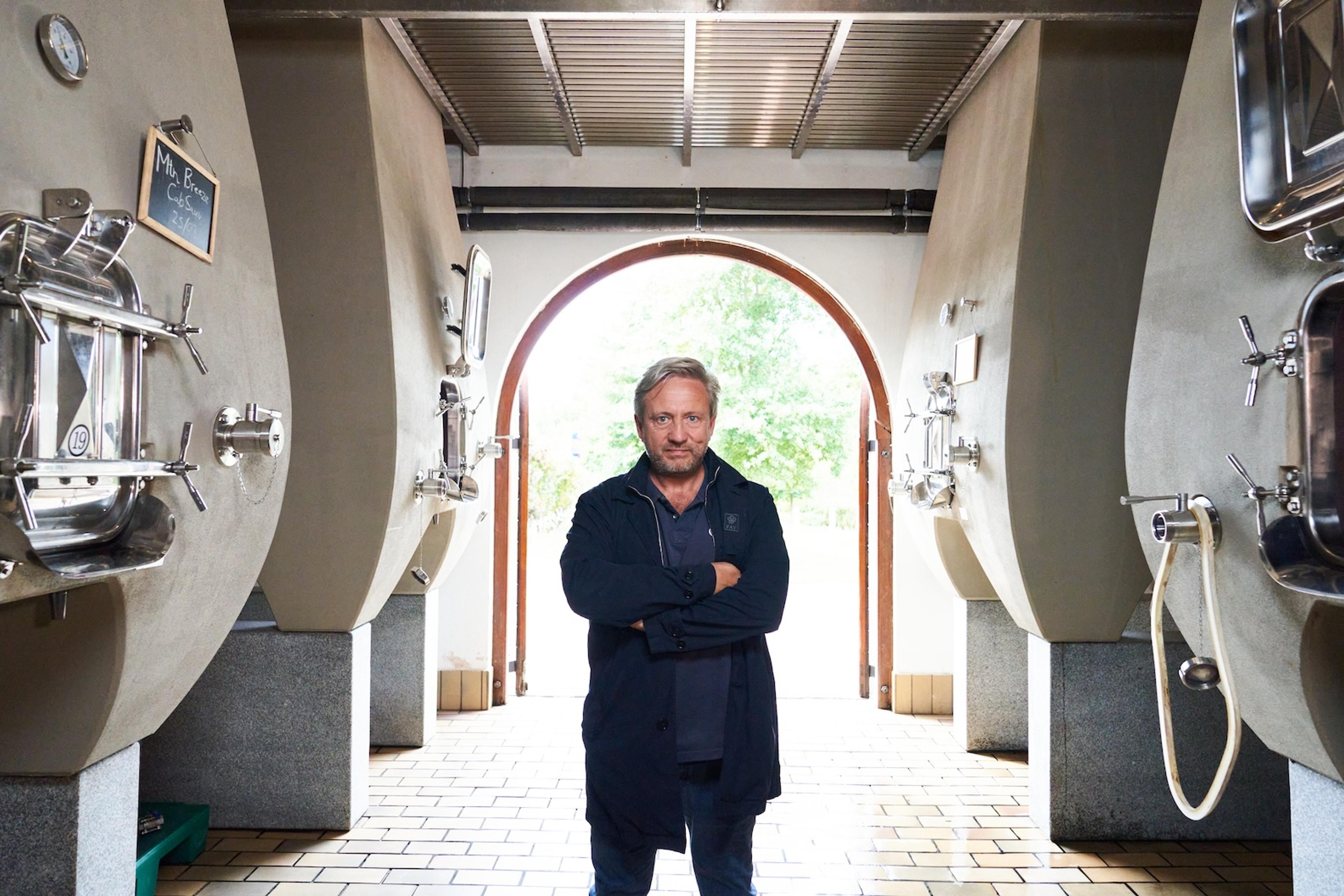
All four Edelbauer labels showed real mineral precision and notably elegant fruit. He farms 12 hectares of vines organically with elevation of between 260 and 300 metres on soils that shift between gneiss, loess, loam and schist.
“Let the land speak” is his self-professed approach to winemaking. “30% of my vines are planted to Pinot Noir on three single vineyard sites, although this one from 2022 is my ‘village’ label,” he revealed. Given its quality, I would have liked to taste his single vineyard labels. His Grüner Veltliner Ried Neuberg 2024 was a top example of the varietal, with pronounced white pepper notes, while his Riesling Langenlois 2025 exhibited flinty stoniness with floral notes and hints of grapefruit.

Josep Grau
“Because we’re small, people looking for representation who are also small, can work with us, whereas the big players need volume,” Davy continued. “We find that dull but that’s because the territory we live in is niche territory. So you can find great producers at these big wine shows with not a lot of volume that absolutely fit our portfolio. Christoph is a good example, as is Josep Grau [the Montsant producer]. Durigutti Family Winemakers [from Luján de Cuyo in Argentina] are growing and are hugely commended for what they’re achieving. So that’s very exciting for us, and it’s all about being exclusive.”
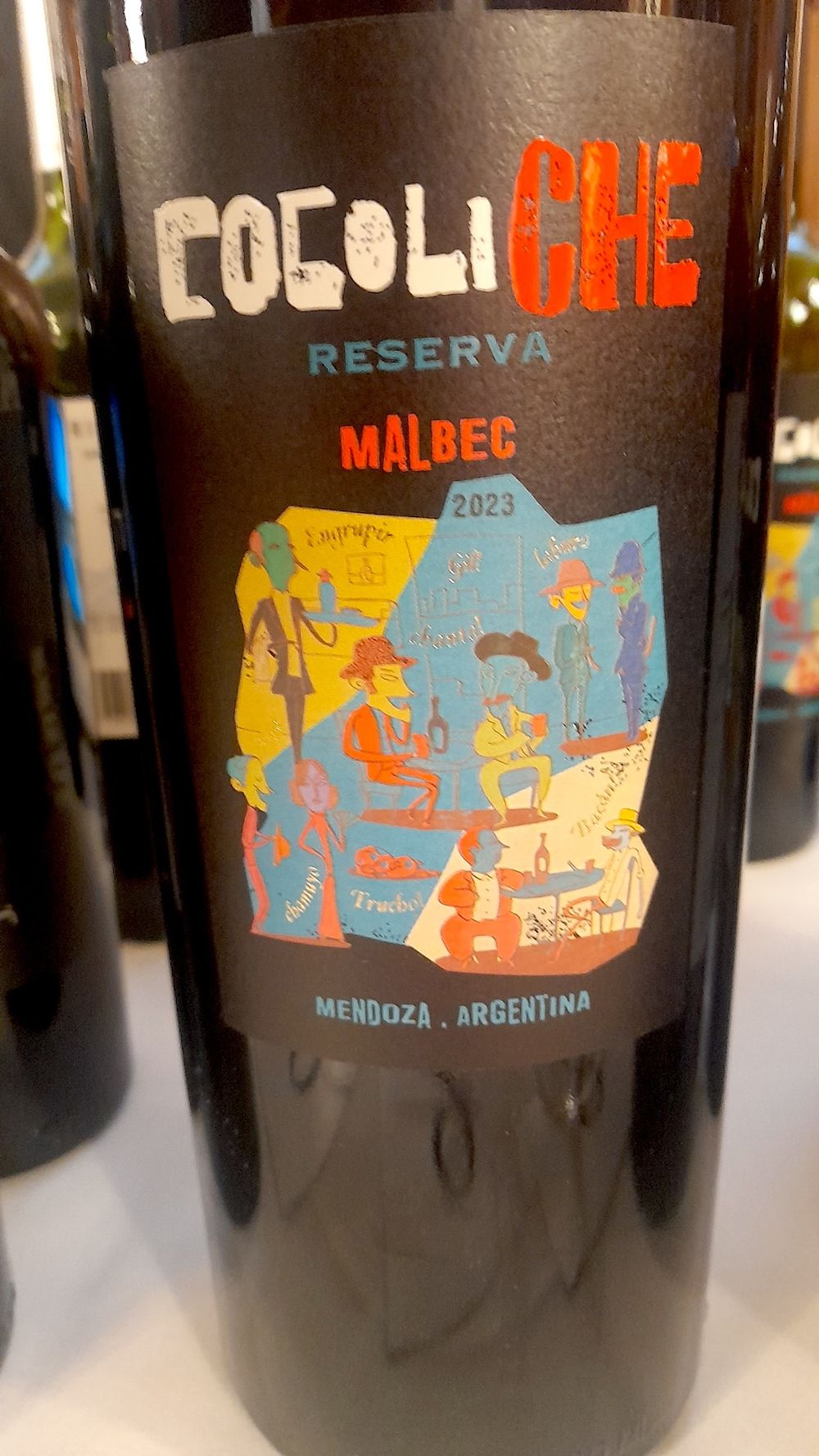
Valentino Durigutti, international trade manager for the winery, who hosted a masterclass of its wines, was at pains to highlight the winery’s prioritisation of terroir expression through organic, sustainable practices and minimal intervention. His father Héctor, and uncle Pablo, were named winemakers of the year in Tim Atkin MW’s 2023 Argentina special report. Their Cocoliche Reserve Malbec 2023, with fruit from four different sub-appellations and fermented and aged in old oak, was a superb representation of the varietal from Mendoza.
Josep Grau is another winemaker whose holy grail is to produce wines that truly reflect the unique terroir of his appellation. His excellent Granit 2025 is made from Garnacha Blanca vines whose roots go down 15 metres through decomposed granite. Minerality and salinity were its hallmarks. Meanwhile, his La Florens 2023 really wowed, being made from 80 to 100-year old Garnacha Tinta vines on limestone and clay soils in the village of Capçanes within the Montsant DO. Fermented with wild indigenous yeasts in concrete, it was aged in 2,500-litre Stockinger foudres. Grau’s magisterial Pedrabona Gratallops 2023 from Priorat came from Garnacha and Cariñena vines aged 75 to110-years old on slate soils.
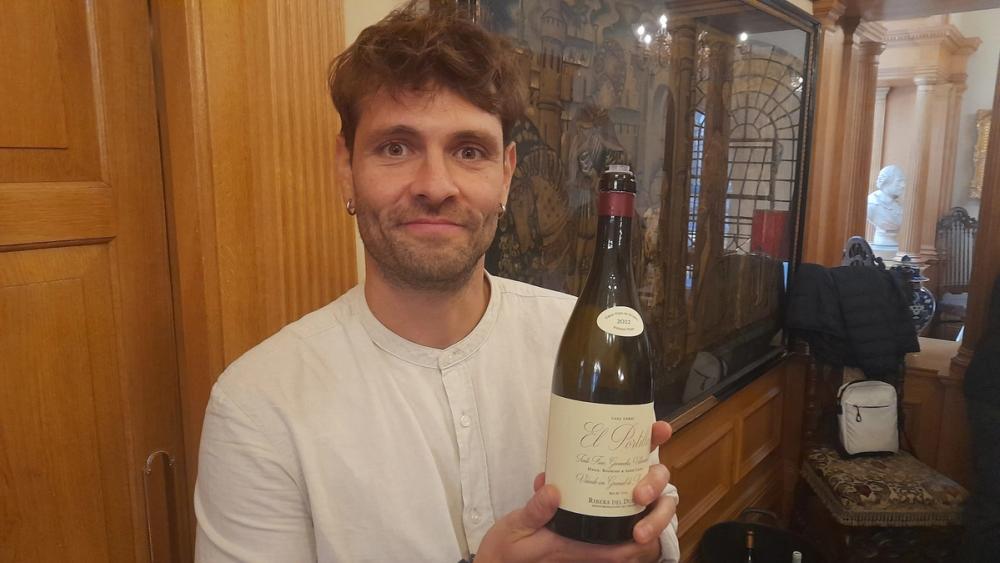
Asier Calvo
Two other Spanish estates that impressed were Bodegas Arrocal and Casa Lebai, both in Ribera del Duero. The former, established in 1999 by their father Moisés, is run by brothers Rodrigo and Asier Calvo and produces 150,000 bottles from 50 hectares of predominantly Tempranillo. In 2019, the brothers founded Casa Lebai, where they make 10,000 bottles from five hectares planted on red silt, sand and clay. The Casa Lebai El Portillo 2022 comes from a field blend of Garnacha, Tempranillo and Bobal vines that were planted in 1936 at 829 metres. “We employ foot-treading in ancient lagares in both wineries and age the wines in used barrels to keep the identity of the terroirs,” Asier said.

Rodrigo Martins
Also using foot-treading is Quinta da Silveira across the Portuguese border in the Douro Valley. Its Reserva Tinto 2017, a co-fermented blend of Touriga Franca, Touriga Nacional and Tinta Roriz from granitic soils, showed especially well, with seductive red fruit and beautifully integrated tannins. “In my opinion, the 2017 vintage is the best of the century in the Douro Valley,” winemaker Rodrigo Martins opined.
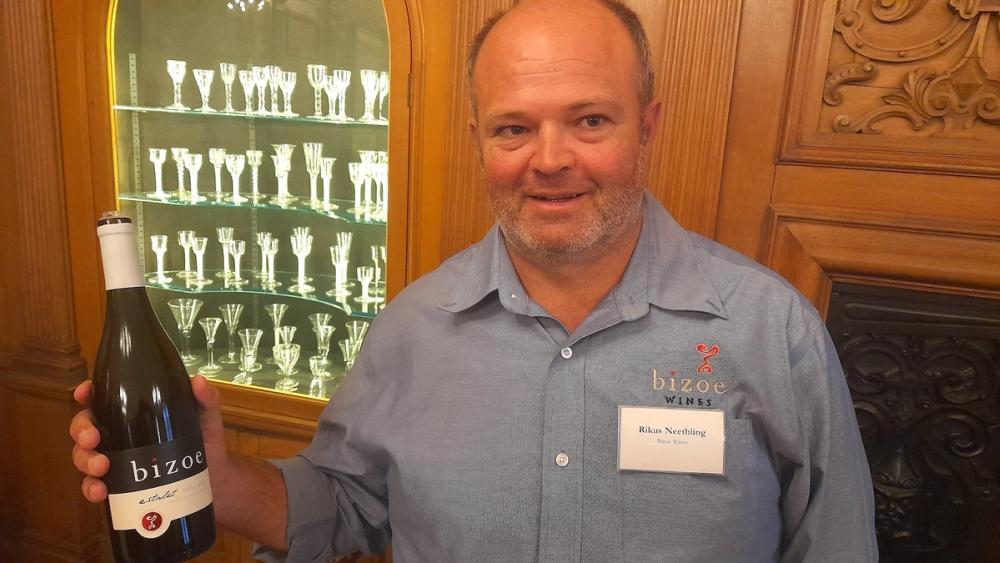
Rikus Neethling
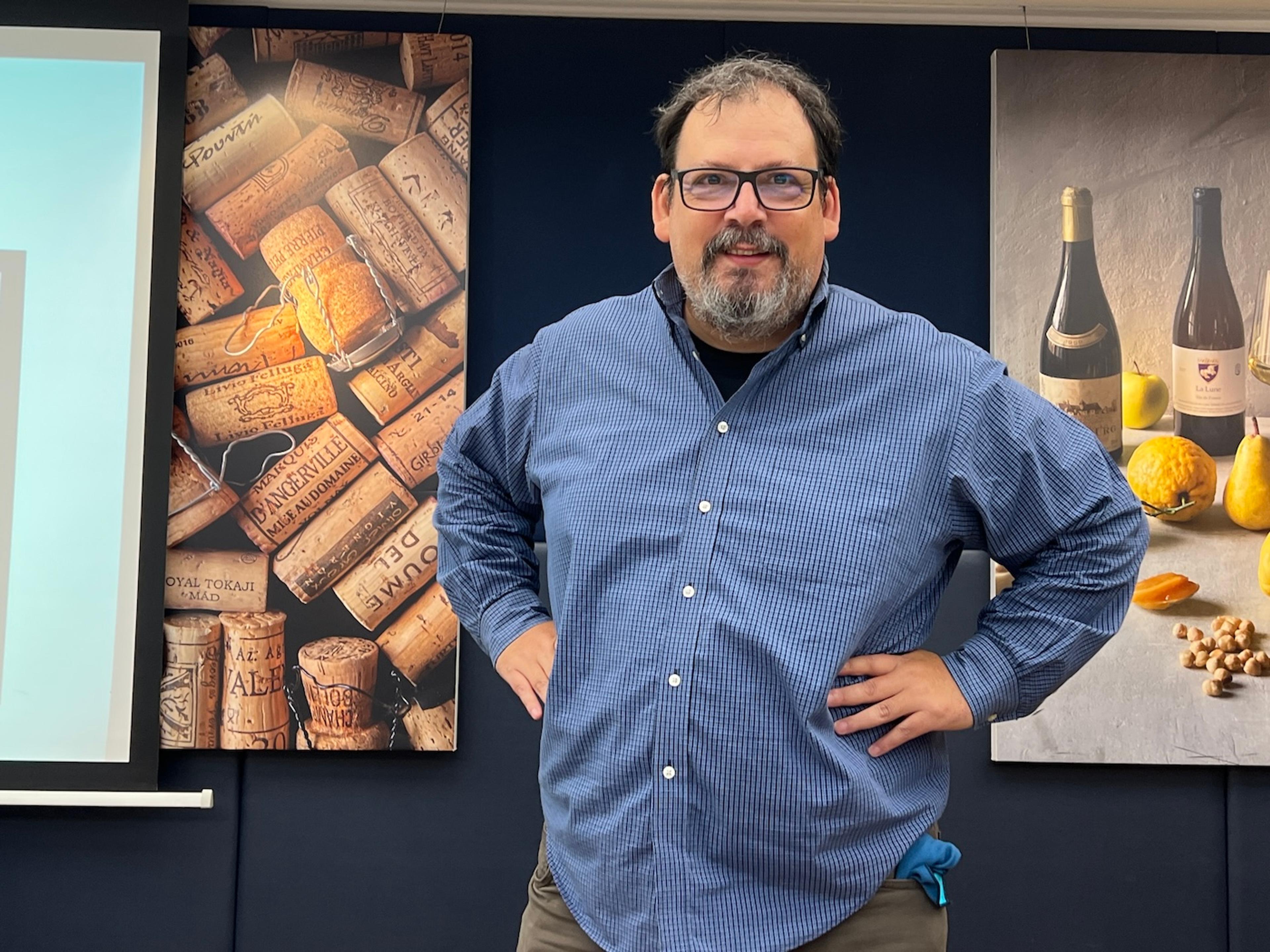
A South African Semillon from Bizoe Wines in Somerset West caught the eye. Boutique vintner Rikus Neethling, who sources fruit from various parts of the western Cape, acquired the grapes for his Robertsvlei Road Semillon 2019 from well-known Franschhoek estate, GlenWood, and made it in the style of a Hunter Valley version. “I visited the Hunter when I was in Australia in 2017, and while I wouldn’t say it’s a copy, it’s pretty much in that mould,” Neethling said. Picked early at 11% abv, as per the Hunter, this vibrantly fresh wine had a low pH of 2.95 and TA of 8g/l.
The Bizoe Estalét Syrah 2023, from Wolseley grapes and named after Neethling’s wife, showed very well with its generous dark fruit and silky tannins. He and she, along with their two sons, parents and brother, Genant, after whom the GSM bend is named, are renowned for communicating in their own private idioglossia.
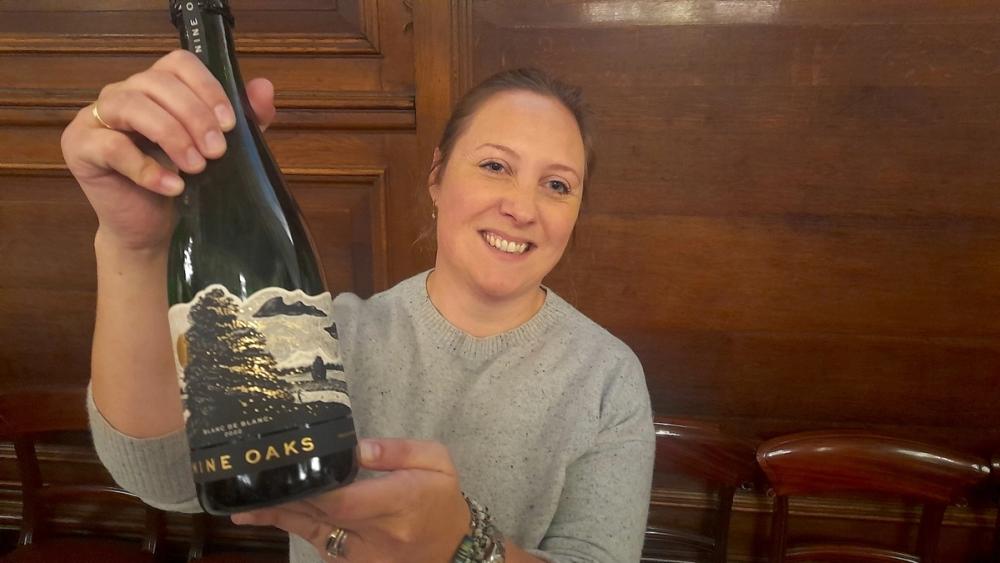
Helen Pollock
Racy acidity was evident in the wines of Nine Oaks Vineyard, the Kent winery just outside Ashford. Martyn and Helen Pollock planted 7.5 acres of vines in 2020 and 2021, producing Bacchus, Chardonnay, Pinot Noir (for a still rosé and an orange wine) and traditional method English sparkling wine. Interestingly, their soils lack the limestone found in south coast counties. “We are on greensand, and so far we are managing just fine without limestone,” Pollock said. “We have a small site but a high yield which gave us 4.6 tons per acre this year. We’re very proud that Davy’s have six of our seven wines.”

Lawrence and Constance Slaughter
Another married couple, Lawrence and Constance Slaughter (he being American and she French), were present to show their delightful range of white, red and rosé wines from Château de Mille, the oldest vineyard in the Luberon AOC (with historical documentation dating back to 1238). After acquiring it in 2018, they gained organic certification four years later for their 25 hectares of vines. The older ones (Grenache, Syrah and Carignan) date back 50 to 70 years, while Grenache Blanc, Marsanne, Bourboulenc and Cinsault have recently been planted. North-facing on limestone, clay and sand, the vines produce wines of exceptional freshness and character.
Big Australian producer, Sidewood Estate in the Adelaide Hills, has the capacity to harvest 2,000 tons per vintage from its 120 hectares of vineyards. Purporting to be the largest sustainably certified winery in the region, it has some refreshing Chardonnay 2024 and premium Shiraz 2017 from its flagship Mappinga vineyard on Davy’s list as well as some zero alcohol bubbly that is selling well here. Spinning cone takes out nearly all the alcohol from the wackily-named Sidewood Nearly Naked Sparkling Low Alcohol NV, which is listed officially as 0-0.5% abv.
The last word must go to James Davy. “There are glimmers of hope, but the whole trade – from supply to bars and restaurants – we’re really under pressure,” he said. “And other industries are also under pressure, and it’s a pretty grim time, but if we keep working at it, and the tables turn slightly and wars stop and the tax regime is slightly more friendly to business, we’re going to be in a great position to accelerate from there. That’s the key – not slowing down and getting too defensive.”