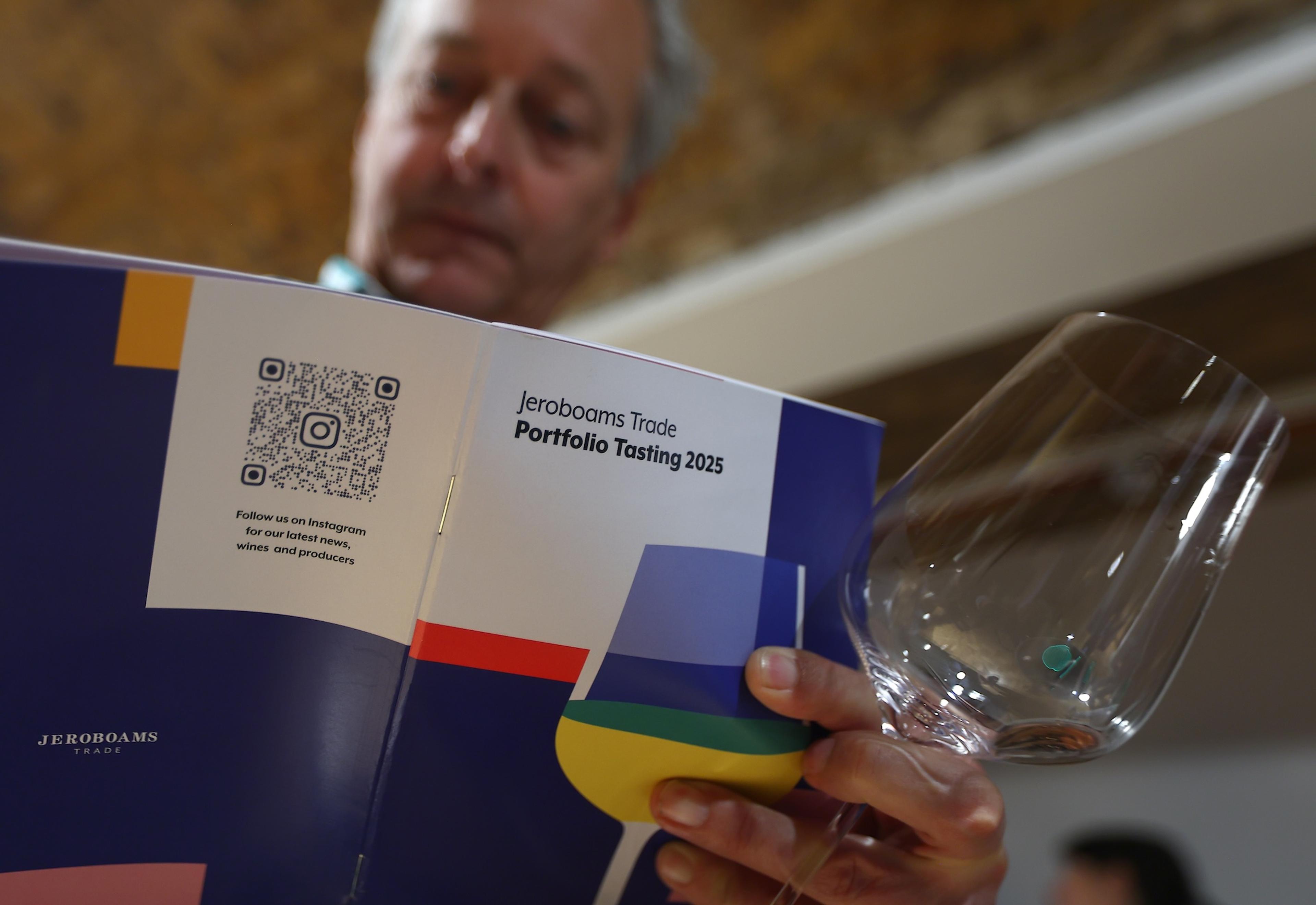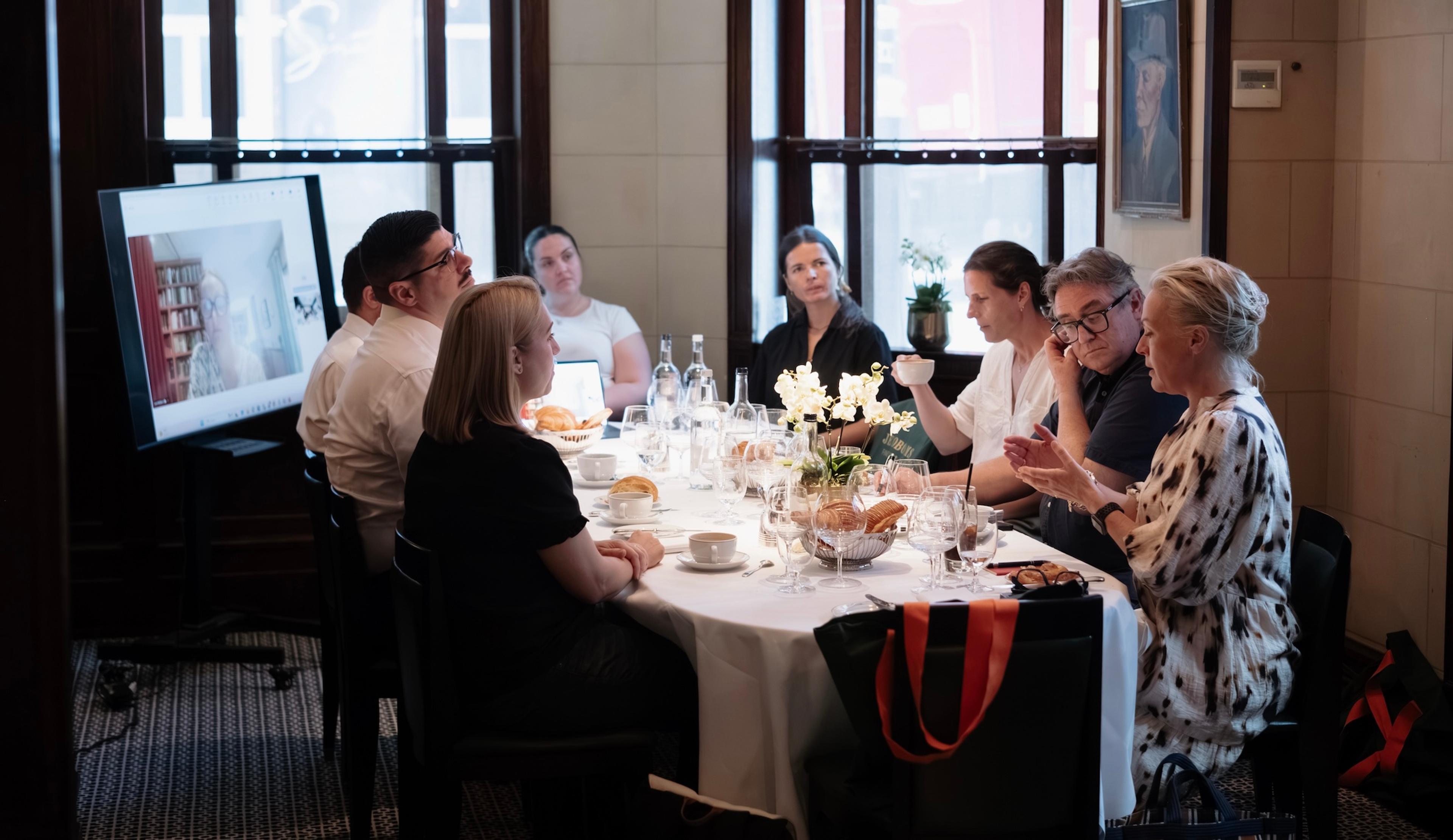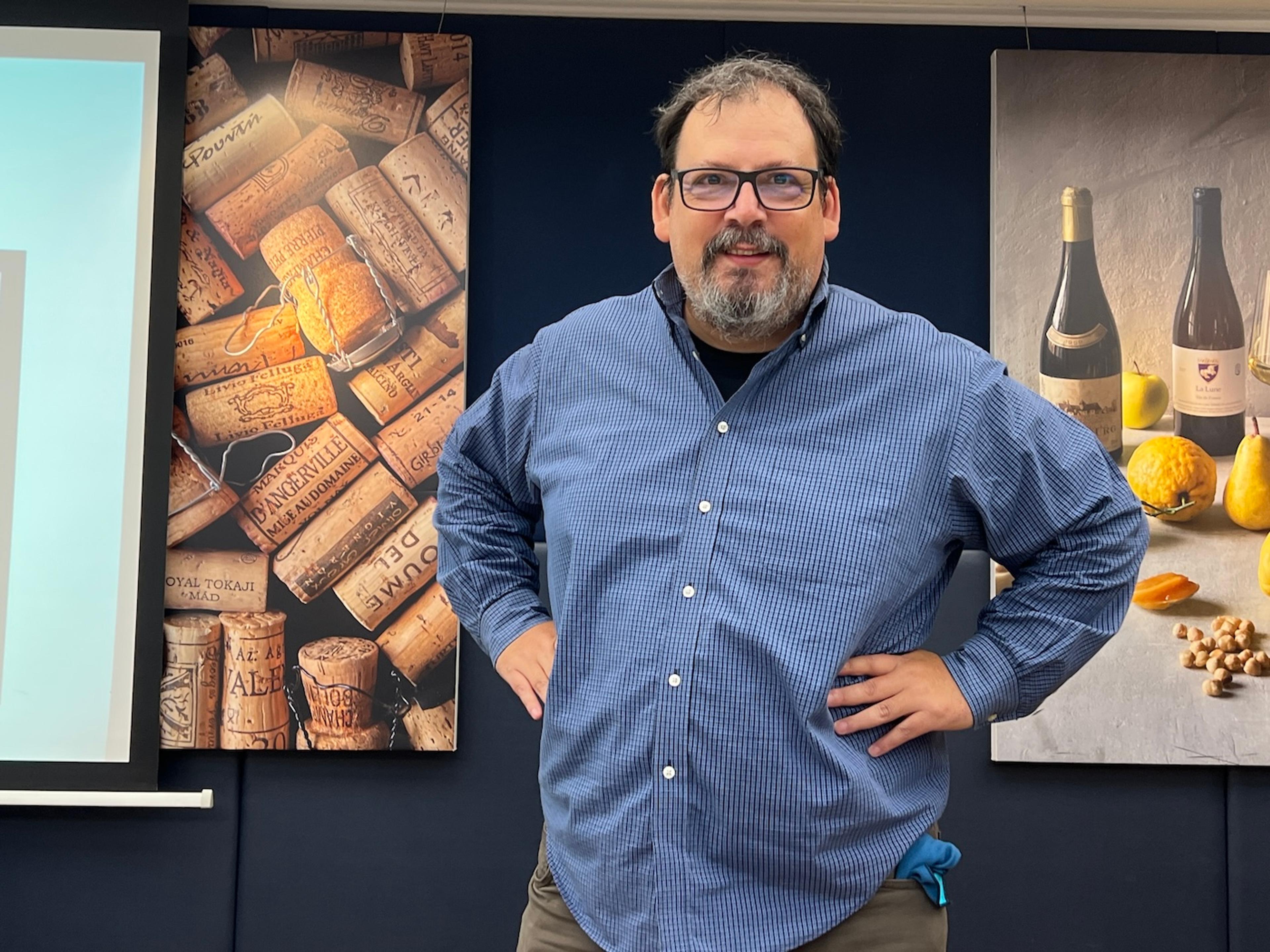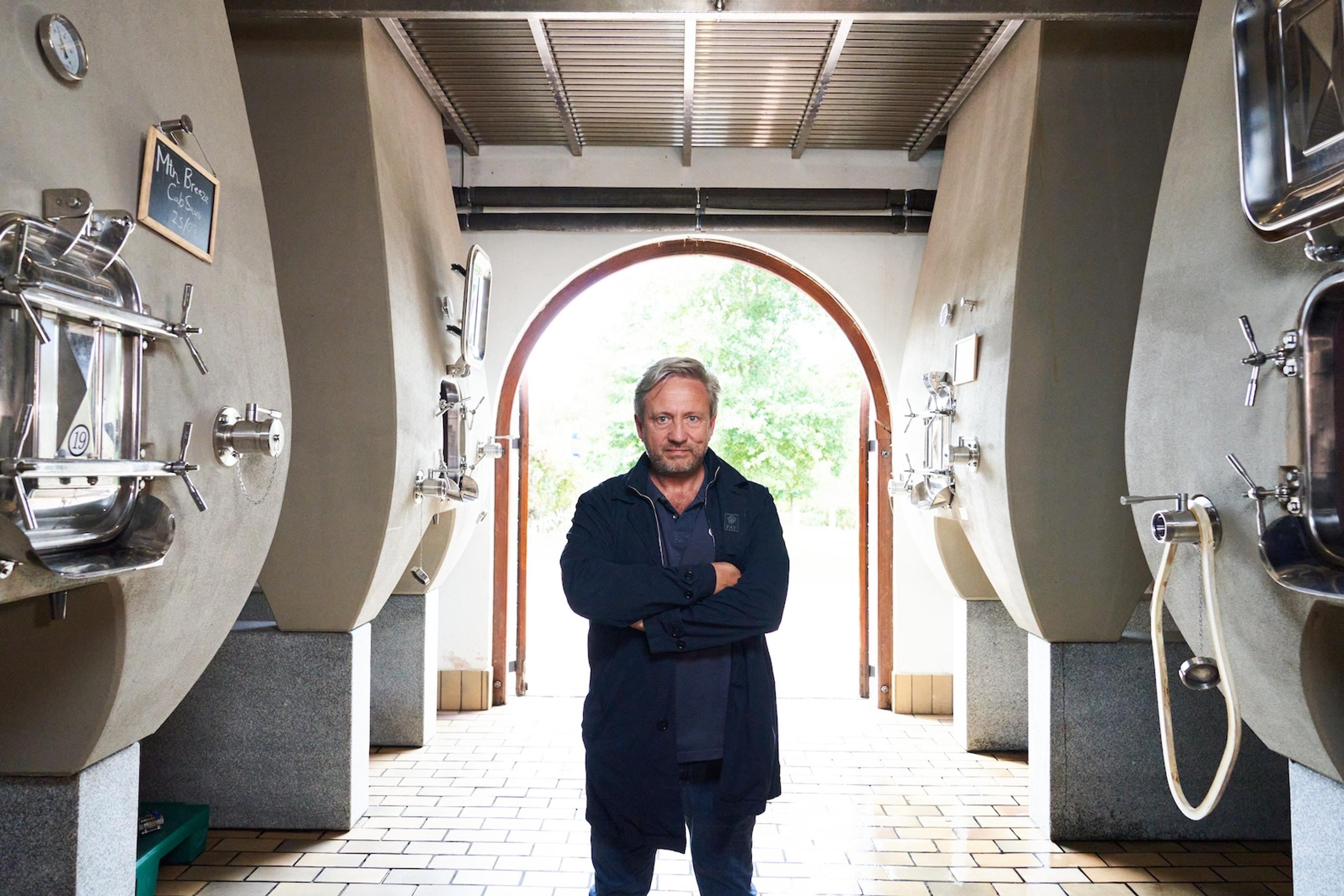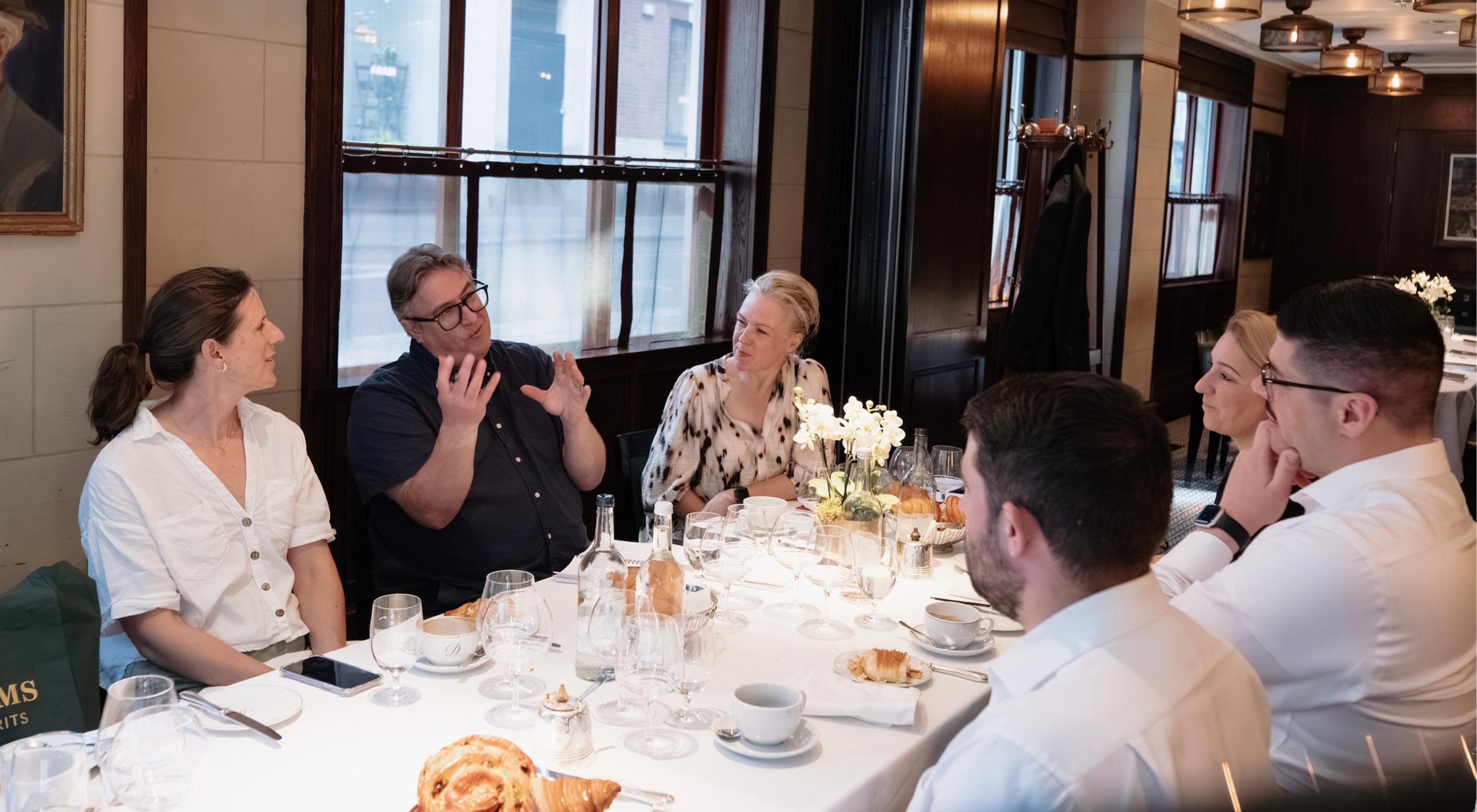

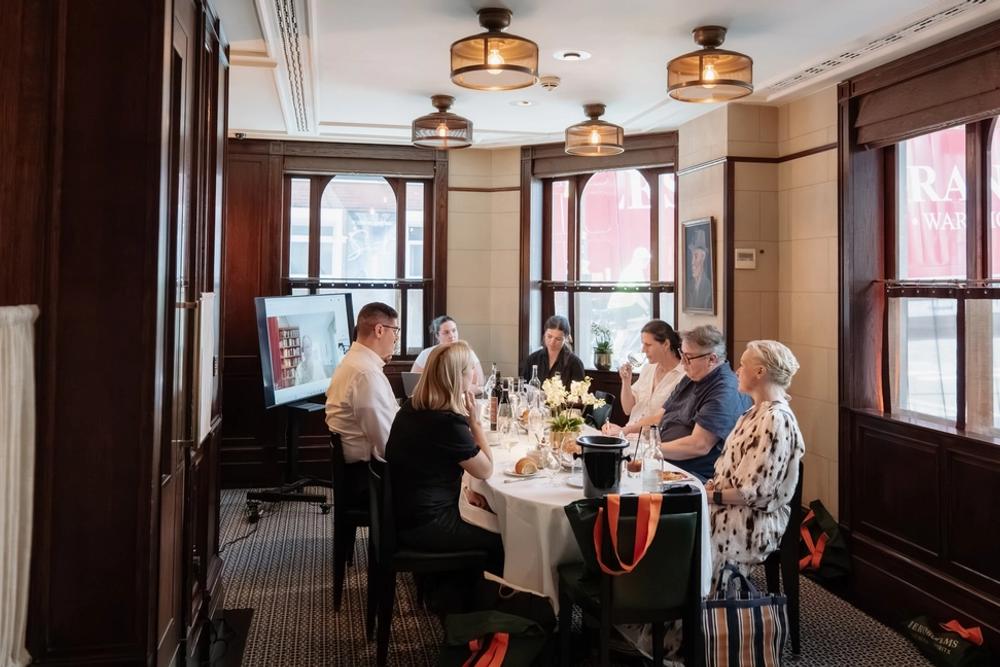
The Jeroboams on-trade debate was the opportunity to bring together a group of leading hospitality figures, including award-winning sommeliers and major on-trade buyers to take the time to really examine what it is like on the front line of the on-trade when it comes to listing, promoting and selling premium wine. Our thanks go to the panel that included:
The panel
Lucie Parker, sales director Jeroboams Trade.
Lisa McBain, head of wine, Fuller, Smith & Turner.
Victoria Sharples, restaurant wine buyer, Victoria’s Wine Secrets.
Anne Roque, commercial manager, Coravin.
Luigi Conca, head of wine Corrigan Collection.
Fabio Monteiro, head sommelier Restaurant 1890 Gordon Ramsay.
The panel was united in the huge opportunity there now is to really push and build up premium by-the-glass ranges and the potential sales they can generate.
Coravin’s Anne Roque is ideally placed to see how fast the whole by-the-glass category has grown. Interestingly she believes the whole by-the-glass area is moving so quickly it’s hard to really pin point what the main trends are other to say it has undoubtedly become an on-trade wines sales category in its own right.
Whilst sales of its Coravin Sparkling®are growing, the category is still very much being driven by still wines by-the-glass, she adds.
Roque pointed to a consumer survey Coravin ran last year which showed 50% of consumers are drinking more wines by-the-glass as they are keen to discover more styles of quality wine and have a wider selection to choose from. It also helps them control and cut down on how much they are drinking.
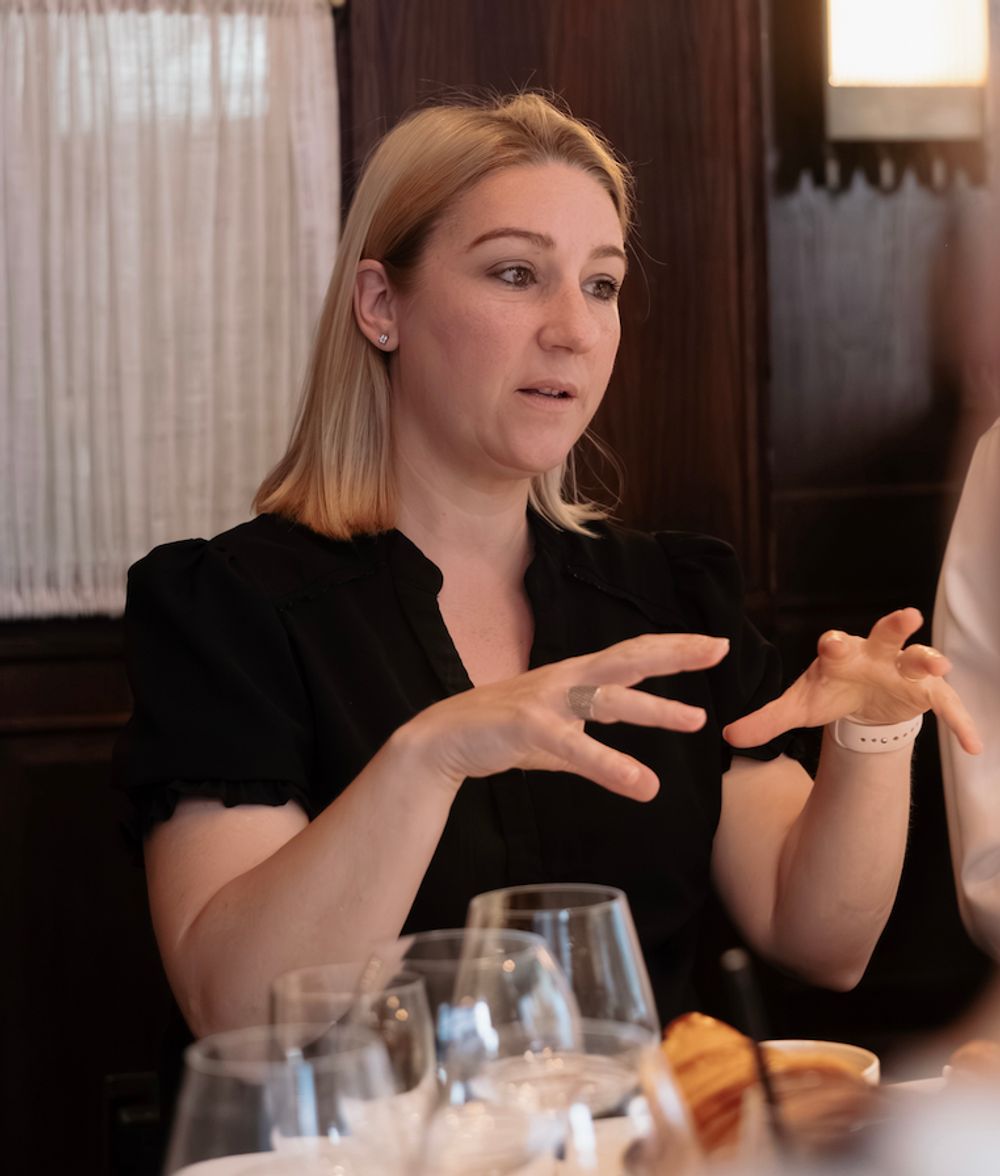
Coravin's Anne Roque says by-the-glass sales are growing across all areaas of the on-trade
Roque says she has been particularly impressed by what Lisa McBain and Fuller’s have been doing with its varied and ambitious premium by-the-glass list - with up to 75% of the wines on its list available by-the-glass.
It also shows how Coravin and by-the-glass is now being driven by all on-trade channels and it is no longer just the preserve of fine dining and white table cloth restaurants.
“It is allowing any business to increase profitability and delight their guests with other choices by-the-glass and cut their waste - so in terms of a business decision it is a no-brainer,” she claims.
Roque hopes Coravin can play a part to in helping restaurants, pubs and bars to “trial and test wines” and see what works in their particular venue.
“We tell our customers to start with a couple of whites and reds that you think are really interesting and you want your customer to discover that have been sitting by the bottle on your list and then see how they react to them,” she says.
“It’s trial and error without risk,” adds Jeroboams’ Lucie Parker.
Fabio Monteiro agrees and says Restaurant 1890 has had “massive success” by offering even classic wines by-the-glass - like a 2007 Pomerol last Christmas. It also now seeks out super large format bottles of six, nine or 12 litres to offer by-the-glass as it brings so much theatre to the restaurant to carry out a huge bottle to pour by-the-glass.
That is the sort of experience that everyone in the restaurant remembers, agreed the panel.
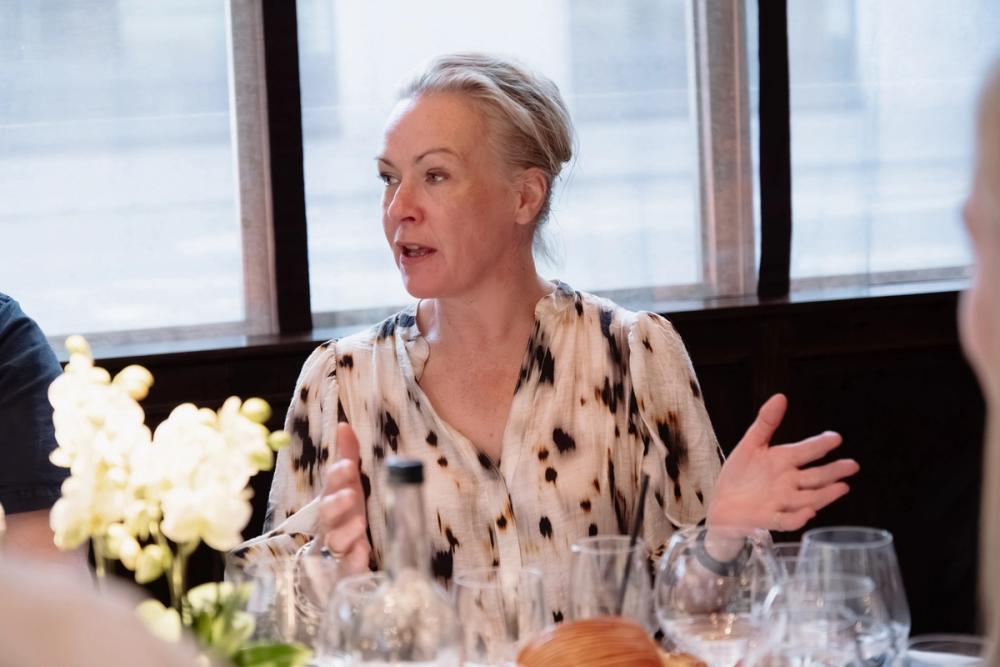
Victoria Sharples says the trick with by-the-glass is to be able to make guests feel comfortable about the choices they are making
Victoria Sharples believes the trick when pulling together a by-the-glass wine list is to have a few safe options to make guests feel comfortable and then have a wider selection that allows them to push their boundaries.
That’s when you are giving your customers “opportunities to participate and engage,” she stresses. “That’s when you get that buy in from them.”
In order to encourage guests to try different wines she uses a four word descriptor that is all about expressing the wine’s flavour and introducing them to wines that way rather than using a classic wine region, like Bordeaux.
“People will have no idea what they taste like and most people will not have tried those sort of wines,” she says.
She also always includes the grape variety as she believes “varieties are easier to understand than a region”.
Bigger - or smaller - the better
Conversely the panel was also able to share their experiences of selling both magnums and bigger formats by the bottle and the increase in demand for half bottles of wine.
Whilst bigger formats are clearly a favourite amongst big groups and for parties, Sharples says she now has guests - particularly regulars - who will order a magnum between two.
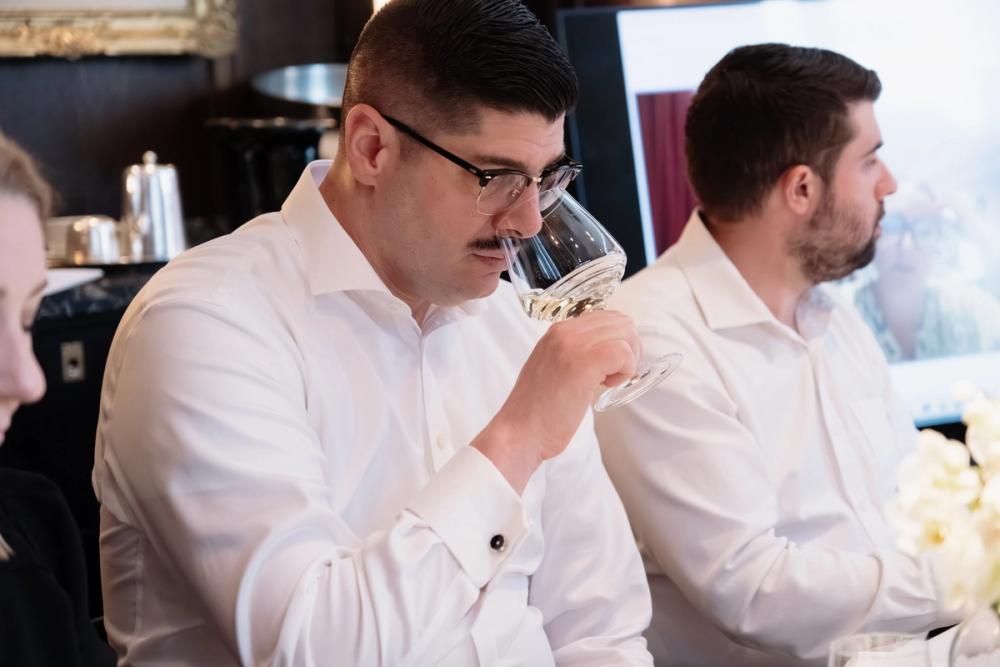
Corrigan's Luigi Conca
Luigi Conca says there is even a bit of theatre taking a magnum to someone’s table. But equally you need to be careful how much you charge for it. People like to enjoy the premium experience without having to pay too much for it, so he will only price his magnums a couple of pounds more than buying two regular bottles.
Parker says she would like to see more of Jeroboams producer partners offer more bigger formats to the market.
It’s a similar issue for half bottles. The demand from the trade is there, but there are not the half bottle sizes available. Conca says only 10 wines on its list have half bottle alternatives.
Format variety offers more choice to the customer, says Sharples, but agrees “there are so few available”.
McBain says that whilst she “would be interested in seeing more half bottles” they also go against the sustainability agenda.
Roque says it is very different in other areas of the world - Coravin, for example, works with some restaurants in Australia where the full list is available in half bottles.
“They use Coravin to extract half the bottle and then when a half bottle is sold they have the other half bottle to sell. They are using the system in this way and it works very well with customers,” she explains.
“It’s a different way of thinking about by-the-glass,” say Parker.
Brave choices
Fuller's Lisa McBain says you have to know your customers to know how far you can stretch them with their wine choices
By making some brave choices McBain has been able to take the Fuller’s customer with her. For example, it recently switched its Albariño from a previous supplier in the US to a slightly more premium version from Rias Baixas at £3 to £4 more a bottle and “it is flying,” she says.
“We have been able to test where our customers are at - it’s relatively low risk,” she adds
Conca says he was able to do a similar thing at Corrigan’s Daffodil Mulligan restaurant in Old Street, which has a number of natural wines on its list. He introduced wines made from grape varieties typically associated with a particular country, such as Albariño, but sourced them from unexpected regions, including Uruguay. He also replaced the traditional Italian expression of Fiana with an Australian example.
“I wanted to make it interesting for our guests, and encourage them to try these grape varieties from other counties,” he says.
Parker says innovation has to be balanced with a willingness to test new ideas and learn from the results. Following the duty changes a couple of years ago, for example, Jeroboams Trade introduced a number of wines at around 10-11% ABV in anticipation of growing consumer interest in lower-alcohol options, but found there was limited demand.
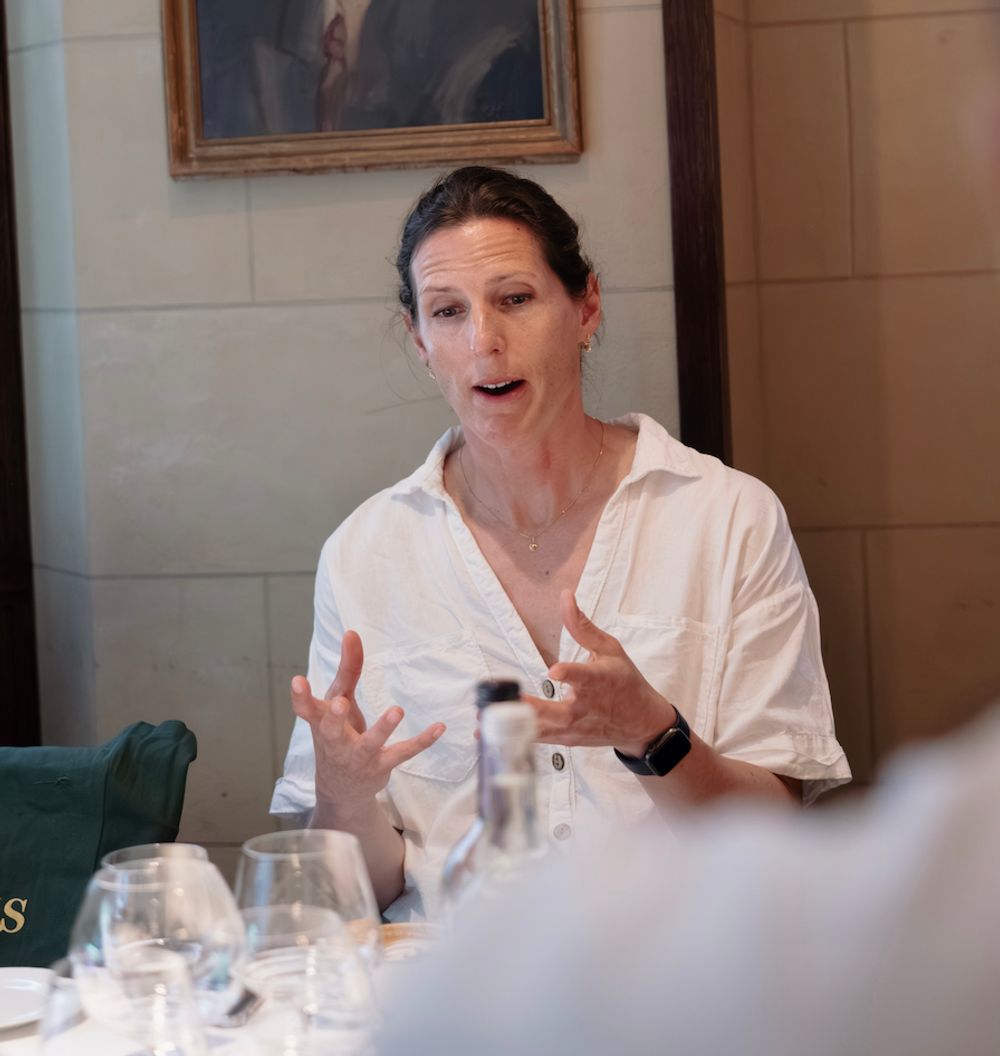
Jeroboams' Lucie Parker: "You have to be prepared to try new things, but equally you need to listen to the results and adapt accordingly.”
As she explains: “People didn't really go for them, which was actually quite reassuring as it showed customers were still prioritising quality, flavour and overall drinking experience over alcohol content alone. It gave us a valuable insight into where consumer priorities lie and helped inform our future buying decisions. You have to be prepared to try new things, but equally you need to listen to the results and adapt accordingly.”
Which is also important for a supplier to recognise and respond to.
“No-one can really predict the future. No-one has the answers to that.”
Conca also says that sommeliers are often the most trusted person on the restaurant floor as customers believe them to be neutral about the choices they suggest - it’s why they often get asked as much about the food as they do the wine.
Climate and buyers
McBain says the market conditions and trends coming from the on-trade are in contrast to what is happening in vineyards and wine regions around the world where climate change and hotter growing conditions means wines are, in the main, now being made with higher alcohol levels. All of which is putting greater demands on on-trade buyers about where they go to source their wines.
“There is a bit of a disconnect. Wines are naturally being made higher in alcohol because of climate change and yet the consumer wants something lighter. That’s the challenge we have in sourcing more smartly and thinking about the grapes and the regions that can over deliver at certain price points in terms of lighter styles that are naturally produced.”
Ironically the major supermarket’s wine ranges are still full of “big arsed reds”, claims McBain.
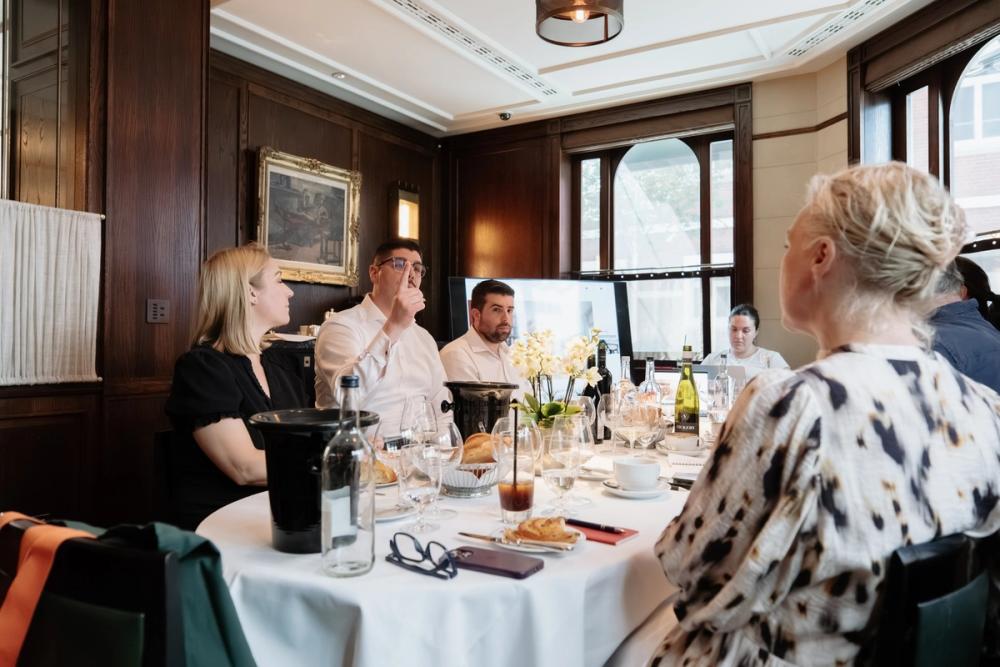
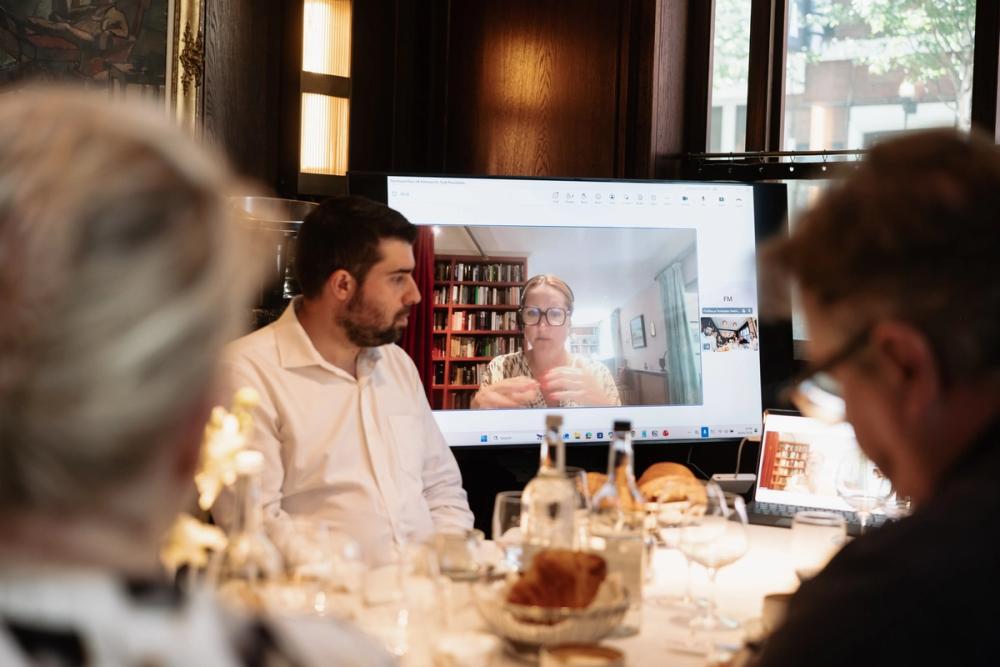
The panel were able to discuss a wide range of issues to help promote wines across the premium on-trade
It means it is even more important that on-trade operators really “tune in to who their customers are and ensure we have the right offer for them”.
It’s also a great opportunity for buyers to be going out to find wines that are “quite rare and unique and interesting”.
Parker believes part of that reason white wines sales are up is because people want to control the amount of alcohol they are drinking and the perception that white wines are lower in alcohol than red.
It’s not just the alcohol levels that guests are concerned about, says Monteiro, but the amount they are drinking full stop.
“People now don’t want to drink that much. A lot more people come now looking for non-alcoholic options like sparkling teas,” he adds.
On tap opportunity
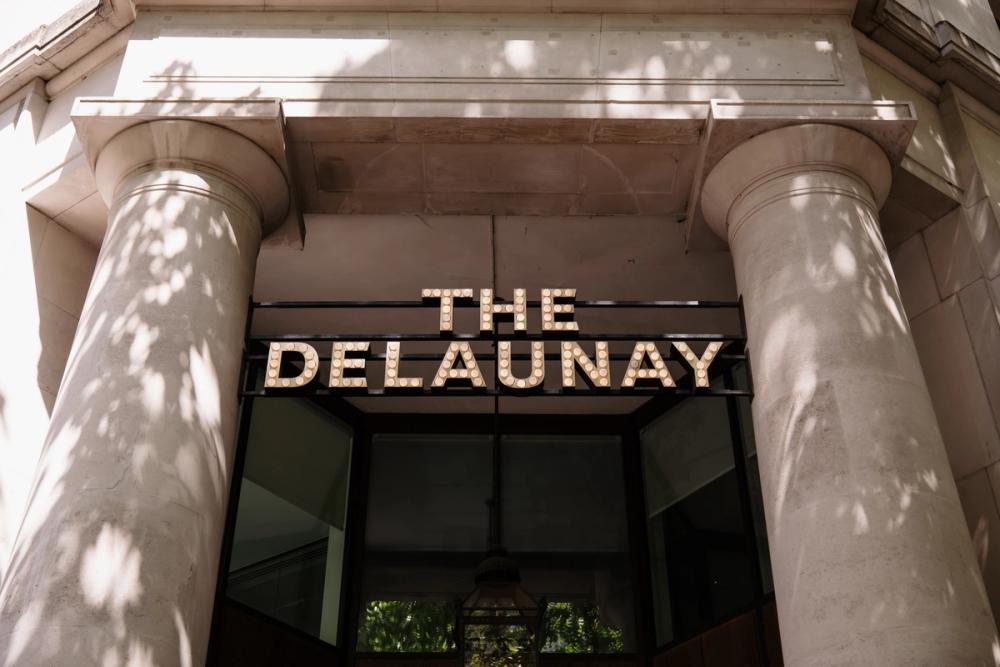
The Delaunay was the host for the debate
The panel was also keen to discuss the un-tapped opportunities there are for wine on tap.
McBain, in particular, is a big fan and has been trying to find the right solution for the last year.
She says: “I am massively passionate about wine on tap because it is delicious. The key for on tap is to have a supplier who can do the full end-to-end service because there are lots of elements to it.”
She has had it on trial for a year in a pub in Chiswick in west London and it has had a great response from customers and staff.
“We have not had a single complaint. Customers and staff love it and because of that price difference we have been able to pour some really good quality wines - including an English rosé, an English Pinot Blanco, an Italian red and a Picpoul,” she says. “I am really excited to do more with it. It also cuts out the glass tax and more importantly every single glass is at optimum temperature. That delights me!”
Conca believes there are great opportunities for wine on tap in venues that don’t have sommeliers, or dedicated people to take care of the wine - “ wine by the tap is one of the best things you can have, because you know the wine is going to be perfect.”
The key, as ever, says Sharples comes down to the quality of wine and making doubly sure that what you are offering by tap is what customers want.
She has seen venues that have moved completely over to wine on tap and “it has been a race to the bottom and the quality has dropped”.
These outcomes, however, arise when operators are driven more by saving money than offering a better wine to their customer, she adds.
Being stretched
The sommeliers on the panel were able to share their experiences of how much tougher and demanding their roles have become with all the increased costs and pressures on time there now are across the on-trade.
Parker says it is noticeable with Jeroboams Trade’s customers how little time so many restaurant teams now have to do extra training, never mind going on trips to visit suppliers and experience the countries and regions they are selling.
“A lot of people will say there are too stretched now,” she says.
Conca agrees and says he can only afford the time to do one trip a year away from the business, whereas five years ago there was much more opportunity to do that.
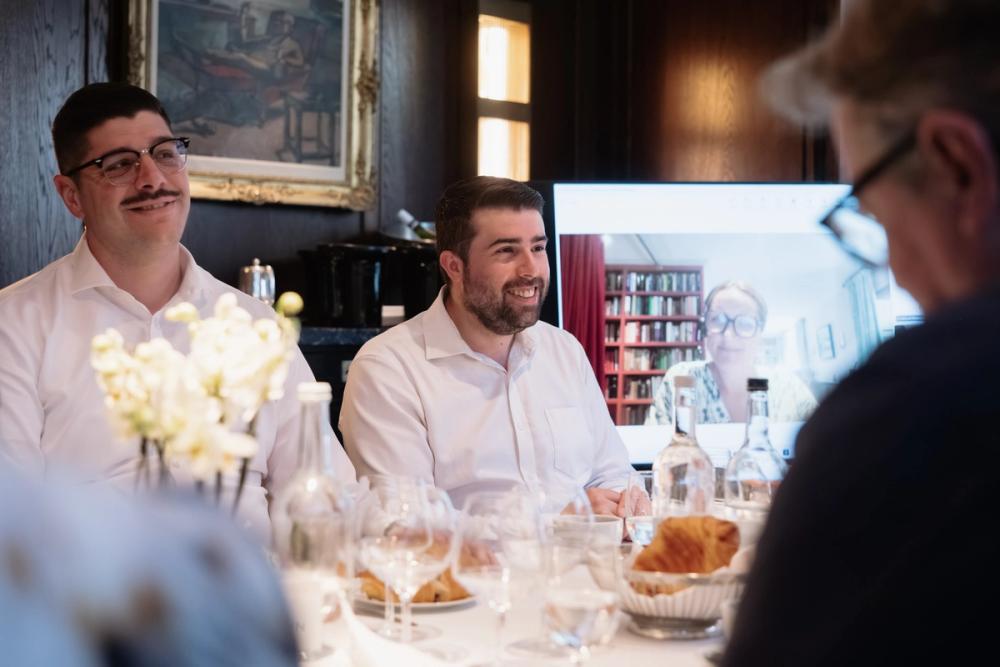
Fabio Monteiro says the time pressures on sommeliers can be very challenging
Monteiro says even if he takes a week’s holiday and he can often be called back in to do the busy weekend shifts.
“This is the frustration of the sommelier at the moment,” adds Conca. “Part of the service now is that you have to help the waiter and the manager.”
Classic wines
With so much quality wine now available around the world the panel was asked to assess how important the classic, Old World wines are to their customers.
Conca says he is lucky to have what you might call the older generation of customer who is happy to start with a Champagne and then move to a classic white wine, a vintage red wine and then finish the evening with a Port or digestif. “I love that.”
Some of his younger guests are still interested in the classic wine regions, like Burgundy and Bordeaux, but they are also happy to experiment and try fine wines from other countries and regions.
Monteiro says a lot of his older customers will automatically look to order classic wines, but he is able to introduce them to other wines through all the food pairings it offers. Like an Armenian wine, for example, which he knows “no-one would have tasted before”. Or having a demi-sec Champagne with a dessert.
He describes his younger guests as being “more versatile” and open to trying new things, but then it also gets some who are only interested in ordering and drinking cocktails through their meal.
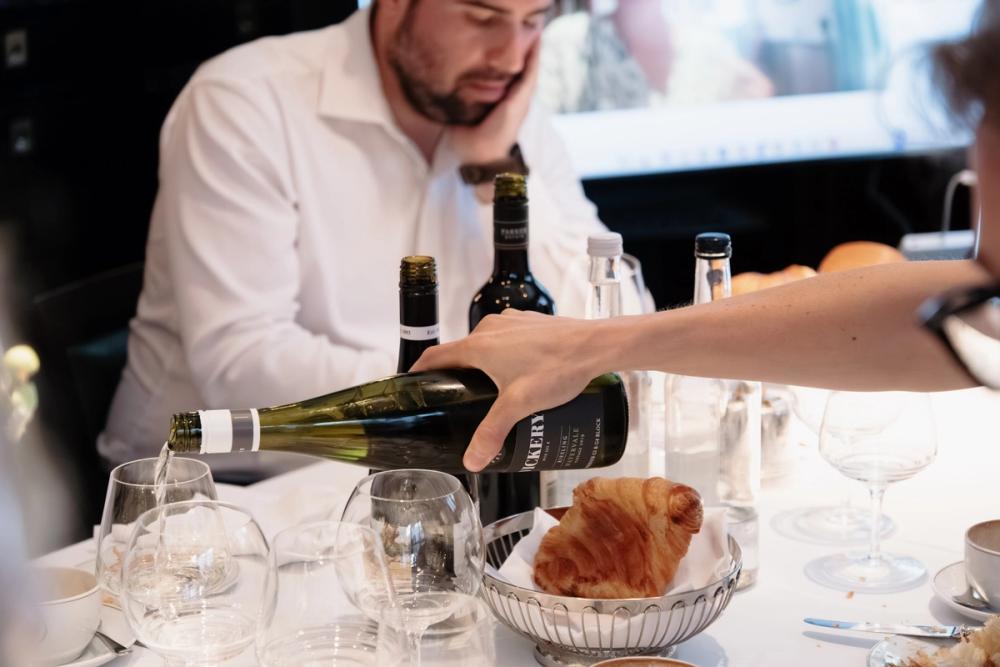
Sharples says “you are always going to need a certain amount of classics” but then you can also have “some that are close [to being a classic] but are a little bit different”. So if someone wants a Pinot Noir you can also recommend one from the Yarra Valley, or cool climate Victoria in Australia.
“It is about transitioning people rather than shocking them,” she says and it will always be determined by the type of venue you are working in.
Parker says a wine merchant and distributor of the scale of Jeroboams has to “cater for all the classics” in order to serve all its trade, retail and private customers.
She explains: “But we are also constantly looking at how the portfolio evolves. Our buying team is always tasting and assessing what deserves a place in the range, whether that is a new producer, an emerging region or a style of wine that is gaining momentum. A good example is the growing popularity of Crémant, which has led us to expand our offering with wines from Bourgogne and beyond, including a particularly exciting wine from Alsace. The aim is not just to offer something different, but to give our customers access to wines that will keep them one step ahead of changing consumer preferences.”
McBain says it is also good to see more classic wines in the market that are ready to drink now. She picks out, for example, wines from Rosso di Montepulciano as “being really good to drink from a younger age and are more consistent year on year”.
Whereas too often the Barolos in the market are released too soon and “just not ready” to put on a list.
Sharples agrees as there are some Barolos in the market that are 10 years old that are still “mean and grumpy and pretty much undrinkable”.
Whilst Conca says there are other Barolo producers that are making “approachable” Barolos even from the 2021 and 2022 vintages.
Making relationships count
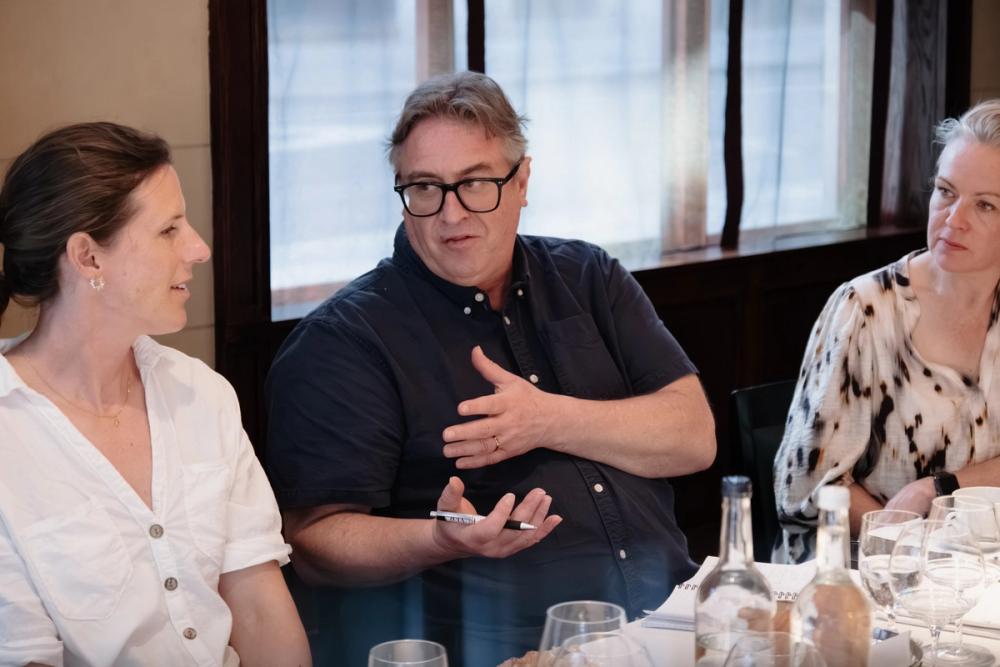
The Buyer's Richard Siddle with Lucie Parker and Victoria Sharples
The key to being a successful sommelier, says Conca, is to always remember that a lot of guests when they see you approaching their table immediately assume you are going to try and get them to spend more on wine than they want.
“So if they say they are looking to spend £100 a bottle, then recommend something at £80. Then I am sure they are going to ask for another bottle of that,” he says.
He says at Bentleys there are not enough sommeliers to go around every table, so he works hard with the managers and front of house team to make sure they are on top of the by-the-glass range and wines they can sell between £40 to £70 a bottle.
Then if a guest wants to spend more than that one of the sommeliers can go over and talk to them. That’s how as a sommelier you can build a relationship with that guest and hopefully get them to come back again.
Parker says it is so interesting to see the different ways that restaurants are looking to put customers at ease when it comes to ordering from a wine list. She was in a couple of restaurants recently - which did not have a sommelier - that had a front page on its list with wines under £75 or wines under £95.
“It’s interesting that they were the anchor points for people to not feel out of their comfort zone and it’s not something I have seen before,” she says.
What next?
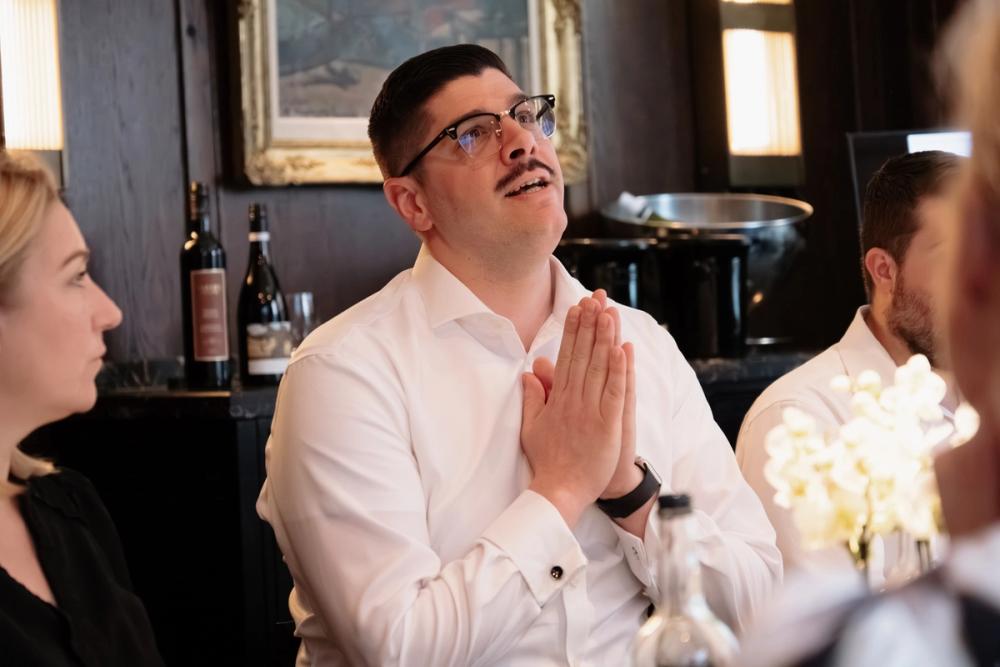
Luigi Conca says experience teaches you how best to work to build relationships with customers
To finish the debate the panel was able to share what the current big sales trends are now and what they expect or hope to see in the near future.
McBain says it is still very much about lighter, fresher, easy drinking wine, encapsulated by the demand for chillable reds.
But she has her eyes on what is happening in the spirits world and, in particular, how cocktails have been able to play so well into having drinks for the right occasion or mood. So do we need to rethink how we are describing wines on a drinks menu and make it less about the grape and taste and “how this wine feels to taste” and “play on the emotion” more.
As to next summer she still thinks there is so much more to come from rosé, particularly premium rosés and is particularly interested in what the Bandol style could do in its pubs.
Ultimately it is going to be about getting your white wine, rosé and fine wine selections right, and doing the best you can do with red wine, she adds.
Monteiro agrees that white and rosé is where the main growth is going to come from and believes there is still more to be done by having better quality and a wider range of wines by-the-glass in the on-trade.
“Classic Bordeaux will slowly fade away in terms of everyday drinking,” he warns. “But Burgundy will stay there, always.”
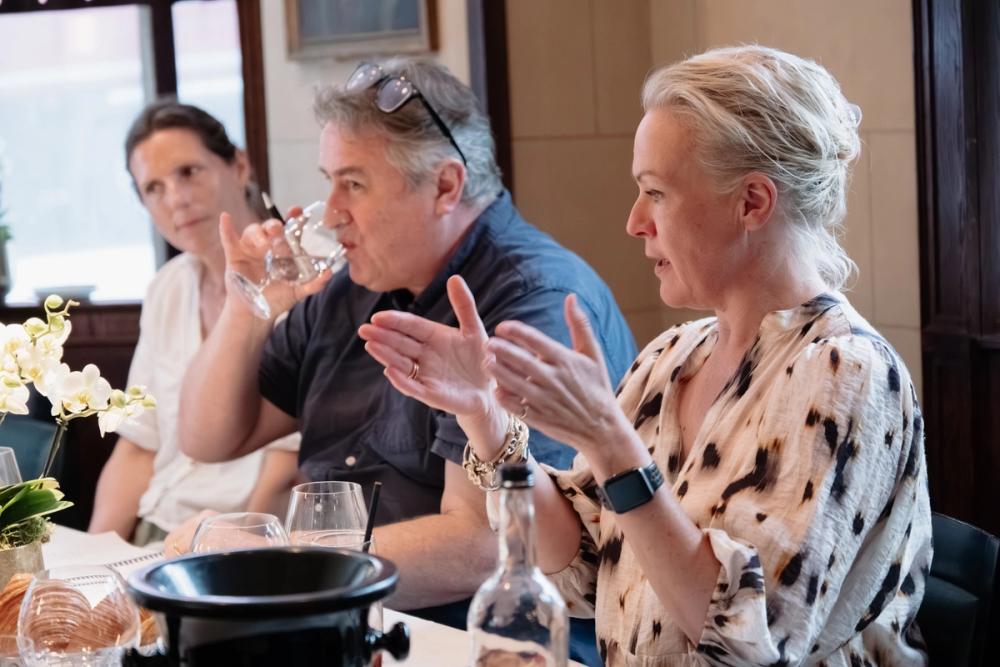
Victoria Sharples urges operators to put "quality" wines on their by-the-glass ranges
Sharples agrees that those operators that really focus in on quality by-the-glass “that really over deliver” are going to do even better in the year ahead. Backed up by sustained training for staff that helps make wine “more accessible” to your customers, she adds. By that she would like to see more training that focuses on style, and, as McBain says, how it makes you feel, rather than formal wine training.
“By style is a much easier and acceptable way for guests to understand wine,”she says.
Roque sees even more demand for sparkling wine and believes the next 12 months will see lists taking on sparkling wines from a much wider selection of countries, all offering different styles and price points. Which also offers more opportunities for Coravin and sparkling wines by-the-glass.
The final word goes to Parker who says the debate underlines how quality wine is now the benchmark that the whole on-trade needs to live up to. The big winners, she believes, are going to be the venues that back up those quality wines with both the stories about them and the whole experience behind how they are served.
“It could be the serve, it could be the interaction, it could be the setting - or all three. People’s standards and expectations are higher than ever and we have to think about all those components,” she says.
* You can read the first part of the Jeroboams on-trade report with The Buyer here.
* You can find out more about Jeroboams Trade here.