
Wines of Alentejo has presented a new 390g lightweight wine bottle, developed in collaboration with glass manufacturer Verallia under the Wines of Alentejo Sustainability Programme (WASP). Luís Sequeira, president of the Alentejo Regional Winegrowing Commission (CVRA), and sustainability coordinator João Barroso introduced the initiative in London.
The logic is straightforward. Less glass requires fewer raw materials, potentially less energy to manufacture and less weight to transport. It can also mean lower packaging-related environmental fees and reduced costs for producers.
Dr Peter Stanbury, research director at the Sustainable Wine Roundtable (SWR), explained that glass packaging can account for as much as half of wine's carbon footprint. With approximately three billion bottles already covered by SWR's Bottle Weight Accord, relatively small reductions in weight can make a substantial difference.
Lightweight glass is not new to the drinks industry. Heineken introduced a lighter Desperados bottle in 2012, reducing its weight by 20%, while Carlsberg's 2019 redesign removed 10g per bottle, saving more than 130 tonnes of glass in its first year. Within wine, Verallia introduced a 300g Bordeaux bottle in 2023, followed by a similarly lightweight Burgundy bottle in 2025.
What distinguishes Alentejo's initiative is its regional approach: developing a common bottle that producers can adopt collectively rather than negotiating individual packaging solutions.
Seven participants, one collective ambition
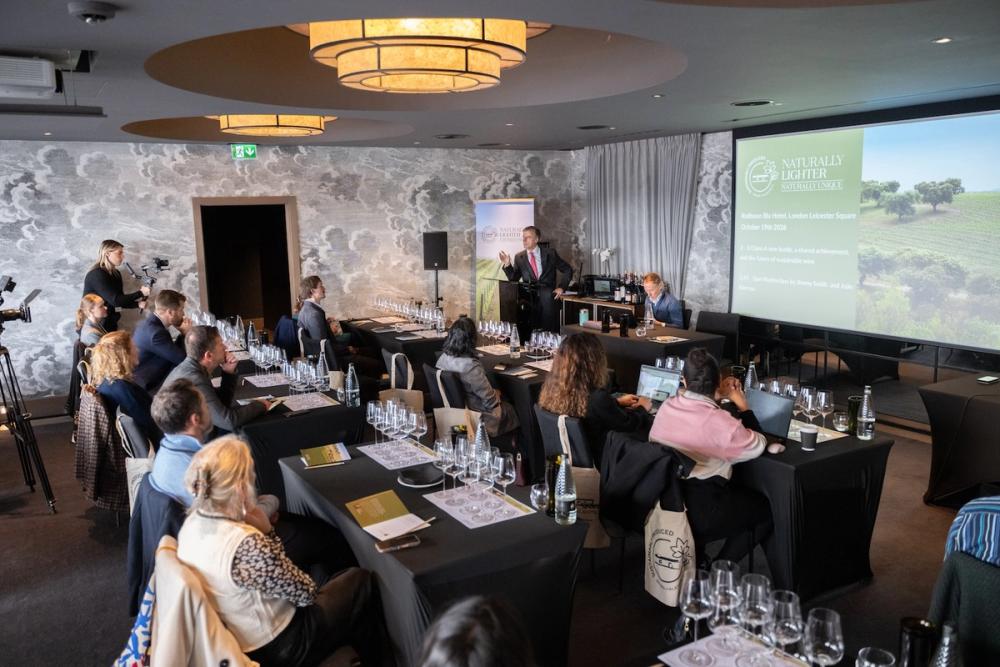
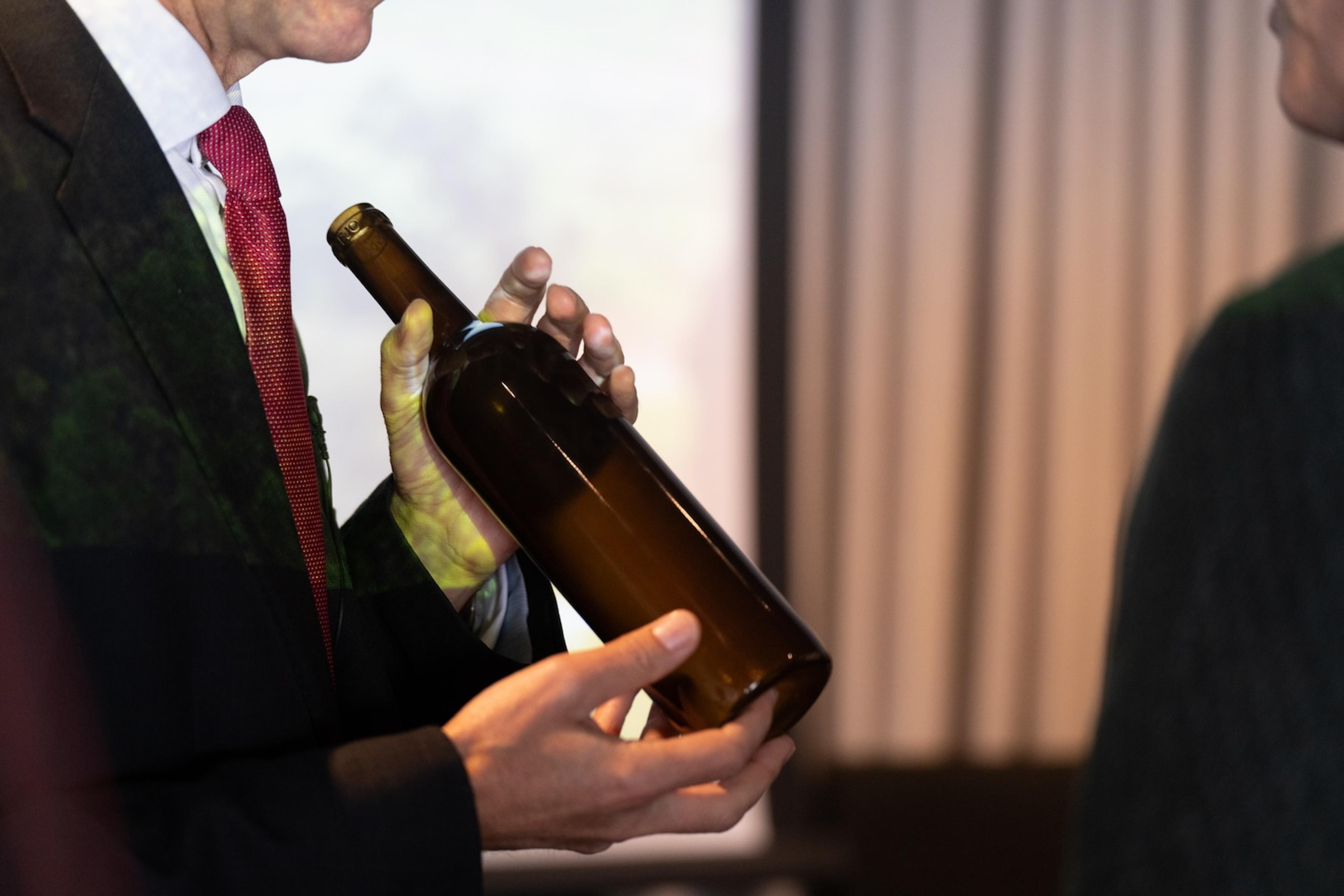
Wines of Alentejo presentation of new lighter bottle, London, October 19, 2026
The bottle, whose release is subject to successful testing in 2027, has been developed by a working group of producers and cooperatives, providing the purchasing volumes needed to negotiate competitive prices with glass manufacturers and potentially making the bottle more accessible to smaller wineries. In a region with 245 wineries, that may sound modest at first. However, I was told these participants collectively account for approximately 80% of Alentejo's wine production.
The strategy is to establish significant production volumes through major producers and cooperatives, creating economies of scale that could subsequently benefit smaller wineries.
Adega de Borba illustrates the potential. The cooperative, represented on the panel by its director of production and quality, Helena Ferreira, produces around eight million bottles annually and works with hundreds of growers. Businesses of this scale generate the purchasing volumes needed to negotiate competitive prices with glass manufacturers.
Smaller wineries often pay more for packaging because they cannot order quantities sufficient to secure favourable manufacturing terms. Under the proposed collective arrangement, the intention is to make the same bottle available to smaller producers at prices competitive with, or potentially below, what they currently pay.
This is one of the initiative's most significant commercial opportunities. Beyond reducing packaging weight, regional cooperation could remove financial barriers that prevent smaller wineries from adopting more sustainable packaging.
The longer-term ambition is to reach 50 million lightweight bottles annually, although uptake will depend on successful testing, commercial availability and wider producer participation.
From prototype to commercial production
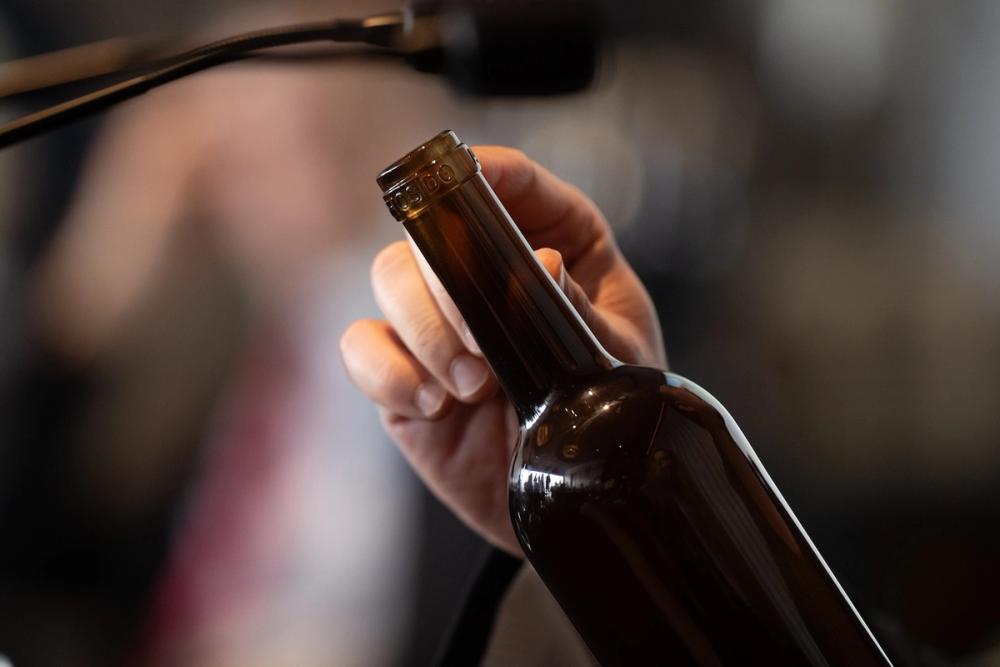
The bottle presented in London remains a prototype, with a proposed weight of 390g and a plastic model used to demonstrate the design. The final specifications, including its weight, remain subject to industrial testing planned throughout 2027.
Further industrial testing is planned throughout 2027 to establish its technical reliability, compatibility with existing bottling equipment and economic viability, before wider commercial introduction. Barroso emphasised that the objective is not simply to produce the lightest possible bottle, but to develop one that is environmentally responsible, technically reliable and commercially attractive.
The planned testing phase will therefore be important in determining whether the proposed design can deliver these benefits consistently across different producers and distribution channels.
The initiative also anticipates the European Union's evolving Packaging and Packaging Waste Regulation, which is placing greater emphasis on packaging efficiency, waste reduction and recyclability.
Why 390g rather than 310g?
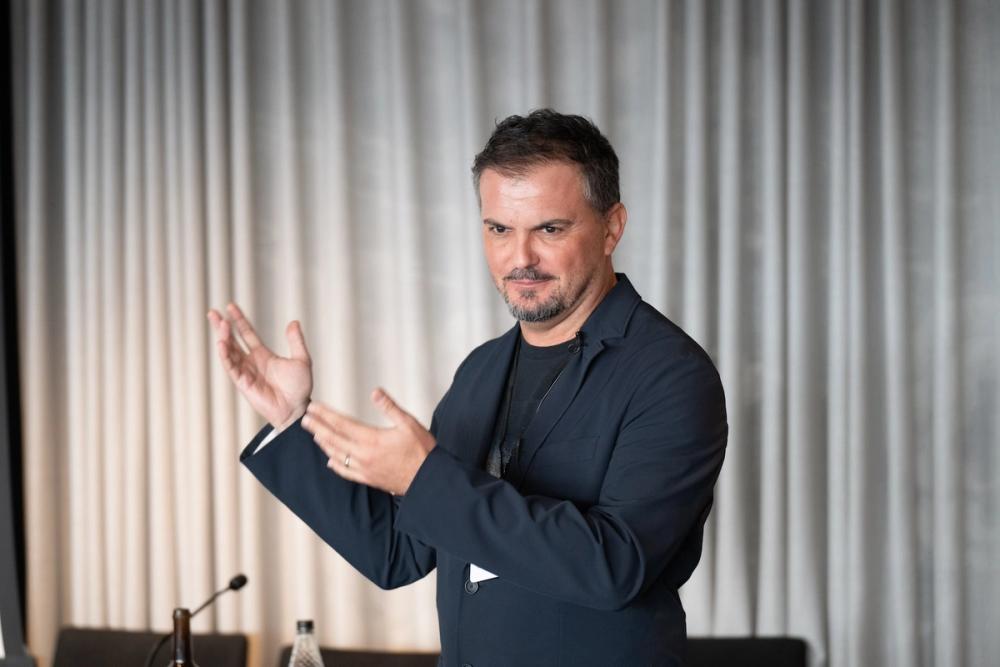
Bottle appearance, compatibility with packaging systems and practical distribution requirements remain important considerations – sustainability coordinator, João Barroso
One of the more interesting points in the panel discussion concerned the decision to settle on a 390g design. Barroso explained that Verallia had initially proposed two alternatives: a 390g bottle and a significantly lighter 310g version. The working group selected the heavier option, with commercial considerations, including market perception, influencing the decision.
The discussion highlighted the balance producers must strike between reducing packaging weight and maintaining a presentation acceptable to retailers and consumers. Sequeira cited market research suggesting that 72% of respondents did not associate heavier bottles with higher-quality wine, while only 8% did.
Stanbury also challenged the assumption that consumers are necessarily resistant to lighter packaging. Among companies participating in SWR's bottle-weight initiative, he said, there had been little evidence of consumer objections.
Nevertheless, bottle appearance, compatibility with packaging systems and practical distribution requirements remain important considerations when introducing new designs.
The economics of lighter glass
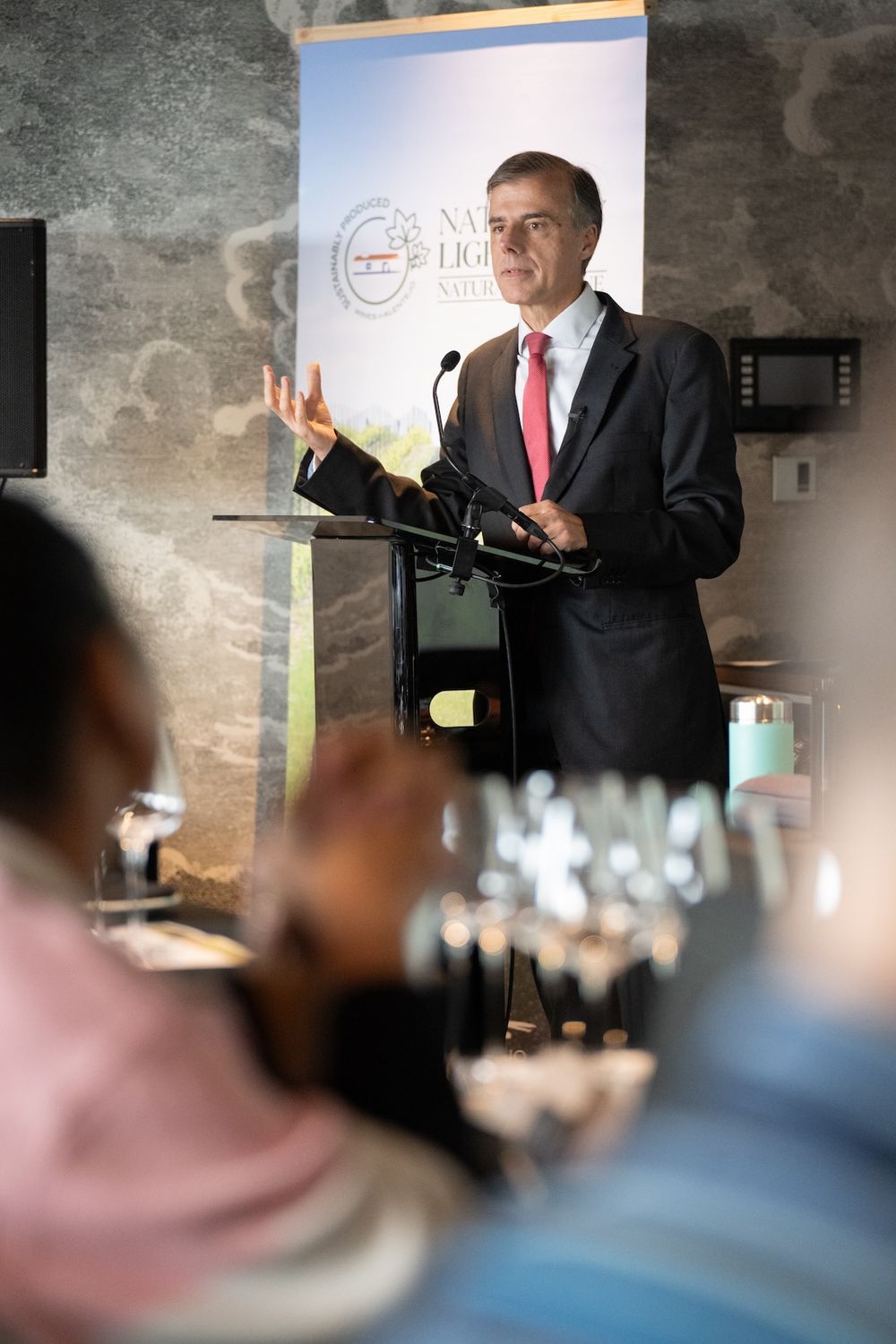
Only 8% of respondents associate heavier bottles with higher-quality wine – Luís Sequeira
The commercial benefits of lightweight bottles were a recurring theme throughout the discussion. Ferreira explained that Adega de Borba had seen a 98% increase in a recycling-related packaging fee compared with the previous year, while rising transport costs added further pressure.
Reducing bottle weight offers an opportunity to lower the quantity of material purchased and some of the environmental fees associated with packaging.
The Wine Society has already demonstrated the financial potential of lightweighting. During the discussion, its representative explained that reducing bottle weights had helped the organisation save approximately £150,000 annually in packaging-related costs.
For Alentejo, the opportunity extends beyond individual savings. Negotiating a standard bottle across significant production volumes could allow smaller wineries to benefit from purchasing terms normally available only to larger businesses.
While the panel expressed confidence that the new bottle would be competitively priced, no definitive unit price or detailed producer-level savings calculation was presented.
Verallia also cautioned that using less glass does not automatically result in a cheaper bottle, as lightweight designs require precise manufacturing and quality control. The eventual economic benefits will depend on several factors across the supply chain.
These will be important figures as the initiative progresses towards commercial production, particularly for smaller wineries seeking to assess the benefits of switching from their existing packaging.
What about white wines?
Another consideration emerged when Ferreira discussed the challenges associated with clear, or flint, glass used for white and rosé wines. The issue is not necessarily bottle weight.
Ferreira suggested that producers might need to reconsider their use of clear glass for white and rosé wines, particularly where the choice is driven by marketing considerations. While flint glass can be manufactured at the same weight as coloured glass, incorporating recycled material presents additional challenges.
This raises broader questions about packaging choices and the balance between presentation, recycled content and environmental performance.
Verallia has confirmed that the bottle will be manufactured at its plant in Portugal, relatively close to Alentejo's wine-producing areas, helping to reduce transport distances. Its overall carbon footprint will also depend on factors including the energy used in glass production and the proportion of recycled glass.
Lighter, but strong enough?
Practical distribution requirements were another important consideration.
Dom de Ville, responsible for Sustainability and Social Impact at The Wine Society, raised concerns about breakages associated with increasingly lightweight bottles, particularly within the UK distribution network, where individual deliveries may involve several stages of handling.
A broken bottle carries environmental and financial consequences beyond the loss of packaging itself, including wasted wine, replacement materials and additional transportation. Ferreira explained that breakages cannot automatically be attributed to bottle weight alone, with manufacturing quality, design and handling conditions all playing a role.
Stanbury acknowledged the importance of balancing weight reduction with durability.
Alentejo's planned industrial testing will therefore need to demonstrate that the bottle can perform reliably through filling, storage, transportation and distribution, while delivering the anticipated environmental and economic benefits.
Building on an established programme
As Kate Hawkings explored in her earlier feature on Alentejo's sustainability programme for The Buyer, WASP has an established track record extending well beyond packaging.
Now in its eleventh year, the programme brings together growers and wineries around shared environmental, social and economic sustainability objectives.
Its ability to encourage cooperation between businesses with different production volumes, commercial requirements and resources provides the foundation for the lightweight-bottle initiative.
If the collective purchasing model succeeds in delivering competitively priced, technically reliable packaging for both large and small wineries, it could offer a useful example for other wine regions.
From lightweight glass to ancient clay
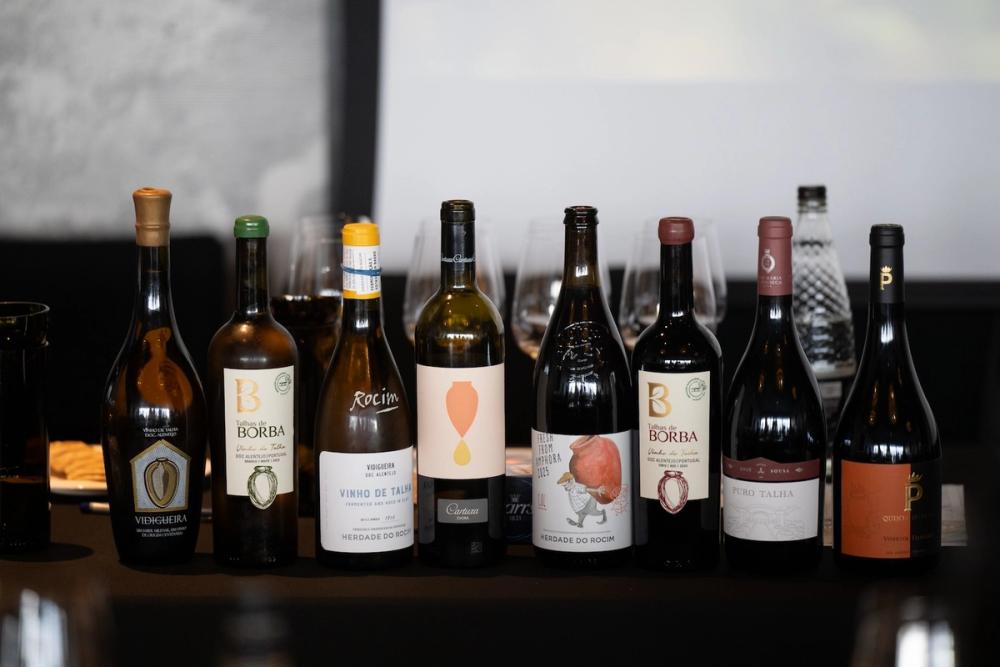
After the discussion about the future of wine packaging, the afternoon moved to one of Alentejo's oldest winemaking traditions.
Jimmy Smith and João Barroso led a tasting of eight talha wines, fermented in traditional clay vessels using techniques dating back approximately 2,000 years.
The tasting demonstrated the diversity of these wines and offered a fitting conclusion to an afternoon exploring both tradition and innovation in Alentejo.
My three highlights:
Adega Cooperativa de Vidigueira Vinho de Talha 2025 – White
Antão Vaz, Larião, Diagalves, Manteúdo, Perrum and Síria | 13.5% ABV
Medium gold, with aromas of marmalade, white tea, chamomile and sage. Fresh, with a layered, waxy texture, balanced, coating tannins and a long, dry finish.
Adega de Borba Talhas de Borba 2025 – White
Rabo de Ovelha, Tamarez and Roupeiro | 12.5% ABV
A pretty nose of white tea and grapefruit, with a characteristic orange-wine style. Saline, lean and focused, with impressive length driven by its structure and texture.
Adega de Borba Talhas de Borba 2025 – Red
Trincadeira, Castelão and Alicante Bouschet | 13.5% ABV
Earthy and complex, with farmyard, iron, mineral notes, liquorice, dark fruit and hints of violets. Rich tannins, considerable structure and mouthwatering acidity provide a powerful, lengthy finish.
With these three wines currently seeking UK distribution, they represent an interesting opportunity for importers looking to add something distinctive to their portfolios.
Also tasted:
Rocim Vinho de Talha 2025 – White
Perrum, Diagalves and Manteúdo | 12% ABV | UK importer: Hallgarten & Novum Wines
Satsuma, thyme, raisins and lemon peel, with a slightly saline character and an almost lemon-sherbet finish. An elegant, creative expression, with partial carbonic maceration contributing to its freshness.
Cartuxa – Fundação Eugénio de Almeida Vinho de Talha 2019 – White
Antão Vaz | 12.5% ABV | UK importer: Mentzendorff
An evolved and complex expression, with aniseed, almond, nutty notes and truffle. Structured, with lingering acidity and length, demonstrating the ageing potential of talha wines.
Rocim Fresh from Amphora Nat'Cool 2025 – Red
Moreto, Tinta Grossa and Trincadeira | 12% ABV | UK importer: Hallgarten & Novum Wines
A fun, light and fruity expression, with floral aromas and a playful character. Juicy, supple and approachable, with an easy-drinking style.
Adega José de Sousa Puro Talha 2017 – Red
Grand Noir, Trincadeira, Aragonês and Moreto | 14% ABV | Seeking UK distribution
Eucalyptus, liquorice, prunes, plum and soy, with a savoury, meaty character. Round and powerful, with substantial tannins.
Quinta do Paral Talha Tinto 2023 – Red
Tinta Grossa and Tinta Caiada | 15% ABV | Seeking UK distribution
Blackberry, chocolate, autumn leaves and prunes. A classic, old-school expression, with mouthwatering acidity balancing the tannins and plenty of character.
In conclusion
The region's new lightweight bottle is still under development, but its collaborative model could make more sustainable packaging economically accessible to producers of different sizes.
The next stage is to translate that ambition into a commercially viable product, with industrial testing results and the first bottles reaching the market providing the clearest measure of its success.
All photos © Wines of Alentejo