
It’s not every day one of the world’s most famous, traditional and influential wine regions decides to change one of the key classifications that has helped define its image and reputation around the world.
Which in a nutshell is what Bordeaux has done with the decision to redefine Claret in line with how it used to be made in the Middle Ages as a light style, low tannin, fresh, fruit-forward red wine. A radical step that Bordeaux winemakers felt they needed to take in order to support their fellow producers, many of whom are struggling to stay in business in the face of long-term declining sales of traditional Bordeaux red wines, amid the global trends of de-consumption, climate change, and changing drinking habits.
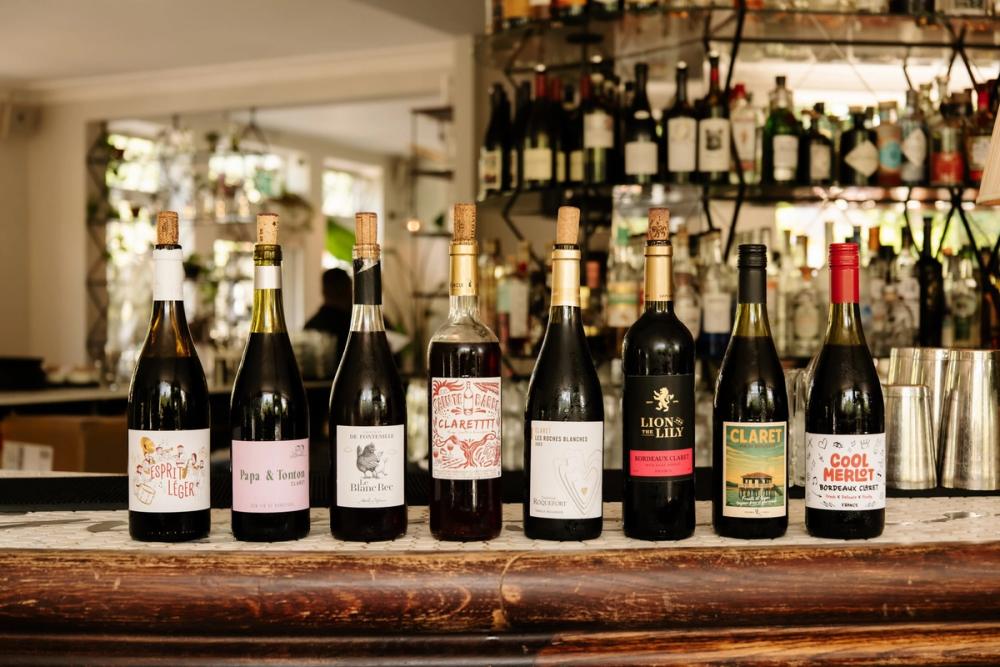
Some examples of the new Bordeaux clarets that have been made to the new lighter, lower tannin, fresh style that were shown to a panel of UK buyers at a debate held during the summer
The hope is that not only will the new lighter style red wines appeal to more people, particularly younger consumers, it could also give Bordeaux producers an opportunity to move upmarket, bringing their Claret wines to consumers at fairer prices and helping to move beyond the low-value positioning the category currently has in some major retailers.
It’s a strategy the Bordeaux et Bordeaux Supérieur Wine Union also believes will help its producers make much bigger strides into all their target markets around the world. As they now have the opportunity to make Claret wines - that can come from any grape variety - that can directly compete with other lighter, fruit-forward red wines - particularly the new trend for “chillable” red wines.
So far so good.
Where the move to redefine and modernise Claret falls on more rockier ground is in the UK. After all there is an historical link between Britain and Bordeaux stretching back to 1152 and the marriage of Eleanor of Aquitaine and Henry Plantagenet - the future King Henry II of England. The country’s love of Claret goes back just as far and by the 13th century some 100 million litres of Claret was being shipped to British shores.
What was originally the lighter Claret style soon became synonymous with traditional Bordeaux red wines which many of the traditional wine merchants have built their businesses on the back of.
Hence Bordeaux’s decision to reclaim Claret as a premium lighter style red wine has got a number of traditional UK wine merchants, importers and major retailers more than just a bit hot under the collar.
Up for debate
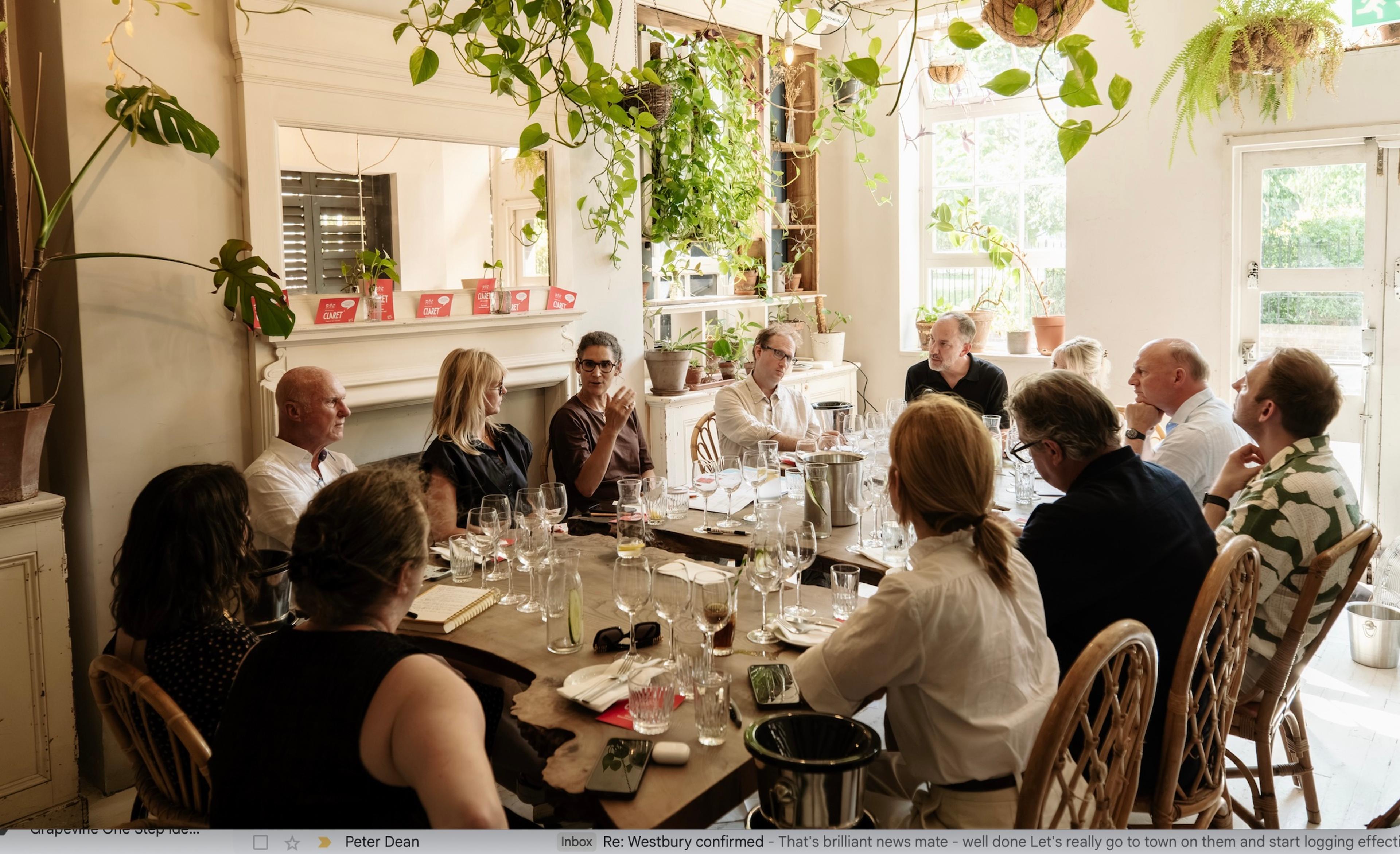
It was against that backdrop that our panel of buyers, retailers and importers met, appropriately enough on one of the hottest days on record this summer in central London, to discuss just what the new Claret classification means for them with representatives of Bordeaux et Bordeaux Supérieur Wine Union.
UK buyers and merchants

Beth Kelly MW, wine buyers, Tesco.

Clara Rubin, wine buyer, Ocado Retail.

Gareth Groves, managing director, Stone Vine & Sun.

Matthew Horsley, Bordeaux wine buyer, The Wine Society.

Charlie Young, owner of Charlie’s Drinks Store.

Rebecca Palmer, head of wine buying, associate, Corney & Barrow.

James Tanner, chairman and managing director, Tanners Wines.

Richard Bampfield MW, wine consultant.

Kathrine Larsen-Robert MS, group wine director, 67 Pall Mall.
Bordeaux panelists

Stéphanie Sinoquet, managing director, Bordeaux et Bordeaux Supérieur Wine Union.

Claire Dawson, Bordeaux-based wine consultant and PR executive.
The case for Claret
Stéphanie Sinoquet, managing director of the Bordeaux et Bordeaux Supérieur Wine Union, opened the debate by saying the changes have been made in direct response to what she describes as a “crisis” in the region that has seen production of red wine cut in half over the last 10 years. It has also seen a third of its vineyards uprooted and others are no longer under the appellation controlé of Bordeaux (AOC).
It is in that context that introducing the new Claret classification is in “the best” interests “for the future of Bordeaux,” she added.
She also was able to explain why “she truly believes that with the new Claret there will be more opportunities” for its producers and its target export countries.
But the Union also recognises the issues it raises in the UK which is why it was keen to have this debate and bring so many influential voices from across the UK trade together.
Claire Dawson was able to set out the two sets of consumer and trade research that was done to determine the case for introducing the new Claret style.
First of all interviews were carried out with consumers under the age of 35 in six of Bordeaux’s major export markets - the US, UK, France, Belgium, China and Japan - to determine behavioural trends and perceptions of Bordeaux.
This was followed by trade research and interviews with different sized retailers and journalists.
All of which made clear there was strong demand in all of Bordeaux’s key target export markets for “fruity, light, fresh and easy to drink wines”.
The reason Claret was chosen to best classify these wines, explained Sinoquet, was that these new lighter reds are in keeping with how the original Claret wines from the Middle Ages were made.
Additional research from Wine Intelligence also found that there was only 7% spontaneous awareness of traditional Claret amongst UK wine drinkers.
Balancing act

The debate was an opportunity for many of the leading Bordeaux Claret importers in the UK to share their views on the changes in legislation with the Bordeaux authorities
The need for Bordeaux to take radical action in the best interests of its producers and growers was one that was widely accepted and welcomed by the vastly experienced and knowledgeable Bordeaux buyers around the table.
As Matthew Horsley, wine buyer for Bordeaux for The Wine Society, said: “I applaud any effort to sell more Bordeaux, whatever the style. I'm 100% in favour of producing fruitier, purer and fresher styles of red wine – this is in line with broader consumer trends, and some of the wines I have tasted in this new 'Claret' style are delicious.”

Richard Bampfield MW was able to share his considerable experience in Bordeaux with the panel
Richard Bampfield, the highly respected Bordeaux educator and consultant, added: “I agree there is a market for red wines from Bordeaux that meet current demand for lighter, fruitier, possibly chillable reds.”
But backing the idea of light, fruity red wines is one thing, describing them as Claret is another.
“The debate,” added Bampfield, “is over the name” not the fact that Bordeaux needs to be making wines that are “in tune and on trend” with what people want to drink.
The issue for Bampfield is “the way Bordeaux Claret has been conceived and marketed”.
“I do not understand the logic of using an old, traditional term to describe a modern, new wine style,” he said.

The Wine Society's Matthew Horsley was able to set out his concerns about how the new Claret classification has been introduced
Horsley added: “I strongly believe creating a chillable, 'smashable' red should be a by-product of a winemaking philosophy, not the objective itself. Ultimately, it's a trend, and trends change. The term 'Claret' carries significant weight amongst our members - whom I acknowledge are not the target audience with an average age of 61 - and this new style doesn't conform to what they believe Claret to be. That will create considerable confusion going forward and require a lengthy period of re-education.”
Working together
James Tanner is understandably concerned about what the new Claret classification means for Tanners Wine Merchants that, as a family wine merchants business, has been importing Bordeaux wines since it was founded in 1842. He said his father could even lay claim to have launched the first house Claret by a UK wine merchant in 1972.
Sales of its own Tanners Bordeaux Claret now make up a significant part of its overall revenue and it has become, he stresses, its “biggest and best known brand for the company”.

James Tanner says Bordeaux Claret makes up a signifcant part of Tanners' annual revenue
The move to the new Claret style will, he claimed: "Wipe out our biggest selling retail line which we have spent the last 52 years building up as our flagship own-label wine.”
He said he felt deeply frustrated, considering his close family ties to the region, to not have been involved in the consultation process to change the Claret classification.
Now the initial decision has been made he urged the Bordeaux winemakers to think again, listen closely to the concerns of the vital UK wine market and work with the sector to see what improvements and changes can be made to the new Claret definition that would enable everyone to benefit.
“I hope this is a discussion and not a fait accompli,” he stressed.
Rebecca Palmer was able to set out how strongly Corney & Barrow is against the move and explained just how important and embedded Bordeaux Claret is to a business founded in 1780. Its customers, she said, are long and loyal supporters of Bordeaux Claret which still “has an old money cachet about it” which is reflected in the strong sales it has across its Claret range at Corney & Barrow.

Corney & Barrow's Rebecca Palmer urged for more time to allow UK importers to work out how they were going to introduce the new Claret rules to their businesses
As a “Francophile” business she said it wants to help Bordeaux and its producers, but does not understand the decision to use Claret as the new classification. Palmer also called for caution, time and clarity.
She added: "Like many in the UK trade, we feel frustrated and disappointed that we – the primary market for claret - were not engaged earlier in the research and development process. I’m not against lightening up the styles a little, so that they are more drinkable and younger, but a hard edict, banning us from using the word Claret unless we adopt a different style, feels like a step too far."
Horsley could not understand why The Wine Society, and other major players and importers of Bordeaux Claret, were not involved in what he describes as an “insufficient” consultation process - unless it was assumed they would be against the idea and it was “pushed through without our input”.
Sinoquet said she fully understood the issue the different operators have over the name, but it had, under the appellation regulations, “very few options” to choose from and it “could not create a name out of nowhere without historical background’.
“The consumer studies showed that consumers responded positively to the name,” she stressed.
New pricing

Stephanie Sinoquet says the move to introduce the new Bordeaux Claret classification has been done to help struggling producers to make and sell a style of wine that is increasingly popular with consumers
Sinoquet was able to explain another reason for wanting to redefine the Claret classification was a need to push up the average price of Claret wines ideally above £8, which she claimed had fallen to around £5 a bottle on average in the UK, particularly in supermarkets, which account for the highest volumes of sales.
What the Bordeaux negociants look to charge for the new Clarets is yet to be determined but Sinoquet says there will be different pricing levels to give the trade different price points to work to.
It’s clearly an area the trade needs clarity on as soon as possible considering the different price points that Bordeaux Claret is currently being sold in the UK.

Beth Kelly MW says Tesco uses Bordeaux Claret to help customers move further up the Bordeaux category
Beth Kelly MW at Tesco said its own label Claret retailed at £5.50 as an entry point for customers to step further into the Bordeaux category. She was keen to know what the entry price position will be for the new Clarets and whether there will still be that option.
It is a similar issue for Horsley at the Wine Society that uses its lowest priced Claret, which is unoaked, to get its members into Bordeaux with an average selling price of £8.95 versus an overall average bottle price of £11.50. It also has an oaked reserve Claret at £12.95.
Tanner says its average selling price for Claret is £10 per bottle against an overall average price of £16 a bottle,whilst at Corney & Barrow Palmer confirmed its lowest priced Claret, also unoaked, is £13.50 a bottle and its reserve Claret is £16.25 which is oaked.
“Claret for us is a really good entry wine to get people to then buy petit château up to first growth,” said Tanner. “It’s your everyday wine.”
All Clarets under the new classification will have to be unoaked.
Horsley said the pricing issue is one the UK trade and Bordeaux negociants need to get right to ensure the new Clarets are not priced so much higher than the traditional Bordeaux wines the major retailers and Claret players in the UK will still want to sell, whether they are labelled Claret or not.

Clara Rubin could see how the new Claret classifcation was "a logical, legally binding pivot to stop a race to the bottom”
Clara Rubin however sees the new Claret classification “as a logical, legally binding pivot to stop a race to the bottom”.
She added: “It repositions Claret as a premium, consumer-centric product for modern, casual drinking aimed to capture a new generation of consumer. From a buyer's perspective, this forces an automatic trade-up and attempts to rescue the generic red category from terminal price erosion.”
The demographic factor
Another key factor in introducing the new Claret classification is to appeal to a younger audience.
The need to appeal to a younger demographic with different drinking habits is a challenge everyone in the wine industry is facing, said Gareth Groves.
So whether we agree with the new classification or not the issue that Bordeaux is looking to address is the same for everyone around the table, he stressed.
Rubin said the new Clarets will appeal to the “under-35 market that has a massive appetite for easy-drinking, unpretentious chilled reds”. She added: “Reclaiming the name for this demographic strips away the intimidating jargon of traditional Bordeaux.”
Rubin also said that based on analysis of search terms around Bordeaux on the Ocado website “Claret” is “not a search term that comes up very often for our demographic”.
Charlie Young thought the significance of the term “Claret” would depend on how old you are and based on his experience it “just would not register” with anyone below the age of 30.
Tanner and Palmer also stressed the role that traditional importers, like Tanners and Corney & Barrow, have in supplying the whole on and off-trade market where the average trade customer could be anyone from a 20-year old sommelier upwards.
As Palmer said: “We sell through every channel. So we sell our Clarets to 100-year-olds, 20-year olds, to sommeliers, to cruise companies and stately homes.”
Tough decisions

There was a collective sense amongst the UK importers that they would have liked to have been more involved in the decision to change the Bordeaux Claret classification
The situation - and as the debate showed - has clearly resulted in high emotions that only time and the chance to talk openly and frankly about can start to potentially heal.
It’s clear the major Claret players around the table have some big and tough decisions to make. Do they continue to make traditional Bordeaux wines in the same style as the old Claret, and take the term off the bottle, and go through the process of relabelling and educating their customers as to what has happened.
Or do they put their misgivings to one side and look to take on the new style Clarets and try and sell them at a higher price point.
Tanner said it would start to taste new blends next spring “but in the meantime, we will have to look at redesigning a new label ready for ‘Tanners Bordeaux”.
Kelly said if Tesco took “Claret” off the label it “would not be the end of the world” but it’s something it needs to get right as its current entry level Claret enjoys “steady sales” and the term Claret does give it a more premium appeal than simply calling it Bordeaux.
What she is more concerned about is the availability of this new style of Claret for a retailer the size of Tesco to access. She was yet to find negociants or producers that are planning to make the new style of Claret to the scale that Tesco would need for its stores.

Matthew Horsley said The Wine Society would need to invest in educating its members about the Claret rules changes
Horsley agreed that if it renamed its Claret as The Wine Society’s Bordeaux it may not lose many sales, but that is not the issue, as he explained: “We would never change the style of the wine so that we could call it Claret. I would not alter a winning product already just to keep the Claret name.”
He added: “The most significant impact for The Wine Society is that we will be forced to change the name of one of our most popular and long-standing brands – The Society's Claret – which has been part of our range for roughly 40 years. Do I think we will sell less wine as a result? Possibly. Possibly not. However, we will now have to spend a not insignificant amount of time, money and effort re-educating our members about what 'Claret' actually is and why our Society's Claret is no longer called that.”
He added: “Work has already started on the name change with our supplier. I've already blended the 2025 vintage, and we have a stay of execution that allows us to continue labelling this vintage as 'The Society's Claret'. From the 2026 vintage onwards, however, that will have to change.
The one thing I am certainly not doing is changing the style of the wine.”
Young was interested to know if taking Claret off the label would potentially appeal to a wider audience of customers. That said he prefers to trade and retail his wines as ‘Bordeaux' rather than follow the others down the Claret route.
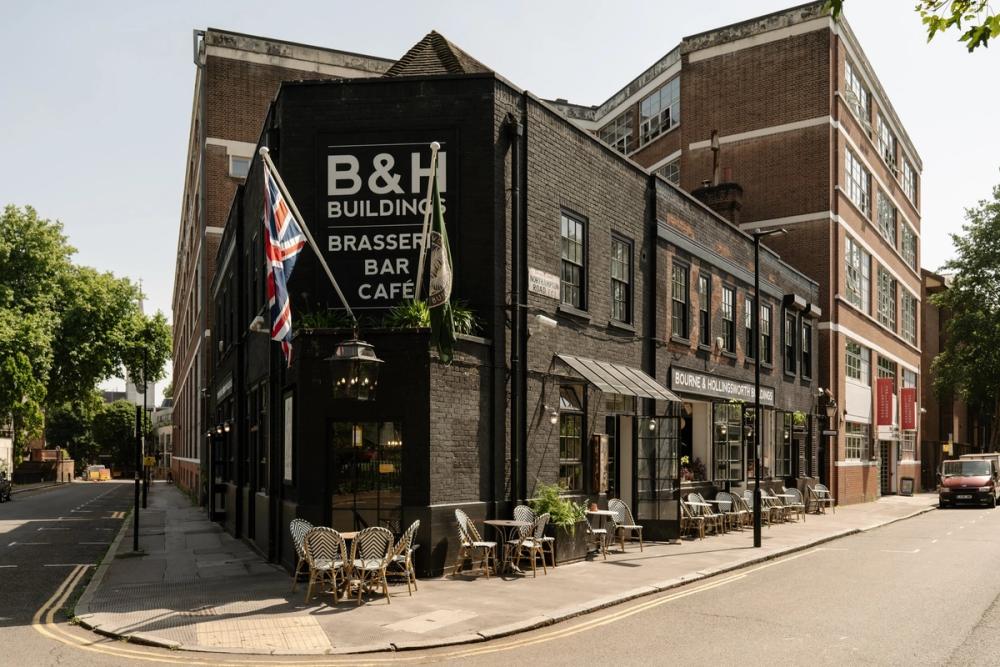
Bourne & Hollingsworth in Farringdon, London was the setting for the Bordeaux Claret debate
Groves warned that “labels do matter” and pointed to the massive fall in sales of Vermentino in France following the EU’s ruling that it had to be relabelled as Rolle. “Sales of that wine have disappeared,” he warned.
Sinoquet, though, was quick to stress that UK importers and retailers who currently make and sell their own label Claret blends would be able to continue to do so in exactly the same style as before - they just can’t put Claret on the label and it would have to be labelled Bordeaux instead.
She stressed that the new Claret styles will formally apply only from the 2025 vintage onwards. Producers may continue selling their 2021, 2022, 2023 and 2024 vintages under the existing rules.
The new styles

Clara Rubin was excited about the potential of the new style Clarets that the panel was able to taste
The buyers also had the chance to taste through six Clarets that have been made in line with the new Claret classification. A style that allows up to 7gm of sugar per litre depending on its acidity with a minimum 11% ABV and can be based on any red Bordeaux grape varieties.
Sinoquet says with the advent of climate change it was important to give the producers as much flexibility as possible regarding which grape varieties could be used.
Rubin said: “The liquid works. Bright, un-oaked fruit, soft structures and a touch of residual roundness to counteract bitter chilled tannins create a highly versatile style. This is a big green light to the ‘chilled red’ trend from AOC Bordeaux.”
In the off-trade she sees the new Clarets as “a premium, European alternative to New World Pinot Noir or Beaujolais for casual summer sharing”. As for the on-trade they offer “exceptional by-the-glass potential. Served chilled at pub gardens and terraces, it moves red wine into the lucrative casual aperitif hour for year-round drinking.”

Gareth Groves and Charles Young examine the labelling on the new Bordeaux Clarets
Young was particularly impressed by both some of the quality on show, but also the modern labelling and how it would work in a retail environment going up against similar styles of “chillable red wine” from other parts of Europe.
Horlsey said: “I felt the drier styles were delicious. However, it's 'recipe' winemaking with no real regional or varietal character. Stylistically I'm sure they could have success. However, there are far better (and cheaper) regions to purchase this style of wine.”
Kelly at Tesco agreed that some of the new Clarets tasted “delicious” but they also made her worry that if a traditional Bordeaux Claret customer picked up the new fresher, lighter style of Claret “they are going to be really disappointed” as it is “completely different to where we are currently with Claret”.
Which potentially throws up unnecessary confusion, she added.If Tesco ends up selling its traditional style Claret under a Bordeaux label but also has the new style Claret on its shelf, how does it communicate the difference to its customers?
“I don’t know how to get around that,” she said.

James Tanner with one of the new styles of "gluggable" Bordeaux Claret
Tanner said that whilst some of the wines “were nicely gluggable” he fears “the chilled red wine market in the UK isn’t big enough to make up the millions of bottles of sales of ‘traditional claret’ that will be lost”. If Bordeaux is to have its own chillable red to compete with others from around the world then “Claret is not a suitable name,” he added.
Groves said that ultimately it would be down to the trade to educate not only the consumers about the new Claret style, but also itself.
He was also worried the trend for “chillable reds” could be “overstated” and it was a risk for Bordeaux to follow a trend that is “perhaps not rooted in reality of sales and what is actually been drunk”.
Palmer said: "I totally endorse Richard and Matthew's comments on the style. I am absolutely pro lightening up reds that have traditionally been more ‘structured’, making them more drinkable in a modern context, and also so that they can be bought, ready to go, off the shelf. But with a caveat.
"I do have reservations about hanging our hats on ‘chillable reds’ as a category – yep it’s on-trend to an extent, but for now it’s niche and candidly while we’ve had a gorgeous hot summer when a chillable red holds tonnes of appeal, it won’t be the same thing on a wet, windy February evening when we’re reaching for a glass of cosiness."
Palmer claimed: "While I enjoyed some of the reds shown at the session, and they are valid in some contexts, they are not the style we know as ‘claret’, which still sells well. Why cut off a whole swathe of customers?"
Sinoquet responded: “I would not agree that this means cutting off a whole swathe of customers. Corney & Barrow or others wine merchants will, of course, continue to be able to sell them under the Bordeaux name. This initiative is not about taking existing Bordeaux wines away from the market or from their customers. It is about creating a clear framework for the use of the traditional term ‘Claret’ for wines that meet the new specifications.”
Kelly said the concept of “chillable reds” is starting to get on the radar of the average Tesco customer, particularly thanks to the hot summer, but it is still limited and they may not sell through the winter.
Young, however, is a firm believer: “We sell wines from £12.50 to £35 in that category and they all sell. Consumers are absolutely loving light red wines in general.”

Kathrine Larsen-Robert could see how the new styles might appeal to Gen Z drinkers but was not convinced by the changes
Kathrine Larsen-Robert was also confused by the new style of Claret and thought it was more in keeping with a style of wine you would expect to find in a can - “particularly if you want to target Gen Z and serve it chilled. “But call it something else,” she urged.
Bordeaux matters - what next?
Where the UK buyers were agreed was just how important Bordeaux is to their overall wine sales - hence why the changes to the Claret classification means so much to them.
They were all united in wanting to work as closely as possible with the Bordeaux authorities to make the new Claret classification work, but there also needs to be more flexibility to work with the UK trade to find solutions for the only market in the world that has put Bordeaux Claret on the map.
Rubin urged Bordeaux Claret producers to “prioritise” and rethink their labelling and there was a real danger of “whiplash” if they were to market a “new chilled, 7 g/L fruit bomb” with a traditional chateau on the label.
“Modern liquid requires modern packaging,” she stressed.
Bampfield added: “In the short term, Bordeaux needs to sit down with the major importers in the UK and work the situation through with them. There should probably also be an agreed period (perhaps five years) to phase in the new label in the UK. Other export markets and the domestic market should not pose the same problems.”
He also thought the new fresher lighter styles would sit better under a Vin de Pays or Vin de France classification.

Claire Dawson says it is hoped the new Bordeaux Clarets can achieve a premium price in the market
Dawson, though, said that would make it harder for the new Clarets to position themselves at a premium price point vs the average prices being asked for Vin de France in key export markets.
Some buyers questioned why Bordeaux had not chosen to widen the use of Clairet that is already well placed in the market as a lighter, style of red wine.
Horsley said: “This is already an established style that is gaining traction in the UK and aligns with broader market trends for darker rosés and chillable reds.”
Sinoquet, however, said the Clairet option was considered but it was felt both the historical traditions of Claret in Bordeaux and the fact it is a more widely recognised term in consumer surveys meant it was seen as having more potential than using Clairet.
Moreover Clairet is a rosé wine and the producers of these did not want to make it into a light red.
Tanner urged the Bordeaux authorities to allow British importers to carry on making the higher end tannin Claret styles that they have made famous in the UK. He said its Tanners Claret wine had an IPT level (that measures tannins in wine), that sits, like the Wine Society, at around 67 which is around 10 points higher than the new Claret Classification.
“Can’t we just raise this IPT level for the UK and give us the leeway to do so?” he asked.
Horsley is particularly concerned that the new rules are not followed by everyone in the trade.
He said: “It needs to be black and white. There can’t be any grey areas in it.”
He explained: “One thing I will re-iterate is that whatever the decision is it needs to be clear and properly enforced - and followed. We cannot be in a position where some of us have had to change, and some have not.”
The way forward
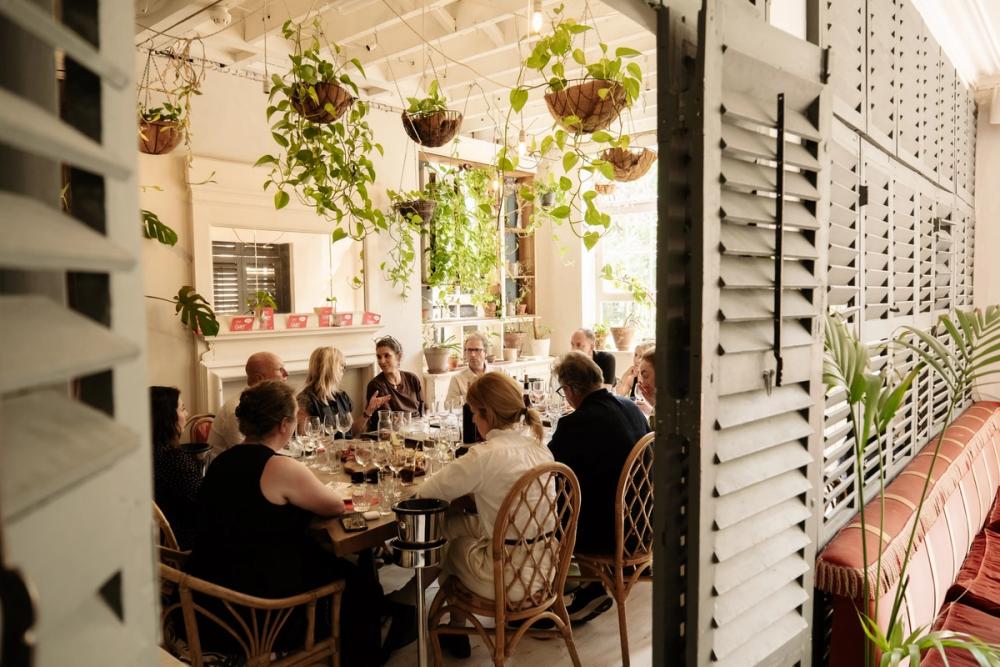
The Bordeaux Claret debate was at times heated but essential in airing much needed and respected views
Rubin believed there are options to move forward. Those importers who want to continue to make Claret under the old style are free to do so. But if there is “widespread adoption of this new style it breathes life into a dying word,” she argued.
“It’s a bold defensive play to save a historic winemaking community, and the UK trade needs to look past nostalgia and get behind it.”
She described the case for new Claret classification as “a necessary category rescue” and could see why “the Syndicat is betting the prize for capturing a younger consumer base outweighs the cost of alienating traditionalists”.
Horsley said the reason why this change to Claret matters so much is that “Bordeaux is our most important region at The Wine Society”. The best thing that can happen now, both for Bordeaux and the UK, he added, was “to try and find a way forward together”.
Bampfield agreed and said the best way to achieve that is to “collobarate”. As he explained: “Bordeaux remains a highly important part of many UK wine merchants’ business and it is in both Bordeaux’s and the UK’s interests to plan this sort of initiative collectively.”
The final word goes to Sinoquet who said the reason why she wanted to hold this debate was to hear first hand the various issues being raised by the buyers and a chance to have an open and transparent discussion about the best way forward for both sides.
“The UK market is such an important and historic market for us, and one that we greatly value. As a leading wine market, we believe it will embrace these new profiles, which we believe have great potential.”
* To find out more about the new Bordeaux Claret classification go to the Bordeaux et Bordeaux Supérieur Wine Union webite.
* Thanks to the team at Bourne & Hollingsworth for hosting the debate.